
We’re seeing a trend in Hollywood where actors are increasingly hesitant to discuss politics or engage in related debates.
For a long time, it was simply assumed that celebrities would use their fame to speak out on issues they cared about. Award shows and media appearances often turned into platforms for expressing their beliefs and discussing important topics – it was just part of being a public figure.
But recently, something has changed.

It’s becoming more common for performers to avoid talking about controversial political issues with reporters. They seem to be learning from seeing how their peers have been treated when they do engage with those topics.
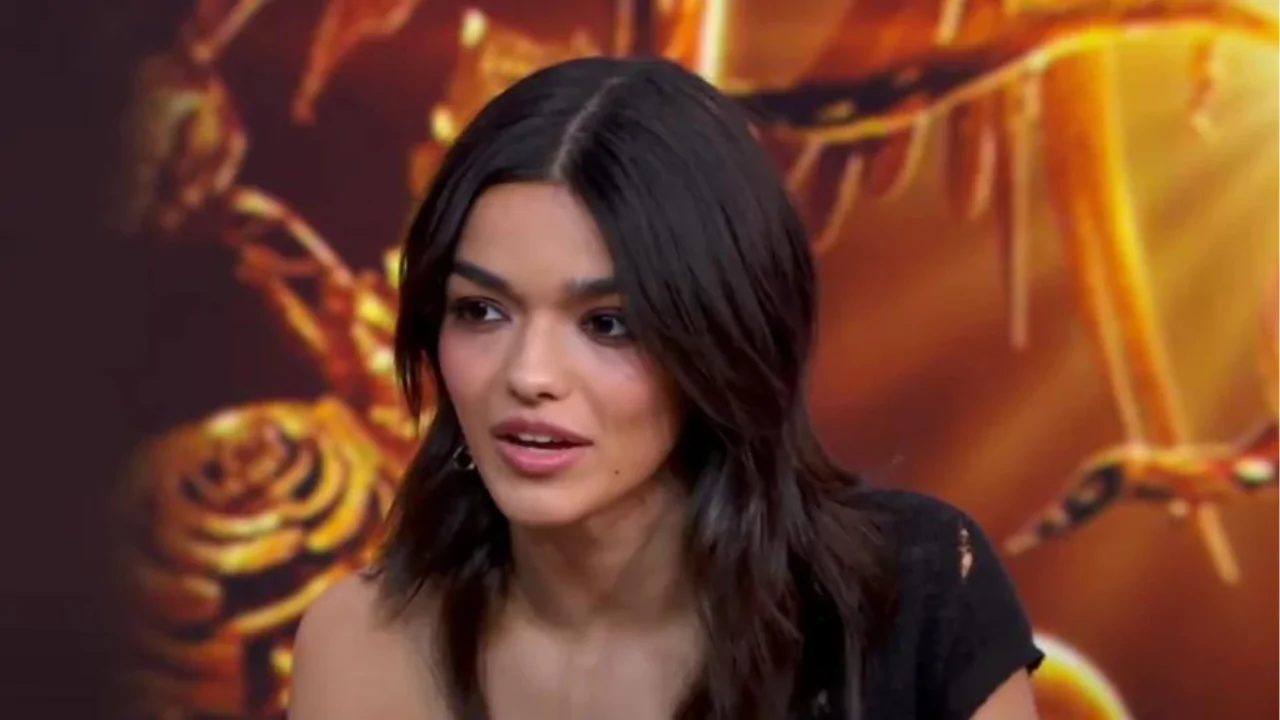
In recent years, actors like Mark Ruffalo, Mark Hamill, Pedro Pascal, and Rachel Zegler have received considerable criticism for their public statements about politics. This criticism hasn’t been limited to online debates; it’s also affected how audiences feel about their work.
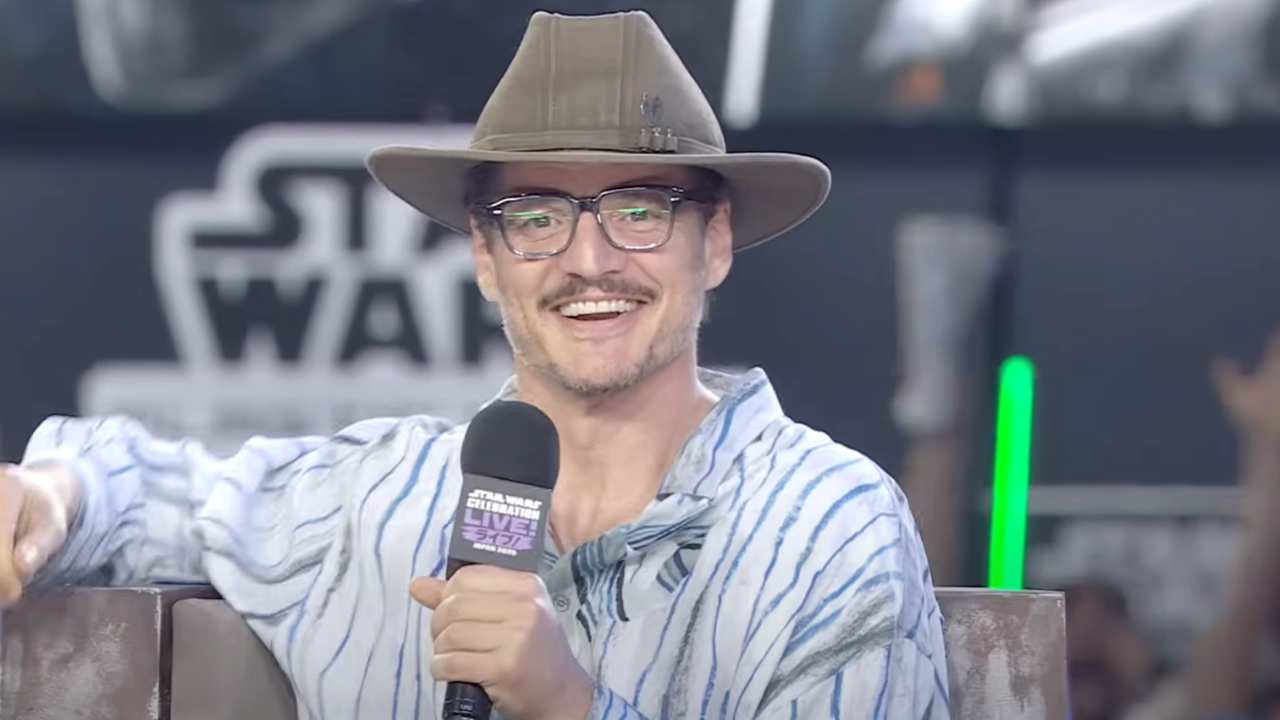
Hollywood is starting to realize that taking strong political stances can hurt careers. The 2024 U.S. Presidential election showed that even with widespread celebrity support for Kamala Harris, political activism doesn’t really change outcomes – and can even negatively impact movie ticket sales.
And now, many actors are choosing to sidestep the trap entirely.
Entertainment Over Ideology
Comedian Kevin James recently shared why he generally avoids talking about politics, especially when reporters ask him directly.
I’m not really one to comment on the political side of things – there are people who are much more knowledgeable than I am, James explained. Right now, I’m just concentrating on providing a bit of enjoyable relief from everything that’s going on.
Kevin James explains he avoids discussing politics because he believes experts have a stronger understanding of those issues.
I’m simply concentrating on providing a bit of lighthearted escape from the daily stresses of life. Everyone carries a lot of worry with them throughout the day, and I want to offer something that feels good and genuine.
— Variety (@Variety) February 13, 2026
He framed his role not as a messenger, but as an escape valve for audiences.
I notice how much stress everyone seems to carry with them daily, and it really moves me. What I truly want to do is bring a little joy, a little bit of hope, and a welcome break from all of that into people’s lives.
Neil Patrick Harris echoed this sentiment while promoting his work at the Berlin Film Festival, focusing on building relationships instead of offering opinions.
Harris believes we currently live in a world that feels very fractured and controlled by algorithms. As an artist, he’s drawn to creating work that isn’t focused on politics, because he feels people ultimately just want to find common ground and connect with each other.
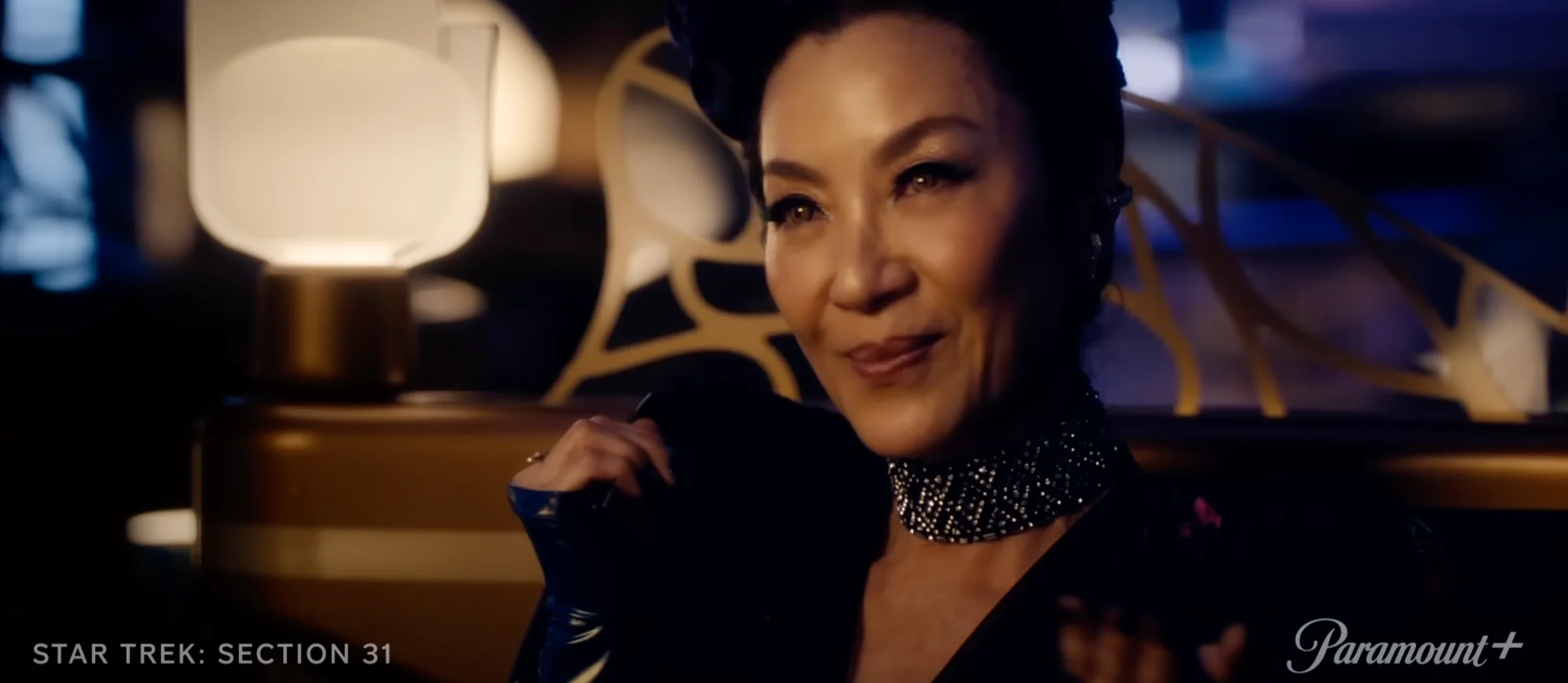
Michelle Yeoh also declined to engage when pressed on American political issues.
Michelle Yeoh said she doesn’t feel qualified to discuss American politics, admitting she doesn’t fully understand the situation. She prefers to avoid commenting on things she isn’t knowledgeable about.
Instead, she redirected focus back to cinema as shared cultural space.
When Reporters Go Fishing
These interactions actually show a growing trend: journalists seem more and more inclined to ask celebrities for political opinions, even when the celebrities haven’t offered them or don’t seem willing to share them.
That tension was on full display with Harry Potter actor Rupert Grint.

Daniel Grint, known for previously sharing his opinions on political matters—such as his critique of J.K. Rowling’s views on gender—was questioned at the Berlin Film Festival about whether he intended to address the growing threat of fascism in the UK.
The way the question was worded already assumed a political stance, putting Grint in a difficult spot where staying quiet could be seen as not caring.
Rupert Grint was questioned about his past statements regarding J.K. Rowling’s views on transgender rights and whether he’d thought about speaking out about the growing support for far-right ideologies in the UK.
Speaking at the Berlin Film Festival, the Harry Potter actor stated plainly, “I definitely don’t support it.” They went on to explain they are careful about when they speak out on issues.
— The Hollywood Reporter (@THR) February 14, 2026
Grint offered a careful and vague reply. “Of course, I don’t agree with it,” he stated. “I’m selective about when I share my opinions, and you’ll hear from me when I’m ready.”
At first glance, the statement doesn’t seem like a strong political opinion. It comes across as a gentle way to avoid a larger argument, similar to a celebrity politely sidestepping a debate while promoting their movie.
But that nuance didn’t stop media framing.
Variety ran the headline: “Rupert Grint on the Rise of Fascism: ‘Obviously, I’m Against It’”
The way it was presented turned a short, careful answer into something that seemed like a complete political message.
This situation perfectly illustrates why so many people are now cautious about dealing with the media – offer them a small opportunity, and they can quickly run with it, potentially distorting the story far beyond the original intent.
Learning From The Backlash Cycle
This media amplification effect helps explain why more actors are declining to engage altogether.
The recent issues involving Mark Ruffalo, Bill Hamill, and Rachel Zegler showed how easily political discussions can take over the news, distract from creative work, and create conflict among viewers.
Movie and TV studios spend vast sums on projects made for audiences worldwide. When actors become the focus of political debates, it creates financial risks, especially in international markets where cultural and political issues are often more sensitive.
Remaining broadly relatable is increasingly seen as brand protection.
A Noticeable Cultural Shift
Celebrity activism isn’t disappearing entirely — but the pendulum does appear to be swinging.
Increasingly, actors are making a clear distinction between their work and their personal political views, particularly when interviews start to feel like attempts to bait them into taking a political stance.

It’s becoming increasingly clear for actors and entertainers that focusing on providing good entertainment is the priority, especially with the unpredictable state of movie ticket sales. If they choose to get involved in political issues, it’s best to do so personally and on their own schedule, rather than responding to media pressure.
If things continue as they are, we might see celebrities offer fewer opinions on social issues – even if the media tries to get them to comment.
Read More
- The Boys Season 5 Spoilers: Every Major Character Death If the Show Follows the Comics
- All Itzaland Animal Locations in Infinity Nikki
- Solo Leveling’s New Manhwa Chapter Revives a Forgotten LGBTQ Story After 2 Years
- Gold Rate Forecast
- Cthulhu: The Cosmic Abyss Chapter 3 Ritual Puzzle Guide
- Persona PSP soundtrack will be available on streaming services from April 18
- DTF St. Louis Series-Finale Recap: You Can’t Hold the Sun in Your Hand
- Warriors vs. Clippers Play-In Results According to NBA 2K26
- Dungeons & Dragons Gets First Official Actual Play Series
- 100 un-octogentillion blocks deep. A crazy Minecraft experiment that reveals the scale of the Void
2026-02-15 18:59