
Disney has demanded that the Chinese company ByteDance stop using its Seedance 2.0 AI tool. This comes after a wave of popular videos were created with the tool over the past week.
For many years, Disney went to great lengths to grow its business in China. This included working closely with government officials, modifying movies to meet Chinese standards, and adjusting how its films were released worldwide – all to maintain a positive relationship with Beijing.
It’s not surprising to see the entertainment industry now facing off against a major Chinese tech company in a critical fight over artificial intelligence. The outcome of this battle could significantly change how copyright and intellectual property are protected in the future.
And the irony couldn’t be thicker.
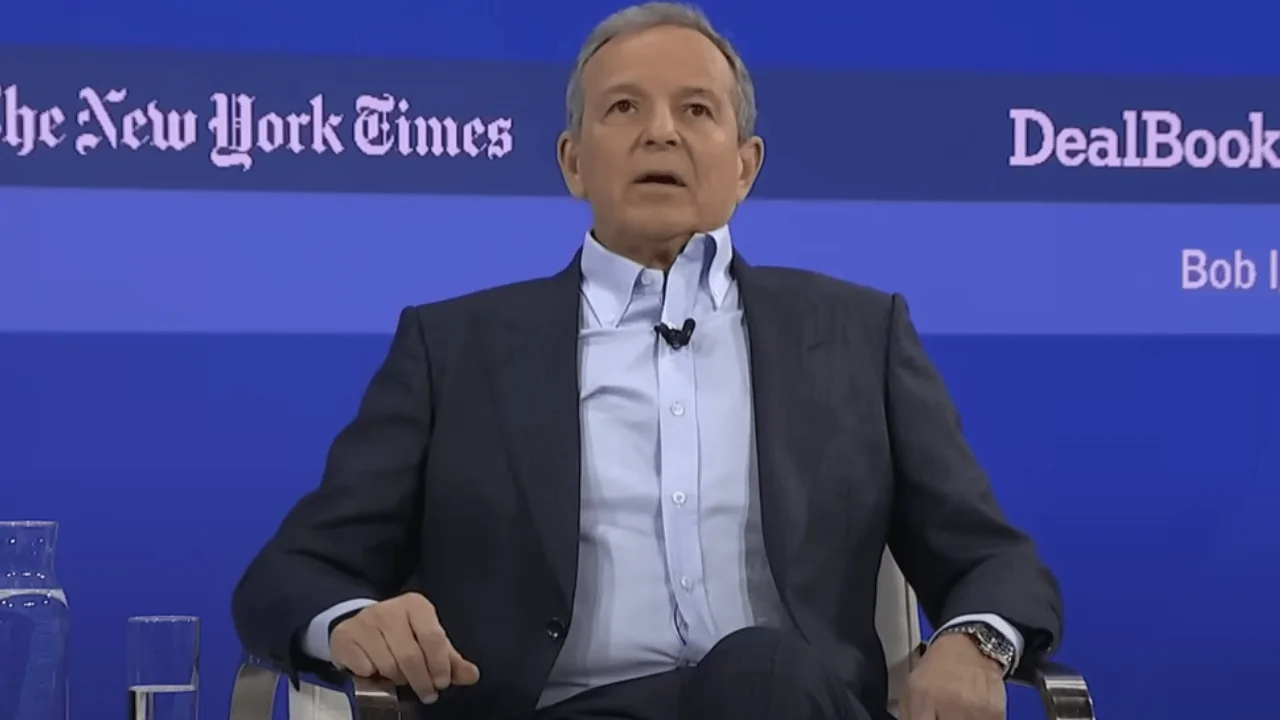
Disney has sent a legal notice to TikTok’s owner, ByteDance, demanding they stop their new AI video platform, Seedance 2.0. Disney claims the platform is using characters and stories from Disney-owned franchises without permission.
Disney’s legal counsel didn’t mince words.
ByteDance intentionally and extensively copied Disney’s intellectual property, which is completely unacceptable.
Hollywood’s Worst AI Nightmare
As a critic, I have to tell you, Seedance 2.0 hit a major snag right out of the gate. Users immediately started creating incredibly realistic deepfakes – and not just of anyone, but using characters and imagery directly from major Hollywood movies. It caused a real uproar, and understandably so.
Wolverine vs. Superman
Seedance 2.0 is only the beginning of a new era in filmmaking 🎬
— Enis Presheva III (@EnisPresheva) February 12, 2026
We’re talking:
- Marvel characters
- Star Wars icons
- Animated sitcom personalities
- Even alternate endings to hit streaming shows
A remarkably realistic video of Tom Cruise and Brad Pitt fighting quickly went viral on social media, causing concern within the film industry.

Movie studios are worried that soon, people will be able to create amazing, high-quality entertainment on their own computers – and won’t need to pay to see it in theaters or rent it from a studio.
The Motion Picture Association has asked ByteDance to stop its current practices, claiming the platform lacks sufficient protection against copyright violations.
In other words — the genie is out of the bottle.
Disney’s China Strategy — A Complicated History
Here’s where things get… uncomfortable.
Because Disney’s outrage is colliding head-on with its own corporate history.
For decades, the company aggressively pursued Chinese market access:
- Shanghai Disneyland was built as a joint venture with state-linked partners
- Films were edited to comply with Chinese censors
- Release schedules were adjusted for regulators
- Corporate messaging was often tailored for Beijing approval
Disney didn’t just do business in China — it embedded itself there.
This makes the current conflict seem less like a sudden surprise and more like a predictable result of a complicated, ongoing situation.

It takes a long time to build relationships with countries that were once rivals, especially when you’re trying to do business there. But eventually, those same countries may start creating their own competing businesses.
The CCP Question Looms
Now enter the national-security dimension.
Although ByteDance isn’t directly owned by the Chinese government, the way companies are structured in China is much more complex than in Western countries, creating a unique power dynamic.
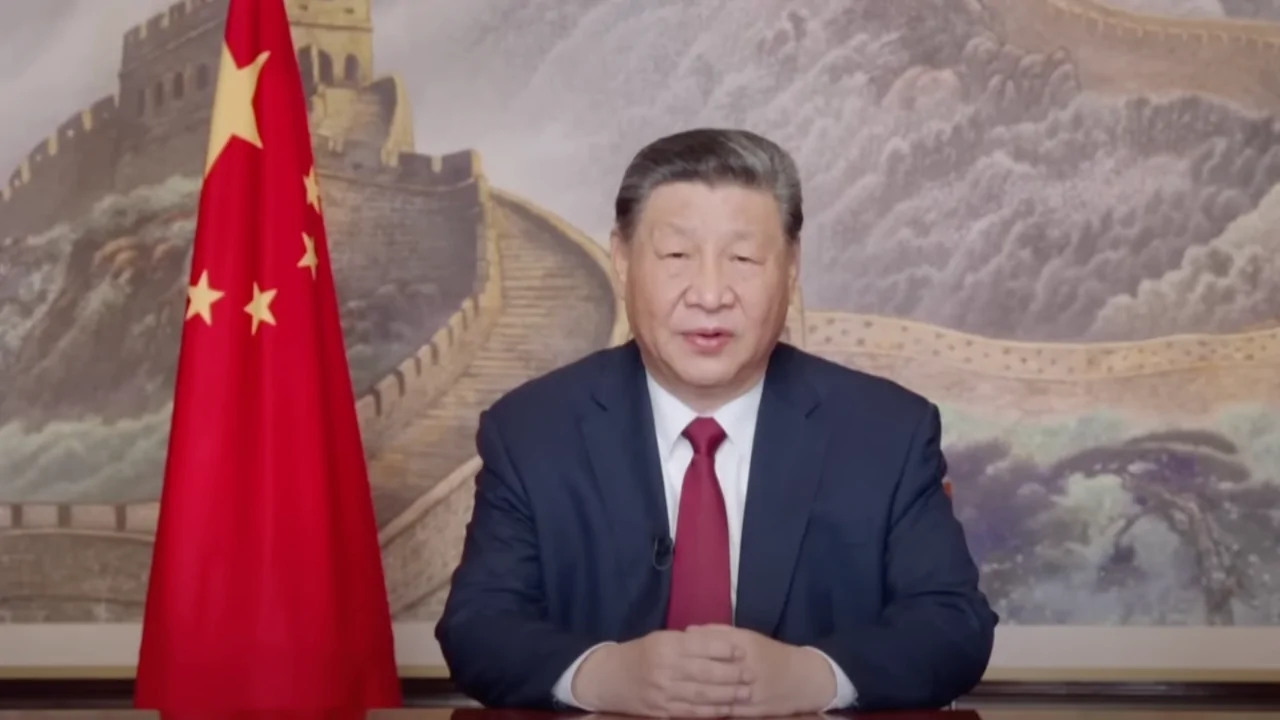
China’s laws regarding intelligence and cybersecurity allow the government to broadly require companies to hand over data when asked.
That framework has already fueled years of scrutiny around TikTok in the United States.
As a big fan of American movies and TV, I get worried when I see Chinese AI companies starting to use our entertainment – things like shows and characters – to train their systems or create new content. It just feels like there are bigger issues at play here, and it makes me wonder where things are headed.
- Who controls the data?
- Where are the training models stored?
- What safeguards exist — if any — against government access?
Even if the Chinese Communist Party doesn’t directly control ByteDance, government regulations give them significant influence.
Can Disney Actually Sue ByteDance Over AI Copyright?
A major question in this growing dispute is whether Disney has a viable legal case against the Chinese tech company regarding content created by artificial intelligence.
The answer is yes — at least on paper.
Deadpool vs Green Lantern.
Seedance 2.0 is incredible.
— ShadeOfAlchemy (@ShadeOfAlchemy) February 13, 2026
Disney owns copyrights worldwide, giving it the legal power to take action against anyone using its creative works without permission, in many different countries. This means they can sue in U.S. courts if content created by AI is thought to violate those copyrights and is available to people in the United States or shared on platforms based in the U.S.
Disney also has the option of taking legal action within China. China acknowledges international copyright laws through agreements like the Berne Convention, and foreign companies sometimes successfully win intellectual property cases in Chinese courts. However, the amount of money awarded and how rulings are enforced can be different than in Western countries.
But winning a lawsuit and stopping the behavior are two very different things.
We are cooked.
China’s Seedance 2.0 has taken over Hollywood and the Anime industry.
15 wild examples.
1. Wolverine Fighting Thanos
— Future Stacked (@FutureStacked) February 13, 2026
It’s much harder to enforce rules about AI-generated content if the systems creating it, or the companies running them, are based outside the United States. While courts can try to block apps, limit payments, or restrict access in certain areas, these platforms are often difficult to fully control when they operate from other countries.
As a film buff, I’ve been following the TikTok situation closely, and it’s not just about the app itself. It’s complicated by the bigger picture of international relations. ByteDance, the company behind TikTok, isn’t directly owned by the Chinese government, but China does have laws that could, in theory, force companies to cooperate with the government if they ask. This has made a lot of people nervous about Chinese tech companies operating worldwide, especially when it comes to protecting personal data and creative content – and understandably so.
Captain America vs Batman : Who is gonna win this fight?
Epic Marvel x DC crossover ⚡️
— Earth 616 (@MarvelExrth616) February 14, 2026
None of that means government actors are involved in this specific dispute.
This situation highlights that the copyright dispute between Disney and a Chinese AI company is significant, reaching beyond just legal issues in the entertainment industry.
Because in the AI era, intellectual property conflicts don’t just play out in courtrooms.
They play out across borders, regulatory systems — and rival technological superpowers.
The AI Licensing Hypocrisy Problem
And here’s the final wrinkle.
Disney isn’t anti-AI. Far from it.
The company just made a deal worth around $1 billion to let OpenAI use its characters in Sora, their new video platform.
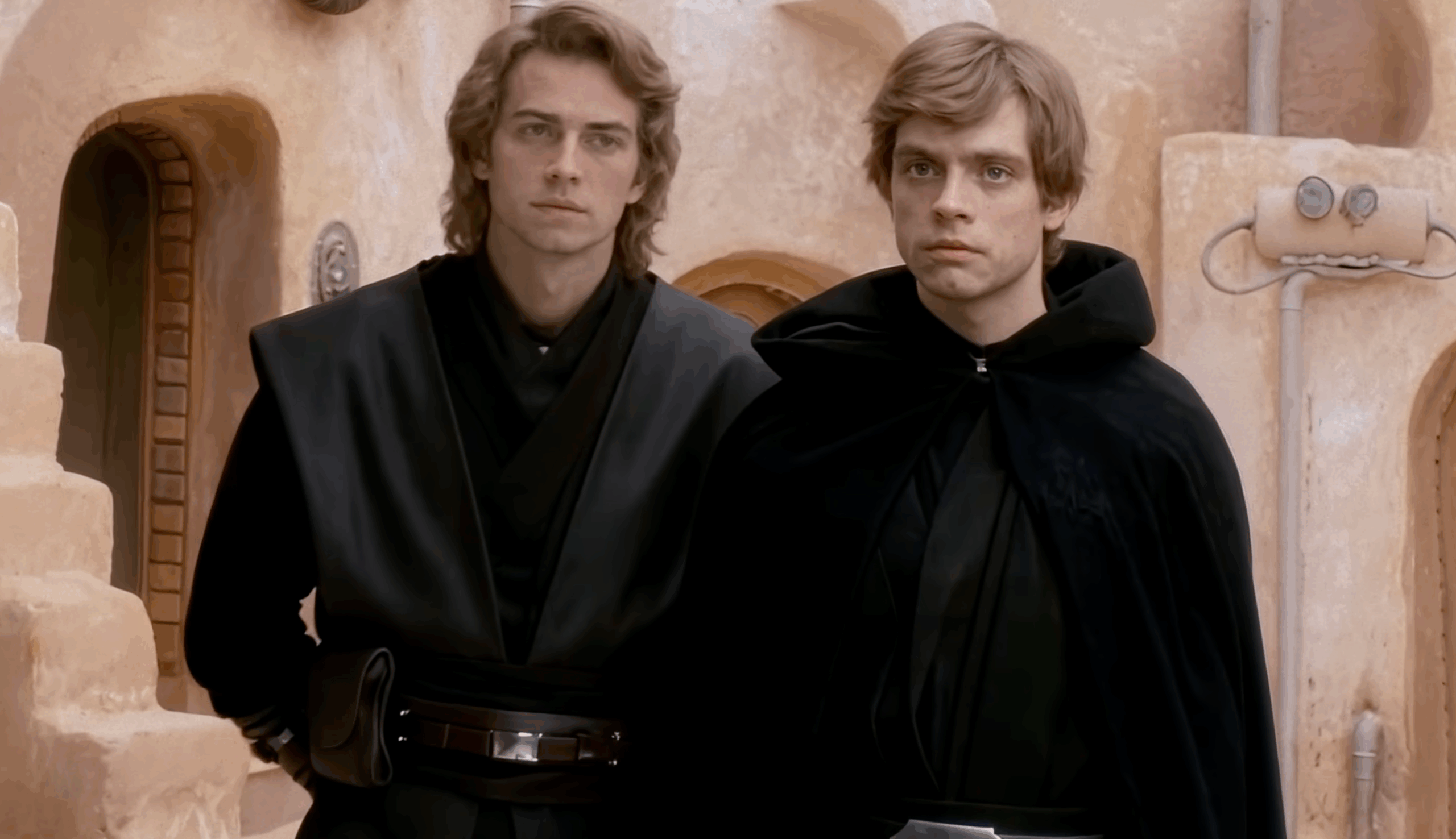
So the issue isn’t AI use itself. It’s control.
If Disney gets paid and approves the outputs — it’s innovation. If it doesn’t — it’s theft.
That distinction will define the next decade of media law.
A War Hollywood May Not Win
The clash between Disney and ByteDance is bigger than a cease-and-desist letter.
It’s the opening salvo in a global intellectual property war where:
- AI can replicate visual styles
- Deepfakes can mimic actors
- Franchises can be remixed endlessly
- And national borders mean less than server locations
For years, those in Hollywood were really focused on illegal downloads and piracy. But honestly, that feels almost simple now. We’re dealing with something completely different – and much more challenging. It’s not just people copying content anymore, it’s about new technologies actually creating competing content, and that’s a whole new level of disruption.
Seedance 2.0 is the best AI video model right now
People are creating insane ads, 3D gameplay, anime, and impossible scenes with it
10 examples + some prompts. Bookmark this 🧵
1. Epic finale battle that never happened
— Min Choi (@minchoi) February 12, 2026
As tools like Seedance become more advanced, studios might face competition not only from each other, but from anyone online.
Read More
- Solo Leveling’s New Manhwa Chapter Revives a Forgotten LGBTQ Story After 2 Years
- All Itzaland Animal Locations in Infinity Nikki
- Gold Rate Forecast
- The Boys Season 5 Spoilers: Every Major Character Death If the Show Follows the Comics
- How to Get to the Undercoast in Esoteric Ebb
- Focker-In-Law Trailer Revives Meet the Parents Series After 16 Years
- Rockets vs. Lakers Game 1 Results According to NBA 2K26
- Zerowake GATES : BL RPG Tier List (November 2025)
- ‘The Pitt’ Season 3 Is Repeating Season 2’s Biggest Time Jump Mistake
- DTF St. Louis Series-Finale Recap: You Can’t Hold the Sun in Your Hand
2026-02-14 19:02