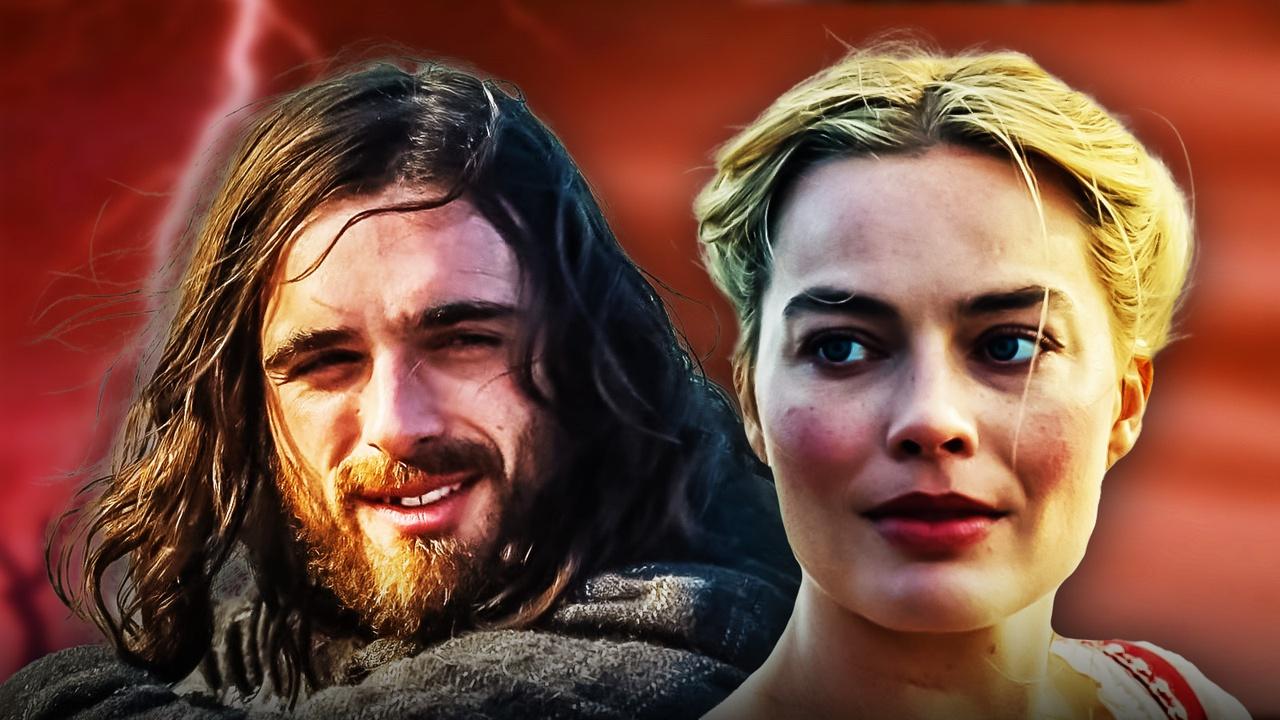
The upcoming 2026 film adaptation of Emily Brontë’s Wuthering Heights has an unusual title: it’s officially called “Wuthering Heights,” with quotation marks. This has sparked curiosity among fans. Directed by Emerald Fennell, known for Saltburn, this isn’t the first movie based on the classic romance novel. However, this version, starring Margot Robbie and Jacob Elordi, is taking a new approach, and the title with quotation marks hints at that difference.
The movie Wuthering Heights tells the passionate love story of Catherine Earnshaw, played by Robbie, and Heathcliff, played by Elordi. Early trailers showed that director Fennell’s version would differ from previous adaptations, featuring a modern, upbeat soundtrack by Charli XCX and a very visually striking gothic atmosphere. Elordi has confirmed that the unusual quotation marks around the film’s title are a deliberate creative choice.
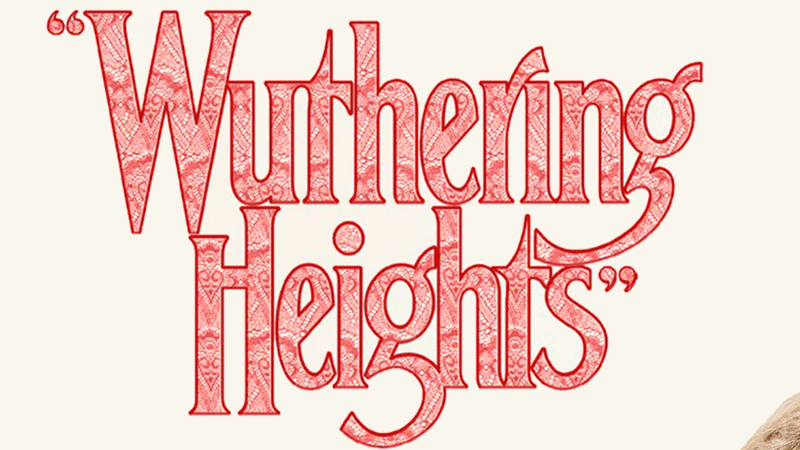
In a recent interview with The Hollywood Reporter, Jacob Elordi explained that the film’s title is deliberately presented with quotation marks. He emphasized that the movie is director Emerald Fennell’s unique take on Wuthering Heights, signaling that it’s her interpretation of a classic work of art.
Jacob Elordi explained that the director, Emerald Fennell, had a specific vision for the project, drawing on images she’d imagined as a teenager. He finds it exciting to see someone offer a unique take on existing art – to create something new, original, and visually striking.
Emerald Fennell has been wonderfully candid about her adaptation of Wuthering Heights. She admitted she knew from the start she couldn’t possibly capture everything that makes the novel so brilliant. In fact, she said that deliberately framing it as Wuthering Heights – putting the title in quotes, almost – felt like the right approach. It’s a nod to the source material, but also a statement that her film isn’t trying to be the book, just a response to it.
I’m a huge fan of this book, so I immediately realized I could never create an adaptation that truly captured its brilliance. My only goal was to make a film that evoked the same emotions I felt while reading it. That’s why I chose to call it ‘Wuthering Heights,’ even though it’s my own interpretation, not a direct copy.
In a recent interview with Fandango, Fennell explained that she believes any movie based on a book—particularly one as complex as this—should acknowledge its source material, almost as if it’s a direct quote.
In addition to Robbie and Elordi, the cast of “Wuthering Heights” includes Hong Chau, Owen Cooper, Shazad Latif, and Alison Oliver. The film will be released in theaters on February 13th.
“Wuthering Heights” Is a Brand New Interpretation
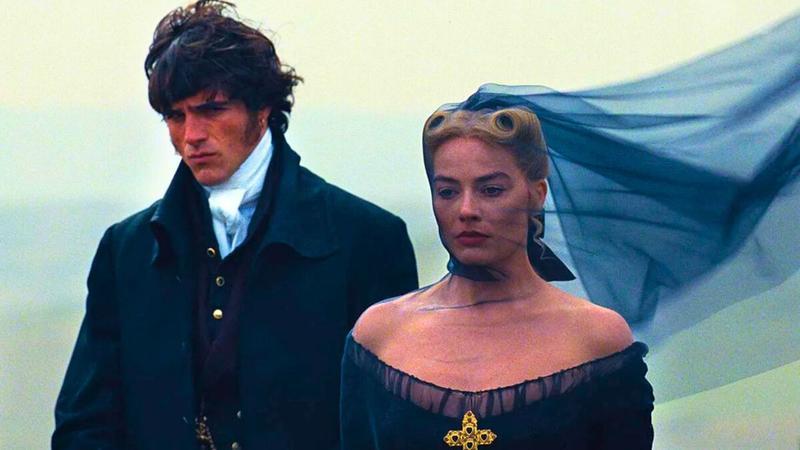
The use of quotation marks in Wuthering Heights isn’t just stylistic—like the asterisk in Marvel’s Thunderbolts, they hint at a more complex layer within the movie.
The movie’s use of quotation marks around the title, Wuthering Heights, is a deliberate creative decision, like many others in this new adaptation. Including those marks signals to viewers that this version of the classic story might be different from what they expect.
Fans quickly noticed several changes in Fennell’s version of the story. A major point of discussion was the casting of Jacob Elordi as Heathcliff, a character traditionally depicted as having dark skin or mixed ethnicity. Fennell explained to Vogue that she envisioned Elordi in the role, recalling seeing him on the cover of a copy of the book she’d owned since she was a teenager.
Fennell’s film seems to prioritize creating a strong emotional impact over sticking strictly to the plot of the book. Critics have generally responded positively, appreciating the film’s unique style and acting, and while it differs from the novel, these differences are seen as a strength rather than a weakness.
Read More
- Off Campus Season 1 Soundtrack Guide
- Chainsaw Man Volume 24’s Cover Art Reveals a Brand-New Denji
- X-Men ’97 Finally Gave Gambit the Hero Moment He Deserved
- 46 Years Later, The Mandalorian & Grogu Answers A Major Empire Strikes Back Question
- HoI4 fans harsh reactions to the announcement of another DLC pack
- 10 Worst End-Game Couples In Sitcom History
- Katanire’s Yae Miko Cosplay: Genshin Impact Masterpiece
- Gold Rate Forecast
- Hatsune Miku cosplayer goes viral selling $15 cups of “foot juice” to thirsty anime fans
- DoorDash responds after customer uses AI to make food look bad and get a refund
2026-02-11 21:05