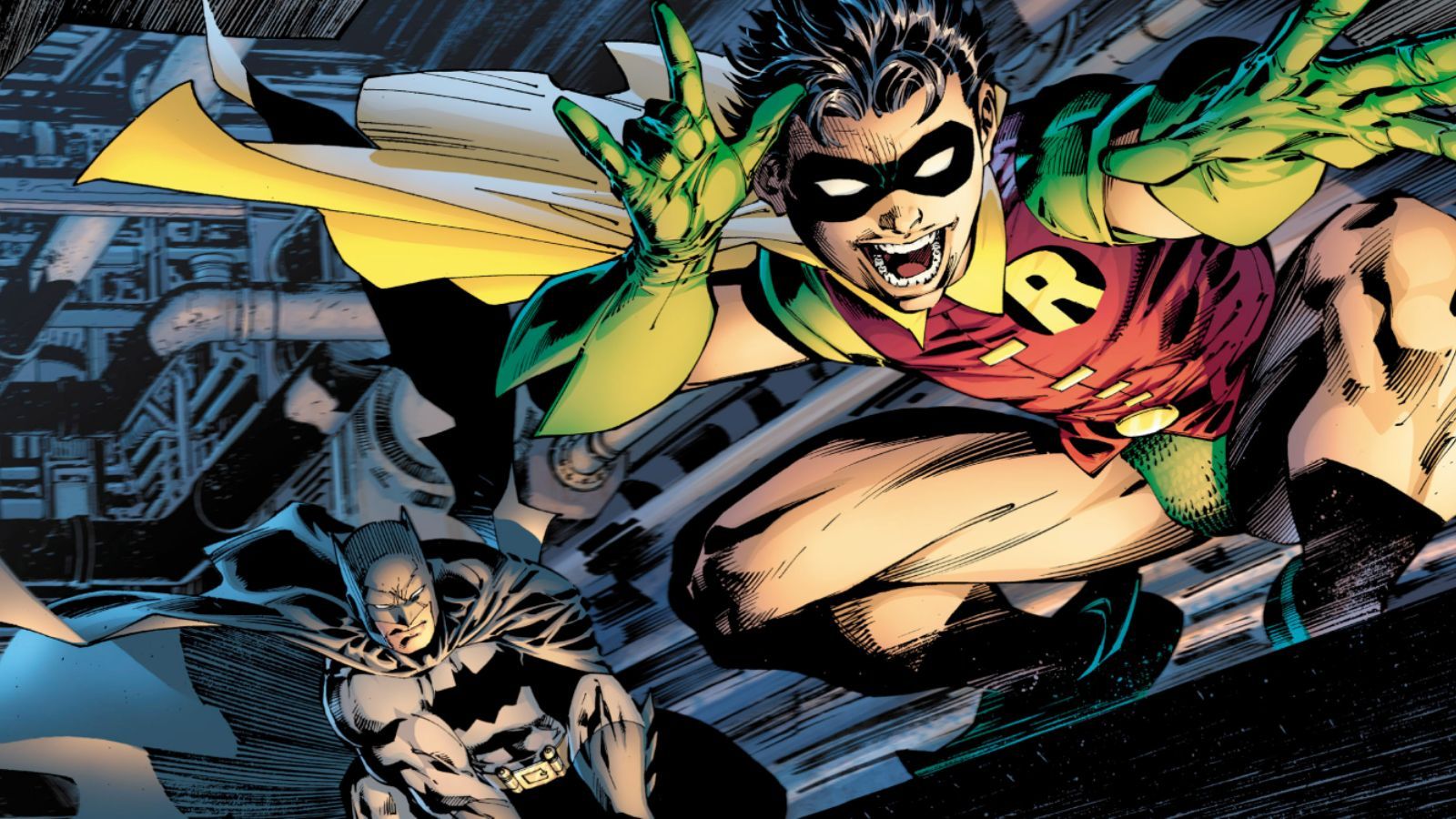
Created by Bob Kane and Bill Finger in 1939, Batman has become the most recognizable hero for DC Comics, appearing in many of the greatest comic book stories ever told. Gotham City is rarely boring, with tales ranging from intense psychological dramas to frightening supernatural horror. However, even the Dark Knight has starred in some truly awful stories.
Batman is a character with a long history, written by many different writers over nearly a century. Some understood what makes him compelling, while others didn’t quite capture his essence. While opinions always vary, certain stories have consistently been disliked by fans. Although not every story will appeal to everyone, a few are widely considered particularly poor interpretations of the character. One story, in particular, is notorious for being a remarkably bad portrayal of the Dark Knight.
All-Star Batman and Robin the Boy Wonder Alienated Comics Fans
In 2005, DC Comics launched the All-Star line, a series of limited-run comics intended to showcase definitive versions of their most popular heroes. While Grant Morrison and Frank Quitely delivered on that promise, the same wasn’t true for Frank Miller and Jim Lee’s All-Star Batman and Robin the Boy Wonder. This comic retells the story of how Batman first met Dick Grayson, focusing on the young boy becoming Bruce Wayne’s adopted son and crime-fighting partner after his parents died.
Taking advantage of Dick Grayson’s recent trauma, Batman quickly rescues him from the police officers who were exploiting the situation. He immediately begins a harsh training regimen, intending to mold Dick into a weapon in his fight against crime. Batman reveals his reasoning through internal thoughts, explaining he must instill fear in Dick and prevent him from processing his grief or considering forgiveness – outcomes Batman deems unacceptable. This training includes shockingly inappropriate and poorly delivered lines, such as aggressive and offensive questioning about Dick’s intelligence and accusations of who Batman believes himself to be.
The conversation between Batman and Robin in the Batmobile immediately signaled the direction of the story, giving readers a preview of what the next eight issues would hold. However, depictions of Batman’s increasingly aggressive and questionable behavior – including a sexual encounter with Black Canary and a violent confrontation with Alfred – made it difficult to sympathize with him. Ultimately, many readers were simply relieved when the storyline concluded.
Miller’s story suffered from a trick that, while potentially effective in small doses, quickly became irritating for readers – a problem rarely seen in Batman comics. It perfectly illustrates a common writing tendency: believing the only way to make Batman seem strong is by making everyone around him appear weak.
Frank Miller Broke the Dynamic Duo’s Connection
The series shows glimpses of what could have been great, particularly as a foundation for The Dark Knight Returns. Jim Lee’s artwork is consistently excellent, and the portrayal of the Joker is genuinely terrifying, accurately depicting him as a dangerous killer, alongside a well-written Jim Gordon. Unfortunately, that’s where the strengths end, as the story quickly loses sight of what makes Batman so popular.
Frank Miller’s biggest misstep was how he portrayed the relationship between Batman and Robin. While it had always been complex, this series made it far worse by removing any sense of affection or respect between them. Miller continued to depict Robin not as a son figure, but simply as another soldier fighting in Batman’s war on crime.
Beyond the weak story choices, Miller’s writing of Batman’s thoughts and some of the dialogue made things even worse. It felt like a clumsy try to recreate the style he perfected in Sin City. But here, it quickly becomes tiresome, particularly because of Batman’s holier-than-thou attitude.
The story includes troubling scenes where Batman struggles with his own morality, ultimately justifying increasingly harsh treatment of Dick Grayson. He begins to resemble a cruel military instructor or even a cult leader, and this damaging behavior towards Robin ultimately ruins the narrative.
Sadly, the most extreme parts of that storyline have really stuck with the character, and Batman has become even more detached and, occasionally, mistreats the people he’s trying to protect. It’s a big departure from the much more positive relationship Bruce Wayne had with Carrie Kelley in the original story.
Frank Miller Ruined A Golden Opportunity — Twice
Following the groundbreaking success of The Dark Knight Returns, which dramatically reshaped the Batman mythos, Frank Miller revisited the story with The Dark Knight Strikes Again. This sequel picks up years later, showing Batman re-emerging in an America that’s becoming a police state. He searches for former Justice League teammates, like the Atom, to help him. While not as revolutionary as the original, this book explored different themes and portrayed Superman as being overly controlled by the government—making his depiction in The Dark Knight Returns seem reasonable in comparison.
While Frank Miller’s work on Batman is highly celebrated, it definitely has some weak spots. Many fans debate which Batman comic is the worst, and for a lot of them, it comes down to which of Miller’s stories is the most flawed. Though The Dark Knight Strikes Again wasn’t perfect, All-Star Batman and Robin was significantly worse, even with Jim Lee’s fantastic artwork.
Read More
- Off Campus Season 1 Soundtrack Guide
- Chainsaw Man Volume 24’s Cover Art Reveals a Brand-New Denji
- DoorDash responds after customer uses AI to make food look bad and get a refund
- Hideo Kojima says Metal Gear Solid 2 became the future he hoped would not happen
- Euphoria Season 3’s New R-Rated Sydney Sweeney Scene Proves The Show Is Trolling Us
- Dragon Quest II HD-2D Remake: Where to get the Magic Key
- Gold Rate Forecast
- HSR Banner Schedule (Honkai Star Rail)
- All Golden Ball Locations in Yakuza Kiwami 3 & Dark Ties
- How to Get to the Undercoast in Esoteric Ebb
2026-01-15 18:09