
I’ve been a big fan of Korean dramas – or K-dramas, as many call them – for years, and it’s amazing how popular they’ve become globally. They’re such a huge part of South Korean culture. But lately, I’ve been wondering if this success is as solid as the streaming numbers make it seem. While we’ve seen incredible shows go viral, especially after Squid Game, I get the feeling there are some real challenges within the industry that could impact the future.
K-dramas have become hugely popular, evolving from earlier Korean TV shows that were similar to long-running American soap operas. Although they’ve found success with tighter storylines and a winning formula, now K-dramas are facing challenges. Their initial appeal is starting to wear off, production costs are rising rapidly, and the intense competition from streaming platforms and their algorithms poses a serious threat to their continued popularity.
K-Dramas Changed Forever After Squid Game


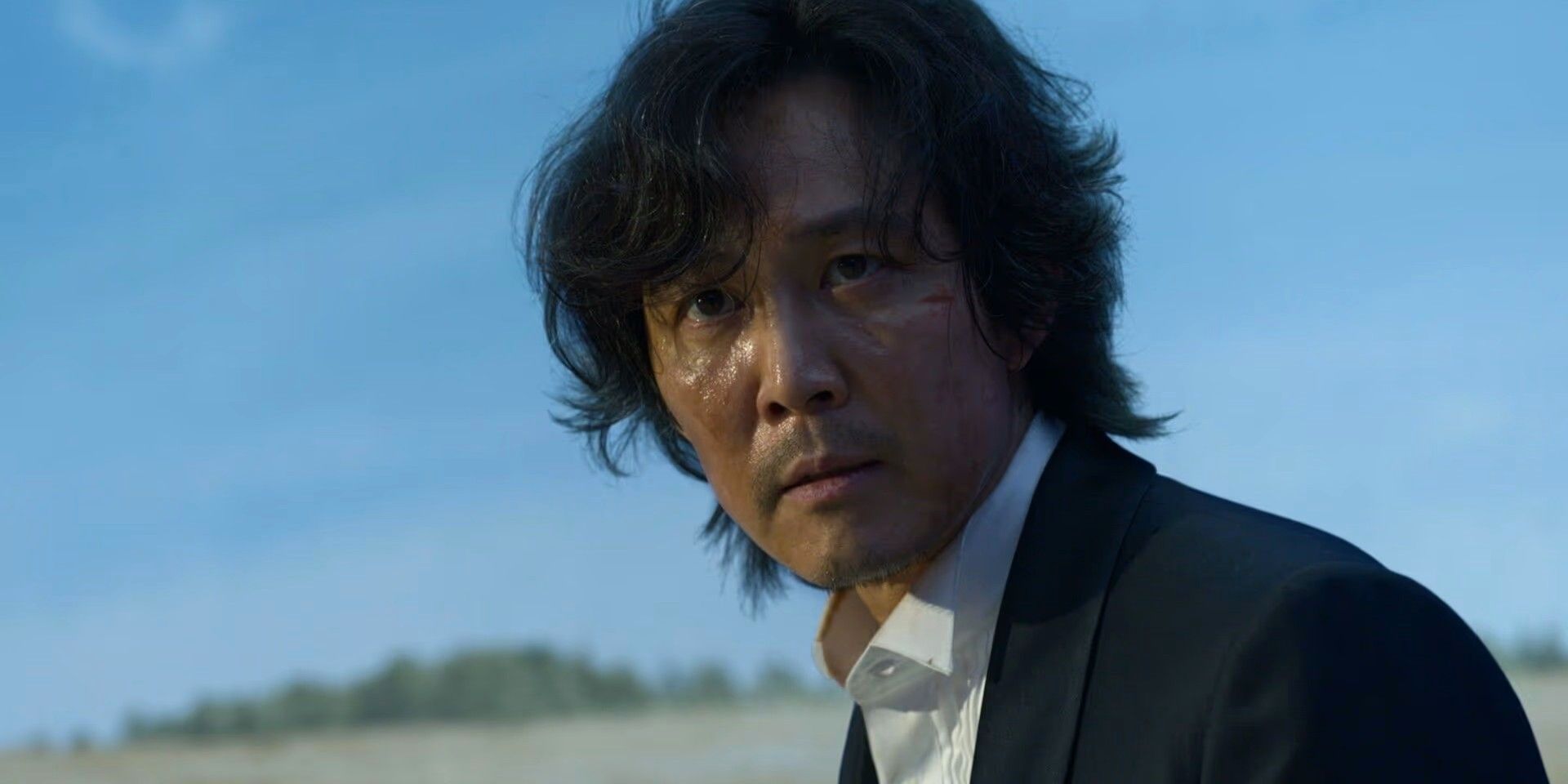
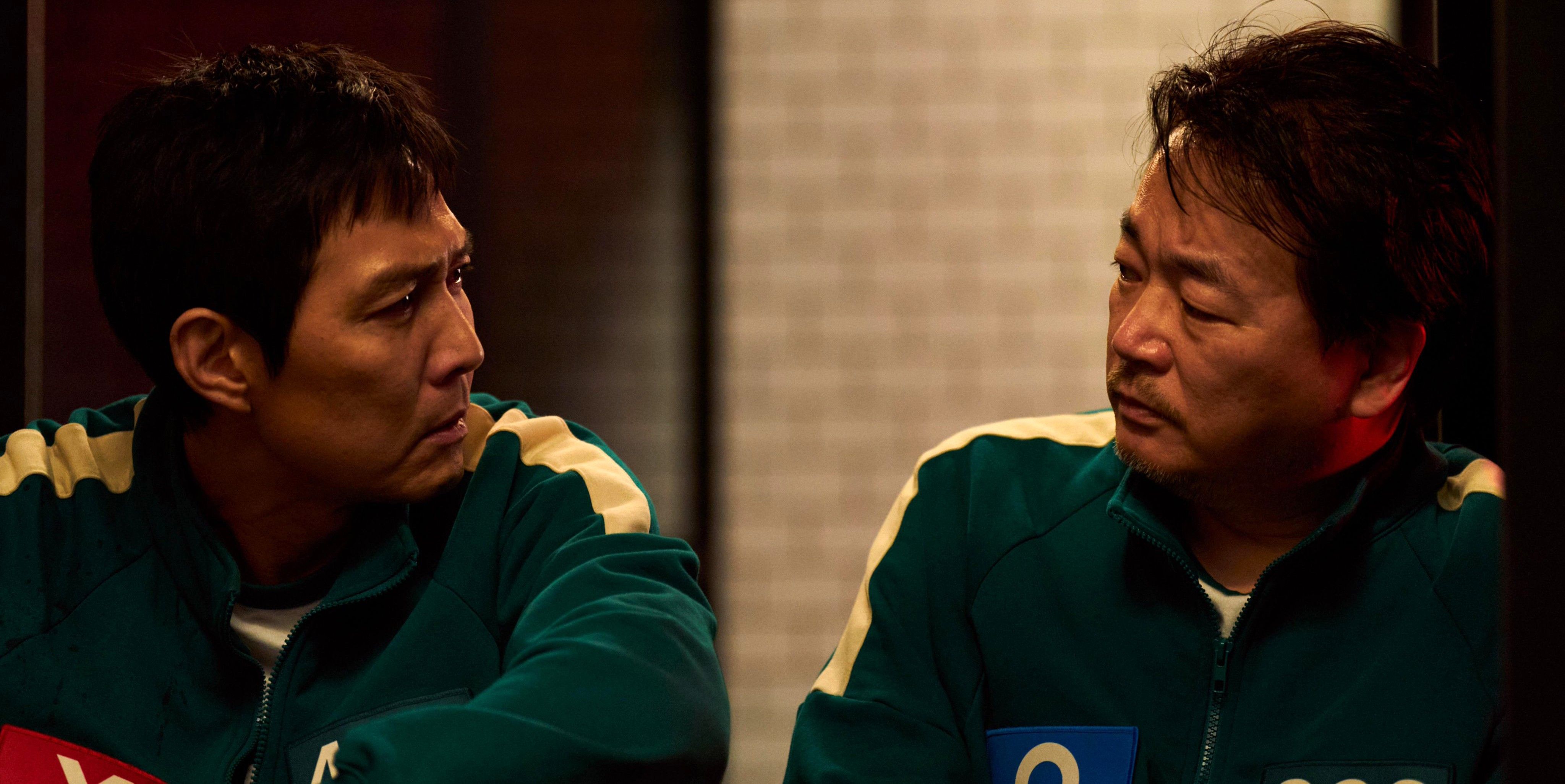

Korean dramas, or K-dramas, were already popular in some countries before 2020, particularly in Japan and China where they were broadcast with licenses. Though they had some success, they didn’t become a global phenomenon until the release of Squid Game in 2021.
Longtime K-drama fans often identify when they first became interested based on the shows they loved. For example, Winter Sonata became incredibly popular in Japan – so much so that it was even referenced in the Yakuza video game series.
Popular K-dramas from recent years, like Reply 1988, Strong Girl Bong-soon, and Crash Landing on You, have been huge hits with fans. Each show offered something different – Reply 1988 stood out with its realistic and unique storytelling, Strong Girl Bong-soon was a fun take on the superhero genre, and Crash Landing on You bravely explored a romance across borders in North Korea. These shows, and those that came before, are good examples of what classic K-drama fans enjoy.
The success of Squid Game allowed Netflix to compete more directly with the established Korean entertainment industry and release content faster. This increased demand led to quicker production timelines, larger investments in both production quality and talent, and a need for shows that were almost guaranteed to succeed. Although Squid Game was original, it drew inspiration from Japanese stories about deadly games, making it a significant risk.
As a movie and TV fanatic, I remember when Squid Game blew up – suddenly everyone was into K-dramas! Netflix really jumped on that, and then a bunch of other streaming services like Disney+ and Rakuten Viki started producing them too. But honestly, a lot of these shows, including later seasons of Squid Game, felt a bit… predictable. They relied on the same old tropes, remakes, and just kept making more of what already worked, instead of really trying anything new.
The Wrong Lesson Was Learned from Netflix’s K-Drama Surge
It’s surprising that Squid Game‘s huge popularity didn’t lead to more Korean dramas with similarly unique and creative storylines. Despite being initially turned down by Korean television networks, Squid Game became a global hit, but that didn’t encourage Netflix and other broadcasters to take big risks on new shows. Instead, they tended to play it safe.
These days, K-dramas are getting shorter, moving away from the traditional eight-week format that relied on selling advertising slots in advance. This has led to fewer episodes – some shows, like Business Proposal, now have as few as eight. Many popular K-dramas, including Business Proposal, are also based on already popular online novels or comics and often star well-known actors.
Even though Hometown Cha-Cha-Cha is a good show with charming actors like Shin Min-ah and Kim Seon-ho, its success relies on a predictable pattern. Many viewers likely discovered it through the popular TikTok trend featuring the song “Wish.” Unfortunately, both actors’ next roles are remakes, rather than original stories.
It’s natural to want to see talented actors in successful shows, but those shows are becoming more predictable and sticking to proven formulas. While 2024’s Lovely Runner was a big hit, its success was mainly due to the quality of the original story it was based on, Tomorrow’s Best, rather than being a truly innovative series.
Byeon Woo-seok, the lead actor from the popular drama Lovely Runner, is set to star in two upcoming adaptations: Perfect Crown and Solo Leveling. With budgets for K-dramas increasing dramatically – often ten times per episode compared to ten years ago – a new type of video format is starting to challenge K-dramas’ popularity.
Vertical Microdramas Could Be an Existential Threat to K-dramas – or Their Evolution

Microdramas, short videos typically lasting only a minute or less, are becoming a huge hit internationally. Surprisingly, they’re now earning more revenue than Chinese-made films. Because they’re inexpensive to produce, they offer creators a great way to make money.
K-dramas are facing increasing competition from short-form web series, often called ‘microdramas,’ which have become very popular. This is especially true because China has largely restricted K-dramas, leading to the rise of competing streaming platforms, as explained in a recent video by Asian Boss.
In a recent video, Asian Boss suggests a good approach for Korean dramas if they start using the short-form format popular on platforms like TopReels. He proposes creating brief pilot episodes to test ideas before investing fully in longer, more expensive series. Ultimately, though, whether or not to take this approach would depend on producers prioritizing financial gain.
K-dramas used to be known for their endless storylines, much like traditional American soap operas, but those days are over. While 16-episode seasons were once the standard, they now often feel predictable and are designed to avoid being too different. The most exciting period for K-dramas has passed, and it’s unclear if they can maintain their popularity.
Read More
- Off Campus Season 1 Soundtrack Guide
- Euphoria Season 3’s New R-Rated Sydney Sweeney Scene Proves The Show Is Trolling Us
- Gold Rate Forecast
- DoorDash responds after customer uses AI to make food look bad and get a refund
- Brent Oil Forecast
- What is Omoggle? The AI face-rating platform taking over Twitch
- 8 Funniest Billy Butcher Quotes From The Boys
- MNT PREDICTION. MNT cryptocurrency
- Crypto Chaos: Are Your Bitcoins and Ethereums Ready for a Wild Ride? 🚀😱
- 🇧🇷 Blockchain & AI: Brazil’s SUS Gets a Tech Makeover! 🚀
2026-01-13 05:59