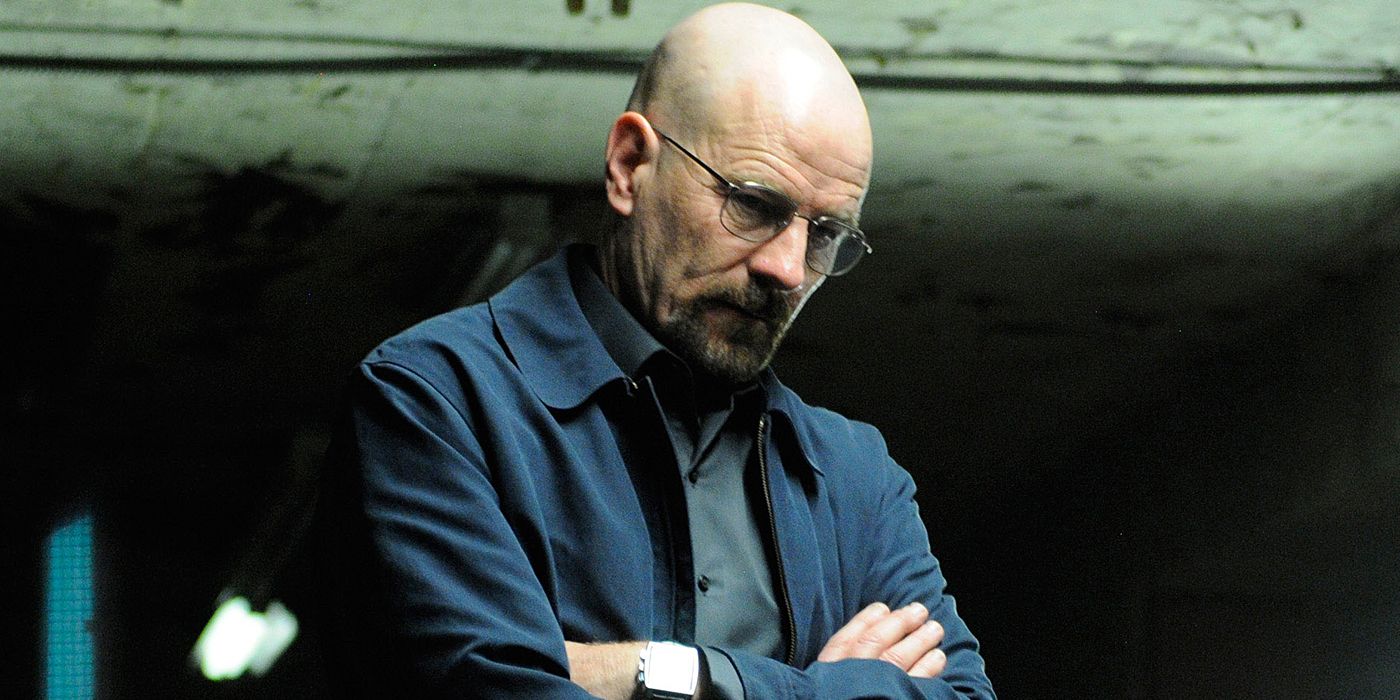
Some TV shows suffer from “bloat” – they go on for so many seasons and episodes that fans lose interest, and what was once great becomes dull and pointless. Other shows avoid this by staying focused and concise, creating well-paced stories that flow smoothly from season to season.
While miniseries are popular, some full-season TV shows are equally captivating. These shows build a strong, consistent world where each episode adds something meaningful to the larger story. Even episodes that tackle difficult or complex subjects feel essential and well-crafted, never feeling like filler.
Succession Framed Power as a Poisoned Legacy
The show centers on Logan Roy and his four children. Three of them are involved in their father’s media company, though they resent him. They’re eager to inherit the business, but don’t want to become like him in the process.
The show Succession has received a lot of praise and won many awards, especially for its actors. Viewers have become invested in the characters, even though they all have significant flaws. Ultimately, the show reveals that even people who grow up with wealth and privilege can struggle with deep emotional pain.
The Roy family embodies extreme dysfunction, representing the ultimate result of a world where everything – even love and principles – has a price tag. Succession doesn’t offer easy resolutions or character growth; its characters are flawed yet relatable, all wrestling with compromised ethics. The show ultimately reveals the corrupting influence of unchecked capitalism, showing how it can turn even the closest bonds into something cruel.
The show tightly focuses on its core themes, leaving no room for unnecessary diversions. Each event builds on the emotional foundation, steadily increasing the tension within a contained world. Instead of relying on grand displays, the series emphasizes emotional depth, which enriches the story and develops the characters, creating a cohesive narrative that rewards close attention.
Travelers Reimagined Time Travel as Moral Responsibility
The science fiction landscape is rich with compelling shows, including Netflix’s German series Dark. While Dark is also worth watching for its thought-provoking themes, Travelers stands out by exploring unique and often overlooked challenges. The show centers around agents who travel from a ruined future with one mission: to prevent the catastrophe by subtly altering key events of the 2010s.
The show Travelers is rare in its depiction of artificial intelligence. It portrays the AI, known as the Director, as genuinely good and incredibly powerful, carefully considering the value of human life even when making logical decisions. The Director has a detailed ‘Grand Plan’ that its followers accept with a devotion similar to religious faith. However, unlike religion, those who follow the Director are fully aware of the negative consequences if they deviate from the plan.
What makes this show stand out – especially when compared to Succession – is the genuine kindness of the time travelers. Most of them are portrayed as truly caring people, ready to put themselves in danger or even make the ultimate sacrifice to help future generations. Seeing their selfless acts alongside the often-selfish behavior of people today creates a deeply touching and emotional story about the weight of their responsibilities.
It’s strange, but today’s audiences often need to see courageous actions in the future to understand the potential consequences of our current path. However, the show delivers this message powerfully. Each episode explores the ethical implications of different choices, and a single change can completely confirm or disprove long-term plans. Ultimately, the show ends on a hopeful and inspiring note.
30 Rock Perfected Meta-Comedy Without Losing Heart
Often called the spiritual successor to Seinfeld, 30 Rock was the most important sitcom of the 2010s. It constantly broke the rules of what’s realistic and completely changed the landscape of comedy with its self-aware style. Many consider it one of the best TV shows of recent decades, cleverly hiding its sophisticated writing behind a constant stream of jokes.
As a huge comedy fan, I recently read an article in The Atlantic that really put 30 Rock‘s humor into perspective. They found an incredible 7.44 jokes per minute – way more than shows like The Office or Brooklyn Nine-Nine! It’s not just the sheer volume, though. The writing is so sharp – these jokes, little asides, and references are delivered with perfect timing, hitting you right where they’re supposed to. What I love most is that 30 Rock isn’t just funny; it’s a smart satire. It uses the very format of a network sitcom to poke fun at the whole system that creates those shows – it’s comedy about comedy, really.
This comedy relies on a smart and observant audience, offering rewards for close attention through recurring jokes and references. Even the most outlandish characters, like Tracy, Jenna, and Kenneth, act in ways that make sense within their own world, proving that satire is strongest when characters truly embrace their own silliness.
Just like shows such as Buffy the Vampire Slayer and The Wire are now studied in classes, 30 Rock will likely be analyzed in the future, focusing on its rapid-fire jokes and unique comedic style. The show consistently delivers quality; even its lowest-rated episodes are filled with clever and layered humor. The writing steadily improves throughout the series, with each episode building on the strengths of the last.
Freaks and Geeks Portrayed Adolescence Without Romantic Illusion
It’s become common for streaming services to cancel shows, even critically acclaimed ones. This echoes a similar trend from the early 2000s, where TV networks prioritized ratings over positive reviews and dedicated fan bases. Despite only lasting one season (18 episodes), Freaks and Geeks helped launch the careers of several stars, including James Franco, Busy Philipps, Jason Segel, and Seth Rogen.
This show offers a much more honest portrayal of suburban teenage life than shows like Dawson’s Creek or 90210. It explores adolescence from a psychological perspective, focusing on the messy and sometimes awkward realities of being a teenager, rather than idealized versions. The show finds meaning in everyday moments – both the good and the embarrassing – highlighting how those small things often matter the most.
This story cleverly turns the typical high school stereotypes on their head. The so-called ‘freaks’ aren’t actually rebellious, but rather figuring out who they are, and the ‘geeks’ are portrayed as genuinely kind and thoughtful. Everyone is doing their best, but everyone also makes mistakes. The adults are shown in a realistic and complex way, highlighting the growing gap between generations.
Unlike many shows, Freaks and Geeks doesn’t focus on big dreams or goals. Instead, it realistically portrays life as a gradual process of figuring things out. Each episode feels like a look into the choices teenagers make, either moving their stories forward or allowing them to pause and reflect. The show avoids dramatic standstill; characters are always evolving, as demonstrated by the experiences of the main characters.
Breaking Bad Turned Moral Decay Into an Epic Story
Many universities now study Breaking Bad, analyzing how it explores themes of right and wrong, society, and modern American life. Bryan Cranston’s three consecutive Emmy Awards felt well-deserved for his incredibly moving portrayal of Walter White. Ultimately, the show serves as a cautionary tale about the dangers of constantly justifying one’s actions.
Despite focusing on Walter White, Breaking Bad is made even better by its supporting characters. Figures like Jesse Pinkman, Gus Fring, Hank Schrader, and Skyler White have become well-known, and their stories add layers of moral complexity to the show. Ultimately, Walter White’s transformation is fully understood only by seeing how it affects those he harms.
Unlike many shows, Breaking Bad doesn’t ask you to like or pardon its main character, Walter White, but it does invite you to try and understand why he makes the choices he does. The show unfolds realistically, taking five full seasons and 62 episodes to fully reveal the consequences of his actions. Even seemingly slow episodes, like ‘Fly,’ contribute to the overall, impactful story.
Dekalog Remains Television’s Most Profound Ethical Study
Krzysztof Kieślowski, a Polish film director, is widely considered a cinematic genius of the 20th century. Many people recommend starting with his Three Colors trilogy – a truly exceptional work that goes beyond typical filmmaking. Before creating Red, Blue, and White, Kieślowski also directed a television series called Dekalog: The Ten Commandments.
Although often seen as a collection of films, Dekalog is fundamentally a television creation due to the way its episodes connect thematically. Each installment draws inspiration from one of the Ten Commandments, showing how different people in the same community grapple with them. Critics widely celebrated the series, with The National Post declaring it “the best dramatic work ever made for television.”
The miniseries is deeply emotional and could be quite heavy to watch, which is why Roger Ebert suggested spacing out the episodes. It portrays morality as fluid and dependent on circumstances, driven by feelings and the specific situation rather than strict rules. The series suggests that religious laws need to be interpreted for today’s world, and that there aren’t always clear-cut answers when it comes to right and wrong.
While skipping episodes of the show won’t drastically alter the main storyline, each one is a profoundly insightful experience. Watching Dekalog is a transformative event that will stay with viewers long after it ends.
Read More
- Off Campus Season 1 Soundtrack Guide
- Euphoria Season 3’s New R-Rated Sydney Sweeney Scene Proves The Show Is Trolling Us
- Gold Rate Forecast
- DoorDash responds after customer uses AI to make food look bad and get a refund
- Brent Oil Forecast
- What is Omoggle? The AI face-rating platform taking over Twitch
- 8 Funniest Billy Butcher Quotes From The Boys
- MNT PREDICTION. MNT cryptocurrency
- Crypto Chaos: Are Your Bitcoins and Ethereums Ready for a Wild Ride? 🚀😱
- 🇧🇷 Blockchain & AI: Brazil’s SUS Gets a Tech Makeover! 🚀
2026-01-13 02:14