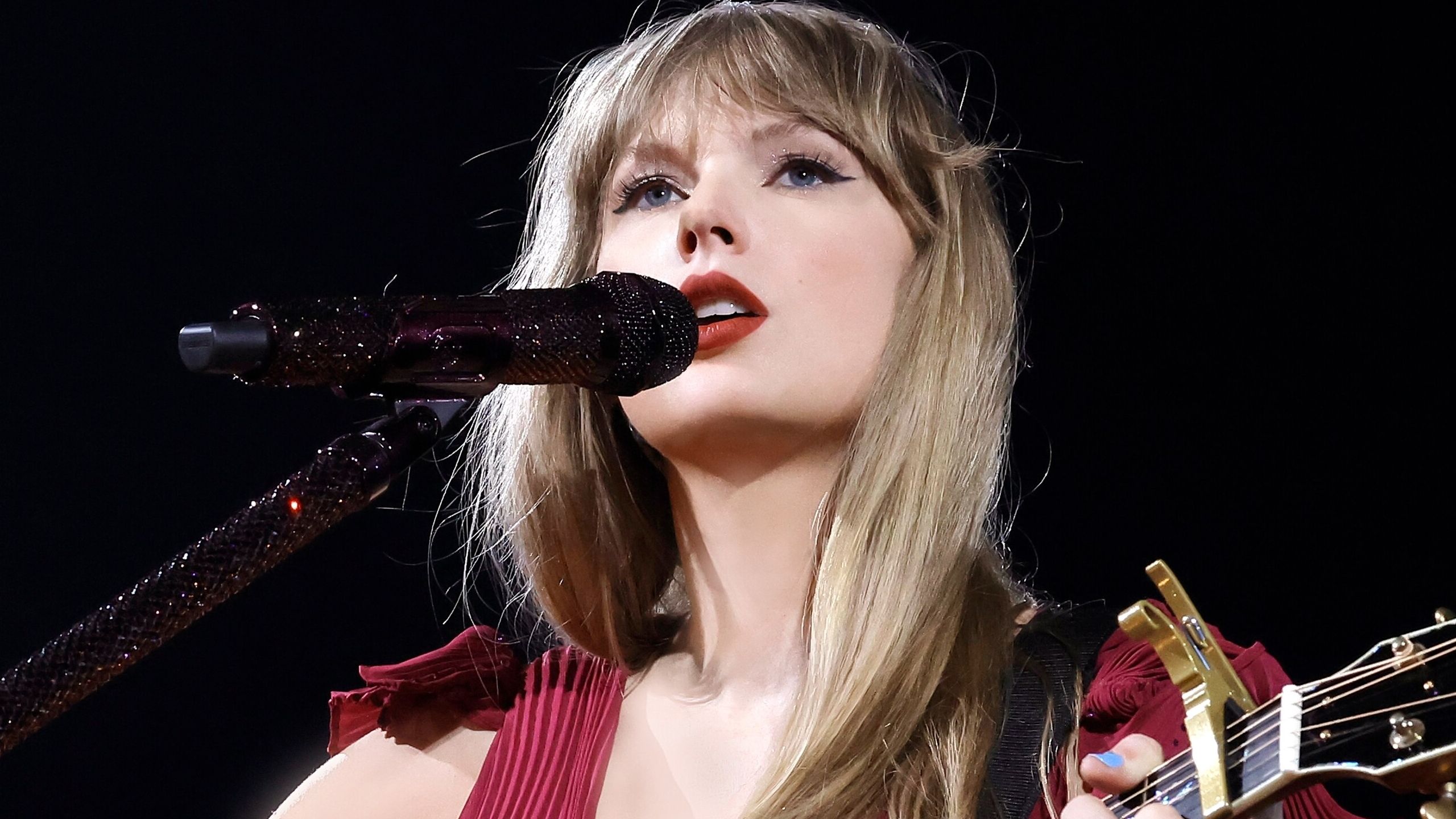
Searches online for “Taylor Swift eating disorder” keep popping up, even though the discussions usually refer to something from 2020. The release of her new docuseries on Disney+ is currently fueling this renewed interest, as fans eagerly await each new episode. This surge isn’t related to any recent news or statements, but rather to comments Swift made in her own 2020 Netflix documentary, Miss Americana, which gave a very personal look into her life and work.
It’s no coincidence she’s revisiting this experience now. The period between Christmas and New Year’s is a time when many people look back on their choices, and what felt like enjoyable treats can suddenly seem like overindulgence. With so much talk about starting fresh and changing habits, conversations about body image and self-discipline naturally increase, making Swift’s thoughts feel both timely and familiar.
The documentary shows Taylor Swift at a turning point in her life, as she thinks about fame, taking control of her career, and the challenges of growing up in the public eye. She openly discussed how negative comments about her body impacted her relationship with food and how she saw herself, particularly earlier in her career. This wasn’t presented as a shocking new story, but rather as part of a larger discussion about mental health and the difficulties that come with being constantly in the spotlight.
I think it’s really important to understand what Taylor shared. People looking into this right now aren’t necessarily wanting the latest news – they’re trying to understand what happened in the past. Taylor offered some personal background, things that happened during a specific time in her life, and it wasn’t meant to be a current update on her health. She chose to share that, and it was all about providing context.
What Swift Actually Said In Miss Americana
You know, watching the Miss Americana documentary really hit home for me. Taylor Swift talked so honestly about how growing up in the public eye messed with her head. She basically explained how she used to let what people said – both the good and the bad – totally dictate how she felt about herself. Like, if people praised her for being thin, she’d chase that, and if she gained a little weight, the negative comments would really get to her. It was like she was constantly trying to live up to other people’s expectations instead of just being herself. It’s a really powerful look at how easily we can internalize everything around us.
Taylor Swift has admitted she used to sometimes link feeling hungry with feeling in control, something she now recognizes as an unhealthy pattern that couldn’t continue. The documentary highlights this understanding as a sign of personal growth, emphasizing awareness and positive change rather than simply labeling it as a problem. She explained that learning to trust her body’s needs and dismiss impossible expectations was key to taking back control of her life.
Notably, Taylor Swift didn’t present this as a continuing problem, and neither she nor her team used medical or technical terms. The situation is part of a bigger story about the difficulties women face in the public spotlight and the emotional impact of being constantly judged, particularly when they’re young. This broader context is frequently overlooked when the moment is simplified into a headline or online search result.
Why This Moment Still Resonates – Especially Right Now
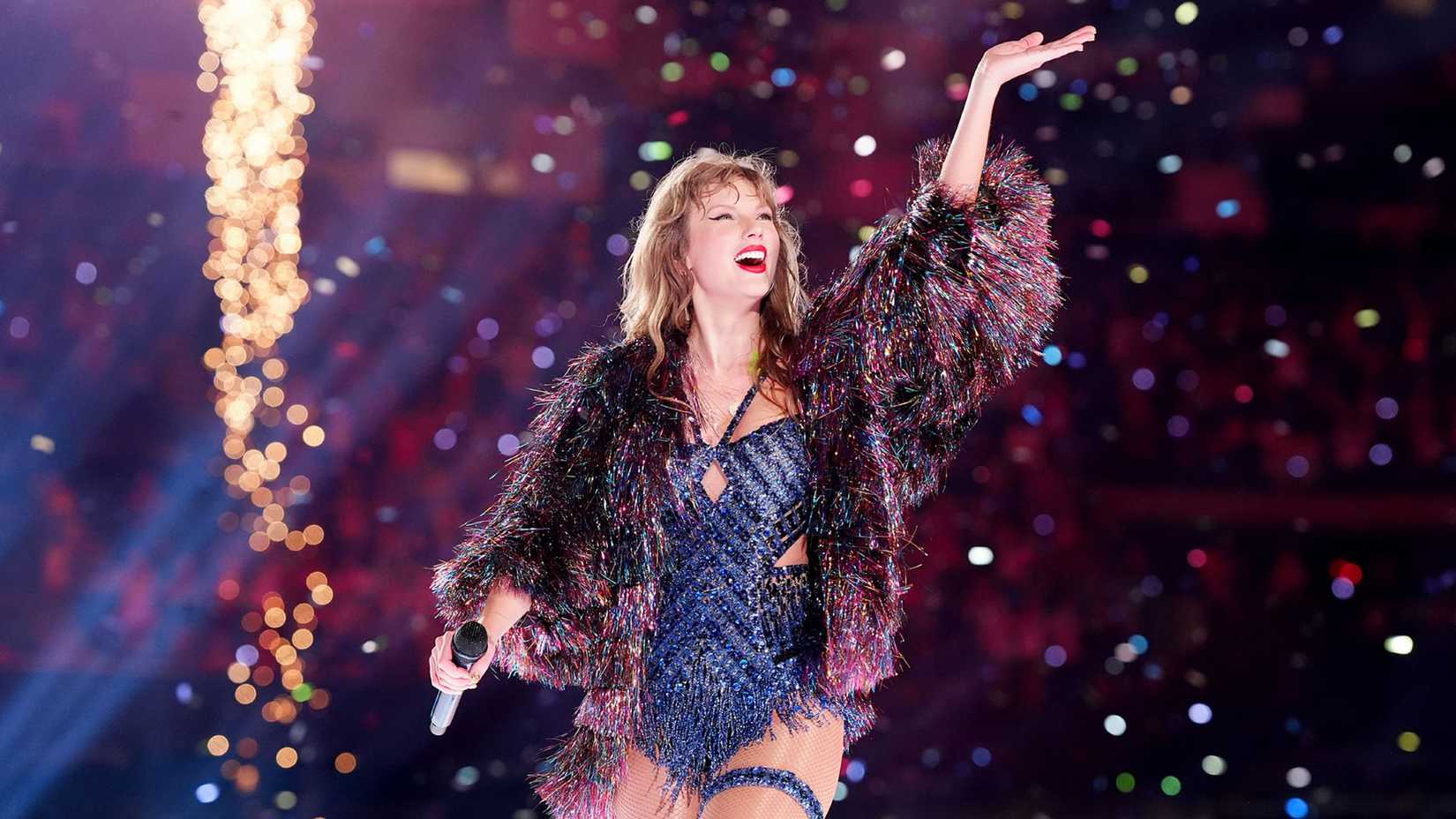
I’ve noticed Taylor Swift’s old comments are trending again, and honestly, it feels less about people just being nosy and more about when it’s happening. It’s the new year, right? Everyone’s thinking about fresh starts, setting goals, and trying to be better. And for a lot of us, that automatically makes us think about food, weight, and whether we’re being ‘good’ or ‘bad’ with our habits. It’s just that time of year where those thoughts are top of mind.
It’s striking how Swift’s past experiences, shared in the film, echo a common struggle: gradually learning to value yourself based on your own standards, rather than needing others’ approval, and mistakenly believing that holding back is the same as being valuable. The documentary wisely presents recovery not as achieving flawlessness, but as a process of finding your footing and defining who you are.
In retrospect, that moment wasn’t a sudden realization, but rather a step in Taylor Swift’s journey to take charge of her own narrative. It’s consistent with other times in her career where she asserted control over her story, whether through her music, how she runs her business, or the boundaries she sets in public.
The scene remains powerful, especially after the holidays, because it simply acknowledges a common experience without exaggeration or judgment. Swift’s writing isn’t impactful due to drama, but because it’s thoughtful, balanced, and focuses on personal growth instead of dwelling on negativity.
Read More
- Netflix’s Little House On The Prairie Reboot: Release Date, Cast & Everything We Know
- Off Campus Season 1 Soundtrack Guide
- Infinity Nikki Candlelight Reverie Challenge and Rewards Guide
- Gold Rate Forecast
- Prime Video’s New R-Rated Spy Thriller Is Officially No.1 On Streaming Despite Poor Reviews
- Silver Rate Forecast
- Brent Oil Forecast
- KPop Demon Hunters Meets Avatar: The Last Airbender In Netflix’s 3-Part Fantasy Series
- EUR ZAR PREDICTION
- Dua Lipa and Callum Turner Had a Town Hall Wedding
2025-12-25 20:30