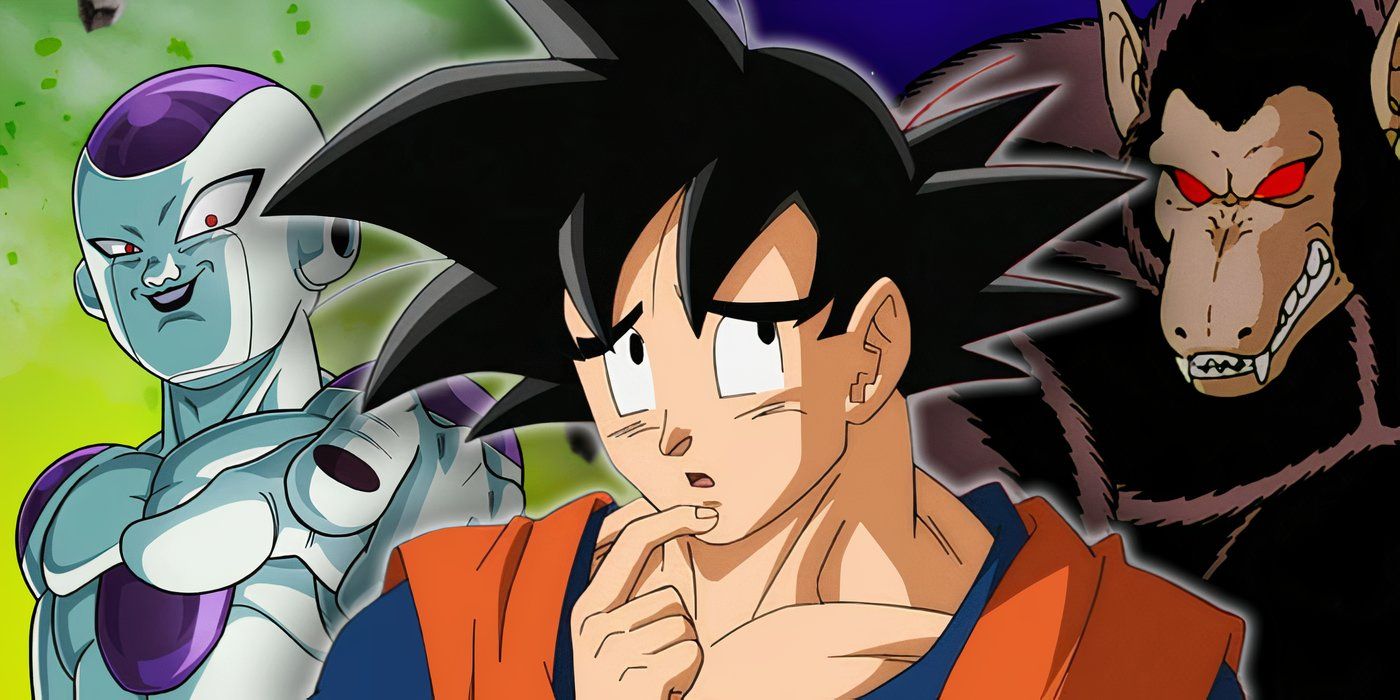
1989 was a huge year for anime, most famously launching the incredibly popular Dragon Ball Z. This series is a true classic, loved by fans all over the world and across different generations. However, Dragon Ball Z‘s success was so immense that many people don’t realize how many other great anime series also began in 1989.
Even though the anime from the 1980s is quite old compared to most popular shows today, it still featured many fantastic series. In fact, some longtime anime fans might even prefer those older shows to Dragon Ball Z. This isn’t a criticism of DBZ – it’s a great show – but rather a reflection of how different viewers connect with specific genres, art styles, and characters.
I was already a huge fan of City Hunter by the late ’80s – Ryo Saeba is just an amazing character! So, when the third season came out in 1989, I was really excited. It was shorter than the first two seasons, but honestly, I think it’s even better! It’s still incredibly fun to watch, and in some ways, it actually tops what came before.
City Hunter consistently centers around Ryo, who works as a problem-solver in Tokyo, handling cases the police can’t or won’t. The series is known for its playful depiction of women, which often leads to a lot of fan service that some viewers enjoy and others find excessive. However, the third season of City Hunter noticeably reduces this type of content compared to the second season.
Even though the third season of City Hunter doesn’t stray from the show’s core formula, Ryo is just too cool to ignore. It’s always satisfying to watch him overcome any challenge with his amazing shooting skills and knack for anticipating everything that might happen.
The anime series Guyver: The Bio-Boosted Armor is based on a popular manga that began in 1985. The manga’s success initially led to a short animated film in 1986, followed by the full Guyver anime series in 1989.
This animated series adapts the first five volumes of a manga, telling the story of Sho, a high school student who finds a mysterious, powerful bio-tech device called the Guyver Unit. Once the Guyver Unit attaches to Sho, he’s pulled into a dangerous world filled with monsters and a shadowy corporation aiming for global domination. While the plot is similar to classic shows like Kamen Rider, that familiarity actually makes it easy to enjoy.
I’m a huge fan of Guyver! It’s a shonen anime, but way more intense and realistic than most. The fights are brutal – seriously, it doesn’t shy away from showing some pretty graphic stuff. But if you love the classic ‘transforming hero’ genre, this is like that, but all grown up. And because it was released as an OVA, it has that awesome ’80s aesthetic, but thankfully, it doesn’t overstay its welcome – the whole series is only about twelve episodes, which is perfect!
Although Legend of the Galactic Heroes began in late December 1988, most of its first season aired in 1989. The series was a significant technical accomplishment for its time. With over 100 episodes released as OVAs, it took nearly a decade to finish, but that also means it showcases some of the best animation from both the 1980s and 1990s.
Legend of the Galactic Heroes centers around two brilliant military leaders, Reinhard von Lohengramm and Yang Wen-li, who find themselves on opposing sides of a long-lasting galactic war. After decades of deadlock, their strategic brilliance dramatically shifts the conflict, ultimately driving it towards a decisive end. This animated series is a faithful and well-executed adaptation of Yoshiki Tanaka’s renowned novels.
Originally released as a series of OVAs, Galactic Heroes was a brilliant anime that faded into obscurity until Production I.G. began a remake in the late 2010s. However, with the remake still in progress, the best way to enjoy this story remains the original 1980s series. Remarkably, despite being decades old, the way Tanaka crafted the conflict between the Galactic Empire and the Free Planets Alliance makes the show feel as politically relevant today as it was when it first aired.
The Gundam franchise stepped up its OVA production with the release of Mobile Suit Gundam 0080: War in the Pocket in 1989. This marked a shift towards exploring the events of the One Year War in greater detail, leading to follow-up OVAs like Gundam: 08th MS Team and MS IGLOO. Gundam 0080, set towards the war’s end, stands apart from previous and subsequent Gundam series with its unique approach.
This anime stands out from typical giant robot shows. It doesn’t focus on a teen pilot, but rather on eleven-year-old Alfred Izuruha, who gets caught up with enemy spies simply because he wants to experience being a soldier. Set away from the main battles, the series dives deep into the background and details of the Gundam universe, offering a level of world-building rarely seen in the franchise.
The animation in Gundam 0080 is some of Sunrise’s finest work, making it a visually stunning series worth revisiting. While it doesn’t feature constant battles, this actually enhances the realistic and down-to-earth atmosphere. Gundam 0080 stands out as one of the few Gundam series with a truly anti-war message; its heartbreaking story will likely leave viewers reflecting on the human cost of conflict, rather than simply enjoying the robots.
After the initial success of its OVA and film, Sunrise brought Patlabor to television in the fall of 1989. While taking inspiration from Gundam, Patlabor stands out as one of the few anime of its kind. Instead of focusing on war, it’s set in a realistic near-future where massive robots called labors are used for construction. However, when these robots start being used for criminal activity, a special police unit is created to combat labor-related crime.
This mecha anime feels more realistic than many others. Don’t expect flashy laser battles or over-the-top moves; the combat is slower and more believable. The series focuses less on action and more on how technology is driving people apart from each other and the natural world.
Even though Patlabor deals with some heavy themes, it’s also surprisingly funny. The team in Division 2 are all really good at their jobs, but they’re a bit quirky, and a lot of the humor comes from the characters themselves. I found the main character, Noa Izumi, especially relatable – she became a mecha pilot simply because she wanted to drive a giant robot! Honestly, who hasn’t felt that way?
Released early in Studio Ghibli’s history, Kiki’s Delivery Service remains a beloved classic and one of the greatest anime films of all time. Adapted from a popular children’s book, the movie follows Kiki, a thirteen-year-old witch who leaves home to become independent. She moves to a city and starts a delivery service, using her flying skills to get packages to customers.
I still find myself captivated by Kiki’s Delivery Service, even though it came out almost forty years ago – it really holds up. It captures that universal feeling of having to leave home and figure things out on your own. It feels especially relevant for anyone about to graduate, like a must-see movie for anime fans stepping into the next chapter of their lives.
Studio Ghibli films beautifully depict older cities full of life, offering a glimpse into a time before today’s technology dominated everything. The visuals are stunning and worth watching for that reason alone, letting you fully appreciate the gorgeous environments. Kiki’s Delivery Service is a film that’s both heartwarming and sad, and everyone should experience it at least once.
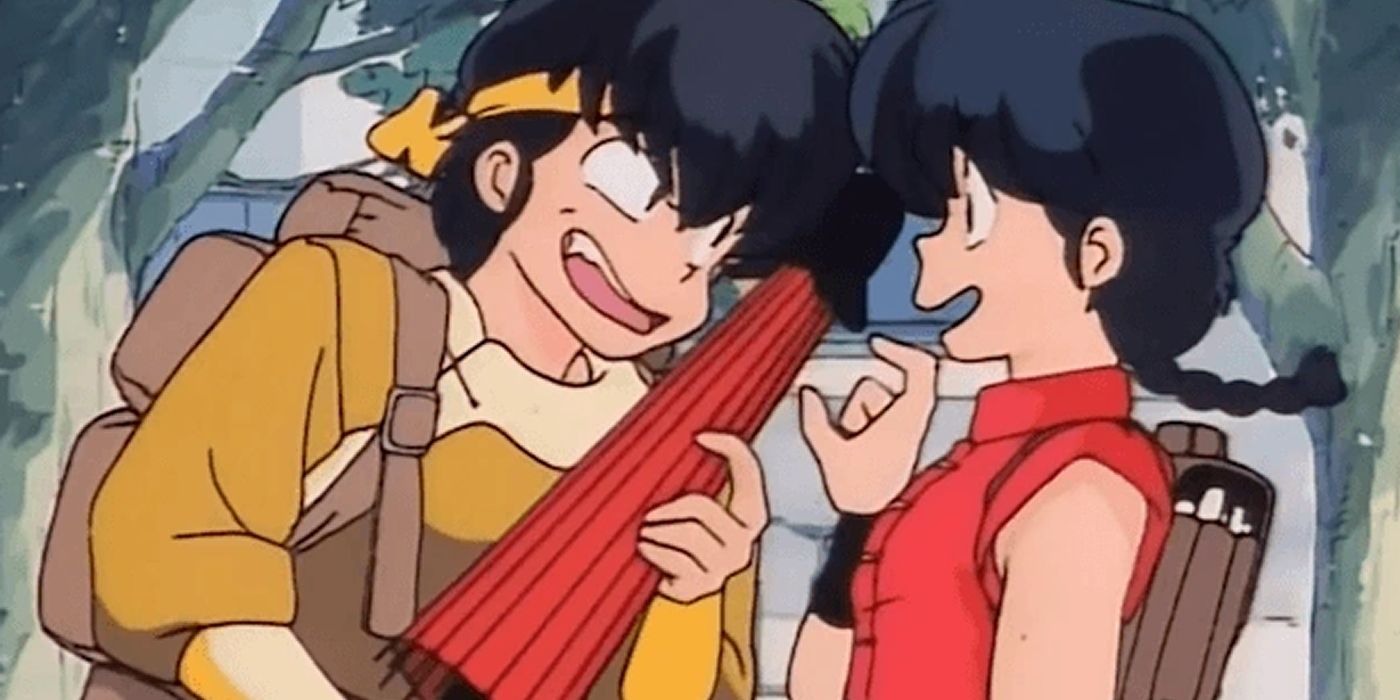
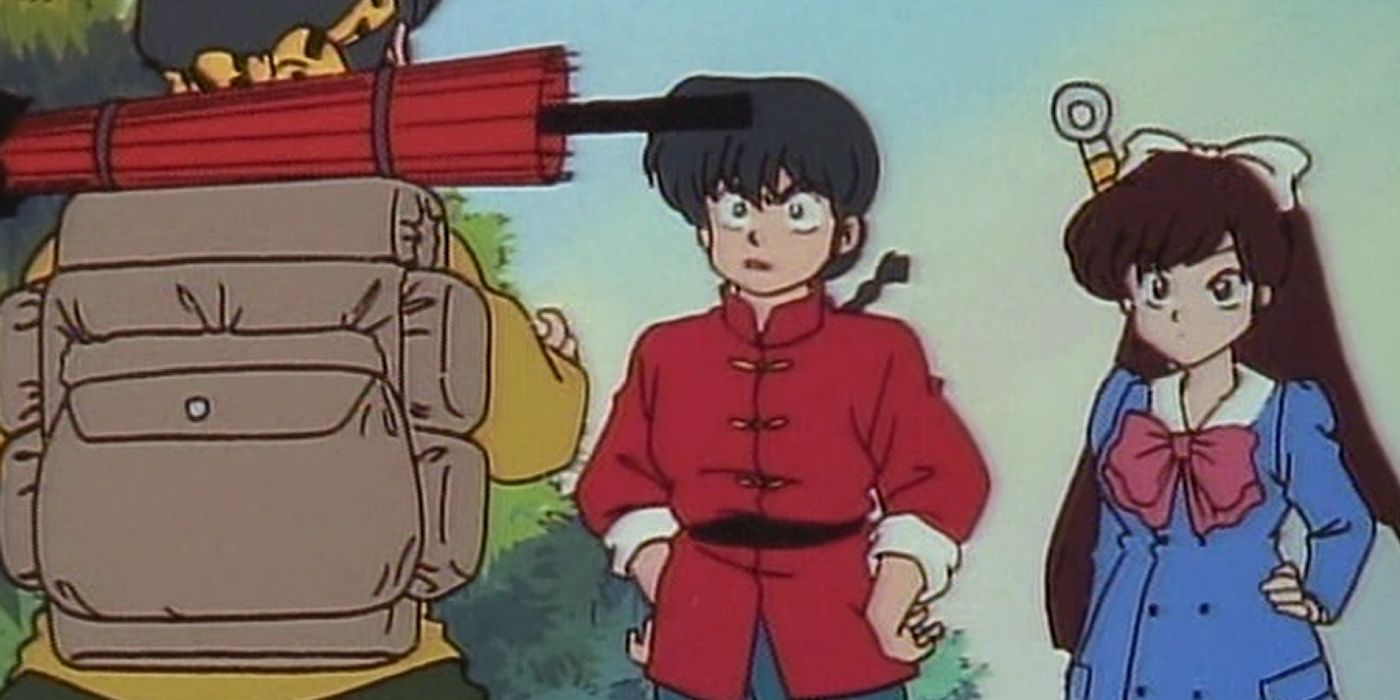
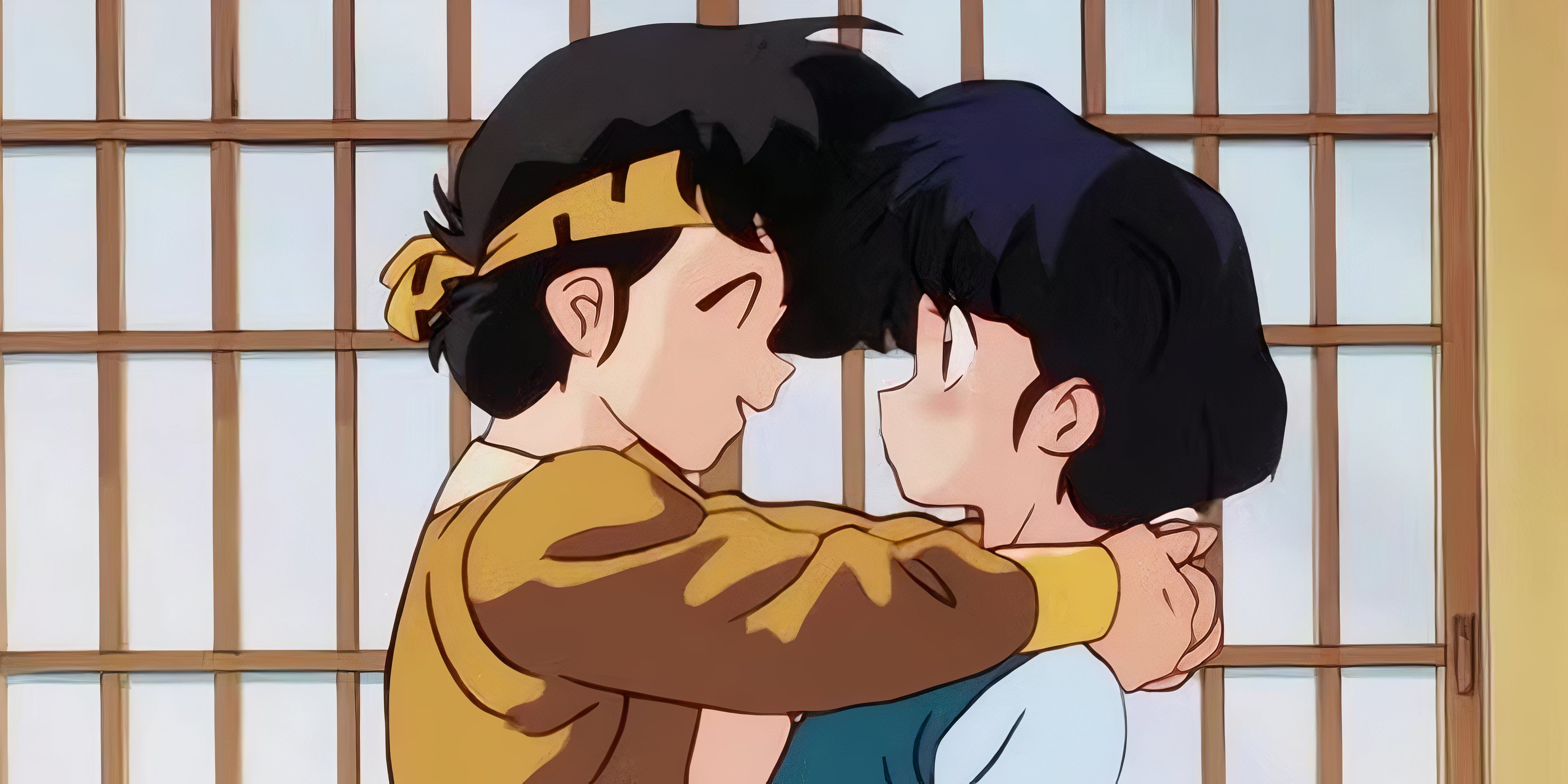
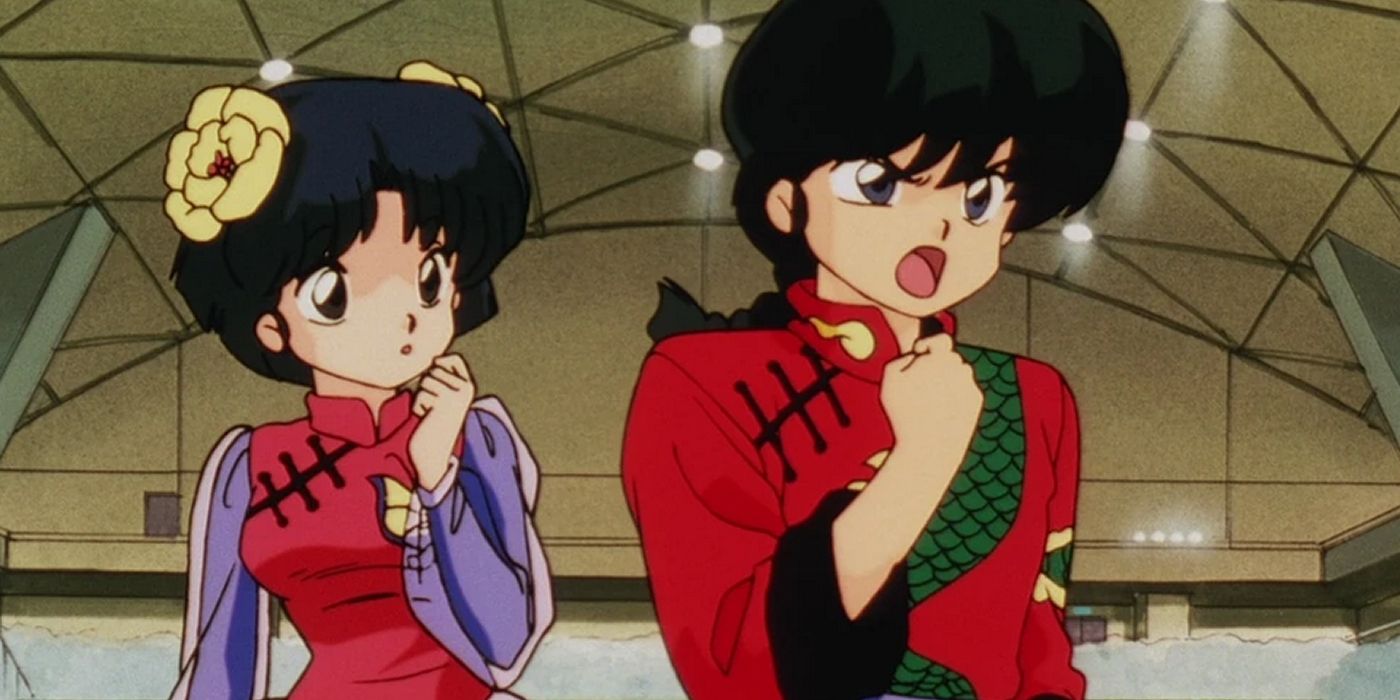
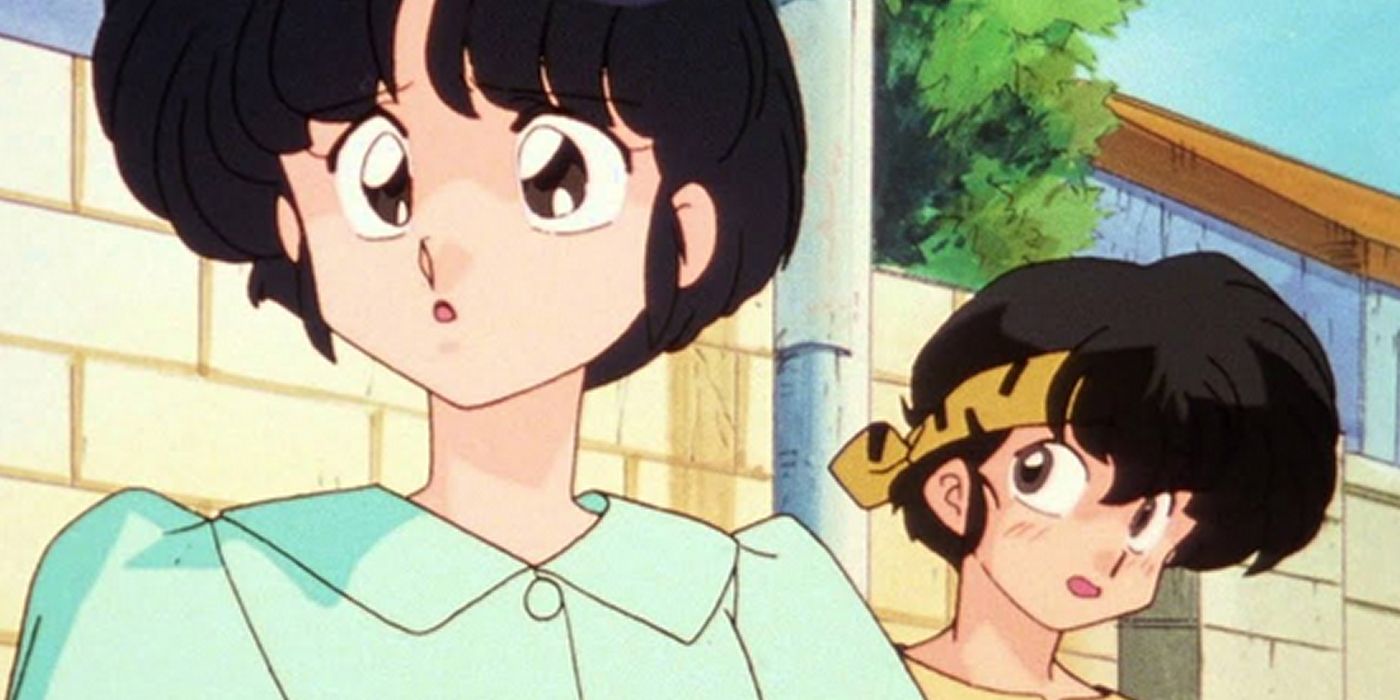
Rumiko Takahashi is known for creating many popular manga, but Ranma 1/2 stands out as one of her biggest achievements. In 1989, Studio DEEN turned the manga into an anime series that became even more popular. The Ranma 1/2 anime ran for over 160 episodes, plus twelve original video animations (OVAs) and three movies, making it a huge success in the late 1980s and 1990s.
Ranma ½ is a funny and action-packed romantic comedy about Ranma Saotome and Akane Tendo, two teens destined to marry and continue the family dojo. Their relationship is complicated not only by their very different personalities, but also by other people who are interested in them. To top it all off, a training accident caused Ranma to be cursed: he turns into a girl whenever cold water touches him!
Ranma 1/2 combines a lot of different ideas, and on paper, it shouldn’t really work. However, the author, Takahashi, is fantastic at creating characters, which leads to a surprisingly engaging and funny series filled with complex relationships. The show is also packed with action, consistently putting Ranma’s martial arts skills to the test.
Read More
- Netflix’s Little House On The Prairie Reboot: Release Date, Cast & Everything We Know
- Off Campus Season 1 Soundtrack Guide
- YouTuber arrested after viral AI bodycam videos spark real police complaints
- Silver Rate Forecast
- Gold Rate Forecast
- EUR ZAR PREDICTION
- Prime Video’s New R-Rated Spy Thriller Is Officially No.1 On Streaming Despite Poor Reviews
- Bulgakov’s Take: Koreans Bet the Farm on Chips, Crypto, and Chaos
- Resident Evil producer reveals series could finally head to Japan
- Pilot who won private jet in MrBeast video arrested after $3.6 million drug bust
2025-12-17 19:41