
Rhea Seehorn loves libraries. When she arrives for our interview at the Philosophical Research Society – a unique, New Age-inspired organization housed in a Mayan Revival building in Los Angeles – she excitedly mentions discovering a new one in her city. Seehorn, 53 (her middle name, pronounced “Ray”), has blonde hair and a strong, energetic presence. She’s dressed in a blazer and full makeup after attending the Wrap’s Power Women Summit, but quickly apologizes for looking so polished, returning to her enthusiasm for the building. She recommends following the Instagram account @1000libraries, which showcases interesting places like this one. During a tour led by a staff member, we learn the building was created around the collection of Manly P. Hall, who in the early 1900s believed different faiths could be combined into one unified system.
“Vince will definitely want to hear about this,” she said, mentioning Vince Gilligan, the creator of Pluribus. We were in the building on a quiet day when it was closed to the public—it felt strangely empty, like something otherworldly had disrupted things and left us isolated. It was the perfect setting to talk about the show, which centers around a mysterious message from space that merges almost all of humanity into a single, unified consciousness. Only Seehorn’s character, Carol, is left alone in Albuquerque, New Mexico, along with a few others scattered around the world. Those connected to the hive mind, often communicating with Carol through an envoy played by the calmly unsettling Karolina Wydra, are all content in their peaceful, collaborative world. Even the few remaining individuals who haven’t joined the hive are enjoying a sense of calm, with the hive mind readily available to them. Carol, a deeply unhappy romance writer, resents them all and actively—and sometimes accidentally—works to undermine their project, believing they’re misguided. The show unfolds with a series of sci-fi surprises that have become a major talking point in 2025.
Rhea Seehorn is the heart of the series, bringing genuine and complex emotions to her character. The writers create long, detailed scenes for Carol, whether she’s doing something ordinary like watching TV and drinking, or something incredibly difficult, like burying her wife. Seehorn herself meticulously plans every nuance of her performance. Even in quiet moments, like falling asleep during a sitcom, she considers Carol’s motivations and inner turmoil, and how it connects to her current struggles. Carol is a mix of grief, anger, fear, and a sense of being right, and Seehorn subtly conveys all of these feelings through her expressions and body language. As Seehorn explains, it’s rewarding to show these emotions rather than simply stating them, often without even needing the audience to fully understand what she’s thinking. Her performance has already earned her critical acclaim, including a Golden Globe nomination, and sparked online debates about whether Carol’s actions are justifiable.
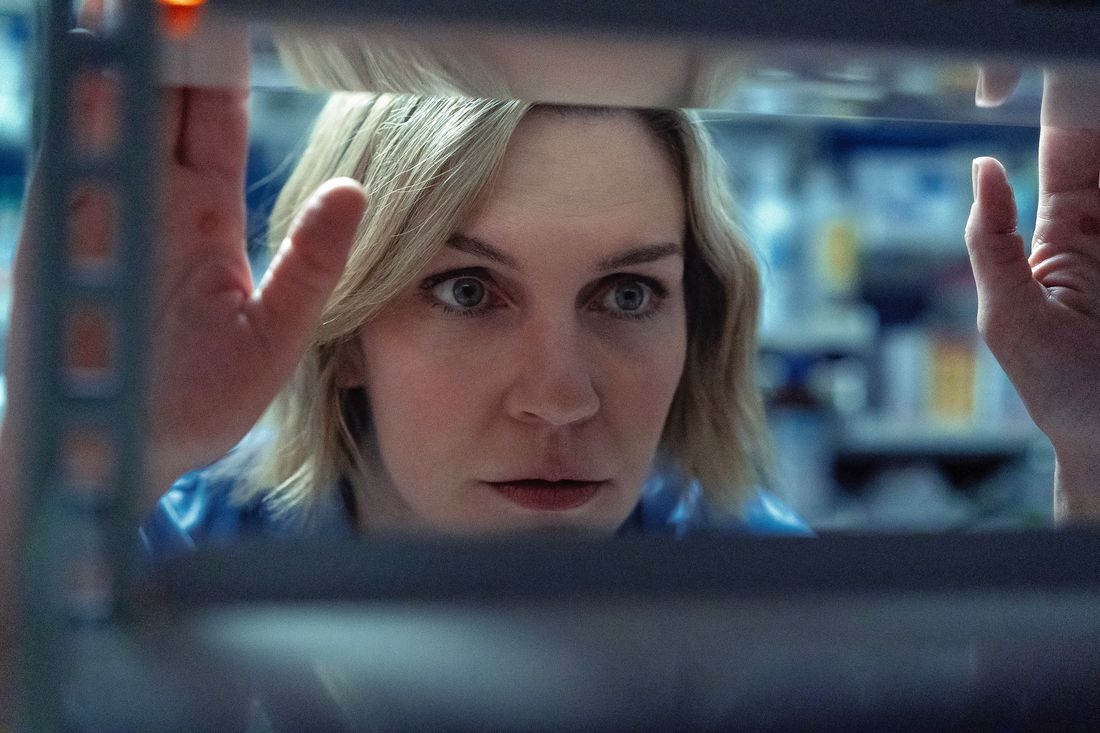
Rhea Seehorn first collaborated with Vince Gilligan on six seasons of Better Call Saul, a show she co-created with Peter Gould. Her character, Kim Wexler – a meticulous lawyer always sporting a perfect ponytail – was originally intended as a confidante for Bob Odenkirk’s Jimmy, a character who originated in Breaking Bad. However, Seehorn discovered a hidden depth in Kim’s quiet nature, realizing that silence could be a sign of strength, not weakness. After filming a scene where Kim subtly smiled while watching Jimmy’s antics, the creators realized her character wasn’t simply disapproving – she was actually energized by Jimmy’s schemes and could be a powerful partner. Kim’s role expanded significantly, eventually making her almost a co-lead. By the series’ end, Seehorn was frequently praised by the media as the show’s most valuable player and received two Emmy nominations for her supporting role.
I’ve been so impressed learning about Rhea Seehorn’s journey! It’s fascinating to me that she intentionally kept a low profile early on, especially considering her talent. Her upbringing was unique – her dad was in naval intelligence, so she moved around a lot as a kid, and she ultimately landed in Virginia. College at George Mason was where things really shifted, though. She was an art student, but she took an acting class on a whim and completely fell in love with it. She’s so grateful it wasn’t some touchy-feely class – she really appreciated the focus on technique and script analysis. After graduating, she built a stage career, first in D.C. and then in New York. She’s told me that the creative freedom she’s had with her role in Pluribus feels a lot like being back on stage, which is wonderful to hear.
In 2003, Seehorn had a smaller role on the ABC show I’m With Her, playing the witty sister to Teri Polo’s character, a teacher who was dating a celebrity. Though the show only lasted one season, it started her career path of playing humorous supporting roles. She often found herself playing a character similar to Bea Arthur – someone who provides a grounded, comedic presence, describing it as ‘being the tuba in a symphony of high notes.’ She explains that while others are lively and energetic, she comes in with a dry delivery, delivers a line, and exits. You can see this same quality in her character Carol – another solitary person living a somewhat isolated life in New Mexico, but without a strong group of friends to interact with.
Rhea Seehorn noticed her career options in Hollywood were becoming limited. She’d watch shows and think she’d be perfect for a role, only to find producers weren’t interested because she was known for sitcom work. She’s grateful to casting directors like Sharon Bialy, who eventually gave her a chance on Better Call Saul, for looking beyond her previous roles and she views the often-cutthroat nature of Hollywood with a wry sense of humor. After four seasons on Better Call Saul, Seehorn auditioned for a comedy film. The casting director called her, amused, to say the producers simply wanted to see a video of her being funny. Seehorn dryly responded, “That was interesting.”

Rhea Seehorn didn’t need to audition for Pluribus; Vince Gilligan offered her the role shortly after Better Call Saul ended. He’d been developing the idea for about ten years and simply told her, “I wrote something for you,” which she immediately accepted. Originally, Gilligan envisioned a male lead, but he was so eager to work with Seehorn again that he rewrote the concept to center around her. In fact, the team was already brainstorming ways to collaborate with Seehorn beyond Better Call Saul halfway through its first season. Pluribus brings together the creator and star, along with many crew members from both Saul and Breaking Bad, and is filmed primarily in Albuquerque. This project marks a significant change for Seehorn, who is now the lead actress and public face of a major series. Those around her have noted her humble approach to this new level of influence. Miriam Shor, who played Helen, observed Seehorn’s gratitude and awareness of her position, adding that it’s rare to see such humility from someone in a powerful role, and that there’s immense pressure on her as a result.
Seehorn considers it her responsibility to ensure everyone comes to work ready and treats each other with respect. She deeply values all the departments involved in making Pluribus, emphasizing that she never sees her own work as more important than theirs. She makes a point of warmly welcoming guest actors – recognizing how challenging it is to step onto a set where everyone already knows each other – and speaks highly of the entire cast. When discussing Wydra’s performance, Seehorn intentionally avoids using the word ‘proud,’ believing it’s important not to take credit for someone else’s talent. She explains she always hesitates to use that word when talking about a colleague, adding that strong scene partners elevate each other, but Wydra’s skill shines regardless. Wydra, when told about this, smiled and said Seehorn was always destined to be a leading lady.
Considering we’re discussing a library setting, it’s amusing to think Manly P. Hall might have researched the concept of pride – perhaps in classic Greek texts. But it’s definitely possible to feel proud without accepting accountability. Interestingly, the character Seehorn plays unexpectedly finds herself in a leadership role on set and simultaneously becomes the story’s main character. The central idea of the show, Pluribus, is open to many interpretations: it could be about capitalism versus communism, the impact of COVID lockdowns, society’s appreciation for creativity, even veganism or the ethics of using delivery services. Several writers Seehorn spoke with, concerned about the future of their profession, believe the show warns against the dangers of artificial intelligence. Personally, Seehorn views Carol’s actions as stemming from deep sorrow and generally sympathizes with her resistance to joining the hive mind – though not always in how she acts. While the hive mind promises to eliminate suffering, Seehorn argues it would also destroy joy and creativity. ‘There would be no surprises, no new discoveries, no childlike wonder,’ she explains. ‘It’s an easy choice, really.’
As a huge fan of the show, I was really fascinated to hear how Ann Seehorn approaches her character, Carol. Apparently, the creator, Gilligan, gave her the first script right away, and she’s been building her understanding of Carol bit by bit, with each new episode. She described it as like putting together a jigsaw puzzle – she fills in the gaps with her own ideas about Carol’s motivations, but leaves room for fresh discoveries when she’s actually filming. She says every script adds another piece to the puzzle, making Carol feel more and more real. What’s even cooler is that the show’s been renewed for a second season, but she genuinely has no idea what’s coming next! She seemed so relieved to be able to admit that without worrying about accidentally spoiling anything. Looking back on everything that’s happened so far, she says the twists and turns felt natural, not contrived – which, as a viewer, I totally agree with!
Read More
- Off Campus Season 1 Soundtrack Guide
- DoorDash responds after customer uses AI to make food look bad and get a refund
- Jon Bernthal Explains Why Marvel Let Him Make The Darkest Punisher Story Ever
- Gold Rate Forecast
- All Golden Ball Locations in Yakuza Kiwami 3 & Dark Ties
- Ethereum Eyes Break Above $2,420 as Rally Hangs in the Balance
- 10 Most Universally Beloved Sci-Fi Movie Villains, Ranked
- Shocking AI Crypto Heist: $175K Vanish and Reappear-You Won’t Believe Why!
- 8 Movie Trilogies That Are More Rewatchable Than The Lord of the Rings
- XRP’s New Credit Hub: A Tale of Tokens and Trust
2025-12-15 16:56