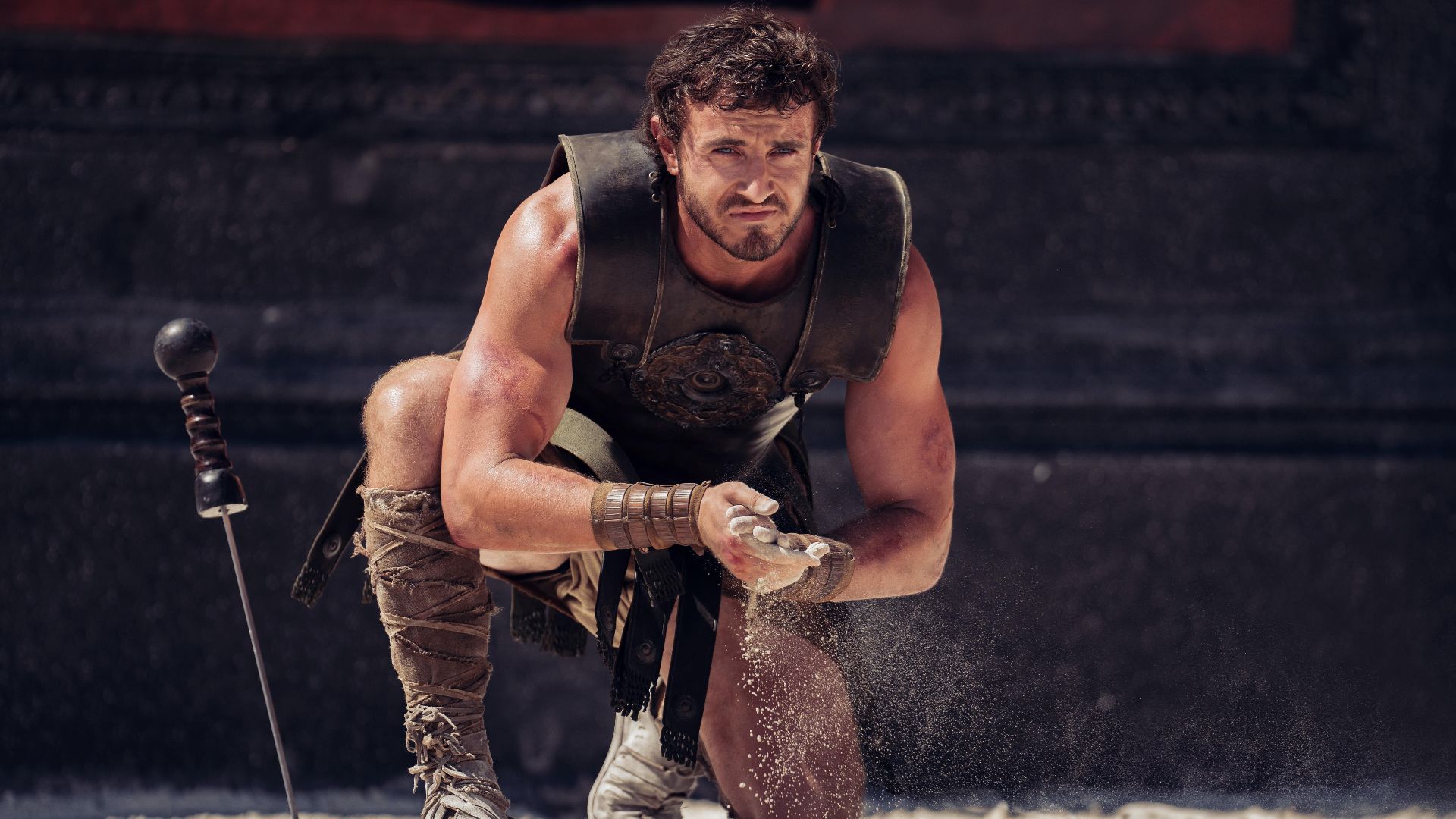
Over the last two decades, Hollywood has increasingly focused on profits rather than creativity. As movie production costs have soared, studios now primarily aim to reduce risk by relying on well-known stories with existing fans, and by making numerous remakes and sequels. However, even successful reboots that earn a lot of money often lack the quality and artistic impact that made the original films so memorable.
The recent release of Gladiator II highlights a growing trend in Hollywood. While the sequel earned over $460 million, Russell Crowe, who starred in the original Gladiator, has voiced a common concern: it doesn’t capture the same magic or emotional depth as the first film, aside from Denzel Washington’s performance. Despite similar box office numbers, Gladiator II exemplifies a wider issue of remakes and reboots that often lack the heart and quality of the originals.
Creative Problems Plagued ‘Gladiator II’ From the Beginning
Paramount Pictures
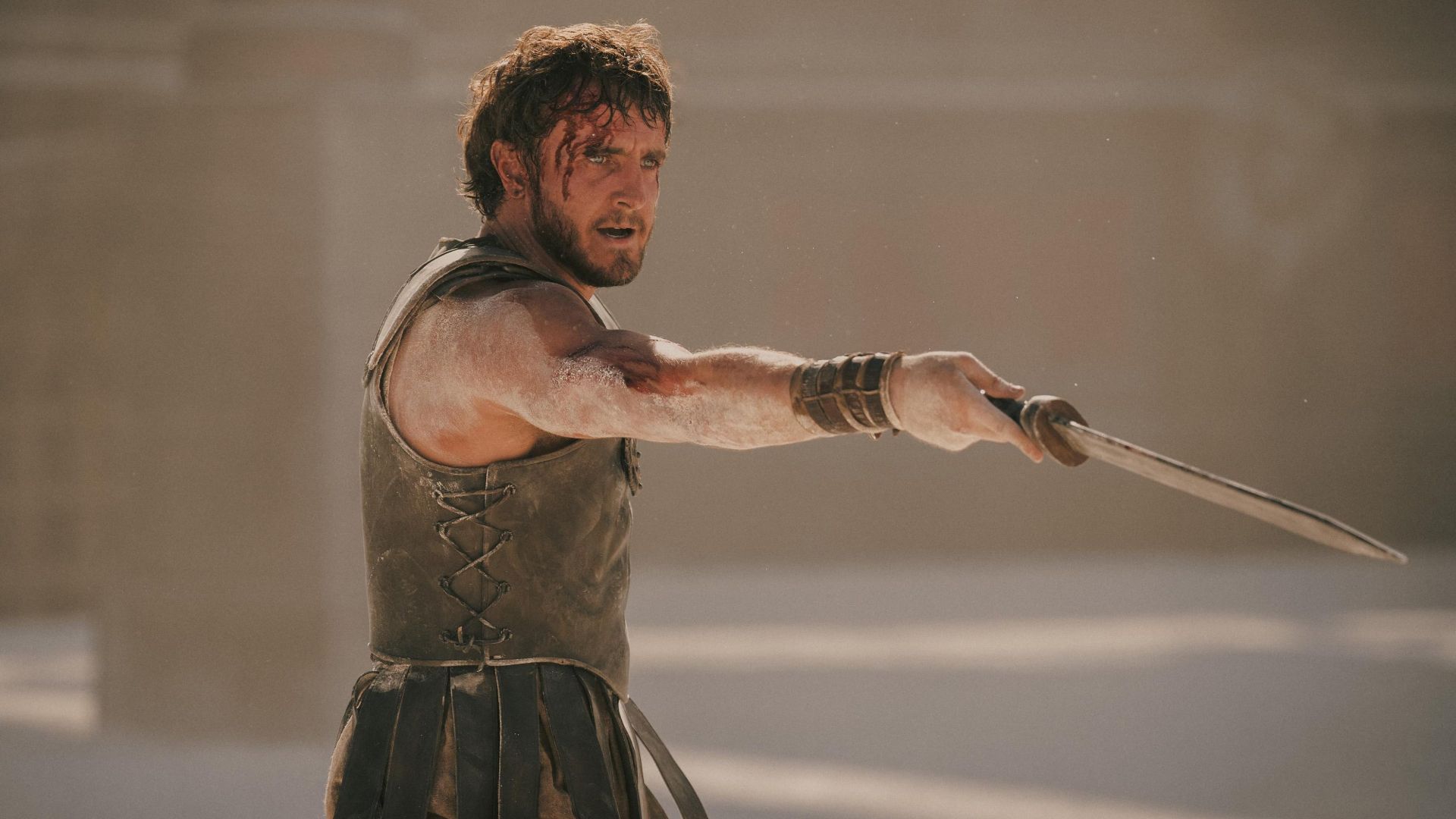
Twenty-four years after the success of Gladiator, Sir Ridley Scott directed Gladiator II. However, the production faced immediate challenges. The screenplay was written by David Scarpa, who had only written four films previously. This contrasts sharply with the original Gladiator, which benefited from a script penned by a team of experienced writers – David Franzoni (Amistad), John Logan (The Aviator), and William Nicholson (Nell) – whose combined talents created a script with strong moral themes and emotional depth.
Another major weakness of Gladiator II is the lack of Russell Crowe, who famously won an Oscar for his portrayal of Maximus. While Maximus’s death in the first film sets up his son, Lucius (Paul Mescal), to become a gladiator and fight for his freedom, Mescal simply doesn’t have the same powerful presence that Crowe brought to the role – even putting aside his somewhat unclear accent. He lacks the commanding authority that earned Crowe an Academy Award.
While Oscar Isaac delivers a strong performance, the acting in Gladiator II generally doesn’t reach the level of Russell Crowe, Joaquin Phoenix, and the rest of the cast in the first film. To compensate for a weaker story and acting, director Ridley Scott relies heavily on visual effects and the grand scale of the gladiatorial combat. However, without the strong moral compass and emotional depth of the original, Gladiator II feels empty compared to its predecessor.
Russell Crowe Rips the Gladiator II Creators for Stripping the Moral Core
DreamWorks/Universal Pictures
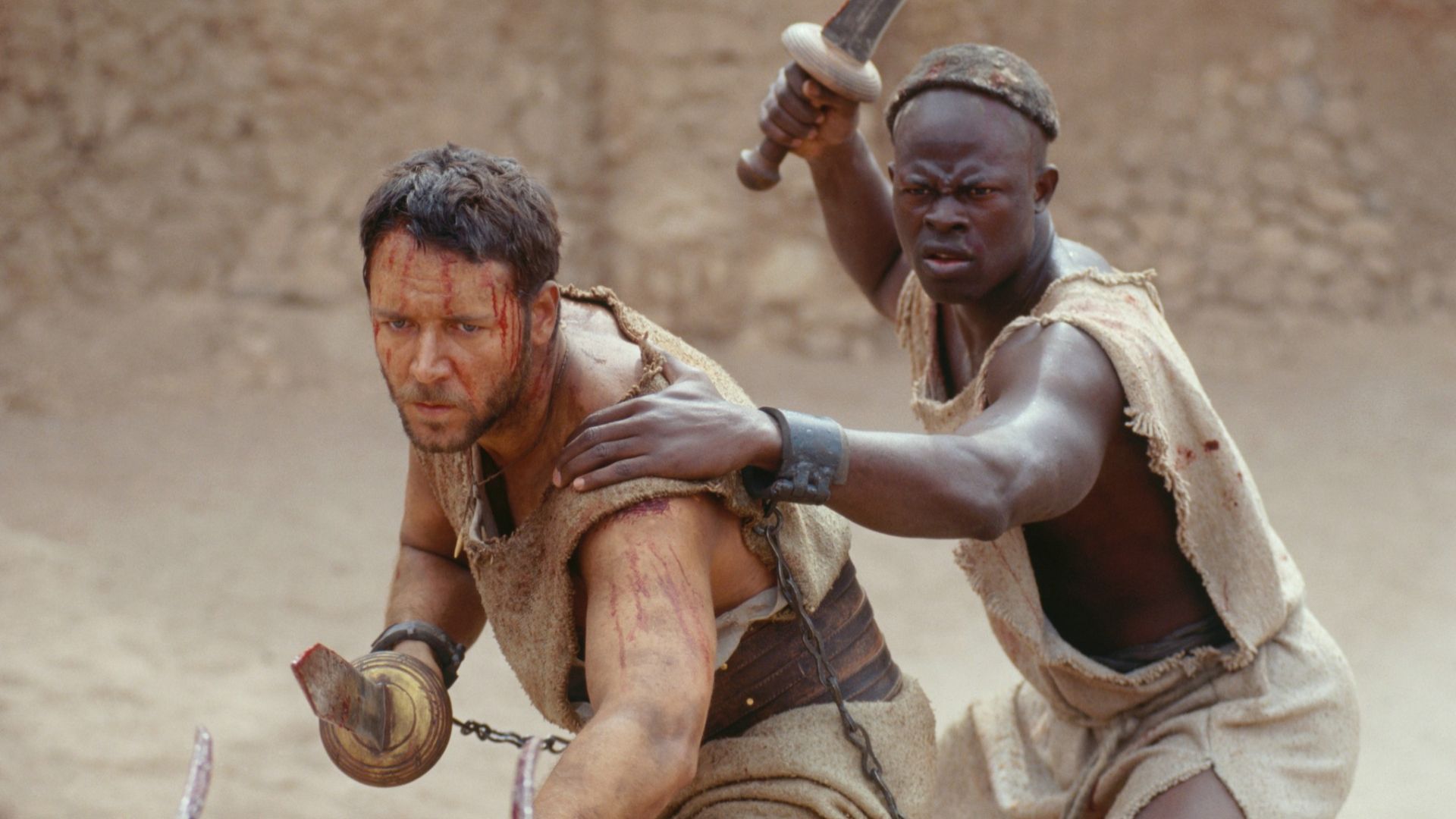
Russell Crowe recently shared his honest opinion about the new film Gladiator II while promoting his latest movie, Nuremberg. He believes the sequel, despite earning almost as much money as the original, won’t reach the same level of quality. The first Gladiator film made $466 million in 2000, making it the year’s second-highest-grossing movie. Gladiator II earned $462 million in 2024 and also received a new Golden Globe award recognizing its success at the box office.
Even though the movie made a lot of money, Russell Crowe privately believes Gladiator II doesn’t measure up to the first film, and he’s said:
Okay, so I just saw the latest installment – you know the one – and honestly, it really missed the point. It felt like even the people making the movie didn’t grasp what made the original so great. It wasn’t about big spectacle, fancy sets, or even the action sequences. It was about the strong moral center of the story, and that’s what this sequel completely lacked.
Beyond simply following a strong moral code, the movie’s deeply moving ending – with Maximus running his hands through the golden grass, remembering his life and expressing love for his family after everything he’s been through – is what makes it so memorable. Russell Crowe himself recognizes this, stating:
There were constant disagreements on set, mostly about maintaining the integrity of the character. They repeatedly suggested adding sexual content involving Maximus, which felt like it would undermine his strength. It didn’t make sense to have him in a committed relationship with his wife and simultaneously involved with another woman – it just didn’t fit the character.
Although some might dismiss Russell Crowe’s comments as simply being a sore loser, the potential sequel, Gladiator II, highlights a worrying pattern happening more and more often in Hollywood.
Other Recent Hollywood Reboots and Sequels That Suffer the ‘Gladiator II’ Problem
Warner Bros.
Russell Crowe’s criticism of the creative decisions behind Gladiator II highlights a larger problem in Hollywood. For the past two decades, studios have too often focused on making sequels, remakes, and reboots simply to make money, instead of prioritizing original and creative storytelling.
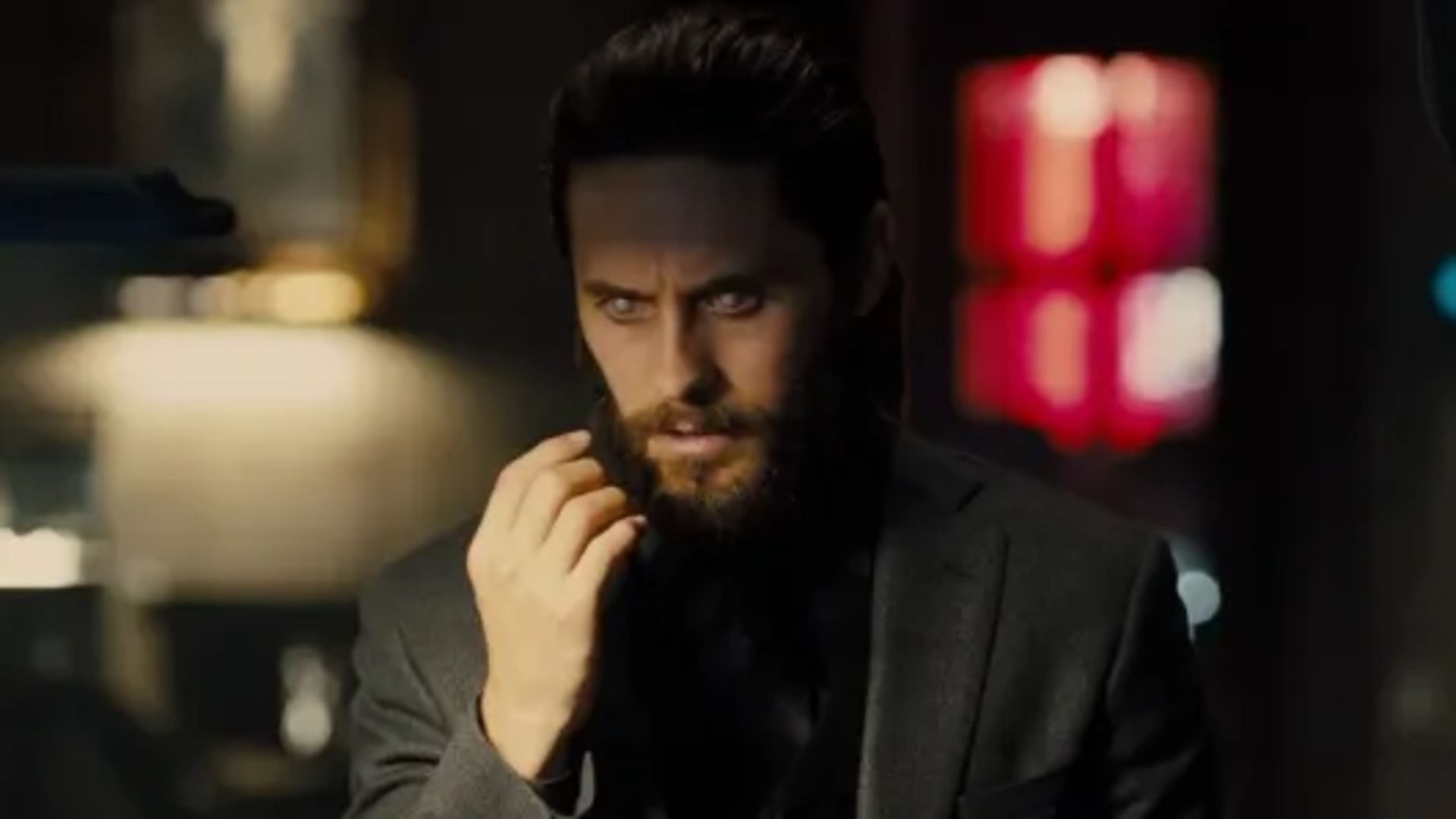
Even talented directors like Ridley Scott can fall into this trap. A recent example is Denis Villeneuve’s Blade Runner 2049, a sequel to Scott’s legendary Blade Runner. While the film was visually stunning, earning an Oscar for cinematographer Roger Deakins and making over $250 million, it lacked the emotional depth and unique quality of the original and likely won’t be remembered as a classic for years to come.
There are countless examples of this happening in film. Take Mike Flanagan’s Doctor Sleep, a sequel to Stanley Kubrick’s iconic horror film, The Shining. Not only is the sequel completely unneeded, but it actually diminishes the impact of the original by rebuilding the Overlook Hotel in a way that feels forced and overly designed. The new film lacks the original’s most powerful quality: a constant sense of mystery and dread that filled every scene.
Despite Doctor Sleep earning a profit – over $72 million against a $50 million budget – it seems to have led director Mike Flanagan to create a remake of The Exorcist, which is likely to face the same issues. This trend of remakes and reboots isn’t new in horror; recent attempts to revive The Crow, The Wolf Man, and Frankenstein haven’t managed to recapture the creativity and quality that once made these films special.
Even acclaimed director Guillermo del Toro took significant liberties with Frankenstein’s monster, transforming the tragic character from Mary Shelley’s novel into a somewhat silly, overly dramatic figure. The film also drastically altered Dr. Frankenstein’s history, missing the core themes that made Shelley’s original story so enduring.
Several recent remakes and reboots have missed the mark, failing to capture what made the originals popular. Examples include Edgar Wright’s take on The Running Man, Danny Boyle’s 28 Years Later, Steven Spielberg’s West Side Story, The Karate Kid: Legends, and, arguably the most disappointing, Disney’s live-action Snow White.
With acclaimed directors like Wright, Boyle, Spielberg, del Toro, Scott, and Villeneuve increasingly focused on established franchises, it’s becoming harder to imagine truly original films thriving. And with Netflix now owning Warner Bros., the future looks even bleaker for the kind of unique, high-quality movies many of us enjoy – they seem to be disappearing.
Read More
- Solo Leveling’s New Manhwa Chapter Revives a Forgotten LGBTQ Story After 2 Years
- The Boys Season 5 Spoilers: Every Major Character Death If the Show Follows the Comics
- Gold Rate Forecast
- All Itzaland Animal Locations in Infinity Nikki
- How to Get to the Undercoast in Esoteric Ebb
- Mewgenics vinyl limited editions now available to pre-order
- Smarter, Faster Networks: Optimizing Early-Exit Architectures for Edge AI
- Shiba Inu reappointed as “inspector” dog by Japanese police
- CBR’s Official Spring 2026 Anime Series Power Ranking (Week 1)
- YouTuber Karl Jobst sues Billy Mitchell for defamation
2025-12-12 16:22