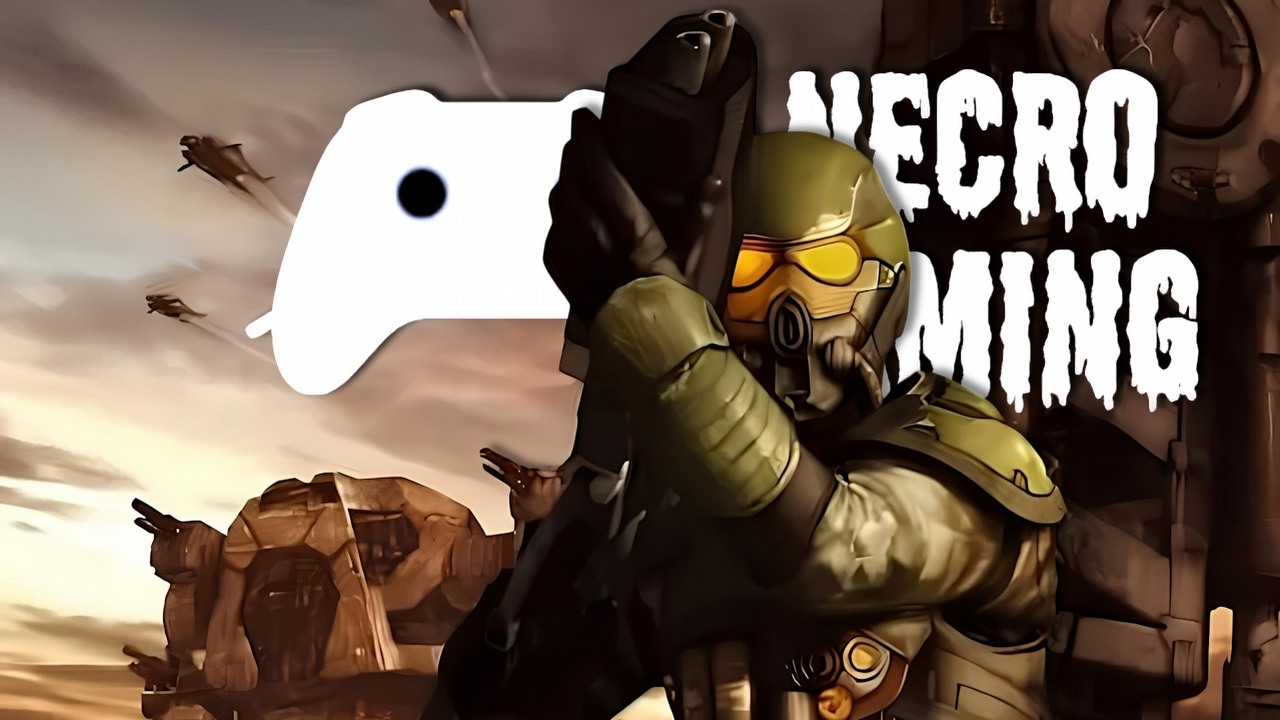
Although the original Chrome, released in 2003, wasn’t a huge success, it helped establish Techland as a recognized game developer worldwide. So, the Polish studio had great expectations for a sequel, hoping it would significantly advance the first-person shooter genre.
It’s not uncommon for game developers to shift focus and resources from older projects to new ones, and that’s what happened with the second Chrome game. Techland ultimately decided to prioritize other projects, but they had already made significant progress on Chrome. Thankfully, enough information and materials still exist to show what the game was like, and it seems like it could have been a really great title. Let’s go back to the beginning and take a look.
Digital personality
Like the first game, Chrome 2 was planned to be a science fiction adventure set in a future where people could colonize other planets. The developers had a unique idea for the story: characters would be able to switch bodies. Though this technology was meant to be exclusive to the wealthy, the main character would gain access to it after being murdered. However, there was a catch – he’d have to work as a mercenary for a powerful corporation as payment. While completing dangerous missions for them, he’d secretly investigate his own murder and uncover a much bigger conspiracy involving his new employers.
I have to say, this all sounds really cool! It makes total sense why it turned out this way – the creators said they were heavily inspired by authors like Philip K. Dick and Richard Morgan when they were working on Chrome 2. They were aiming for that classic cyberpunk feel, and it definitely shows!
Living worlds
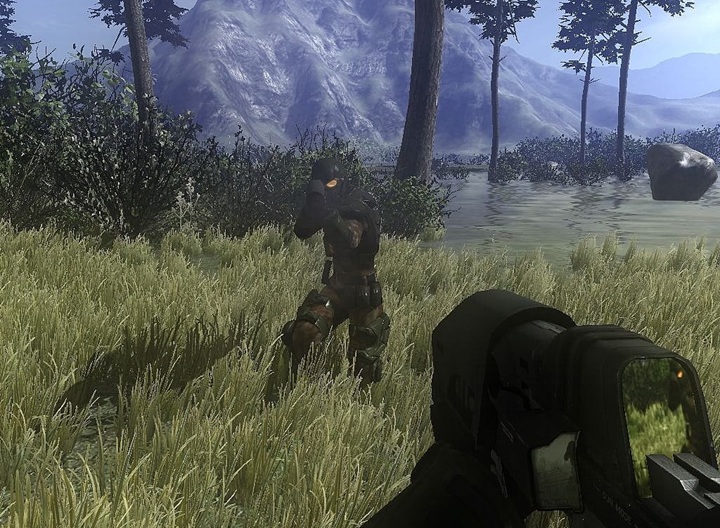
Originally, Chrome 2 was designed with three large, open-world planets for players to explore. You could travel on foot or in vehicles and mechs. The developers wanted each planet to feel dynamic and populated with NPCs living their lives and occasionally getting into trouble. Players would have the choice to simply watch events unfold or get involved and influence them.
The game centered around completing missions, where you’d accept tasks and battle different enemies. Between missions, you could return to base to get new equipment, get rid of unwanted items, or even change characters.
Body swap
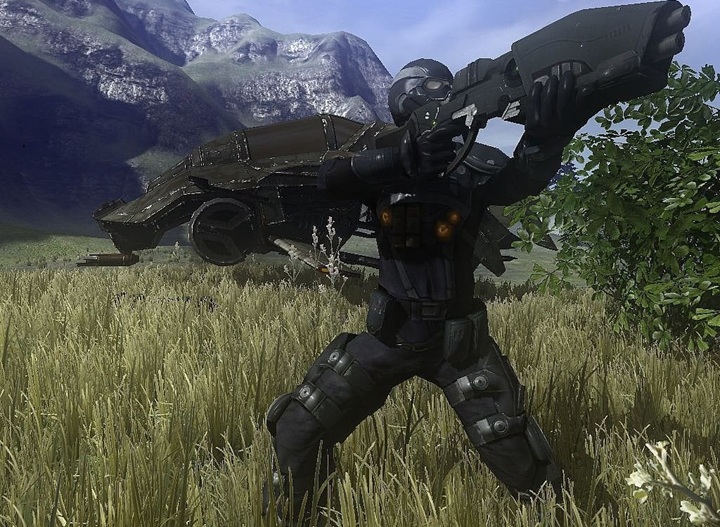
I remember being so hyped for Chrome 2! The coolest part, as far as I understood it, was collecting different bodies – basically, you could grab a new ‘shell’ and totally customize it. You didn’t kill anyone to get them, though – you’d just incapacitate the person inside and take over! Each body had its own strengths and weaknesses, like different characters with unique skills. It was designed to be like picking a car in a racing game – you’d choose a body that was best suited for the challenges ahead. So instead of speed and handling, it was about having the right skills for the situation.
Someone skilled in combat would be strong in a direct fight, but we could use stealth and disguise for covert operations. We could even pose as mechanics to hijack vehicles and robots. We could also enhance the power of ammunition using implants – similar to what was seen in the original Chrome – or by using exoskeletons.
Futuristic Shadow of the Colossus
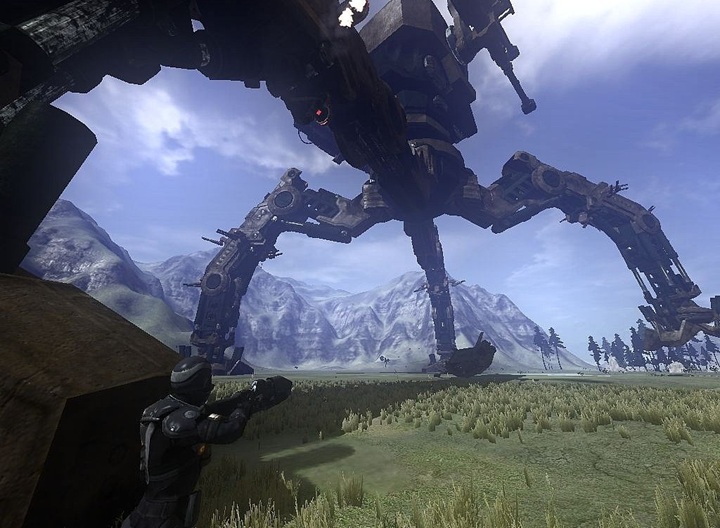
Early plans for Chrome 2 included giant robots called mechs. The game was intended to feature various types of these massive machines dominating the battlefield. Players would have fought them in complex battles, needing to break through energy shields and hit specific weak spots. Eventually, players were also meant to be able to pilot these mechs themselves, unleashing powerful attacks on their enemies. While promotional materials only showed one mech—a spider-like design—developers intended to include many different types of robots in the final game.
Multiplayer and game engine
Multiplayer wasn’t initially important in the first version of Chrome, but it was planned as a major addition in Chrome 2. The developers envisioned up to 64 players competing in various challenges to make the game more exciting.
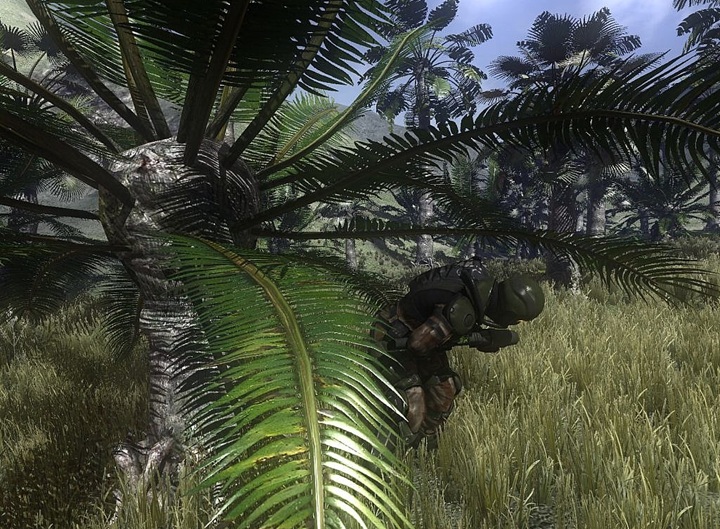
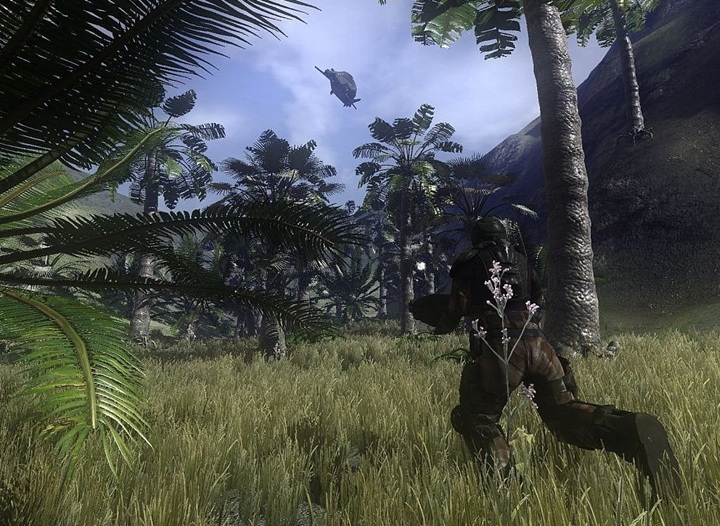
Chrome 2 aimed to be a significant visual upgrade over the original game, built on a newer version of the Chrome Engine. It promised much more detailed character, vehicle, and mech designs, as well as richer environments. The developers also planned to introduce dynamic lighting and shadows, and a full day-night cycle with changing weather to make the game world feel more immersive.
Project work halted
Chrome 2 was a promising project that, sadly, never launched. The last official news about it came in 2007, and since then, Techland hasn’t said much. In 2010, they officially confirmed the project was put on hold, along with another game called Warhound – but that’s a different story.
Of all the games that were replaced by Chrome 2, Dead Island was the most notable. It launched a very successful franchise and helped establish Techland, ultimately leading to the creation of Dying Light. Despite enjoying Techland’s zombie games, I still have fond memories of Chrome and hope they’ll either revive it or create something similar in the future.
Read More
- Netflix’s Little House On The Prairie Reboot: Release Date, Cast & Everything We Know
- Off Campus Season 1 Soundtrack Guide
- YouTuber arrested after viral AI bodycam videos spark real police complaints
- Silver Rate Forecast
- Prime Video’s New R-Rated Spy Thriller Is Officially No.1 On Streaming Despite Poor Reviews
- Brent Oil Forecast
- Peaky Blinders: The Immortal Man’s Tommy Shelby Is a Better Father Than Michael Corleone
- Gold Rate Forecast
- EUR ZAR PREDICTION
- Bulgakov’s Take: Koreans Bet the Farm on Chips, Crypto, and Chaos
2025-12-06 22:33