When players face extreme danger together, like in the game ARC Raiders, it creates a unique bond. Being cornered, running out of supplies, and racing against time to escape makes those around you feel like allies. It’s amazing to see how players often help each other in these moments, forming quick partnerships just to survive. This guide looks at how these intense, shared experiences build surprisingly strong connections within the gaming community.
Key Takeaways
- Your Squad is Your Strongest Weapon: Success in ARC Raiders depends less on individual skill and more on how well your team functions as a unit. Master clear communication, anticipate your teammates’ moves, and commit to plays together to turn chaotic firefights into coordinated victories.
- Plan Your Escape from the Very Beginning: Don’t wait until the final alarm to figure out how you’re getting out. A successful extraction is the result of constant planning, from managing your resources and maintaining smart positioning to having a clear escape route ready before you need it.
- Use Pressure as a Performance Tool: The game is designed to be intense, so learn to channel that adrenaline. Instead of panicking, use the pressure to sharpen your focus, make calculated risks, and turn stressful encounters into opportunities for clutch plays and unexpected alliances.
What Makes ARC Raiders’ Escapes So Heart-Pounding?
In ARC Raiders, every mission culminates in a thrilling escape. As alarms sound and robots attack, you and your team race to reach the extraction zone. It’s a fast-paced, exciting experience that’s central to the game. This intense feeling is carefully designed through challenging gameplay and the unpredictable actions of other players. With threats coming from both robots and opposing squads, every moment matters and the pressure never lets up.
Why High-Stakes Moments Get Your Adrenaline Pumping
What makes ARC Raiders exciting is the constant tension between risk and reward. It’s not enough to simply complete missions – you also need to survive and escape with what you’ve collected. Every choice matters: do you take a dangerous chance for valuable items, or play it safe and retreat? This makes victories feel truly satisfying and defeats especially frustrating. The game pushes you to take risks, and that’s where the adrenaline comes from. The best moments are when you make a quick decision, bet on yourself, and manage to turn a near-disaster into a thrilling escape.
How PvPvE Creates Non-Stop Tension
The game’s most intense element is its blend of fighting both AI enemies and other players. You’re constantly on edge because while you’re focused on taking down the robotic ARC machines, other teams of players are also roaming the map, pursuing their own objectives. This creates a constant sense of tension – you might be battling a group of robots when another player team appears, and you’ll never know if they’re there to assist or attack when you’re at your weakest. Because there’s no requirement to fight other players, these encounters are unpredictable and force you to be constantly aware of your surroundings. Every attempt to escape or complete an objective becomes a carefully planned, strategic challenge.
How Three-Player Synergy Changes the Game
ARC Raiders really shines with its three-player squads. It’s not just about having more firepower, but about creating a team that’s quick, strong, and able to communicate clearly under pressure. Playing alone in this kind of game is usually a quick path to defeat, and larger teams can become disorganized and confusing. A trio, however, finds the sweet spot. You have enough power to take on tough enemies, but you’re still nimble and coordinated. Each player has a specific job, but everyone depends on each other. This encourages teamwork and smart decision-making, because every action matters. No one can afford to be a liability. It’s this teamwork that creates the most exciting and memorable moments – those close calls and amazing escapes you’ll be sharing for days. Getting good at this three-player system is key to surviving and getting the best rewards.
Why Small Squads Thrive Under Pressure
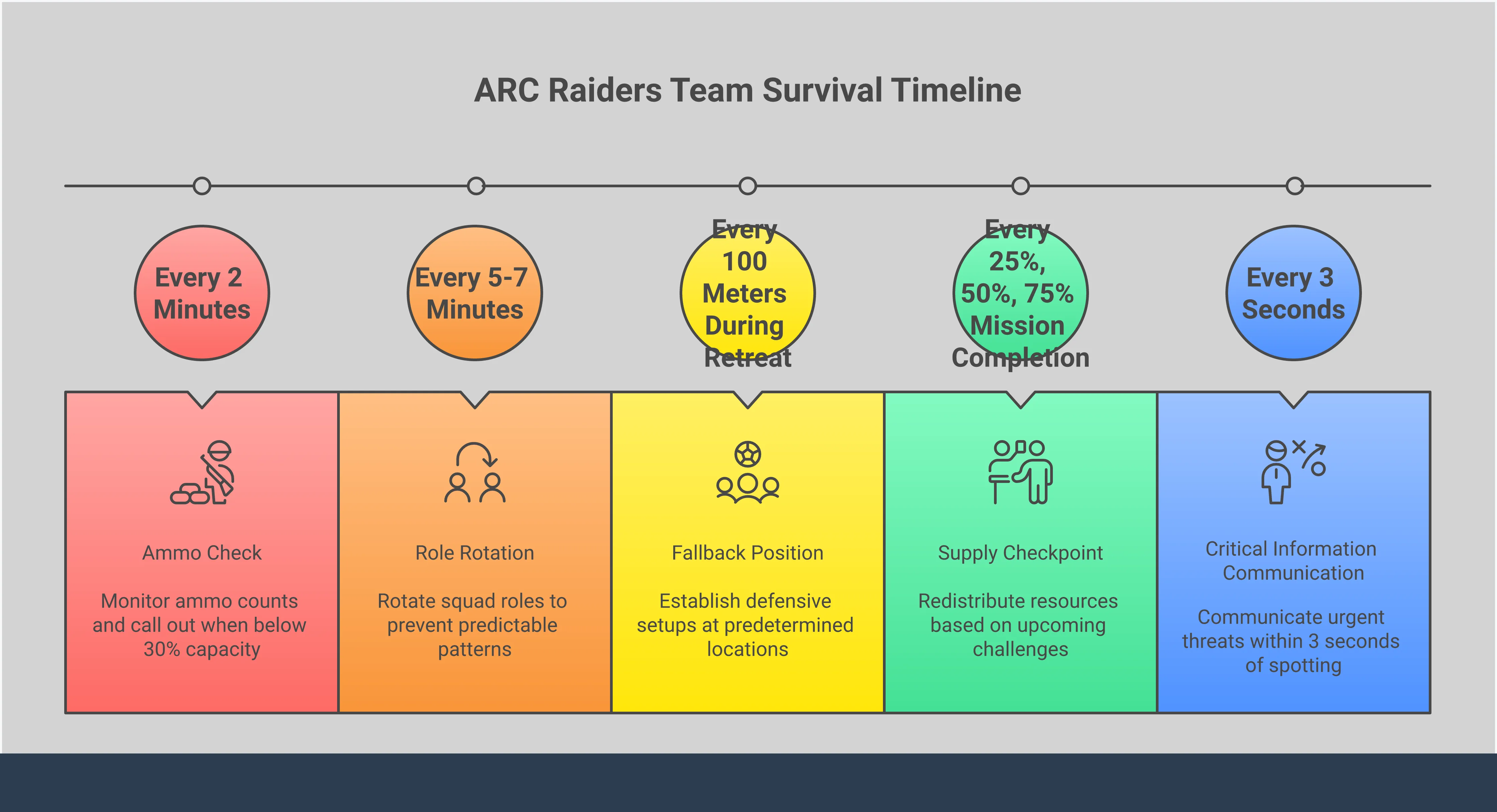
When it comes to teamwork under pressure, a team of three is often the most effective. It keeps communication clear and simple, allowing for quick, coordinated action without the confusion that can happen with larger groups. Decisions are made faster when fewer people need to be heard. This close-knit setup is great for tackling difficult tasks – like a well-planned surprise attack, quickly sharing supplies when someone needs them, or perfectly timed escapes. In a trio, everyone has a vital role, and working together to succeed feels incredibly satisfying. It’s the perfect mix of strength, speed, and smart thinking.
Anticipate Your Teammates’ Next Move
Highly effective teams in ARC Raiders function as one, responding to danger with perfect coordination. This comes from learning to predict what your teammates will do, often without needing to communicate. Because you never know who you can trust in this game, relying on your team’s gut feelings is essential. You’ll quickly learn how everyone plays – who’s quick to rush in, who provides backup, and who’s always ready to help a teammate up. This shared understanding transforms a simple group into a powerful team, letting you work together effortlessly to protect each other, target enemies, and provide support without even thinking about it.
Master Communication to Survive
During a tense escape in ARC Raiders, staying quiet can be fatal. Whether you’re playing with friends or strangers, clear communication is essential for a successful getaway. It transforms a group of individuals into a well-coordinated team, allowing you to predict danger, share supplies, and escape smoothly. If communication fails, your chances of survival plummet. Knowing how to talk – and listen – is just as crucial as accurate shooting. Every signal, from a quick wave to a vital warning, can make all the difference under pressure.
Use Emotes When You Can’t Use Voice Chat
It’s understandable to not always want to use voice chat while gaming. Whether you prefer playing alone or just aren’t feeling chatty, you still need to communicate with others. That’s where emotes come in handy! Players are discovering that using emotes at the right moment can prevent unwanted fights and lead to positive interactions. Emotes like “Don’t shoot!” or “Team up?” can quickly ease tension and even help you form temporary partnerships, which is especially useful when you’re playing solo and everyone could be a potential enemy.
Make Clear Callouts That Save Lives
When you’re communicating with your team, make every word count. Shouting without clear details only makes things worse. Good communication means giving your team short, useful updates they can act on. Knowing your role and what to say is a key skill that will significantly improve your team’s chances of survival. Practice clearly stating enemy positions with specifics, pointing out important items, and letting your team know what you’re planning to do. For example, saying “ARC Trooper on the roof to our north!” is much better than just “He’s over there!” Clear communication helps your team react quickly, focus their attacks, and stay ahead of the enemy.
Acknowledge Your Team Instantly
Good teamwork isn’t just about giving clear instructions; it’s also about building trust and connection with your teammates. You can start building that connection right away, even without saying anything. Many players find that a quick wave or a couple of crouches can instantly create a sense of camaraderie. This small gesture shows you’re a team player and helps ease tension, making your teammates more likely to support you in tough situations. It’s a simple way to build the kind of teamwork needed to succeed together.
Why Do We Bond in a Crisis?
There’s a unique bond formed when people face a life-or-death situation, and ARC Raiders really highlights that. When you’re under attack by enemy robots, running out of ammunition, and the rescue ship is about to depart, the players around you quickly become your most valuable allies. It’s in those intense, chaotic moments that you see the gaming community at its best. Instead of competing, players often team up, creating quick, trusting partnerships with one goal: to survive. This shared fight builds surprisingly strong connections, turning a regular game into an unforgettable story of teamwork and survival.
How Shared Adrenaline Creates a Connection
Playing in this world often feels like a silent test of how people will react to each other. When you and another player barely survive a tough battle, you connect on a deeper level than just sharing items. The excitement of that fight creates an instant understanding – you’ve both faced the same danger and won. That’s why even a small gesture, like a nod or wave, feels so significant afterward. You’ve shared an experience, and that bond often continues throughout the match, making you more likely to help each other out when things get tough again.
Why Saying “Thanks” Builds Team Chemistry
Building strong teamwork in ARC Raiders doesn’t require voice chat. The game’s emote system is actually a really good way to communicate and build trust with other players. Simple signals like asking to team up or warning not to shoot can drastically change how a battle goes. If you’re playing alone, emotes can help you show other players you’re friendly and avoid being attacked. And when a teammate helps you out – like reviving you or sharing supplies – a quick “Thanks” emote shows your appreciation and encourages more cooperation. These little gestures create a positive environment where everyone is more likely to help each other win.
Turn Strangers Into Trusted Allies
I’ve been playing ARC Raiders, and honestly, it’s awesome to see how different it is from a lot of other games out there. Instead of everyone trying to kill each other, people are actually helping each other! It’s so cool. I’ve dropped into matches solo, and within minutes, I’m teaming up with random players like we’ve known each other forever. We coordinate, cover each other, and work together to reach the extraction point. It’s these quick, unplanned alliances that really make the game special and prove that teamwork really does make things way easier – and more fun!
Pull Off the Perfect Rescue
Every team fears the moment a player falls in battle. Your first reaction might be to rush in and try to save them, but successful rescues in ARC Raiders aren’t just about being fast. They require careful planning, good timing, and strong teamwork. Successfully reviving a downed teammate under pressure is incredibly rewarding, turning a potential loss into a stunning victory. It begins with positioning yourself well, quickly understanding the situation, and acting together as a coordinated unit. When you pull it off, you not only save a teammate, but you also build the trust that leads to winning games.
Position Yourself for a Quick Response
Rescuing a teammate isn’t just about reacting when they fall – it starts with preparation. Staying aware of your surroundings and positioning yourselves well are crucial. If your team is too spread out, a rescue becomes very difficult. Stay close enough to support each other, but far enough apart that a single attack doesn’t wipe everyone out. The ideal setup is to create overlapping fields of fire, so if someone goes down, the others can immediately provide covering fire. A triangle formation works well for this. This teamwork allows you to quickly and safely extract an injured teammate and share supplies. By being prepared, you avoid the dangerous situation of having to run across open ground to reach them.
Assess the Risk When It All Goes Down
When a teammate goes down and time is running out, resist the urge to rush in immediately. Take a quick moment – just half a second – to breathe and understand what’s happening. ARC Raiders is a dangerous game where quick decisions can be costly, and a careless rescue attempt could get you killed too. Before acting, quickly consider: Where is the enemy fire coming from? How many enemies are there? Can you get to cover? Do you have any tools, like a smoke grenade, to help you create an opportunity? Sometimes, the smartest move is to wait for the enemy patrol to leave or for another squad to become preoccupied. A careful, well-planned rescue is always better than a hasty, unsuccessful one.
Support Your Team’s Decisions Under Fire
Rescuing a teammate is a team effort, whether you’re attempting the rescue or providing support. Once the decision is made, everyone needs to fully commit to their part. If your teammate uses a smoke grenade to move in, your job is to provide covering fire on any enemies you can see. Don’t question their actions during the rescue – trust is key. Think about those amazing moments of spontaneous teamwork, like when players help each other even without knowing each other. That’s the spirit you need. Clearly communicate what you’re doing, and support your teammates immediately. A well-coordinated rescue, even if it’s dangerous, is much more likely to succeed than a chaotic one.
What Drives You in High-Pressure Moments?
Every ARC Raiders player knows that feeling: the escape ship is coming down, alarms are going off, and you’re caught in a firefight with both enemy robots and another player team. Your heart races, and you have to make a quick decision – fight, run, or try something risky. In those intense moments, it’s not just about how good you are at the game – it’s about how you react to the pressure. The difference between a successful escape and losing everything comes down to your mental toughness.
Knowing what motivates you during high-pressure situations is crucial for success – it’s not just about getting through them, but actually excelling. This means learning to manage your fear, use your energy to make clear choices, and get yourself mentally ready beforehand. When you control how you react to stress, you become a stronger team player and a more powerful competitor. Let’s explore how to transform these stressful experiences into opportunities to shine.
Manage the Emotional Rollercoaster from Panic to Relief
ARC Raiders is all about balancing careful planning with intense action. You might be peacefully gathering resources one moment, and then desperately seeking shelter from a massive enemy the next. This sudden shift from calm to chaos can be startling, even for experienced players. The trick is to stay focused – recognize your fear, breathe, and concentrate on what you need to do right now. The real reward comes from the incredible feeling of succeeding under pressure, like defending a point or rescuing a teammate while being attacked. This rollercoaster of emotions is a core part of what makes the game so enjoyable.
Turn Stress Into a Performance Edge
Each time you meet another team, it’s like a test of how you’ll react. Do you immediately start fighting, or try to work together to deal with a bigger danger? Don’t let pressure make you panic – use it to stay sharp. Adrenaline can actually help you react faster and think more clearly. When you feel stressed, focus that energy on making smart choices. Instead of just seeing the other team as enemies, consider a temporary alliance against common threats like the ARC bots. Turning that stress into a calculated move can change the whole match and create some of the most exciting moments.
Prepare Your Mind for the Fight
You can’t prevent every fight, but you can prepare for them. Being mentally ready is just as important as having good gear. Before a match, your team should agree on who will do what and how you’ll communicate. Knowing your roles and using clear callouts – like letting teammates know about snipers or which way you’re moving – helps avoid confusion when things get chaotic. This preparation builds trust, allowing everyone to react quickly and calmly instead of panicking. When you’ve thought things through beforehand, you’ll act faster, smarter, and work better as a team in a fight.
How to Lead When It All Falls Apart
Everyone experiences those intense moments in a mission: you can see the extraction point, but your team is under heavy fire, defenses are failing, and enemies are swarming. It’s easy to panic, and the mission feels like it might fail. In those situations, a true leader isn’t just the player with the best equipment—it’s the person who stays calm and collected. Guiding your team through chaos isn’t about shouting commands; it’s about helping everyone concentrate, making sure everyone knows what to do, and relying on the teamwork you’ve developed.
Take Charge Without Overwhelming Your Team
It’s easy to panic or become overly bossy when things go wrong, but the most effective response is somewhere in between. Instead of adding to the chaos, aim to bring clarity. A calm and simple instruction – like telling your team to retreat to a safe point or concentrate fire on a specific threat – can quickly refocus everyone. Remember, most players are cooperative and respond well to positive guidance. You’re not in charge; you’re a teammate working to ensure everyone survives. Keep your commands brief and clear, giving your squad a single, manageable goal to work towards and boosting their confidence.
Assign Roles for Maximum Efficiency
When things get hectic in a fight, clear communication is key. If your team seems disorganized, it’s probably because everyone is trying to do too much. Quickly assigning roles can help. For example, ask someone with a shield to provide cover while another teammate helps a fallen ally. Have a teammate with a sniper rifle? Ask them to focus on the biggest threats. This quick teamwork makes sure everyone knows what to do, avoids wasted effort, and makes your team much stronger than if everyone acted on their own.
Build Instinctive Reactions Through Practice
The best teamwork happens when everyone anticipates each other’s needs without having to consciously think about it. This kind of coordination isn’t automatic—it develops through playing together and learning from mistakes. Every time a mission fails, it’s an opportunity to discuss what happened and how to improve. The more you play as a team, the better you’ll become at predicting each other’s actions. Eventually, communication becomes second nature. You won’t even need to announce things like “I’m reloading” because your teammates will instinctively know to cover you, based on past experience.
Build Your Squad’s Emergency Response
Surviving a dangerous situation isn’t about getting lucky—it’s about being prepared. Whether your team makes a clean escape or fails completely often depends on having a well-practiced emergency plan. It’s not enough to just have good equipment or aim; you need to work together as a unified and effective team when things go wrong. A strong plan relies on three key things: a clear strategy everyone understands, careful use of your resources, and the ability to change your approach when things don’t go as planned.
Being able to think quickly is important, but a team needs a solid plan to start with. When everyone understands the goal and what they’re supposed to do, you can respond to challenges much faster and more efficiently. It’s about building trust and a shared understanding, so everyone works together seamlessly, even under pressure. Let’s explore how to create a plan that helps your team overcome any obstacle.
Coordinate Your Extraction Strategy
Before starting any operation, your team needs a solid plan for getting out safely. This extraction plan is crucial for survival. Successful teams prepare for various situations by coordinating how they’ll leave. Designate both a main and backup exit point, and clearly assign roles: who will provide covering fire, collect important items, and help injured teammates? Having these answers ready beforehand prevents costly delays when things get chaotic. Even a simple agreement like, “If the situation worsens, we’ll retreat to the bridge,” can be a lifesaver.
Manage Resources and Positioning
A successful escape depends on having enough supplies. Regularly check your ammunition, health, and equipment – running out of bullets at a critical moment can leave you vulnerable. Where you position yourself is crucial. Use cover, try to get to higher ground, and always keep an eye on your teammates and the escape route. Good positioning helps you save resources by reducing damage taken and making your shots more effective. It’s a constant balancing act between taking risks and staying safe, and every decision you make – from reloading to moving around the enemy – affects your chances of survival.
Adapt Your Team for Any Scenario
Every plan has weaknesses, and the ARC Raiders will exploit them. That’s why being able to adjust quickly is so important. A skilled team can change tactics instantly – if your escape route is blocked or a teammate is injured, you need to react immediately. Clear communication is your greatest asset in these moments. It allows you to adapt your strategy, warn each other about new dangers, and work together to overcome challenges. Teams that are flexible don’t just survive; they turn difficult situations into opportunities for success.
Related Articles
- Deus Ex LFG: Connect with Other Augs in LFG Feature on Z League App
Frequently Asked Questions
It’s frustrating when your team isn’t using voice chat, but you can still succeed! Focus on using pings and emotes to communicate. A well-timed emote, like asking to team up or warning not to shoot, can help avoid conflict or build teamwork. Use the ping system to clearly show enemies, important locations, and where you’re going. Being a helpful teammate by sharing items and watching your allies’ backs will encourage them to do the same, creating a strong understanding without needing to talk, and helping everyone reach the end goal.
When things get hectic in ARC Raiders, leadership isn’t about a specific rank—it’s about who can stay calm and take charge. The person who leads in any moment is the one who quickly makes a clear and useful call, like pointing out a sniper or suggesting a retreat. Successful teams allow this role to shift naturally. If you see a good plan, don’t hesitate to share it – a confident suggestion can often help everyone refocus.
Facing the tough choice of leaving a teammate behind to save yourself is a difficult situation. While the ideal outcome is always to rescue everyone, sometimes it’s simply not possible, and attempting a rescue could lead to the entire team being eliminated. You need to quickly evaluate the danger. If a teammate is exposed to multiple enemies, rushing in to help will likely result in your death as well. In those cases, the best decision might be to safely escape so the team doesn’t lose all progress. It’s a challenging strategic call, and not necessarily a selfish one.
Your team gets stressed during the final escape? The best thing you can do is create a simple plan before things get chaotic. Early in the match, while you’re gathering supplies, quickly agree on a main escape spot and a backup. Having a pre-determined plan – like, “If we’re in trouble, meet at the bridge” – avoids complicated decisions when you’re under pressure. This gives everyone a clear goal, which helps prevent panic.
Great teamwork feels like reading each other’s minds, and it comes from spending time playing together. The more you play as a team, the better you understand how each person reacts in different situations – who’s likely to rush in, and who will cover their teammates. With enough practice, you’ll start to anticipate what your teammates are going to do without needing to communicate it directly. This kind of natural chemistry is built through shared experience and practice.
Read More
- Netflix’s Little House On The Prairie Reboot: Release Date, Cast & Everything We Know
- Off Campus Season 1 Soundtrack Guide
- Silver Rate Forecast
- Prime Video’s New R-Rated Spy Thriller Is Officially No.1 On Streaming Despite Poor Reviews
- Gold Rate Forecast
- Brent Oil Forecast
- EUR ZAR PREDICTION
- Amazon Primes new GenAI cartoon looks like K-Pop Demon Hunters with aliens
- KPop Demon Hunters Meets Avatar: The Last Airbender In Netflix’s 3-Part Fantasy Series
- Bulgakov’s Take: Koreans Bet the Farm on Chips, Crypto, and Chaos
2025-12-02 14:15