Joining a game isn’t just about connecting to a server; it’s like entering a worldwide community. The player who helps you up could be on the other side of the planet, with a different background and language. But in that moment, those differences don’t matter. You’re working together towards a common goal. This instant connection with people from all over the world is what makes gaming so special. It overcomes the barriers we often face in real life, showing us that a shared interest is enough to create a bond.
Key Takeaways
- Small gestures have the biggest impact: A timely revive or sharing loot builds more trust and team synergy than a high kill count. It’s these small, selfless acts that truly define a valuable player.
- Be the one who changes the team’s energy: A single “nice shot” or “thanks for the help” can turn a frustrating match around. Your positive attitude sets the tone and encourages others to be better teammates, creating a cycle of support.
- Focus on connections, not just the win: The memories that stick with you aren’t about the final score, but about the shared laughs and moments of teamwork. Prioritizing your squad is how you turn a simple match into a memorable experience.
What Makes a Gaming Moment Unforgettable?
When you think back on your favorite gaming experiences, what comes to mind? While nailing a difficult shot or defeating a challenging boss feels good, the most memorable moments often involve playing with others. Maybe someone generously gave you a powerful item when you needed it, or you shared a hilarious moment after a big mistake. These interactions are what truly make a game special – it’s not just about what happens on screen, but the connections you make with other players.
Online games are now a huge part of how people connect and form friendships. They’re places where we find teammates, learn to work together, and create shared experiences. The most memorable moments often aren’t planned by the game creators – they happen naturally through real interactions and simple acts of kindness. These spontaneous connections often feel more rewarding than anything you achieve in the game itself. They remind us that there are real people behind the screens, and sometimes, you share something special with them, even if just for a little while.
Why small gestures matter in-game
When you’re playing a competitive game, it’s easy to focus on winning, but it’s the small acts of kindness that really create a good team atmosphere. Things like quickly reviving a teammate, sharing ammo, or offering encouragement even after a loss can make a big difference. These actions build trust and respect among players. What’s interesting is how much our behavior is affected by the people we play with. When you’re positive and helpful, it encourages others to do the same, and that’s how a group of strangers can start to feel like a real team.
How genuine moments forge real connections
Small acts of kindness can build real connections, especially in online spaces where people often feel anonymous. A genuine moment can stand out and create a true bond – it’s the difference between playing with a username and playing with someone you trust. Gaming communities are now a major way people connect, offering opportunities to form lasting friendships. Sharing a win or a funny moment can create inside jokes and turn a single game into a regular group. These experiences are what make us want to keep playing.
More Than Just a Revive
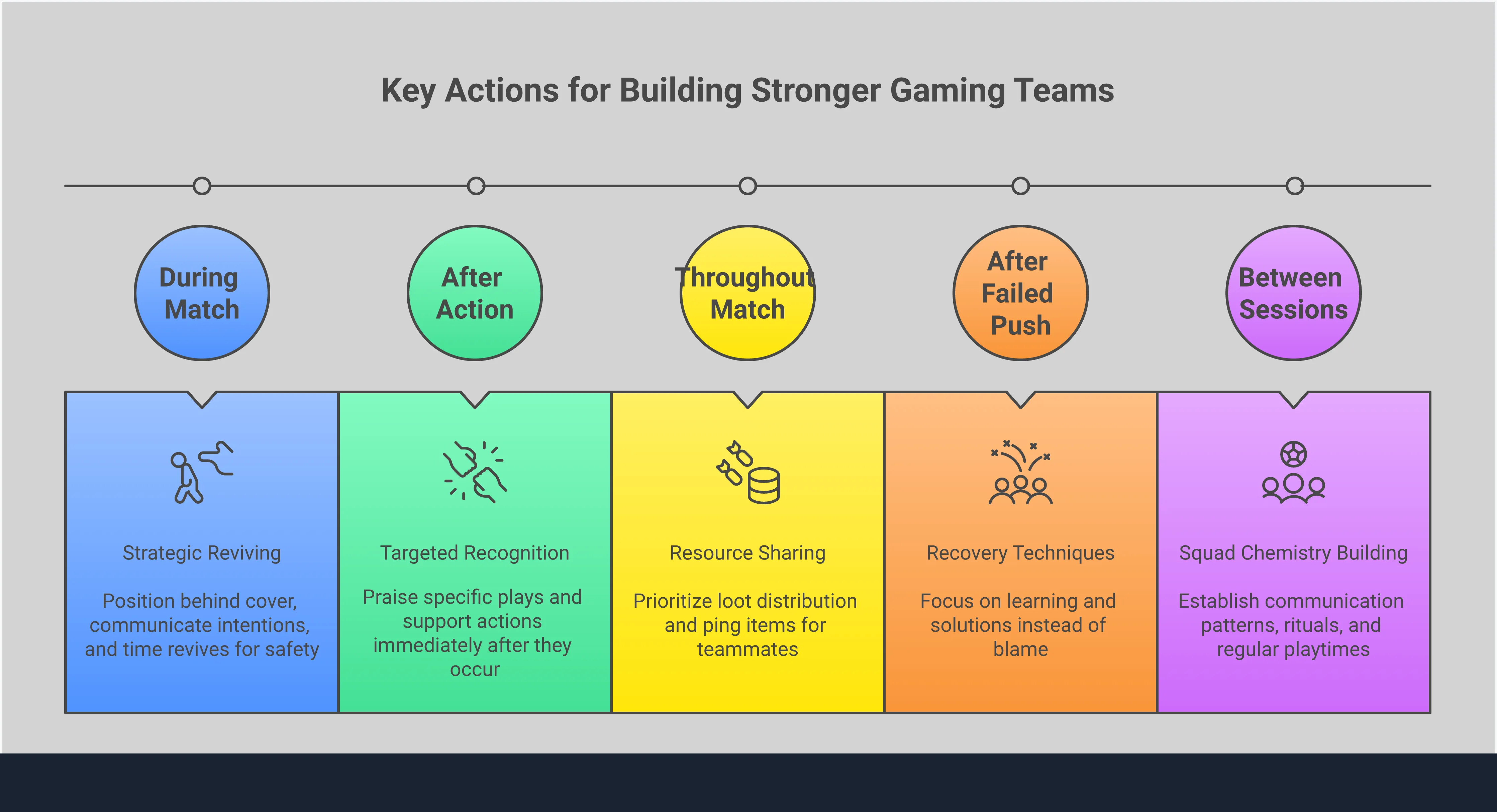
During a fast-paced battle, every second is crucial. Deciding to stop fighting and help a teammate who’s been knocked down is a really important choice. It’s not just about getting another player back in the action; it’s a core part of working together as a team and shows real camaraderie. These kinds of moments are what make multiplayer games special, turning a group of strangers into a unified team.
Offering a hand to a teammate is a strong signal that you support them. It takes courage to be vulnerable while helping someone else, but it demonstrates that you prioritize the team’s victory over your own performance. This kind of support builds the trust that leads to wins and creates memorable gaming experiences.
How reviving teammates builds trust
When you revive a teammate, you build trust within the team. It shows you’re dependable and a team player. This simple act can boost team morale and encourage others to help you in return – they’ll be more likely to support you, share resources, or come to your rescue when you need it.
The way teammates support each other turns a difficult game into an enjoyable one, and strengthens how well the team works together. It’s not about one amazing play, but the little things everyone does to show they’re united. This trust is what lets teams make impressive turnarounds and celebrate victories together.
The psychology of helping a stranger in-game
Why do we bother helping strangers in games? It comes down to our basic need to connect with others. Offering help, even to someone we’ll likely never meet again, simply feels rewarding. It’s a small act of kindness that boosts our sense of community and makes us feel good.
Helping each other is essential for healthy gaming communities. We support teammates, even briefly, to create a positive and welcoming atmosphere. Every assist, like a quick revive or sharing equipment, contributes to the kind of community everyone enjoys.
How Gratitude Changes the Game
When you’re playing, it’s natural to focus on winning and your performance. But the most memorable gaming moments aren’t usually about the score—they’re about the people you play with. Simply saying “thanks” for a helpful action or complimenting a teammate’s skill can really improve the overall experience for everyone involved.
Taking a moment to acknowledge others isn’t just good manners—it helps create a stronger, more supportive team. It encourages everyone to focus on working together instead of just individual achievements. This transforms a group of individuals into a cohesive unit where teammates support each other. A simple thank you can turn a disappointing loss into a chance to learn and grow, and a win into a moment of shared joy. It’s a reminder that there are real people behind every player, and recognizing that can be as impactful as making a great play.
Starting a cycle of positivity
It’s easy to see how a negative comment can ruin a game, but positive interactions have an even stronger impact. Simply thanking a teammate doesn’t just feel good – it encourages others to be positive too. Studies show people are heavily influenced by those around them, and expressing gratitude creates a ripple effect. When someone feels appreciated, they’re more likely to help others, building a supportive and cooperative team environment that makes playing more fun for everyone.
The ripple effect of a simple “thanks”
Saying “thank you” doesn’t just make the receiver feel good – it creates a positive chain reaction. It encourages kindness and helps people connect, turning groups of individuals into supportive teams. This is especially important in gaming, where platforms like Twitch and YouTube showcase these positive interactions and inspire others to be more appreciative in their own games. Ultimately, these small gestures of gratitude are how we build stronger connections and create a more welcoming gaming community for everyone.
What Makes a Hero in Online Games?
We often think of heroes in games as the players with the most kills or the best gear. But the moments that really make someone a hero are usually more subtle. It’s not always about spectacular plays; true heroism is about how you help your team. It’s the little acts of kindness, the selfless choices that can change a game, and simply being a positive teammate. Being a valuable player isn’t just about personal skill – it’s about understanding that winning takes teamwork. The real MVPs are those who prioritize making the game enjoyable for everyone, building trust, encouraging communication, and creating a supportive environment where everyone feels comfortable contributing. They know a positive team spirit is just as important as being skilled, and they act accordingly.
Redefine heroism in multiplayer matches
True heroism in a multiplayer game isn’t about how many enemies you defeat; it’s about how much you help your team win and keep their spirits high. It’s things like giving a teammate your last shield battery, patiently showing a new player where to find good loot, or bravely reviving someone while under attack. These actions prove you care more about the team than your own score. Because online games are so social, the way we act affects everyone we play with. When someone consistently prioritizes teamwork, it encourages others to do the same, building a supportive and cooperative atmosphere instead of one focused on individual performance.
Why a little recognition goes a long way
Remember the last time someone on your team said something encouraging, like “Good shot!” or “Thanks for the help”? It probably felt great, and it can really shift the mood of a game. Those little moments of appreciation can turn a group of strangers into a supportive team. Gaming communities are now a big part of how many people connect and find support. Players aren’t just focused on winning or improving their skills; they also want to feel like they belong and are appreciated. Simply acknowledging someone’s effort, even in a small way, encourages them to keep up the good work and helps create a more positive and fun experience for everyone.
Does It Matter Where Your Teammates Are From?
Not at all – it’s actually one of the best things about playing games online! When you start a match, you’re joining a worldwide community. The player helping you out might be on the other side of the planet, speaking a different language, and living a completely different life. But in that moment, those differences don’t matter. You’re a team working towards a common goal, like winning in Warzone or defeating a powerful enemy in Diablo.
What makes gaming so special is its power to instantly connect people from all over the world. It removes the barriers we often face in real life, showing us that a shared interest is enough to form a bond. These online games bring together people from different backgrounds, offering new viewpoints and ways to play, which enhances our overall experience. It’s not about where you’re from, but what you do together. The game itself becomes a universal language, and simple actions like a quick signal or helpful assist can communicate more than words ever could. Ultimately, it reminds us that we all just want to enjoy a good game with a great team.
Connecting with players across the globe
Consider your recent gaming experiences. Chances are, you’ve played with people from all over the world without even realizing it. That’s what’s so amazing about online gaming. These communities are incredibly diverse, bringing together people you’d never normally encounter through a common interest in a game. When you’re focused on winning or achieving a goal, differences in location and culture become unimportant. What truly matters is how well your teammates play and communicate, not where they live.
Finding common ground, miles apart
How do we connect with people we’ve never met before? It often happens through shared experiences within a game. Whether it’s a well-planned strategy, a stressful moment when things go wrong, or even a funny reaction after a tough battle, these moments create connections. By playing together, we build a sense of shared identity and learn the unwritten rules of the community, leading to a feeling of belonging. It doesn’t matter where you come from; what matters is supporting your teammates. That common goal is what truly brings people together.
How Does Gaming Culture Shape Who We Are?
Consider this: the people you play games with consistently become more than just teammates. They’re your close-knit group – your squad, guild, or crew. You start to understand how they play, what makes them laugh, and even when they’re not at their best. These online gaming communities are vibrant spaces where we influence and are influenced by each other. We create shared jokes, develop strategies without saying much, and form a unique group identity. It’s not just about winning; it’s about how our friends and the group dynamic shape the way we behave. You might be the leader in one group, and the funny one in another. We adjust, connect, and build something special together, game by game. These relationships, created through intense battles or late-night adventures, are a major reason why gaming is so rewarding.
The power of your in-game crew
In online games, your fellow players become more than just teammates – they’re your community. They’ll help you up when you fall, share in your wins, and find humor in the game’s quirks. This shared experience creates a strong feeling of connection. The way your group plays – whether seriously competitive or just for fun – shapes how you approach the game and interact with others. You begin to see the game through their eyes, building friendships that often extend beyond the virtual world. It’s a relaxed environment where you can develop valuable skills like teamwork, trust, and communication, which are useful in all aspects of life.
Finding your place in the community
Beyond your close friends, the broader gaming community offers a whole other level of connection. For many, gaming isn’t just a hobby – it’s a significant part of their social life and a new way to connect with others. It’s a place to find people who share your interests, whether you love exploring the story of Diablo 4 or building the perfect setup in Warzone. This community has its own unique language, inside jokes, and customs – that’s what we call gaming culture. Finding your place within it means discovering how you want to contribute – as a leader, a skilled player, someone who creates content, or simply a dedicated fan. It’s about being part of something larger than yourself.
How Streaming Changes Player Interactions
Streaming has dramatically changed how we experience gaming. It’s moved beyond just playing with friends to sharing gameplay – the wins, the losses, and funny moments – with a live audience. Platforms like Twitch and YouTube have transformed gaming from a personal hobby into a public performance, creating new ways for players to connect and form communities. Now, players are both competitors and entertainers, and the audience isn’t just watching – they’re actively involved, offering encouragement, strategy, and humor. This creates a unique shared experience where inside jokes, viral memes, and a strong sense of community develop. The energy of a live audience can really impact how a game is played, motivating streamers to take risks or simply offering support. Because everyone contributes, each gaming session feels special and unforgettable, even for those who aren’t playing.
Building a community in real-time
Gaming used to be a mostly solitary activity, or limited to playing with a small group of friends. Now, streaming has transformed it into a social event. When you watch someone play a game online, you’re not just watching the gameplay—you’re joining a virtual hangout where you can chat with hundreds of other fans who share your excitement over great plays or finding valuable items. These online communities are constantly evolving and growing with each stream, and the interaction between the streamer and viewers creates a sense of shared experience, making everyone feel like they’re part of something bigger.
When the audience joins the game
It’s becoming harder to tell who’s playing the game and who’s watching. Viewers are no longer passive observers; they’re actively shaping what happens. Through things like chat suggestions, voting, or even playing with the streamer, the audience really becomes part of the game. This interaction is central to today’s gaming scene, where the experience is built with the players. A streamer might try something risky because viewers encouraged it, or get a helpful hint from the audience that helps them win. This turns gameplay into a team effort, making it more exciting and less predictable.
Create More Positive Gaming Moments
We’ve all experienced frustrating moments in games – a difficult match, a mistake, and then a flood of negative comments. It’s easy to feel down, but it’s just as simple to be the one who brightens the mood. Building a more positive gaming community doesn’t require a big plan; it’s about the small, thoughtful actions we take in each game. Remember, there’s a real person behind every player, and everyone just wants to enjoy themselves.
We all remember gaming moments not for big wins, but for the connections we make. It’s usually about a teammate helping you out, a kind stranger offering advice, or when your whole group just works perfectly together, having fun even in crazy situations. These are the things that make gaming truly special, and we can all contribute to them. By being positive and supportive, you can make the game more enjoyable for yourself and become a valuable teammate everyone appreciates.
Simple actions that can make someone’s day
It’s amazing how much difference a little kindness can make. Saying something simple like “Nice shot!” when someone does well, or offering encouragement like “Don’t worry, we’ll get the next one” after a mistake, can really boost a team’s spirits. These small acts help ease tension and create a feeling of togetherness, which ultimately helps everyone play their best.
Don’t stay quiet – try offering a quick compliment or a useful suggestion instead. Acknowledging small wins as a group, like when someone makes a good point, turns individual effort into a fun, collaborative experience. It’s a reminder that you’re all working together and enjoying yourselves, and that’s what really matters.
How to foster a supportive team culture
Honestly, playing with the same group of friends regularly is awesome because you can really build a positive vibe. I try to lead by example – we have an unspoken rule that we focus on helping each other, not blaming anyone when things go wrong. If we lose, we talk about what we could’ve done better as a team, not who messed up. It makes everyone feel comfortable enough to actually try new things and experiment, because nobody’s worried about getting flamed for making a mistake.
Let’s all share ideas and celebrate successes, whether they happen during gameplay or in everyday life. A team that supports and encourages each other is a team people genuinely want to be on. Knowing how people interact online can help you create a close-knit group that stays together through thick and thin.
What Makes a Great Team?
Have you ever been part of a team that just naturally worked well together? It’s amazing when players connect and move as a single unit, almost without needing to communicate. This is the opposite of those frustrating games where everyone goes their own way, ignoring teamwork and the goal of winning. This kind of connection isn’t accidental; it happens when players develop shared understandings and work towards common goals during the game. Truly successful teams aren’t just about individual talent—they’re built on cooperation, respect, and a shared drive to win as one.
Playing with a great team makes every game feel fun and exciting, like hanging out with friends instead of just working towards a goal. Knowing you can rely on your teammates, whether you’re attacking or defending, is what truly makes the game special. It’s those connections with other players that turn a simple game into something you’ll remember, and remind you that the friendships you make are as rewarding as winning.
The secrets of good cooperation
When playing games as a team, people often begin by watching each other. We naturally adapt our gameplay to work well with our teammates. This is influenced by how everyone interacts – if someone is helpful, others tend to be as well, creating a cycle of positive teamwork. It’s about quickly forming a sense of ‘us,’ even for a single game. As you play together, you start to predict what your teammates will do, share items without needing to ask, and communicate effectively. This shared understanding is what makes a team successful, turning what could be a disorganized experience into a smooth, coordinated effort.
Why supporting each other leads to victory
In many team-based games, winning as a group is more important than individual achievements. Skilled players understand that how well they play affects everyone on their team. Helping a teammate by sharing ammo or reviving them isn’t just friendly – it’s a smart tactic that makes the whole team stronger. This kind of support builds trust and keeps everyone motivated, which is just as important as having good equipment. When teammates focus on helping each other, they become more durable and can handle anything. You shift your focus from personal scores to winning as a team, and that’s when you become a truly powerful force.
Why Wholesome Gaming Moments Stick With Us
When I think about my favorite gaming moments, it’s rarely about winning or getting a super rare item. It’s usually something else entirely – like when a random player came out of nowhere to save me, or some crazy, funny thing happened during a voice chat session. Or even just that feeling when everyone on the team worked perfectly together to pull off a win. Those are the things that really make a game special, you know? It’s not just about playing the game, it’s about the experiences you have while playing.
At its heart, gaming is a social activity. Whether playing alone or with others, we naturally share our experiences and connect with fellow gamers. In multiplayer games, this connection becomes even stronger as players collaborate and create shared experiences. It’s the small acts of kindness, surprising friendships, and genuine connections that truly resonate with us, reminding us that real people are behind every online character. These positive interactions are the core of any thriving gaming community.
The memories we keep long after logging off
It’s interesting how our brains prioritize memories. We might forget details of a game, but we always remember someone who was genuinely kind and helpful. These experiences resonate with our basic human desire for connection. Online games create surprisingly complex communities where we influence and are influenced by others. Even a small gesture, like good sportsmanship or a simple ‘gg,’ can really change the atmosphere.
These moments within games build a shared culture, creating common experiences and expectations that shape our communities. When players help and support each other, it strengthens our feeling of connection and belonging. It reminds us we’re all part of something bigger, and those are the memories that truly last, even after we stop playing.
Let’s build a better gaming community, together
Want to experience more of those great gaming moments? It all begins with us, the players. Creating a positive community isn’t about big changes from the top; it’s about the small things we do every time we play. It means helping new players instead of making fun of them, cheering on teammates when they do well, and being a good sport whether you win or lose.
For many people, gaming is now a main way to connect with friends and build relationships, so it’s important we all work to create a friendly environment. Platforms like Twitch and YouTube demonstrate how positive and fun communities can thrive. Simply being a supportive teammate can have a big impact, making gaming more enjoyable for everyone.
Related Articles
- Deus Ex LFG: Connect with Other Augs in LFG Feature on Z League App
Frequently Asked Questions
It’s understandable to focus solely on winning in competitive games, but being a good teammate can actually help you win. When you’re supportive and positive, your team communicates better, trusts each other more, and works together more effectively. A team that supports each other is stronger and more flexible than a group of talented individuals playing only for themselves. And ultimately, being nice makes the game more enjoyable for everyone – which is important since we all play to have fun!
Just because you’re not the star player doesn’t mean you can’t be a huge asset to your team. Your worth isn’t measured by how many kills you get. Instead, focus on being the most supportive teammate possible. Call out enemy positions, freely share resources like ammo and shields, and quickly revive anyone who goes down. These things keep everyone working together and can often decide the outcome of a battle. A dependable teammate is always more valuable than someone who’s highly skilled but difficult to play with.
You don’t need a microphone to make a positive impact! A lot of good teamwork happens without talking. Things like quickly sending a signal, sharing items, reviving a teammate, or even celebrating with an in-game gesture can really build strong connections. What you do matters a lot, and consistently supporting your team is the best way to show you care.
How can you shift a team’s mood from negative to positive? You don’t need to be a motivator – simply be the first to offer a positive comment. A quick “nice shot” after a good play, or a simple “nt, we’ll get them next time” when things don’t go as planned, can prevent negativity from spiraling. A single encouraging word can change the dynamic and remind everyone that you’re all working towards the same goal.
You might wonder if saying ‘thanks’ after someone revives you is important, but it actually makes a big difference. It shows you noticed their help, that you recognize they put themselves on the line for you, and that you appreciate their effort. This small gesture makes them feel valued and increases the chance they’ll help you or others later on. It’s a key step in creating a supportive team environment where players look out for each other, turning a group of strangers into a cohesive unit.
Read More
- All Itzaland Animal Locations in Infinity Nikki
- Cthulhu: The Cosmic Abyss Chapter 3 Ritual Puzzle Guide
- Persona PSP soundtrack will be available on streaming services from April 18
- Gold Rate Forecast
- Raptors vs. Cavaliers Game 2 Results According to NBA 2K26
- The Boys Season 5 Spoilers: Every Major Character Death If the Show Follows the Comics
- “67 challenge” goes viral as streamers try to beat record for most 67s in 20 seconds
- Focker-In-Law Trailer Revives Meet the Parents Series After 16 Years
- Solo Leveling’s New Manhwa Chapter Revives a Forgotten LGBTQ Story After 2 Years
- Rockets vs. Lakers Game 1 Results According to NBA 2K26
2025-12-01 13:44