When people think of Harrison Ford’s iconic roles, after Indiana Jones and Star Wars, the sci-fi film Blade Runner often comes to mind. This 1982 masterpiece, directed by Ridley Scott, was adapted from Philip K. Dick’s novel Do Androids Dream of Electric Sheep? and is set in a futuristic Los Angeles in 2019. The film depicts a dark and gritty future filled with flying cars and bright neon lights, where artificial beings called Replicants are created to work on other planets but are forbidden from living on Earth. These Replicants are manufactured by the powerful and unethical Tyrell Corporation.
Rick Deckard, played by Ford, is a Blade Runner – a specialized police officer who tracks down and eliminates rogue Replicants who have escaped to Earth. When a group of 4 to 6 Replicants appear in Los Angeles, Deckard is called upon to hunt them down. The film features thrilling chases, futuristic technology, and a visually striking, rain-soaked city, but also explores themes of morality. While Blade Runner is considered a classic science fiction film, some elements haven’t held up well after 43 years.
Blade Runner Is Slow
Look, Blade Runner is a landmark film, no question. But rewatching it now, the biggest issue for me isn’t its age, it’s how slow it is. The first half especially really meanders, and honestly, it feels more interested in showing off its incredible world-building than actually moving the story forward. It’s beautiful, absolutely, but it takes a while to get going.
The film features a constant stream of rain-soaked, gritty scenes with a strange Japanese influence, and it eventually becomes exhausting to watch. While the slow pace and mood are meant to encourage viewers to think about what it means to be human, the style feels outdated and doesn’t have the same impact it did in 1982.
Viewers were likely more captivated by the film’s vision of the future, making the setting initially engaging. However, this focus on atmosphere came at the expense of a fast-moving plot, compelling action, and well-developed characters, which explains why many struggle to finish the movie. The story takes too long to get going in Blade Runner, with Deckard’s investigation, the central conflict, and the villains all being introduced at a slow pace.
Rachael And Deckard’s Intimacy Scene Was Problematic
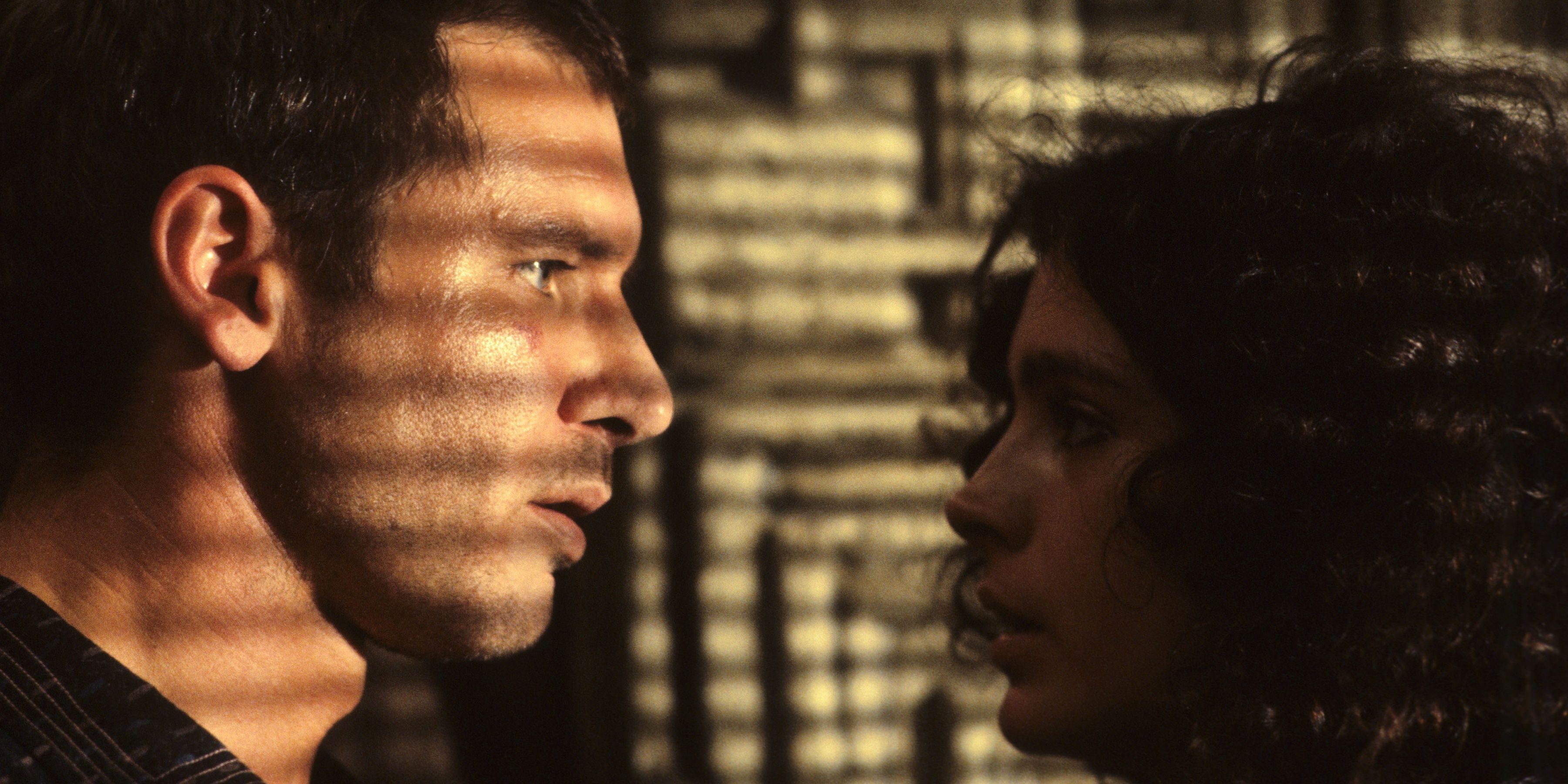
The intimate scene, intended to be a pivotal moment in the film, felt awkward and unsettling instead. When Deckard reveals to Rachael that she is a Replicant, it drastically changes her life. Surprisingly, her act of violence on his behalf sparks attraction in him.
One of the most unsettling moments in the sci-fi film occurs when Deckard kisses Rachael and pressures her to act and speak in ways that please him, exploiting her status as a Replicant. Rachael clearly doesn’t consent and seems confused, but Deckard shows no regret, believing Replicants aren’t capable of making their own choices.
Viewers were deeply troubled by the power dynamic and forced nature of the sexual encounter, as Rachael lacked any real agency in the situation. This was a significant ethical misstep for a film that otherwise examined themes of power, what it means to be human, and gender roles.
Harrison Ford’s Voiceover Is Terrible
When Blade Runner was released in American theaters, a new voiceover narration by Harrison Ford was added. The intention was to reveal Deckard’s thoughts, make the story easier to follow, and enrich the film, but it’s become notorious among fans. While it could have achieved those goals, the voiceover ended up feeling flat, awkward, and didn’t fit the film’s stylish look and feel.
Harrison Ford and Mark Hamill both disliked the idea of a narrator, but the studio added one anyway, believing the story was confusing for audiences. Ford reluctantly agreed to do the voiceover, but intentionally delivered it in a monotone and unengaging way, hoping it would be removed. Unfortunately, even his deliberately lackluster narration made it into the final cut, simply repeating what viewers could already see.
The Characters Seem Underdeveloped
Besides Roy Batty, who had a surprisingly deep and emotional arc in Blade Runner, the other characters felt quite shallow. The Replicants, for example, didn’t get much development – Zhora was killed off quickly despite being designed for combat, Pris and Leon had no real personality, and Rachael discovered her entire past was a lie.
Rick Deckard, the film’s protagonist, feels underdeveloped, lacking even a glimpse into his past. The characters, generally, come across as flat and superficial, which is noticeable even when watching Blade Runner now. The movie might have benefited from prioritizing character development over elaborate visual effects, creating figures that viewers could connect with and truly care about. Ultimately, it falls short in this area.
Blade Runner is Full of Inconsistencies
Despite being a classic, the movie has many plot problems that are noticeable when watching it now. For example, Deckard is told there are six rogue Replicants, but he only identifies and eliminates four.
The error was corrected in a revised version of the film by establishing that Mary, a fifth Replicant, had died previously. Likewise, the Voight-Kampff test given to Leon to check if he was human proved unnecessary, as video footage of the rogue Replicants was actually available from the beginning.
The movie had noticeable flaws, ranging from questions about the Replicants’ lifespans to scenes that didn’t quite add up each time they happened. These weren’t minor details either; they were major inconsistencies that were obvious even during the first viewing. A more focused storyline could have prevented these issues, but unfortunately, the problems just kept accumulating.
Deckard’s Belated Replicant Status Felt Forced
The unicorn sequence – which revealed that Deckard’s memories were actually implanted – was a later addition to the movie, not part of the original plan. Director Ridley Scott added it to a revised cut, suggesting that Blade Runner himself might be an artificial being. This change was both surprising and confusing, and created several inconsistencies within the story.
It’s strange that a Replicant would be used to hunt down other Replicants. Why would they do that? Also, how could Deckard have been unaware of his own artificial nature, and if he was a Replicant, how long was he meant to live?
If he was a Replicant, he’d likely have malfunctioned or Roy would have revealed the truth by now. While the twist was clever, it actually just added to the confusion. It felt like it was added later to create more mystery, but it ultimately made the movie harder to follow as it went on.
There Are Far Too Many Blade Runner Cuts
As a huge fan, it’s amazing to me that there have been seven different versions of Blade Runner released so far! Back in 1982 alone, they put out four: a Workprint prototype, a sneak preview shown in San Diego, the version shown in American theaters, and a slightly different cut for international audiences.
The original film went through several changes, including adding Deckard’s narration, more intense scenes, and a hopeful conclusion for Rachael and Deckard. Ten years later, director Ridley Scott released his own version, the Director’s Cut, which removed the voiceover and the happy ending, and instead included a dream sequence featuring a unicorn.
This release is widely considered the most complete version of the classic sci-fi film. It features a longer version of the famous unicorn dream sequence, as well as previously unseen footage and graphic scenes from the original international release. While it’s exciting to see all this extra material, it can be frustrating for fans trying to decide which version is the ‘true’ one. Asking viewers to watch Blade Runner seven different times just to understand the complete story seems excessive.
Read More
- Off Campus Season 1 Soundtrack Guide
- X-Men ’97 Finally Gave Gambit the Hero Moment He Deserved
- Chainsaw Man Volume 24’s Cover Art Reveals a Brand-New Denji
- 46 Years Later, The Mandalorian & Grogu Answers A Major Empire Strikes Back Question
- 10 Worst End-Game Couples In Sitcom History
- HoI4 fans harsh reactions to the announcement of another DLC pack
- DoorDash responds after customer uses AI to make food look bad and get a refund
- Dragon Quest II HD-2D Remake: Where to get the Magic Key
- Emily Henry Says to ‘Trust the Vision’ For Beach Read Adaptation
- Hideo Kojima says Metal Gear Solid 2 became the future he hoped would not happen
2026-05-29 17:38