When Halt and Catch Fire first aired on AMC in June 2014, the network was enjoying a period of huge success with shows like Breaking Bad and Mad Men. This meant expectations were very high for the new series. However, despite positive reviews, the premiere only attracted a little over 1.2 million viewers, making it one of AMC’s least-watched premieres at the time.
Over four seasons and 40 episodes, the show subtly became one of the most emotionally powerful dramas on TV. By the time it ended in October 2017, it had moved beyond a typical story about flawed heroes to become a moving look at what drives us, how we cope with setbacks, and the importance of human connection. Despite this, it never quite broke into the mainstream. Even now, twelve years later, many consider it AMC’s most overlooked gem.
Halt and Catch Fire is a Tech Drama That Became Something More
The series takes place during the exciting tech boom of the 1980s. It starts at Cardiff Electric, where the ambitious Joe MacMillan, portrayed by Lee Pace, tries to copy IBM’s popular PC. He brings on engineer Gordon Clark (Scoot McNairy) and brilliant young programmer Cameron Howe (Mackenzie Davis) to help him create a rival computer, all while facing extremely tight deadlines.
Okay, so at first, the story felt a little… predictable. It seemed to follow that familiar trope of a brilliant but troubled guy shaking things up. The first season really played up Joe’s charm and how he gets what he wants, which reminded me of characters we’ve seen on shows like those from AMC. But honestly, that focus meant some of the other characters, like Donna Clark, didn’t get the attention they deserved – I really wanted to see more of her story!
What makes Halt and Catch Fire stand out is its ability to change direction. Starting in Season 2, the show moves away from focusing solely on Joe and instead tells stories through a wider group of characters. The arrival of Mutiny, a new company run by Cameron and Donna, transforms the series into a story about teamwork, taking chances, and finding yourself in the fast-paced world of technology.
The Evolution That Made Halt and Catch Fire Great

Halt and Catch Fire is a rare show that consistently reinvents itself. Over four seasons, it covers almost a decade of technological change, from the beginning of personal computers to the rise of the internet, and it does so by frequently changing its central story. The show stays exciting thanks to jumps in time, the creation of new businesses, and evolving relationships between characters, all while maintaining a clear and unified storyline.
The heart of the show lies in the evolving relationship between Donna and Cameron. Their partnership is a remarkably realistic depiction of women working together, and it provides the emotional center of the series. We see their startup experience realistically portray both the excitement of creating something new and the sacrifices people make to achieve their goals, making the show feel genuine and relatable.
The show also offers a deeper look at its main characters. Joe, initially presented as a driven visionary, slowly reveals a lack of fulfillment beneath his ambition, ultimately becoming someone seeking purpose beyond just achieving success. Similarly, Gordon transforms from an insecure tech worker into a more stable person who prioritizes his family and what he leaves behind over external validation.
Why Halt and Catch Fire Still Feels Relevant Today
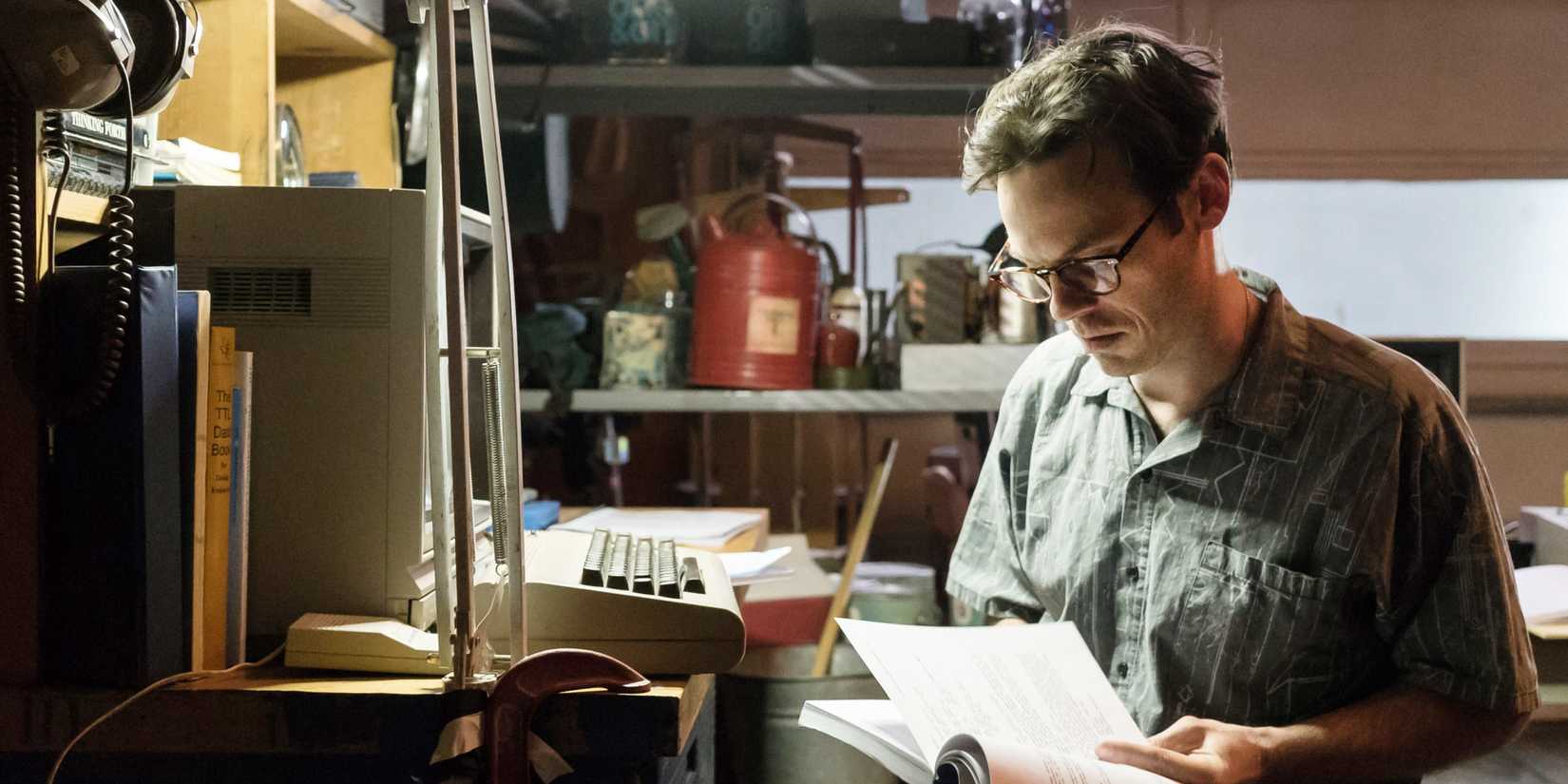
Even though Halt and Catch Fire is set in the past, it feels surprisingly relevant today. The show accurately portrays the fast-paced, often unpredictable world of tech startups – the quick changes, shaky alliances, and ever-present risk of things falling apart. It gets that innovation isn’t a simple, direct path; it’s a process of experimenting, making mistakes, and constantly starting over.
The show’s title alludes to a computer command that resets a system, and this idea serves as the core theme. Throughout the series, characters face setbacks in both their personal and professional lives, but they always find a way to start over. While achievements don’t last, true progress comes from continuing to try and learning to adjust.
Ultimately, the show focuses on the importance of human relationships rather than technological progress. Businesses may succeed or fail, but the bonds between people last. Friendships experience ups and downs, and partnerships can fall apart and be rebuilt, yet these characters are consistently united by their common goal of making something worthwhile together.
By the end of its run, Halt and Catch Fire emphasizes a powerful idea: the journey is more important than the destination. In a world focused on the latest innovations, the show suggests that lasting value comes from the people involved and the experiences they share. It’s this message, presented with subtle strength, that makes the series so memorable.
Even twelve years after it first aired, Halt and Catch Fire remains one of AMC’s greatest, yet most underappreciated, shows. It didn’t simply tell a story about the world of technological innovation – it felt innovative itself.
Read More
- United Airlines can now kick passengers off flights and ban them for not using headphones
- Solo Leveling’s New Manhwa Chapter Revives a Forgotten LGBTQ Story After 2 Years
- The Boys Season 5 Spoilers: Every Major Character Death If the Show Follows the Comics
- Grok’s ‘Ask’ feature no longer free as X moves it behind paywall
- How to Get to the Undercoast in Esoteric Ebb
- Invincible Season 4 Episode 6 Release Date, Time, Where to Watch
- ‘Timur’ Trailer Sees Martial Arts Action Collide With a Real-Life War Rescue
- TikToker’s viral search for soulmate “Mike” takes brutal turn after his wife responds
- Nintendo Officially Rewrites Princess Peach After 41 Years
- Mewgenics vinyl limited editions now available to pre-order
2026-04-13 01:22