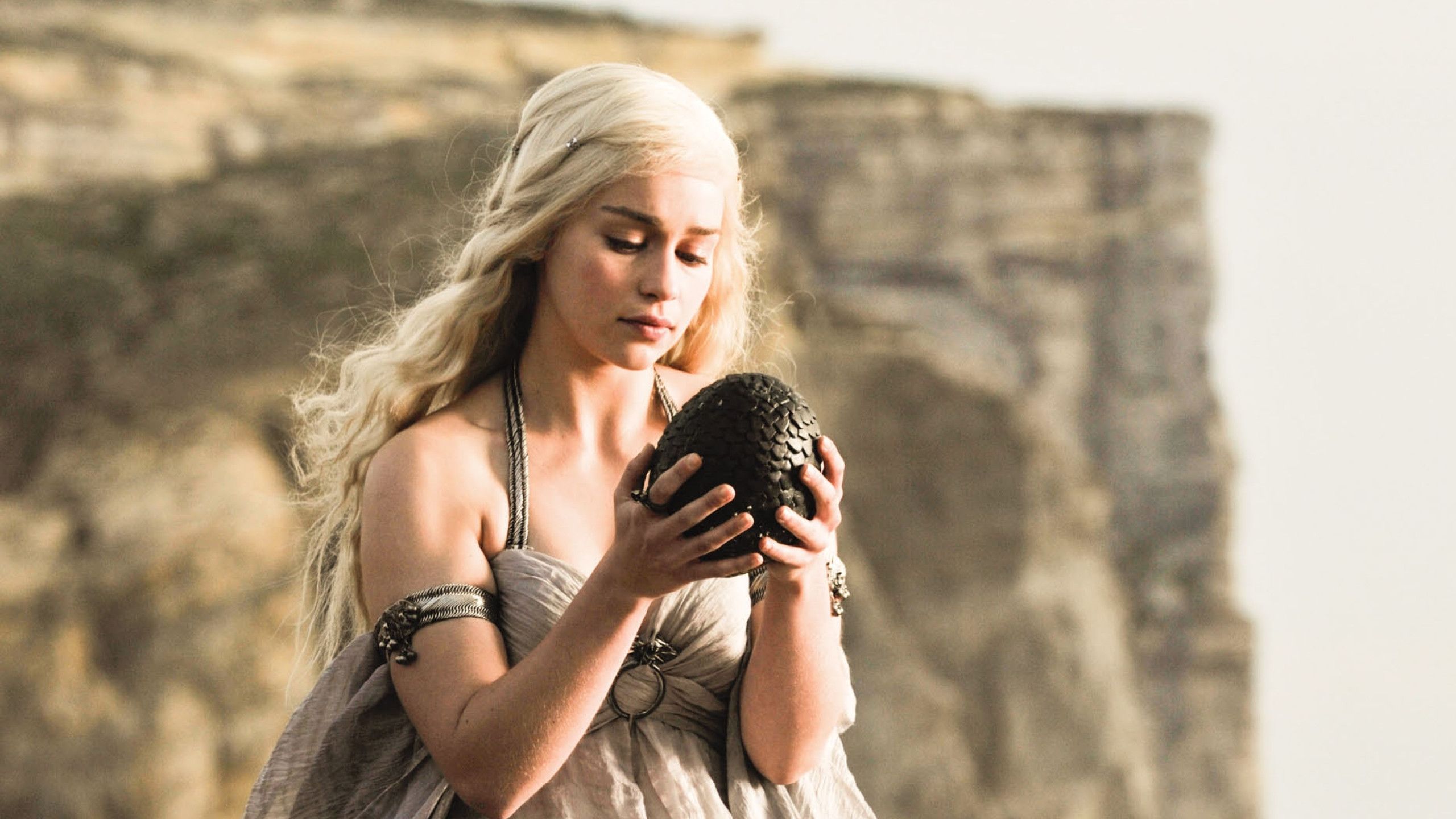
In the 21st century, few shows have captured viewers’ attention quite like Game of Thrones. HBO took a risk by adapting George R.R. Martin’s A Song of Ice and Fire series before the books were completed. The first season of Game of Thrones is widely praised as one of the best debut seasons in recent television history, carefully establishing a detailed and intricate world without feeling hurried.
As the show gained more fans and critical acclaim, Game of Thrones quickly became a massive hit. By its fourth season, it was breaking viewership records for HBO, averaging around 6.6 million viewers for each new episode. With each season, the show’s popularity soared, culminating in a premiere night for season 8 that drew approximately 17.4 million viewers between HBO and streaming platforms.
Just because something is bigger or more detailed doesn’t automatically make it better. The complex storyline of Game of Thrones started to fall apart, particularly because it lacked a solid foundation from the original books. Ironically, the later seasons, which should have been the most elaborate, were actually shortened by the show’s creators, David Benioff and D.B. Weiss.
The first episode of Game of Thrones originally aired 15 years ago, and the series concluded with a divisive finale in 2019. Revisiting that first episode now is a mixed experience – it’s impressive to see how strong the show started, but knowing how the story ultimately ended definitely changes how you watch it.
White Walkers & Wights Weren’t As Cool As They Seemed
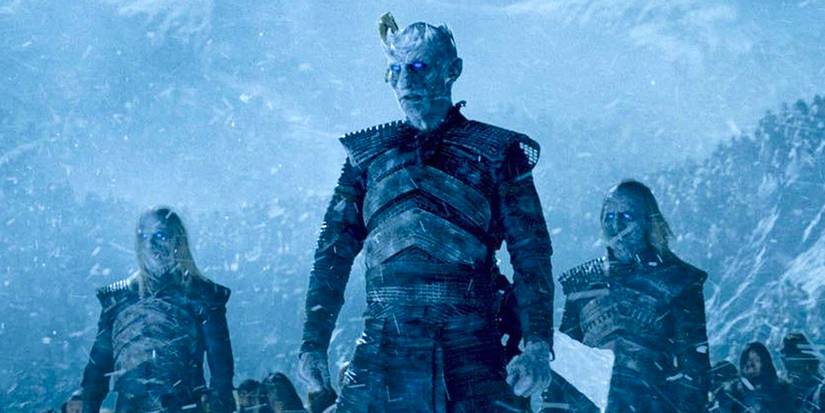
The first episode of Game of Thrones begins with a frightening scene north of the Wall, introducing the White Walkers and their undead army. This opening immediately establishes the show’s overall dark and mysterious tone, hinting at a larger, more dangerous world beneath the political struggles of Westeros. HBO was so confident this opening would grab viewers that they released the first 15 minutes a week before the show even premiered.
Looking back, the initial hints of what was to come seem very intentional. The first season feels more like a realistic political story than a grand fantasy, as dragons aren’t present and magical elements are minimal. The buildup to a major conflict never quite delivers a truly satisfying resolution.
Many viewers felt let down by how quickly the Night King was defeated, considering all the build-up and the importance placed on things like Valyrian steel and Jon Snow’s family history. Similar to the show’s strong start, the final stretch of Game of Thrones felt rushed and didn’t live up to its potential.
Daenerys’ Season 1 Scenes Are Hard To Rewatch
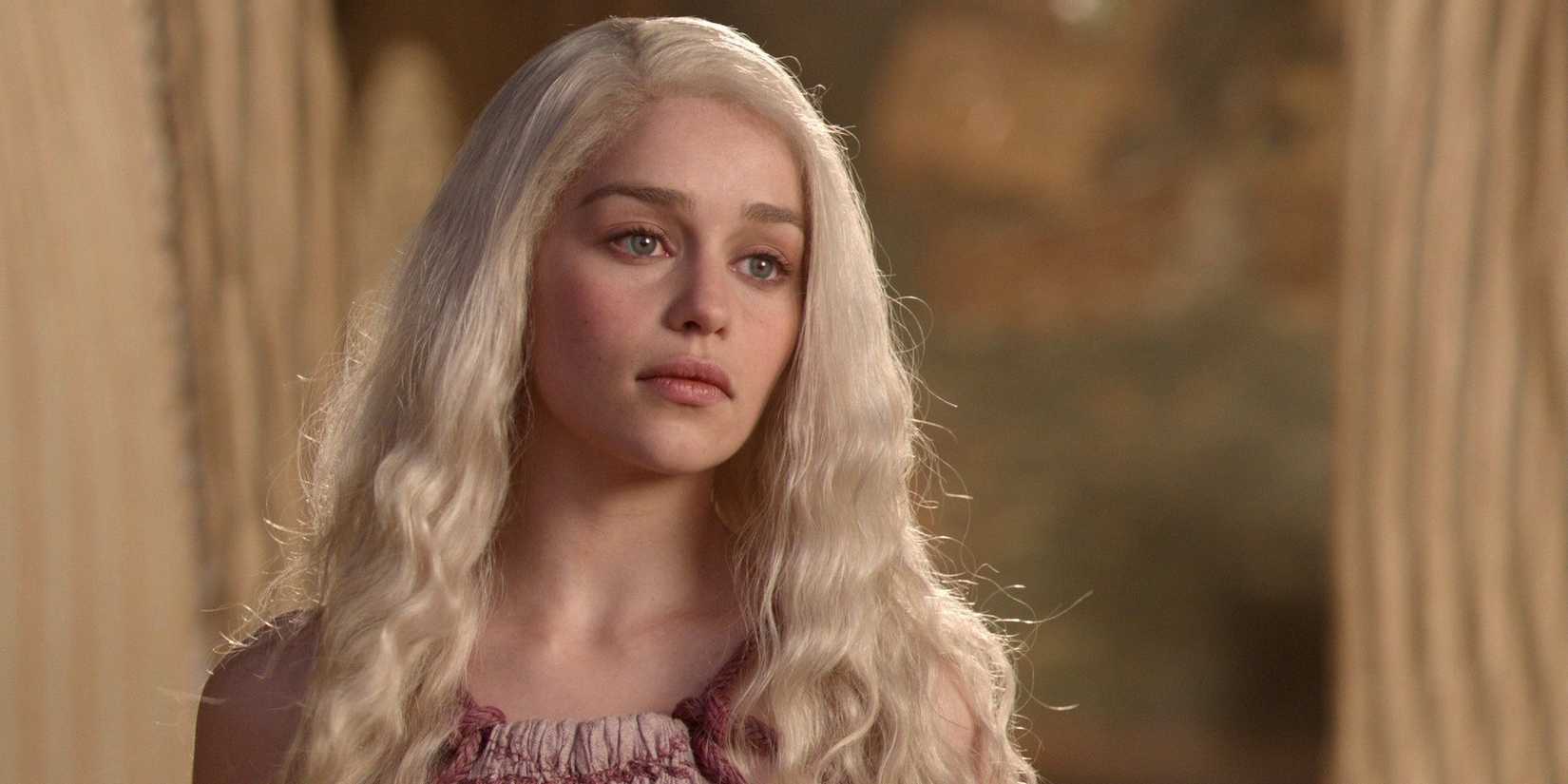
Daenerys Targaryen’s character goes through a lot of changes in Game of Thrones, making her early scenes a bit tough to watch now. Emilia Clarke was just starting out, and the show frequently used nudity and sexual situations to explain the story – a technique that became known as “sexposition.”
Okay, let’s talk about the first episode. Honestly, it felt like the show was prioritizing shock value over substance. Daenerys spends a lot of time nearly nude, and the way it’s filmed just feels… unnecessary. It didn’t serve the story, it just felt exploitative. And that scene with her brother Viserys? Completely gratuitous and frankly, uncomfortable to watch. It didn’t add anything to his character or her journey, just felt like it was thrown in for effect.
It’s even harder to watch those scenes now, knowing Emilia Clarke revealed Jason Momoa supported her request for robes and personal space during filming. The scenes, which were intended to show Daenerys Targaryen’s powerlessness, now make viewers uncomfortable when considering how they were actually shot.
Casting Young Children Is Always A Gamble
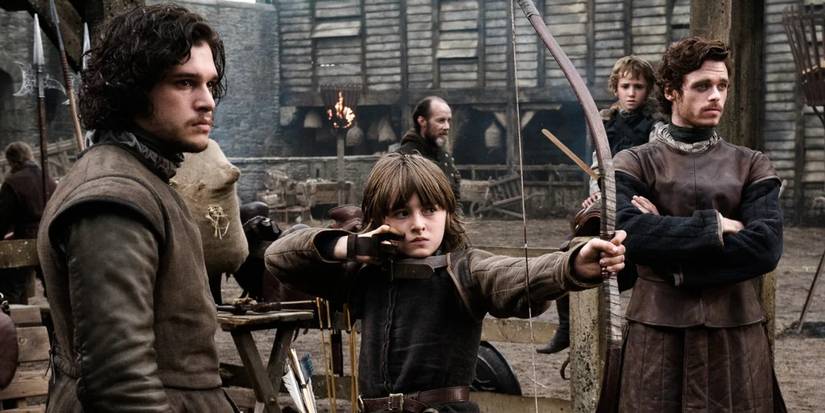
Despite making some characters older than they were in the books, Game of Thrones took a big chance by casting so many young performers. Hiring young actors is always a bit of a gamble, but it’s especially risky when you’re adapting a story that isn’t finished and has a lot of future development planned.
Jack Gleeson is instantly recognizable as the villain Joffrey Baratheon, and his performance was so convincing that he supposedly stopped acting because of the strong negative reactions he received from fans. However, his experience is unusual; most actors don’t face that level of response.
As much as I loved the show, it’s a little sad that not many of the young actors really became huge stars afterward. I always felt bad for Isaac Hempstead Wright, who played Bran. He got a lot of flak, especially towards the end, but honestly, his character’s story became so…out there, it was hard for anyone to really shine in that role. It just didn’t give him much to work with, you know?
Ned’s Mistakes Started Earlier Than We Realized
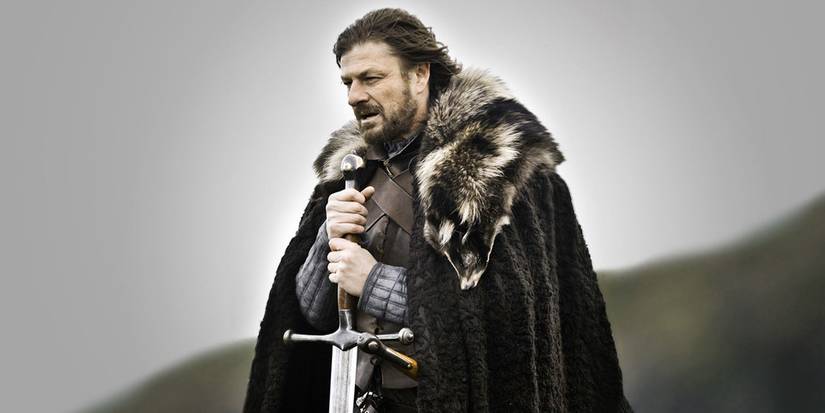
People often say Ned Stark’s biggest mistake was showing Cersei mercy instead of publicly punishing her children. However, looking closely at the first episode reveals his flaw might surface even sooner. When Ned executes a soldier who deserted the Night’s Watch, he quickly dismisses the soldier’s warnings about the return of the White Walkers.
Had Ned heeded the warning, he might have prevented a terrible loss of life, beginning with his brother, Benjen. But because he didn’t take it seriously, the looming supernatural threat was overlooked as political tensions grew, ultimately paving the way for disaster.
The Direwolf & Stag Symbolism Doesn’t Make Any Sense
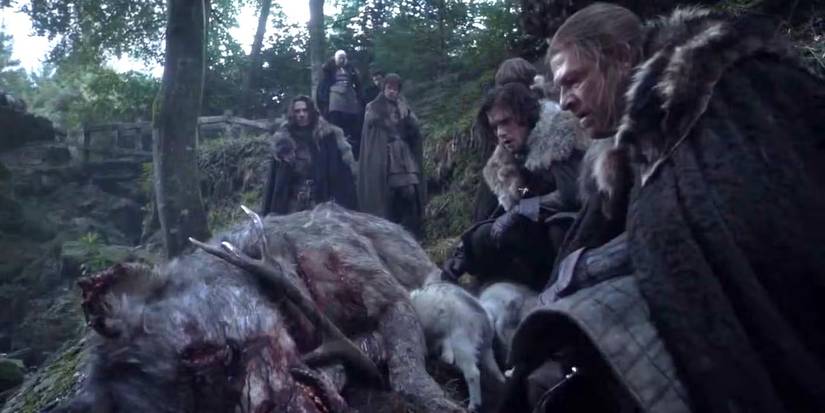
When the direwolf pups are first discovered, it feels like a significant omen. Finding a dead direwolf – the symbol of House Stark – along with a killed stag, the symbol of House Baratheon, strongly hints at a future, devastating conflict between the two families. The scene visually suggests that both houses will ultimately cause fatal damage to each other.
Seeing the story again with a complete understanding reveals that the central idea doesn’t quite hold up. The real conflict wasn’t simply Stark against Baratheon; it was the Lannisters secretly pulling the strings to safeguard their own interests. The story would make more sense symbolically if both families had been harmed by the Lannisters, representing the true source of the tragedy.
Don’t Get Attached To The Direwolf Puppies
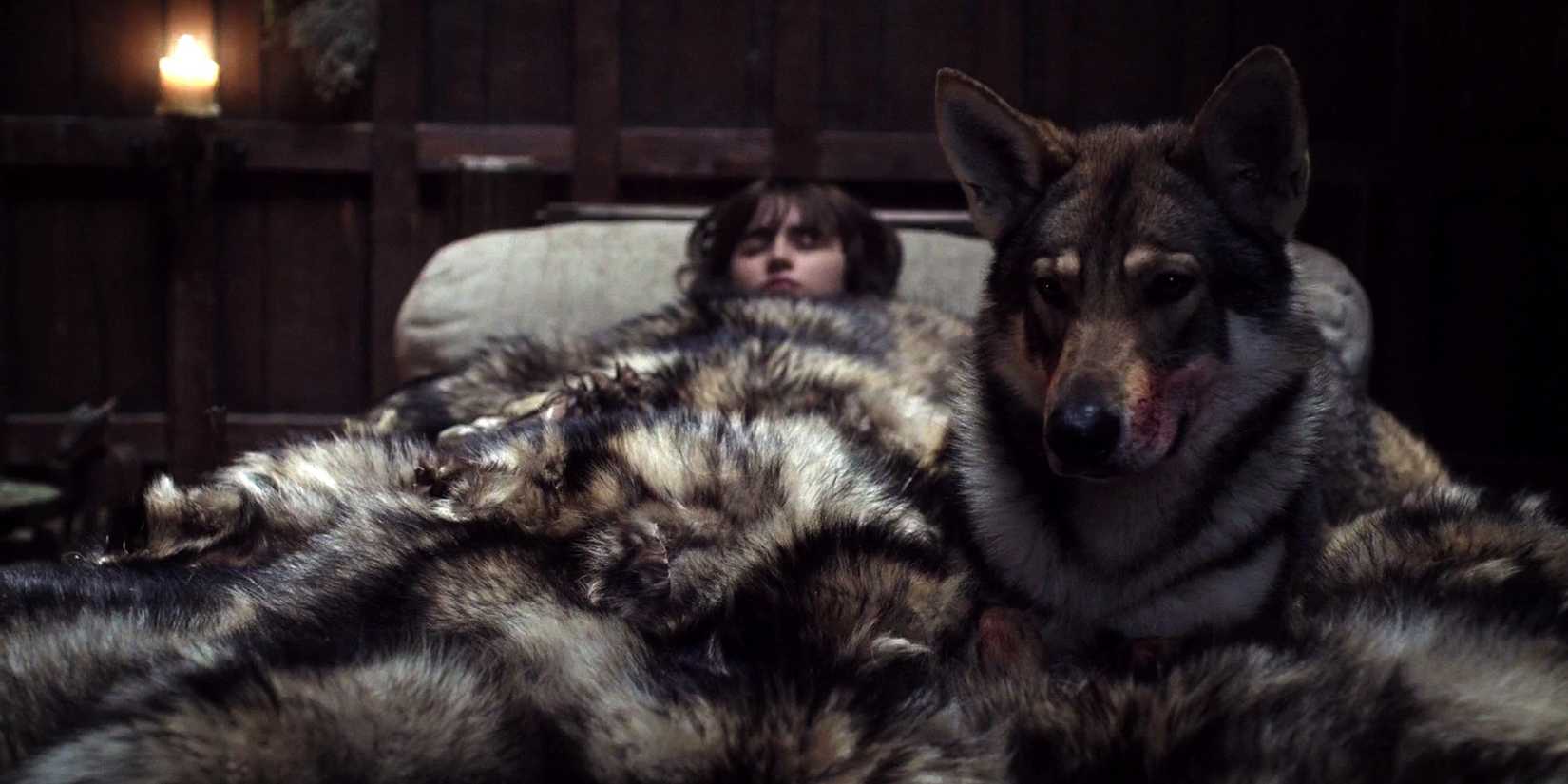
The arrival of the direwolf pups is a significant moment, particularly for fans of the books who understand the special connection these animals have with the Stark family. While not exactly telepathic, their bond with their human companions is unusually strong – they seem to share similar instincts and personalities.
At the beginning of the series, the direwolves—especially Jon and Ghost—seem very important. However, looking back at the first episode, it’s clear they unfortunately become less prominent as the show goes on.
As the show grew and focused more on grand fantasy elements, the direwolves appeared less and less. Money and filming time were increasingly dedicated to impressive scenes, particularly with dragons, which meant the wolves were often missing for extended periods or completely removed from the story.
The Game Of Thrones Pilot Is The Last Time The Stark Family Is Together
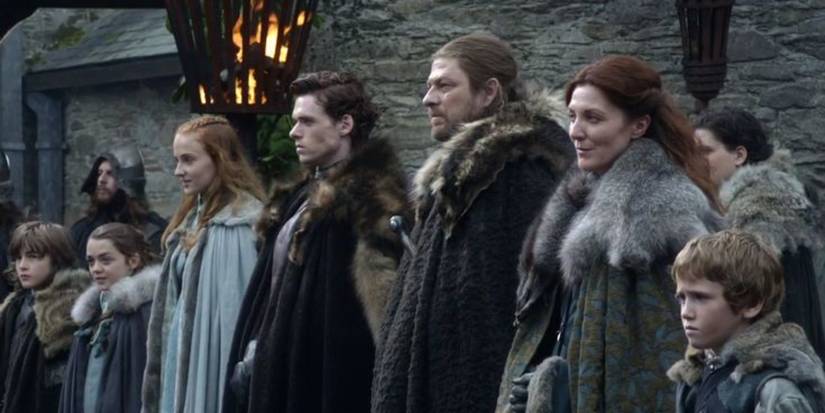
The Starks are initially presented as the noble, traditional heroes you’d expect in a fantasy story – they value loyalty and doing what’s right. However, Game of Thrones is known for turning those kinds of expectations on their head, and the very first episode is the last time we see the entire Stark family united.
Once the royal visit ended, the family quickly fell apart. Ned Stark and his daughters traveled to King’s Landing, while Catelyn stayed behind in the North with Bran and their younger sons. This separation led to a series of disastrous events: Ned died before the first season was over, and his children were soon scattered and forced to live in different parts of the world.
It’s amazing to rewatch the early seasons of the show knowing how things eventually play out. It took until season 6 for Jon and Sansa to really find their way back to each other, and then later, in season 8, I loved seeing Jon reunited with both Bran and Arya. Going back to the very beginning, to that pilot episode, makes those initial, happy scenes feel surprisingly sad, knowing what’s coming.
Robert’s Rebellion Was For Nothing
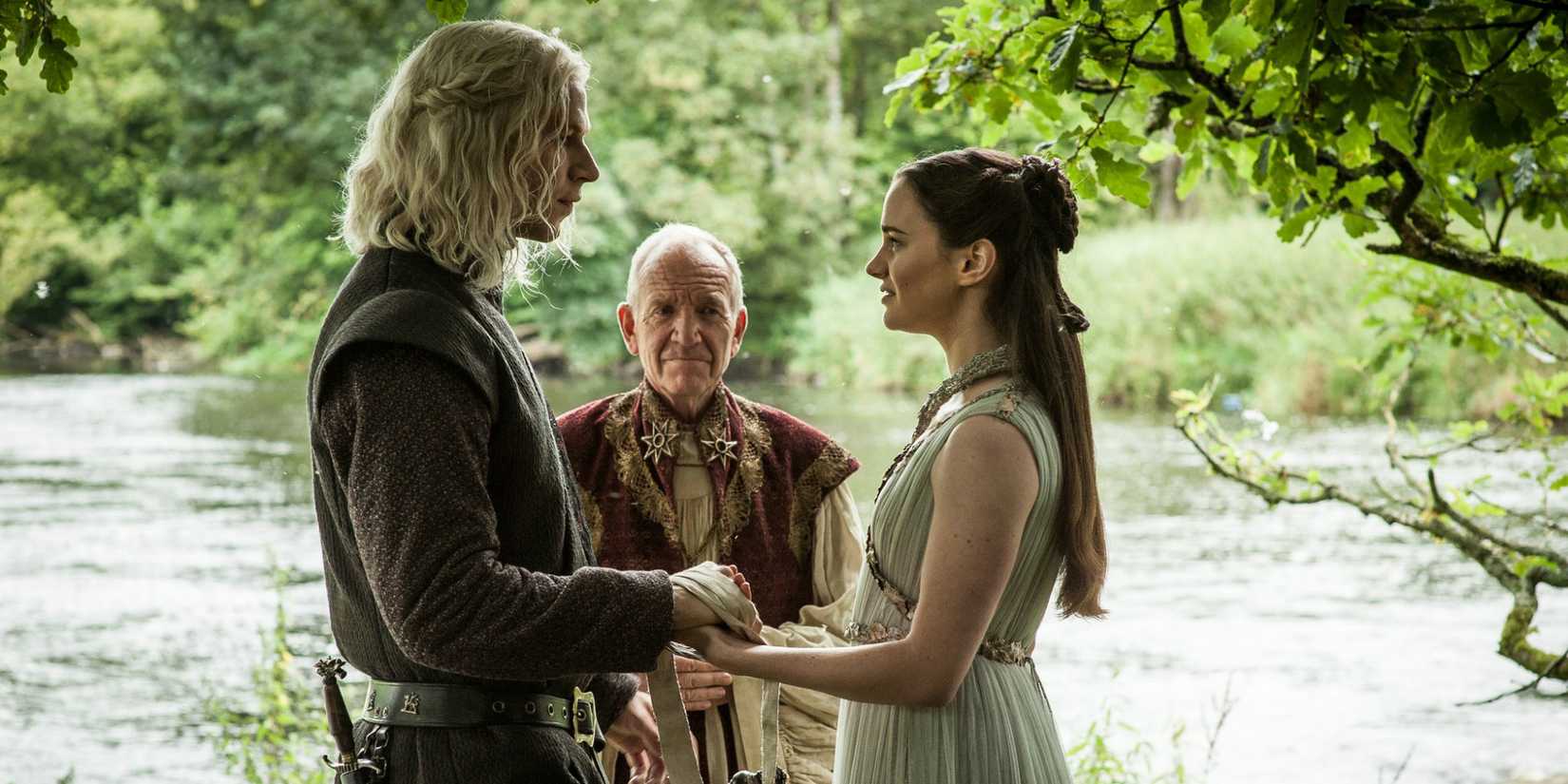
Robert’s Rebellion happened before the events of Game of Thrones and is the reason everything else unfolds. It began with Robert Baratheon believing that Rhaegar Targaryen had kidnapped Lyanna Stark. He went to war to save her and get revenge, and the show highlights how much that loss continues to affect him.
Honestly, when Robert finally arrives at Winterfell after all that travel, the first thing he does is go to Lyanna’s crypt. It really hits you then – he never got over her. It makes you realize his marriage to Cersei was…complicated, to say the least. And then, as the story unfolds, everything you thought you knew about why the war even started gets turned on its head. It’s a total game changer.
If the show’s flashbacks accurately depict what happened, then Lyanna wasn’t truly in love with Robert. She chose to go with Rhaegar and they secretly married, meaning Jon Snow is the rightful heir, born of both Targaryen and Stark bloodlines. This changes how we see the rebellion, suggesting it was a devastating mistake that brought down a royal family based on a false premise.
Tyrion Lannister Desperately Needed A Dye Job
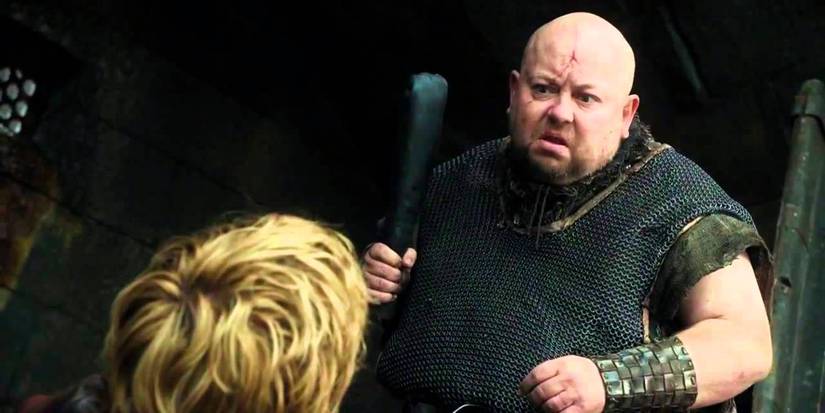
Looking back at the first episode, Peter Dinklage’s initial appearance as Tyrion is a bit surprising. While his light golden curls are actually more accurate to how Tyrion is described in the books, the bright blonde wig looks unnatural on screen. This is particularly obvious when he’s next to Jaime and Cersei, whose hair, though still blonde, appears more realistic.
Over time, the show subtly changed Tyrion’s appearance, giving him a more natural, dirtier blond hair color that looked better on Peter Dinklage and fit the show’s realistic style. Ultimately, how convincing Dinklage was in the role was more important than perfectly matching the character’s original description. Dinklage’s complex and insightful performance as Tyrion quickly became a highlight of Game of Thrones, making the initial wig choice seem like a small and funny mistake.
Ned’s Mic Drop To Jaime Lannister Was Posturing
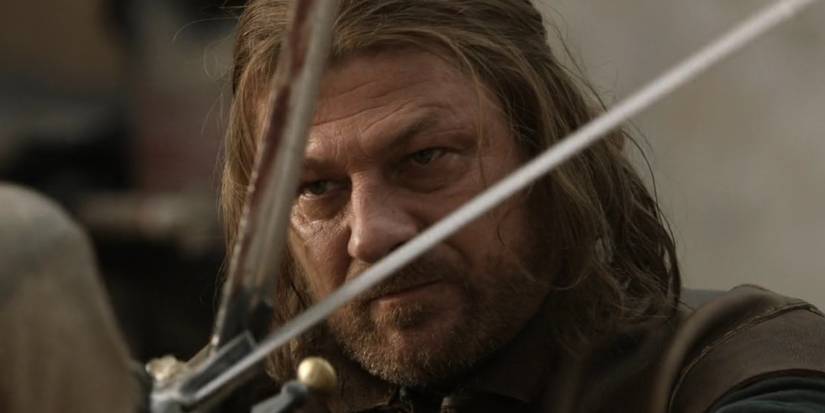
Ned Stark wasn’t a master of political maneuvering like Littlefinger, but he delivered a clever response when Jaime Lannister challenged him to the Hand’s tourney. Ned simply stated he doesn’t participate in jousting, implying that when he does fight someone, they won’t see it coming and won’t know what to expect.
The scene feels impactful at first, hinting at a tough, intimidating side to the character that even Jaime Lannister would acknowledge. However, looking back, it seems more like a show of bravado than genuine strength. Later, when Jaime confronts Ned Stark, things quickly fall apart for him.
Ned is defeated and seriously injured, leading to his capture. His earlier confidence now seems misplaced and humorous in a way it wasn’t meant to be.
Read More
- Off Campus Season 1 Soundtrack Guide
- Chainsaw Man Volume 24’s Cover Art Reveals a Brand-New Denji
- X-Men ’97 Finally Gave Gambit the Hero Moment He Deserved
- 46 Years Later, The Mandalorian & Grogu Answers A Major Empire Strikes Back Question
- 10 Worst End-Game Couples In Sitcom History
- HoI4 fans harsh reactions to the announcement of another DLC pack
- Gold Rate Forecast
- DoorDash responds after customer uses AI to make food look bad and get a refund
- Emily Henry Says to ‘Trust the Vision’ For Beach Read Adaptation
- Hatsune Miku cosplayer goes viral selling $15 cups of “foot juice” to thirsty anime fans
2026-04-18 17:52