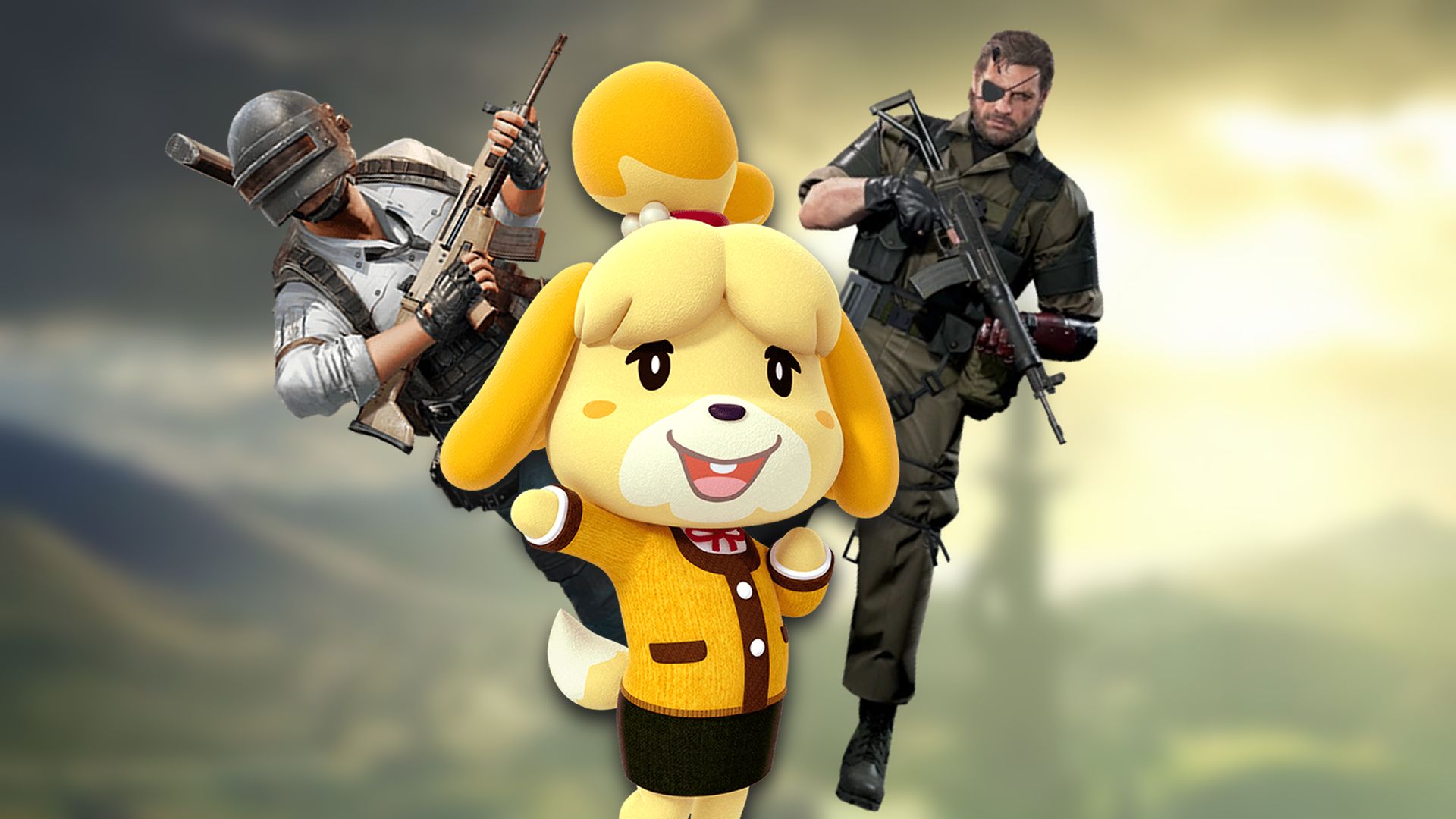
The video game industry is constantly evolving. Over the past three decades, improvements in technology – from computers and graphics to the games themselves – have led to amazing progress. Every fan experiences change eventually, whether it’s a favorite series taking a new direction or a company making a big shift, and ultimately, accepting these changes is all we can do.
Sometimes a new game immediately feels different, while other changes are easy to predict. However, the impact of some changes isn’t clear until later, when new games arrive or other things shift. Then, looking back, we can see where those changes originated and understand what they left behind. Let’s explore some of those moments that only became clear with time.
10. Final Fantasy X
The End Of Final Fantasy As We Knew It
Final Fantasy Wiki
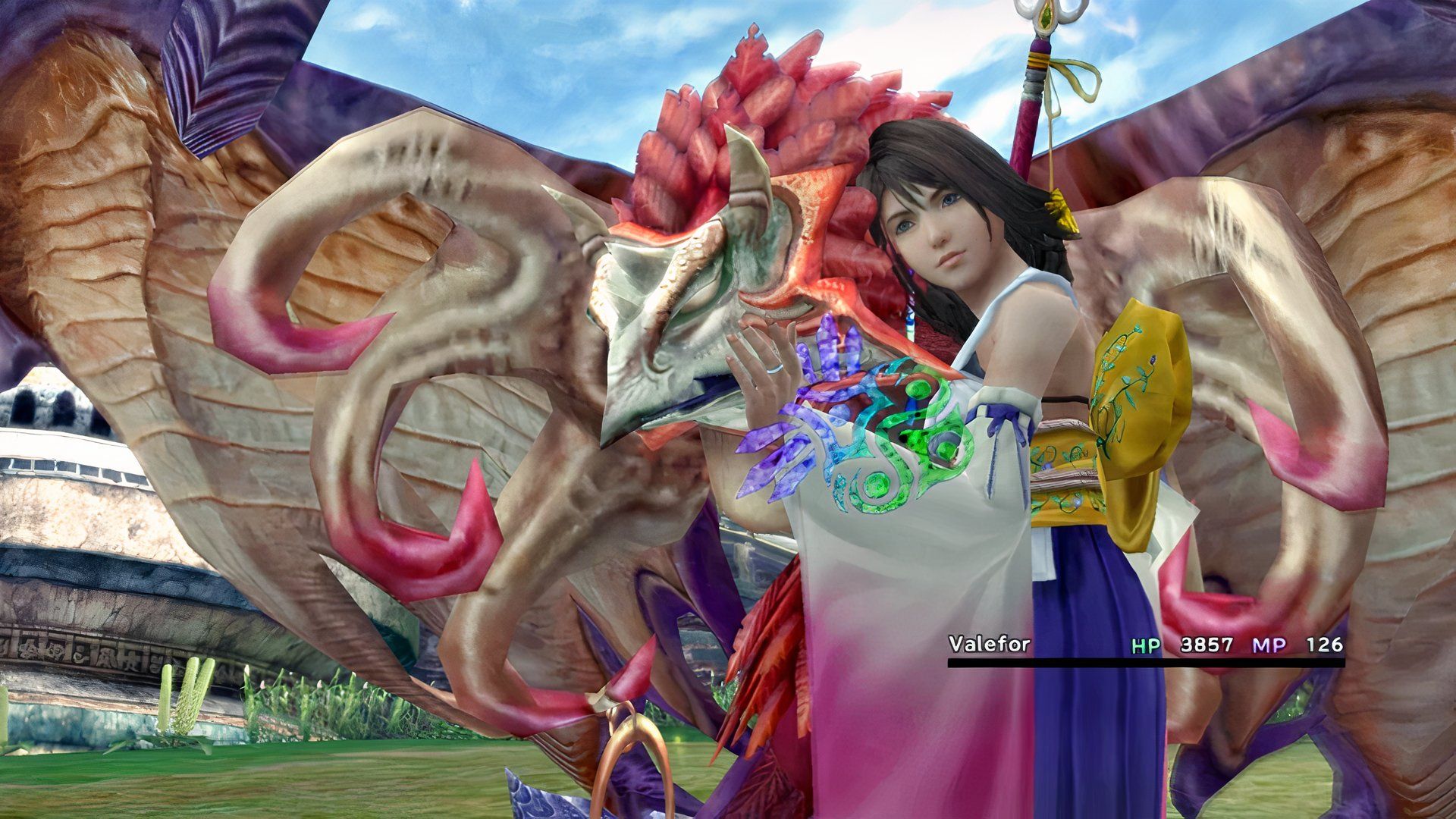
Final Fantasy X really showcases how much the gaming industry had developed. Over the previous five Final Fantasy games, each new release built upon the last, incorporating new technology and improvements. SquareSoft recognized these advancements and wasn’t afraid to embrace them. Final Fantasy VII pioneered 3D graphics, Final Fantasy VIII improved on that foundation, Final Fantasy IX continued to refine the experience, all leading to the culmination of these changes in Final Fantasy X.
Many fans consider Final Fantasy X to be a perfect game, and for good reason. It brilliantly combines full-motion videos with gameplay, features beautiful pre-rendered backgrounds, and boasts a turn-based battle system that some still believe is the best ever. It represents the high point of classic Final Fantasy, especially when you consider how different the series became with Final Fantasy XII.
The Final Fantasy series is known for trying new things, but many fans stop playing when a new game deviates from the style of earlier titles, particularly the traditional turn-based combat. It’s natural to wonder when the series shifted, and for many, Final Fantasy X represents both the high point and the end of an era.
9. Animal Crossing: New Leaf
Living Up to Its Name By Marking a Big Change

I first played Animal Crossing on the GameCube, renting it repeatedly until my parents finally bought it for me. I’ve been a fan ever since, and I’ve played every game up to Animal Crossing: New Horizons. When Animal Crossing: New Leaf came out, it really felt like a fresh start for the series. While we didn’t fully realize it at the time, looking back, the changes in New Leaf hinted at where the series was headed.
In Animal Crossing: New Leaf, players immediately became the town’s mayor, even though they didn’t elect themselves! As mayor, you could control where villagers lived and change things like what patterns were on the ground. This was a big step up from previous Animal Crossing games, which mostly let players customize their own homes – New Leaf let you shape the entire town to your liking.
After Happy Home Designer, Animal Crossing: New Horizons arrived, but many long-time fans think it strayed from what made the series special, focusing too much on letting players customize everything. If you want to see what I mean, try playing the original Animal Crossing on GameCube – you’ll immediately notice how different the newer game feels.
8. Sonic Frontiers
True to the Game, Sonic Never Gives Up
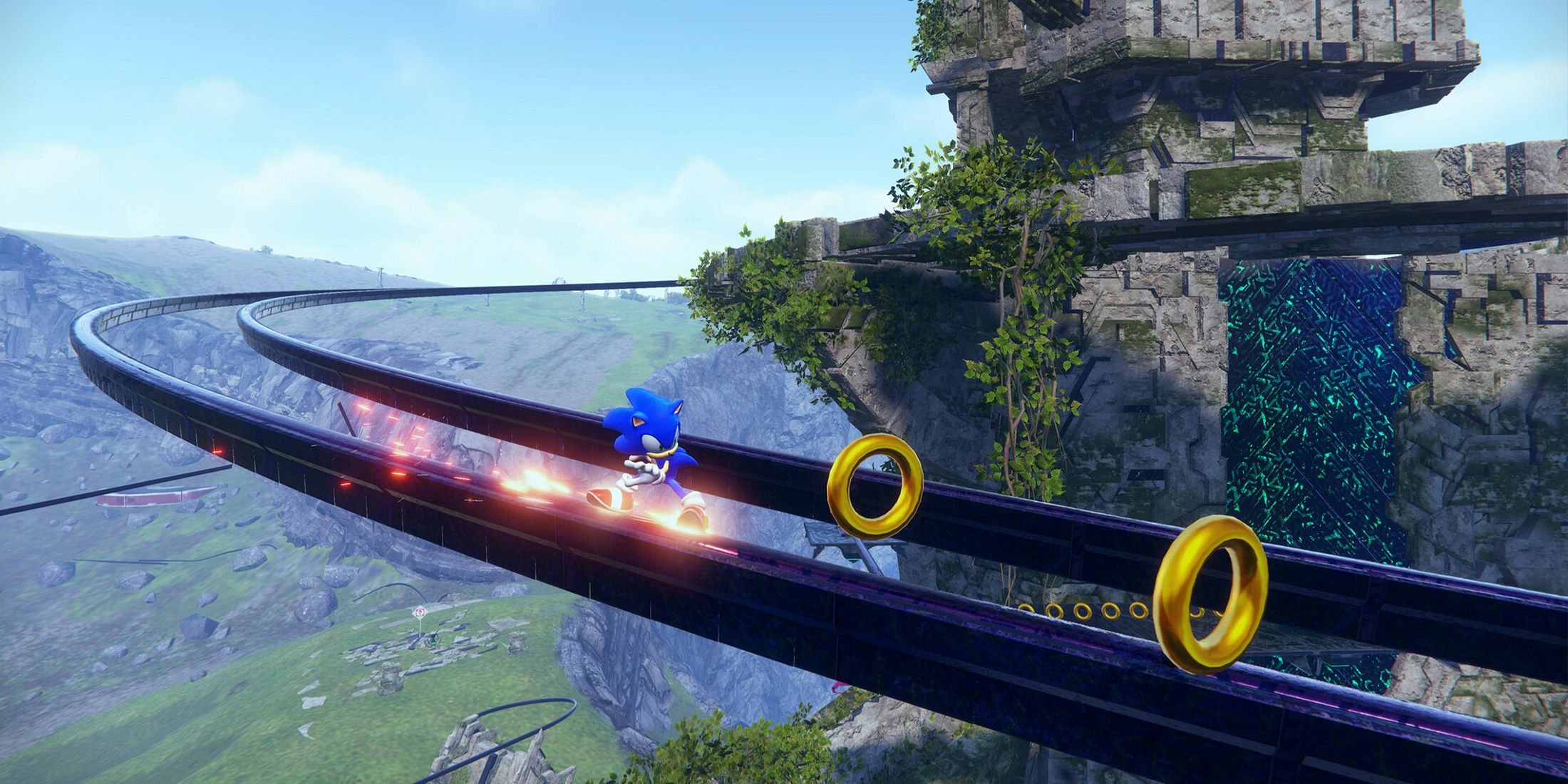
Sonic Frontiers had a remarkably unique rollout, with hints and previews appearing over a year before its release. These early looks signaled a significant departure for the series. The game delivered its strongest narrative since Sonic and the Black Knight, with a continuing storyline and a fresh gameplay style that the development team, Sonic Team, stood firmly behind, even if it meant risking critical reception. This confidence ultimately paid off, making Sonic Frontiers the best-selling Sonic game ever, surpassing the previous record holder, Sonic Heroes.
The real turning point was what happened after Frontiers. Because fans loved how much the game expanded on Sonic’s backstory, Sega created a team specifically focused on the franchise’s lore. Since then, every Sonic game has been carefully crafted to stay true to the characters and the overall story, allowing the series to fully embrace its identity. Games like Shadow Generations and Sonic Racing: CrossWorlds proudly showcase what makes Sonic unique, while still being fun and engaging. While Sonic Team often points to Sonic Mania as a key factor in the franchise’s current success, Sonic Frontiers was where they really took the lead. Honestly, if someone had told me back in 2022 what was coming next, I wouldn’t have believed it!
7. Icewind Dale 2
The Last of Its Kind
| Released | August 27, 2002 (NA) |
|---|---|
| Developers | Black Isle Studios |
| Publisher | Interplay Entertainment |
Video games based on Dungeons & Dragons have been popular for decades, appearing on nearly every gaming console. Over time, these games have changed a lot – they started as simple, text-based experiences, but have evolved into visually stunning adventures like Baldur’s Gate 3.
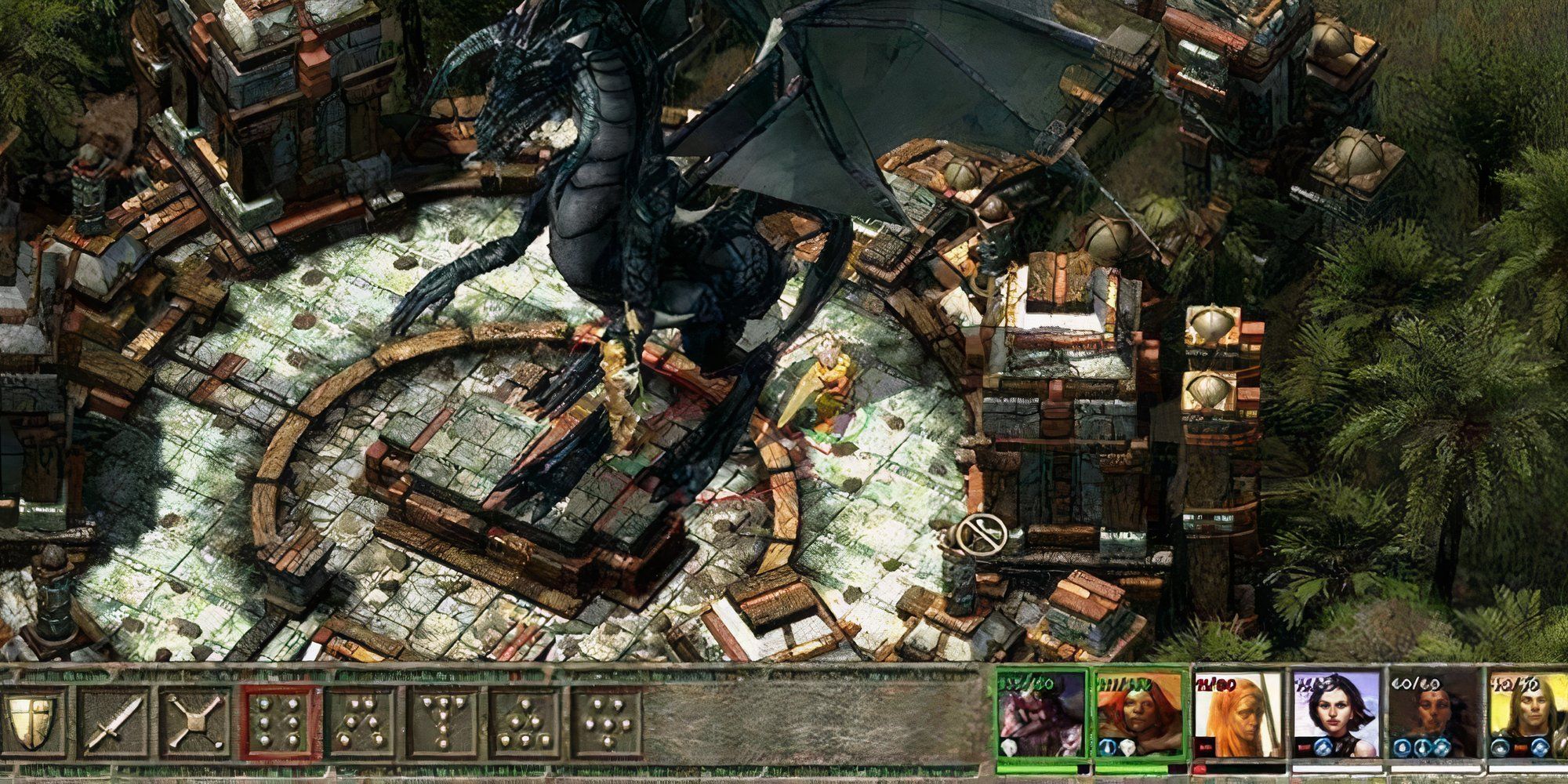
For years, classic 2D computer RPGs were the dominant style of Dungeons & Dragons games. Baldur’s Gate was a prime example and remains highly regarded. Games like Icewind Dale offered lengthy, engaging adventures and were successful enough to warrant a sequel. However, when Neverwinter Nights arrived with its innovative 3D graphics, it changed the landscape. Though Icewind Dale 2 was released shortly after, it quickly felt outdated compared to the possibilities Neverwinter Nights had introduced.
Following those classic titles, newer attempts at traditional, overhead-view computer RPGs just haven’t captured the same feeling of nostalgia as games like Icewind Dale 2. It’s a shame, because if we were to try and recreate those experiences now, we’ve lost a lot of the knowledge and skill needed to do so.
6. World of Warcraft: Wrath of the Lich King
WoW’s Long Defended Peak
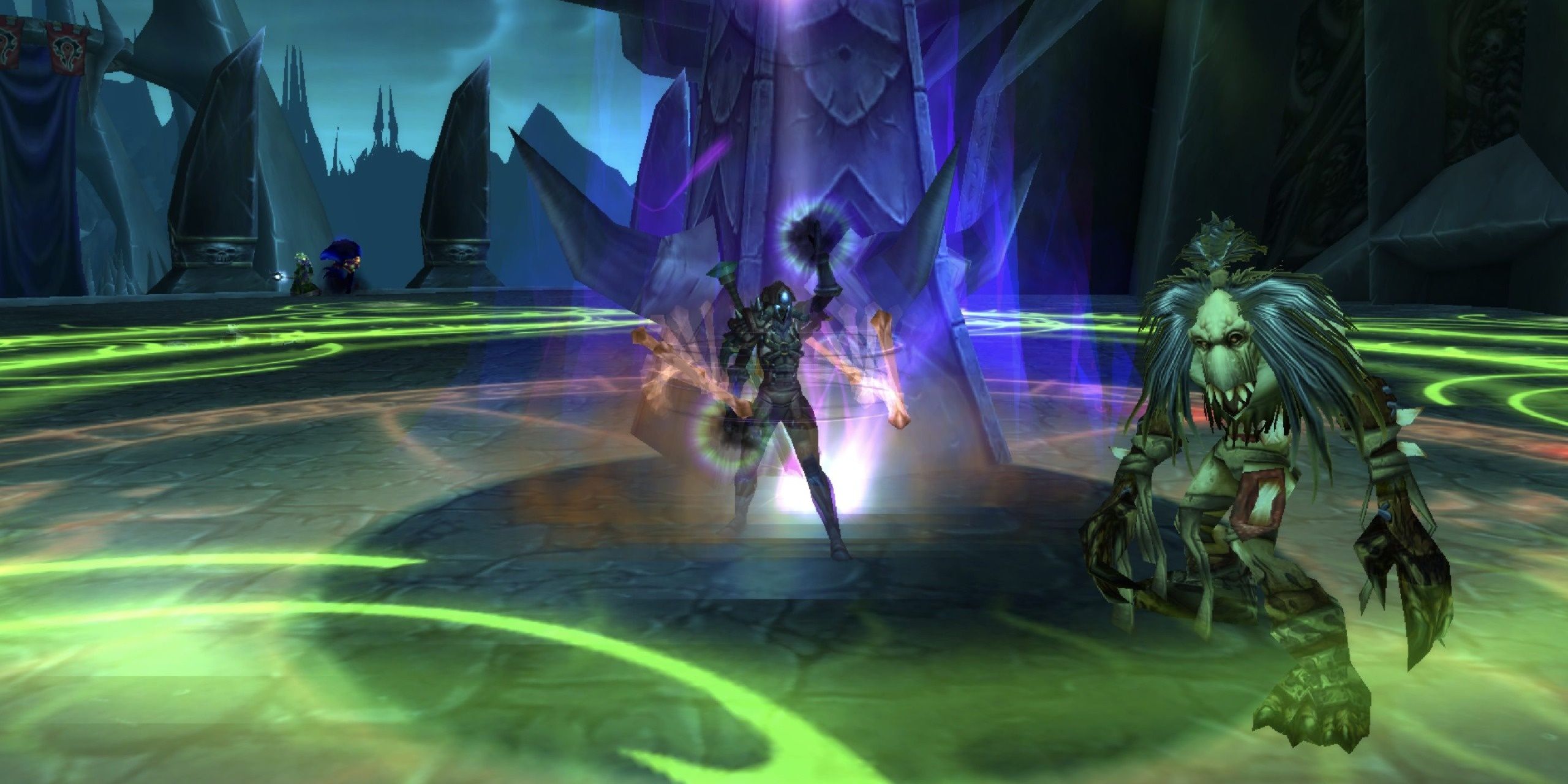
Most World of Warcraft players agree that Wrath of the Lich King is the best expansion the game has seen in its 22 years. It’s easy to understand why – the expansion added memorable features like the Death Knight class and engaging storylines within the leveling zones. This set a high bar for future expansions, leaving players eager for more improvements.
While World of Warcraft has had some solid expansions after Wrath of the Lich King, many fans feel those additions haven’t quite lived up to the original. Since WotLK, patches and expansions have had enough issues that players can’t seem to agree on which one is the best.
Many players fondly remember the early days of Wrath of the Lich King, especially the social connections made through the original Dungeon Finder. Over time, changes to the game, including updates to Wrath content and later expansions, haven’t quite captured that same feeling. While several expansions have been good, none have surpassed the impact and enjoyment of the original Lich King experience.
5. Metal Gear Solid V: The Phantom Pain
The Jokes of Kojima Being Put in Konami’s Basement Hold Some Truth to Them
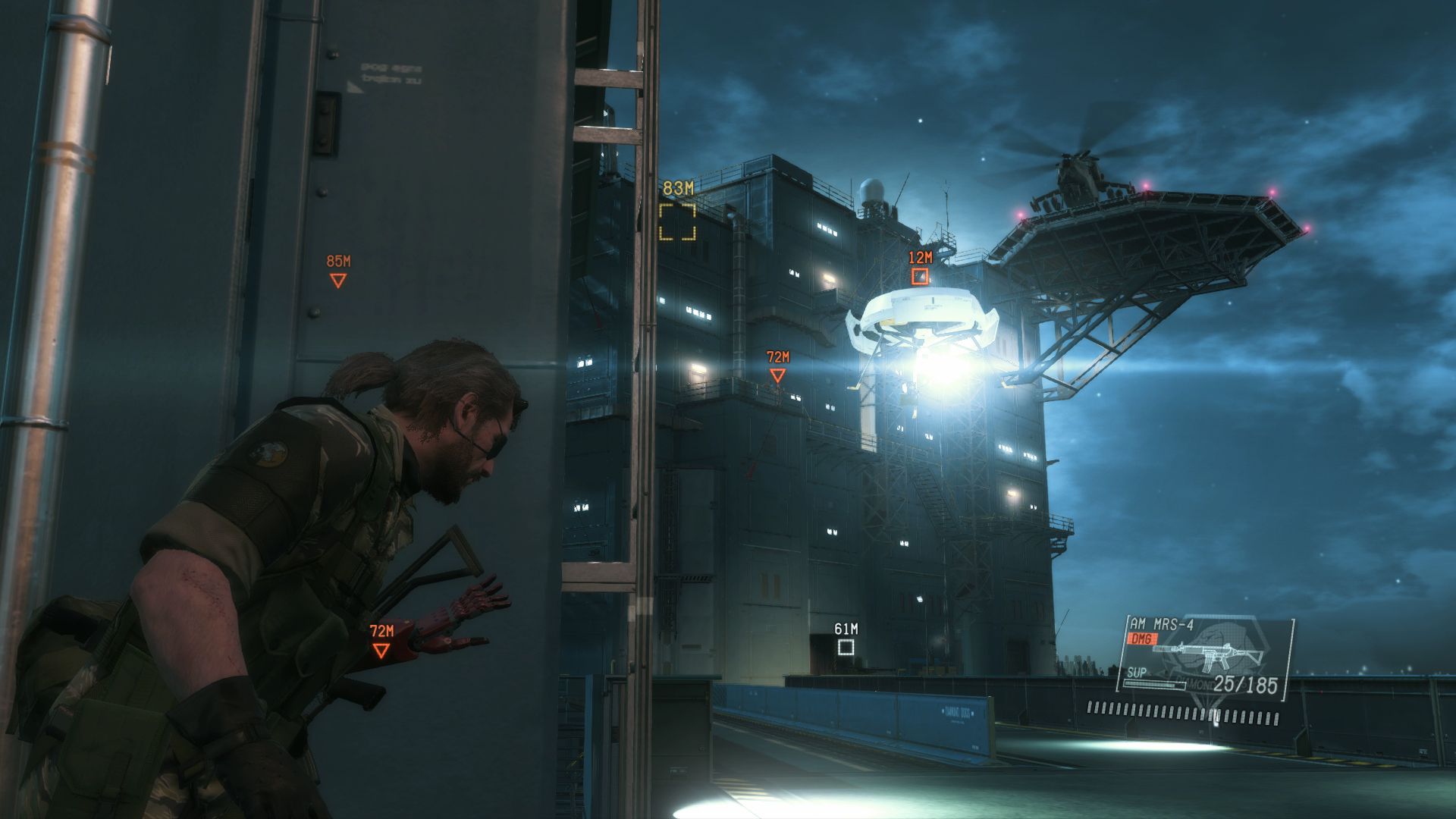
Metal Gear Solid V: The Phantom Pain represents a significant shift for the Metal Gear Solid series. While many players appreciated its open-world, stealth-focused gameplay, some missed the strong narrative focus of previous titles. Despite these changes, The Phantom Pain remains an excellent game, and its very existence is remarkable. The game was created during a difficult time, as tensions rose between Konami and Hideo Kojima’s development team, leading to speculation that Kojima would leave the company after its release in 2015.
As development neared completion, tensions escalated, and Kojima was essentially isolated, working in a separate room. This led to him being excluded from many public appearances, including The Game Awards in 2015, even though Metal Gear Solid V: The Phantom Pain won awards for Best Action Game and Best Soundtrack.
It was unsettling watching the news unfold, but thankfully, Hideo Kojima announced his new independent studio later that year. Looking back at how Death Stranding evolved from intriguing trailers into a full-fledged series with two games, I often think about what happened with The Phantom Pain. While the complete story remains unknown, seeing Kojima thrive while Konami struggles with Metal Gear Solid highlights how the series ultimately suffered as a result. It’s clear Metal Gear Solid became a casualty of the situation.
4. Destiny 2
History’s Latest Cautionary Tale
Steam
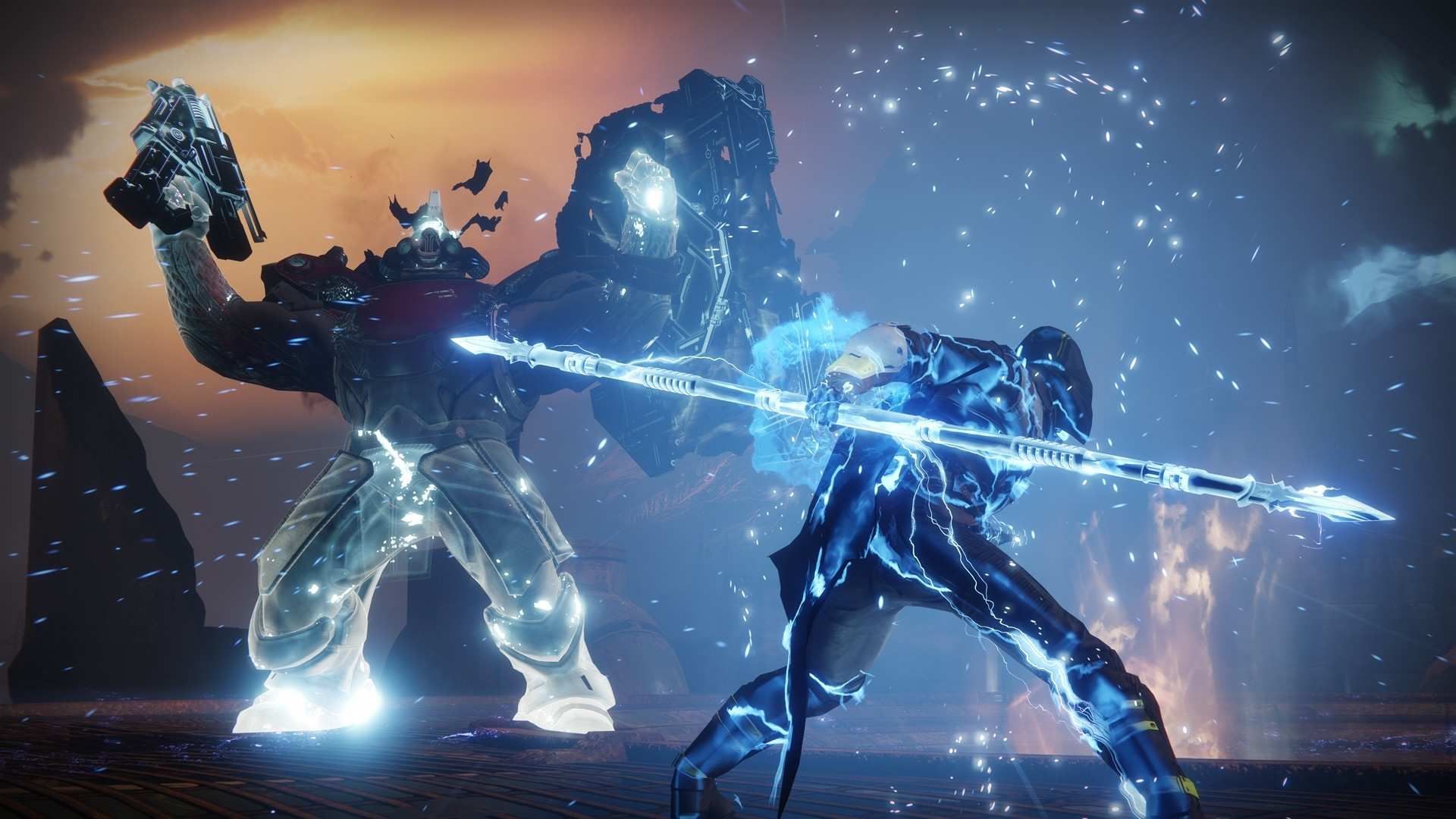
Destiny 2 was once the most popular game in the ‘looter-shooter’ genre, inspiring many other studios to create similar games. However, maintaining its initial success proved difficult. Bungie planned a large, ongoing expansion with a continuous story to keep players engaged and profits steady. Unfortunately, the studio faced challenges, and eventually began focusing more on their new game, Marathon.
With the release of The Final Shape, Destiny 2’s main storyline wrapped up, but unfortunately, the number of players started to decrease quickly once everyone had experienced the ending. A lot of players had already lost interest, and this led to several rounds of layoffs, leaving many of us concerned about the future of the game.
Destiny 2 will stop receiving regular updates in a few weeks, surprisingly close to the one-year anniversary of its latest expansion, The Final Shape. Players are unsure what will happen to ongoing events and limited-time collectibles, and many speculate that the annual Marathon event could also be canceled.
3. Assassin’s Creed 2
Little Did We Know that Assassin’s Creed 2 Was Just Right
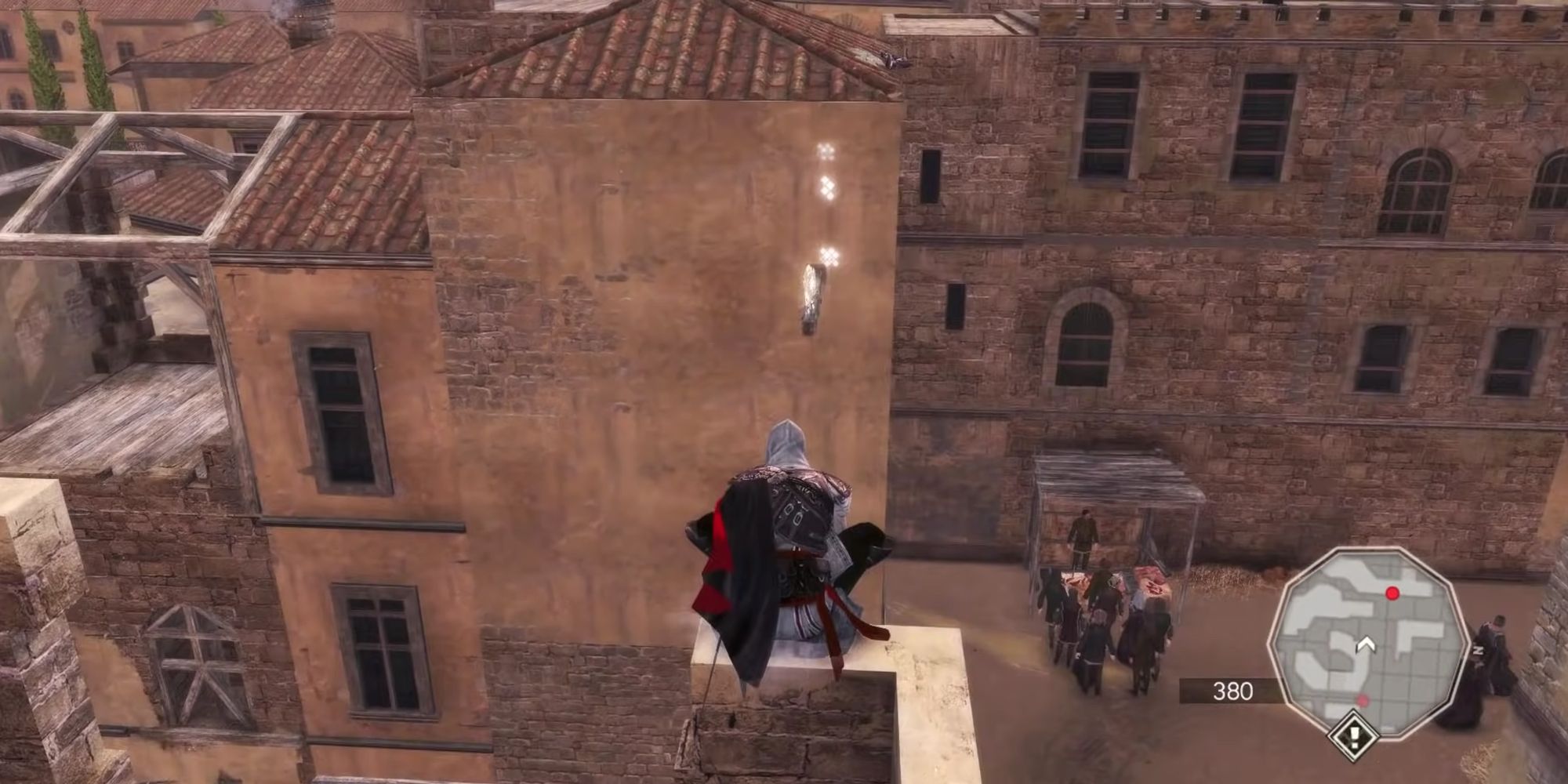
Video game file sizes are constantly increasing, and it’s not always due to bad game design. Many open-world games now include tons of quests and filler activities that feel unnecessary. Assassin’s Creed 2, starring Ezio Auditore da Firenze, feels like the last game before this trend took over. It was a significant step up from the original Assassin’s Creed, offering a larger and more engaging world. Many players believe Assassin’s Creed pioneered the idea of creating a truly immersive and lively open world.
After Ubisoft Montreal found success with large open worlds, there was a clear expectation for each new game to be even bigger than the last. Similar to how Destiny influenced other “looter-shooter” games, other developers tried to replicate Assassin’s Creed’s success by creating increasingly massive maps, sometimes to a fault – Far Cry 4 is a good example. This trend continues today, with games like Final Fantasy VII Rebirth sparking discussion about whether such large maps are actually necessary or enjoyable. Many wish developers would return to the more focused scale of earlier games, like those featuring Ezio in Italy.
2. PUBG: Battlegrounds
They Were Here First
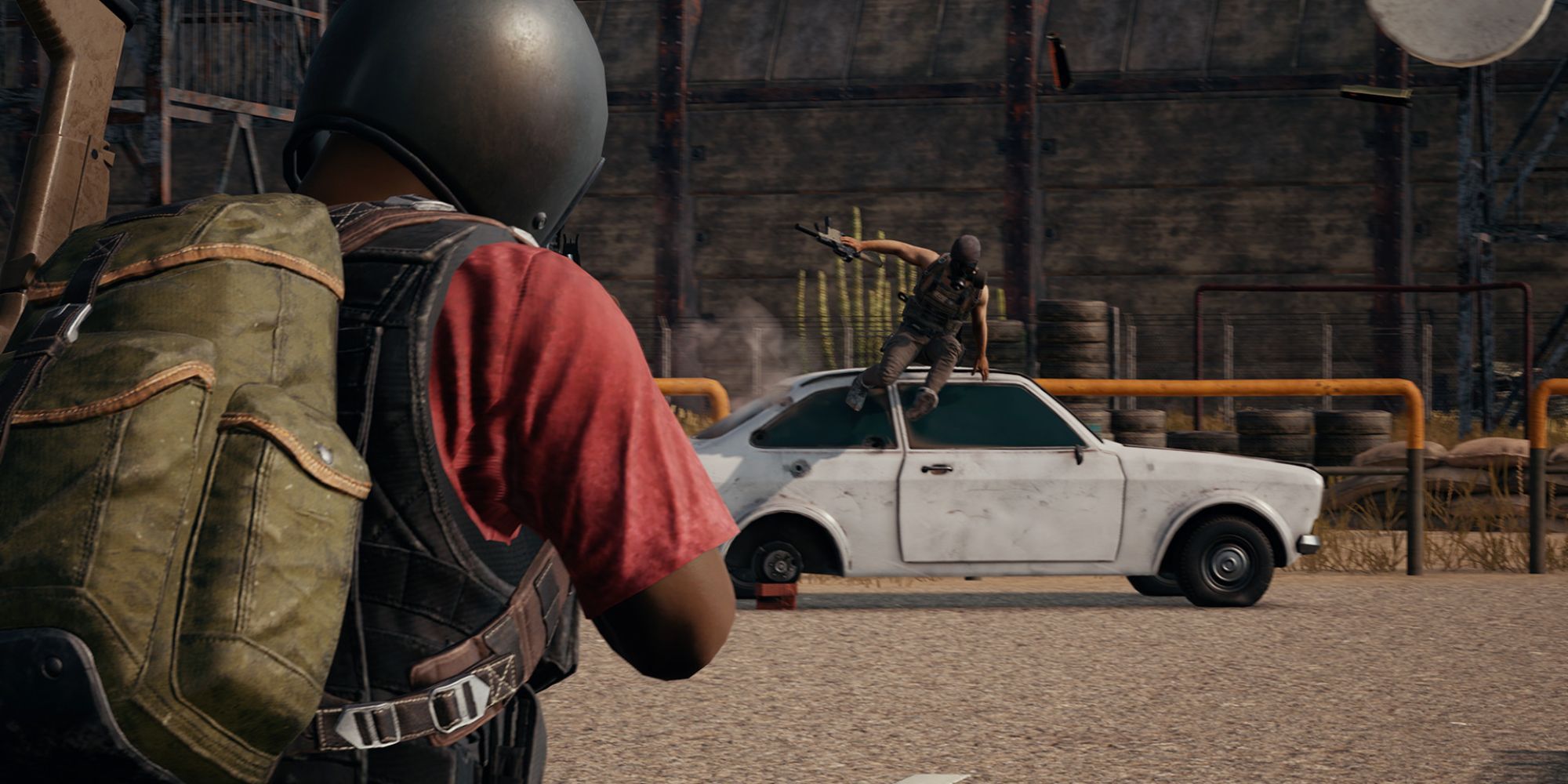
PUBG: Battlegrounds was first available to play in early access on March 23, 2017, and Fortnite Battle Royale followed on September 26, 2017. The quick release of both games caused some confusion, and PUBG’s developer, Bluehole Studios, believed Fortnite had copied some of its gameplay elements. The two companies had previously collaborated on PUBG using the Unreal Engine, and Bluehole even filed a lawsuit, which was later dropped.
Subscribe to the newsletter for essential gaming retrospectives
Fortnite’s popularity speaks for itself. It’s become a cultural phenomenon, famous for its wild and unexpected crossovers – you could see characters like Cluck and Peter Griffin battling it out while Hatsune Miku watches! Over the years, the game has consistently attracted millions of players simultaneously. Since its release, it’s completely changed the gaming landscape. Many other games have tried to replicate its success with their own battle royale modes, but none have managed to reach the same level. The release of PUBG felt like the end of one era, quickly followed by Fortnite taking over the world.
1. The Elder Scrolls IV: Oblivion – The Horse Armor Pack
It All Comes Back to That
I’ve been thinking about games that really changed things, not always for the better. And honestly, looking back, the introduction of microtransactions is one of those things I really wish developers had handled differently. It feels like a turning point that, in retrospect, a lot of us gamers would love to rewind and redo.
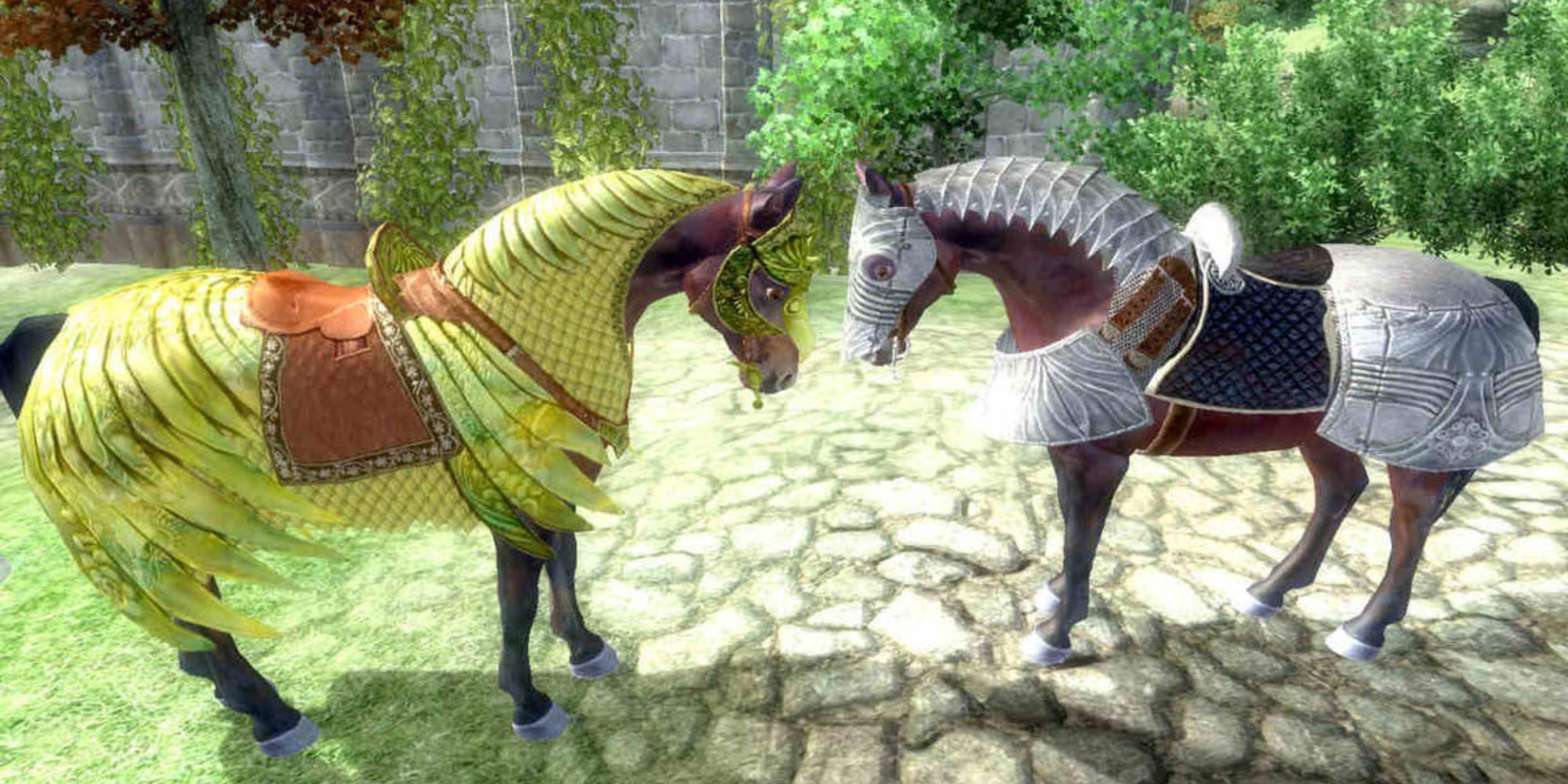
As a long-time gamer, I remember Sega actually pioneered the idea of downloadable content way back with the Dreamcast! But it was Xbox Live Marketplace that really changed things, making DLC something you paid for – that’s how it is now. One of the first games to do this was The Elder Scrolls IV: Oblivion. I recall being surprised you could buy a horse armor pack for $2.50 on the console, or even cheaper at $1.99 on PC! It seems silly now, but it was a big deal back then.
When this downloadable content was released, players were upset by its high price, especially considering how little it actually offered. In retrospect, it highlights just how common it’s become for games to rely on microtransactions and paid add-ons. Nowadays, some games seem designed to extract as much money as possible from players. It’s almost funny to think back to the outrage over something simple like horse armor, because it foreshadowed this current trend.
Read More
- Off Campus Season 1 Soundtrack Guide
- 46 Years Later, The Mandalorian & Grogu Answers A Major Empire Strikes Back Question
- X-Men ’97 Finally Gave Gambit the Hero Moment He Deserved
- 10 Worst End-Game Couples In Sitcom History
- Chainsaw Man Volume 24’s Cover Art Reveals a Brand-New Denji
- HoI4 fans harsh reactions to the announcement of another DLC pack
- Emily Henry Says to ‘Trust the Vision’ For Beach Read Adaptation
- DoorDash responds after customer uses AI to make food look bad and get a refund
- Katanire’s Yae Miko Cosplay: Genshin Impact Masterpiece
- Hatsune Miku cosplayer goes viral selling $15 cups of “foot juice” to thirsty anime fans
2026-05-31 05:12