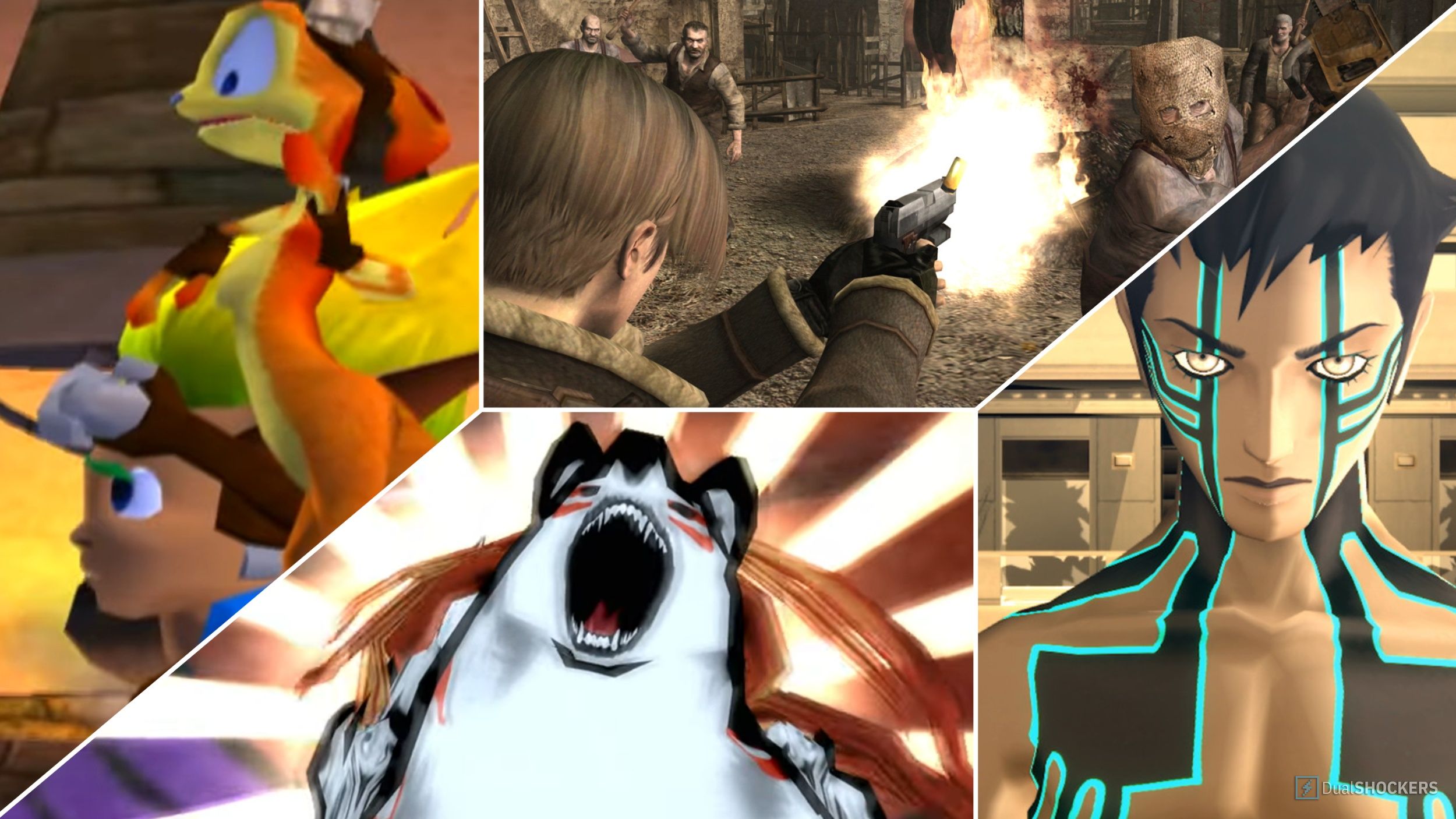
I strongly believe that good graphics aren’t enough to make a game great, even though they’re definitely important. However, I think the industry’s obsession with making games look “realistic” is often a waste of time. What looks cutting-edge today will inevitably appear outdated in just a few years. A game with a lasting and memorable art style is one that’s unique and stands out, unlike so many games with “realistic” characters that all look the same.
The PlayStation 2 came out over twenty years ago, and even though graphics have improved dramatically since then, I often find myself drawn to its games’ art styles. The PS2 was a high point for creative game design, before a trend towards realistic, often drab, graphics took over – until the recent surge in independent game development. That’s why so many PS2 games are remastered rather than completely rebuilt; their original look still holds up beautifully.
10. Katamari Damacy
The Joy of Weirdness
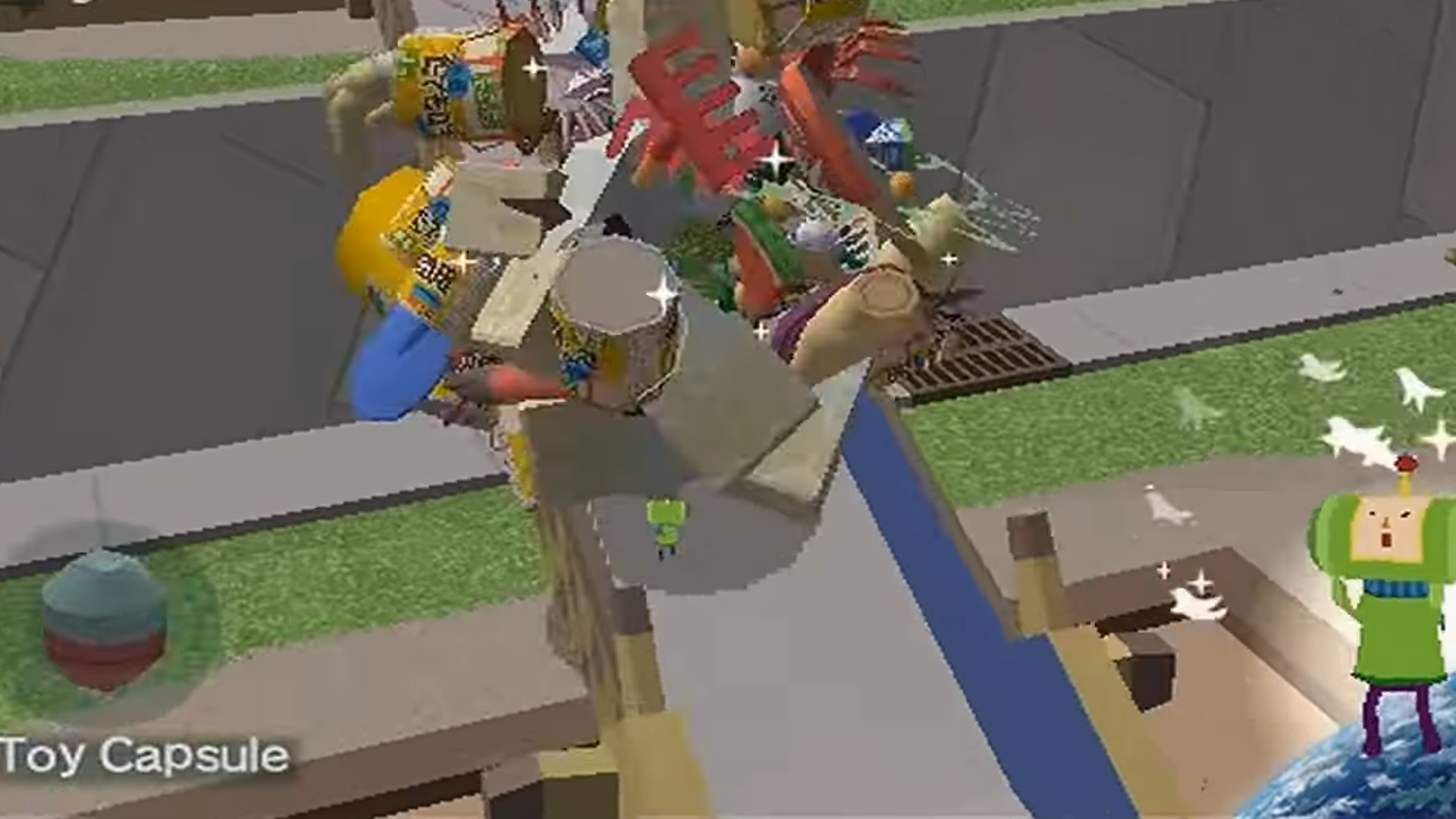
I’m concerned that as games become more realistic, we might lose the sense of fun and imagination that makes them special. These two styles—realism and whimsy—don’t often go together, and that’s a shame. Everyone needs a little bit of lighthearted fun now and then. The game Katamari Damacy showed us that a game doesn’t need to make perfect sense to be enjoyable and memorable.
Katamari Damacy has a unique look that’s best described as a chaotic, colorful toybox. The characters are simple, doll-like figures, and the environments are filled with all sorts of random objects, even when you’re quite large. Its bright, pastel colors perfectly match the game’s playful goal of collecting everything you can, making it easy to see what you can roll up into your Katamari.
It’s interesting how the Katamari series has kept its unique art style virtually the same since the very first game. The games didn’t need to become more realistic or visually detailed, because that wouldn’t have changed what makes them so charmingly strange.
9. Sly 3: Honor Among Thieves
The Series’ Best Locales and Characters
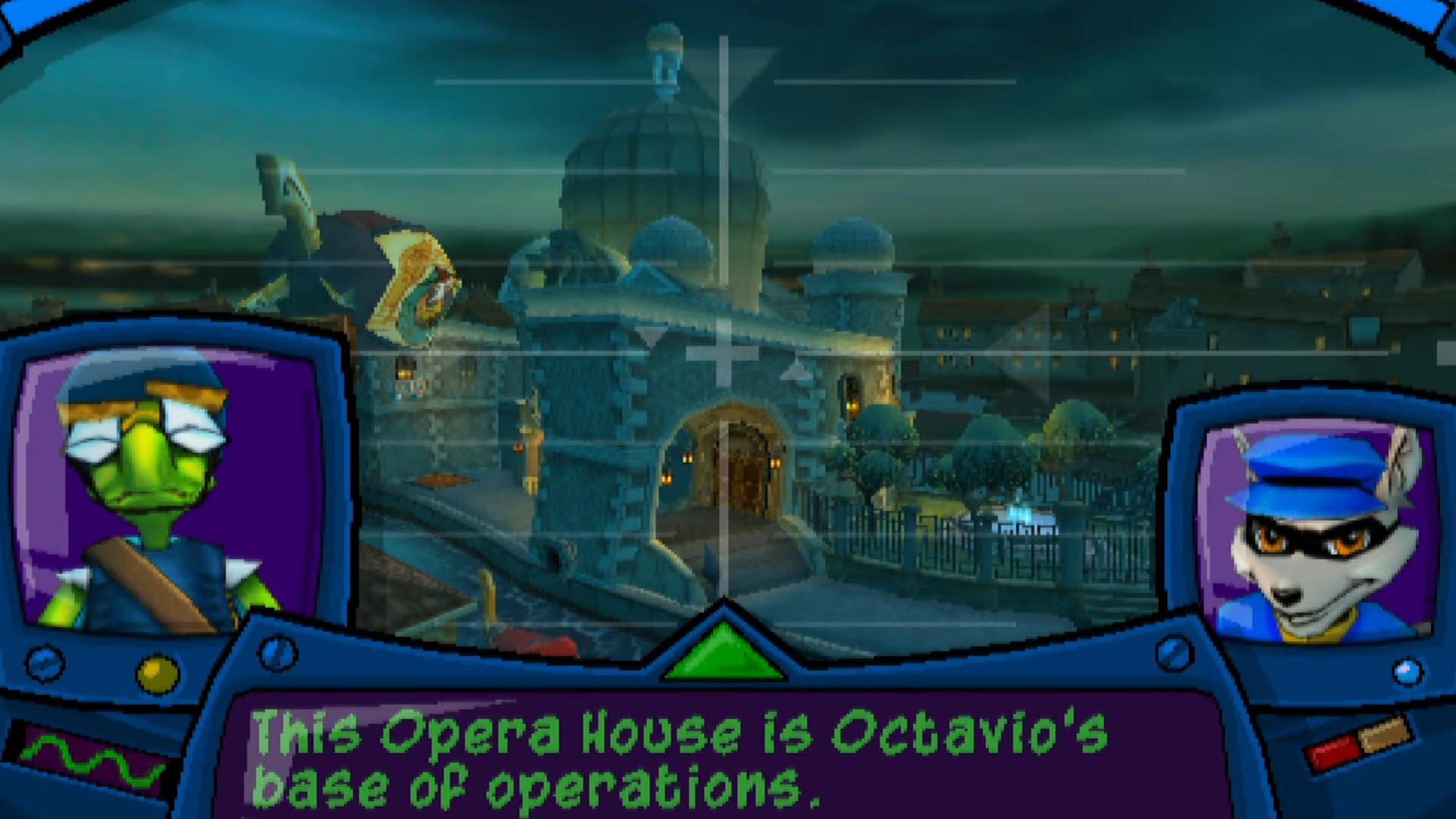
I often say this, but I really miss the lighthearted games Sucker Punch used to make. The Sly Cooper series, especially, was perfect for me as a kid – I loved how it mixed quirky animal characters with a bit of a criminal world, and nothing else has quite captured that same feeling since.
Sly 3 stands out for its diverse settings, taking players from the canals of Venice to a rainy bamboo forest in China. While not frightening, each location has a palpable sense of tension – with patrolling guards and sweeping searchlights – that emphasizes the feeling of being an unwelcome intruder.
Both Sly 2 and Sly 3 capture the feel I’m going for, though I slightly prefer the character designs in Sly 3. The villains – like Octavio and the Black Baron – and the new members of the Cooper Gang, such as Penelope and the Guru, all fit well within the game’s world while also building on the fun, over-the-top style of “cartoony thief warfare.”
8. Jak and Daxter
Colorful and Expressive
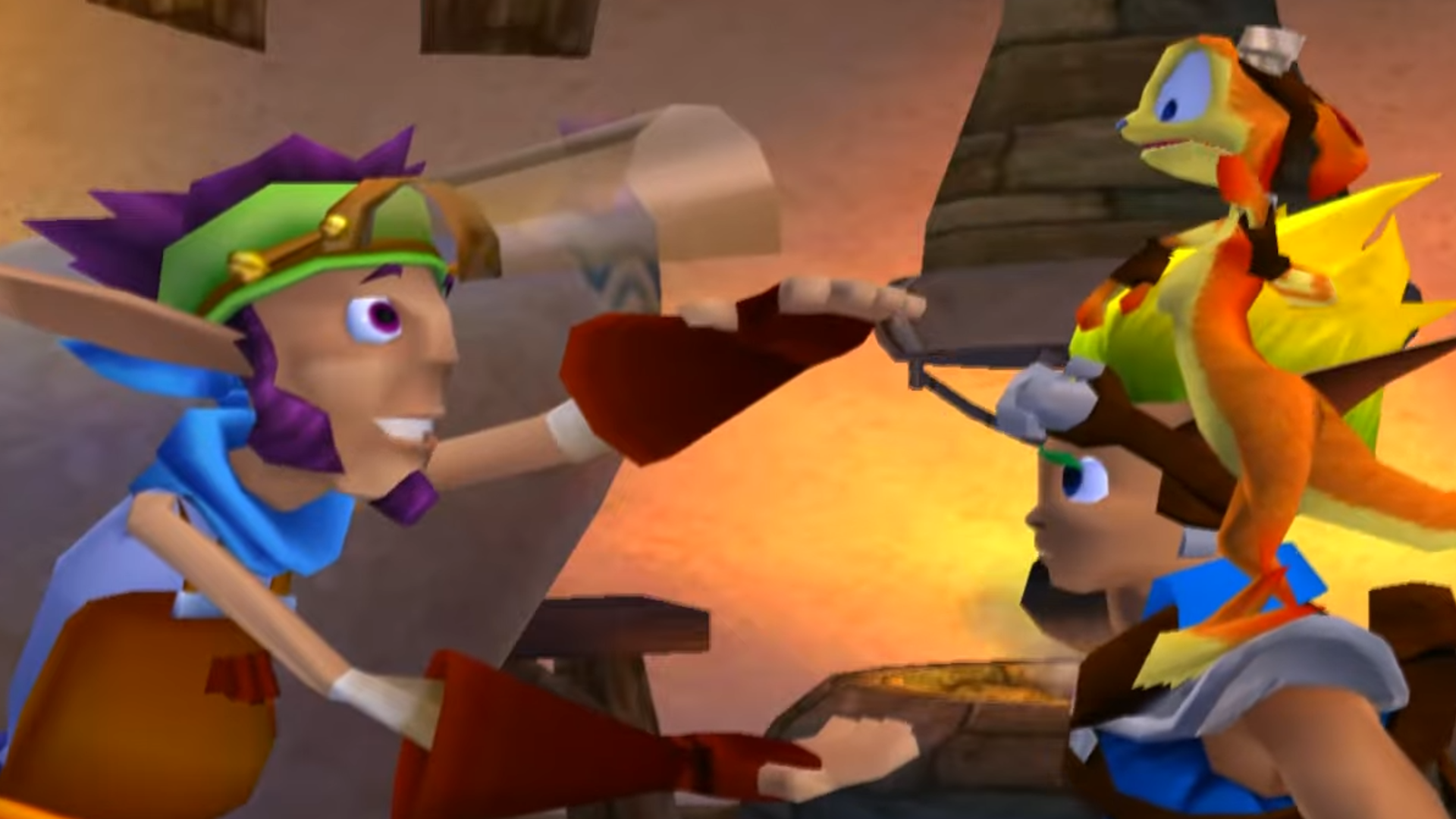
Naughty Dog, known for games like The Last of Us and Uncharted, now focuses almost exclusively on those two franchises. While they’re leaders in creating realistic game experiences, it’s a bit disappointing to see them move away from the more vibrant and colorful games they used to make, like Jak and Daxter on the PlayStation 2.
Although later Jak and Daxter games improved the gameplay, especially Jak 2, the first game had a uniquely vibrant and fantastical look. It felt like a blend of the worlds of Star Wars and Studio Ghibli films – lush, diverse, and otherworldly. This setting was perfect for a platforming adventure, encouraging players to explore and get lost in its details.
The game’s earlier style meant the characters were incredibly lively and showed a lot of emotion, especially Daxter, who often made silly faces at the screen – kind of like Timon from The Lion King. It feels like more recent games take themselves too seriously to include a character like that, and I think that’s a shame. A bit of playful personality is a good thing!
7. Guilty Gear X2
The Definitive Anime Fighter
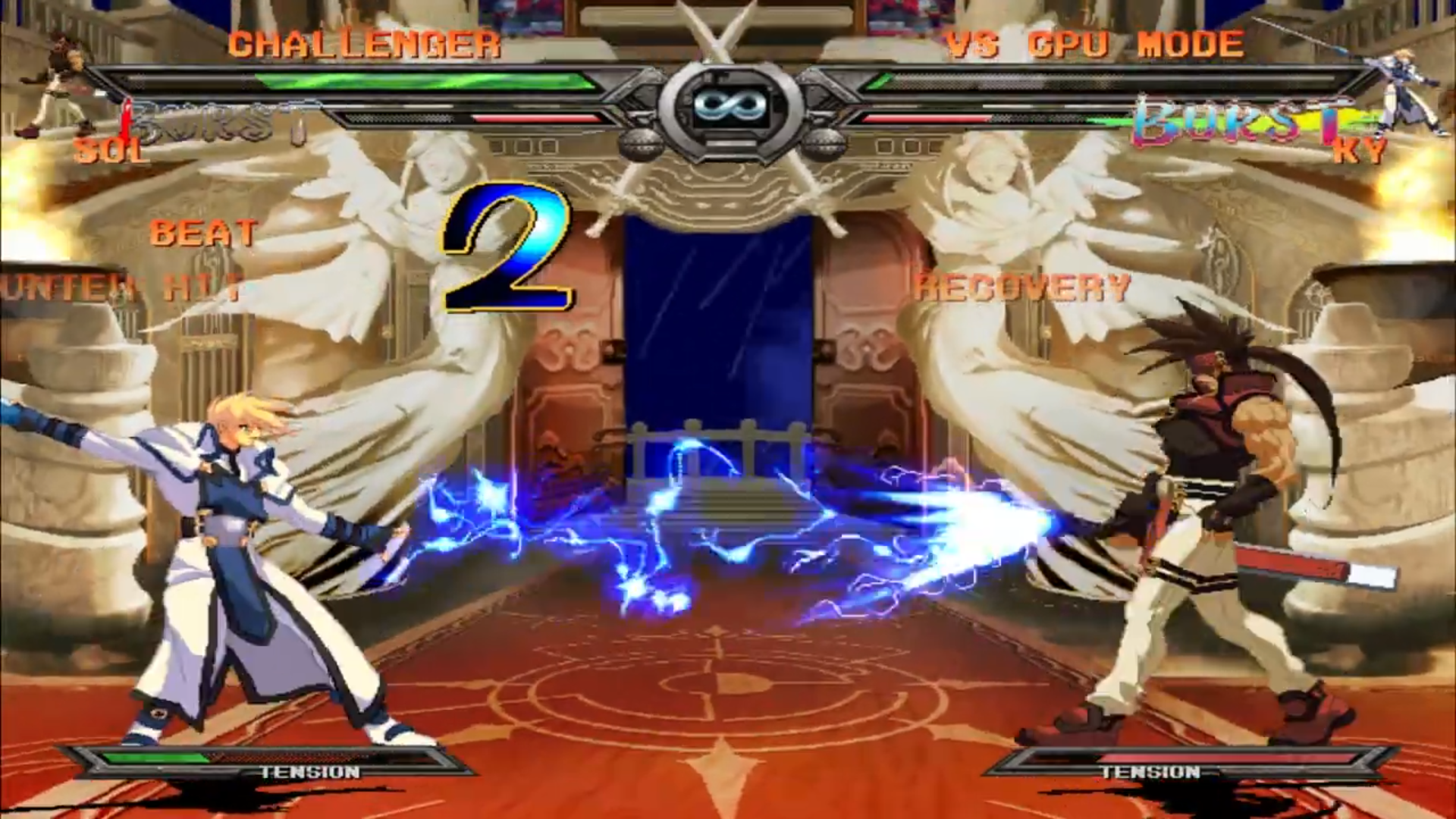
I’ve always loved how, even as fighting games were moving into 3D in the 90s and 2000s, some games stuck with 2D and really showed what it could do. Guilty Gear is a perfect example – it always stood out with its amazing anime characters and beautiful stage designs. Seriously, Guilty Gear X2 felt like playing through a work of art!
I really enjoy the 2.5D character models in recent Guilty Gear games like Xrd and Strive, but Guilty Gear X2 was a truly stunning animated game. Because it used hand-drawn sprites, the characters moved with a natural smoothness you don’t often see in 3D games. It also allowed for unique animation effects, like quick bursts of motion, that would look strange if done with 3D graphics.
The game’s backgrounds are incredibly detailed – they’re almost museum-quality. You’ll be so focused on playing, but it’s worth taking the time to appreciate the vibrant environments, lively animations, and characters within them.
6. Shin Megami Tensei: Nocturne
Aggressive and Angular
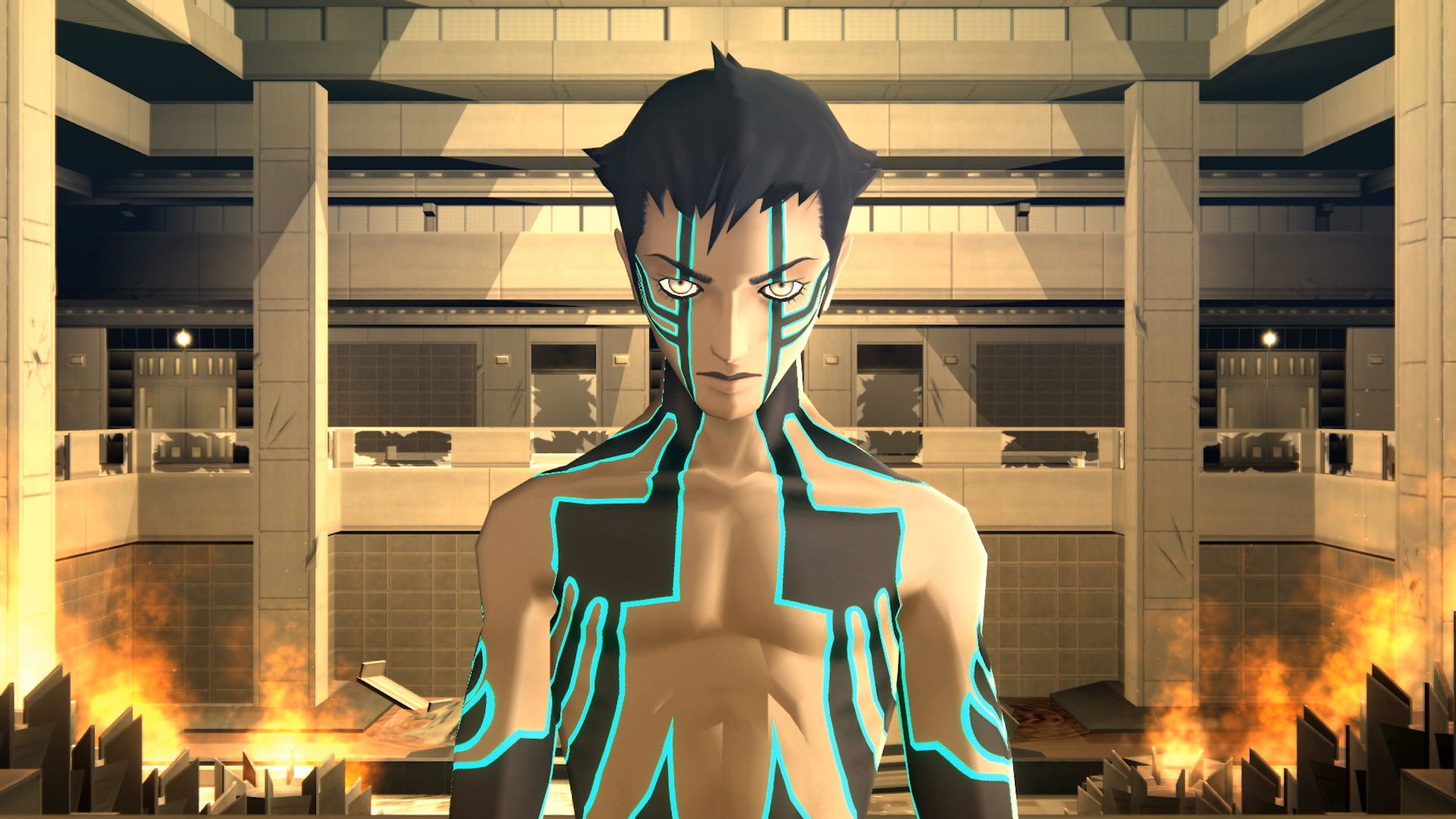
Most Japanese role-playing games, or JRPGs, feature art styles that are gentle and look like anime – and that’s perfectly fine, as it allows for expressive characters and vibrant worlds. However, the original 3D Shin Megami Tensei game, Nocturne, broke away from this tradition, choosing a bolder, more sharply-defined look instead.
The sharp, unusual designs on the Demi-Fiend’s body reflect the overall style of Nocturne: harsh lines, strange patterns, and muted colors. These elements create a sense of both the ruined city of Tokyo and the eerie demonic worlds alongside it. Unlike the more elaborate buildings found in spin-offs like Persona, Nocturne’s environments are stark and desolate, creating a mysterious and unsettling atmosphere.
The unique artistic style remains clear even with the diverse appearances of the demons and fae creatures you meet. Their faded colors and strange actions actually enhance this feeling, making them seem alien and highlighting how broken the world has become.
5. Rez
Polygons Never Died
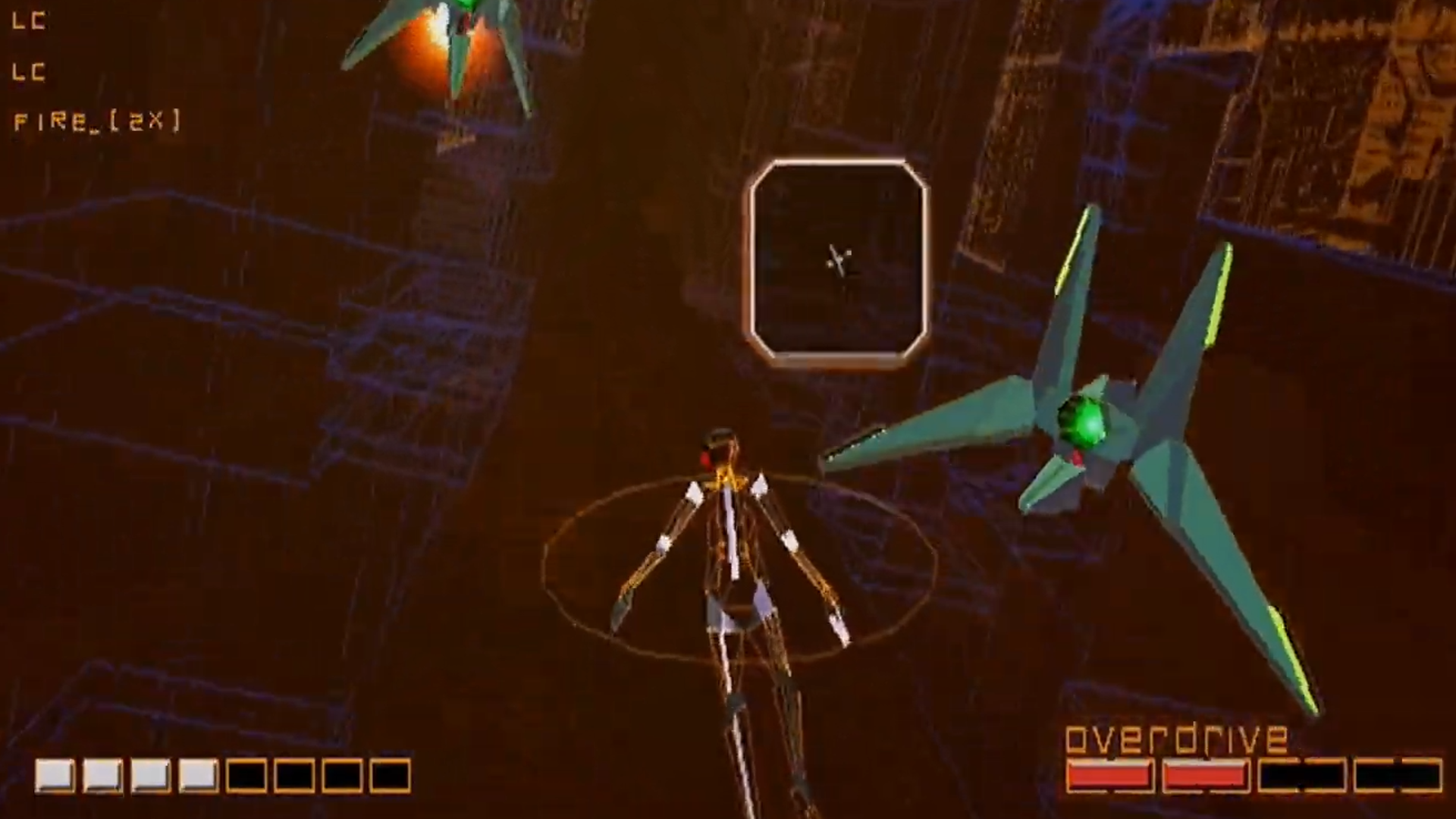
Early 3D games weren’t very detailed because computers of the time couldn’t handle complex graphics. You might expect these games to look bad by today’s standards, but that’s not always the case. Rez proved that even simple shapes and graphics can create an amazing visual and audio experience.
Rez doesn’t show specific objects or scenes; instead, it uses abstract geometric shapes to represent what’s happening inside a broken computer. As you play, your character appears as either a simple, human-like shape or a fragmented line, reflecting the damage it takes. The game is less about a narrative and more about the visual experience itself – think of it like a captivating laser show at a planetarium where the art is the main attraction.
Rez prioritizes creating a feeling through its music and visuals, immersing you in its unique rhythm. While all games engage your senses, Rez doesn’t focus on a traditional story or relatable characters. Instead, it immediately establishes a distinct atmosphere and lets you experience it personally.
4. Resident Evil 4
Has a Certain Something the Remake Lacks
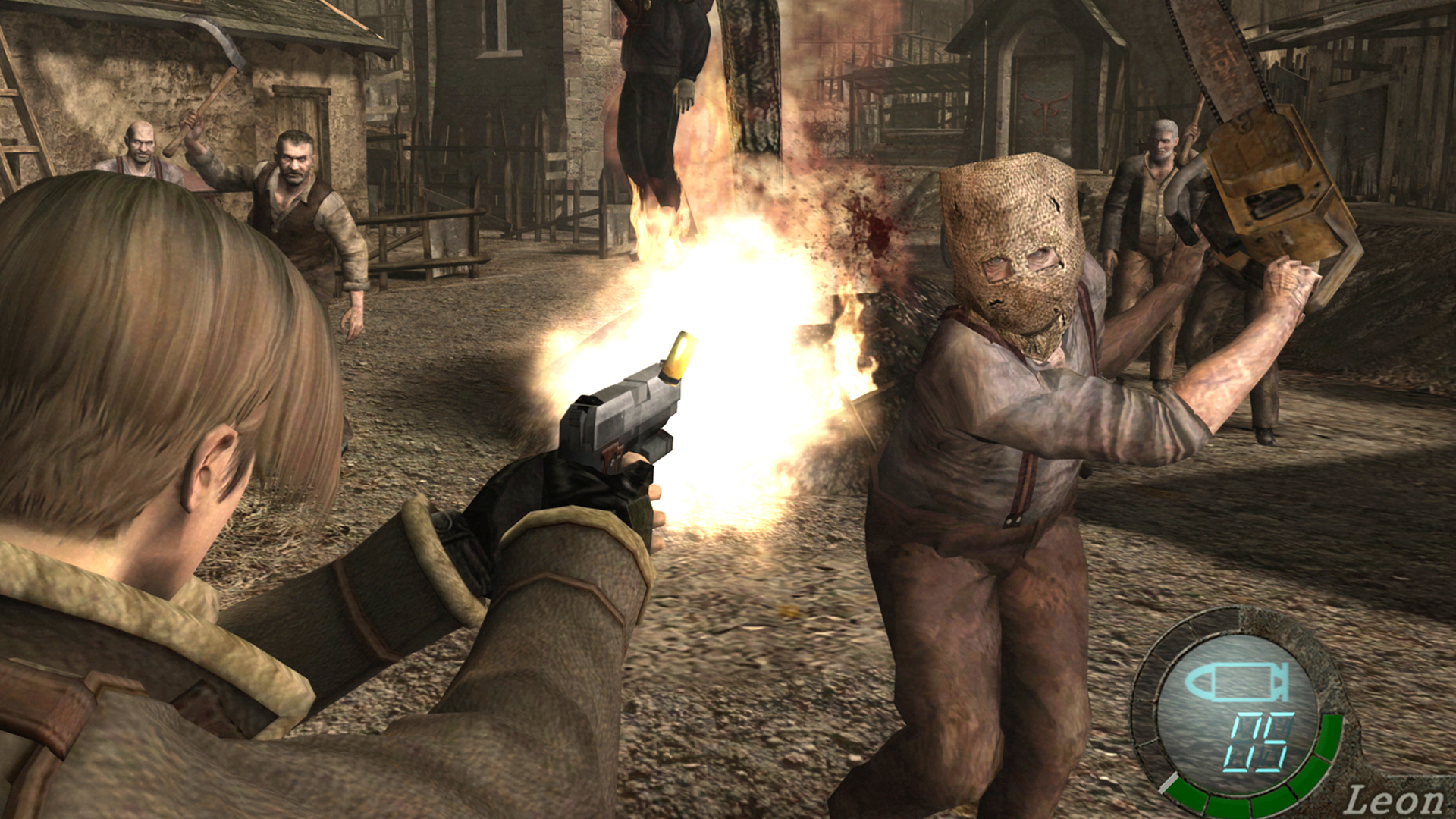
I know some people will disagree, but while the 2023 Resident Evil 4 remake is excellent in every way – the gameplay is great and it looks amazing, and I really loved playing it – I think the original 2005 version had a certain something the remake is missing. It’s hard to put into words, but a lot of it comes down to the art style and how the original game presented itself.
Whether you experience it in isolation or compare it to the newer version, the original Resident Evil 4 creates a uniquely unsettling atmosphere with its environments and creatures. The Ganados and Plaga mutants feel particularly disturbing because they weren’t designed to be realistic – they were clearly made to be shocking and frightening.
Interestingly, even though the characters aren’t as visually detailed in this version, they somehow come across as more expressive. This might be because the original game relied on over-the-top, cheesy acting, which led to exaggerated facial expressions. For instance, I prefer the subtle smirks and hidden tentacles of the original Saddler to the remake’s more obvious, mutated appearance with its white eyes.
3. Shadow of the Colossus
Sheer Scope Realized
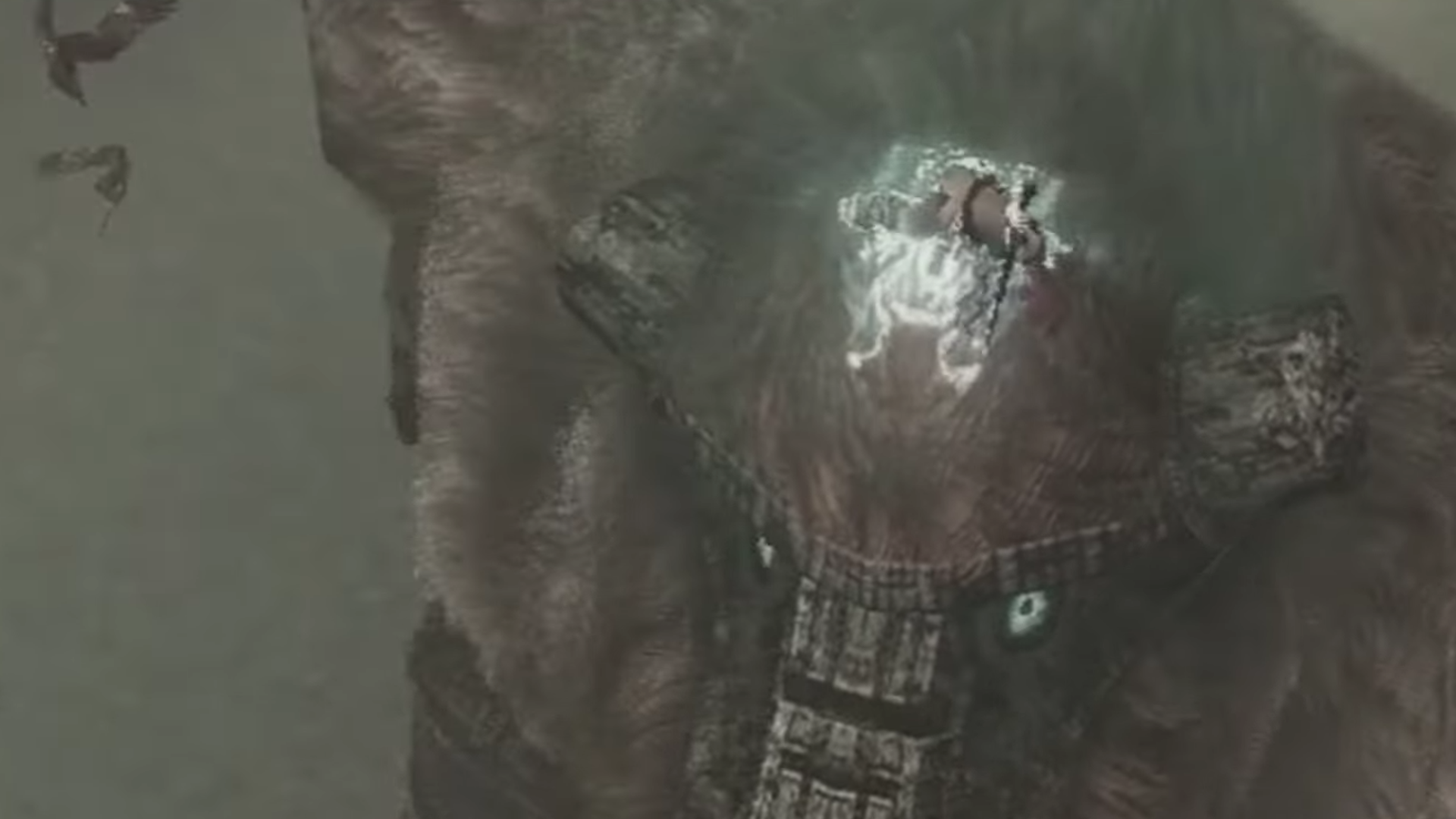
As gaming technology has advanced, developers have become better at using scale and grandeur to create impressive experiences – it makes sense that large-scale elements look better with improved graphics. But Shadow of the Colossus was truly groundbreaking in this area. Interestingly, it achieved this sense of scale not through highly detailed, fast-moving creatures, but by making its colossal monsters slower and simpler in design.
Subscribe to the Newsletter for Deep Dives on Game Art
One of the coolest things about the Colossi is how hard they are to really see, even when they’re right there. Their dark fur hides a lot of their details – you can’t make out their eyes or the stone parts of them until you’re already climbing all over them. And the way they move – so slow and heavy – really sells the idea that these things are absolutely massive, like it takes a ton of effort just to get around.
The world of Shadow of the Colossus feels quite empty when compared to many modern open-world games, and that’s intentional. It’s meant to be a desolate, forbidden land, reflecting the fact that the protagonist, Wander, isn’t meant to be there. This emptiness subtly tells you a lot about the game’s setting without needing explicit explanations.
2. Kingdom Hearts 2
The Perfect Mix of Cartoony and Emotive
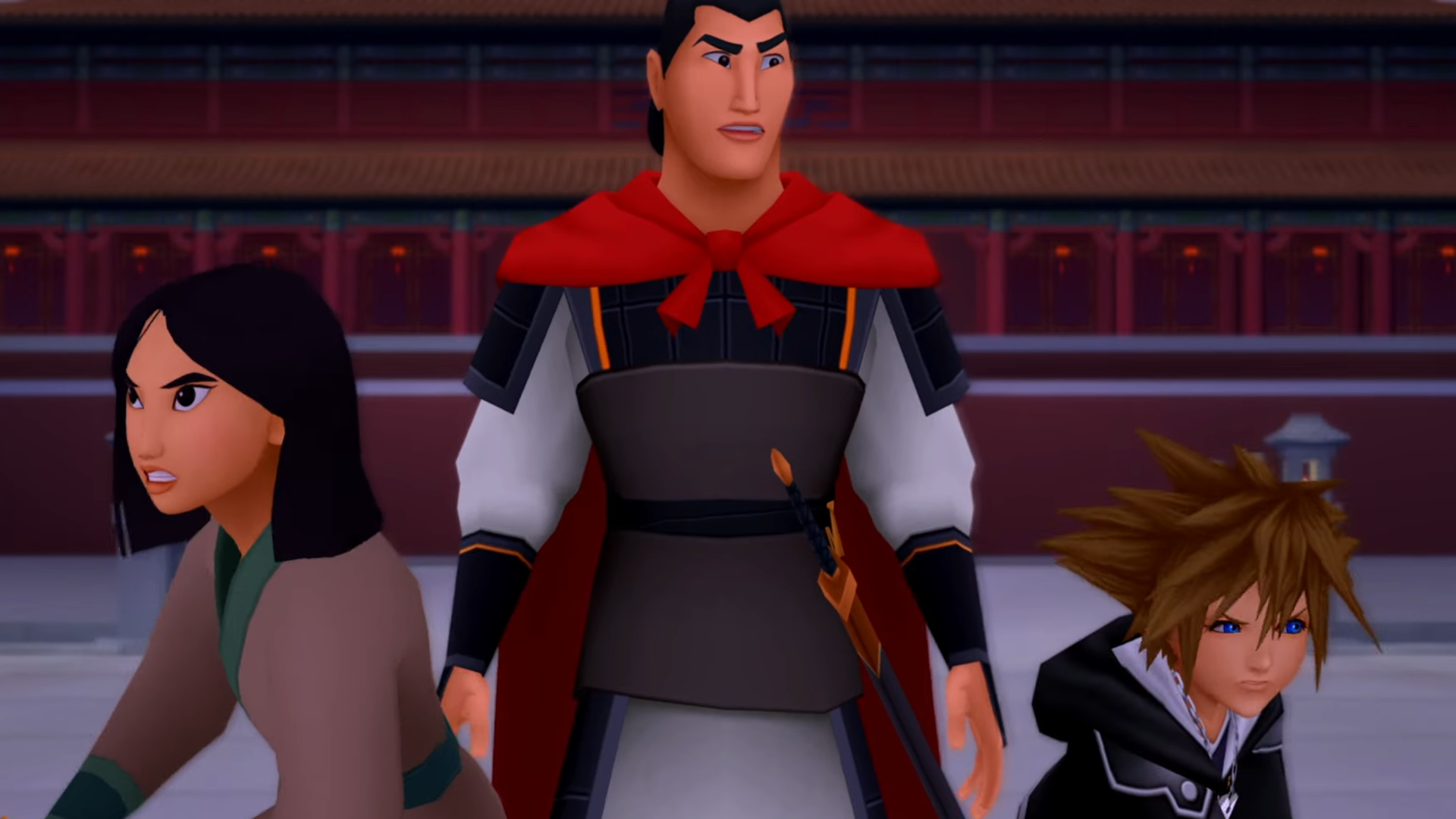
The Kingdom Hearts series has been around for a long time, spanning many different consoles, and its art style has changed a lot over the years. The first game felt a bit rigid, and Kingdom Hearts 3 sometimes looks overly polished and artificial, with worlds that feel too empty. Many fans – and even some modern Japanese role-playing games – consider Kingdom Hearts 2 to be the peak of the series, perfectly balancing style and substance.
Kingdom Hearts 2 really improved the characters’ expressiveness, especially during cutscenes when they’re speaking and showing emotions. Thankfully, this didn’t make the game lose its fun, cartoonish style – which is important given the Disney characters involved! The animation is also much more lively and energetic, particularly during Sora’s special team-up attacks.
Unlike some recent Final Fantasy titles, Kingdom Hearts 2 delivers impressive action sequences without overshadowing Sora himself. The game keeps the focus on Sora’s exciting moves and skillful combat, rather than getting lost in excessive visual effects.
1. Okami
Art as Gaming, Gaming as Art
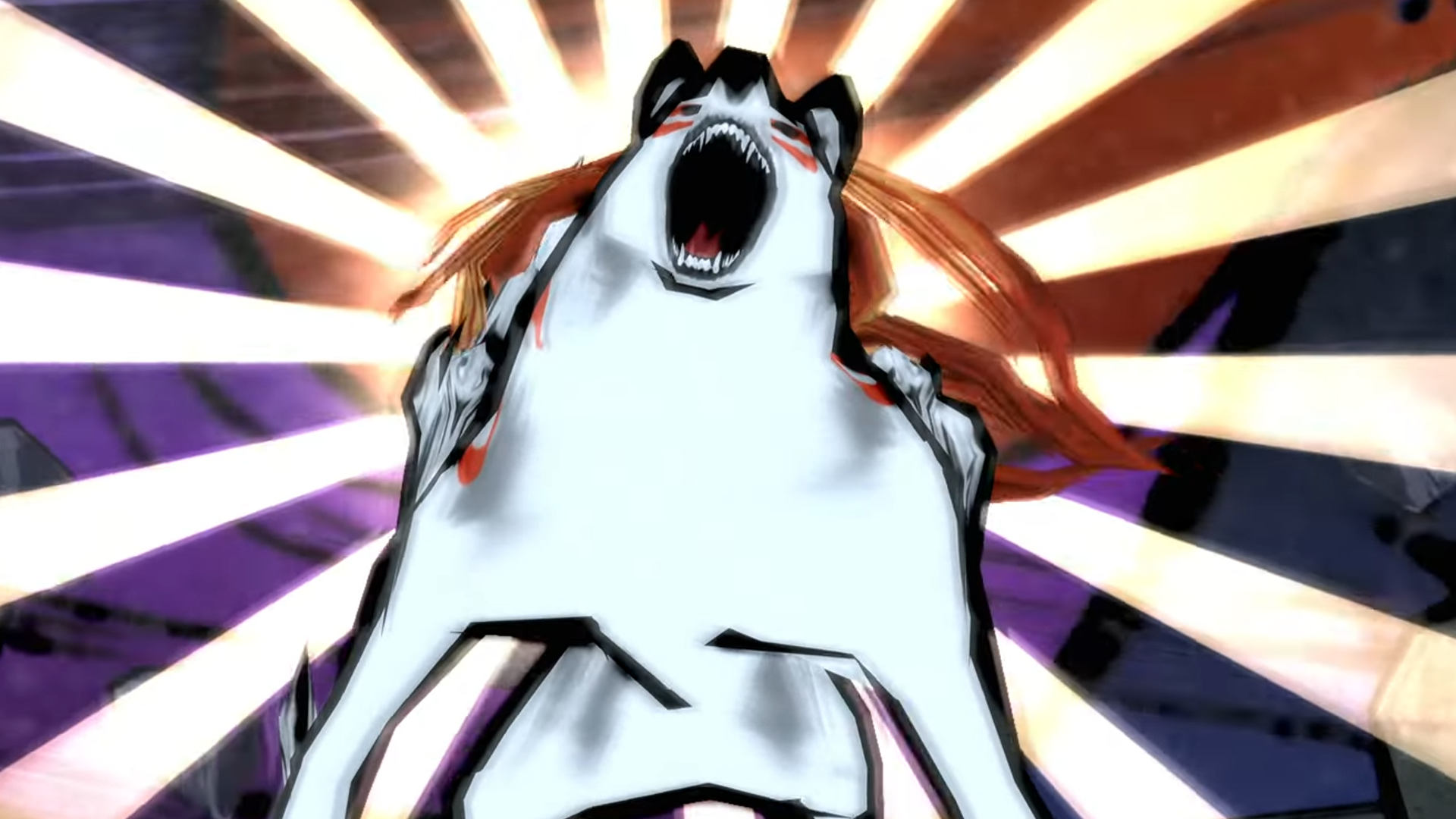
Many games have touched on art – either how it’s made or as a central theme – but not all of them truly embrace it. If you want to make a game about art, it needs to fully reflect the style it’s portraying. Okami is a standout example of a game that did just that, and that’s a big reason why fans, including us, have always hoped for a sequel.
Okami isn’t really about making traditional Japanese art, but that art style heavily influences how the entire game looks. Characters are designed with simple, sharp lines, and enemies are dramatically proportioned. The game’s special effects are huge and impressive, all creating a visual experience that feels like a beautiful, old scroll painting brought to life in 3D.
Okami’s Celestial Brush techniques have a unique visual effect rarely seen in other games. They transform simple strokes into recognizable symbols. For example, a basic line drawn over a screenshot from most realistic games would just look like a line. But in Okami, that same line instantly becomes a Power Slash, instantly recognizable to players.
Read More
- United Airlines can now kick passengers off flights and ban them for not using headphones
- Crimson Desert: Disconnected Truth Puzzle Guide
- All 9 Coalition Heroes In Invincible Season 4 & Their Powers
- Mewgenics vinyl limited editions now available to pre-order
- Grey’s Anatomy Season 23 Confirmed for 2026-2027 Broadcast Season
- Viral Letterboxd keychain lets cinephiles show off their favorite movies on the go
- The Boys Season 5 Spoilers: Every Major Character Death If the Show Follows the Comics
- Assassin’s Creed Shadows will get upgraded PSSR support on PS5 Pro with Title Update 1.1.9 launching April 7
- All Golden Ball Locations in Yakuza Kiwami 3 & Dark Ties
- Does Mark survive Invincible vs Conquest 2? Comics reveal fate after S4E5
2026-02-23 23:42