The best stories maintain their strength throughout, with no lagging parts. Each plot point feels essential and flows logically from what happened before. Everything serves a purpose, actively moving the narrative forward. This level of consistency is uncommon and typically results from meticulous planning, well-developed characters, and a focused vision.
These manga are consistently good because they focus just as much on how the story is built as they do on the story’s ideas and characters. Even when things change, the core story remains consistent. This makes each part of the manga feel meaningful and connected, so the overall experience is rewarding from beginning to end.
Silver Spoon Grounds its Storytelling in Lived Agricultural Reality
Unlike many stories set on farms, Silver Spoon makes agriculture central to the plot. Hachiken’s experience raising a pig and then consuming its meat isn’t just for dramatic effect; it’s the logical outcome of everything the manga explores. Author Hiromu Arakawa based the story on her own upbringing on a farm, which gives the series a realistic feel when dealing with topics like the financial realities of farming, animal care, and the differences between urban and rural lifestyles.
Silver Spoon doesn’t just tell you about hard work, sacrifice, and managing money – it shows how these lessons impact the characters’ lives. The story’s progress feels realistic and well-deserved, unfolding gradually and meaningfully.
Akane-Banashi Proves Subject Alone can Sustain Narrative Depth
Instead of using romance or mystery to grab readers, Akane-banashi focuses entirely on making the art of rakugo itself fascinating. The author, Suenaga, intentionally approached rakugo as someone new to it, predicting what audiences wouldn’t understand and then explaining those details in a way that feels smooth and organic.
What consistently makes Akane-banashi compelling is that each performance storyline also develops the characters, revealing more about their personalities and motivations. For example, the arc where Akane helps elderly people appears to be a simple challenge, but it actually demonstrates the careful and considerate approach that distinguishes a truly gifted performer from someone who is merely technically proficient. The series has even earned praise from well-known creators like Eiichiro Oda and Hideaki Anno, proving its quality extends beyond its specific subject matter.
Made in Abyss Combines Brutal Horror with Beautiful Visual Aesthetic
In the anime Made in Abyss, the “Curse of the Abyss” causes lasting injuries to anyone who descends, making each layer of the Abyss a dangerous, irreversible journey. The creator, Tsukushi, cleverly uses this threat to build unique worlds at each level, each with its own distinct environment, laws, and ethical considerations.
Tsukushi cleverly uses Reg’s memory loss to reveal the world gradually, letting information about the Abyss unfold as if we’re experiencing it alongside him. This approach, combined with the storybook-like art and dangerous creatures, maintains a consistent atmosphere throughout the series, even when the story shifts dramatically – like with Nanachi’s heartbreaking story or the unsettling events in Ilblu Village.
The Climber Frames the Cost of Ambition Through Isolation and Loss
Beyond being a sports manga, The Climber deeply explores themes of loneliness, the human need for connection, and the consequences of striving beyond societal boundaries. The protagonist, Mori Buntaro, experiences life as if he’s a typical shonen hero in a more mature, realistic world where vulnerability often leads to loss, disappointment, and even death.
Sakamoto’s detailed artwork is central to the story, vividly portraying the physical toll climbing takes on the body – from the strain on hands gripping rock to the effects of frostbite and altitude sickness. By the time Buntaro reaches K2, his past injuries no longer feel like a defeat, because he finds a sense of purpose and connection that doesn’t depend on reaching extreme heights.
Haikyuu!! Builds Tension through Balanced Character Focus and Evolving Arcs
One reason Haikyuu!! is so well-regarded is because the creator, Furudate, realizes that strong opponents are just as crucial as the main characters. Teams like Aoba Josai, Shiratorizawa, Nekoma, and Kamomedai are developed enough that when they lose, it feels impactful – it’s not just a win for the heroes. This focus on the opposing teams makes every match feel significant and adds to the overall story.
Haikyuu!! excels at keeping its story fresh by avoiding repeated storylines or character conflicts. Each story arc focuses on different characters and challenges, consistently revealing new facets of those we already know. This approach creates a cohesive and flowing narrative, preventing the series from feeling like a collection of separate episodes.
Billy Bat Constructs a Conspiracy Structure through Repeating Motifs
Naoki Urasawa’s Billy Bat cleverly connects fifteen different time periods – including events like the Shimoyama affair, the Kennedy assassination, and 9/11 – using a repeating bat symbol. Urasawa uses film-like transitions to smoothly move between these eras, and the bat symbol consistently ties everything back to the core mystery. This makes each new storyline feel directly connected to the main plot, preventing any part of the story from feeling unrelated or like a detour.
Each story arc in Billy Bat explores how stories and symbols can be used as tools to manipulate people. Sometimes the focus is on political propaganda, other times religious myths, and even the world of comic books. The creators, Urasawa and Nagasaki, spent four years researching, which is why every historical detail and plot twist connects back to this main idea.
JoJo’s Bizarre Adventure Maintains Coherence Through Evolving Protagonists
The enduring popularity of JoJo’s Bizarre Adventure comes from its refusal to stay predictable. Each new story arc is set in a different time period and features a new protagonist, exploring a different genre. Hirohiko Araki constantly refreshes the core concept, preventing the series from becoming repetitive. While everything changes, the series maintains a consistent, over-the-top tone—dramatic, self-assured, and embracing its own outlandishness.
What truly makes JoJo’s Bizarre Adventure special isn’t just the action, but how its battles are like clever puzzles. Victory doesn’t go to the strongest character, but to the one who can think outside the box. This focus on strategy, combined with unique character designs drawing from high fashion and Italian art, gives the series a truly memorable look and feel.
Vagabond Turns Martial Growth into Philosophical Self-examination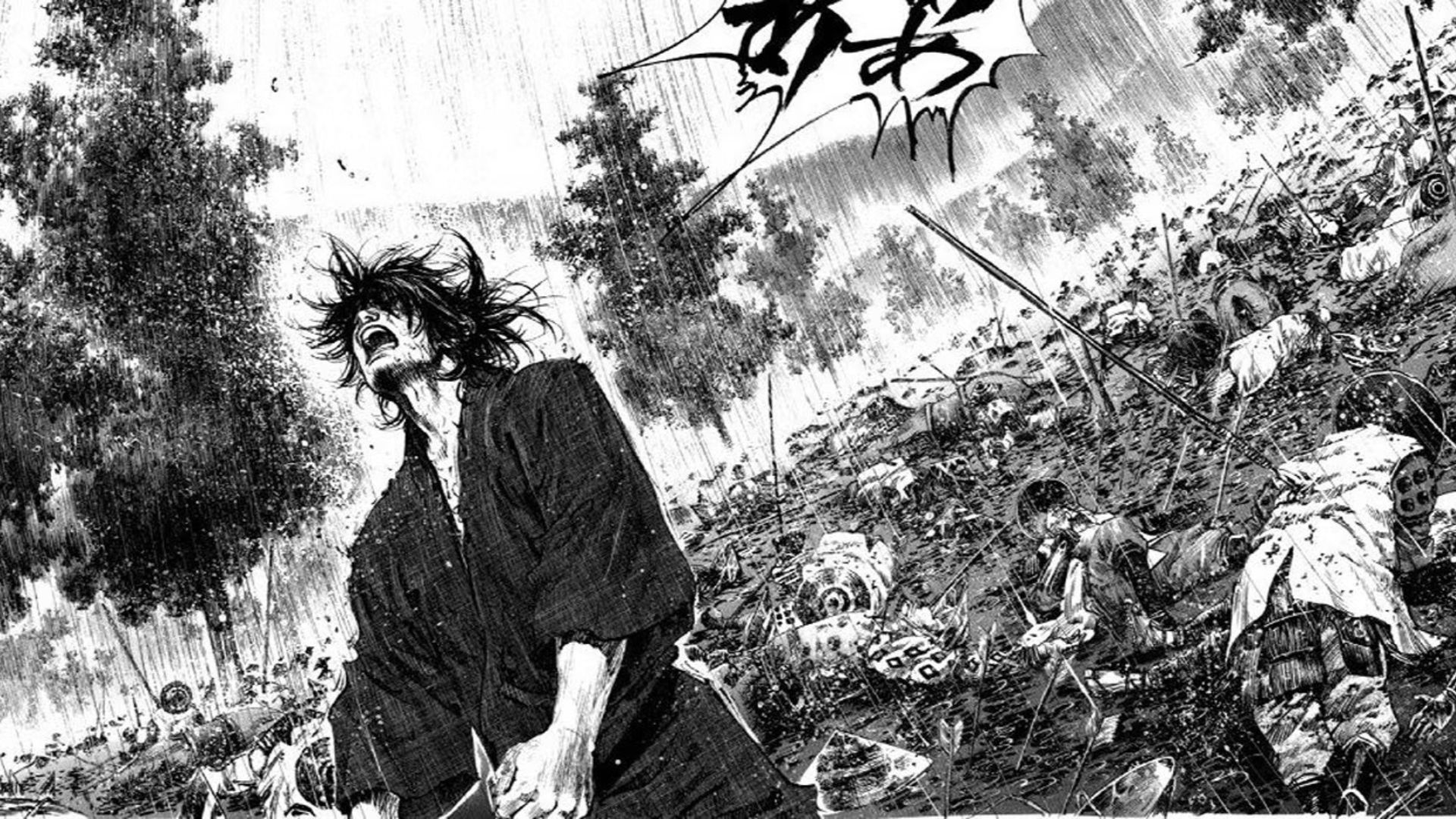
The story of Vagabond centers on Musashi’s quest to define true strength. Initially, he believes strength is measured by how many opponents he defeats. However, as he meets various people – monks, farmers, and rivals – he begins to question this belief. Each new encounter presents a different idea of strength, whether it’s based on philosophy, practicality, or spirituality, and Musashi must decide if it adds to or changes his understanding.
Inoue’s art style, using traditional brush and ink, reflects the story’s deeper themes. This makes the action less about flashy excitement and more about the weight, speed, and consequences of each fight. Vagabond is celebrated not for its battles themselves, but for the character development that happens between them.
Vinland Saga Examines Identity Beyond Violence and Survival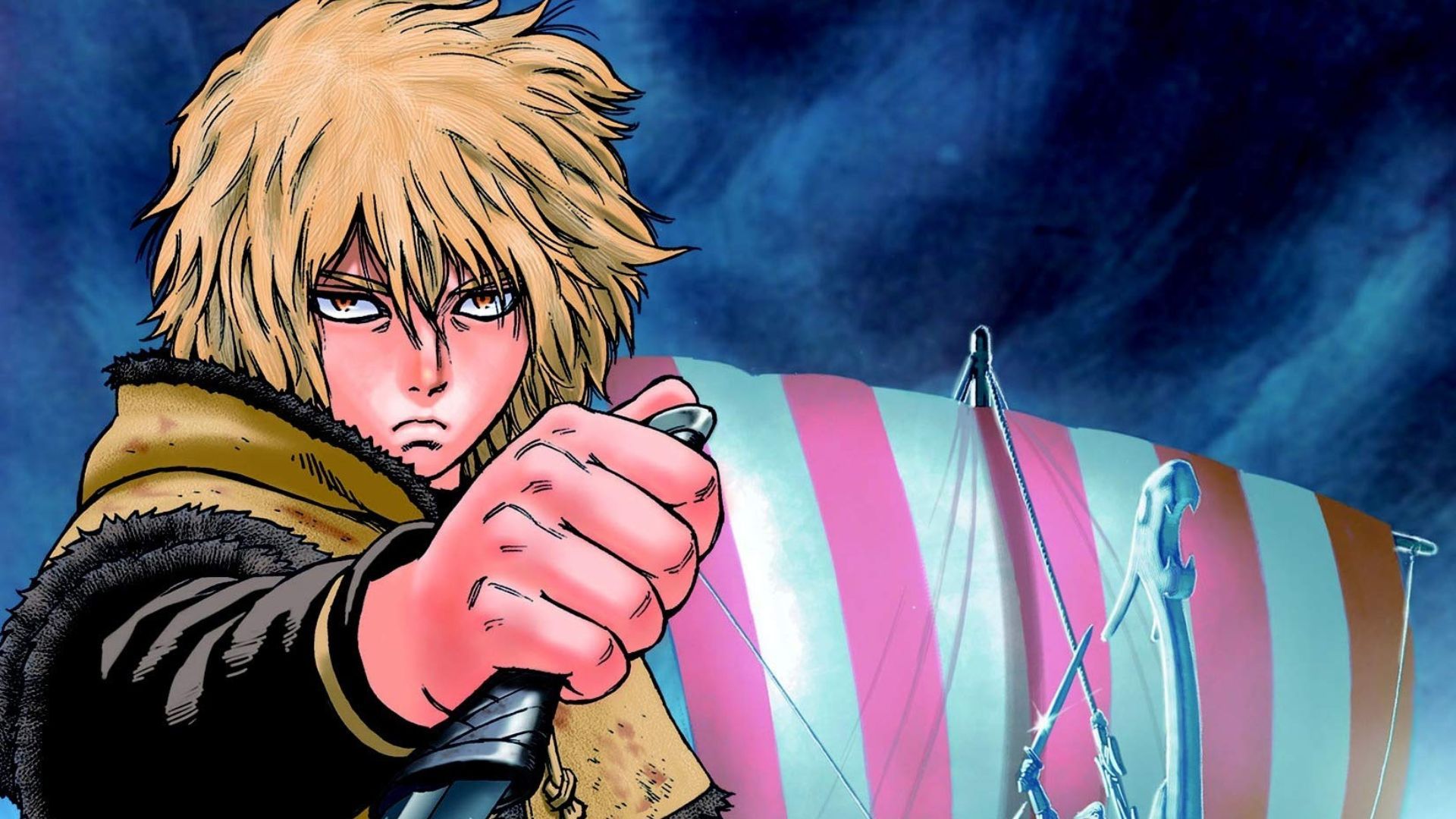
Yukimura, the creator of Vinland Saga, has shared that he didn’t know what Thorfinn’s adult life would look like when he first began the manga. However, he was certain from the start that violence wouldn’t bring true fulfillment. Each story arc in the series explores this idea, particularly in ‘The Slave Arc,’ where Thorfinn loses both his freedom and his identity, realizing that violence has left him with nothing.
Askeladd is right to point out that violence is the most powerful force in his world. But the story doesn’t accept that as the ultimate truth, and that ongoing conflict—present throughout all four seasons—is what makes Vinland Saga feel cohesive, from its violent start to its ultimately peaceful ending.
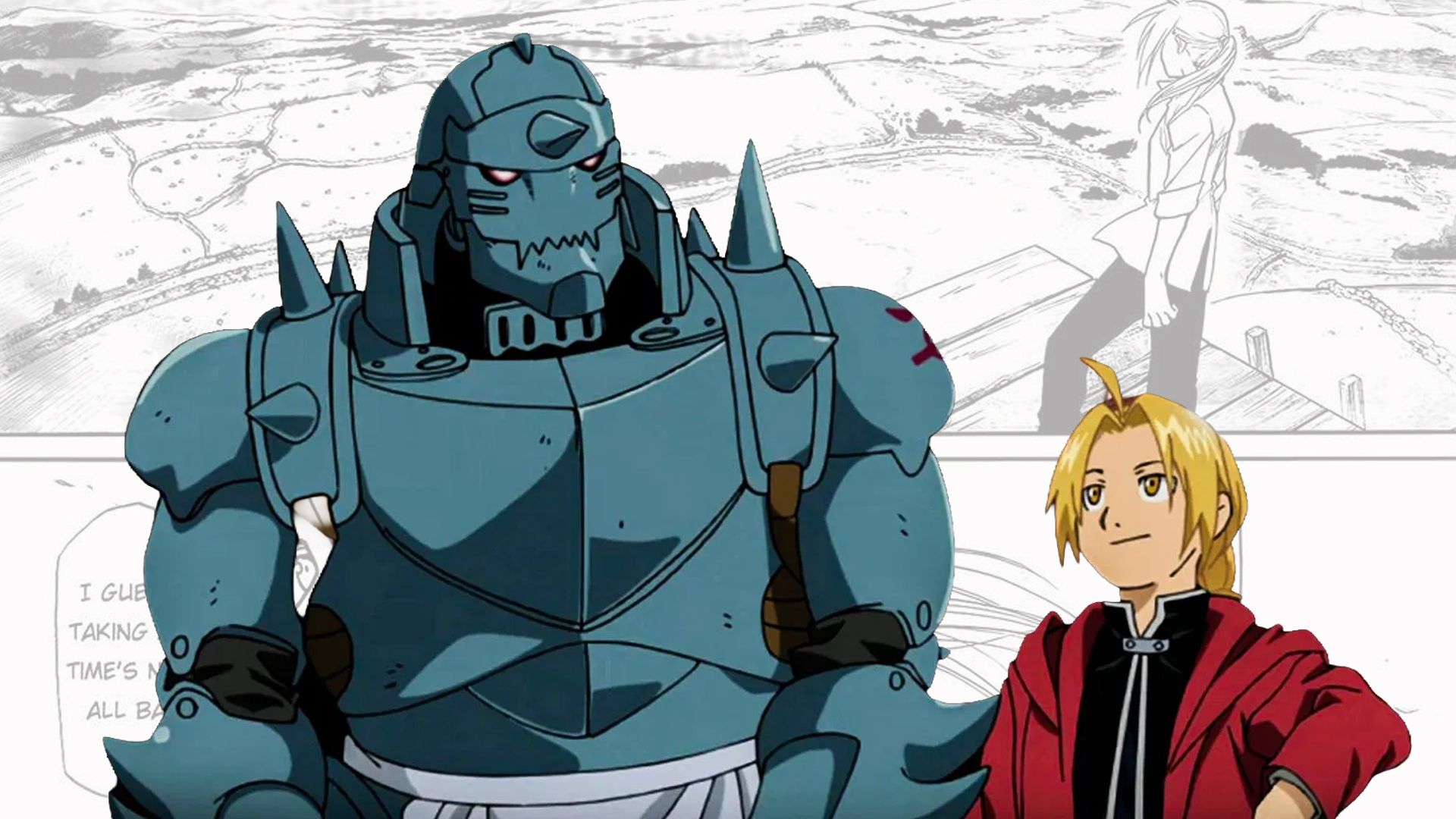
Fullmetal Alchemist Links Human Suffering to the Laws of Alchemy and Politics
One of the things that makes Fullmetal Alchemist so strong is that every moment feels important. The story never stalls because each scene moves both the plot and its central ideas forward. The concept of ‘Equivalent Exchange’ – the idea that everything has a cost – isn’t just a rule within the alchemy of the world, it’s the core of the entire narrative. From the sacrifices characters make to the reasons villains act the way they do, and even the terrible things happening in the country of Amestris, everything ultimately connects back to someone attempting to break this fundamental rule.
Arakawa’s research went beyond the fictional world of alchemy, delving into real-life tragedies and the experiences of refugees and war veterans. This grounding in reality gives the political conflicts in Fullmetal Alchemist genuine weight, making it more complex than typical action-adventure stories and contributing to the villains’ captivating nature.
Read More
- Off Campus Season 1 Soundtrack Guide
- Chainsaw Man Volume 24’s Cover Art Reveals a Brand-New Denji
- X-Men ’97 Finally Gave Gambit the Hero Moment He Deserved
- 46 Years Later, The Mandalorian & Grogu Answers A Major Empire Strikes Back Question
- HoI4 fans harsh reactions to the announcement of another DLC pack
- 10 Worst End-Game Couples In Sitcom History
- Gold Rate Forecast
- DoorDash responds after customer uses AI to make food look bad and get a refund
- Emily Henry Says to ‘Trust the Vision’ For Beach Read Adaptation
- Hatsune Miku cosplayer goes viral selling $15 cups of “foot juice” to thirsty anime fans
2026-05-10 04:45