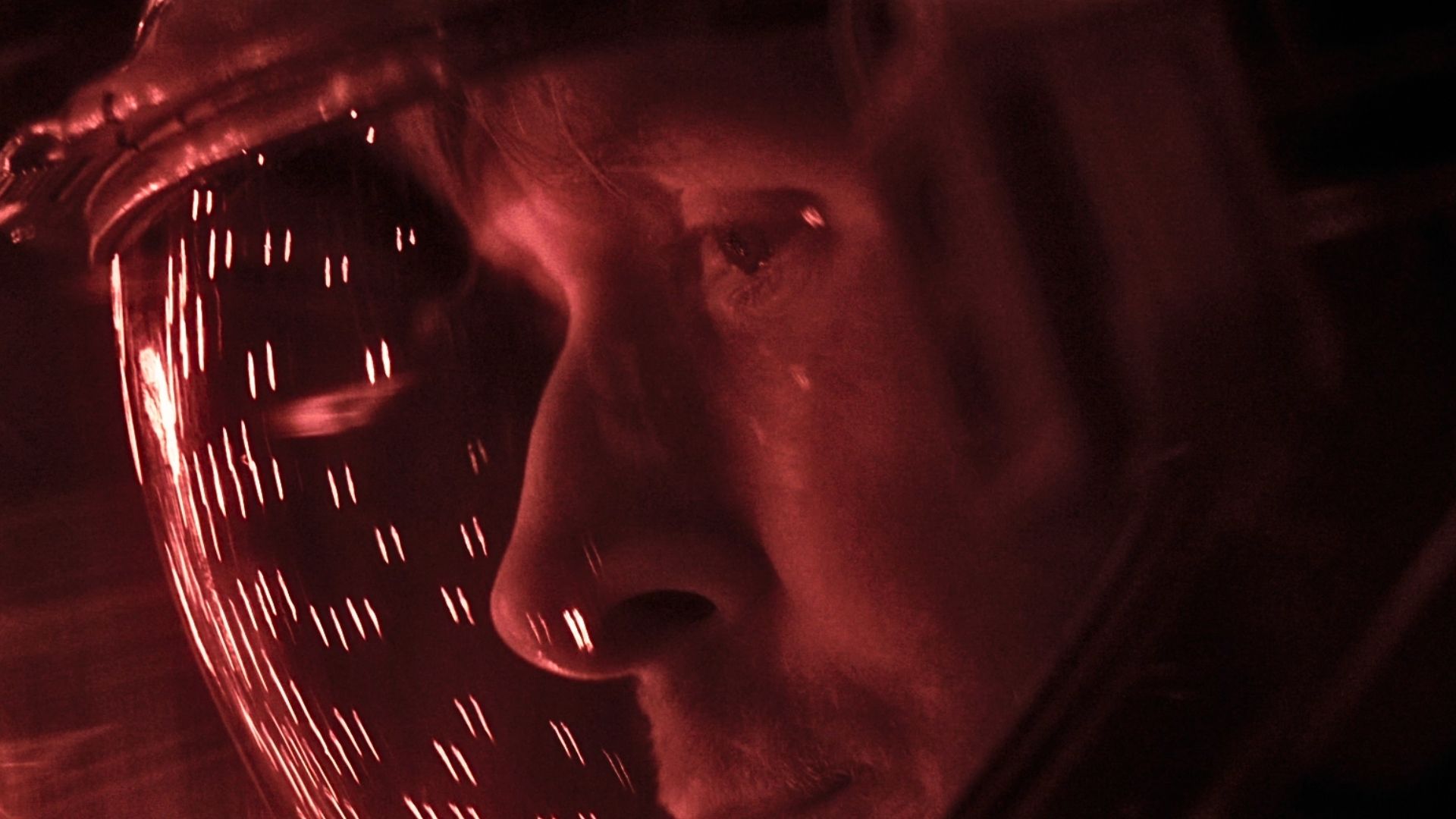
Honestly, I never saw this coming. A genuinely hard sci-fi film – about a solitary science teacher and an alien that looks like a spider, no less – becoming the year’s biggest original hit? It’s astonishing. Three weeks in, and Project Hail Mary has already raked in over $443 million globally, surpassing Interstellar and even challenging Gravity’s numbers. The buzz is incredible – critics are calling it a beautiful blend of intelligence and emotion, and people are actually returning to theaters for repeat viewings. In 2026, for a high-budget, standalone sci-fi film, that’s a monumental achievement.
The praise for this movie is well-deserved; it fully embraces its science-fiction roots. Andy Weir’s original novel was meticulously researched, and the film maintains that commitment to scientific accuracy – from the astrophage to the details of space travel. Importantly, the filmmakers didn’t simplify any of that for a wider audience. Rocky is fantastic, and Gosling delivers a strong performance. However, while Project Hail Mary is successful, it’s not the first, nor the best, film to combine realistic science with a compelling survival story. Many other movies have explored similar themes with more originality or boldness. Here are ten examples.
‘Moon’ (2009)
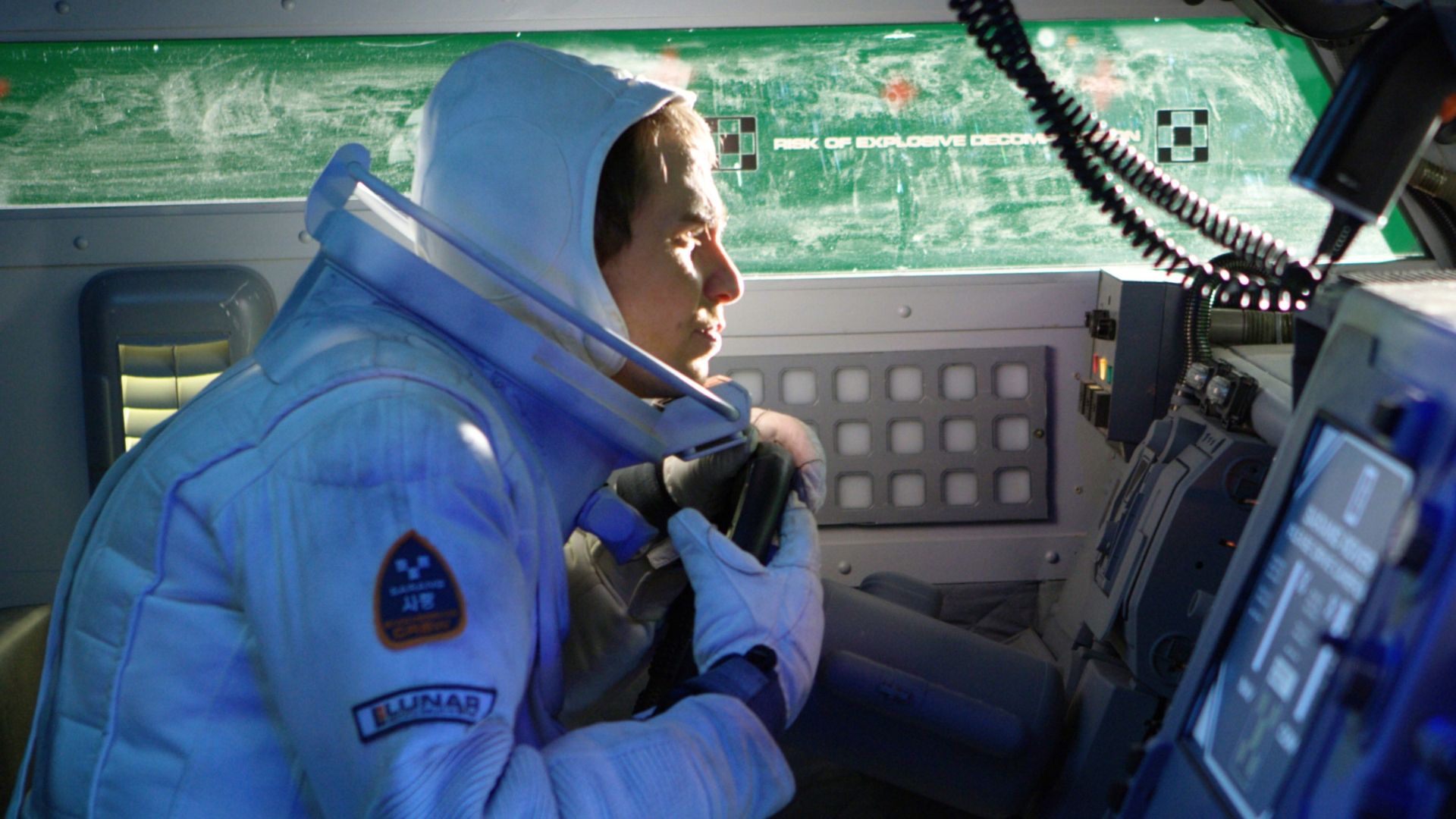
Duncan Jones’s first film, Moon, puts the audience right alongside Sam Rockwell as he spends the entire movie alone on the dark side of the moon, and you quickly feel his intense isolation. The story follows Sam Bell, who is nearing the end of a three-year mission mining helium-3. Just two weeks away from returning home, something unexpected happens. His only companion is GERTY, an AI voiced by Kevin Spacey, and GERTY surprisingly avoids the typical menacing AI tropes seen in films like 2001: A Space Odyssey.
The idea of mining helium-3 on the Moon, as explored in the film Moon, is rooted in real aerospace science, particularly the work of Robert Zubrin. This isotope is found in significant amounts in lunar soil and could be a valuable fuel source for fusion power. The film pays meticulous attention to detail, from the space station itself to the equipment, communication issues, and even the everyday life of the main character. Moon received critical acclaim, including a Hugo Award, a BAFTA nomination, and a 90% rating on Rotten Tomatoes, largely thanks to Sam Rockwell’s outstanding performance.
‘Arrival’ (2016)
Most alien films center around whether extraterrestrials are dangerous. However, Arrival takes a different approach. Directed by Denis Villeneuve and based on a story by Ted Chiang, the film follows linguist Louise Banks (played with incredible depth by Amy Adams) as she attempts to understand the language of visiting aliens. The central question isn’t about invasion, but whether understanding their language could change how we perceive time itself. Unlike typical alien movies, Arrival emphasizes communication and how we understand the world around us.
As a total cinema lover, I was really struck by how carefully and accurately Arrival depicted the process of learning a completely alien language – the Heptapods’ language, Heptapod B. It wasn’t just made up; the filmmakers actually consulted with three linguists from McGill University! Amy Adams even worked directly with a leading syntax expert, Jessica Coon, to get the nuances right for her performance. What’s even more fascinating is how the movie explores the idea that language shapes our perception of reality – the Sapir-Whorf hypothesis. Arrival takes that concept to an incredible level, showing Louise essentially learning to think outside of time as she masters Heptapod B, letting her experience the past and future all at once. It’s a really thought-provoking concept, beautifully portrayed.
‘Blade Runner'(1982)

As a huge film fan, I always say Ridley Scott’s Blade Runner isn’t just a movie, it’s an experience. It takes place in a beautifully bleak, rain-drenched Los Angeles of 2019, and follows Rick Deckard, played by Harrison Ford, as he tracks down these incredibly realistic bioengineered humans – replicants – who’ve gone rogue. The story itself is fairly straightforward, but what really makes it special is the incredible atmosphere and its exploration of what it means to be human. Those neon-lit cityscapes, Vangelis’ haunting music, and Rutger Hauer’s performance as Roy Batty… honestly, his final speech – “I’ve seen things you people wouldn’t believe” – is still one of the most powerful and unforgettable moments in science fiction, even today.
The movie Blade Runner is based on Philip K. Dick’s novel Do Androids Dream of Electric Sheep? and its futuristic world draws heavily from the early 1980s. This was a time of rapid advancements in genetics – things like DNA research, gene cloning, and the birth of genetic engineering companies – and the film’s creators, led by Scott, used these developments to shape the replicants and the anxieties surrounding them. Interestingly, the film’s replicant detection test, the Voight-Kampff, still feels relevant today. While Blade Runner received mixed reviews and wasn’t a big hit when it first came out, it has since become a highly regarded classic.
‘The Andromeda Strain’ (1971)
Michael Crichton’s novel, The Andromeda Strain, was brilliantly adapted into a film by Robert Wise. The story starts with a satellite falling to Earth in New Mexico, releasing a dangerous microbe from outer space. A team of scientists then works against the clock in a state-of-the-art underground laboratory to stop it from spreading. The film’s clean, clinical environments, smart storytelling, and intense atmosphere make it feel more like a realistic disaster report than a typical thriller.
Michael Crichton wrote The Andromeda Strain while studying at Harvard Medical School, and his medical background is evident in the book’s realistic details. The story accurately depicts scientific procedures, features genuine lab equipment, and even incorporates actual laboratory sounds recorded by composer Gil Mellé. This novel is widely considered the first techno-thriller, launching Crichton into ongoing discussions about science, safety, and how institutions handle crises. Given recent events, the book feels particularly relevant today.
‘Gattaca’ (1997)
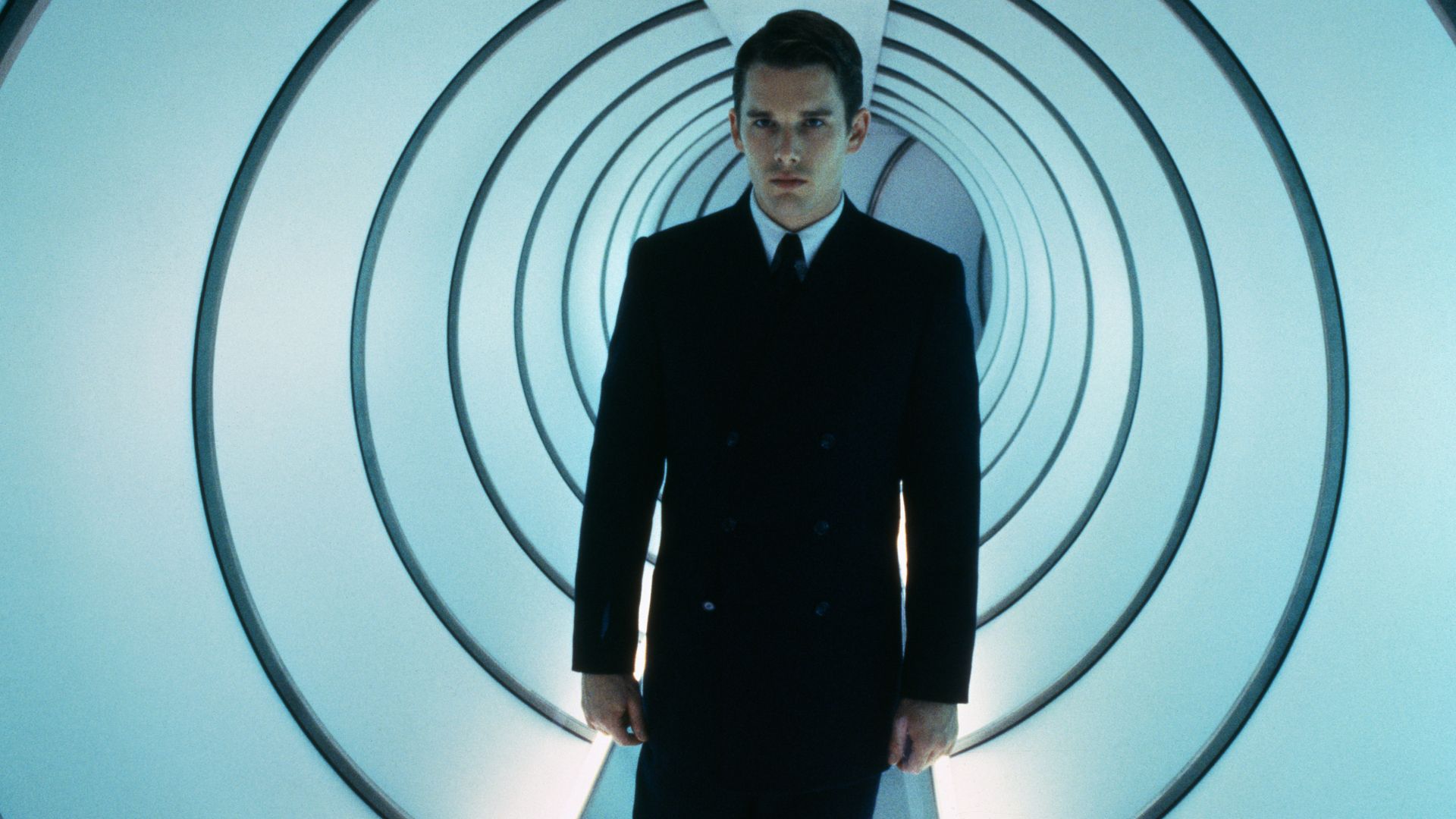
The film Gattaca presents a chillingly plausible future where a person’s genetic makeup determines their fate. Vincent Freeman (Ethan Hawke), born the ‘old-fashioned’ way and considered genetically flawed, longs to become an astronaut, but faces constant barriers due to discrimination. Unable to achieve his dream legitimately, he buys the identity of Jerome Morrow (Jude Law), a gifted athlete who is now paralyzed, and embarks on a compelling journey that highlights the power of determination.
The film Gattaca‘s title is made up of the letters G, A, T, and C – the building blocks of DNA. This isn’t just a clever touch; director Andrew Niccol is signaling how scientifically accurate the movie is. In fact, the science is so believable it can be unsettling. A 2011 poll even named it the most realistic science fiction film, with NASA scientists voting it number one. Although it wasn’t a box office success, earning only $12.5 million on a $36 million budget, Gattaca has become increasingly relevant over the years.
‘Solaris’ (1972)
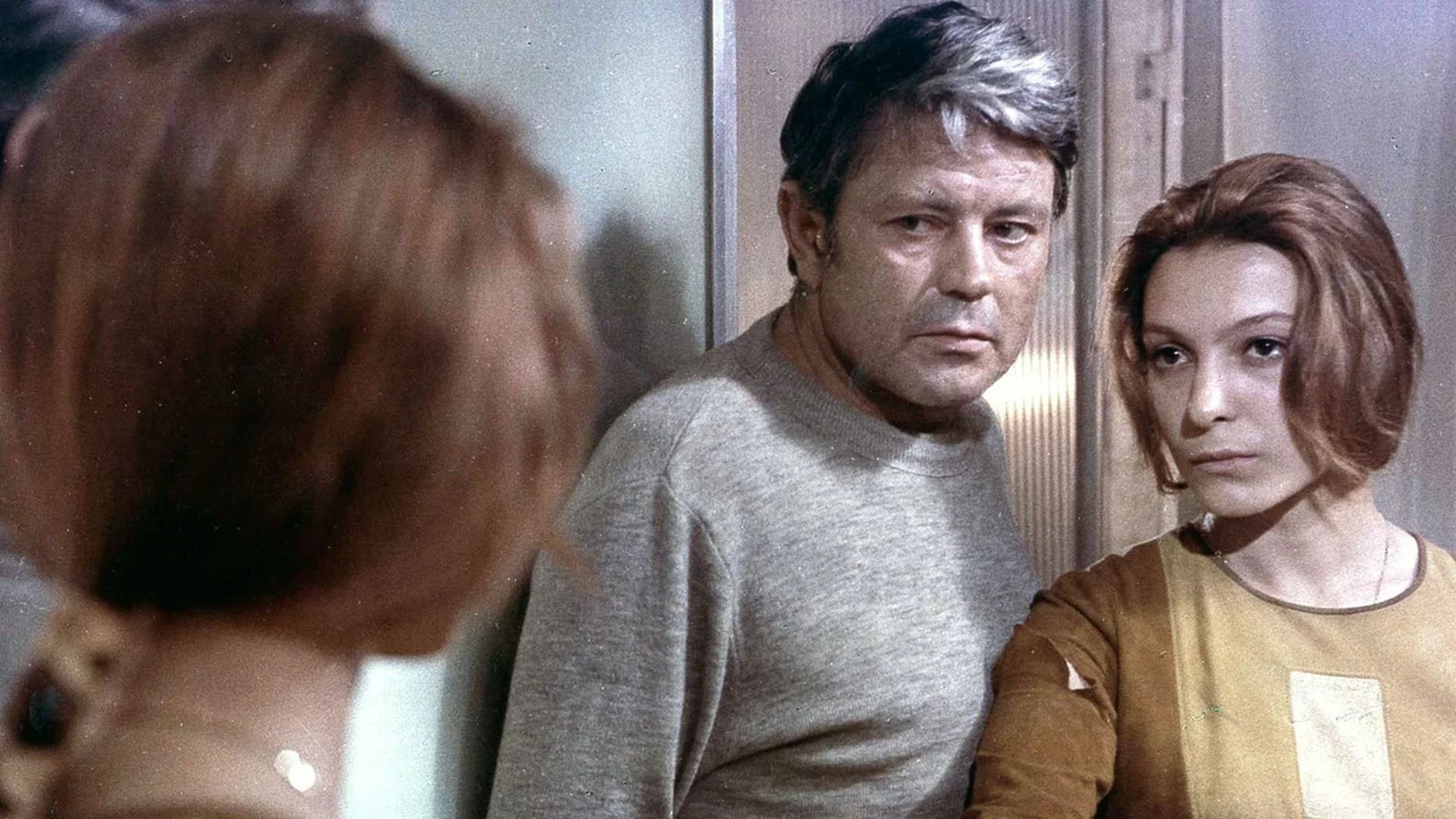
Andrei Tarkovsky created Solaris as a direct response to 2001: A Space Odyssey. He felt Kubrick’s film prioritized spectacle and technology over meaningful questions. Tarkovsky then adapted Stanisław Lem’s 1961 novel, telling the story of psychologist Kris Kelvin, who is sent to a deteriorating space station above the ocean planet Solaris to investigate the mental breakdown of its crew.
Okay, so I recently watched Solaris, and wow. It starts with this investigator, Kris, walking into a total mess – a dead colleague and just general confusion. Then, things get really strange when his wife shows up, even though she’s… well, it’s complicated. The planet itself, Solaris, is the key. It’s not about spaceships or lasers; it’s about what’s going on inside our heads. Solaris actually reads your mind and brings your deepest, most buried memories to life – as real, physical people. And these aren’t just illusions! They’re solid, they feel pain, and you can’t just make them disappear. Tarkovsky wasn’t trying to create a flashy sci-fi action movie; he wanted to explore what it means to be human. It’s hard to pin down to one specific genre, but it’s consistently ranked among the best sci-fi films ever made, and honestly, I completely get why. It’s a deeply affecting and thought-provoking experience.
‘WarGames’ (1983)
Today, we understand the biggest threats aren’t in space, but online. Back in 1983, this idea was both frightening and thrilling. The country was already worried about nuclear war and job losses due to automation, and teenagers were becoming computer experts. The film WarGames perfectly captured this 80s atmosphere, telling the story of David Lightman (played by Matthew Broderick), a teenager who unintentionally hacks into a top-secret military computer and nearly starts a nuclear war.
When Broderick made this film at age 19, his natural connection with Ally Sheedy became its greatest strength. They convincingly portrayed teenagers navigating life while the world around them seemed on the brink of chaos. WarGames was a financial success, earning $79.5 million and receiving Academy Award nominations for its writing, visuals, and sound design. Its impact was so significant that when the 414s hacker group broke into Los Alamos National Laboratory later that year, the incident was immediately dubbed “the WarGames case” by the media, showing how quickly the film entered the public consciousness.
‘The Martian’ (2015)
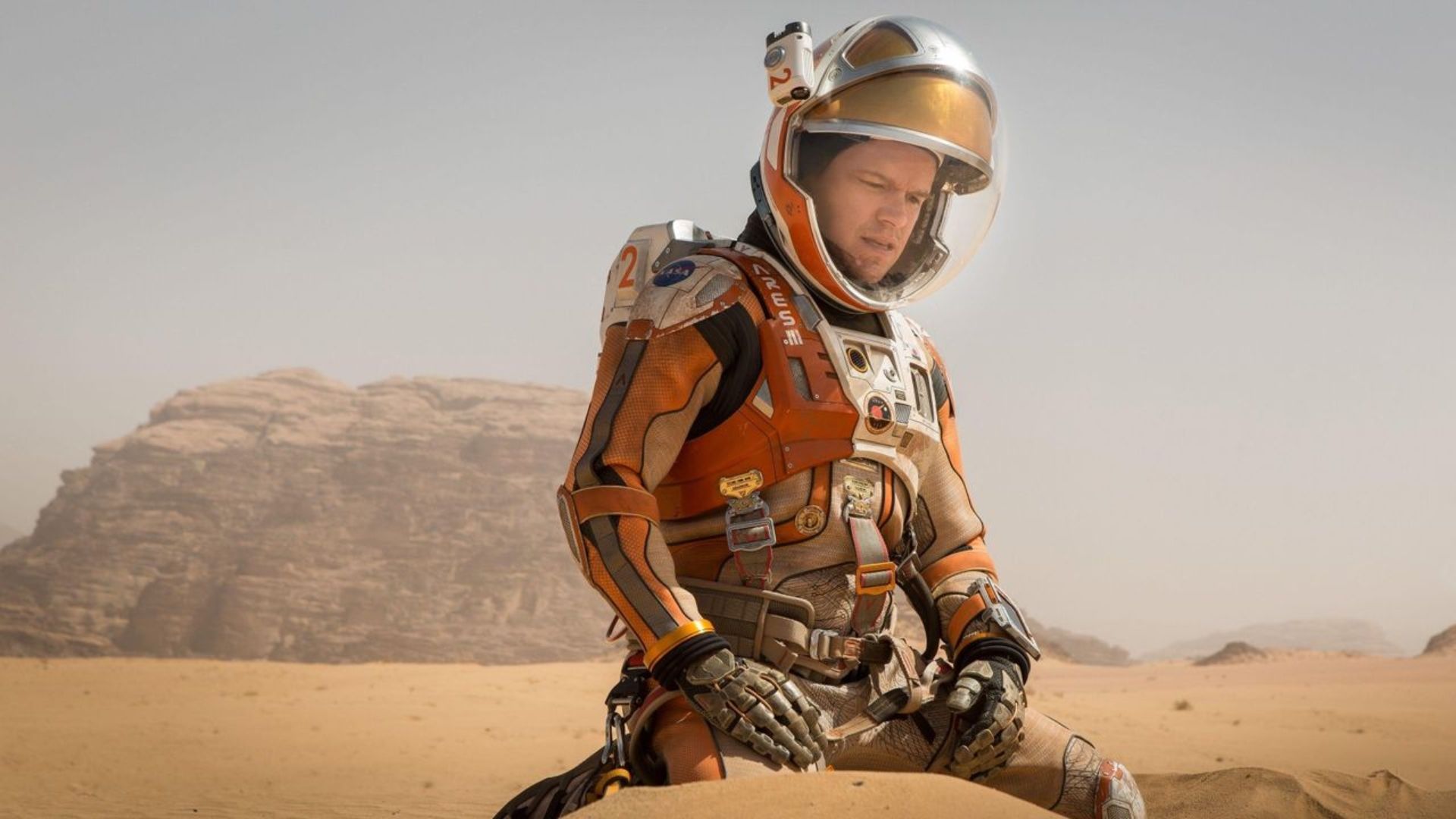
Ridley Scott’s The Martian is a thrilling survival story grounded in realistic science. Matt Damon gives a fantastic performance as Mark Watney, an astronaut who gets left behind on Mars during a storm. The film expertly blends humor and suspense, making it captivating to watch Watney use his ingenuity to grow food, conserve resources, fix equipment, and stay alive long enough for a rescue mission to be launched. It’s surprisingly fun to watch him problem-solve his way through such a desperate situation.
As a big fan of both space exploration and The Martian, I was fascinated to learn that NASA actually partnered with the International Potato Center back in 2016 to see if they could grow potatoes in simulated Martian soil! They had success with a variety called ‘Unique’, which is incredible. What really blew me away about the movie, though, is how dedicated Scott was to getting the details right. He didn’t just get the gravity and radiation levels accurate, but even factored in things like communication delays and spacesuit limitations. And get this – he added twelve days to the crew’s stay on Mars because his calculations showed they wouldn’t produce enough… well, waste… for Mark Watney’s potato farm with just six days! That level of commitment to realism is just amazing.
‘2001: A Space Odyssey’ (1968)
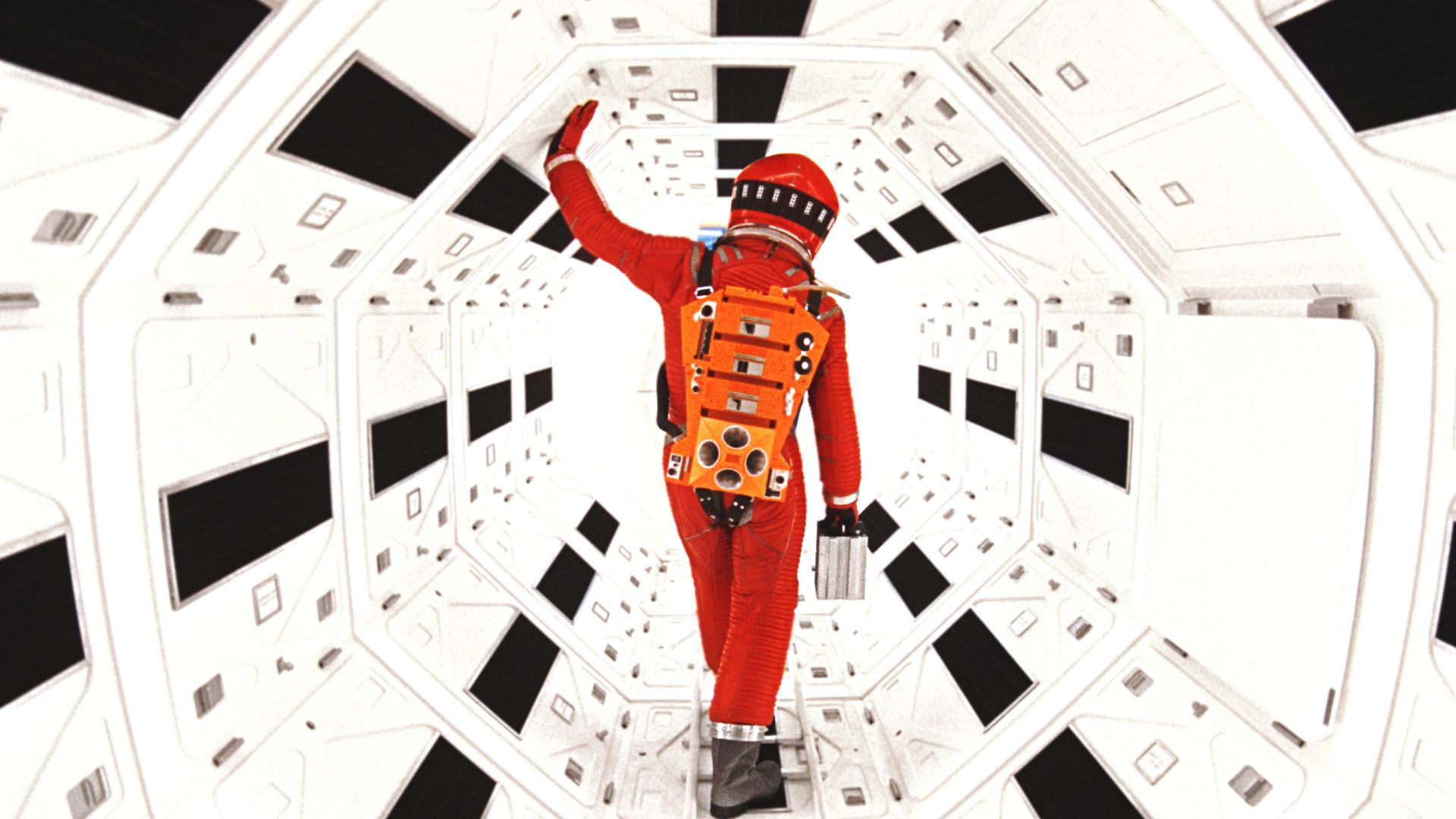
I’ve always been amazed by how much effort Kubrick put into ‘2001: A Space Odyssey’! He was genuinely worried that the actual moon landing would come out before his film and make it look unrealistic. To avoid that, he brought in real NASA experts, Frederick Ordway and Harry Lange, as consultants. He even spent a fortune – about $5 million in today’s money – to build this incredible rotating machine on set that simulated gravity. And get this – he was adamant that the spacecraft had to feel real, moving silently and obeying the laws of physics, not like some noisy rocket ship. It was all about authenticity for him, and it really shows.
The film, co-written with Arthur C. Clarke, follows astronauts Dave Bowman and Frank Poole on a mission to Jupiter aboard the ship Discovery One, guided by the intelligent computer HAL 9000. “2001: A Space Odyssey” quickly became a landmark achievement. Beyond its scientific accuracy, it essentially created the modern sci-fi blockbuster, inspiring filmmakers like George Lucas with its grand scale, and continues to be uniquely impactful even today.
‘Interstellar’ (2014)
Another hard sci-fi film that rivals Project Hail Mary is Christopher Nolan’s Interstellar. The movie centers on Cooper, played by Matthew McConaughey, a pilot who becomes an astronaut on a crucial mission: to locate planets where humans can live outside our solar system. Featuring a strong supporting cast including Anne Hathaway, Jessica Chastain, and Michael Caine, the film powerfully depicts the effects of time dilation in a memorable scene on the planet Miller.
The emotional impact of Cooper’s return in Interstellar – finding Brand aged and seeing 23 years of drone footage – feels authentic because the film is grounded in real science. Director Christopher Nolan consulted with theoretical physicist Kip Thorne, a long-time expert on black holes and wormholes, to ensure the film’s depiction of space was as accurate as possible. They exchanged around 1,000 detailed emails and created a simulation of the black hole, Gargantua, resulting in a visually stunning and scientifically plausible portrayal. Interstellar doesn’t just depict space; it allows you to experience its immense scale, inherent risks, and breathtaking beauty.
Do you have a hard sci-fi favorite you think beats Project Hail Mary? Comment below.
Read More
- United Airlines can now kick passengers off flights and ban them for not using headphones
- Solo Leveling’s New Manhwa Chapter Revives a Forgotten LGBTQ Story After 2 Years
- The Boys Season 5 Spoilers: Every Major Character Death If the Show Follows the Comics
- Grok’s ‘Ask’ feature no longer free as X moves it behind paywall
- How to Get to the Undercoast in Esoteric Ebb
- ‘Timur’ Trailer Sees Martial Arts Action Collide With a Real-Life War Rescue
- Invincible Season 4 Episode 6 Release Date, Time, Where to Watch
- TikToker’s viral search for soulmate “Mike” takes brutal turn after his wife responds
- Nintendo Officially Rewrites Princess Peach After 41 Years
- Mewgenics vinyl limited editions now available to pre-order
2026-04-13 02:07