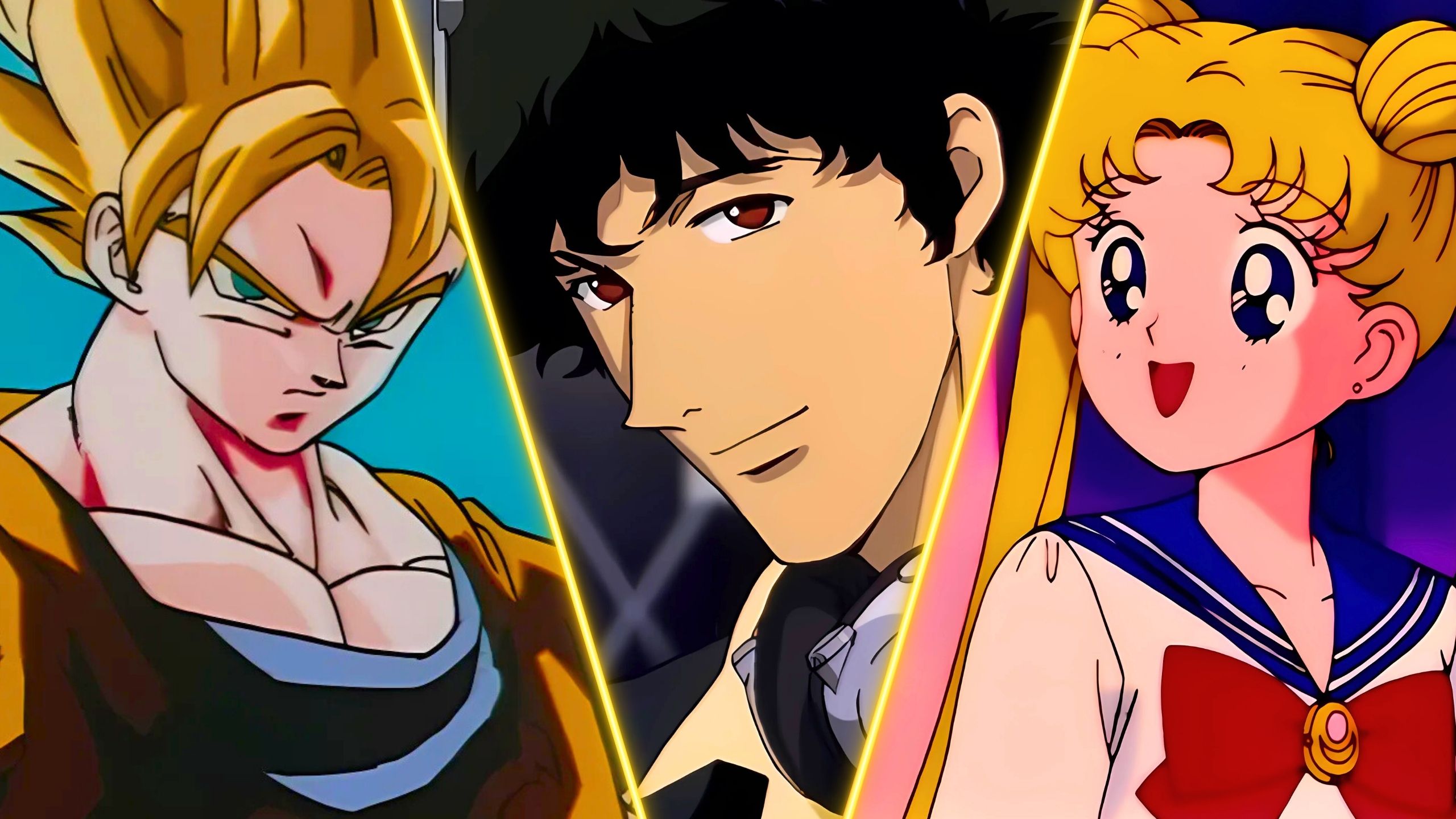
The 1990s saw storytelling evolve in surprising ways. Instead of just aiming to entertain, creators began crafting deeply personal and thought-provoking narratives filled with genuine emotion and innovative ideas.
Shows like Cowboy Bebop explored complex themes of what it means to be human, the problems with society, and feelings of uncertainty. They weren’t afraid of complicated, unresolved endings, and those thought-provoking stories continue to resonate with viewers. Because of this, these exceptional works established a high bar for quality that remains difficult for later shows to reach.
Cowboy Bebop Excavated Loneliness as a Brilliant Sci-Fi Western
Cowboy Bebop wasn’t just a series of bounty hunter adventures; it created incredibly touching stories about characters trying to escape their histories. Director Shinichiro Watanabe brilliantly blended film noir, jazz music, and western themes, resulting in a show where the atmosphere of each episode reflects the emotional state of the main characters – Spike Spiegel, Jet Black, Faye Valentine, and Ed. The show relies on feeling, quiet moments, and subtle actions to convey its meaning, rather than lengthy dialogue.
Throughout its entire run, Cowboy Bebop carefully builds to a deeply moving conclusion. The series feels vibrant because every artistic decision emphasizes the crew’s loneliness. Cowboy Bebop demonstrates that exciting action and a cool atmosphere can powerfully convey themes of found family, regret, and the struggle to let go, all set to an incredibly smooth soundtrack and animation.
Berserk Constructed Dark Fantasy Tragedy Through Griffith’s Charismatic Betrayal
The power of Berserk lies in how its tragedies aren’t abrupt or random. They feel like the natural result of time and deeply developed relationships. The story invests so much time in building connections between characters and creating a believable world, that when things fall apart, it doesn’t feel shocking—it feels inevitable, like something gradually breaking under pressure.
Miura portrays Guts not as a puppet of fate, but as someone burdened by the weight of his own decisions. His choices and struggles are meaningful, and even his desire to forge his own identity, separate from Griffith, contributes to the unfolding consequences rather than offering an easy way out. This creates a story where characters aren’t simply good or evil, and the tragedy isn’t caused by a single event, but by a series of accumulating factors.
Trigun Slowly Revealed The Tragedy Beneath Vash’s Smile
At first, Trigun seems like a funny, action-packed show with a goofy main character, Vash the Stampede, who always finds himself in trouble. But as the story unfolds, it reveals a deeply troubled man burdened by guilt and sadness. The series gradually shows what happened in Vash’s past, explaining why he avoids taking a life, and peeling back the layers of his cheerful personality.
What makes Trigun stand out is that it doesn’t portray pacifism as simple or effortless. The main character, Vash, constantly faces hardship, loss, and cruelty, all while striving to maintain his compassion and belief in mercy. This blend of humor and serious emotional weight creates a memorable and lasting impression. Ultimately, Trigun evolves into a profoundly moving story exploring themes of forgiveness, morality, and the difficult price of maintaining hope.
Revolutionary Girl Utena Weaponized Shojo Conventions Against Themselves
I absolutely love how Revolutionary Girl Utena takes classic fairytale tropes and subtly twists them into something really unsettling, but it doesn’t feel like it’s just trying to tear those stories down. At first, it seems like a pretty standard school drama, but it quickly becomes this weird, cyclical world where the characters are stuck playing parts they don’t even realize they’re in. That feeling of everything repeating gives the show this incredible emotional depth – it’s like nothing ever quite gets the satisfying conclusion you’re hoping for, and it just stays with you.
I just love how Revolutionary Girl Utena feels. It’s hard to put into words, but the show has this really distinct atmosphere that stays with you. It’s constantly switching between being romantic, super dramatic, and totally surreal, but it never feels random – it’s like it’s deliberately messing with your expectations. It doesn’t try to give you easy answers, which I appreciate. Instead, it’s comfortable with being confusing and open-ended, making you realize that even those seemingly sweet and innocent shojo tropes aren’t as simple as they appear. It really makes you think.
Yu Yu Hakusho Evolved the Battle Shonen Genre With an Emotional Twist
Unlike many action anime from the 1990s, Yu Yu Hakusho focused on more than just powerful fighting. The series follows Yusuke Urameshi, a troubled teen who is forced to grow up as he faces difficult challenges, and these battles make him deal with his own flaws and weaknesses. Yu Yu Hakusho portrays this development as a difficult, complicated, and very personal process, not just a matter of getting stronger.
What really makes Yu Yu Hakusho so memorable, for me, is how its biggest fights always show us the hidden weaknesses of the characters. Take Kuwabara, for instance – he acts so tough, but you can see he’s actually pretty insecure. And Hiei? He puts up this cold, arrogant front, but it’s clear he’s really just lonely. Even the Dark Tournament, which is huge and action-packed, works so well because you feel like what’s happening to the characters matters more than who actually wins.
Slam Dunk Turned Adolescent Chaos Into Genuine Purpose as the 90s’ Best Sports Series
Despite its funny and fast-paced nature, Slam Dunk is a genuinely touching story about growing up and finding self-respect. Hanamichi Sakuragi begins as a reckless and aimless troublemaker, but basketball slowly gives him something to be proud of and a reason to keep going. Because he struggles and never gives up, his progress feels realistic and truly satisfying.
What truly makes Slam Dunk stand the test of time is how believable its wins and conflicts are. The games aren’t about over-the-top action, but about hard work, teamwork, and genuine emotion, making every scene feel impactful. Beyond being a sports anime, Slam Dunk beautifully portrays the clumsy enthusiasm of being young and the gradual journey of self-discovery.
Betterman Merged Body Horror With Jungian Psychological Dread
Instead of focusing on traditional heroic themes, Betterman explores fear and body horror, making it stand out as one of the most impactful anime of the 1990s. Unlike many other mecha anime from that era, this series delves into the flawed and fragile nature of humanity, using intense visuals and symbolism inspired by the work of Carl Jung to create a sense of unease and isolation.
Honestly, Betterman didn’t give me the epic robot battles I expected, but something much more interesting. It really tapped into that ’90s vibe of wanting to wrestle with weird and challenging concepts that you just didn’t see on most TV shows. It’s a really haunting take on robots, and it stuck with me – I’m still left with this unsettling feeling about where humanity is headed. It’s definitely a show that makes you think.
Neon Genesis Evangelion Delivers Giant Robots, Mystery, and Timeless Style
Neon Genesis Evangelion remains popular because it tackles difficult themes like loneliness, self-doubt, and the challenges of connecting with others, all within the exciting setting of a mecha apocalypse. The main character, Shinji Ikari, isn’t a typical brave hero; he’s a relatable boy who constantly questions his own value and struggles to trust people’s motives. This honesty and vulnerability give the story a powerful emotional impact that sets it apart from most anime.
As the series unfolds, the giant robots, called Evas, begin to mirror the feelings of the pilots who control them. Instead of just being action-packed, each battle starts to reveal deeper issues like fear, loneliness, and hopelessness. Ultimately, Neon Genesis Evangelion moves away from typical storytelling and bravely forces its characters to grapple with difficult emotions, questions about who they are, and the fundamental human desire for connection, all with a raw and honest approach.
Sorcerous Stabber Orphen Deconstructs Fantasy Heroism Through Quiet Tension
Most fantasy anime from the 1990s centered around epic heroes and grand destinies, but Sorcerous Stabber Orphen felt different. It presented magic as something complex and flawed – more about politics, risk, and difficult emotions than simple spells and wonders. The world in Orphen is haunted by the past, shaped by errors people haven’t forgotten or overcome. Rather than overwhelming viewers with intricate backstory, the show creates suspense through troubled connections and lingering historical issues.
What makes Orphen different is that he’s not your typical optimistic hero. He’s cynical, and that’s earned through his past experiences. This creates a surprisingly genuine, though sometimes strained, connection with characters like Azalie and Majic Lin. The humor isn’t over-the-top; it’s more based on relatable frustration and the characters’ clashing personalities. This gives the series a uniquely weathered and emotional feel, even after all these years.
Dragon Ball Z Perfected Power Escalation Through its Iconic Characters
Dragon Ball Z isn’t just an action-packed anime; it uses its incredible battles and increasing power levels to explore themes of hard work and self-improvement. Goku’s unwavering spirit inspires those around him to become stronger, and the series adds emotional depth to the action. The intense training and fights aren’t just exciting—they show what the characters are struggling with, what they hope to achieve, and how much they’ve grown, making each win feel truly meaningful.
What really made Dragon Ball Z explode into a cultural phenomenon, for me, was its incredible balance. It could be hilariously over-the-top one minute, full of jokes and playful teasing, and then completely gut-punch you with genuine emotion – real loss, amazing sacrifice, or truly inspiring victories. And it never felt fake. That ability to switch gears and stay emotionally honest is why Dragon Ball Z still connects with people today, and why I truly consider it a ‘90s masterpiece.
Found an error? Send it so it can be corrected.
Read More
- Off Campus Season 1 Soundtrack Guide
- Chainsaw Man Volume 24’s Cover Art Reveals a Brand-New Denji
- X-Men ’97 Finally Gave Gambit the Hero Moment He Deserved
- 46 Years Later, The Mandalorian & Grogu Answers A Major Empire Strikes Back Question
- HoI4 fans harsh reactions to the announcement of another DLC pack
- 10 Worst End-Game Couples In Sitcom History
- Emily Henry Says to ‘Trust the Vision’ For Beach Read Adaptation
- Gold Rate Forecast
- Katanire’s Yae Miko Cosplay: Genshin Impact Masterpiece
- DoorDash responds after customer uses AI to make food look bad and get a refund
2026-05-11 02:51