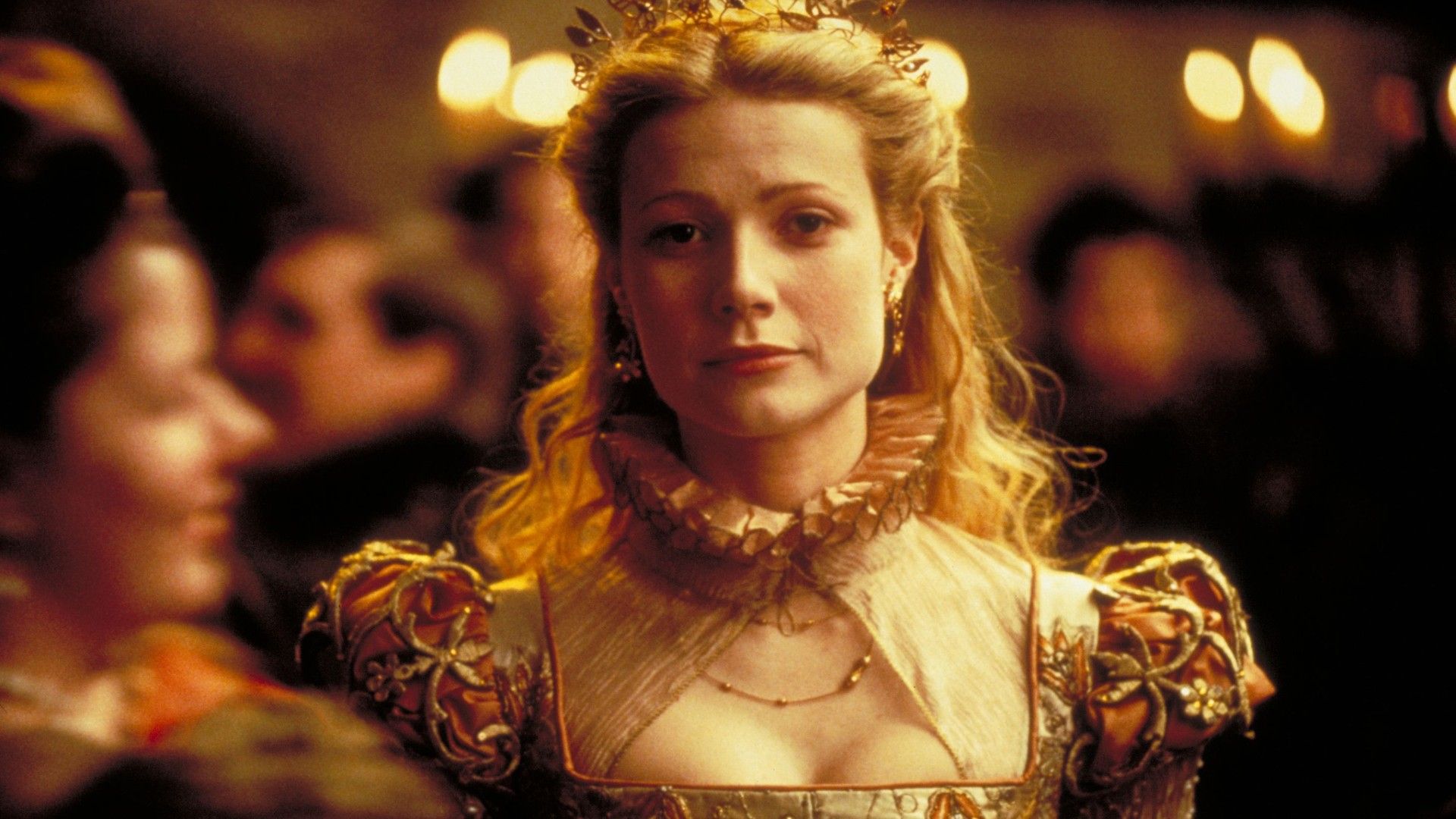
The Academy Awards aren’t perfect, and some past Best Picture winners haven’t stood the test of time. While the Oscars are highly respected, the annual ceremony often sparks debate. It’s always tricky to compare artistic works, and inevitably, some choices don’t age well.
As a movie fan, I always get a little worked up about Best Picture. It’s supposed to be the award for the best film of the year, according to the Academy, but honestly, with only a few movies even being considered, it’s hard to say if they really get it right. Some winners become instant classics, but others are met with a lot of skepticism right away. It’s always a topic of debate!
Looking back at Best Picture winners often reveals that some haven’t aged well. Sometimes the choice just seems wrong, especially when you consider the other films nominated that year. Other times, the movie’s themes or story don’t resonate with audiences today. And occasionally, the Academy’s pick is so surprising that it makes you wonder how the award is decided.
The Oscars have always had a few surprising choices, even back in the 1920s when the awards began. While it’s too early to tell which Best Picture winners from the 2020s will stand the test of time, some are bound to feel dated eventually. A few of these films are good, but they simply don’t reach the level of truly great Best Picture winners.
10. Green Book (2018)
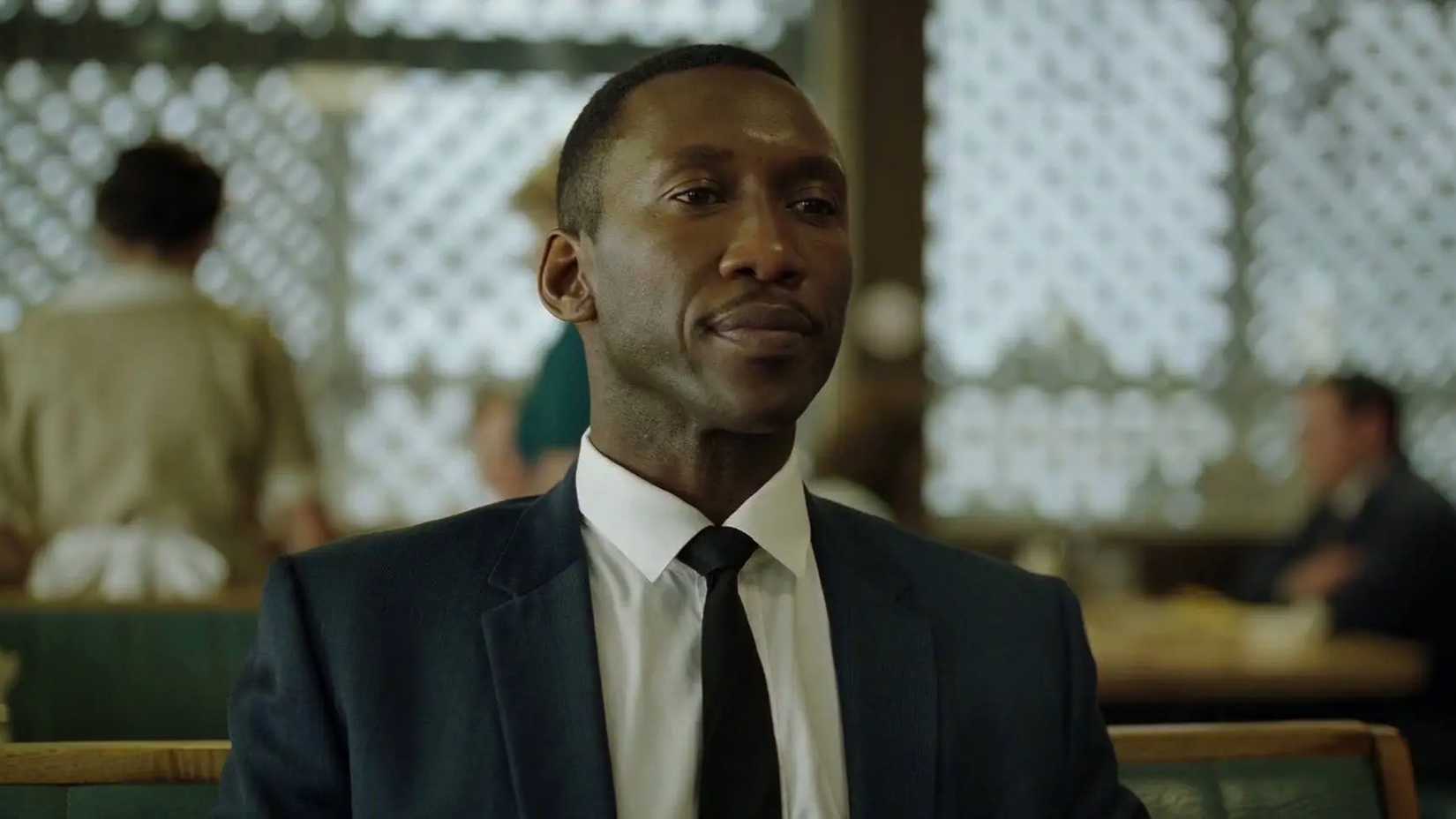
It’s now clear that Green Book wasn’t a deserving Best Picture winner. While the film had good intentions in portraying racism during the 1960s, it lacks the impact and depth of other movies that explore similar themes. The criticisms it received when it was released in 2018 seem even more justified with time.
The main issue with the film is its lack of depth and the way it portrays the Black experience through a white perspective. While this is a frequent problem in Hollywood, there’s been progress in recent years toward addressing past mistakes. Because of this, Green Book feels outdated and problematic from the start.
9. The Artist (2011)
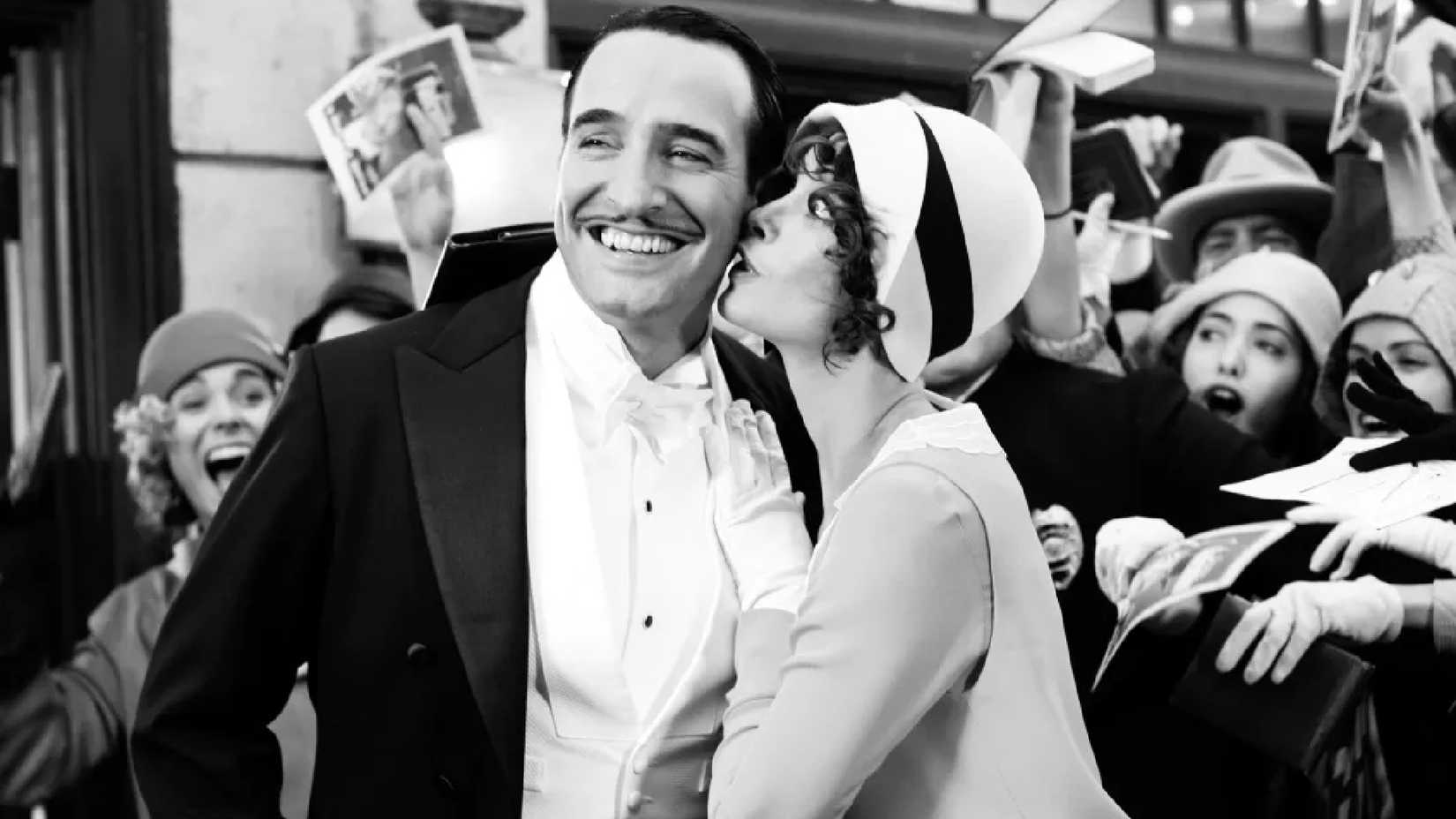
There’s nothing truly wrong with the movie The Artist; it’s actually a fun and engaging film about the world of filmmaking. It’s historically significant as the first mostly silent film to win Best Picture in decades, and it was definitely unique when it came out. However, that initial appeal doesn’t last long in today’s movie landscape.
Honestly, it’s a film from that period I rarely find myself wanting to revisit. It just didn’t seem to make much of a lasting mark on the industry, and the fact that it didn’t even make the New York Times‘ list of notable 21st-century films really speaks volumes. It always struck me that Hollywood has a soft spot for movies about Hollywood, which I think definitely gave The Artist an edge over the other contenders that year when it came to the Best Picture Oscar.
8. Crash (2004)
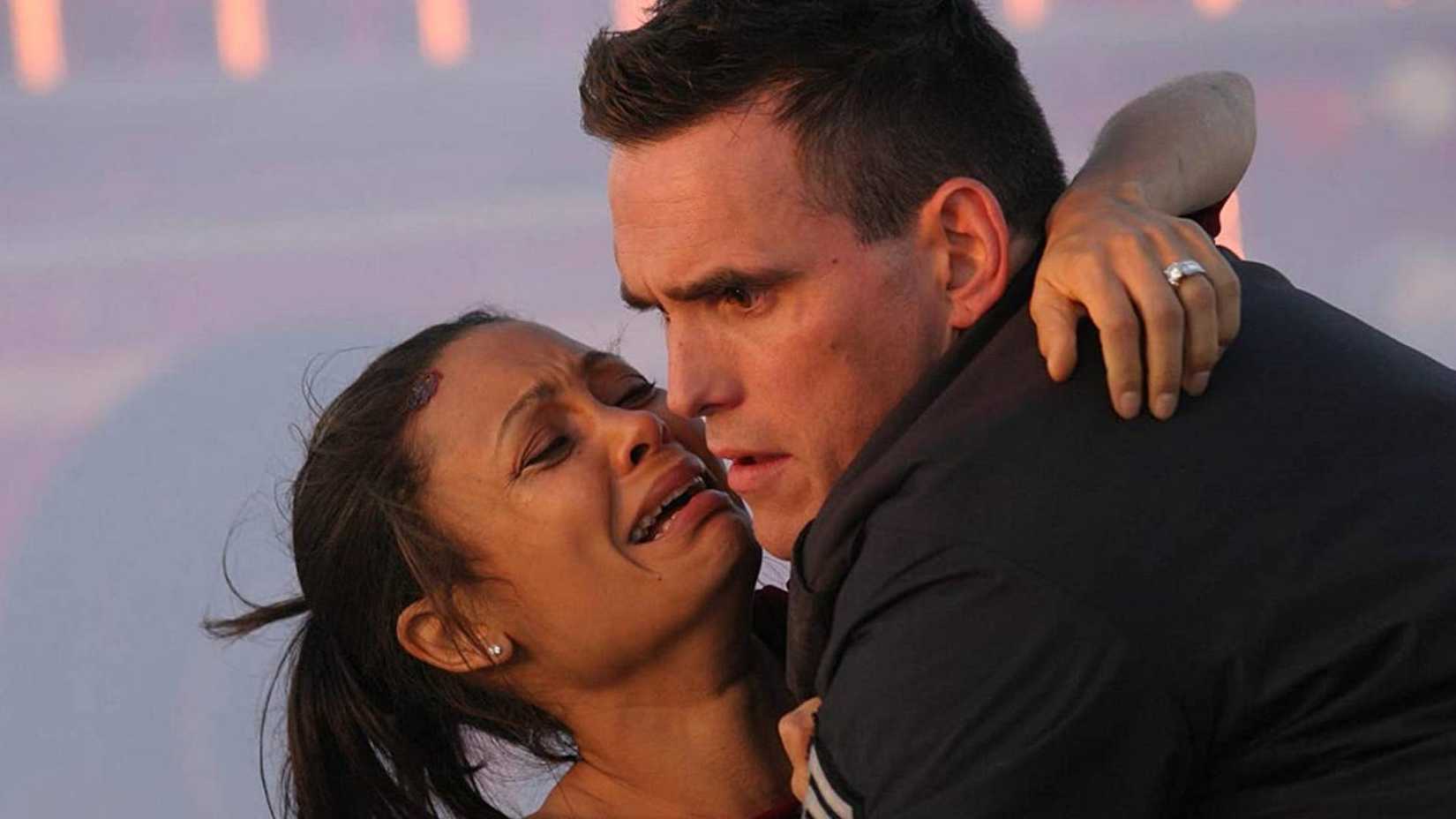
Given all the past controversies with the Academy Awards, the reaction to the 2004 winner, Crash, was particularly striking. The emotional drama unexpectedly won Best Picture over Brokeback Mountain, which many people felt was the stronger film. While Crash is a decent movie, it doesn’t really measure up to the quality of other films that have received the same honor.
When the film first came out, it was widely disliked, and opinions haven’t improved with time. Its message feels heavy-handed and obvious, lacking any nuance, which makes it a very blunt and unpleasant watch. The criticisms leveled against it when it was released still hold true today, more than twenty years later, and continue to negatively impact how people view the film.
7. Shakespeare In Love (1998)
The win for Shakespeare in Love at the Best Picture Oscars showed many people, for the first time, that the awards weren’t just about artistic merit – politics played a big role. A controversial campaign to undermine other nominees, especially Saving Private Ryan, helped the romantic comedy win, but ultimately damaged its legacy.
While Shakespeare in Love certainly isn’t a terrible movie, it’s more light and entertaining than truly groundbreaking. The fact that it’s now mostly remembered as an example of a questionable Oscar win doesn’t bode well for how it will be remembered over time. Its moment in the spotlight faded quickly after winning the award.
6. Driving Miss Daisy (1989)
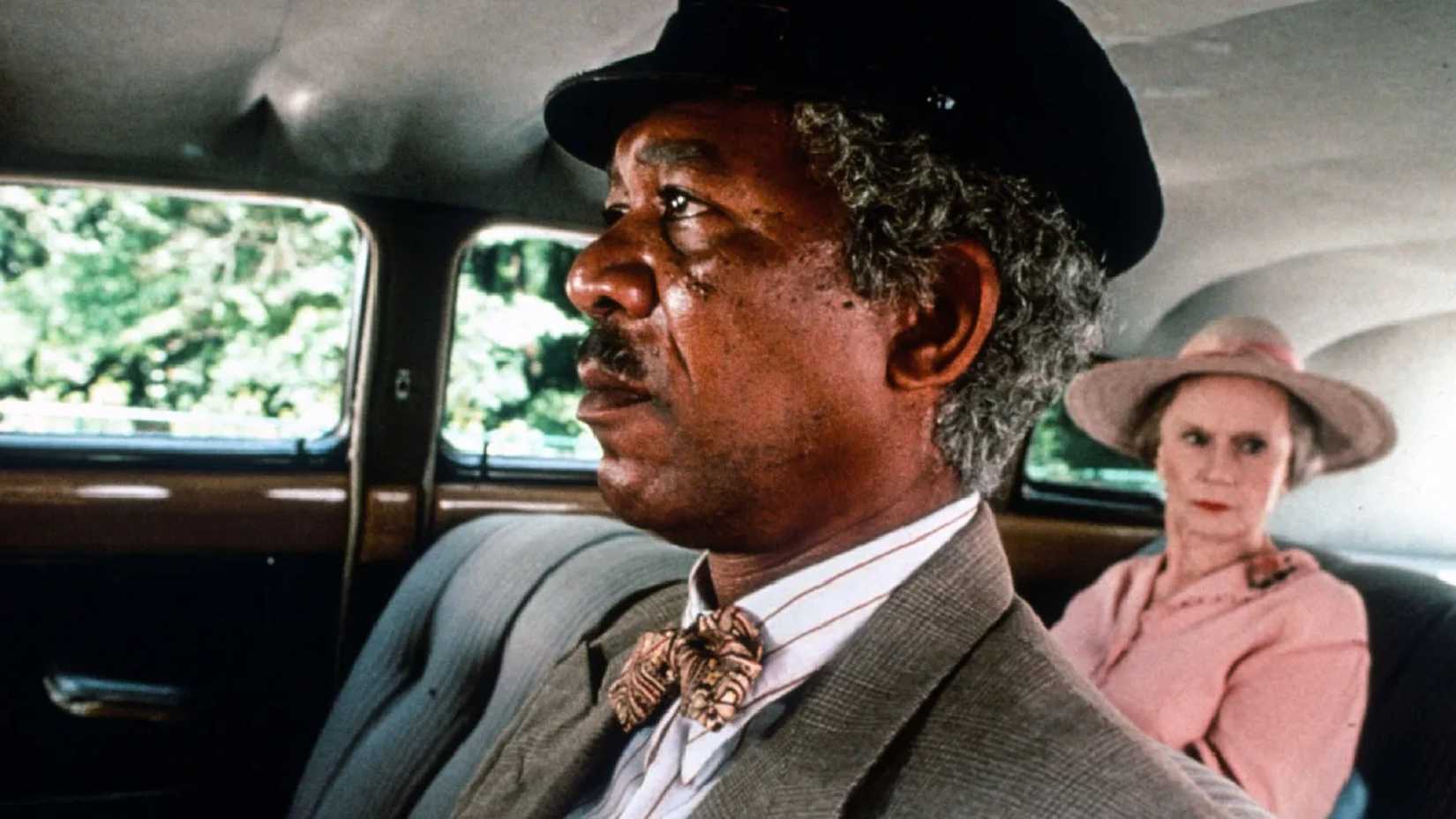
Thirty years before the film Green Book sparked debate, Driving Miss Daisy won Best Picture amidst similar controversy. While the play is still popular with local theater groups, the movie version isn’t as well-regarded. Although Morgan Freeman and Jessica Tandy give fantastic performances, the film overall feels overly staged and hasn’t held up over time.
As a film fan, I was pretty disappointed with this one. It felt like it relied way too much on tired clichés and never really dug deep into a really important and complicated topic. What’s even more frustrating is that it won when a truly groundbreaking film like Spike Lee’s Do the Right Thing, which tackles similar issues with so much more nuance, wasn’t even considered! It’s a shame the Academy didn’t seem to learn anything from the past, like with Driving Miss Daisy.
5. Out Of Africa (1985)
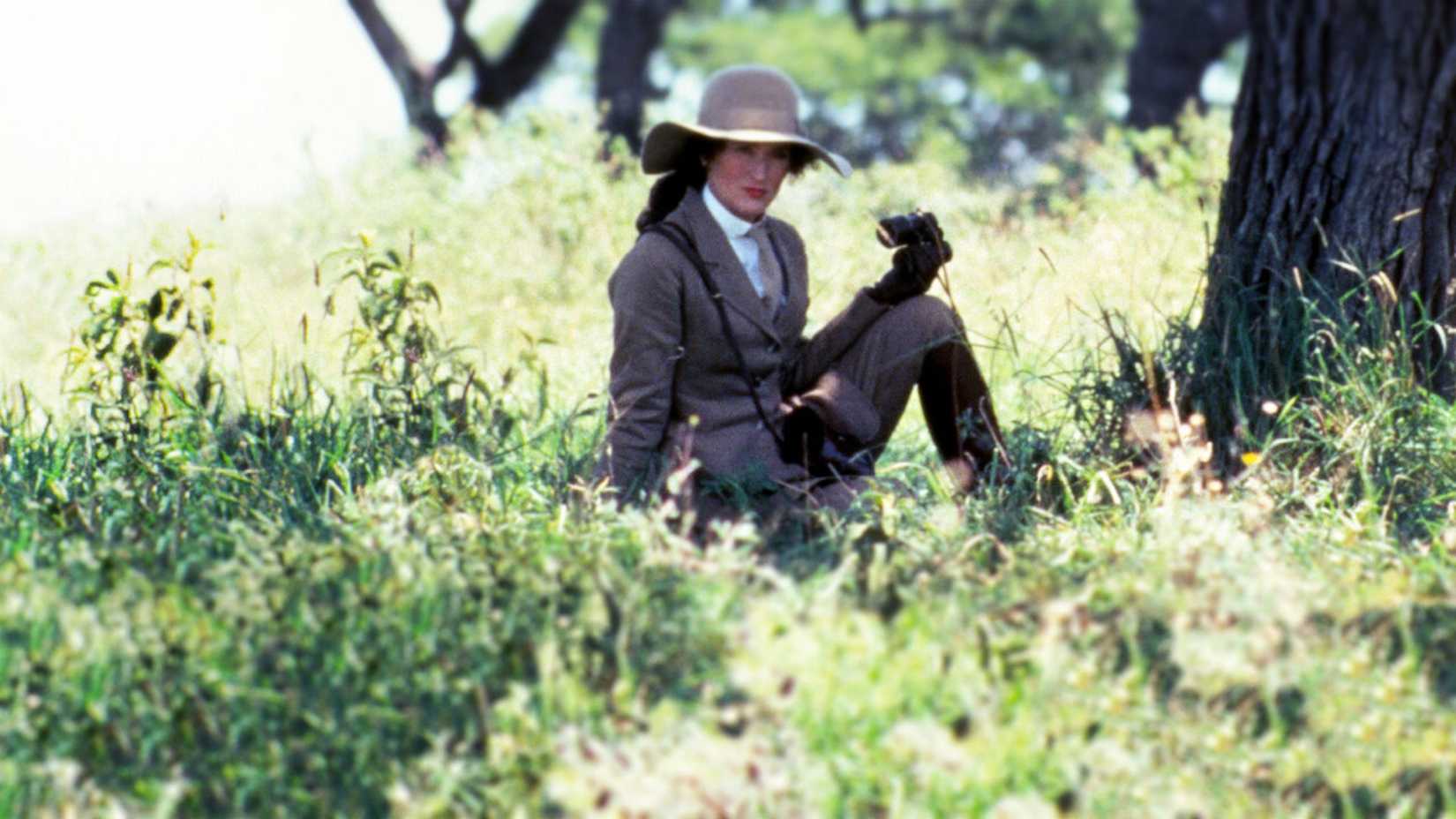
The film Out of Africa was a predictable success at the Academy Awards, winning seven of its eleven nominations. While the movie featured excellent acting, it surprisingly didn’t receive any awards in acting categories. Instead, it excelled in technical and creative areas, taking home prizes for Best Director and Best Writing, among others.
Many epic films are enjoyable to watch once but don’t leave a lasting impression, and Out of Africa falls into that category. While it’s a well-made movie—as its awards suggest—it doesn’t stand out much when you look back on it. Considering some of the truly great films from the 1980s were overlooked by the Academy, Out of Africa‘s Best Picture win feels less significant in hindsight.
4. Gandhi (1982)
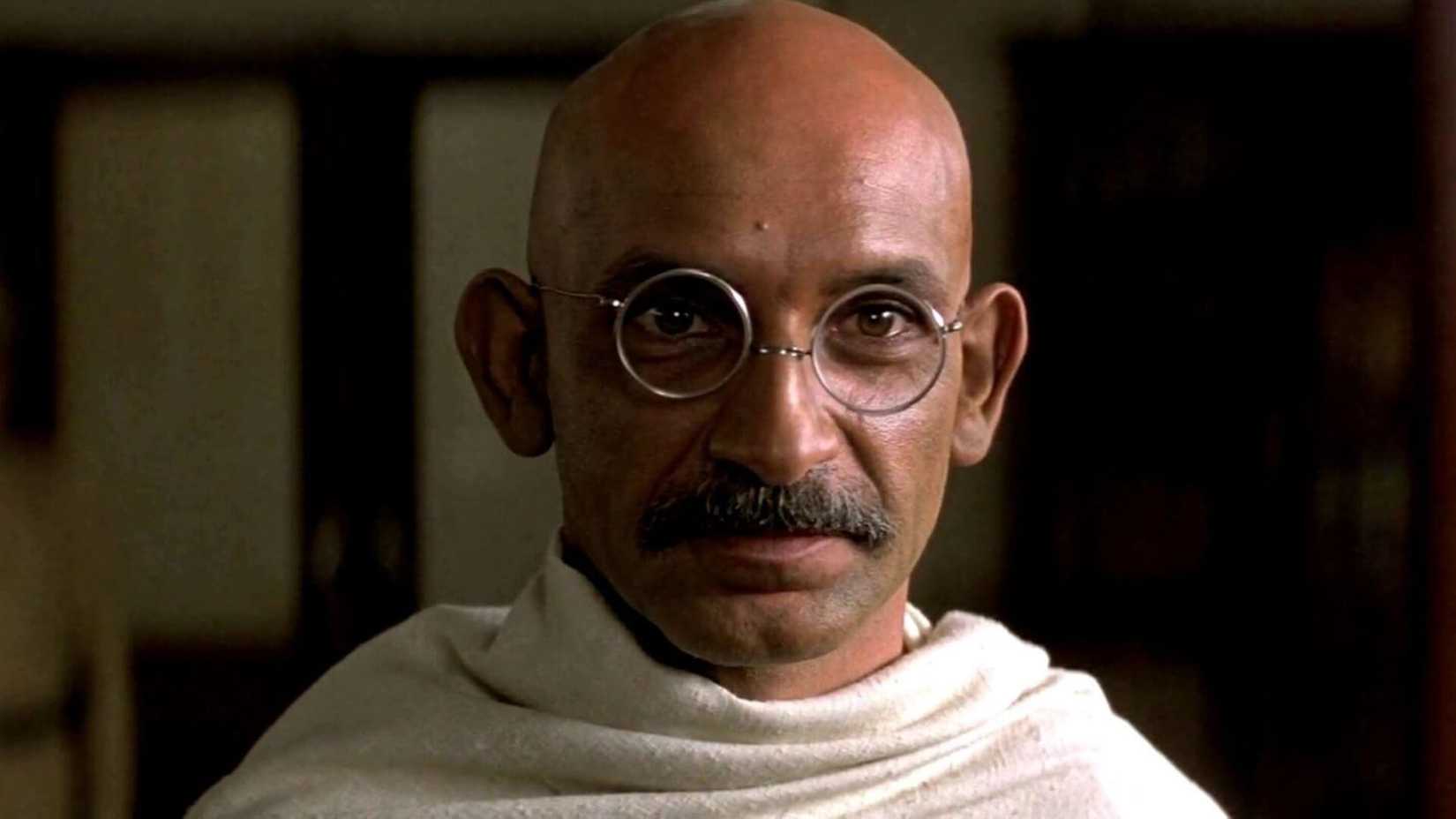
While the film Gandhi still holds up well, its Best Picture win feels very much like a product of its time. The epic movie was a throwback to classic Hollywood, telling the story of a remarkable life with a grand scope rarely seen before. It was exactly the kind of film the Academy often celebrates, and it received a lot of awards in 1983.
Both E.T. the Extra-Terrestrial and Tootsie were nominated for Best Picture at the 55th Academy Awards, but Gandhi ultimately won. Looking back, many feel the Academy made the wrong choice. While Gandhi is a respected film, E.T. and Tootsie are generally considered more enjoyable and remain beloved classics, unlike Gandhi, which isn’t as widely celebrated today.
3. Tom Jones (1963)
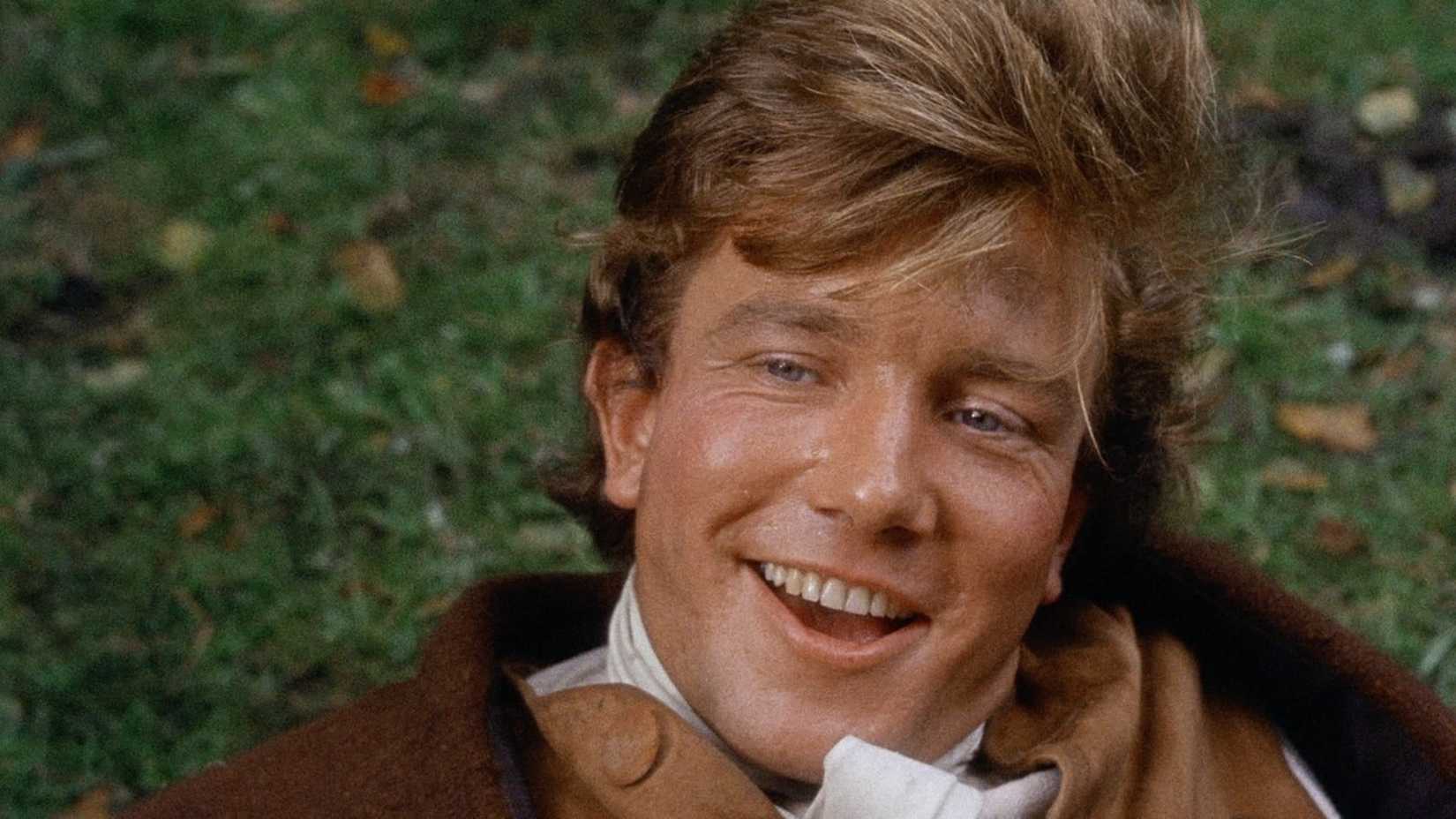
The 1960s presented a challenge for the Academy Awards. As filmmaking was changing rapidly, the Oscars, a long-standing tradition, struggled to keep pace. A popular British historical comedy did win Best Picture and enjoyed initial success at the box office, but it was quickly forgotten by most audiences.
The main problem with the film Tom Jones is that it quickly felt old-fashioned as cinema rapidly changed during the 1960s. While new and innovative filmmakers emerged, films like Tom Jones seemed stale and lost popularity quickly. Even the British Film Institute only ranked it 51st on its list of the Top 100 British Films in 1999, showing it hasn’t maintained lasting appeal.
2. The Greatest Show On Earth (1952)
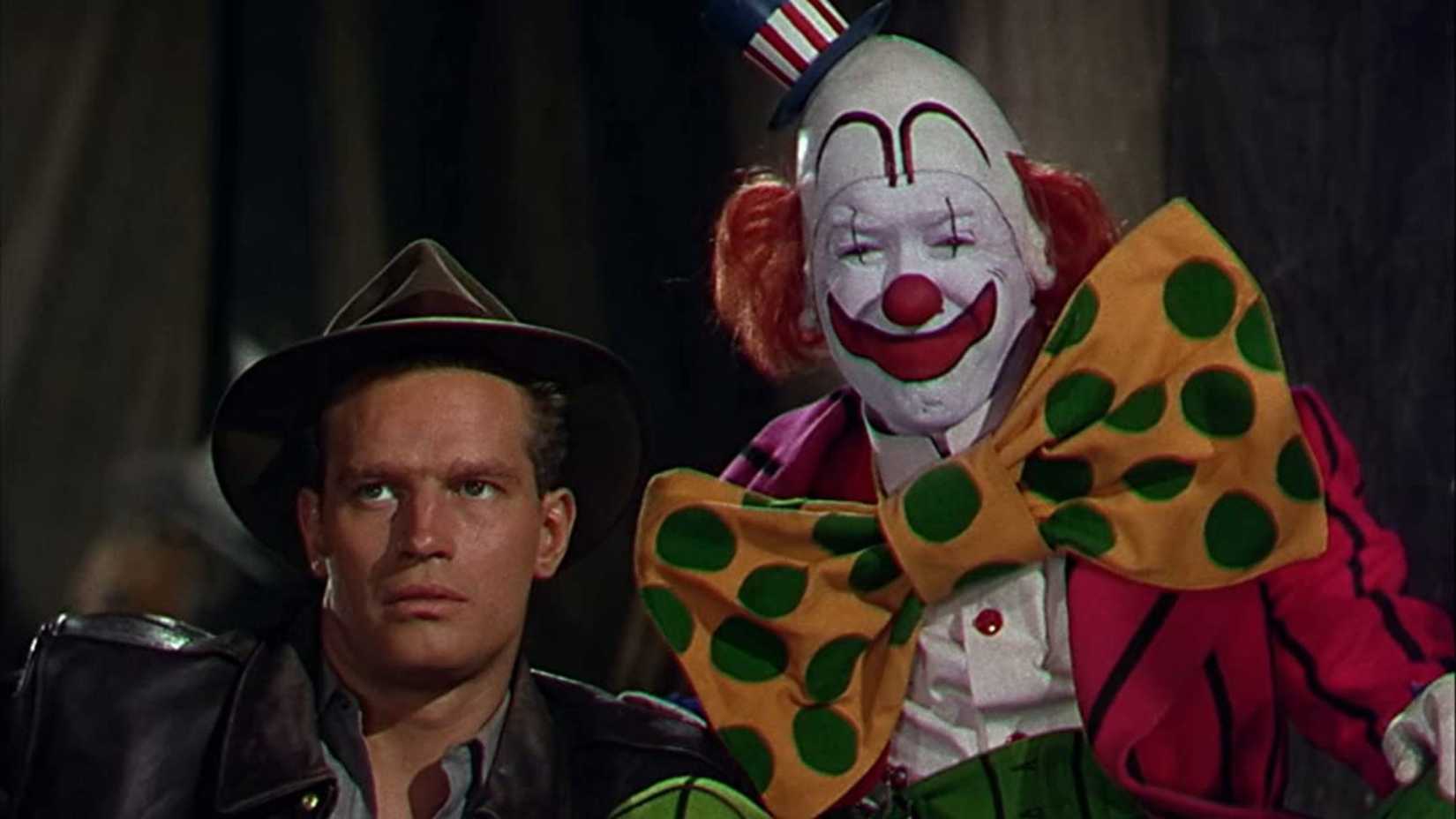
Films that focus too much on flashy visuals often don’t hold up over time, and The Greatest Show on Earth is a good example – it’s visually impressive, but ultimately lacks depth. While Cecil B. DeMille’s circus movie is beautiful to look at, it starts to feel repetitive after about two hours. Surprisingly, it even won Best Picture, despite being up against critically acclaimed films like High Noon.
Let’s be honest, the Oscars don’t usually reward big box office numbers, but back in the 1950s, The Greatest Show on Earth really captivated the Academy. It makes sense when you consider that truly spectacular filmmaking was a rarer treat back then. But looking at it now? Well, let’s just say that win hasn’t held up very well. It feels pretty dated by today’s standards.
1. Cimarron (1931)
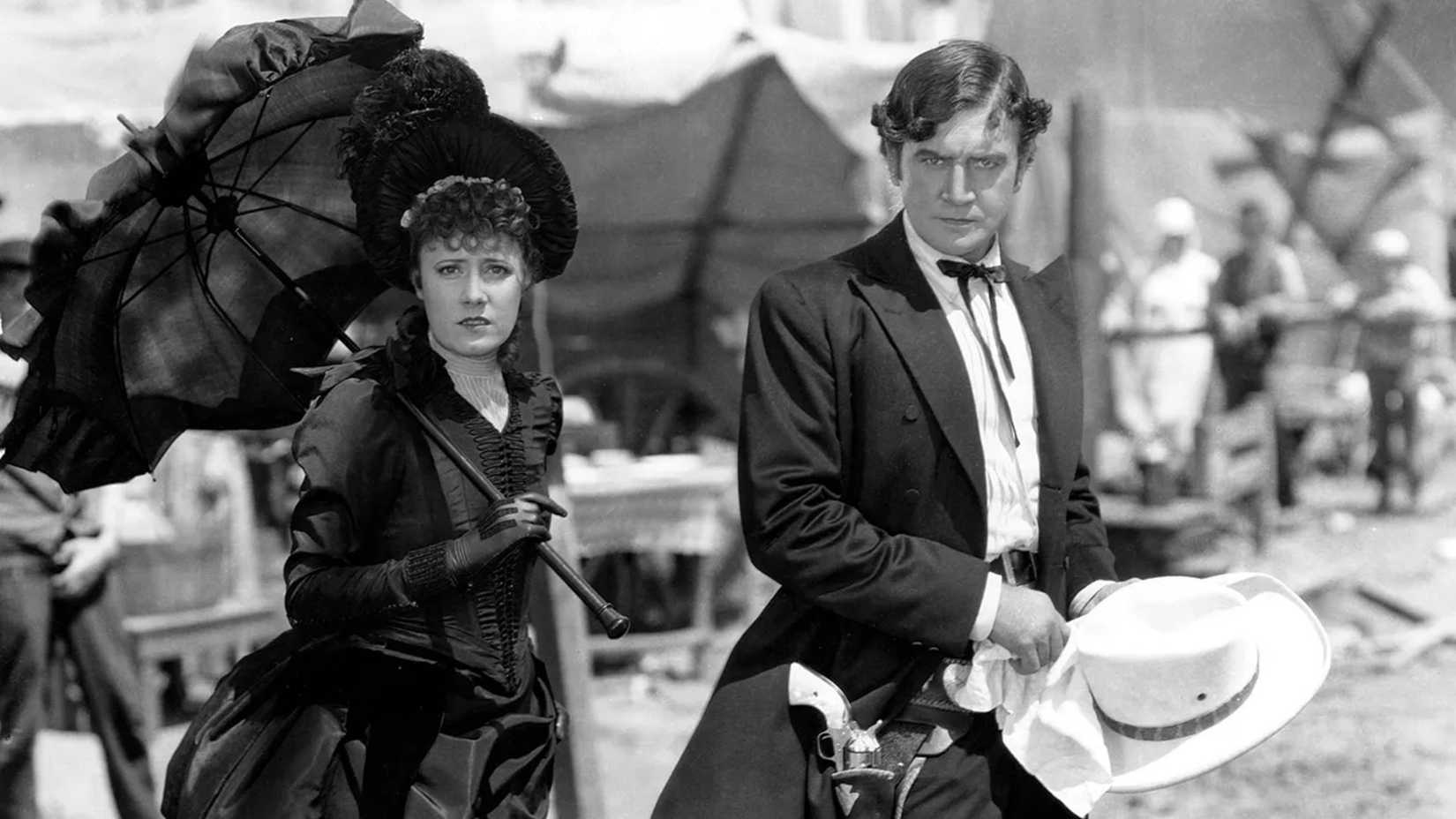
Cimarron was one of the first four films to ever win Best Picture, but it hasn’t held up well compared to other movies from that era. It was a big, costly Western for RKO Pictures and quite successful when it came out in 1931. Unfortunately, while it starts strong with a memorable opening, the movie ultimately feels too long and slow.
The film Cimarron is a prime example of how movies can age badly. While it was thrilling when it came out in the 1930s, today it feels long and boring. What was once accepted, like the film’s clear racism, is now a major problem and makes it difficult to watch. Cimarron was rightly praised with an Academy Award at the time, but looking back now, it hasn’t held up well.
Read More
- Off Campus Season 1 Soundtrack Guide
- Chainsaw Man Volume 24’s Cover Art Reveals a Brand-New Denji
- X-Men ’97 Finally Gave Gambit the Hero Moment He Deserved
- 46 Years Later, The Mandalorian & Grogu Answers A Major Empire Strikes Back Question
- HoI4 fans harsh reactions to the announcement of another DLC pack
- 10 Worst End-Game Couples In Sitcom History
- Emily Henry Says to ‘Trust the Vision’ For Beach Read Adaptation
- Gold Rate Forecast
- Katanire’s Yae Miko Cosplay: Genshin Impact Masterpiece
- DoorDash responds after customer uses AI to make food look bad and get a refund
2026-05-11 01:32