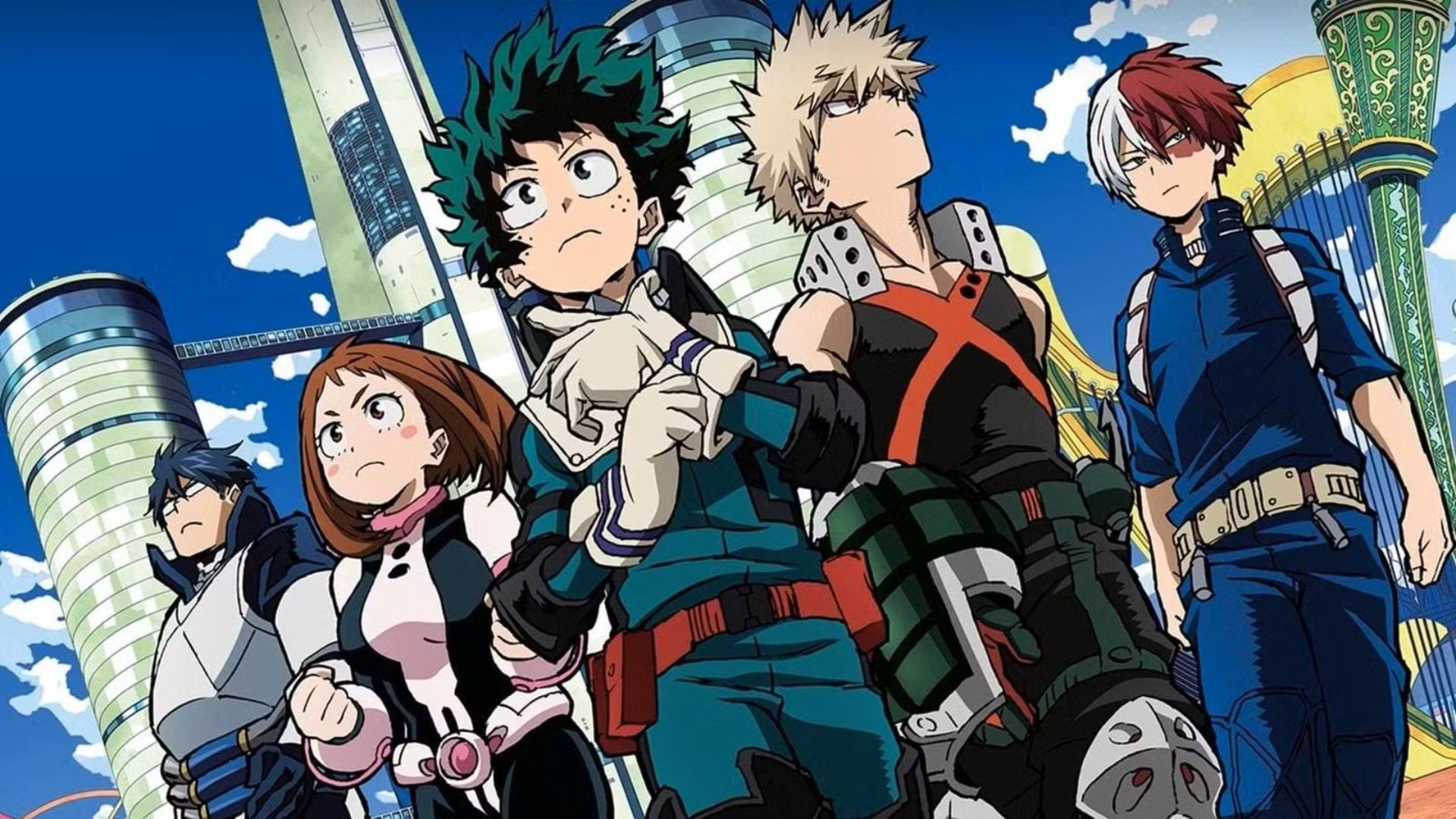
Superhero stories generally have a familiar structure: heroes defend people, villains cause trouble, and the line between good and evil is clear. However, many anime featuring superheroes like to challenge this typical formula. Some explore what happens when heroes become celebrities, while others examine the dangers of unchecked power. The most compelling stories don’t simply repeat the standard superhero tropes; they cleverly subvert them, offering a fresh and unexpected take on the genre.
These anime move beyond the typical superhero story. They don’t just focus on exciting powers and heroic deeds, but explore deeper, more challenging ideas. They ask questions like: What truly defines a hero? Can someone be good even when the world around them is flawed? And does having power actually solve problems, or just create new ones? By doing this, these shows offer a more complex and realistic take on the superhero genre, proving there’s much more to the story than meets the eye.
One-Punch Man Makes the Strongest Hero the Most Bored Man Alive
The anime One-Punch Man is a surprisingly thoughtful story hidden within a simple premise: its hero can defeat almost any opponent with a single punch. You might expect this to make him the ideal hero, but instead, he feels bored, isolated, and unfulfilled. Unlike typical superhero narratives that focus on rigorous training and overcoming challenges, Saitama has already surpassed all limits before the story even starts.
He isn’t looking for a special transformation or ultimate ability—he just wants to rediscover his purpose. The anime also satirizes the world of heroes, where they’re ranked, evaluated, and treated like celebrities or employees, complete with fan followings. While some heroes genuinely want to help others, many are more concerned with their reputation. The system attempts to quantify heroism with statistics, but Saitama demonstrates how pointless that can be.
Zetman Makes Being a Hero Feel Painful and Ugly
Zetman explores the classic hero archetype – a strong protector – but with a distinctly grim and unsettling tone. The story is set in a harsh world filled with fear, suffering, and difficult decisions. Jin Kanzaki is constantly facing danger and feels stuck in a life he can’t escape. His incredible power isolates him and repeatedly throws him into conflicts far beyond his control.
I’ve been thinking about superhero stories, and Zetman really challenges some common ideas. We often assume having powers automatically points someone in the right direction, but this story throws that notion out the window. It also explores the difference between what we expect a hero to be and what they actually are. It seems some people want justice to appear clean and heroic, but the story repeatedly demonstrates that achieving it is often complicated and messy. You can be fighting villains and still find yourself treated like one yourself, which is a really powerful observation.
Tiger & Bunny Turns Hero Work Into a TV Business
The anime Tiger & Bunny presents a unique take on superheroes. They don’t just fight crime – they’re essentially sponsored performers who earn points and compete for public attention. This clever concept adds a layer of social commentary to the typical hero story. While danger and rescue are still central themes, every act of heroism is also a televised spectacle.
I’ve been watching Tiger & Bunny, and what really strikes me is Kotetsu. He’s a genuinely good guy who wants to make a difference, but he’s working within a system that’s more concerned with appearances and popularity. It’s a constant struggle for him, because his idea of what a hero should be doesn’t fit with how the world treats heroes – like they’re a commodity. The show really dismantles the idea that heroism can stay untainted once fame enters the picture.
Gatchaman Crowds Says Saving the World Should Not Be Done by a Chosen Few
Unlike typical superhero stories that focus on a single, powerful hero, Gatchaman Crowds reimagines heroism as a collective effort. Instead of relying on a lone savior with special abilities and a secret headquarters, the show blends heroes, technology, and social media to show how protecting people can involve a much wider range of people and actions.
This series stands out because it portrays the public not as a passive backdrop, but as active participants. A key to this is the character Hajime Ichinose – she’s intelligent, approachable, and unpredictable. Rather than simply defeating villains with force, she engages with them, questioning established norms about what it means to be a hero. The show reimagines hero work, shifting it from a solitary responsibility to an open dialogue with the community.
Mob Psycho 100 Argues That Power Means Nothing Without a Kind Heart
Despite having an incredibly powerful hero, Mob Psycho 100 doesn’t portray him as special or destined for greatness. Shigeo “Mob” Kageyama possesses overwhelming psychic abilities and could easily defeat most opponents if he lost control. However, unlike typical superhero stories, this power doesn’t make him a savior or someone to be feared.
Mob Psycho 100 approaches things in a more subtle and thoughtful way. The show frequently suggests that having powers can actually complicate life. Mob’s own feelings become a threat when they get out of control, and his abilities don’t shield him from everyday struggles. While his powers are important to the story,
Charlotte Turns Superpowers Into a Teenage Problem Instead of a Heroic Gift
I’m really fascinated by how Charlotte approaches superpowers – it’s so different from most superhero stories! Usually, getting powers is this amazing launchpad for becoming a hero, learning to control things and saving the day. But in Charlotte, powers are often more trouble than they’re worth. Take Yuu Otosaka, for example – he can briefly take over someone else’s body, which sounds cool, but it only lasts a few seconds! It’s a really interesting take on the whole concept.
Some characters possess powers that initially seem helpful, but come with significant drawbacks. These aren’t simple gifts; they’re complicated abilities that can actually harm those who have them. The teenagers in Charlotte are like kids given powerful, dangerous tools without any instruction. They’re not prepared to be heroes, and many are even struggling to help themselves.
Concrete Revolutio Shows How Fast Heroes Can Become Threats
Concrete Revolutio features a world full of superpowered beings – humans, aliens, robots, and magical girls, among others. But the show isn’t just about having fun with these concepts; it explores who defines what makes someone a hero versus a villain. Unlike typical superhero stories with clear distinctions between good and evil, Concrete Revolutio keeps things complicated and challenges those simple labels.
Our world often struggles with widespread fear, hidden organizations, and people attempting to control what they don’t fully grasp. The show Concrete Revolutio portrays superpowered individuals as a societal issue, rather than a simple fantasy. It highlights that being a superhero isn’t a clear-cut role, and that even with good intentions, power can be a dangerous thing.
Samurai Flamenco Breaks Every Rule of the Superhero Story
I started watching Samurai Flamenco and was immediately struck by the main character, Masayoshi Hazama. He’s a model who desperately wants to be a hero, even though he doesn’t have any superpowers. It’s actually pretty funny – he has this huge belief in justice, but is just a regular guy. He’s so determined to make heroism a reality that he keeps at it, even when everyone else thinks he’s kidding.
This anime is constantly evolving, shifting from a lighthearted comedy about an ordinary hero to a much grander, more over-the-top story. Samurai Flamenco deconstructs the typical superhero narrative, pushing it to its limits and making it feel unpredictable. Despite all the craziness, the story always comes back to Masayoshi’s unwavering commitment to doing what’s right. The show playfully pokes fun at superhero tropes, but it also acknowledges the reasons why people enjoy them in the first place.
Go! Go! Loser Ranger! Makes the Hero Team the Real Villains
From the very beginning, Go! Go! Loser Ranger! cleverly subverts the typical superhero story. The Dragon Keepers initially appear to be standard heroes, the kind audiences are meant to root for. But the twist is that the ‘villains’ have already been defeated. They’re stuck endlessly re-enacting the role of enemies, all so the Dragon Keepers can maintain their heroic image.
The heroes operate within a system founded on deception, manipulation, and manufactured public approval. Fighter D, a villain in this story, finds himself at the center of this flawed system. He’s grown weary of being a pawn in someone else’s heroic narrative. His struggle isn’t simply to defeat the Dragon Keepers, but to dismantle a widely believed falsehood.
My Hero Academia Shows How Hero Society Can Break the People Inside It
When I first started watching My Hero Academia, it seemed like a really hopeful story about kids learning to use their powers and become heroes. It felt like this world had everything figured out – a solid system for training and becoming a professional hero. But as the story goes on, you start to see things aren’t so simple. Being a hero isn’t just about rescuing people; it’s also a lot about rankings, popularity, and maintaining a good public image. It’s a career, and that changes everything.
The world of My Hero Academia isn’t just about superheroes; it explores the idea that even in a society focused on heroes, people can still fall through the cracks. The series acknowledges that heroes generally want to do good, but it also shows how a hero-centric system isn’t perfect and can sometimes let people down. Students are pushed incredibly hard in their training, and often, villains aren’t inherently evil – they’re individuals society has overlooked or failed.
Found an error? Send it so it can be corrected.
Read More
- Off Campus Season 1 Soundtrack Guide
- X-Men ’97 Finally Gave Gambit the Hero Moment He Deserved
- Chainsaw Man Volume 24’s Cover Art Reveals a Brand-New Denji
- 46 Years Later, The Mandalorian & Grogu Answers A Major Empire Strikes Back Question
- 10 Worst End-Game Couples In Sitcom History
- HoI4 fans harsh reactions to the announcement of another DLC pack
- DoorDash responds after customer uses AI to make food look bad and get a refund
- Gold Rate Forecast
- Emily Henry Says to ‘Trust the Vision’ For Beach Read Adaptation
- Katanire’s Yae Miko Cosplay: Genshin Impact Masterpiece
2026-05-09 19:53