
What makes a gaming team truly exceptional isn’t just how well each player performs or how smart their tactics are. It’s the connection they share – the way they understand each other without speaking, and how they enjoy winning together. A recent clip from streamer ZLANER perfectly illustrated this. While the winning play was great, the real highlight was the enthusiastic celebration from his teammates. This shows just how important playful communication and shared excitement are – it’s what transforms a group of players into a powerful team, making every game more enjoyable.
Key Takeaways
- Great teams are built on more than skill: The playful banter and hype you hear in ZLANER’s clip aren’t just noise; they’re the foundation of trust and resilience. Strong communication and a shared sense of fun are what turn a group of good players into a great squad.
- Context is everything in gaming culture: An action like teabagging can be a friendly inside joke or a toxic taunt. Its meaning depends entirely on your relationship with the other players, proving that the unwritten rules of the lobby are just as important as the official ones.
- Your attitude directly impacts your team’s performance: The energy you bring to a match is contagious. By staying positive, communicating clearly, and celebrating your teammates’ successes, you help create an environment where everyone can stay cool under pressure and have a better time.
ZLANER’s Viral Clip: What Really Went Down?
Chances are you’ve seen the clip making the rounds on platforms like Twitch and TikTok: ZLANER pulls off an incredibly quick kill, and his team goes wild. But it’s not just a cool shot – the clip perfectly captures what makes competitive gaming so exciting: fast reflexes, lively teamwork, and sometimes, a bit of over-the-top celebration. Let’s take a closer look at that viral moment and what it reveals about the gaming community.
A Split-Second Kill and Instant Hype
ZLANER’s immediate reaction – “I killed that guy so quick. Holy…” – perfectly captures the thrill every player seeks. It’s that rush of adrenaline when a tense situation instantly turns into a game-changing victory with a single, well-aimed shot. These moments depend on skill, quick thinking, and having the optimal equipment. A well-configured Warzone loadout can be the key to winning a fight instead of being eliminated. That excited response isn’t just for show—it’s a real reaction to achieving something amazing when the pressure is on.
Decoding the Team’s Banter
Pay attention to how the team talks to each other, and you’ll notice how well they work together. Quick exchanges like, “Should we respond?” and “I’ve got him!” happen constantly. This isn’t just noise—it’s fast communication that helps them survive. Effective teamwork isn’t only about giving information. The friendly banter and quick confirmations build trust and keep everyone motivated during stressful moments. It’s this unique way of communicating, developed through many games, that transforms a group of skilled players into a truly great team. They understand what each other is going to do without needing lengthy explanations.
Teabagging: A Sign of Team Bonding?
Teabagging – repeatedly crouching over a defeated opponent – has long been considered a disrespectful act in gaming. However, it’s not always meant seriously. Often, it’s just a playful joke or a way to celebrate a win. When teammates do it to each other, it’s usually a friendly gesture, like a digital high-five. Some even argue it can be a sign of camaraderie, a nonverbal way of saying “We won!” Ultimately, the meaning depends on the situation, but in many cases, it’s simply a lighthearted celebration.
The Thrill of the Quick Kill
Games like Warzone happen so quickly that every millisecond counts. Winning often depends on landing a single, well-timed shot. A recent clip of ZLANER shows this perfectly, but the impressive kill isn’t even the best part. The real highlight is the genuine, energetic reaction from ZLANER and his teammates – that feeling of shared excitement is what all gamers strive for.
The most exciting parts of competitive gaming come down to intense, high-pressure moments. These aren’t just about being skilled; they require smart strategy and a cool head. Landing a surprising and skillful kill feels amazing because it proves all your practice and map knowledge paid off. It’s when reflexes take over, creating a rush that makes you want to play again and again. While the kill itself is great, it’s the team’s enthusiastic reaction that truly makes the moment memorable.
The Adrenaline Rush of a Perfect Play
That exciting feeling you get – a racing heart, shaky hands – after making a great move in a game? That’s adrenaline, and it’s a major reason gaming is so addictive. When you pull off a perfect play, especially under pressure, it creates a powerful sensation that sharpens your focus and makes winning incredibly satisfying. This feeling doesn’t just disappear; it motivates you to get better and experience that success again. It’s what drives friendly competition and makes those amazing moments so rewarding.
How One Kill Can Shift Momentum
Even a single elimination can drastically change a battle’s outcome. It’s more than just removing a player; it significantly impacts both teams’ mental state. A key kill can instantly boost your team’s confidence, leading to more assertive play. Conversely, it can cause the opposing team to become hesitant and question their approach. Studies have shown that just one successful attack can reshape a match, affecting team morale and forcing opponents to quickly adjust their plans. ZLANER’s kill did just that, transforming a difficult situation into a clear win for his team.
Why We Celebrate Our Wins
Making a great play is exciting, but celebrating that play is what you really remember. The energy, laughter, and friendly trash talk right after a good moment aren’t just random noise – they’re important for the team’s morale. Even small victories deserve celebration because it helps everyone relax, builds teamwork, and makes playing together more fun. These shared moments of excitement are what transform a group of individuals into a cohesive team, strengthening relationships and making the experience about enjoyment, not just winning.
Why Team Banter is More Than Just Talk
Good teamwork in any game relies on communication, but it’s more than just giving orders and planning strategy. What really makes a team great is the fun stuff that happens in between the action – the jokes, friendly teasing, and shared laughs after something unexpected. These moments transform a group of individuals into a true team. The casual conversation you hear in ZLANER’s clip isn’t just noise; it shows a team that’s connected, comfortable, and able to relax even when the pressure is on.
Positive communication isn’t just about filling the silence – it actually helps teams bounce back from setbacks, build strong relationships, and enjoy the game more. When teammates can share a laugh after a mistake or celebrate successes together, it creates a cycle of encouragement that keeps spirits high. This is what distinguishes a solid team from a truly exceptional one, fostering a connection that leads to better gameplay and, most importantly, a more enjoyable experience. Let’s explore why this kind of supportive interaction is so important.
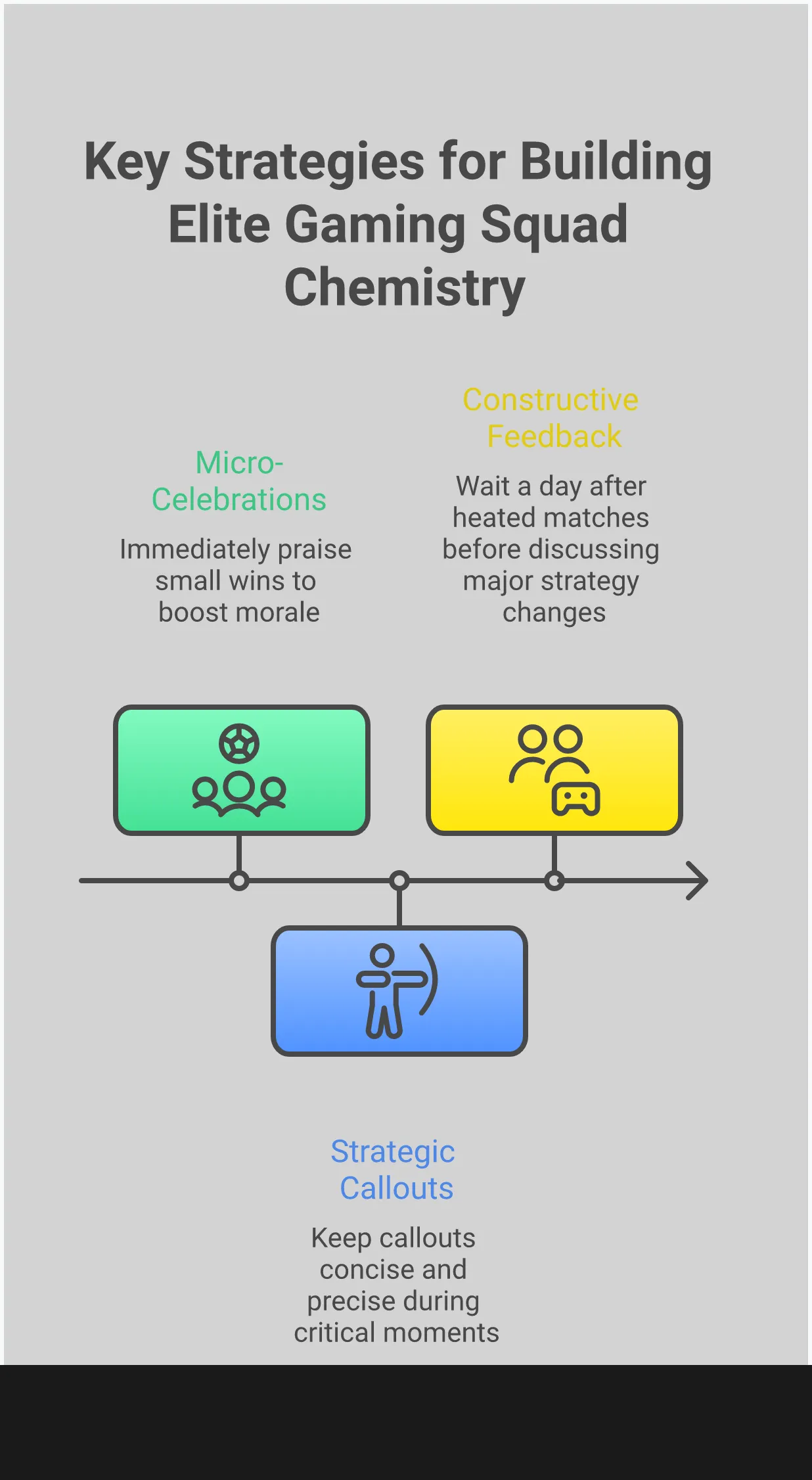
Laughing Off the Pressure
Warzone, like many competitive games, can be really stressful. A single mistake often sends you back to the starting screen. While that pressure can be overwhelming, a funny comment from a teammate can instantly lighten the mood. It’s a good reminder that the point is to enjoy yourself. This kind of positive interaction keeps you motivated to get better without letting the pressure ruin the experience.
When you’re outplayed in a game, it’s easy to get frustrated, but finding the humor in it can actually help you bounce back. It transforms a negative moment into something everyone can share, which is key for teams to maintain focus during long play sessions. A team that can laugh together is better equipped to handle pressure when the stakes are high.
Building Trust Through Trash Talk
Surprisingly, some playful teasing can actually strengthen a team. When teammates feel comfortable joking with each other, it demonstrates a strong sense of trust and security. It’s a way of showing respect for each other’s skills. This kind of lighthearted banter is common in gaming and helps build team spirit.
Studies on positive behavior in games show that who you’re interacting with is important. Friendly banter with friends feels good and strengthens your bond, making wins more enjoyable because you’re sharing them with people you like. It’s different than being negative towards strangers.
When to Talk and When to Stay Quiet
Successful teams understand the importance of balancing fun with concentration. Lighthearted conversation is good for morale, but during critical moments – like the final stages of a competition where any sound could be an enemy – communication needs to be direct and to the point. That’s when unnecessary talk stops, and teams focus on clear, quick updates.
Learning to balance lighthearted conversation with focused communication takes practice. It’s about understanding what your team needs right now based on how the game is unfolding. Being able to adjust like this helps build team spirit, showing your teammates you’re there to both have fun and provide crucial support, whether it’s through encouragement or important information.
The Great Debate: What Does Teabagging Mean?
You’ve probably seen it in online shooting games: a player repeatedly crouching over a defeated opponent. This act, often called “teabagging,” is well-known – and often debated – in gaming culture. Some see it as a funny, lighthearted way to playfully tease others, while others consider it a rude and unsportsmanlike gesture that spoils the fun. Is it just a harmless joke, or is it meant to be truly insulting?
It’s not as simple as it seems. Just like any communication, a “teabag” in gaming doesn’t have a fixed meaning – it depends on the situation. Who is doing it, who are they doing it to, and what’s happening in the game all matter. In ZLANER’s clip, it was clearly a playful, team-spirited moment. But the same action in a competitive, high-stakes match against an opponent could be seen as disrespectful. It’s a gesture with a lot of gray area – it can either build teamwork or cause frustration, depending on the context. Paying attention to how players use this common taunt can actually reveal a lot about their personality and the unspoken etiquette of the game.
Where Did Teabagging Come From?
Let’s be direct: the term “teabagging” originated from a sexually suggestive act. It entered gaming around the late 1990s with games like Counter-Strike and Halo. Players realized they could mimic the act by repeatedly crouching over an opponent’s character after defeating them. It was a deliberately provocative way to show dominance. This quickly became a common practice in online multiplayer games – a universally understood, wordless taunt. Though its roots are crude, teabagging has become a recognizable part of gaming culture.
Friendly Jest or Toxic Taunt?
Things get a little complicated when it comes to “teabagging” in games. How it’s seen really depends on who’s playing with whom. If you’re with your regular teammates, doing it after a great play is usually just a funny way to celebrate and playfully tease each other – all in good fun. It’s not meant to be offensive.
When a stranger uses playful banter against you during a competitive match, it often feels personal. It can seem hostile, rude, and deliberately intended to upset you. Instead of being lighthearted, it becomes a hurtful insult – a clear example of how the same behavior can either build camaraderie or create negativity.
Why Context is Everything
What matters most is the situation. In a competitive game where winning is crucial, taking the time to taunt your opponent leaves you open to attack. That’s what makes it such a strong insult – it shows the player is so sure of winning that they’re willing to risk getting hurt just to show off.
When a team like ZLANER has a strong bond, playful trash talk is just another way they show excitement and celebrate victories – it becomes part of how they communicate with each other. It’s up to the players to decide where friendly competition ends and harmful behavior begins, and recognizing that boundary is crucial for everyone to enjoy themselves. Ultimately, a bit of healthy rivalry is what makes playing multiplayer games so fun.
How Our Reactions Define Gaming Culture
Every exciting play shown in a kill-cam, every comment picked up by a microphone, and every message in post-game chat all contribute to the vibrant world of gaming. How we react during a game – whether with excitement, humor, or a playful jab – reveals a lot about the communities we form. It’s not just about the gameplay itself; it’s about the experiences we share with others. These moments transform a regular game into something we remember and can turn strangers into friends.
From Teammates to Friends
Think about the friends you play with regularly. You likely became close by sharing funny moments, helping each other out, and playfully teasing each other after good or bad plays. A little healthy competition can be key to turning acquaintances into a strong team. It encourages you to improve your skills while still having fun. When you can laugh at your own mistakes and celebrate your teammates’ successes, you’re creating a bond that’s more than just about the game. It’s those shared experiences – the wins and the losses – that build lasting friendships.
Crafting a Positive Vibe
Your energy really affects how everyone enjoys a game. We’ve all experienced how one negative player can ruin it for the whole group. Playing with someone friendly can even make losing fun! Your attitude has a direct impact on everyone’s enjoyment, no matter the outcome. Being positive isn’t about pretending to be excited; it’s about communicating well, acknowledging good plays, and not getting overly stressed. When your team feels comfortable and supportive, everyone naturally performs better.
It’s Not Just About Winning
Often, the most unforgettable parts of gaming aren’t about winning or losing. Things like ‘teabagging,’ though sometimes seen as negative, are actually a big part of the gaming experience. When used playfully, it’s a way to get inside an opponent’s head and add some fun to the competition. It’s a form of communication—a way to show you’ve won without saying a word. This highlights that gaming isn’t just about the results; it’s also about the playful back-and-forth, the friendly rivalry, and the unique, unspoken customs that make each game special.
Friendly Rivalry vs. Winning at All Costs
During a competitive game, it’s easy for players to get caught up in winning and forget it’s all in good fun. A recent clip of ZLANER perfectly illustrates this – you see intense concentration on winning, quickly followed by joyful celebration with teammates. This mix of focus and camaraderie is a key part of what makes competitive gaming so exciting. It’s not simply about being the best player, but about experiencing that competitive spirit with your team. Studies have shown that healthy competition can actually make games more enjoyable and help players improve without getting overwhelmed.
When competition becomes too intense, it can create a negative atmosphere. Focusing solely on winning can lead to frustration, finger-pointing, and ultimately, a team that crumbles under stress. Whether competition builds teamwork or causes conflict depends on the game itself and how teammates relate to each other. The ZLANER clip demonstrates a team with strong trust. They have a healthy, internal rivalry that motivates them, rather than tearing them apart. They challenge each other to improve, all while working towards a common goal: winning together. It’s about striking a balance where the drive to win enhances the enjoyment, creating an environment where everyone feels invested but can still have fun, even when things get a little heated.
Finding the Fun in Competition
Winning feels great, but the best victories are those you experience with others. The excitement ZLANER’s team showed after a quick win wasn’t just about the score – it was about sharing that success as a team. Research shows that gaming is much more enjoyable when you play competitively with a friend. It’s the playful trash talk, teamwork, and shared emotions – whether it’s relief or celebration – that you remember long after the game is over. It’s all about building a fun, competitive atmosphere where the challenge adds to the enjoyment, not the stress.
How to Build a Stronger Team
Teams thrive when members genuinely enjoy each other’s company. While talent is important, a strong team is built on connection and positive relationships. Even playful banter and joking can foster trust and a sense of belonging. Creating an environment where teammates feel comfortable being themselves, learning from mistakes, and celebrating successes builds a team that can bounce back from challenges. This kind of emotional support, developed through shared experiences, is what truly distinguishes a group of individuals from a cohesive team. It’s what keeps everyone working together and staying optimistic, even when facing setbacks.
Turning Taunts into Teamwork
Let’s discuss ‘teabagging’ in gaming. While it’s often used as a way to upset opponents, teammates can interpret it very differently. Within a team, it’s less about being mean and more about celebrating a good play. It’s a fun, silly way to acknowledge teamwork and create a shared joke, strengthening the bond between players. It’s a signal that everyone is enjoying the game and working together – turning a potentially negative act into a positive team moment.
Staying Cool When the Pressure’s On
Honestly, the best part about playing competitive games is those super intense moments. Like, being down to the last one against four people in Warzone, or trying to defuse the bomb with just seconds left – it’s crazy! What really makes a difference is staying calm. It’s easy to freak out, but the really good players can stay focused and just do what needs to be done. And playing with a solid team makes all the difference. Instead of feeling totally stressed, the pressure becomes more like a fun challenge. You want to win for them, and that actually helps you concentrate and play better, instead of panicking.
You can see this dynamic in a clip from ZLANER. Even in a high-pressure situation, the team remains energetic and encouraging. Instead of becoming quiet or anxious, they get excited and prepared. This positive team environment helps everyone perform their best when it really matters. Staying calm under pressure isn’t just about individual skill; it’s about the supportive atmosphere your team builds. Knowing your teammates will support you, regardless of the outcome, allows you to take chances and make those memorable, game-winning plays. The following advice will show you how to develop this mindset for yourself and your team.
Making the Right Call in a Split Second
Gamers all know that intense feeling when everything slows down and you have just a split second to decide what to do – it can mean the difference between winning and losing. Being able to make the right choice under pressure comes from practice and trusting your instincts, quickly understanding what’s happening and going with your gut. Interestingly, research shows that how we play depends on whether we think of a game as competitive or cooperative. If you see your teammates as partners, you’re more likely to make decisions that help the whole team succeed, rather than just trying to win on your own. This team-focused approach helps you stay concentrated on the goal and make better, more thoughtful choices, even when things get chaotic.
Clear Comms for Clutch Plays
When things get intense in a battle, clear communication is essential. Forget lengthy explanations – quick, concise updates are key. Simple callouts like “one shot, right” or “moving in now” give your team exactly what they need to know without overwhelming the channel. Knowing your teammates well really helps here. Research shows that playing with a friend while competing actually makes the experience much more fun. When you can count on your team for clear and reliable communication, you’ll enjoy the game more and have a better chance of winning.
How to Keep Your Team’s Spirits Up
How a team feels together can really determine whether they win or lose. A positive attitude from one player can lift everyone up, while negativity can bring the whole team down. It’s important to stay positive even when you don’t win—focus on learning from losses instead of blaming each other. Saying things like “good effort, let’s get them next time” can make a big difference. Celebrating small successes, like a well-aimed shot or a smart move, helps build confidence and reminds everyone they’re working together. This kind of support is incredibly important in esports—it’s not just about offering advice, but also about encouraging each other and staying motivated for the next challenge.
Building a Better Gaming Community
Gaming creates unforgettable moments, like the incredible play ZLANER made. It’s not just about skillful moves or winning; it’s the fun shared with others – the inside jokes and collective victories – that truly matter. These experiences stay with you long after you stop playing. However, while some teams thrive, many others struggle with negativity and poor teamwork. Building a positive community is key, and we all play a role in creating that environment.
Building a friendly and enjoyable gaming environment takes effort. It happens when players actively choose to have fun and encourage others to do the same. It’s about deciding how you’ll interact, compete, and support each other – whether you’re playing with friends or strangers. Essentially, it’s establishing guidelines for a good time. When everyone agrees on these guidelines, the game becomes more enjoyable for all. Strong communities grow through each game, helpful communication, and shared laughter. It’s about making online games feel welcoming and comfortable, like a place where you can always have a positive experience with great people.
Making Room for Everyone
A thriving community welcomes everyone, whether you’re a dedicated player or just enjoy gaming casually. How we interact with each other significantly shapes the atmosphere of a game. Research indicates that this environment can affect everything from how competitive we are to how kindly we treat others. By prioritizing teamwork and respect over simply winning, we can minimize conflict and build stronger connections. It’s not about removing competition, but ensuring it remains positive and enjoyable for all players.
The Ripple Effect of Good Vibes
Good vibes are infectious! When you’re positive during a game, it often lifts your teammates’ spirits. A simple compliment or a shared laugh can completely shift the energy. This is particularly helpful in friendly competition, where keeping things lighthearted motivates players without bringing them down. A positive environment boosts communication, encourages creative teamwork, and builds a strong sense of friendship. When everyone’s enjoying themselves, they play better and are more likely to continue participating, creating a positive cycle that strengthens the entire group.
How to Create a Community That Sticks
What makes a gaming community thrive? It’s all about the connections you make. Players return not just for the games themselves, but for the people they enjoy playing with. The best gaming moments are often shared experiences – fun is amplified when you’re competing with and supported by a great group. Finding people who challenge you to get better while also being supportive creates something truly special. Putting in the effort to find your group – through platforms like Discord, clans, or simply adding friendly players – transforms a solitary hobby into a shared passion.
Related Articles
- Deus Ex LFG: Connect with Other Augs in LFG Feature on Z League App
Frequently Asked Questions
Team banter might seem unimportant compared to direct game strategy, but it’s actually crucial for team cohesion. While clear communication helps you win, playful joking and friendly teasing keep everyone motivated and wanting to continue playing. This builds trust and helps the team bounce back from mistakes with humor instead of frustration, ultimately turning teammates into friends.
Whether “teabagging” is acceptable really depends on the situation. Among friends or teammates, it’s usually just a silly way to celebrate a win or a shared joke. However, doing it to someone you don’t know could be seen as rude. It’s not the act itself that matters, but how you and the other player relate to each other – understanding the social cues is key.
It can be tricky to tell the difference between playful teasing and genuinely hurtful behavior. Usually, the key is understanding the other person’s intention. Friendly trash talk is lighthearted and happens between people who respect each other – it’s all in good fun. But if someone’s comments feel intentionally mean, personal, or make you feel bad, that’s a sign it’s crossed the line into toxic behavior.
How can I stay calm during a high-pressure game? When things get intense, concentrate on the things you can control – your breathing and how you communicate with your team. Take deep breaths to help steady yourself and pay attention to what your teammates are saying. Having a supportive team is incredibly helpful. Knowing they’ve got your back, no matter the outcome, lets you focus on playing your best instead of worrying about making mistakes.
I mostly play by myself. How can I find a good group of players like the ones I saw in that video? It takes some work to find the right people, but it’s definitely worth it. First, be a good teammate yourself – talk clearly, stay positive, and compliment good plays. If you have a really fun match with random players, don’t hesitate to add them as friends. You can also look for communities on platforms like Discord to connect with other players who want to join a reliable team.
Read More
- United Airlines can now kick passengers off flights and ban them for not using headphones
- Katanire’s Yae Miko Cosplay: Genshin Impact Masterpiece
- All Itzaland Animal Locations in Infinity Nikki
- How to Complete Bloom of Tranquility Challenge in Infinity Nikki
- How to Get to the Undercoast in Esoteric Ebb
- Gold Rate Forecast
- All Golden Ball Locations in Yakuza Kiwami 3 & Dark Ties
- A Dark Scream Theory Rewrites the Only Movie to Break the 2-Killer Rule
- Fire Force Season 3 Part 2 Episode 24 Release Date, Time, Where to Watch
- ‘Send Help’ Sets Digital Streaming Release Date With Gory Deleted Scene From Horror Hit [Exclusive]
2026-03-09 17:35