It’s one thing to watch a great gamer like ZLANER, but seeing an AI analyze his every decision in Warzone is a completely new kind of entertainment. It’s a surprisingly funny and captivating look inside the mind of a pro player when the stakes are high. What makes this trend so popular is that it goes beyond simple scores and gear choices, and dives into why players make the moves they do—the quick thinking, the stressful moments, and the moments of genius. This shows a big change in gaming: we’re not just interested in what players do anymore, but why they do it. This article looks at that connection, and how understanding the psychology of players is becoming key to how we play, talk about, and even design the games we enjoy.
Key Takeaways
- Your gameplay is a powerful tool for self-discovery: The way you handle pressure, communicate with your team, and even the characters you’re drawn to reflect your real-world personality, offering insights into your strengths and how you manage challenges.
- Your mental game is just as crucial as your aim: To play consistently well, you need to manage performance anxiety and prevent burnout. Recognizing your emotional triggers and learning to reset after a tough loss is a skill that directly impacts your rank and enjoyment.
- Games are being designed to understand you: The future of gaming lies in adaptive experiences where AI and psychology create personalized challenges and stories that respond to your unique playstyle and emotional state, making gameplay more immersive than ever.
Why Can’t We Look Away From ZLANER’s AI Psychoanalysis?
Watching a great streamer like ZLANER is fun on its own, but it’s even better when an AI analyzes his gameplay in Warzone. It’s a really interesting, and often funny, look at what a professional gamer is thinking while under pressure. This combination of skillful playing and psychological analysis is captivating because it goes beyond just scores and weapon choices. It explores why a player makes certain moves – the quick decisions, moments of stress, and moments of genius.
This growing interest shows a larger change in gaming. It’s no longer enough to simply watch what players do – we’re fascinated by why they do it. Understanding the psychology of players is now key to both discussing and designing games. Developers are focusing more on creating emotionally engaging experiences, and players are eager for content that feels meaningful. ZLANER’s use of AI provides a direct, honest look at the human side of competitive gaming, revealing our own patterns, worries, and successes. It’s a captivating format that feels both innovative and relatable, and it’s something we really appreciate.
What Makes Gaming Content Go Viral?
Popular gaming videos aren’t usually about pure skill; they need something extra to grab your attention—something relatable, funny, or thought-provoking. ZLANER’s videos, which feature AI analyzing his gameplay, do all three. The appeal comes from combining amazing gameplay with the AI’s dry, and sometimes harsh, observations. It’s more than just a collection of great moments; it’s like watching a personality test unfold live. The humor triggers positive feelings, and it’s hilarious to hear an AI point out a player’s flaws, like being too cautious or overconfident. This creates a sense of connection for viewers, turning a single player’s stream into a shared experience where everyone can see themselves in the AI’s feedback, even if it’s directed at a professional gamer.
Why Gamers Connect with AI Analysis
This kind of analysis resonates with us because it captures universal gaming experiences. Even if we’re not top-level players, we’ve all felt the stress of a difficult moment or regretted a poor choice. This AI accurately describes those feelings we have while playing. Traditionally, researchers use physical measurements to gauge a player’s emotions, but this AI does it by simply watching how someone plays – which feels remarkably natural. It confirms the idea that our gameplay reveals aspects of our personality. Research suggests our in-game actions often reflect our real-life thinking and feelings, and this AI connects with that, creating a sense of being truly understood.
Can Psychology Really Explain How We Play?
Gaming is often seen as a fun pastime – a way to relax, compete, or escape. But have you ever considered that how you play – your strategies in games like Warzone, or even how you handle losing – could reveal a lot about your personality? Psychology can offer some interesting insights into why we behave the way we do in games. It’s not just about being quick or skilled; it’s about your motivations, your hidden impulses, and the emotions you experience while playing. By understanding these deeper aspects of your gaming habits, you might not only improve your gameplay, but also gain a better understanding of yourself.
What Drives You to Play?
We all know games are enjoyable, but they offer much more than just fun. For many people, gaming is a chance to learn and improve. Whether it’s learning a new skill, figuring out a difficult puzzle, or working well with a team, games really make your brain work. Studies show gaming can actually boost your problem-solving abilities, awareness of your surroundings, and even help you become more emotionally strong. So, every time you play, you’re not just having fun – you’re challenging yourself to think, adjust, and grow in a meaningful way.
How Your Subconscious Affects Your Rank
Everyone has experienced how a frustrating loss in a game can affect their next attempt, leading to unforced errors. This isn’t just about being upset; it’s a genuine psychological effect called Game Transfer Phenomena. It shows how feelings and experiences in games can influence your mindset and performance outside the game, and even in future matches. Essentially, how you react to winning or losing subtly prepares you for what’s next. Controlling your emotions after a game is just as important as your strategy during the game if you want to consistently improve and succeed.
Reading Emotions in Real-Time Gameplay
That rush you feel when facing a critical moment in a game – like a one-on-one showdown – is a real, physical reaction, not just nerves. Scientists can now measure things like your heart rate to understand how emotionally involved you are while playing. Your emotional responses – cheering when you win or feeling disappointed when you lose – are directly connected to what’s happening in the game, and research shows these feelings actually impact how well you play. When you’re truly engaged and invested, you tend to perform at your best. That’s why games with great music or captivating stories are so compelling – they’re designed to trigger your emotions and keep you fully focused.
What Jordan Peterson’s Philosophy Teaches Us About Gaming
Jordan Peterson’s thoughts on psychology, stories, and taking responsibility can give gamers a unique way to think about their experiences. He often describes life as a game where choices have consequences – something gamers already know well. His ideas explore the stories we create for ourselves and the roles we play, much like what happens when we start a game and choose a character.
Thinking about how we play games can help us understand why we make certain choices. What makes you choose a specific character? Do you enjoy fast-paced action, or do you prefer a slower, more thoughtful style of play? According to Jordan Peterson, these preferences aren’t just random – they reveal things about who we are, what we’re dealing with in our lives, and what we hope to achieve. Ultimately, it’s about finding purpose in the challenges we face, both in games and in real life.
Finding Yourself in Your Favorite Character
Have you ever felt a strong connection to a character you play? It’s not a coincidence. We’re often drawn to characters who reflect our own personalities or the people we aspire to be. This is where understanding player psychology becomes important. Game developers intentionally create characters that appeal to our basic needs – things like power, intelligence, or independence. When you choose a character, you’re not just picking abilities; you’re taking on a role that feels personally significant. This connection transforms a game into a more meaningful experience, making wins and losses feel more impactful.
The Battle Between Strategy and Chaos
As a gamer, I always think about how life is a lot like balancing order and chaos, and games really show that. For me, ‘order’ is all the stuff I can control – like building the perfect loadout in Warzone, learning every corner of a map, or nailing a team strategy. But ‘chaos’ is everything else – that enemy squad that just appears out of nowhere, a weird glitch, or getting a totally unexpected loot drop. I think being really good at a game isn’t just about having a plan; it’s about how well you can handle it when things go crazy and you have to adapt on the fly.
Recognizing Classic Player Archetypes
Many of our favorite game characters fall into familiar patterns – like the brave Hero, the independent Rebel, or the wise Sage. These patterns are timeless and have shown up in stories throughout history. Some believe we like these characters because they represent parts of our own personalities. Do you tend to play the reliable protector (the Guardian)? Or the clever, rule-breaking character (the Trickster)? The types of characters we enjoy can actually reveal a lot about what we value in ourselves and others.
How High-Stakes Gaming Reveals Your True Self
Remember the last time you were in a super stressful situation in a game like Warzone, maybe when you were facing a tough boss with almost no health? In those moments, you don’t have time to plan – you just react. Your natural instincts, fears, and what you want to achieve all come out. High-pressure gaming really reveals your personality, stripping away any pretense and showing you who you truly are. It’s in those critical moments that you see your true self – whether you’re a bold leader, a careful planner, or someone who jumps right into the action.
It’s not just about winning or losing in games. How you play reveals a lot about who you are as a person and how you tackle problems in real life. Your teamwork, how you react to setbacks, and how you celebrate successes all show your true character. Games offer a safe space to understand your own behavior and motivations without facing real-world consequences. By observing your habits while playing, you can learn valuable insights about your strengths, weaknesses, and what motivates you – it’s a surprisingly effective way to learn about yourself, with a little more action and excitement!
Making Clutch Decisions Under Fire
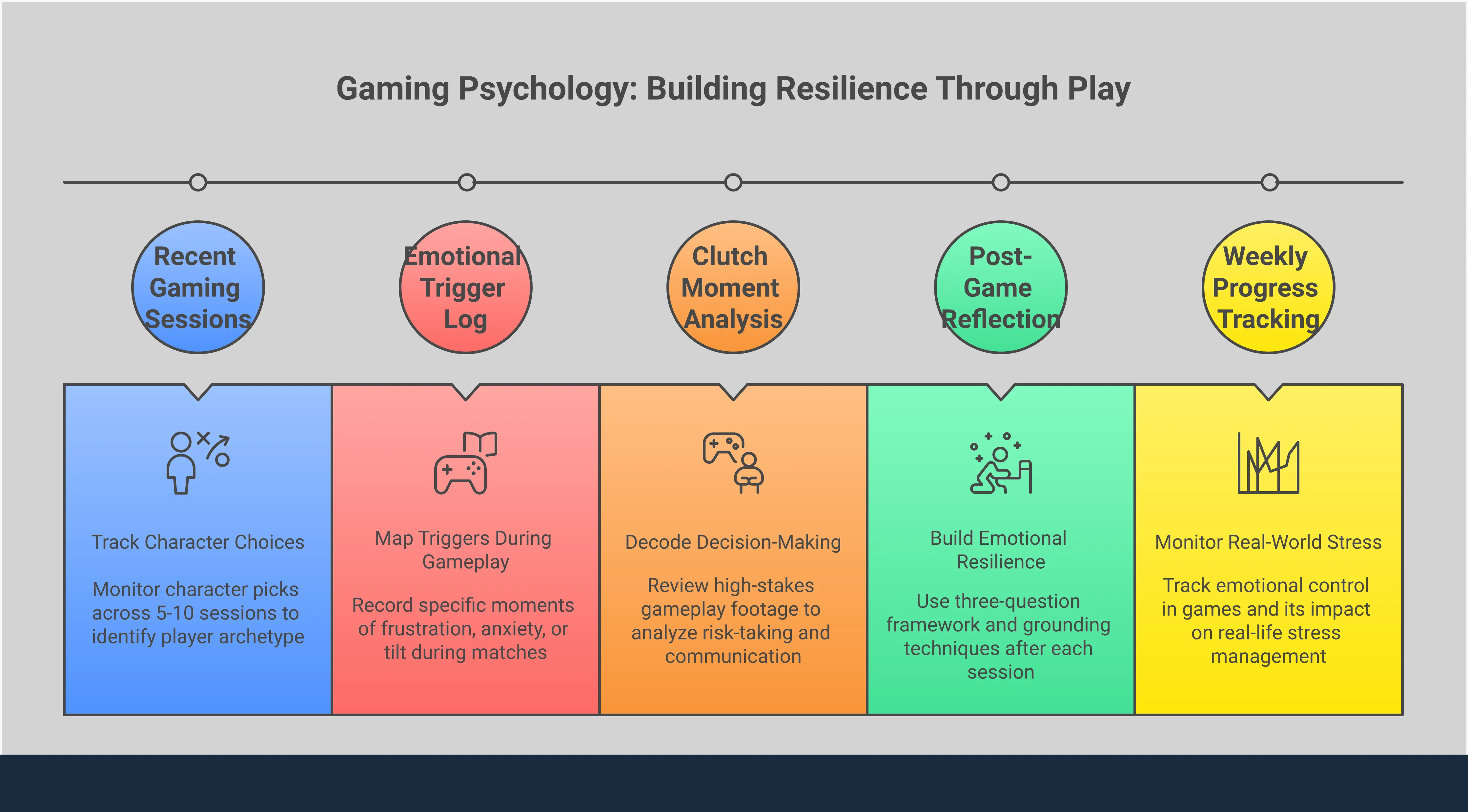
When things get intense and you need to react quickly, what do you usually do? Do you charge forward, or do you fall back to a safer spot and play it slow? These quick decisions show a lot about how you approach problems in general. Someone who’s aggressive might naturally take risks, while someone careful and thorough probably prioritizes being prepared and safe. Thinking about why you play the way you do can help you understand what really motivates you. Are you driven by winning, working with your team, or just enjoying the excitement? There’s no single correct way to play, but knowing your tendencies is key to improving at the game – and understanding yourself better.
Keeping Cool When the Pressure’s On
Everyone’s felt that intense pressure – a racing heart, sweaty hands – when a game’s outcome depends on you. How you react to that surge of adrenaline says a lot about you. Do you stay concentrated, or does the stress make you stumble? Research shows video games actually cause physical changes in players, and learning to control those changes is a valuable skill, both in the game and in life. Taking a moment to breathe and recover after a setback isn’t just about improving your game – it’s about managing your emotions. Players who stay calm under pressure often handle real-world challenges with the same strength.
Why We Get So Attached to Our Characters
Have you ever truly connected with a character you created in a game, or a non-player character you especially liked? That connection is a major reason why we enjoy gaming. We often see ourselves – or who we aspire to be – in these characters. We invest time in developing their abilities and how they look, and it’s rewarding to watch them succeed. When characters are funny and part of a good story, they feel more real and relatable. This is why fans often rally around specific characters, creating jokes and memes to celebrate their unique personalities, like what happened with the F.A.R.M. team in Honkai: Star Rail. That strong connection shows us what qualities we truly appreciate.
What Your Gameplay Says About Your Mental Health
How you play a game says a lot about who you are, beyond just your abilities. Your choices when stressed, how you interact with teammates, and how you respond to losing all offer clues about your inner world. Gaming isn’t simply entertainment; it’s an emotional and mental experience. We naturally bring our everyday worries, strengths, and social tendencies into the game. Recognizing this link is key to improving your performance and looking after your mental health. Pay attention to how you play – it can reveal a lot about what you’re thinking and feeling. Whether you’re a bold attacker or a careful team player, your style can show your confidence, how much risk you’re willing to take, and how you deal with disagreements.
Tackling Performance Anxiety and Its Triggers
Man, I totally get it when your heart races during those final circles in Warzone, or when you freeze up because you’re scared of messing up a big play. It’s like, performance anxiety, and it happens to a lot of us. Whether you’re super competitive or just play for fun, the pressure can be real. You’ve got to perform, you’re riding the emotional highs and lows of the game, and sometimes you’re worried about what others think. All that stress can actually cause serious anxiety, and it can mess with your game and your headspace. I’ve definitely found myself overthinking things, playing way too safe, or getting super tilted after just one mistake. What I’m learning is that figuring out what sets me off – maybe playing solo, a certain situation in the game, or just the pressure from others – is the first step to managing it and actually enjoying the game again.
When Gaming Bleeds into Real Life
It’s common for feelings and thoughts from video games to stick with you even after you stop playing. Have you ever been in a bad mood for a while after losing, or found yourself replaying game strategies in your head while trying to sleep? That’s what researchers call Game Transfer Phenomena – when emotions and mental processes from a game continue in real life. A frustrating game might leave you feeling annoyed, while a big victory can leave you energized. This shows how powerfully games can affect our feelings and actions, reminding us to relax and disconnect after playing, because the boundary between our gaming life and real life can sometimes become unclear.
Finding Your Squad: The Social Side of Gaming
Gaming can be both challenging and surprisingly connecting. Finding good people to play with can dramatically improve your experience and offer real emotional support. Multiplayer games let you build friendships and feel like you belong to a community, which is really important for your mental health. Sharing wins, joking about losses, and simply having people to chat with can help you feel less lonely and create a strong network of support. This social aspect transforms gaming from a solitary activity into a shared experience. Your teammates can make all the difference, turning a frustrating evening into one you’ll always remember, and reminding you that you’re part of something larger than just your own game.
The Hidden Pressures of Competitive Gaming
Getting good at competitive games takes a lot of hard work, whether you’re trying to become a pro or just want to be the best in your community. It’s easy to envy top players and pros, but they face a lot of pressure that isn’t always visible. Success isn’t just about skill; it also requires a strong mindset. The constant need to perform well can be draining, and it’s about more than just having the best gear – it’s about handling expectations, dealing with criticism, and preventing burnout.
The stress of competitive gaming isn’t just for professionals. Anyone who cares about improving their skills experiences it – the disappointment of losing, the nerves during important plays, and the difficulty of balancing gaming with everything else. When you dedicate a lot of time to getting better, it’s easy for a fun hobby to become all-consuming. This internal struggle happens away from the game, in the quiet moments when you start to question yourself. Recognizing these pressures is key to enjoying games in a healthy way, making sure they stay fun rather than stressful.
Dealing with Pressure and the Public Eye
Once you begin to compete, you’re essentially performing for others. It doesn’t matter if you’re playing in front of teammates, a small online audience, or a huge crowd – knowing people are watching creates significant pressure. Every error seems bigger, and every choice is scrutinized. This constant judgment, particularly on social media, can be emotionally draining during a competition. You’re not only fighting your opponent, but also dealing with the expectations you place on yourself and those of everyone watching. Being able to tune out distractions and concentrate on your own performance is a vital skill, just as important as any technical ability.
Recognizing and Beating Gamer Burnout
Ever find yourself dreading a game you used to enjoy? That’s likely gamer burnout – a feeling of being physically and emotionally drained from playing too much, especially when you feel pressured to succeed. When you’re burned out, winning doesn’t feel satisfying, and losing feels much worse. Studies show that playing games for long periods can really affect your mental health, and burnout is a warning sign you need a break. Pay attention to symptoms like feeling easily annoyed, tired, or just not wanting to play anymore. Sometimes, the smartest thing you can do is stop playing, rest, and return when you’re ready to enjoy the game again.
Juggling Your Gamer Life and Real Life
Every gamer understands the urge to play “just one more game.” However, if it constantly distracts you from important things like work, school, or relationships, it’s a signal that things are out of balance. A major challenge for dedicated players is finding a way to balance their gaming goals with everyday responsibilities. It’s not about stopping gaming altogether, but about making it a healthy part of your life. Understanding why you play – whether it’s for fun, a sense of accomplishment, or to escape – can make a big difference. Knowing your motivations helps you set limits and ensure gaming enhances your life, rather than interfering with it.
How Player Psychology is Changing Game Design
Game developers are always striving to create memorable experiences, and today, it’s about more than just impressive visuals or addictive gameplay. The latest trend is focusing on understanding why players enjoy games. By applying principles of psychology, developers are making games that feel more personal, natural, and emotionally engaging. This isn’t about tricking players; it’s about building a stronger connection between the game and the person playing it, leading to games that are not only fun but also feel surprisingly insightful.
Creating Games That Adapt to You
Picture a game that learns how you like to play and changes itself accordingly. If you prefer to explore carefully, it might reveal more secrets. If you’re a bold fighter, expect harder battles. This is the next step in game design. Instead of just choosing a difficulty level, games are starting to react to how you play, making the experience personal to you. The aim is to keep you engaged – challenged enough to stay interested, but not so much that you get discouraged – so the game is fun all the way through. It’s about creating a world that feels designed specifically for your playstyle.
How Games Can Read Your Mood
It sounds like science fiction, but game developers are becoming skilled at understanding how players feel. They use techniques like tracking facial expressions and heart rate to gauge emotions during gameplay. This allows for games that react to your feelings – a scary game could increase the suspense when you seem relaxed, while an adventure game might offer a peaceful break after a difficult challenge. By responding to your real-time emotions, games can become more engaging and create more intense and rewarding experiences.
Building Stories That Truly Connect
Have you ever felt deeply connected to a game character like Arthur Morgan, or been genuinely shocked by a plot twist in a game like Final Fantasy? That’s because the best games are intentionally made to evoke strong emotions. Developers work hard to create compelling stories, develop believable characters, and use music to make us care about what happens. When a game makes us truly feel – whether it’s happiness, sadness, or fear – we become much more invested in the experience. This emotional connection is what separates a good game from a truly memorable one, leaving a lasting impression even after we’ve finished playing.
Using Psychology to Support Gamer Mental Health
It’s really cool to see AI break down how pro gamers play, but what really got me thinking was how it could help me understand my own gameplay. It’s about figuring out why I make certain choices in games, how I react when things go wrong, and what it all says about me. It’s not about getting good enough to go pro – it’s about making gaming more fun, less frustrating, and actually meaningful. When you start looking at your own habits while you play, you can really see what motivates you, what makes you angry, and how your gaming personality connects to who you are in real life.
As a huge fan, I’ve realized winning isn’t just about practice – it’s about what’s going on inside your head. It’s not about therapy sessions, but learning how to handle the really tough feelings that come with competing. I think of it like adding another tool to my game – something that helps me stay calm when things get intense, recover quickly from losing, and actually enjoy playing more. If we can understand the mental side of things, we can become stronger, avoid getting burnt out, and really deepen our love for the games and the people we play with. Let’s explore how we can actually use these ideas to improve our game!
Discover Your “Why” for Gaming
Before you start your next game, take a moment to think about why you’re playing. Are you hoping to have fun with friends, relax after a stressful day, or really focus on improving your rank? Your reason for playing is important. Game creators carefully study what motivates players, and understanding your own motivations helps you choose games that give you what you need. For example, if you want a relaxed and social experience, a very competitive match could actually be frustrating. Knowing what you’re hoping to get out of gaming helps you enjoy it more and avoid getting burnt out.
Know Your Triggers, Master Your Reactions
Everyone gets frustrated when playing games—that feeling of being ’tilted’ is common. The key to handling it is understanding what makes you frustrated. Is it how someone else is playing, the game level, or the stress of a critical moment? While scientists use tools to measure emotional reactions, you can simply pay attention to your own body. Notice when your heart races or your hands clench, and think about what happened right before. Identifying these triggers lets you break the cycle of frustration. Instead of reacting impulsively, try taking a deep breath, getting a drink, or switching to a different activity for a while.
How Gaming Can Help You Understand Yourself
How you play video games says a lot about who you are. Your reactions to challenges, how you talk to teammates, and even how you handle losing can show your true personality. Games are made to make you feel things, and those feelings are real. Sometimes, those feelings are so strong they can affect your everyday life – this is called Game Transfer Phenomena. Instead of ignoring it, use it to learn more about yourself. Do you naturally take the lead in games? Or do you prefer to help others? Paying attention to how you play can give you unexpected insights into your strengths and how you deal with stress in the real world.
The Future of AI and Gaming Psychology
What we’re seeing with AI analysis of gameplay, like with ZLANER, is only the first step. As AI technology improves, it’s poised to dramatically change how we think about why we play games and the impact those games have on us. Game developers are now focused on creating experiences that connect with players on a deeper, emotional level, going beyond simply designing enjoyable levels. This combination of AI and psychology isn’t just about improving games; it’s about gaining a better understanding of what motivates us as players and as humans.
A Deeper Look into Player Behavior
Picture a game that understands you – what really makes you tick. Using artificial intelligence, the game can learn your play style and what motivates you, whether it’s winning, discovering new things, or getting lost in a story. Game creators could then use this information to build experiences specifically designed for you. Instead of guessing with surveys, games could track how you react in the moment – what frustrates you, what excites you, and what keeps you engaged – and adjust the game on the fly. This creates a more personalized and emotionally satisfying experience that’s not just fun, but truly captivating.
Custom Mental Health Tools for Gamers
By understanding how players behave, we can create helpful mental health features within games. For example, AI could detect if you’re feeling stressed or anxious and suggest a break or a more relaxed game mode. It could even use humor to help you feel better after a frustrating loss, knowing that laughter can ease emotional tension. Ultimately, by supporting your well-being, these tools could actually help you improve your gameplay.
What’s Next for Gaming Psychology?
In the future, we’ll see a growing understanding of how our gaming experiences impact our everyday lives. Scientists are already investigating this connection – how feelings and actions in games can carry over to the real world, a phenomenon called Game Transfer Phenomena. Artificial intelligence will play a key role, helping us understand how things like the competitive spirit we develop in games like Warzone might influence our career goals, or how collaborating in games like Apex Legends can improve our relationships. This will result in games that are not just fun, but also offer opportunities for self-discovery and personal development, making our gaming time more valuable and meaningful.
Related Articles
- Deus Ex LFG: Connect with Other Augs in LFG Feature on Z League App
Frequently Asked Questions
Understanding the psychology of how you play isn’t just about getting better at games. It’s about learning more about yourself. Your reactions to pressure, how you work with teammates, and how you handle losing all show what you’re like in everyday life. By noticing these patterns, you can deal with stress better and have a more fun, less frustrating gaming experience.
It’s common to get frustrated after losing a few games. Understanding a little psychology can help you manage that. The key is to figure out what specifically makes you upset – is it a certain player, your own mistakes, or pressure from teammates? Once you know your triggers, you can learn to stop yourself from getting too carried away. Instead of jumping right back into another game when you’re frustrated, try taking a five-minute break to calm down. Recognizing your frustration without letting it control your actions is a really valuable skill for staying focused.
Ever wonder if the characters you like or how you play games reveal something about you? They often do! We tend to choose characters and playstyles that reflect our own personalities or the traits we wish we had. For example, someone who always plays a support role is likely a helpful and caring person. And if you enjoy being a lone player who takes big risks, you probably value independence and enjoy a good challenge. The way you play a game can actually tell you a lot about what drives you.
Absolutely! Understanding psychology is a key part of modern game design. Developers study how players think and feel to create games that are truly captivating. This involves carefully balancing difficulty, crafting compelling stories, and building characters you connect with. Ultimately, they want to create a game world that feels alive and keeps you fully engaged.
Is the use of AI to analyze gamers just a passing trend, or does it offer real benefits? Currently, it’s mostly for fun, but the possibilities are huge. This technology hints at a future where games can be tailored to each player. Think of an AI that works like a personal coach, helping you deal with stress or suggesting a break when you’re getting tired. Ultimately, it could lead to games that change based on how you’re feeling and how well you’re playing, making them more enjoyable and helpful for everyone.
Read More
- United Airlines can now kick passengers off flights and ban them for not using headphones
- Crimson Desert: Disconnected Truth Puzzle Guide
- All 9 Coalition Heroes In Invincible Season 4 & Their Powers
- Mewgenics vinyl limited editions now available to pre-order
- Assassin’s Creed Shadows will get upgraded PSSR support on PS5 Pro with Title Update 1.1.9 launching April 7
- Grok’s ‘Ask’ feature no longer free as X moves it behind paywall
- The Boys Season 5 Spoilers: Every Major Character Death If the Show Follows the Comics
- Grey’s Anatomy Season 23 Confirmed for 2026-2027 Broadcast Season
- Viral Letterboxd keychain lets cinephiles show off their favorite movies on the go
- Katanire’s Yae Miko Cosplay: Genshin Impact Masterpiece
2025-12-26 17:36