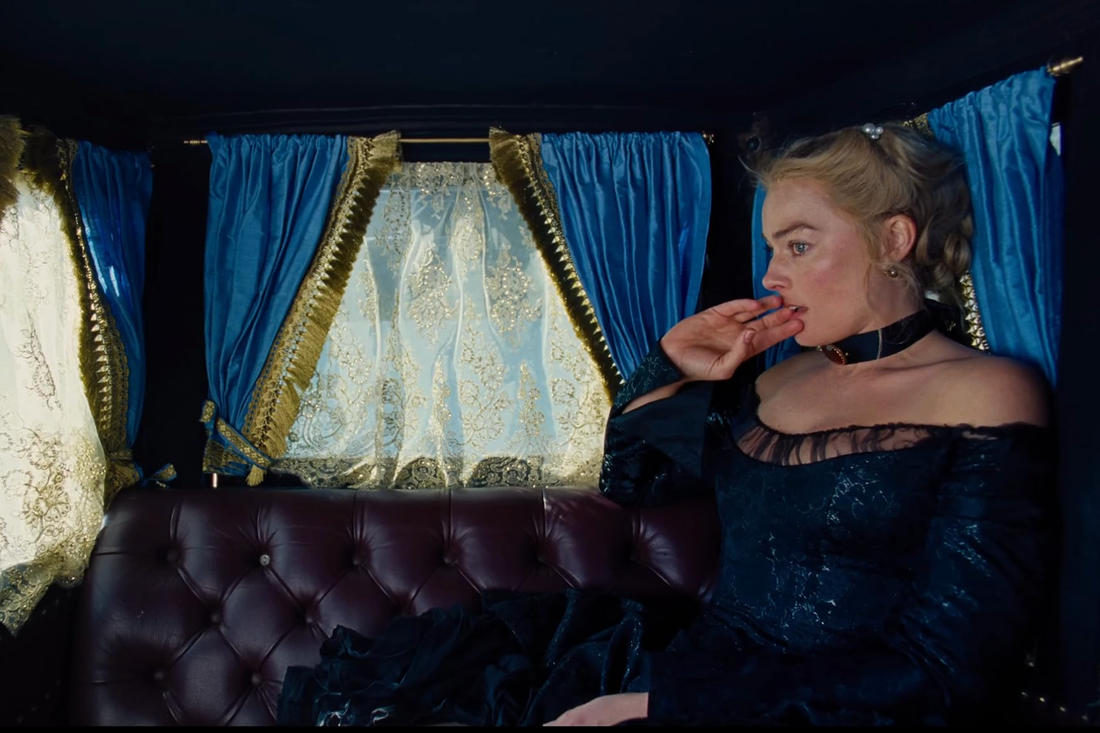
Emerald Fennell’s new film version of Wuthering Heights is already causing debate, and it hasn’t even officially come out yet. While the movie opens in theaters on Friday, early reviews from critics and online personalities are pouring in – some are praising it, while others aren’t so impressed. Even before the release of the film’s sensual trailers, fans were questioning the casting of Jacob Elordi and whether Fennell could accurately portray the complex themes of history and class in the classic story. The concern is that this adaptation might focus too much on romance and visuals, and not enough on the story’s deeper meaning, especially for those experiencing Wuthering Heights for the first time.
With the new film adaptation of Wuthering Heights coming out soon, there’s only a short time left to finish the 416-page Penguin Classics edition. If you’re debating whether to make time for the book before seeing the movie—and wondering if it will actually enhance your experience—our critics and editors are here to help you decide: Is it worth reading Wuthering Heights before you see it on the big screen?
If you’re thinking about reading Wuthering Heights, go for it – the library is a great place to start! But honestly, my first thought about seeing a movie adaptation is: don’t! A big part of the experience is everyone reacting strongly to the same film, and sharing that excitement (or outrage!). How we first encounter a classic story always shapes our view of it, and it’s impossible to predict how any adaptation will affect each person. Worrying about experiencing the original book first will probably just make it harder to enjoy the movie.
I approached reviewing this movie believing adaptations should be judged on their own terms. Personally, my memory of Wuthering Heights is hazy – I last read it in high school – and I think that’s actually a good thing. Emerald Fennell’s version feels like a teenager’s initial experience with the story, capturing all the intense emotions and longing of that age. It’s less a strict adaptation of the book and more a recreation of remembering it as a teen. So, if you haven’t read Wuthering Heights, you can easily prepare by reading a plot summary online – you won’t need to worry about the complicated second half of the book, as the movie doesn’t include it.
I’ve seen the movie too. I could pretend it’s essential to have the family relationships memorized and be ready to discuss complex interpretations of race in the novel, but honestly, it’s okay to just remember the general plot – or even not much at all! It’s hard to avoid encountering Wuthering Heights in some form, though. Its influence is everywhere, from popular books like Twilight and Fifty Shades to classics like Gone With the Wind and Black Narcissus, all of which clearly borrow from it.
If you have a basic understanding of the current cultural moment, you’ll quickly understand the main idea of this movie. It’s not complicated to follow. I personally understood the core story within the first half hour, but then found myself getting bored. Having read the original novel beforehand might actually make it more enjoyable, as you can focus on the changes the director made. For example, what impact does removing Cathy’s cruel brother have? (In my opinion, it actually makes Cathy seem less cruel, as the director seems to have toned down her character overall.) Why is Nelly so involved? (It gives Hong Chau more screen time, which is great!) And why the change with Isabella’s relationship to Edgar? (I’m not sure, but it does lessen the book’s focus on family relationships.)
Julie Kosin mentioned she hadn’t seen the new movie adaptation, but she did read the original book in high school—it was an inspiration for Stephenie Meyer’s Eclipse. She reread it later in college as part of a broader study of the Brontë sisters, and again last summer, anticipating the discussions Fennell’s adaptation would spark. She remembered the book being quite strange and wanted to experience that feeling again. Kosin feels that viewers seeing the story only through Fennell’s interpretation are missing out on the book’s full impact.
It’s amazing how much strange detail is packed into Wuthering Heights! The story actually starts with a narrator arriving at the house years after the main events and immediately feeling something is amiss, before the housekeeper, Nelly, fills him in. Most adaptations wisely skip this introductory framing device, and even cut the second half of the book, because it gets bogged down in repetitive cycles of violence and is difficult to pull off. I once saw a stage production that didn’t, and it really slowed down. I wish this new adaptation had captured more of the book’s raw, untamed spirit. This version focuses more on explicit romance and feels very staged, while I’d love to see an adaptation that really embodies the peculiar atmosphere of Northern England and its historical context—how the story is shaped by 19th-century industrialization and global trade. The book is fascinated with money—both how easily it can be lost through things like gambling, and how quickly it can be made through adventurous opportunities.
Give me sheep, I guess. This movie only has one taxidermied sheep.
The adaptation really focused on the parts of the book that resonated with the filmmaker – specifically, the intense, ill-fated romance between these larger-than-life, dramatic characters, along with themes of sex and death, and a lot of underlying (and sometimes very direct) sensuality. Honestly, that’s perfectly acceptable for any adaptation! What’s interesting is how Fennell’s version is so streamlined and focused, even if it makes the characters a bit more likable than in the book. The book is strange and unsettling, while the movie is over-the-top and… sensual. It truly feels like its own unique creation.
I completely agree with K.V.A.! Seeing the film first actually makes so much sense to me. It feels like the book will be a wonderful expansion of what we’ve already experienced, and honestly, a bit of a wild ride – but in the best way! I think it’ll have so much more depth and a richer sense of history. Plus, Wuthering Heights just isn’t the kind of story you should rush through. Letting it unfold over time, letting those twists and turns really sink in… that’s how you truly appreciate it, and I think it will be even more impactful that way.
People are starting to react to the movie on social media, and I want to address some of their concerns. A common question I’m seeing is why we chose to adapt Wuthering Heights instead of another romantic drama.
I really struggle with that criticism – if you only accept adaptations that stick very closely to the original, you’re going to be constantly disappointed! And there are plenty of other Wuthering Heights adaptations to compare it to. It’s okay to think Fennell’s film misses something important from the book, especially regarding the sexual content, which will bother some fans of the Victorian novel. But her film clearly shows what she found compelling about the story, regardless of what others think – and people definitely have strong opinions about this one! It’s not a literal adaptation, but it’s not so different from the novel that it shouldn’t be considered one. Watching it can feel a bit like seeing the story through someone else’s interpretation, getting a glimpse into their personal understanding of the characters and events.
I agree there aren’t enough truly passionate romances available. A steamy, romantic take on a classic like Wuthering Heights might be more enjoyable if we had more options for those kinds of on-screen love stories – think dramatic chases across landscapes, heroes emerging from the sea, secret meetings, and longing glances. As it stands, this adaptation is frustrating for everyone. Fans of the original novel feel it’s ruining a serious work, but romance readers want something that embraces the genre wholeheartedly. After all, we’ve proven with shows like Outlander that there’s a huge audience for this! I’m hoping Heated Rivalry will encourage Hollywood to create more genuine romances, instead of always trying to make the genre feel ‘elevated’ and different.
I didn’t enjoy the movie as much as some of my colleagues, but what bothered me most was its inconsistency. It felt torn between being a steamy romance and attempting something more meaningful, and it didn’t quite succeed at either. The film hints at bolder, more sensual themes, which would fit the director’s style and appeal to some viewers, but ultimately doesn’t fully commit, leaving them wanting more. It needed to go all in! The movie feels restrained, as the director seems unable to fully break away from the source material, even while trying to be edgy and provocative.
Alison, you said the movie version of this story was bad, but the book itself is really good! I’m disappointed the movie cuts out half of the plot. The impact Catherine has on Heathcliff, and how that pain affects his children and hers, is crucial to the story – it’s what makes Wuthering Heights so powerful. Just because previous adaptations haven’t been great doesn’t mean it’s impossible to make a good one. Maybe I’m just being too critical?
I haven’t looked into this deeply myself – Bilge Ebiri, who’s been watching adaptations of Wuthering Heights from around the world all year to create a ranking, would be a better person to ask. But from what I’ve seen, most film versions skip the second half of the novel. The story’s focus on multiple generations and the long time span it covers makes it difficult to cast actors who can believably portray characters over so many years. The new film already struggles a little with the transition from young Cathy and Heathcliff to Margot Robbie and Jacob Elordi as teenagers.
Regardless of your opinion on the latest film version, it’s not accurate to say the book has never been adapted well. If you want to see the complete story, there’s a 1992 adaptation directed by Peter Kosminsky, featuring a young Ralph Fiennes as Heathcliff and Juliette Binoche playing both Catherine Earnshaws. For a more realistic approach, the 2011 version by Andrea Arnold – praised by our colleague Roxana Hadadi – is a good choice, and it also thoughtfully addresses Heathcliff’s racial background with the casting of James Howson. Beyond that, you can find adaptations from France, Japan, the Philippines, and even Bollywood, plus a modern take from 2003 on MTV starring Erika Christensen. Chances are, no matter what you’re looking for, there’s a Wuthering Heights adaptation that will appeal to you!
You can always expect new versions of Wuthering Heights – just like buses, they keep coming! This shows how powerful and complex the novel remains. It’s impossible for any single adaptation – whether it’s a movie, play, or opera – to fully capture the book’s wide range of emotions and styles, from a classic family saga to a dark romance. So, it’s best for each adaptation to focus on the aspects that appeal most, knowing someone else will likely revisit the story and offer their own take on Heathcliff and Cathy in a few years.
Julie, what you’re hoping for is what we call a limited series – a show with a set number of episodes. And great news! There’s a new version of The Forsyte Saga coming to PBS this spring! We absolutely have the resources and ability to create something similar.
So, if I understand correctly, everyone is saying that Emerald Fennell’s take on Wuthering Heights doesn’t actually represent a major problem with reading skills?
I’m still really bothered by how they changed things for the adaptation. Seriously, what happened with Tom Hardy’s hair in that 2009 miniseries? It’s just strange!
The decline in literacy is a serious problem with potentially devastating consequences for American democracy, but blaming a single, provocative movie for this complex issue seems like a huge overreaction. People have always retold stories with added spice, so this isn’t new. There are far better examples of current cultural trends to point to – like the many Netflix shows that constantly explain the plot through overly direct dialogue. Let’s not unfairly focus on Emerald Fennell’s work!
Please analyze the ‘skin room’ aspect of the work, whether you interpret it positively or negatively. Support your interpretation with specific examples from both the film and the novel, and be sure to cite your sources using MLA format. Remember to start each paragraph with a clear topic sentence. Email your completed analysis to me by Friday.
Read More
- United Airlines can now kick passengers off flights and ban them for not using headphones
- Gold Rate Forecast
- All Golden Ball Locations in Yakuza Kiwami 3 & Dark Ties
- How to Solve the Glenbright Manor Puzzle in Crimson Desert
- How to Complete Bloom of Tranquility Challenge in Infinity Nikki
- 8 Actors Who Could Play Blackbeard In One Piece Live-Action Season 3
- How to Get to the Undercoast in Esoteric Ebb
- Netflix’s 4-Part Crime Thriller Is One Of Its Very Best
- Katanire’s Yae Miko Cosplay: Genshin Impact Masterpiece
- 15 Lost Disney Movies That Will Never Be Released
2026-02-11 20:57