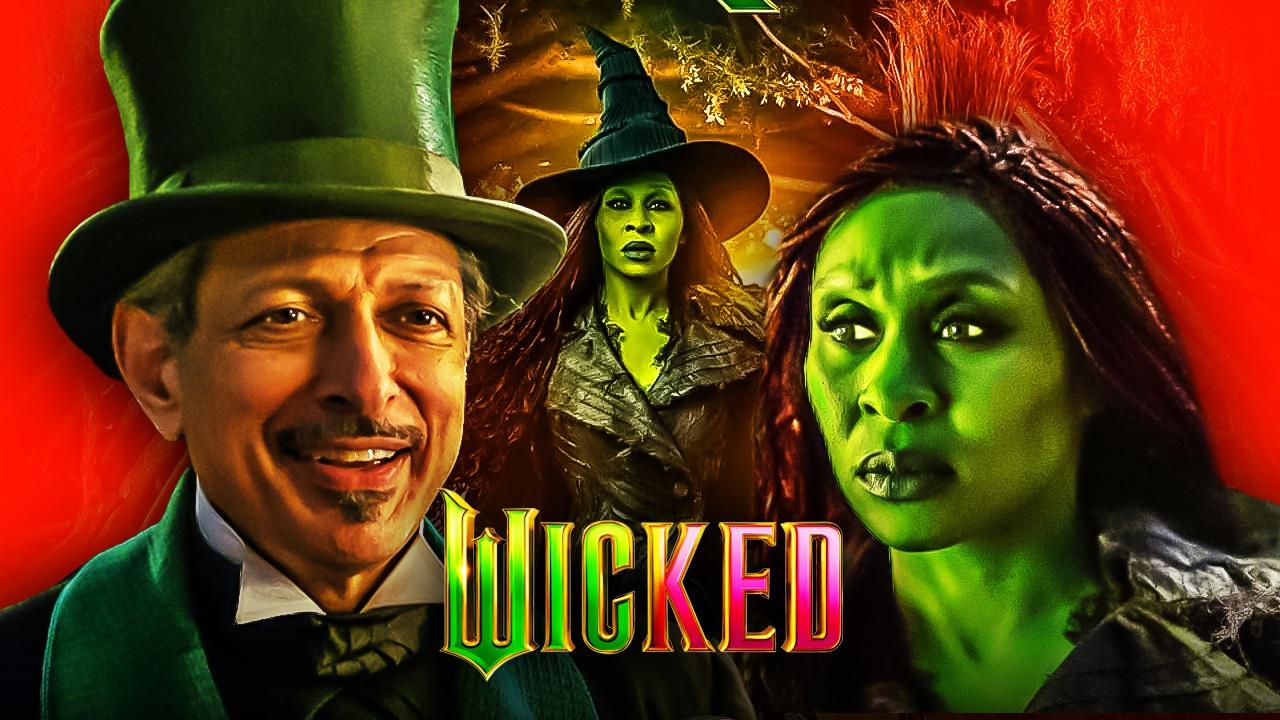
Since its release, the movie Wicked: For Good has received four main criticisms, with many viewers finding it doesn’t live up to the original 2025 stage production. The film faced a challenge from the start, as the second half of the Wicked play is generally considered weaker than the first. The filmmakers then had to decide whether to address the play’s issues or stay true to the source material.
Last year, the movie Wicked became a huge success worldwide, with particular praise for Cynthia Erivo’s and Ariana Grande’s performances as Elphaba and Glinda, and the chemistry between their characters. While the first part of the film did well with critics (earning an 88% rating on Rotten Tomatoes), the second part has been more divisive, currently holding a 68% rating.
The 4 Biggest Criticisms Against Wicked: For Good
Wicked’s Lacklustre Act 2 Storyline
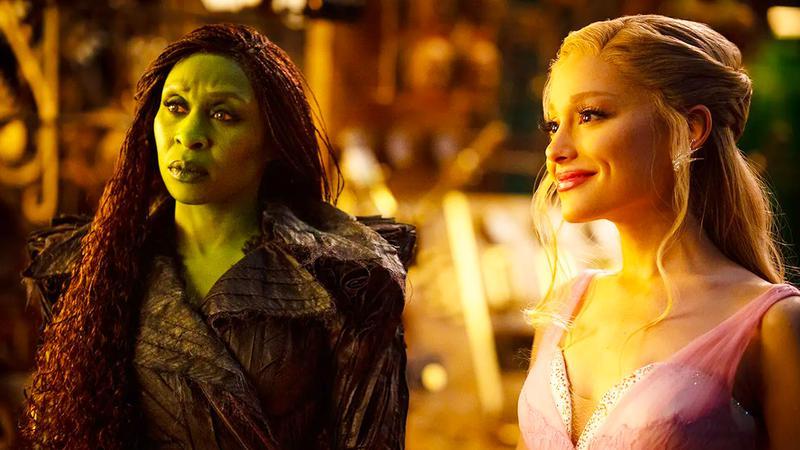
The movie version of For Good stays fairly true to the stage play, but it shares some of the same weaknesses, particularly a fast-moving plot. Key moments, like Nessarose’s death and Fiyero and Boq becoming the Scarecrow and Tin Man, feel hurried and don’t have the emotional weight they deserve.
The supporting characters in Wicked aren’t developed very well, and this is also a weakness in the original stage production. Furthermore, the sequel relies too heavily on references to The Wizard of Oz, losing the independent storyline that made Wicked so compelling in the first place.
Okay, so I just saw Wicked: For Good, and while they definitely tried to give the story a more hopeful ending, it’s been a bit divisive. A lot of people, myself included sometimes, still feel like the way things wrap up isn’t quite as satisfying as it could be.
Besides the speed of the story, some critics have pointed out that Wicked‘s overall mood feels inconsistent. The first half is lighthearted and fanciful, but the second half becomes much more serious and focuses on political themes, which feels abrupt even though both parts tell the same story.
The Dorothy Approach
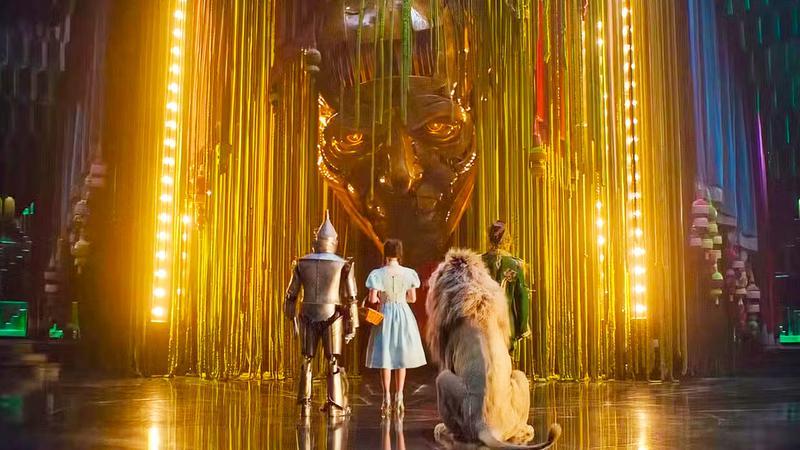
The second half of Wicked closely follows the plot of The Wizard of Oz, sharing many of the same events and characters. This includes the people Glinda and Elphaba meet in the first act, who later join Dorothy on her journey.
Fans of the musical Wicked know that Dorothy didn’t actually kill Elphaba with water at Fiyero’s castle – she only made it look like she died.
It was always expected that Dorothy would appear in For Good, just as she does in the original Wicked musical, where she’s mainly seen as a shadowy figure with a small, opposing role. Wicked: For Good gave Dorothy a bit more to do, showing her journey on the Yellow Brick Road and leading people to wonder who would portray her.
Jon M. Chu decided to keep Dorothy’s face hidden but still gave her a small role, hiring British dancer and actress Bethany Weaver. This choice has been met with varied opinions; some people like that the story stays focused on Elphaba and Glinda, while others feel hiding Dorothy’s face actually made viewers focus on her even more.
Lacking Memorable Music Numbers
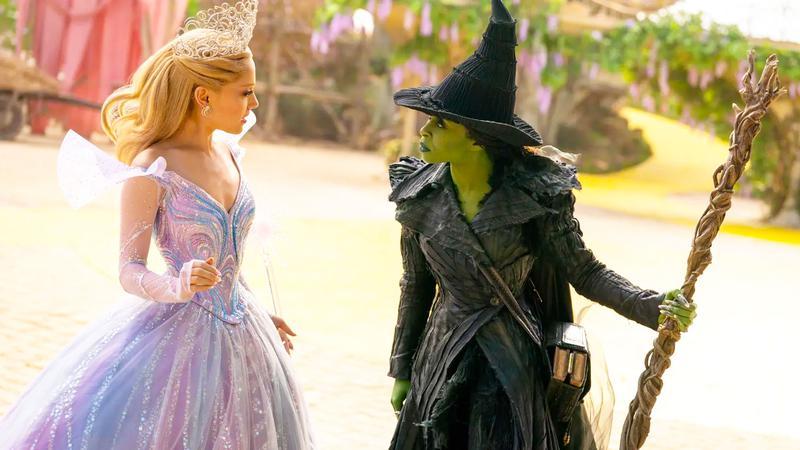
Although For Good includes numerous songs, some listeners feel the music isn’t as catchy or memorable as the songs from the first half of Wicked. While the original show featured hits like “Defying Gravity” and “Popular,” the sequel doesn’t have as many instantly recognizable songs, with “For Good” and “No Good Deed” being the most popular tracks.
The film version includes a couple of new songs: “No Place Like Home,” performed by Cynthia Erivo as Elphaba, and “The Girl in the Bubble,” sung by Ariana Grande as Glinda. These additions aim to enhance the movie adaptation.
As a huge fan of the original musical, I’ve been following the new songs closely. Even though Stephen Schwartz himself wrote them, the reaction has been pretty divided. People are definitely complimenting the vocal performances and how emotionally resonant the songs can be, but others find them a bit flat or awkwardly inserted into the narrative. It’s a bit of a mixed bag, honestly.
Michelle Yeoh Can’t Sing
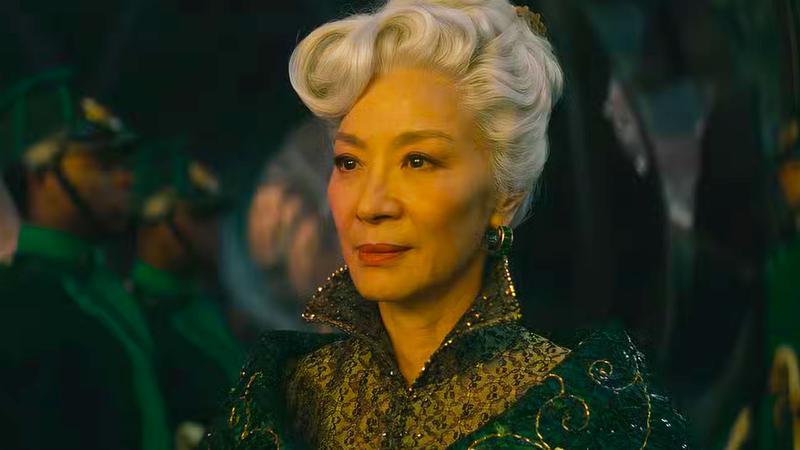
Michelle Yeoh gained a lot of attention during the publicity for Wicked: For Good with her recurring joke – playfully repeating “Madame Morrible, MM, flip it around, Wicked Witch” – but reviews of her actual performance in the film have been mostly negative.
Michelle Yeoh is a highly respected actress, recently winning an Oscar for her role in Everything Everywhere All at Once. However, her singing isn’t as strong as some of the other performers in the production.
Madame Morrible still appears in the songs “The Wizard and I” and “Thank Goodness,” but her singing voice isn’t as strong or powerful as it used to be. The team behind Wicked seems to have noticed this, as they removed a small solo she had in the stage version of “Thank Goodness.”
Problems with Michelle Yeoh’s performance become clearer when looking at her statements on The Late Show with Stephen Colbert. The Academy Award winner admitted she “doesn’t sing” and nearly rejected the role until director Jon M. Chu, along with Ariana Grande and Cynthia Erivo, persuaded her to accept it.
I’d read the book, The Wizard of Oz, many times, but I hadn’t yet seen the musical Wicked. When I called director Jon M. Chu, I told him, ‘Jon, I love you, but it’s a musical – and I can’t sing!’ I definitely don’t sing well enough to do it professionally. But Jon, being Jon, just told me not to worry. Honestly, he’s a brilliant visionary and can talk you into doing anything.
Read More
- United Airlines can now kick passengers off flights and ban them for not using headphones
- Crimson Desert: Disconnected Truth Puzzle Guide
- All 9 Coalition Heroes In Invincible Season 4 & Their Powers
- Mewgenics vinyl limited editions now available to pre-order
- Grey’s Anatomy Season 23 Confirmed for 2026-2027 Broadcast Season
- Assassin’s Creed Shadows will get upgraded PSSR support on PS5 Pro with Title Update 1.1.9 launching April 7
- Viral Letterboxd keychain lets cinephiles show off their favorite movies on the go
- The Original Resident Evil is Finally Available on Steam
- Crimson Desert Guide – How to Pay Fines, Bounties & Debt
- Does Mark survive Invincible vs Conquest 2? Comics reveal fate after S4E5
2025-12-05 20:06