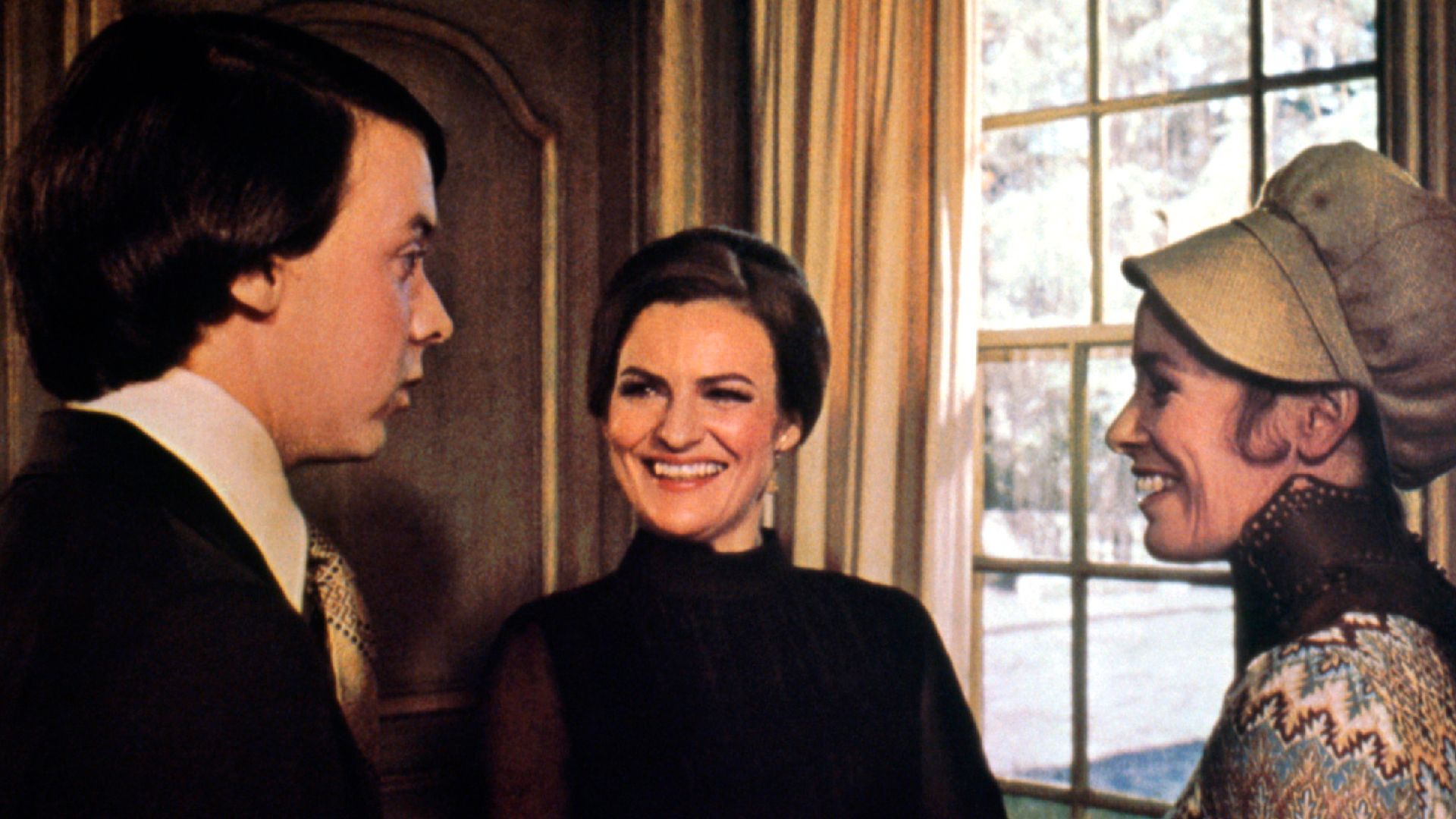
Actor Bud Cort died on February 11, 2026, at the age of 77. He was a prolific character actor known for his work in classic New Hollywood films like MASH and Brewster McCloud. However, he’s best remembered for playing Harold Chasen in Hal Ashby’s 1971 dark romantic comedy, Harold and Maude*. Though the film wasn’t initially successful, it has since become a beloved cult classic and is now considered one of the greatest romantic films ever made – it even ranked at number 69 on the American Film Institute’s list of the top 100 romance films of the 20th century.
The recent passing of Cort comes at a poignant time – just before Valentine’s Day and during the 55th anniversary year of the film Harold and Maude. This unique romance tells the story of a young man fascinated with death who finds love with a vibrant 79-year-old woman, brilliantly portrayed by Ruth Gordon. With the loss of Ashby, Gordon, and now Cort, their contributions live on through this film. If you’re looking for something to watch this Valentine’s Day, Harold and Maude is a perfect choice.
A Romantic Comedy with a Wicked Sense of Humor (And a Great Soundtrack)
Paramount Pictures
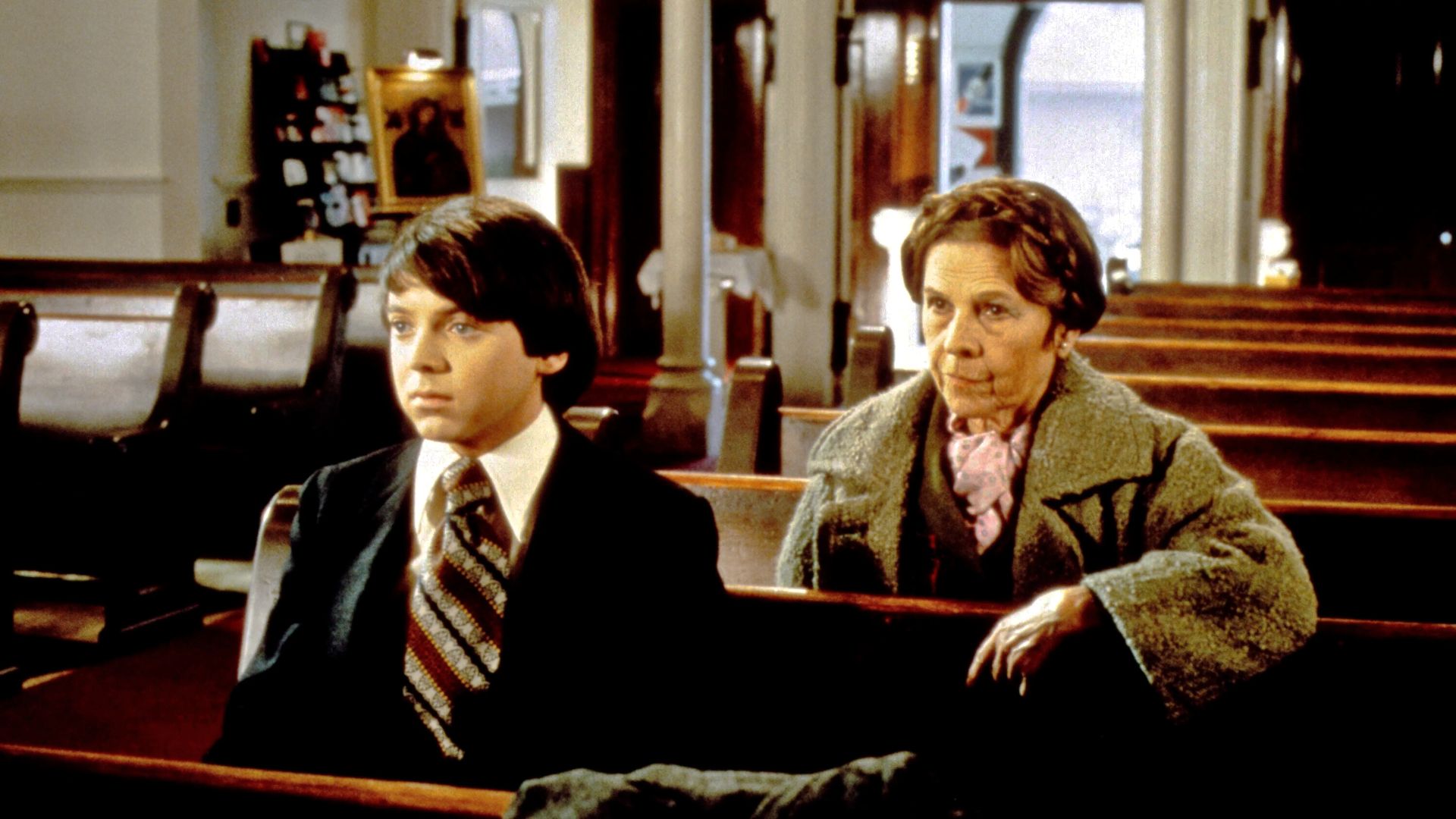
Many consider Harold and Maude a romance for those who don’t enjoy typical love stories. This is understandable, as the film tackles dark themes, setting it apart from traditional romantic comedies. It certainly doesn’t start like one – the opening scene features a seemingly tragic event that turns out to be a joke. Harold and Maude has a darkly humorous and playful energy, presenting elaborate, over-the-top ‘deaths’ in a way that feels like a live-action Looney Tunes cartoon, made even more amusing by the film’s wealthy setting.
Despite its unconventional story, Harold and Maude remains a classic romantic comedy, and it’s genuinely funny. The film is full of laugh-out-loud moments, from the frustrated police officer’s slapstick routines to Harold’s mother hilariously completing his dating profile for him. Even today, over 50 years later, the movie holds up remarkably well. One particularly memorable scene features Harold interacting with three authority figures – his army uncle, his psychiatrist, and a priest – and cleverly juxtaposes their conversations with framed photos of their heroes: Richard Nixon, Sigmund Freud, and Pope Paul VI.
A key part of what makes Harold and Maude feel like a classic romantic comedy—while still being unique—is its soundtrack, featuring original songs by Cat Stevens (now known as Yusaf Islam). Stevens blends folk, pop, and rock to create the film’s distinctive sound. The playful piano intro to “Don’t Be Shy” immediately establishes the film’s tone, and the use of “Trouble” in the closing montage is particularly moving—it’s considered one of the best song choices in movie history. Stevens’ gentle vocals and acoustic guitar give the film a timeless quality, making it feel both modern for its time and warmly nostalgic today.
‘Harold and Maude’ Is a Counter-Culture Love Story
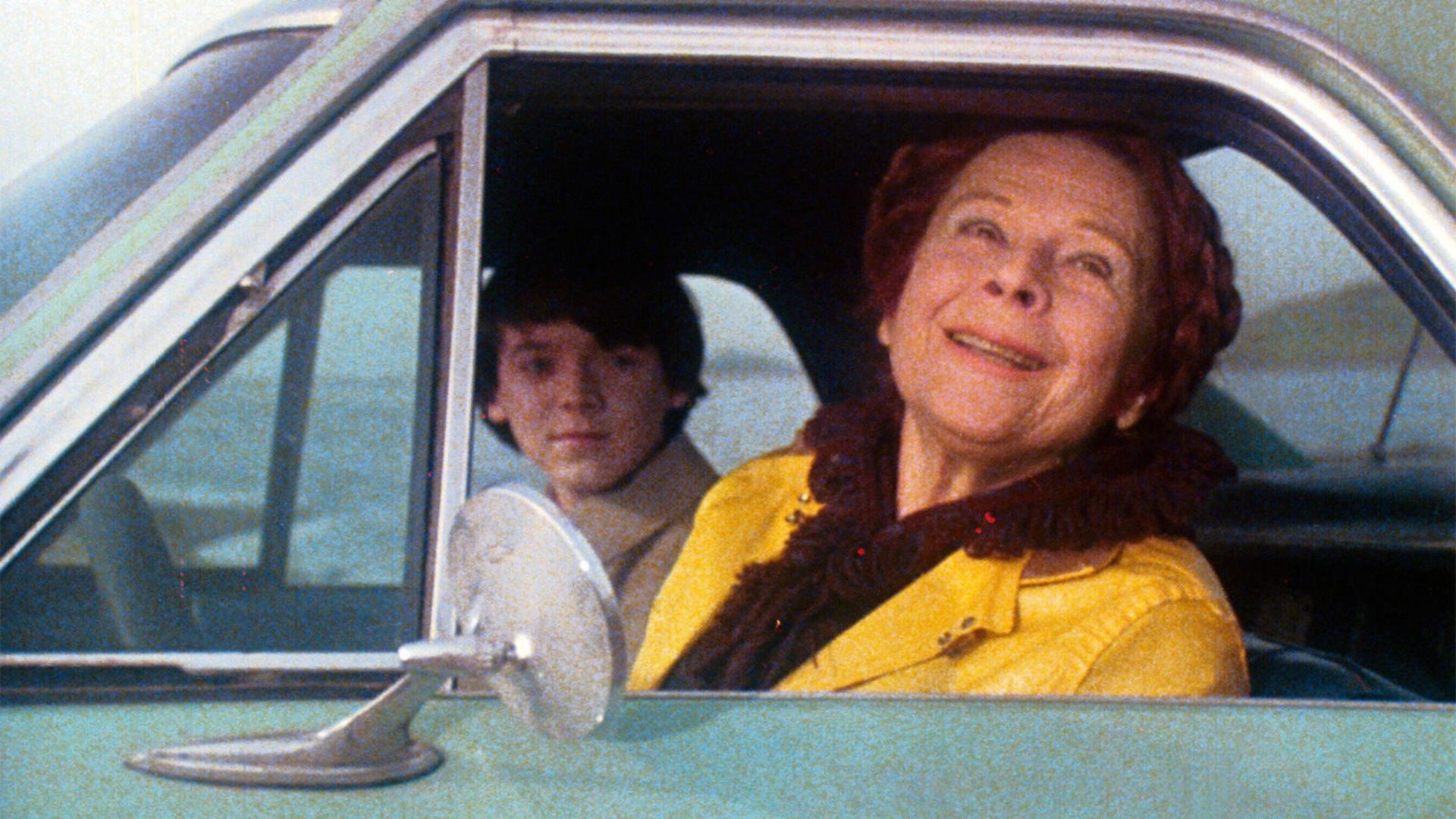
A big part of what makes Harold and Maude so humorous is its connection to the counterculture of the late 60s and early 70s. The film playfully challenges the idea of fitting in, especially the strict standards of what was considered “proper” by the wealthy American upper class. It highlights how new ideas – like women exploring their sexuality or the growing acceptance of different relationship styles – were often dismissed by the elite, as seen through Harold’s mother. Even Harold’s choice of a hearse feels like a rebellion, and he continues this defiance by turning a more conventional Jaguar into a makeshift hearse after his mother disapproves.
Released on December 11, 1971, Harold and Maude came out while the Vietnam War was still ongoing – the U.S. didn’t officially withdraw until March 29, 1973. The war isn’t just a setting for the film; it’s deeply woven into the story, as Harold’s mother uses the threat of the draft as leverage due to his rebellious behavior and attempts to avoid arranged dates.
Maude, born before 1900, was surprisingly open-minded and fit right in with the changing social norms of her time, much like director Hal Ashby, who grew up in a more traditional era but fully embraced the 1960s counterculture – adopting things like long hair, a vegetarian diet, and marijuana use. This is quite different from Harold, a young man from the baby boomer generation. He came from a wealthy, educated background and presented a more conservative image, despite having a playful, slightly macabre sense of humor. He had a natural talent that might have led him to a career directing horror films.
Harold, who seemed older than his years, and the vibrant Maude create a funny and heartwarming contrast. Though the movie Harold and Maude clearly reflects the style of the 1970s, its love story continues to resonate with audiences today. It’s a film for anyone who’s ever felt like an outsider. While some details might seem dated, the movie’s core themes and feelings remain relevant and universal.
“If You Want to Sing Out”
Paramount Pictures
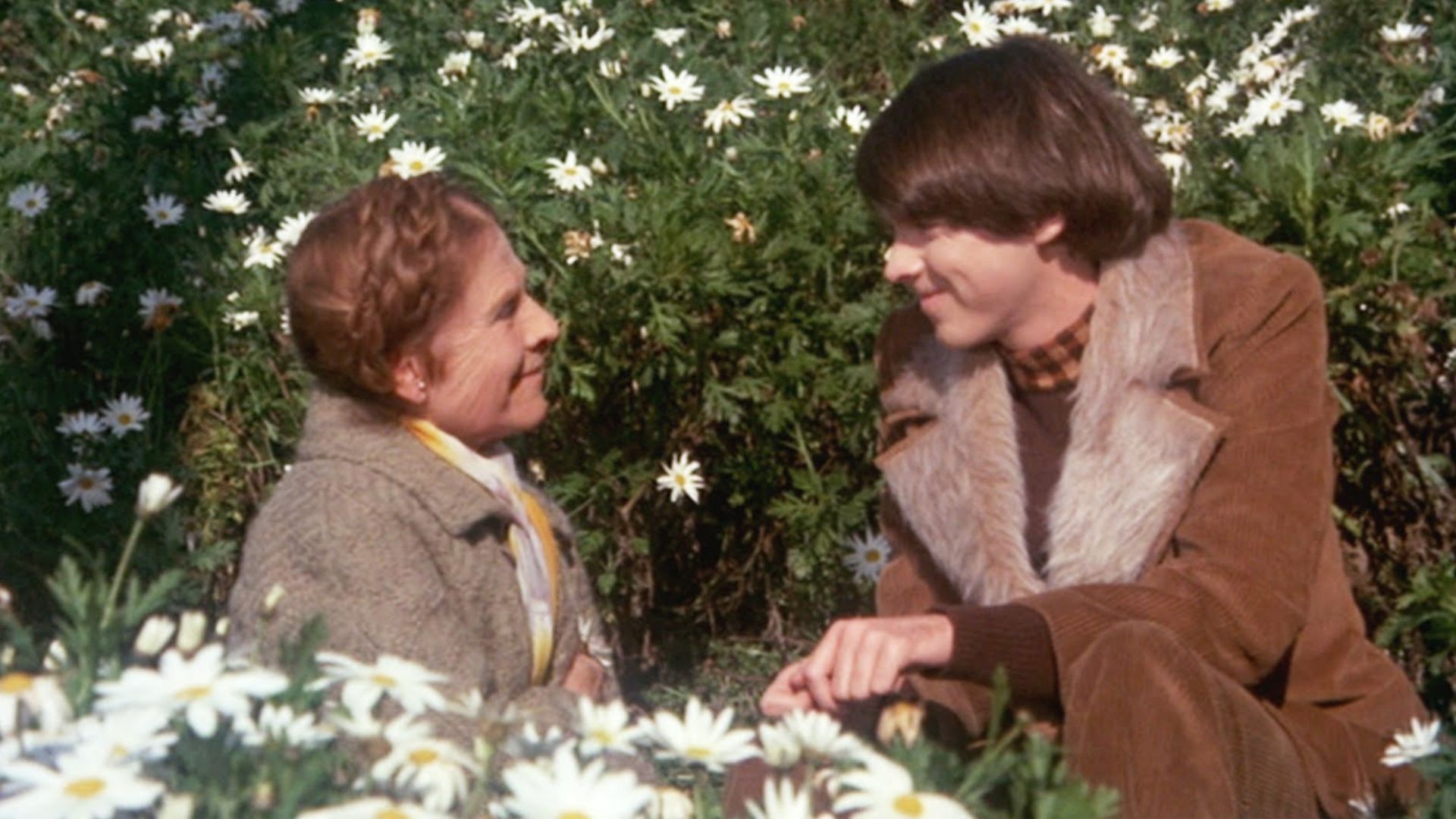
Despite its dark humor, Harold and Maude is a heartwarming story about an unlikely connection between two people from different generations. Harold spends his youth preoccupied with death, while Maude, a woman nearing the end of her life, embraces every moment. Having lived a full life marked by both happiness and hardship – including surviving the Holocaust – she views death not with fear, but as a reminder to cherish life’s limited time. She helps Harold realize his life is worth living and encourages him to embrace it, while his love and companionship bring her joy in her final days.
What really stuck with me after seeing this film is the beautiful message Maude leaves Harold with. It’s not about dwelling on loss, but about embracing life because of the people you’ve loved. Even after she’s gone, she encourages him to keep living, to keep experiencing joy. Her last words – “Go and love some more” – are incredibly powerful and honestly, a perfect reminder for all of us.
The movie’s ending beautifully captures its core message: Harold lets go of his obsession with death and walks towards a bright future, playing the banjo – an instrument Maude inspired him to learn. Even after Maude is gone, her impact on Harold remains strong. The film concludes with Cat Stevens’ song “If You Want to Sing Out,” which perfectly reflects the movie’s central theme.
MovieWeb Report: Subscribe and never miss what matters
Immerse yourself in the cinematic universe with the latest movie news, reviews, and exclusive content from MovieWeb.
If you feel like expressing yourself, go ahead and do it. If you want to live without restrictions, then be free. There are endless possibilities and ways to live your life, you already know that.
While life and death aren’t typical rom-com themes, this film’s boldness is a big reason fans have loved it for over 55 years. It feels even more meaningful now, following Bud Cort’s recent passing. Just as Maude’s outlook on life continues through Harold, the legacies of Bud Cort, Ruth Gordon, and director Hal Ashby live on in the film Harold and Maude itself.
You can always enjoy the film Harold and Maude, but this year feels especially right. With Bud Cort’s recent passing and the film celebrating its 55th anniversary near Valentine’s Day, now is the perfect time to watch it.

Found an error? Send it info@movieweb.com so it can be corrected.
Read More
- United Airlines can now kick passengers off flights and ban them for not using headphones
- How to Complete Bloom of Tranquility Challenge in Infinity Nikki
- Gold Rate Forecast
- Katanire’s Yae Miko Cosplay: Genshin Impact Masterpiece
- How to Solve the Glenbright Manor Puzzle in Crimson Desert
- All Itzaland Animal Locations in Infinity Nikki
- All Golden Ball Locations in Yakuza Kiwami 3 & Dark Ties
- 8 Actors Who Could Play Blackbeard In One Piece Live-Action Season 3
- All 10 Potential New Avengers Leaders in Doomsday, Ranked by Their Power
- A Dark Scream Theory Rewrites the Only Movie to Break the 2-Killer Rule
2026-02-15 02:15