When a game update disappoints players, they don’t just complain – they come together and organize. We’ve seen this happen repeatedly: frustration quickly spreads across online forums and social media, forming a strong, unified voice that developers can’t overlook. It’s more than just venting; it’s players working together to influence the game’s direction. When players feel their time and dedication aren’t valued, they actively voice their concerns. This collective effort transforms individual complaints into a powerful movement, pushing developers to rethink their choices and remember that the game exists for the players.
Key Takeaways
- Broken updates are rarely due to laziness: They’re usually the result of a perfect storm of complex game systems, tight deadlines, and developers being too close to the project to see it from a player’s perspective.
- Organized community action gets results: While individual complaints can get lost, unified movements like spending freezes, social media campaigns, and review-bombing create tangible pressure that forces studios to listen.
- Closing the gap is a two-way street: Developers can build trust by being more transparent about their decisions, while players can make their feedback more impactful by keeping it constructive and using official channels.
What is Game Playtesting and Why Does It Matter?
As a gamer, I’ve always wondered how crazy bugs or super-strong weapons slip through the cracks and end up in a finished game. It usually comes down to playtesting. Basically, it’s the final quality check – developers let real players like me try out the game and break it, if we can! It’s not just about finding glitches, though. The big question they’re trying to answer is: is the game actually fun to play?
Playtesting is a crucial step in game development, acting as a final check for issues before a game is released. It’s how developers gather feedback on all aspects of the game – from how the core mechanics feel to whether weapons are balanced, and if quests and maps are enjoyable and easy to understand. Effective playtesting leads to a polished launch and a fair gameplay experience. When playtesting falls short, it often results in post-release updates and frustrated players asking why obvious problems weren’t caught. A strong playtesting process is the best way to prevent disastrous updates, and understanding it helps explain why even popular games sometimes have problems.
Who Tests the Games: Insiders vs. Outsiders
Who are playtesters, exactly? They usually come from two groups: people involved with the game’s creation and those who aren’t. The ‘insiders’ – developers, quality assurance testers, and sometimes their friends and family – know the game inside and out, which is helpful for finding technical problems. However, because they’re so familiar with the game, they can miss obvious issues, like imbalances, because they instinctively know how to overcome them. This can create a situation where everyone agrees on something that isn’t actually working for new players.
That’s where players like us come in – people brought in to test the game before it’s fully released. We offer a new, unbiased look, and we’re not afraid to experiment – trying out unusual combinations or pushing the game’s limits. We’ll also be honest about what isn’t working or isn’t fun. This kind of honest feedback is incredibly valuable because it shows how players will really experience the game.
Why Your Feedback is Supposed to Matter
Your feedback is crucial for game developers. They might have a specific idea for how a game should feel, but your experiences as a player show them what’s actually working. For example, a developer might think a boss battle is well-balanced, but if many players find it too difficult, that’s valuable information. That’s why it’s so important to share your thoughts during testing – it helps developers understand the game from your perspective and make improvements to better meet your expectations.
There’s a challenge with this process. Getting feedback from players on test servers takes time, and by the time enough people have shared their thoughts, the developers may have already moved on to the next update. This can make players feel like their input isn’t being heard, even if the developers want to listen. To really make a difference, feedback needs to be gathered and used while it’s still relevant.
Do Game Developers Actually Play Their Own Games?
Seriously, how many times have I yelled at my screen, “Do the devs even play this game?!” It’s totally understandable when an update ruins your main or introduces some awful bug. The thing is, they do play, a lot! Way more than most of us, probably. But they don’t play like we do. We’re out there enjoying the game, while they’re basically tearing it apart, testing every little thing. It’s less about having fun and more about analyzing everything under a microscope, and that’s where things can go wrong.
What Developer Testing Really Looks Like
For game developers, playing their own game isn’t about enjoyment—it’s a crucial part of the development process. Instead of relaxing with friends, they meticulously test specific features, like repeatedly playing a level to check lighting or trying to recreate a glitch. One developer noted they likely spend more time with their game than any actual player will. This testing is often done in small pieces; a developer might spend a whole day focused on just a few seconds of gameplay. While this detailed work is vital for perfecting the game’s mechanics, it means developers rarely get to experience the full game as a regular player would.
Why Devs Can’t Catch Every Bug
It’s strange that so many bugs slip through even when games are played extensively during development. One reason is that developers often face tight deadlines and limited budgets, forcing them to hurry through testing. But even more significantly, they develop what’s called “developer goggles” – after working on the same game for a long time, they become blind to problems that would be immediately obvious to new players. Because they understand how the game is intended to function, they unintentionally overlook the strange or unexpected things players are likely to do. This familiarity makes it difficult for them to identify issues that someone experiencing the game for the first time would spot instantly.
Why Do Broken Updates Still Get Released?
Every gamer fears this: logging in after a big update, eager to play the new stuff, and finding the game is riddled with problems and feels unfair. It’s easy to get angry and think the developers didn’t care, but the truth is usually more nuanced. These broken updates aren’t typically due to developers being lazy or unskilled. More often, they happen because of complicated game systems, strict deadlines, and ideas that simply don’t work as well in the actual game as they did during planning.
Despite thorough testing both internally and with public test groups, problems can still surface after an update is released to a large audience. When millions of people start playing, issues appear that a smaller quality assurance team simply couldn’t detect. Let’s look at the main reasons why these frustrating updates sometimes happen.
The Trouble with Complex Game Systems
Today’s games are incredibly intricate. Every element is connected, so even small changes can have big, unexpected consequences. For example, adjusting a character’s power, a weapon’s strength, or how often rare items appear can throw the whole game off balance. A simple improvement meant to help a character could unintentionally create an overpowered combination with another item. As seen in games like Clash Royale, even altering something like rewards can lead to players becoming frustrated with how the game progresses and feeling burnt out. Developers do test changes, but with so many variables, it’s almost impossible to foresee every possible outcome.
When Deadlines Crush Quality
Ultimately, making games is a business, and businesses have deadlines to meet. Updates are frequently timed to coincide with marketing campaigns, holidays, or financial reporting. This pressure can sometimes force developers to release updates before they’re fully polished. Developers often feel as frustrated as players when they have to rush out an update with known issues. They’re often faced with a difficult choice: release something imperfect now and fix it later, or miss an important launch date which could hurt the company financially. Usually, business needs take priority, leaving players to cope with bugs while the development team quickly works on a solution.
When a Good Idea on Paper Fails in Practice
It’s not uncommon for game updates, despite good intentions, to backfire. An idea that sounds great during planning can feel wrong when players actually experience it. For instance, developers sometimes try to make game economies or rewards “simpler,” but end up unintentionally removing the feeling of accomplishment that keeps players engaged. This happened with an update to Clash Royale, which aimed to simplify rewards but instead made the game feel less rewarding, even prompting players to protest. Essentially, what seems like a sensible change from a designer’s point of view can completely miss what players enjoy, leading to a frustrating disconnect between what the developers want and what players actually experience.
What Happens When an Update Goes Wrong?
It’s a familiar situation: you eagerly download an update for a game you love, hoping for improvements or new features. But sometimes, the update actually makes things worse. The controls might feel awkward, a favorite weapon could be weakened, or a new bug could ruin the experience. This isn’t just annoying—it feels like a letdown. A poorly executed update can quickly spoil hours of fun and turn a relaxing hobby into something stressful.
When developers release a flawed or badly planned update, it affects everyone in the game’s community. It’s not simply a technical fix; it involves dealing with the frustration of players who feel overlooked and disappointed. This can lead to negative reactions online, and even cause players to stop playing altogether, potentially damaging the game’s long-term success and reputation.
From Player Frustration to Community Backlash
As a player, the first thing I usually notice when a game is starting to have problems is just… frustration. I’ll log off feeling annoyed, maybe tell a friend what happened, and then immediately head to Reddit or Discord to see if anyone else is dealing with the same issue. And it always turns out I’m not the only one! What starts as just my own little complaint quickly turns into a whole bunch of people saying the same thing – a real wave of disappointment.
When players get equally frustrated, things quickly get worse. Online discussions become chaotic, filled with comments and memes, and content creators often share negative reviews. If the game developers don’t address the issues promptly and well, that anger can turn into organized efforts. Players might flood app stores with negative reviews or even organize a boycott, like what happened with games such as Clash Royale when changes sparked large-scale protests.
Losing Progress: The Final Straw
A quick way to upset your players is to make their time and effort feel wasted. Gamers spend a lot of hours working to improve their characters, collect items, and earn currency in a game. When an update drastically reduces rewards, takes away items they’ve worked hard to get, or makes it much harder to advance, it feels disrespectful. It’s like all their dedication and progress have been wiped out suddenly.
This is often when even dedicated fans give up. One Clash Royale player explained after a difficult update, “Everything I worked for was just gone.” When players feel their effort has been wasted, they stop wanting to play. It’s not just about a glitch or a poor update; it’s a feeling that the game doesn’t value their time and dedication.
When the “Fix” Only Makes Things Worse
It’s frustrating when attempts to improve a game actually make things worse. Updates meant to fix issues can sometimes create new problems – a fix for one bug might cause several others. Changes designed to make gameplay fairer can accidentally lead to chaotic and unfair matches. This results in a game filled with many small, ongoing annoyances that are hard to ignore.
This often results in the dreaded “ragequit.” The game stops being enjoyable and starts to feel incredibly frustrating. It’s not that you’re losing because your opponent is better; it’s because of technical issues like lag, flawed game mechanics, or a buggy interface. When these small, unfair moments happen repeatedly, players feel like the game itself is fighting against them. At that point, simply quitting seems like the best option.
The Gap Between Developer Vision and Player Reality
Have you ever read a game update and wondered why that specific change was made? It often happens because developers have one idea of how a game will be played, while players discover entirely different ways to enjoy it. Developers create the game’s foundation, but players are the ones who experiment, push boundaries, and sometimes even exploit it. This difference in perspective is a major reason why updates, even those meant to be helpful, can sometimes miss the mark and not address what players actually want.
Developers aren’t deliberately overlooking player concerns; they simply have a different view of the game. They’re focused on the overall design, while players experience the game firsthand, finding unexpected issues and hidden details. By the time player feedback reaches the developers, they may have already moved on to new content. This often leads to frustration, with players feeling unheard and developers puzzled by negative reactions. Recognizing this disconnect is crucial to understanding why games sometimes lose their way.
What They Designed vs. How We Actually Play
Game developers put a lot of effort into creating experiences exactly how they envision them – from how weapons are used to the way players progress through quests and tackle boss battles. But as soon as they release their game, players often find clever, unexpected, and sometimes chaotic ways to play that the developers never considered. This could be anything from speedrunners completing levels in record time to players discovering incredibly powerful combinations that change the entire game.
It’s actually a good thing when players find unexpected ways to enjoy a game – that’s what makes interactive entertainment special. The issue is when developers change or remove these strategies just because they weren’t originally planned. To players, it feels like the fun is being taken away. This difference in how developers and the community see the game can result in updates that miss the mark, ‘fixing’ things that players actually loved.
Getting Trapped in the Developer Echo Chamber
Developers can easily fall into the trap of only hearing opinions that confirm their existing beliefs. This happens when they primarily rely on feedback from internal testers who all play the game similarly, or from the most active users on platforms like Reddit or Discord. A small, vocal group complaining about a popular feature can sometimes overshadow the positive feedback from the majority of players. This can result in changes that don’t truly represent what most of the player base wants.
Developers frequently examine overall data, like a game’s average rating. While a high rating, such as 4.5 stars, might make it easy to ignore critical comments, it doesn’t reveal specific problems players are having with things like gameplay or bugs. Ignoring negative feedback until it becomes overwhelming can make players feel unheard, even if developers were simply focusing on the wrong information.
How Do Devs Really Listen to Players?
A frequent complaint among gamers is that developers don’t pay attention to their feedback. It’s understandable to feel ignored after a disappointing update or a game-ruining bug. However, developers are listening. The challenge is that processing player feedback is incredibly complex. It’s not as simple as reading comments on one website. They have to gather and analyze huge amounts of information from various sources like official forums, social media, and how players are actually using the game.
Game developers face a tough challenge: they need to consider what players are asking for while also looking at how players actually behave in the game. It’s about figuring out what players truly want, beyond just the most vocal requests. This means carefully reviewing official feedback, monitoring social media, and analyzing player data. This process is tricky, and it helps explain why some updates don’t quite hit the mark. It’s not that developers don’t listen to players, but rather that they’re trying to find real insights from a huge amount of different opinions and information.
Official Channels vs. What Players Actually Say
Most games offer official ways for players to share their thoughts, like forums, in-game reporting, and Discord channels. Developers prefer you use these channels because the feedback is organized, easier to follow, and tends to be helpful. They really do want to hear from players and understand their community’s needs. They’re hoping for clear explanations and detailed bug reports that their team can actually use to improve the game.
Players usually share their immediate reactions – things like frustration, excitement, and funny moments – on platforms like Twitter, Reddit, and Twitch. While thorough feedback on forums is helpful, a short, shareable video of a problem often gets noticed more. Developers need to pay attention to both types of communication, but official channels are the best place to ensure your detailed feedback is actually seen and considered.
Sifting Through Forums and Social Media
Official sources, like a well-organized library, provide clear information. Social media, on the other hand, is more like a busy marketplace – full of lots of different voices and opinions. Those responsible for online communities spend a lot of time sorting through everything posted. They need to identify what’s truly important amidst the constant stream of comments, which often include angry reactions, personal insults, and conflicting requests. For example, they need to determine if player frustration with a recent game change is widespread or just coming from a few people, and if a funny bug is a minor issue or a sign of a bigger problem.
Dealing with player feedback can be draining and requires resilience. It only works well when developers and players communicate openly and respectfully. While developers are skilled at focusing on the core issues, the constant negativity can be overwhelming. They’re interested in overall patterns and common feelings, not just the most heated complaints.
Data vs. Feelings: What Are Devs Looking At?
A major difference in perspective often arises between players and developers. While players discuss the game, the game itself continuously collects data on things like character choices, weapon effectiveness, challenging areas, and playtime. This data doesn’t always align with what players are saying. For instance, players might believe a hero is weak, but the data could actually show that hero winning the most matches at higher skill levels.
This presents a difficult dilemma: should developers prioritize player feedback or focus on what the data shows? Adding to this challenge is the fact that there’s a delay between when players discuss issues and when developers can address them. This can lead to a situation where, by the time the community agrees on a problem, the developers have already moved on to fixing other things. As a result, they often need to make quick decisions based on available data, which can make it seem like they aren’t listening to current player concerns.
Why Does It Feel Like Our Feedback Gets Ignored?
Have you ever typed a detailed suggestion into a game’s feedback form, only to wonder if anyone actually reads it? Many gamers feel this way. You invest a lot of time in a game, identify what’s wrong, and even offer fixes, but often nothing changes. When the next update arrives, the original problem might still exist, or even a new one appears. It’s tempting to believe the developers aren’t listening, but the situation is usually more complex than that.
Getting your feedback turned into a change in the game takes time and involves many people. Your suggestions go through community managers, analysts, producers, and executives, who all have different things they’re focused on. Sometimes, a great idea doesn’t quite make it through the process, or data shows most players don’t want it. Other times, a change might be too difficult or costly to actually implement. It’s not that the team isn’t listening, but rather that they have to consider input from a huge number of players.
Lost in Translation: From Player to Executive
Imagine sharing your thoughts with the game developers like sending a message in a bottle out to sea. It starts with the player community, but it has to go through several steps before it might be heard. Community managers collect tons of feedback, and then producers and project leads try to sort through it all and turn your ideas into tasks the developers can work on. By the time a decision-maker approves something, the developers might already be working on something new. This creates a tricky situation where even if developers want to address your feedback, company processes and development schedules can make it take a long time – or even prevent it from happening.
When Numbers Matter More Than Fun
When you’re enjoying a game and thinking about how it feels, the developers are usually more concerned with how well it’s doing. They closely watch things like how many people play each day, how long players keep coming back, and how much money the game is making. Sometimes, even if a small group of players is upset about an update, a surge in purchases can overshadow those complaints. Some developers have even said they’re more likely to overlook negative feedback if the game’s overall rating remains positive. It’s frustrating to realize, but often, as long as a game is profitable and keeps players engaged, whether or not you are having fun might not be the top priority.
The Real Cost of Making Big Changes
Look, as a gamer, I get it when an update messes things up. But asking devs to fix a big problem isn’t easy. Games are super complex – change one thing, and it can break a bunch of other stuff. Plus, these fixes take a lot of time and money. I remember when Clash Royale changed how you level up, and everyone was furious. But the developers basically said they couldn’t just undo it because the whole way the game makes money was built around the new system. They really have to think about whether fixing a problem is worth the cost, or if they risk losing players if they don’t.
How Community Backlash Forces a Change
When a game update disappoints players, they don’t just quietly complain. They come together and organize. We’ve seen this happen repeatedly: frustration grows until it explodes on forums, social media, and Discord, forming a united front that developers can’t overlook. It’s not just about venting anger; it’s about coordinated efforts that can actually change the game’s direction. A great example is the Clash Royale community. After an update many fans disliked, they didn’t just complain—they organized a boycott to protest changes they felt were damaging the game. This wasn’t a small group of upset players; it was a large part of the community speaking with one strong voice.
Negative reactions often happen when changes actually make the game worse to play. It’s normal to dislike a simple visual change, but players get much more upset when the core gameplay is affected. For example, Clash Royale players figured out an update slowed their progress by half. When players feel like their time and effort aren’t valued, they strongly voice their disapproval. This combined feedback can be very powerful, turning individual complaints into a larger movement that pushes developers to rethink choices, apologize, or even undo updates. It’s the community’s way of reminding developers that they’re the ones who keep the game alive.
When Players Vote with Their Wallets
A quick way to get a game developer’s attention is to impact their profits. Many games today depend on players buying things inside the game – like special items or access to extra features – to stay successful. If an update makes a game less fun, players are likely to stop spending money. Why would they pay for something that’s frustrating or doesn’t feel rewarding? One player explained that after a recent update, the game became so difficult that they lost interest in playing – and in spending money. When lots of players stop buying things in the game, it’s a clear signal to the developers that the community isn’t happy with the changes.
The Unstoppable Power of Social Media
Previously, game developers mainly received feedback through official forums. Now, social media allows anyone to quickly share their opinions with a huge audience. A single popular TikTok video or trending hashtag can spread a complaint to millions within hours. Shared frustrations, like angrily quitting a game, often become popular memes, and videos showing glitches or unfair gameplay spread rapidly. This public criticism can seriously damage a game’s reputation, both by confirming existing players’ concerns and discouraging new players. When online opinions turn negative, it creates a public relations problem that developers must deal with.
When Players Leaving Hits the Bottom Line
When players stop spending money in a game, it’s a sign of trouble, but when they stop playing altogether, that’s usually fatal. A healthy game needs a strong, active player base. A poor update can cause a chain reaction: longer wait times to find matches, dwindling online communities, and an overall feeling of emptiness. This decline often forces developers to take action. As many have observed, games rarely fade away naturally; they’re often damaged by updates gone wrong. A significant loss of players creates a crisis, leading to decreased engagement and a tired community, which ultimately puts the game’s future at risk.
How Can We Bridge the Gap Between Players and Devs?
It’s frustrating when a game update doesn’t quite hit the mark, and it can feel like your feedback isn’t being heard. However, the distance between players and developers isn’t too wide to bridge. Improving communication, creating better ways to share feedback, and being realistic about what’s possible are key. If both players and developers understand each other’s difficulties, they can collaborate to create even better games.
Pushing for More Transparency
When a game update causes more problems than it solves, players naturally wonder about the reasoning behind it. Often, a lack of clear communication fuels frustration. While developers don’t need to reveal everything they’re planning, being more open about their aims, the difficulties they face, and how they make choices can significantly improve how the community reacts. Player feedback is crucial for a game’s success, and explaining the reasons behind changes – even those players dislike – helps them understand the overall strategy. This transparency builds trust and transforms criticism into a productive conversation, showing players their opinions are valued.
Creating Feedback Loops That Actually Work
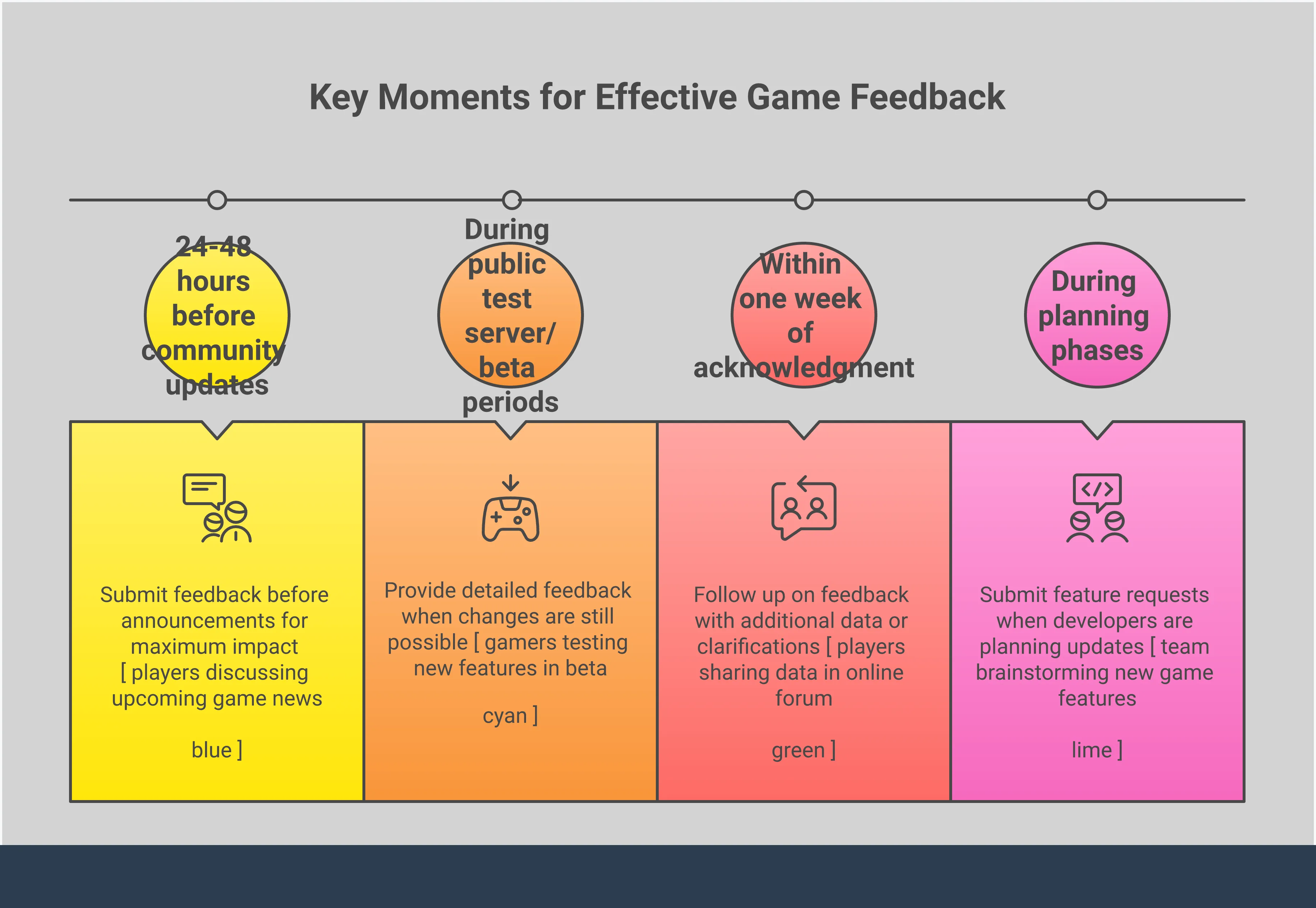
It’s great to have a way for people to share their thoughts, but it’s even better when they know those thoughts are being considered. Truly useful feedback systems go beyond simple bug reports or busy chat channels. Developers need organized methods for gathering feedback, letting people know it was received, and then taking action. Open and respectful conversations are key, even if a suggestion isn’t implemented—a quick explanation of the reasoning can make all the difference. Players can also help by offering clear, helpful criticism instead of just complaining. This creates a positive cycle where developers can address concerns without being bogged down by negativity.
Setting Realistic Expectations as a Community
Players understandably want problems fixed quickly, but creating games is a complicated and lengthy process. By the time a significant issue gains enough attention, developers may already be working on the next update. This delay often causes frustration. It’s also crucial to realize that even seemingly small fixes can have unexpected consequences within the game’s code. When our expectations don’t match how game development actually works, it can lead to player frustration and burnout. Recognizing the challenges developers face can help us be more understanding and provide more helpful feedback.
Related Articles
- Deus Ex LFG: Connect with Other Augs in LFG Feature on Z League App
Frequently Asked Questions
It’s frustrating when a game update goes wrong, so why can’t developers just undo it? The problem is that modern game code is incredibly complex, like a huge, connected network. Simply ‘rolling back’ an update isn’t possible – changing one thing can unexpectedly break many others, and even damage players’ saved games. Often, it’s quicker and safer to create a new update that fixes the issues and moves the game forward, rather than trying to go back to a previous version.
Can complaining on platforms like Reddit or Twitter really change things? Yes, it absolutely can, but it depends on how many people speak up and how clearly they explain the issue. A large reaction on social media is good for quickly highlighting a problem and showing developers how many people are affected and how strongly they feel. However, if you want developers to seriously consider your specific suggestions, the best place to share detailed feedback is through official forums or the in-game reporting systems. That’s where they look for helpful ideas they can actually implement.
It seems strange that game developers, who play their games frequently, don’t notice obvious bugs. However, when developers are ‘playing’ the game, it’s actually work. They’re usually focused on testing very specific parts, like animations or dialogue, repeatedly – not experiencing the game as a regular player would. This focused testing can lead to ‘tunnel vision,’ where they unconsciously avoid the unusual or unexpected ways players might interact with the game. Because they know how things are intended to work, they can miss clear problems that would be immediately obvious to someone new to the game.
It’s frustrating when developers weaken things that are popular. Why do they change strategies players enjoy?
Often, this happens because the developers’ original idea for the game doesn’t match how players are actually playing it. They create weapons or characters with a specific purpose and balance in mind. When players find a powerful, unexpected combination, the developers see it as disrupting that intended balance. They believe they aren’t ruining the fun, but rather safeguarding the game’s future by preventing any single strategy from becoming dominant.
Want to give developers feedback they’ll actually consider? The most important thing is to be clear, calm, and helpful. Don’t just say something is “broken” or “bad” – explain why it’s not working for you and how it impacts your experience. Also, use the right channels, like the game’s official forums or Discord server, where the community team is watching. A detailed post that explains the issue and offers a good suggestion is much more likely to be seen and addressed than a quick, negative comment.
Read More
- United Airlines can now kick passengers off flights and ban them for not using headphones
- All Itzaland Animal Locations in Infinity Nikki
- Katanire’s Yae Miko Cosplay: Genshin Impact Masterpiece
- How to Get to the Undercoast in Esoteric Ebb
- Crimson Desert: Disconnected Truth Puzzle Guide
- All Golden Ball Locations in Yakuza Kiwami 3 & Dark Ties
- BloxStrike codes (March 2026)
- 6 Ways Invincible Season 4’s Hell Episode Rewrites The Comics
- How to Complete Bloom of Tranquility Challenge in Infinity Nikki
- Zendaya’s 4 Big 2026 Movies Could Beat Brie Larson’s Box 2019 Office Record
2026-01-08 15:21