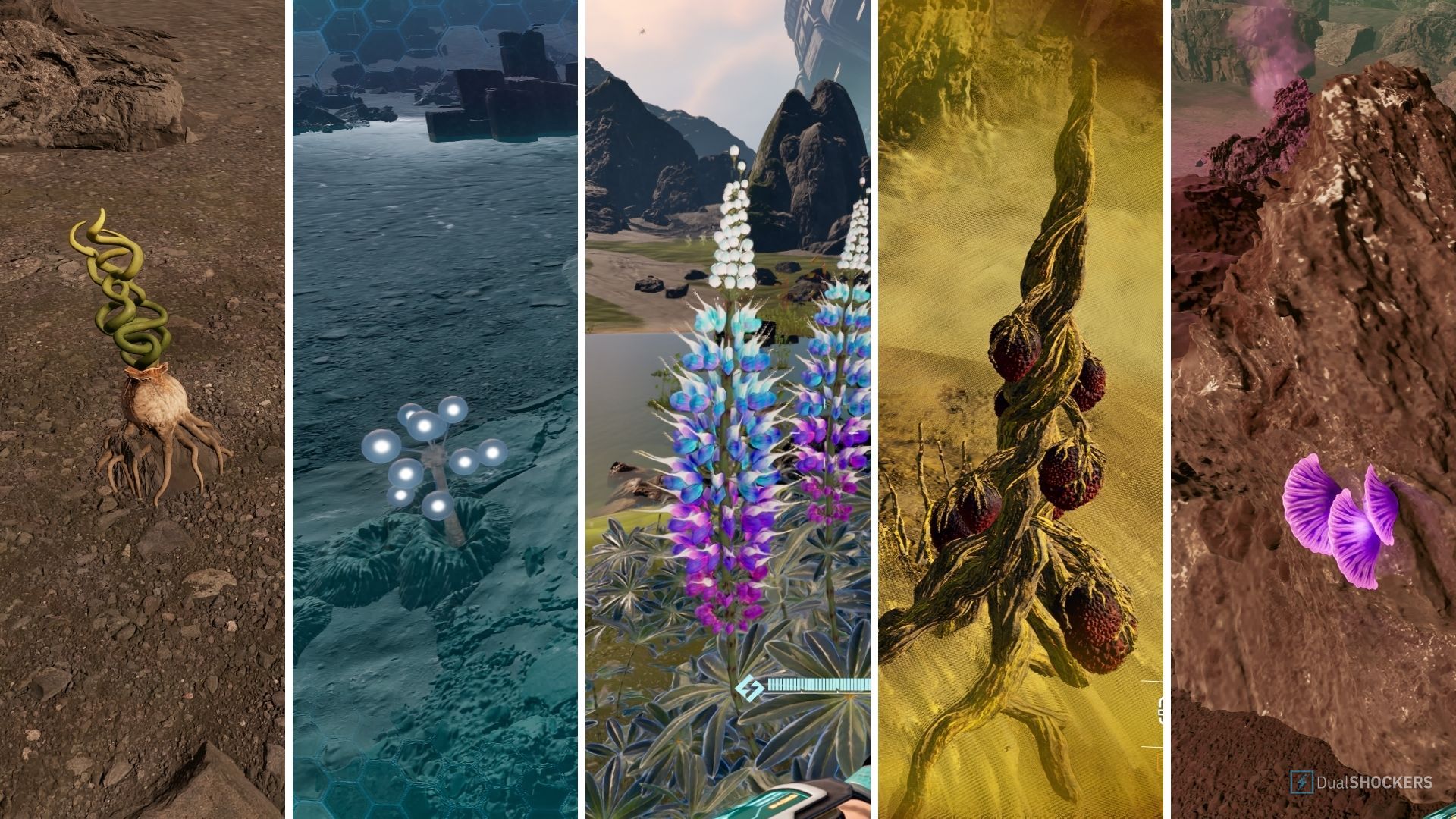
Biology plays a crucial part in exploring other planets. While games like Factorio might seem focused on building large factories and using up a planet’s resources, there’s actually a lot more to consider.
Since you’re human, not a machine, you need to eat and get energy to keep working and inventing. To survive, you have to venture out and find whatever resources you can.
Good news – Arcadia-7 is full of useful plants! Let’s explore what’s available and how to make the most of them while you’re collecting them. Just be careful – some plants can defend themselves!
Plants and their Uses

Before we look at specific plants, it’s important to understand what they do and how we can use them.
Plants come in two main types: Primary and Secondary. You use Primary plants as the foundation when crafting at the recipe station. Then, you combine them with Secondary plants to create items with special abilities.
When you first start looking at the recipes, you’ll also need to add some information to actually make the item.
Most plants offer health benefits when eaten, like restoring health, providing energy, or keeping you hydrated. However, many plants also increase your body’s toxicity level. If your toxicity reaches 100, you’ll become sick. Luckily, certain plants can actually lower your toxicity.
If you don’t have much data at the beginning, you can trade plants for points in the analysis terminal to quickly get company-level information.
Primary Plants
Polifruit
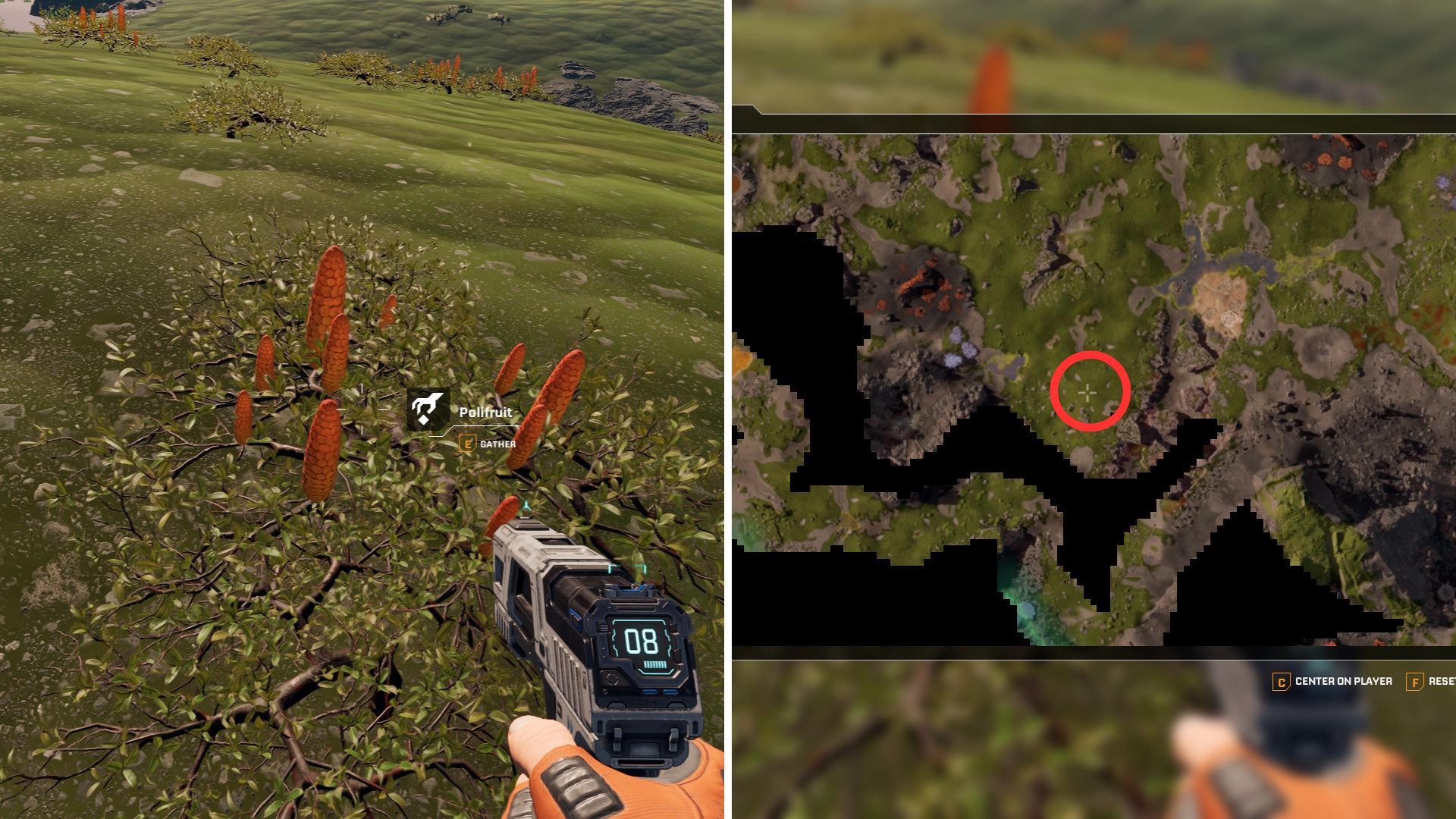
You’ll probably find Polifruit early on when you start exploring. It’s a useful resource because eating it gives you 11 calories. That might not seem like much, but you don’t need to eat very often in StarRupture because your energy drains slowly.
Polifruit doesn’t grow in one specific place – you’ll usually find it wherever there’s grass. There’s a lot of it near where you start the game, especially to the south and east of the first Titanium deposits.
Hydrobulb
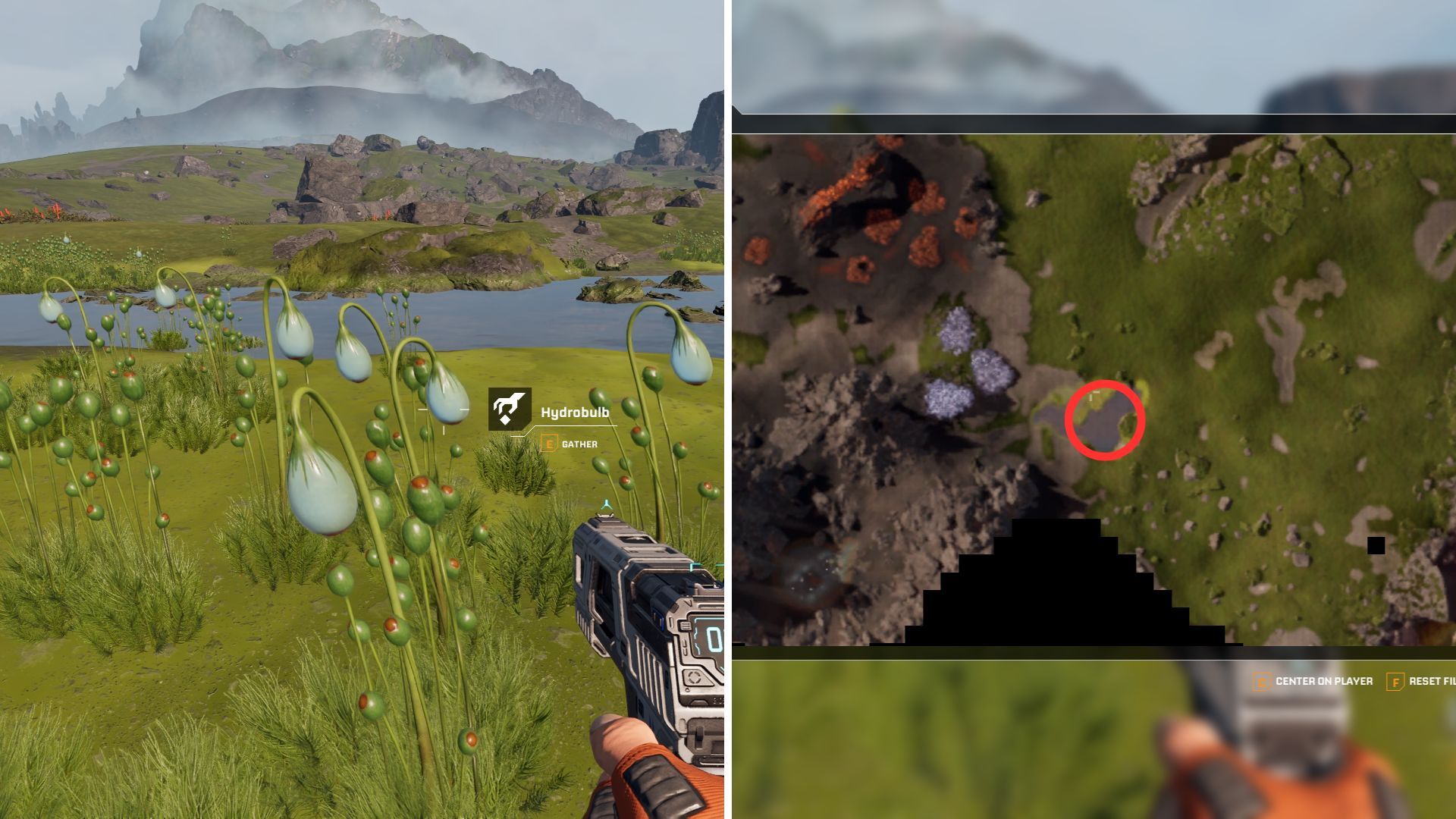
Like Polifruit, you’ll find Hydrobulbs throughout the world. Each one restores 15 hydration points, though they aren’t as common as Polifruit.
You likely won’t have much trouble with hunger or thirst in this game. Once you set up a food station, the Hydrobulb and Polifruit plants become essential for creating food. Combining these with other plants you find later on lets you make incredibly useful items that practically eliminate the need to worry about survival.
You can find Hydrobulbs in many places on the map, as long as there’s a source of clean water nearby.
Prickler
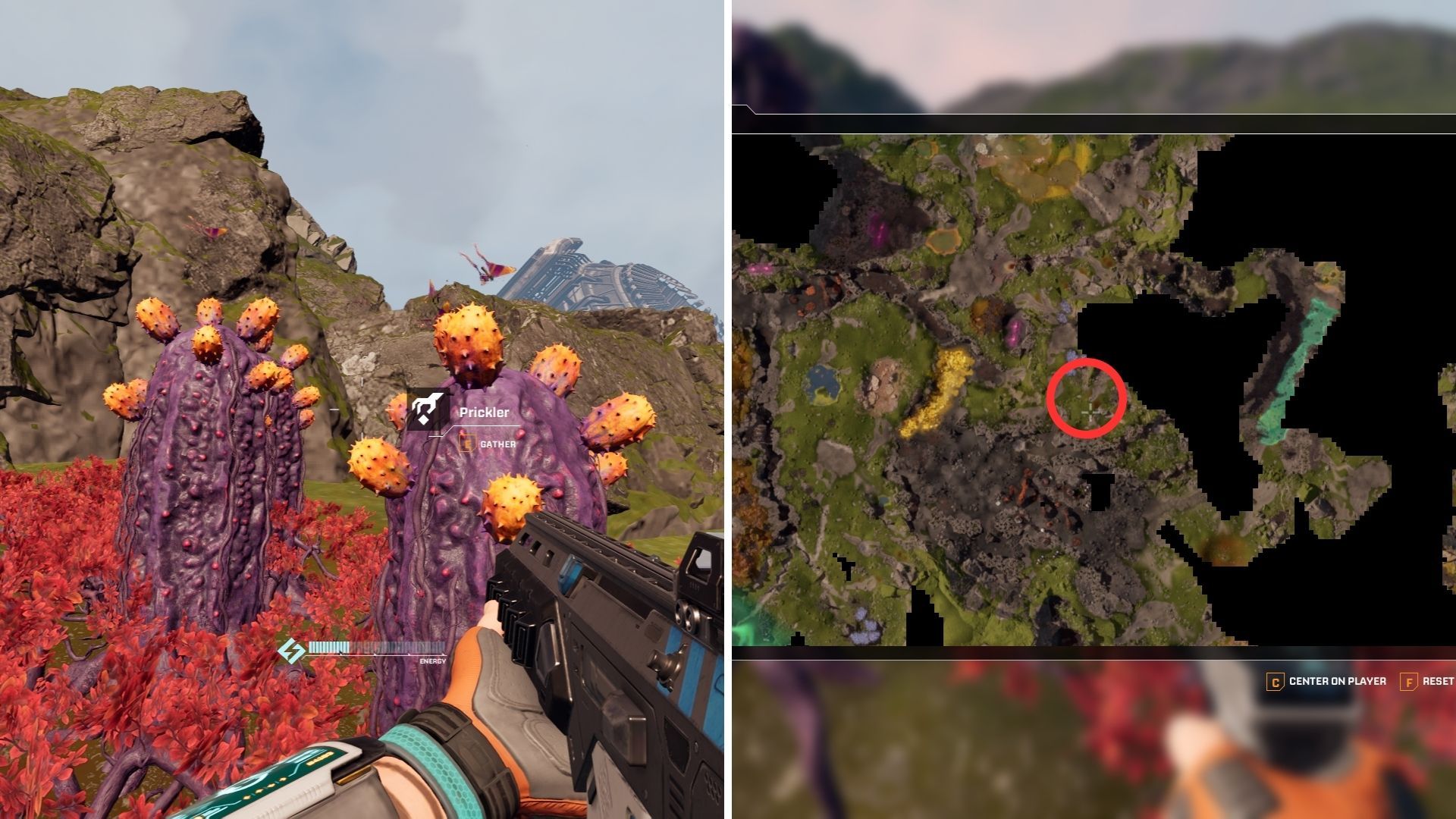
Need a boost of energy and hydration? If you find those red cactus plants in grassy areas, the Pricklers they grow are a delicious and refreshing snack!
You can find these plants all over the world – just look for small, red, fern-like bushes growing on the ground. Plus, any recipe you make with them will refill both your hunger and thirst!
Nutri-Stim Shards can really help if you frequently forget to eat or drink. They increase your calorie and hydration levels by 30%, letting you exceed the normal limits and worry about refueling less often.
Purplant
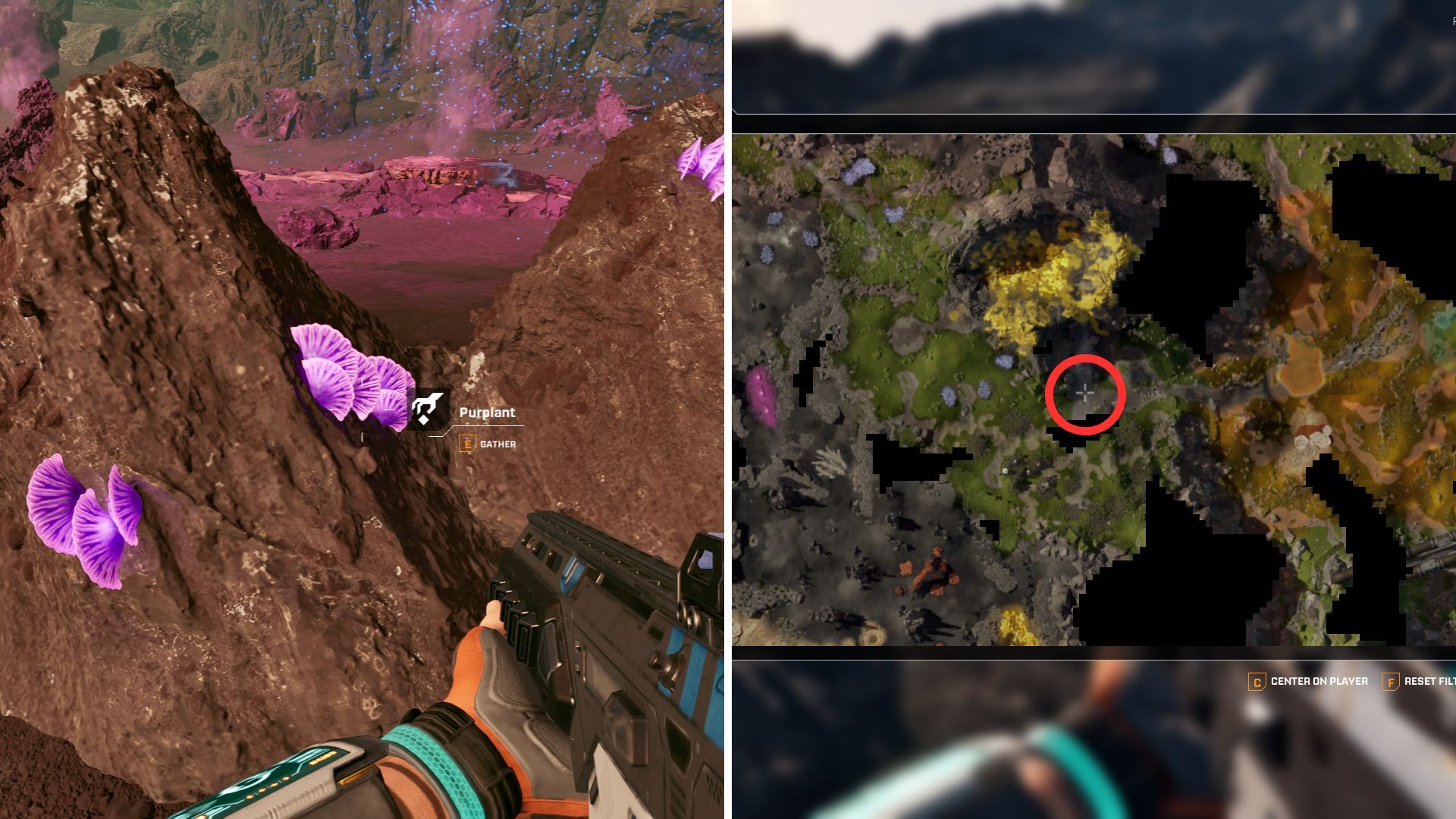
Having trouble with the toxicity meter? If it starts to fill up, eat a Purplant to bring it down.
Be careful when using the Purplant, as it cancels out any positive effects you’ve gotten from food, like faster stamina recovery. It’s best to use it only when you don’t have any active food bonuses. Also, pay attention to how much each food item increases your toxicity when you’re using these effects.
Purplants are very widespread and grow on rocky slopes in mountainous areas. They often grow in small clusters, so you’ll usually see several plants on a single rock.
Serpent Root
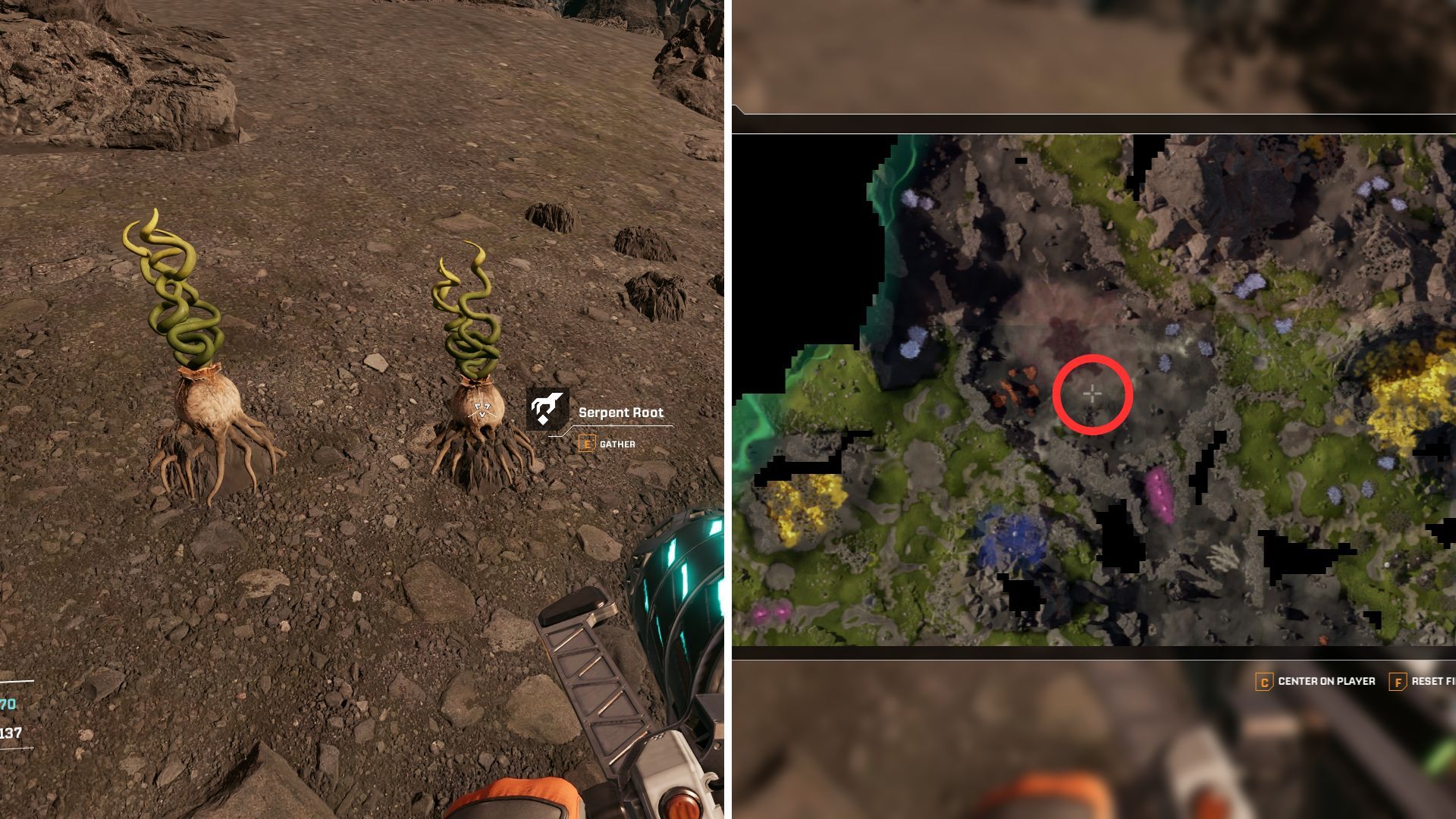
Like Purplants, Serpent Roots grow on rocky mountain areas. However, they tend to grow directly on the ground and aren’t as plentiful.
Eating these roots will temporarily boost your energy recovery, letting you sprint and dash more often without getting tired. You can also combine them with other plants to create food with multiple benefits, but be careful – they can be poisonous if you’re not careful!
Star Tears
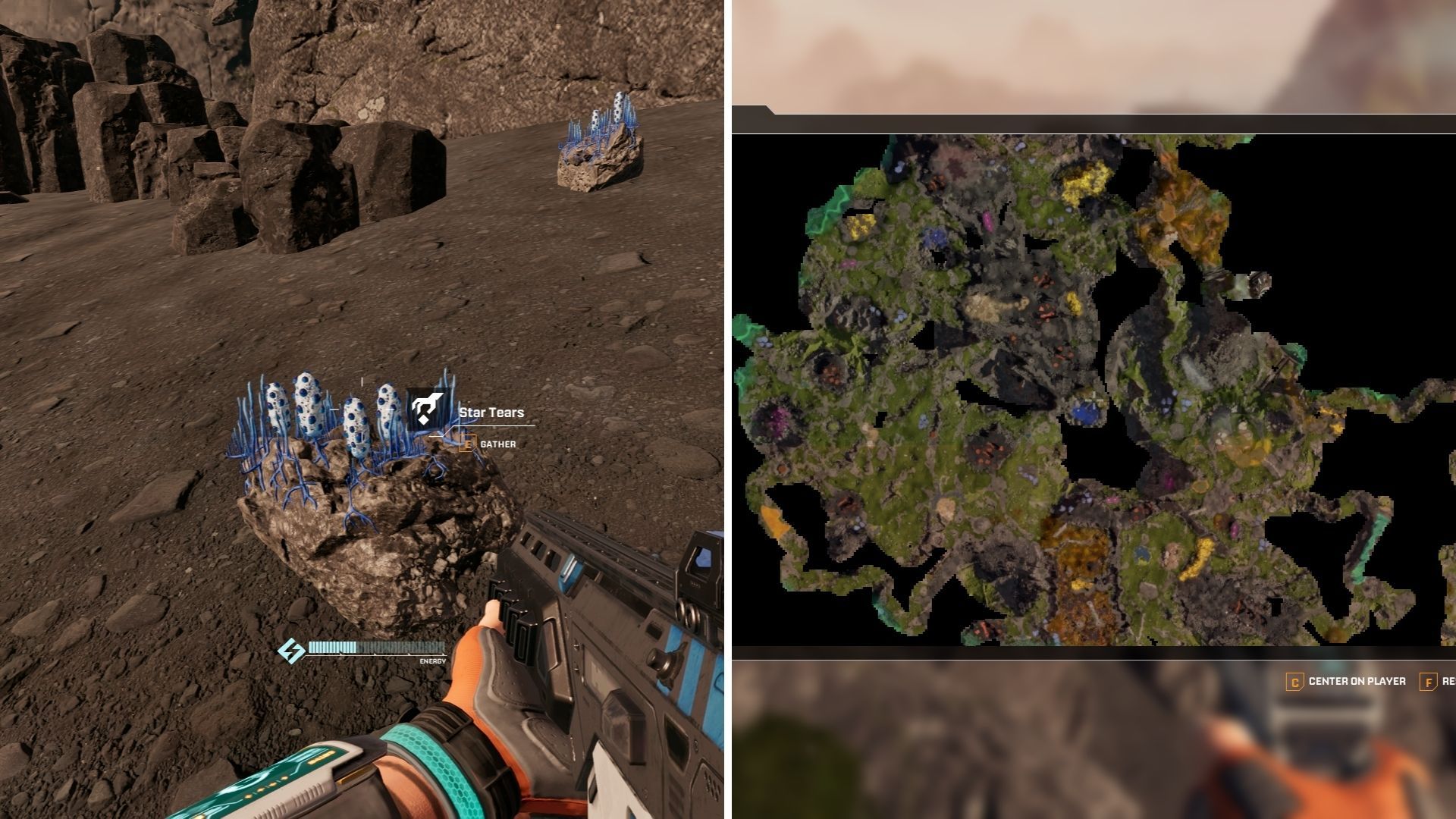
I discovered Star Tears pretty early in the game, and they were a lifesaver! They’re one of the first things that actually heal you automatically, giving you back 20 HP. It’s nice not having to use potions all the time!
These items can be tricky to collect because they don’t usually appear in groups. You’ll find them spread out across the map, often only one or two at a time. That’s why it’s important to grab them whenever you see them – you’ll need a large supply for crafting later on.
Glowcap
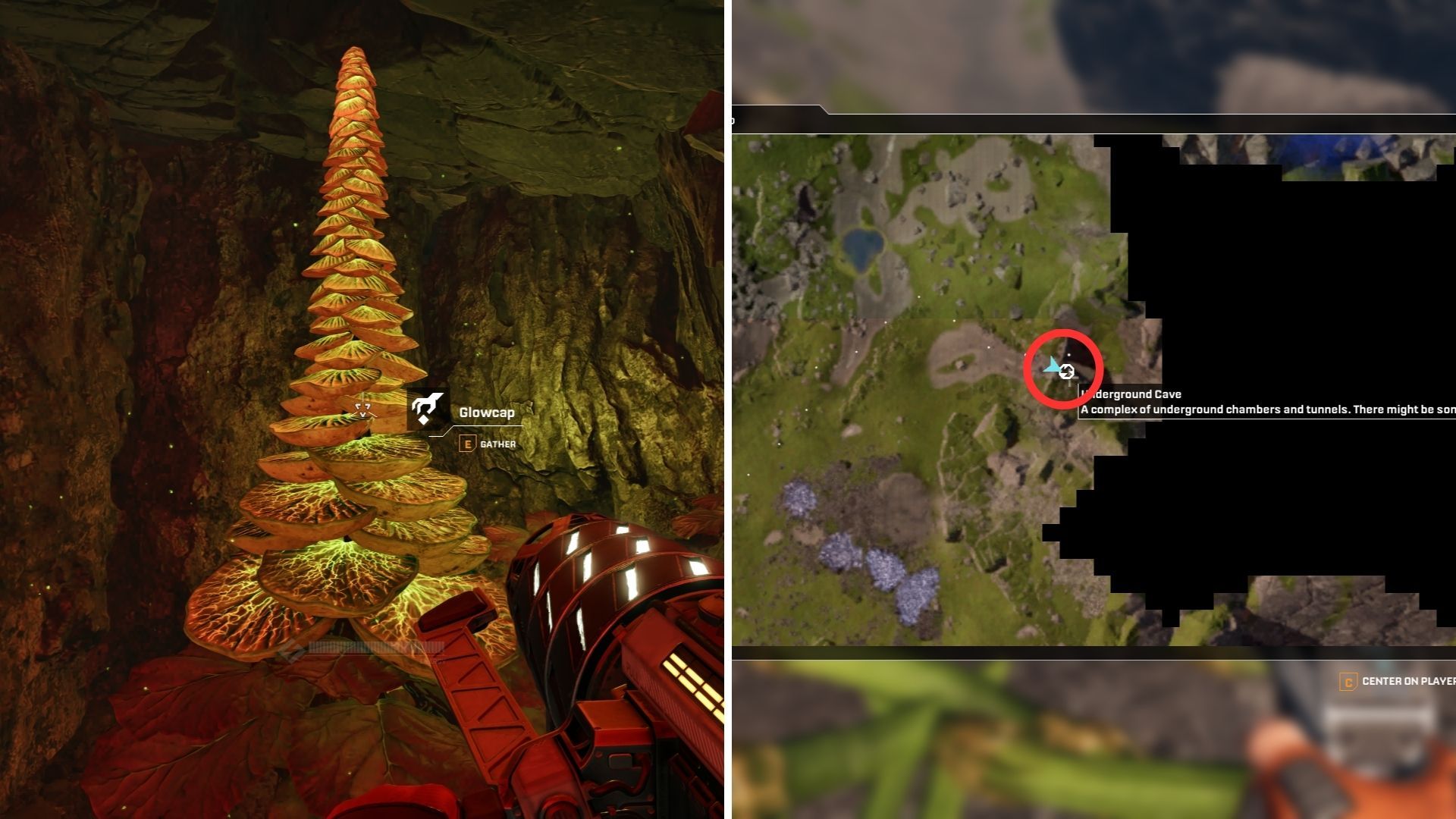
I discovered that Glowcaps are surprisingly powerful in the game. You can only find them in the underground caves on the Planet, and while getting into those caves might take some time, you can usually collect two or three Glowcaps if they’re grouped together.
These plants are incredibly useful! They restore 50 health, provide 20 calories and 30 hydration, and are simple to grow. With a large supply, you likely won’t need other food. Plus, you can craft them into Plasm items that temporarily double your resistance to harmful effects.
Secondary Plants
Prism Herb
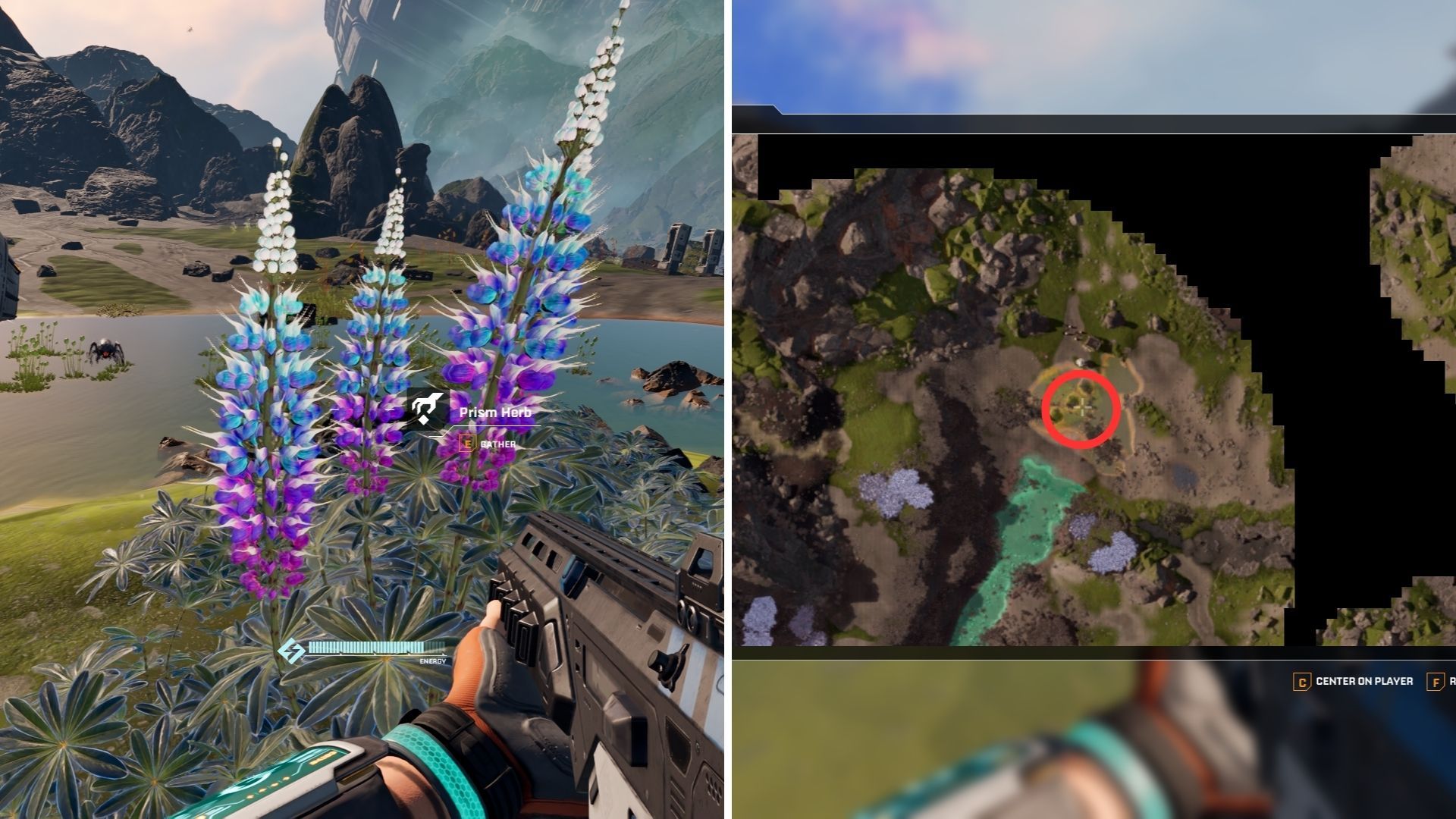
Prism Herb is a very rare plant found on the eastern side of the game map, but it doesn’t offer any benefits when consumed. Similar to Hydrobulbs, it tends to grow near water sources.
You’ll need to combine this with a recipe to create special Chews, which can restore a good amount of health. Be careful when collecting it, though – enemies might be nearby!
Grubbler
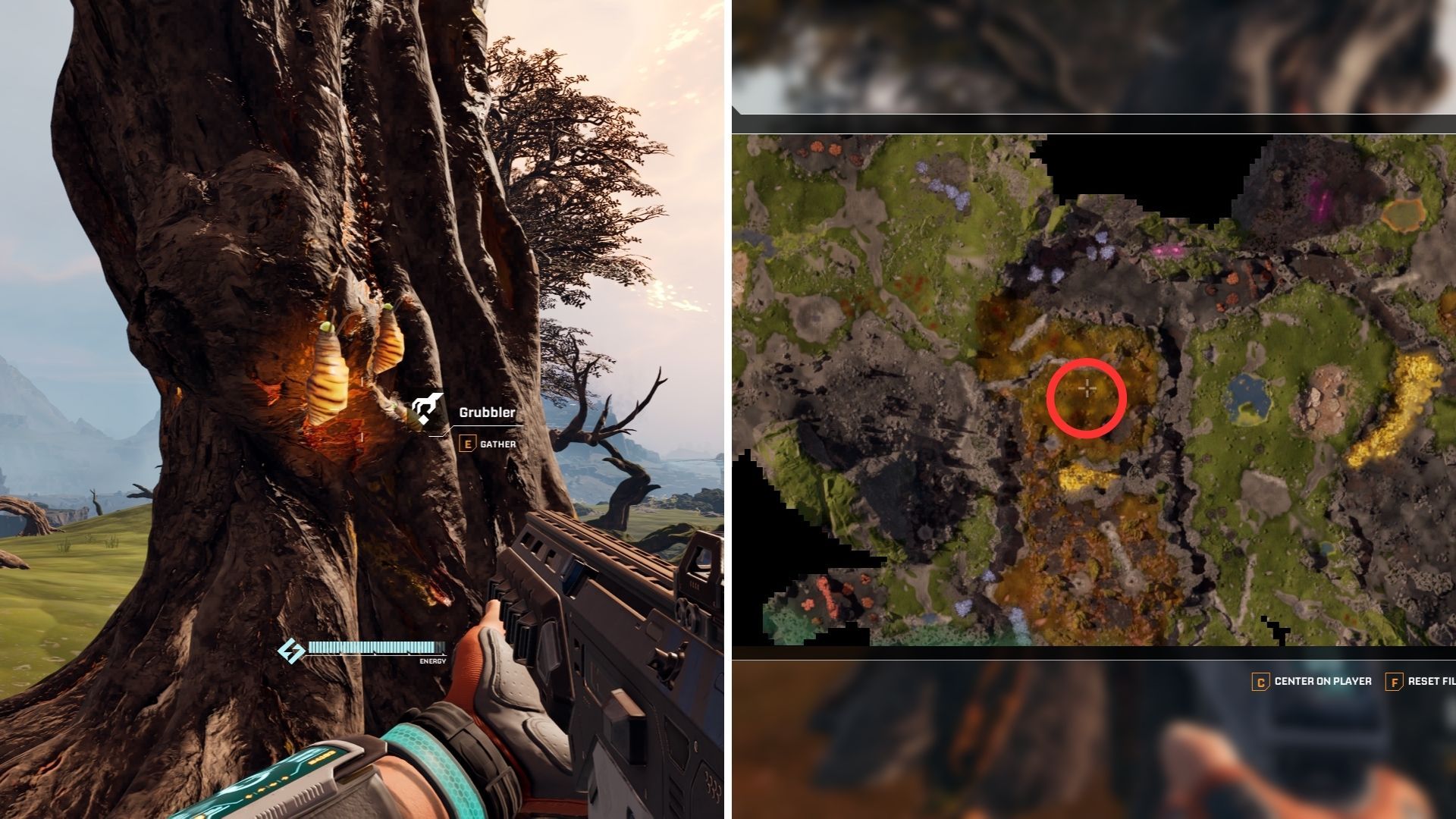
The Grubbler isn’t actually a plant itself, but something you can eat that grows on certain trees. You can spot these trees by a faint yellow glow and the leaves above them.
Subscribe to the newsletter for deeper StarRupture plant strategies
The Grubbler restores 30 health points on its own. But the gels it creates are much stronger and don’t have the negative side effect of toxicity – a great improvement!
Sulheart
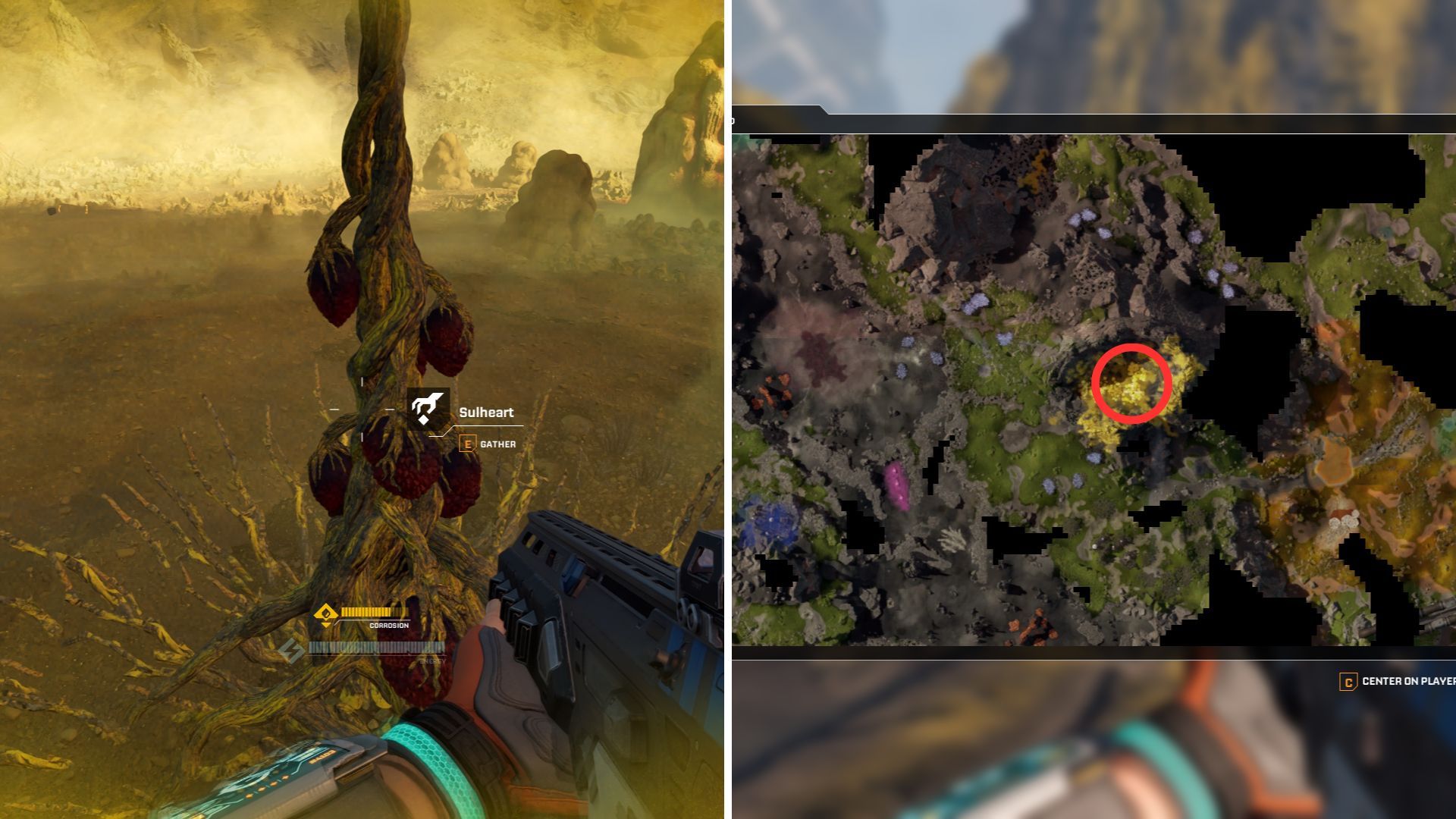
Sulheart plants are notoriously difficult to find. As the name suggests, they only grow in Sulfur fields scattered across the game world.
To collect a lot of these, use a Corrosium Plasm Res to increase your defenses while you’re standing in the Sulfur.
Similar to the Prism Herb, eating this raw won’t give you any benefits – in fact, it’s quite poisonous. But, the Shard items it produces can be incredibly powerful if used correctly.
These items temporarily increase your maximum health, magic, or stamina for up to an hour. They’re especially helpful when combined with Serpent Roots to extend your energy.
Oxallop
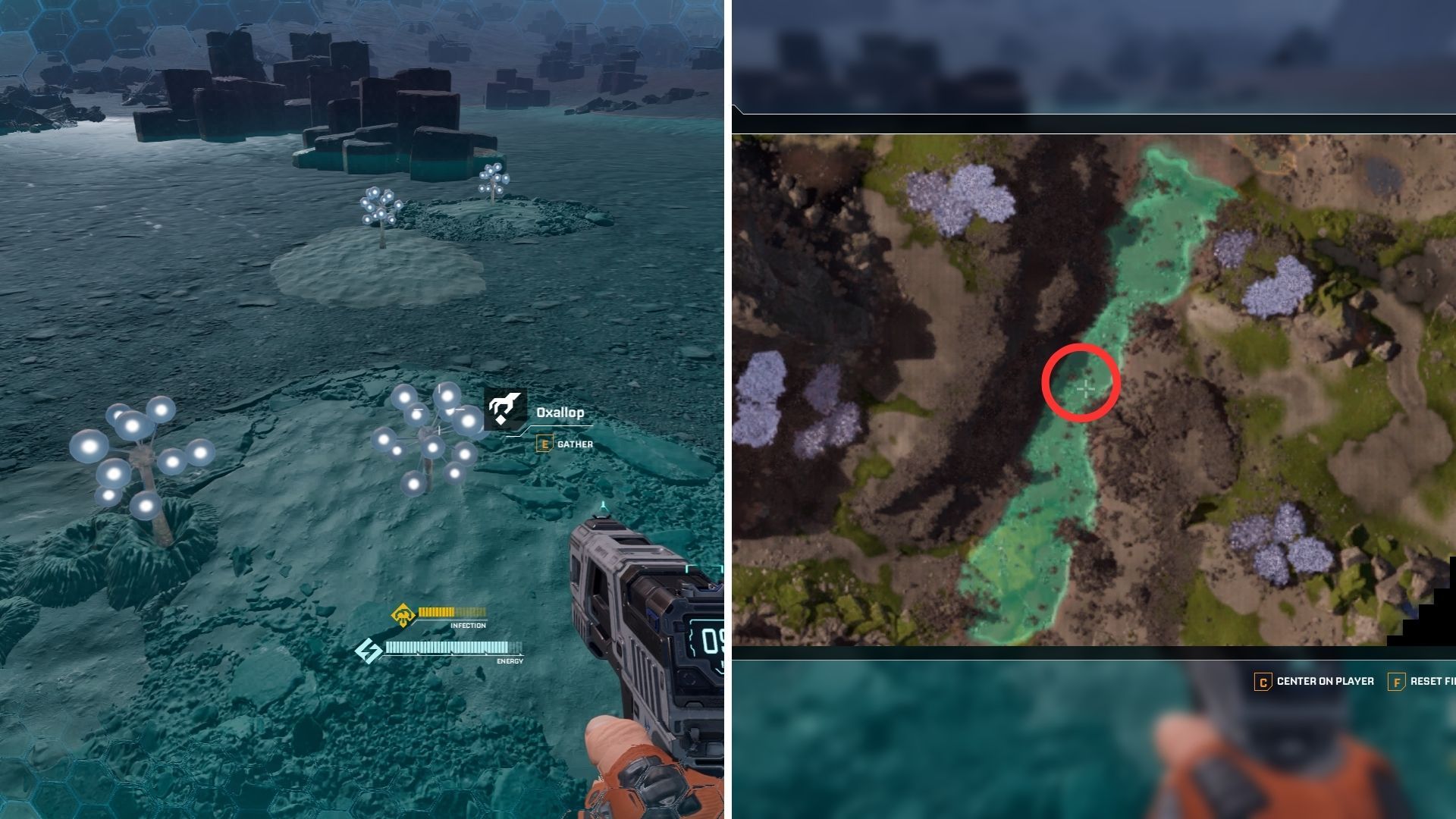
Okay, so this herb, the Oxallop, is seriously hard to find! I actually stumbled upon it completely by accident. You can only get it right after a Rupture happens – timing is everything!
As soon as the planet has cooled down, quickly leave your shelter and head for the large blue lake in the southeast part of the map, or the red lake in the northeast. The oxallop flowers bloom only after this event, and they don’t last long. Quickly move along the channels, gathering as many as you can before the water flows back into the riverbed.
These plants produce Capsules, which, like Sulhearts, offer temporary passive benefits. These can include preventing your gauges from depleting, reducing toxicity build-up, or even slowly restoring your health. Be careful though, as these helpful items can sometimes have negative side effects related to your toxicity level.
Read More
- United Airlines can now kick passengers off flights and ban them for not using headphones
- Crimson Desert: Disconnected Truth Puzzle Guide
- All 9 Coalition Heroes In Invincible Season 4 & Their Powers
- Mewgenics vinyl limited editions now available to pre-order
- Assassin’s Creed Shadows will get upgraded PSSR support on PS5 Pro with Title Update 1.1.9 launching April 7
- Viral Letterboxd keychain lets cinephiles show off their favorite movies on the go
- Grey’s Anatomy Season 23 Confirmed for 2026-2027 Broadcast Season
- Grok’s ‘Ask’ feature no longer free as X moves it behind paywall
- All Golden Ball Locations in Yakuza Kiwami 3 & Dark Ties
- Katanire’s Yae Miko Cosplay: Genshin Impact Masterpiece
2026-01-14 14:41