
What separates a good gamer from a truly great one is often about how they see the game. While watching pros and reading guides can help, you really improve when you get another player’s point of view. That’s where a strong gaming community comes in. It’s a place to analyze what went wrong after a loss, share the excitement of a win, and receive honest advice from people who care as much as you do. These interactions aren’t just about learning new strategies; they help you understand the game better, communicate more effectively, and stay motivated to improve, even when you’re not having a good day.
Key Takeaways
- Seek out honest feedback to find your blind spots: Your community offers an outside perspective that is crucial for identifying mistakes and bad habits you might not notice on your own.
- Balance your personal playstyle with team needs: Winning often requires flexibility, so learn when to adjust your strategy and fill the roles your team needs to succeed, even if it’s outside your comfort zone.
- Contribute to the conversation to learn faster: Don’t just ask what the meta is—ask why it works. Actively discussing strategy helps you understand the reasoning behind tactics, making you a smarter, more adaptable player.
Why Mid-Tier NA Teams Outperform EU Competition
The competition between North American (NA) and European (EU) teams is a classic rivalry in esports. While the best teams from each region consistently challenge each other, a new discussion is focusing on the overall strength of players beyond those top contenders. Increasingly, the key question isn’t just who’s number one, but how strong the entire competitive scene is in each region.
Popular Call of Duty player Aydan recently explained that North American teams seem to have a strong advantage among those in the middle of the rankings. It’s not just about the very best teams, but the overall strength and competitiveness of the entire North American scene. Let’s explore why these mid-level NA teams might be different, and how that gives them an unexpected edge against European teams.
Finding the Competitive Edge
If you look beyond the few teams that always win championships, the level of competition is surprisingly different. Aydan believes that North American teams in the middle ranks are stronger than their European counterparts, suggesting a wider range of skilled players in North America. While Europe has a couple of exceptionally strong teams, North America seems to have more teams that could potentially win on any given day.
The competition is significantly more challenging across all levels. Mid-level teams face a constant struggle against strong opponents, pushing them to improve their gameplay and tactics. This strong overall competition is what makes North America’s esports scene so competitive, creating a skilled and determined pool of players eager to reach the highest ranks.
How Training Intensity Differs by Region
The competitive environment in a region significantly impacts the development of its teams. Aydan’s research indicates that the way North American (NA) esports is structured might actually allow up-and-coming teams more opportunities to improve. He’s observed that some of the best players in NA aren’t currently competing, implying that the very top level of play isn’t always consistent.
Although it may seem like a drawback, this situation actually benefits newer teams. When the strongest teams aren’t consistently competing, mid-level teams get more chances to practice and play in tournaments against different opponents. This regular competition helps them improve teamwork and build confidence, something that can be harder to achieve in other regions where a few top teams dominate everything.
Comparing NA vs. EU Strategies
What often distinguishes truly great teams from good ones is their strategic depth. Aydan observes that the top EU teams are incredibly strong, but the strategic variety seems to decrease significantly after that. In contrast, mid-level North American teams are constantly pushed to find new strategies simply to stay competitive in their very challenging scene.
The current competitive environment in North American teams demands flexibility. They can’t rely on a single strategy; instead, they need to quickly adjust their team compositions and gameplay. This adaptability is a huge benefit when facing international opponents, as it allows them to handle unexpected situations and unusual strategies with ease, ultimately giving them a key advantage.
What Makes 2v2 the Perfect Match Format?
There’s something special about playing in pairs. It strikes a great balance – it’s more connected than playing alone, but less complicated than coordinating with a whole team. In a duo, your decisions directly affect the outcome, meaning you’re fully responsible for both your successes and failures. It’s a real test of teamwork, combining individual skill with coordinated plans. This format can really strengthen friendships and force you to communicate effectively. Let’s explore what makes this kind of team combat so engaging for both players and those watching.
Balancing Strategy with Fast-Paced Action
Playing 2v2 in Warzone is a fast-paced mix of strategy and quick reflexes. While having a plan is important, you also need to be able to change it instantly. The best players don’t just focus on their current opponents; they’re always thinking ahead and evaluating everyone in the game. As pro player Aydan pointed out, sometimes opponents aren’t playing at their best, which can make the competition easier. This highlights how pros are constantly assessing the situation to gain an advantage. To succeed in 2v2, you need both strong equipment and the ability to adjust your tactics quickly.
Why Clear Communication is Key
When playing with a teammate, clear communication is crucial – silence can quickly lead to defeat. Every detail matters, including where enemies are, your health, when your abilities are ready, and what you plan to do next. Even a small misunderstanding, like not coordinating the use of a smoke grenade as Aydan experienced in a previous game, can cost you the fight. It’s not enough to just call out information; you and your teammate need to share a common understanding of what’s happening so you can work together seamlessly.
Making High-Stakes Decisions
In 2v2 matches, every choice feels incredibly important. With only one partner, you really feel the pressure to make the right move. Do you focus on safely earning points, or take a big risk for a play that could win the game? Aydan sums it up well: he’d rather go all-in on a strategic play that could lead to a long-term advantage than slowly rack up kills without improving their overall position. It’s about having the courage to make a game-changing decision, quickly assessing the risks and rewards, and trusting your gut – that’s what leads to those amazing, memorable moments.
How Poor Tournament Scheduling Hurts Competitive Gaming
It’s a common scenario: you spot a tournament announcement online, and it’s happening this weekend! That initial excitement often turns into a rush to check if your team can even play. Bad tournament timing isn’t just annoying to organize—it can ruin the fairness of the competition and leave players feeling stressed and unprepared. When tournaments are put together quickly, they risk becoming more about luck than actual skill.
A good tournament lets all teams compete fairly, giving them time to practice, plan strategies, and prepare mentally. However, when tournaments are rushed and poorly organized – with confusing rules or unexpected formats – luck can easily beat skill. This isn’t just frustrating for experienced players; it also discourages new talent. It implies that being prepared and dedicated isn’t as important as being available on short notice. In the end, prioritizing convenience over careful planning damages the competitive scene as a whole.
The Problem with Short-Notice Tournaments
As a fan, it really bothers me when tournaments are announced with barely any notice. It immediately puts so much stress on players! It’s just not fair – if you have a job or go to school, you’re instantly at a disadvantage. There’s no time to properly prepare, and you can’t really perform at your best when you’re rushed. It ends up feeling like only teams with totally open schedules can actually compete, which isn’t about skill at all. It’s frustrating to see events reward people for simply being available instead of rewarding the most talented players. Honestly, I worry it’ll drive some of the best competitors away from the game completely.
When Practice Becomes Pointless
It’s incredibly frustrating to spend hours practicing a game – working on your skills, learning the maps, and coordinating with teammates – only to perform poorly in a tournament. Often, this happens because players haven’t had enough time to prepare specifically for the tournament’s rules or maps, making all that practice feel pointless. Unexpected tournament setups can ruin even the most dedicated player’s performance. Tournament organizers can avoid this by using good software to clearly communicate the format and rules well ahead of time.
The Challenge of Unknown Maps
It’s like being thrown into the final moments of a competitive game on a map you’ve never played before. Facing unfamiliar territory significantly hurts a player’s ability to perform, turning skill-based strategy into a gamble. You can’t plan ahead, learn good spots to land, or understand how the map works. This randomness leads to chaos, where luck often matters more than talent. The team that accidentally finds a strong position gets a huge, unfair advantage. That’s why a clear schedule of maps is so important for any well-run tournament.
Which Gaming Strategies Win High-Stakes Matches?
In the world of competitive gaming, the line between winning and losing is razor-thin. The strategies that get you a casual win with your friends often fall apart under the intense pressure of a high-stakes tournament. It’s not just about having the best aim or the quickest reflexes; it’s about a deeper understanding of the game’s rhythm, from the initial drop to the final circle. Pro players think differently, anticipating enemy moves and making calculated decisions that ripple through the entire match. They possess a level of game sense that allows them to process information rapidly and turn chaos into a clear plan of action.
The difference between good and great players lies in their ability to change plans quickly during a match. They instinctively know when to be aggressive, when to play cautiously, and how to understand the specific dynamics of each competitive situation. This isn’t just about memorizing the map; it’s about reading opponents, managing resources effectively, and recognizing small signs that indicate a chance to strike or a potential danger. Let’s explore some key strategic discussions among top players and examine why strategies that work well in practice don’t always lead to victory when the stakes are highest.
Debating Landing and Arming Strategies
The first minute of a match is incredibly important, often determining how the rest of the game will go. Your initial landing spot and how fast you get equipped are key decisions with far-reaching consequences. It’s not just about finding good loot, but also about where you position yourself, how you move around the map, and understanding what other players are doing. Pro player Aydan notes that even the best strategies can change depending on the region – he believes North American teams are currently stronger than their European counterparts. This shows how different approaches and playstyles emerge, affecting everything from how aggressively you land to how your team moves. While having the right weapons is important, knowing when and where to use them is what ultimately leads to victory.
Is Aggressive or Passive Play Better?
Okay, so there’s always this huge discussion in competitive gaming: should you play super aggressively, or hang back and play it safe? I used to think playing passively was smart – you avoid early fights and hopefully climb the ranks. But honestly, it often leaves you with terrible gear when it really matters at the end. I’ve been watching Aydan, and he totally changed my mind. He says he’d rather go out swinging, trying to make a play that actually helps his team, than just slowly get picked off. It’s about making moves that matter – grabbing the best spot on the map or taking out a dangerous opponent. Basically, just surviving isn’t enough when the stakes are high. You gotta make things happen if you want to win.
Why Popular Strategies Fail Under Pressure
As a huge fan, it’s so relatable when a player’s carefully practiced strategy just doesn’t work during a real match! Even the pros deal with that. They practice a lot in scrims, but those controlled practice matches never quite feel like the real deal, you know? Aydan put it perfectly – it’s like studying really hard for a test, only to find the test covers completely different material. The pressure of being live in front of everyone, plus facing opponents who don’t play the way you expect, means those set strategies can fall apart fast. Honestly, the best teams aren’t the ones with the flashiest plans; they’re the ones who can think on their feet and adjust when things go wrong. That ability to stay flexible and improvise under pressure? That’s what really separates the champions from everyone else.
How Your Personal Life Affects Gaming Performance
We’ve all had those frustrating gaming sessions where we just can’t seem to play well. Maybe your aim is off, you’re making slow decisions, or little things keep annoying you. It’s tempting to blame the game, your team, or a bad connection, but often the real issue is something happening in your life outside of gaming. How you’re doing personally has a big impact on how you play, and recognizing that connection is key to improving your consistency.
Stress from work, school, or personal relationships can easily affect your gaming experience. Instead of trying to completely disconnect from your problems while you play, it’s more helpful to recognize how your life outside the game impacts your energy and how you perform. By understanding this connection, you can better manage your expectations and enjoy gaming more.
Juggling Life Events and Gaming
Many of us play games to relax and unwind after a stressful day. However, gaming can sometimes become a way to avoid facing difficult emotions or problems. Studies show that big life changes can lead people to use games to escape their feelings. When you’re playing while stressed or upset, it impacts your gameplay – you might become overly competitive, miss important sounds, or get frustrated easily. The first step to improving is realizing when your mood is affecting how you play. Remember, this is perfectly normal – everyone experiences this sometimes.
The Importance of a Mental Reset
If you’re starting to feel burned out, pushing yourself to keep going will only make things worse. That’s the time to truly disconnect and recharge your mind. Simply stopping work isn’t enough; you need to actively do something relaxing. A great way to do this is by playing a different type of game. If you’ve been stressed by competitive games, switching to a game with a compelling story can offer a fresh and enjoyable experience. Games like Diablo 4 or immersive single-player adventures can help you remember why you enjoy gaming, without the added pressure of competition.
How to Stay Motivated During Life Changes
Major life events, like starting a new job, moving, or changes in relationships, can often make you lose interest in gaming. When you’re feeling stressed or tired, a competitive game might be the last thing you need. Instead, try adjusting how you play to match your current mood. Before you start gaming, take a moment to think about what you want to get out of it. Are you up for a challenge, or do you just want to relax and have fun? Knowing how you’re feeling helps you set achievable goals. Perhaps tonight isn’t about winning, but about experimenting with new gear in Warzone or simply enjoying some casual games with friends. Staying connected with other gamers can also give you a boost of motivation and support.
What Tournament Formats Create Real Excitement?
Have you ever noticed how a competition’s setup can actually add to the excitement? The format is crucial – it’s what shapes the whole story, creating unexpected wins, thrilling comebacks, and intense moments. A bad format can make things dull and predictable, but a good one keeps everyone – players and viewers alike – engaged from start to finish. The best formats don’t just decide who wins; they generate buzz and create lasting memories that define a season. It all comes down to finding the right mix of fairness, excitement, and practicality.
How Match Types Affect Player Engagement
The tournament structure significantly affects how players perform. Single-elimination tournaments are very intense – lose one match, and you’re out, making every game feel critical. This is thrilling to watch but can be harsh on competitors. Double-elimination brackets are more forgiving, giving teams a second chance and often leading to memorable underdog stories. Round-robin formats, where everyone plays everyone else, are good for finding the most consistently skilled team, but can sometimes lead to less important matches towards the end. The best tournament format keeps players invested and maintains high stakes throughout the competition.
What Do Pro Players Really Want?
Although a large prize is always appealing, professional players equally appreciate a well-run event. They need a professional setting where they can fully concentrate on playing. This includes clear and reliable communication, a consistent schedule, and a hassle-free experience throughout the entire tournament. When organizers are struggling with problems, that stress affects the players. The most successful tournaments are those where everything runs so smoothly in the background that players don’t even have to think about it. Utilizing the correct software and tools is key for organizers to create this smooth experience, ensuring player satisfaction and a competitive environment.
Fixing the Flaws in Tournament Design
A poorly designed tournament can quickly discourage players. Common issues like consecutive matches without rest, last-minute changes to the schedule, and seemingly random pairings create frustration and can undermine fair play. When players are tired or feel the system is unfair, they don’t perform at their best. These organizational problems often lead to player dissatisfaction and can ruin what could be a great event. Luckily, these issues are easily fixed with careful planning and the use of modern tools to ensure a fair and transparent experience for everyone. A little preparation can make a big difference in creating a tournament players will want to participate in again.
Why Analyzing Your Strategy is Key to Improving
It’s incredibly frustrating when you stop improving in a game, even when you’re playing a lot. You might feel stuck and keep repeating the same mistakes. What makes some players consistently get better? It’s not always about being quicker or playing longer. More often, it comes down to careful analysis. The best players don’t just play – they actively study the game, and even more importantly, they study their own gameplay to identify areas for improvement.
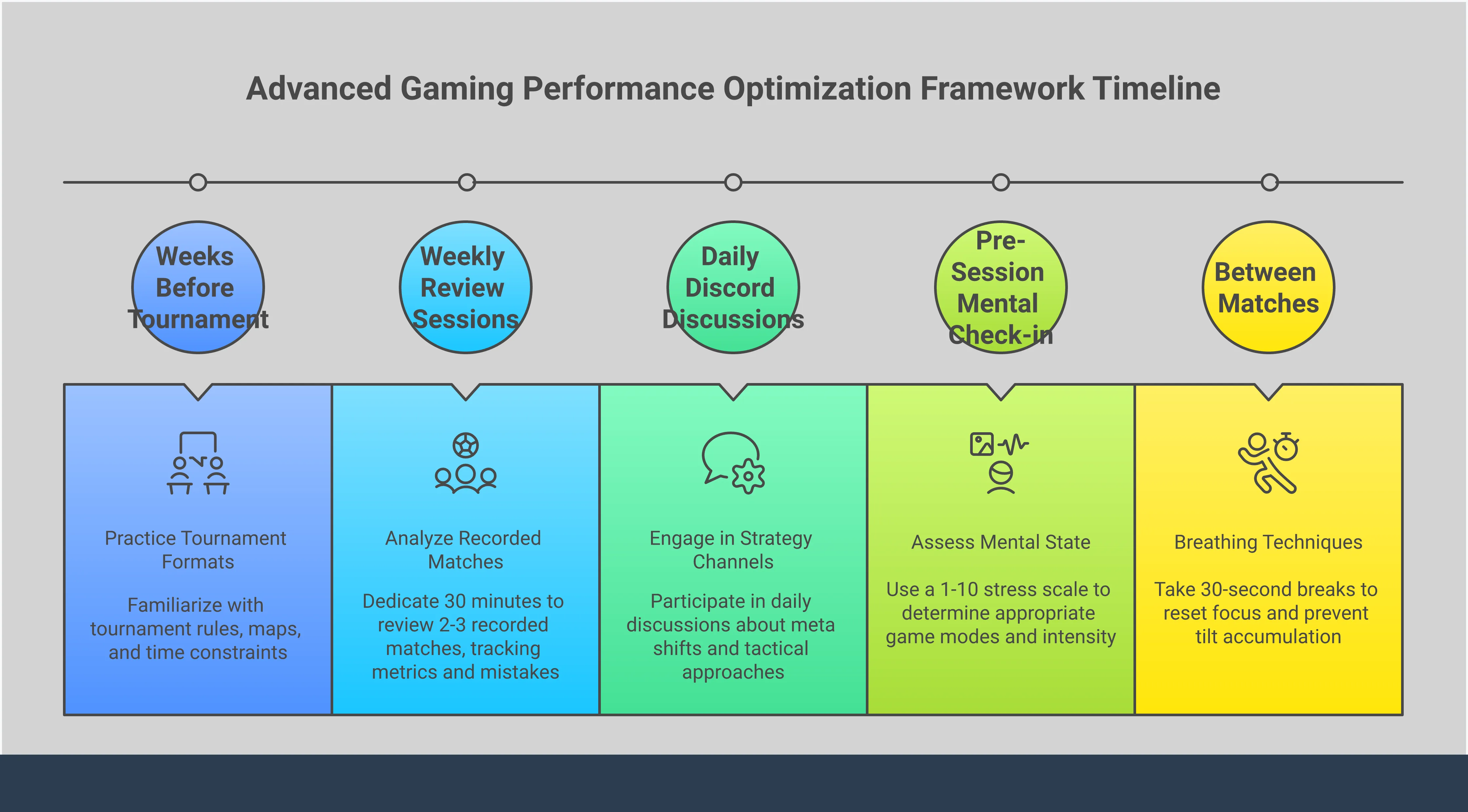
The best way to improve your game and overcome a losing streak is to carefully review your own gameplay. Think of each session as a chance to learn. By watching your matches, you can identify mistakes, understand changes in the game, and develop better instincts. It takes effort and honesty, but it’s the fastest way to become a more skilled and reliable player. Let’s explore how to start playing like a pro.
Learn From Your Mistakes
It’s never fun to watch yourself make mistakes, especially when those errors cost you or your team. However, those moments are actually key to getting better. Top players constantly review their gameplay, understanding that every mistake is a chance to learn. They don’t see losses as failures, but as valuable information that helps them improve for future games.
Begin by recording your games, particularly the ones you don’t win. When you review the footage, be honest with yourself, but also look for ways to improve. Think about why you made specific plays. Did you take risks without knowing what the enemy was doing? Did you use your special ability at the wrong time? Concentrating on your own actions, instead of blaming others or bad luck, will help you improve. You don’t need to change everything immediately. Pick one or two mistakes you make often and work on fixing them in your next few games. This focused practice is how you turn poor habits into successful ones.
Adapt to a Changing Meta
The “meta” refers to the most effective strategies in a game at any given moment. It’s always changing due to updates, new characters, or adjustments to weapons. What worked well recently might not work at all now. Using old strategies is a quick way to fall behind. Players who succeed pay attention to how the game is evolving and change their approach to stay competitive.
Reviewing your own gameplay footage is a great way to understand how the current trends in Warzone are actually playing out. Notice if you’re repeatedly losing to certain weapons or abilities, or if teams are moving in new ways. By watching your matches, you can identify these patterns and then customize your loadouts or team strategy. Don’t just copy what professional players do; focus on understanding why their strategies are effective and then adapt those ideas to fit your own style of play.
Build Game Awareness by Reviewing Gameplay
Game awareness, often called “game sense,” is the ability to anticipate your opponents’ moves. It involves knowing when to attack, when to defend, and how to position yourself for success. Although it can seem like a natural talent, game sense is actually a skill that improves with practice and by paying attention to the game. Watching recordings of your own gameplay is a great way to quickly develop this skill.
It’s tough to think clearly during a fast-paced battle. But reviewing a match later gives you a much broader perspective. You can follow what everyone did, spot repeating strategies, and understand how small choices at the beginning impacted the final result. This helps you learn to recognize similar situations in future games, so you can make better decisions and plan ahead. Instead of simply reacting, you begin to predict what will happen, giving you a significant advantage over your opponents.
How Gaming Communities Shape Your Growth as a Player
Honestly, even when I’m playing by myself, gaming never feels totally solo. The best part isn’t just the game itself, it’s the people you connect with around it. Whether it’s on Reddit, Discord, or just chatting with my friends, that’s where I really get a game. It’s not just about finding the best gear or learning a new strategy, it’s about seeing things from different angles and realizing how I can improve. Seriously, the combined knowledge of a good gaming community is amazing – it’s how I level up my skills!
Joining these groups gives you ongoing advice, helpful conversations, and encouragement. You can analyze difficult losses with people who understand, discuss game changes with fellow enthusiasts, and regain motivation when you’re stuck. This shared experience creates a strong sense of community that keeps you playing and helps you get better. Interacting with others improves your game knowledge, strategic thinking, and mental toughness. Seeing how other players adapt to updates offers fresh perspectives on your own gameplay, allowing you to overcome challenges and find new ways to succeed.
Harness the Power of Feedback
One of the quickest ways to improve is by getting truthful feedback. It’s more than just hearing praise; it’s about someone pointing out what you could have done differently, like a mistake in where you were positioned or a chance you missed. This kind of helpful criticism is incredibly valuable because it helps you understand why certain moments in a game felt important or frustrating. By listening to how others see your gameplay, you can gain a new perspective and start making better decisions that help the team succeed, turning your individual skills into a team advantage.
Balance Your Playstyle with Team Needs
Everyone has a preferred way of playing, but improving really means learning to be flexible. Your team and the wider gaming community are great resources for developing this skill. For example, even if you usually play aggressively, you might need to switch to a support role or focus on defending a point for your team. Talking strategy and observing successful teams can broaden your understanding of the game. You’ll realize that winning isn’t just about individual skill – it’s about working well together. The ability to change your equipment and how you play to help your teammates is what truly makes a player stand out.
How to Foster Meaningful Discussions
Joining a community is great, but really helping it thrive means actively participating. To get the most out of these groups, don’t just ask about the best strategies – discuss why those strategies work and share your own ideas. Share your gameplay and ask for targeted advice on how you can improve. When giving feedback to others, be helpful and encouraging. The aim is to build a welcoming environment where everyone feels comfortable sharing what they’ve learned. Good communication is essential for a strong gaming community, letting everyone benefit from each other’s experiences.
Related Articles
- Deus Ex LFG: Connect with Other Augs in LFG Feature on Z League App
Frequently Asked Questions
Feeling stuck in your current rank? The best way to improve is to start reviewing your own gameplay. It’s tempting to blame others, but true progress comes from honestly evaluating your own choices. Try recording your games, especially losses, and watching them back. Ask yourself why you made specific plays and how you could have played them better. Focusing on your own habits will quickly help you identify areas for improvement and develop the skills you need to climb.
It’s great you recognize that even well-planned strategies can fall apart during competition. Knowing when to stick with your original plan and when to change course is a key skill. Think of your game plan as a helpful guide, not a strict set of rules. The most important thing is to really watch what your opponents are doing, rather than assuming they’ll follow your expectations. If something in your plan isn’t working – like if an opponent takes control of an important area before you do – you need to be ready to change tactics. Being able to recognize when to adapt and confidently make a new decision on the spot is what separates good players from great ones.
It’s common for things happening in your life to impact how well you play. First, recognize that connection. Before starting a competitive match, quickly assess how you’re feeling. If you’re stressed or distracted, pushing yourself to play seriously will likely make things worse. Instead, adjust what you’re trying to achieve. Switch to a more relaxed game mode, experiment with different settings, or simply enjoy playing with friends. The key is to match your gaming activity to your current mood to prevent getting burned out.
What makes a tournament enjoyable for players? It really comes down to how well it’s organized and how clearly things are communicated. While a large prize pool is nice, it doesn’t matter if the event is disorganized. The best tournaments have clear rules, a schedule that’s communicated in advance so teams can prepare, and a fair format. Players want to concentrate on playing the game, not dealing with problems. A smooth-running event ensures that skill, rather than luck or simply lasting through it, decides who wins.
Want to get helpful feedback from your team without it becoming a shouting match? The key is how you start the conversation. Instead of pointing fingers after a setback, ask questions that encourage discussion, like “How could we approach that situation differently next time?” or “Were there any alternative strategies we could have tried?” When you give feedback, focus on specific things people did, not general complaints. For example, instead of saying someone made a mistake, try “Let’s use our smokes to block that angle next time.” Think of every game as a chance to learn together.
Read More
- United Airlines can now kick passengers off flights and ban them for not using headphones
- Crimson Desert: Disconnected Truth Puzzle Guide
- All 9 Coalition Heroes In Invincible Season 4 & Their Powers
- Mewgenics vinyl limited editions now available to pre-order
- The Boys Season 5 Spoilers: Every Major Character Death If the Show Follows the Comics
- Invincible Season 4 Episode 6 Release Date, Time, Where to Watch
- Grok’s ‘Ask’ feature no longer free as X moves it behind paywall
- Assassin’s Creed Shadows will get upgraded PSSR support on PS5 Pro with Title Update 1.1.9 launching April 7
- Grey’s Anatomy Season 23 Confirmed for 2026-2027 Broadcast Season
- Crimson Desert Guide – How to Pay Fines, Bounties & Debt
2026-01-15 16:53