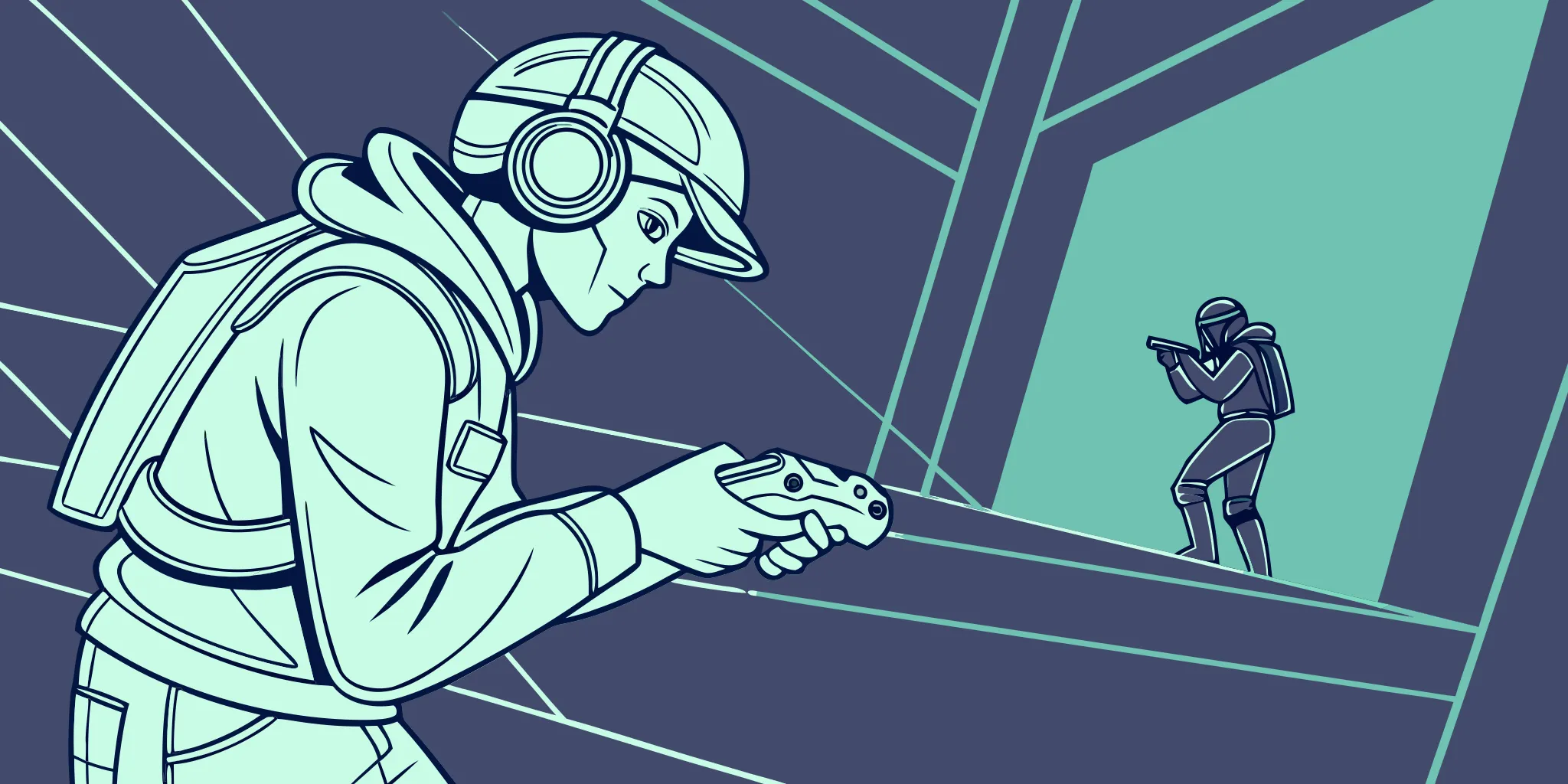
It’s often frustrating trying to play strategically in public matches. You’re up against unpredictable teammates and opponents, making for a chaotic experience that can hinder your progress, even with a lot of playtime. If you’re looking for a more focused and productive way to improve, it’s time to consider scrims. Scrims offer a structured, competitive environment where you can move beyond the randomness and concentrate on the elements that truly lead to victory: teamwork, strategy, and clear communication. This guide will show you everything you need to know to ditch the chaos and start building a solid competitive skillset.
Key Takeaways
- Scrims Are Your Gym, Not Just Another Match: Use this structured environment to intentionally practice specific strategies, perfect your team’s callouts, and analyze your gameplay afterward to find clear areas for improvement.
- Synergy Wins Fights, Not Just Raw Skill: Coordinate your loadouts to cover all ranges, move across the map as a single unit, and use clear communication to turn individual talent into unstoppable team plays.
- Prioritize Progress and Team Chemistry Over Winning: In your early scrims, focus on setting small, achievable goals and learning each other’s playstyles. Treat every loss as a lesson to build the resilience and trust needed for long-term success.
What Are Gaming Scrims (And Why Should You Care)?
Ever notice how professional Warzone teams move together so smoothly? That coordination usually comes from practice matches called “scrims,” not just playing regular games. If you’re serious about improving and want to experience competitive Warzone, joining and learning how to use scrims is the most important thing you can do.
Scrims are practice matches where teams develop strategies, improve how they communicate, and build teamwork. Think of them as a training ground for competitive play. They’re about actively working to improve, not just playing the game. It’s a chance to test your skills against other dedicated players who are also striving to get better and win. If you want to see how your team performs under pressure, it’s time to start scrimming.
Define the Purpose of Scrims
A scrim is essentially a practice match between teams, short for “scrimmage.” It’s designed to mimic the feel of a real competition, with teams of similar skill levels playing by official rules. Scrims are a key part of how competitive teams practice. They provide a low-pressure environment to try out new tactics, improve communication, and build teamwork – all crucial for success in tournaments.
Scrims vs. Public Matches: What’s the Difference?
Public matches can feel like anything goes – they’re unpredictable and you’ll encounter players of all abilities. Teamwork usually happens by chance. Scrims, however, are very different. They’re organized, strategic, and everyone is focused on improving. The goal isn’t just racking up kills, but practicing specific strategies, moving effectively as a team, and refining your coordination. As top players like Aydan have noted, this is the best way to really level up your game. Scrims aren’t just about playing; they’re about training to win.
How to Choose the Right Weapons for Competitive Play
Using a standard, everyday weapon setup in a serious match is like trying to fight with a small knife when everyone else has guns – you might get lucky, but you’ll be at a huge disadvantage. In competitive games, your weapon isn’t just something you use; it’s a key part of your team’s plan. Every part of it – from attachments to perks – should be carefully chosen to help your team succeed.
Scrims are different from public matches. They require careful planning when choosing your weapons. It’s not just about getting kills – you’re aiming to control the map, gather information, and win the game. This means picking weapons that are strong individually and also complement what your teammates are using. A good loadout can be the key to staying in the game and reaching the final stages. Let’s explore how to build a kit that gives your team an advantage.
Master the Meta Weapons
To be competitive, you need to use what’s currently most effective in the game – often called the “meta.” The meta changes regularly as the game is updated and balanced. Using these top-tier weapons and strategies is important because they generally give you the best performance in areas like damage, accuracy, and how easily they handle. For example, professional players like Aydan consistently use the strongest assault rifles and SMGs because they offer a significant advantage in direct combat. If you don’t use the meta, you’ll be at a disadvantage from the start of every fight.
Keeping up with the latest weapons is important. Watch what skilled players use in competitions, carefully read game updates, and explore guides for powerful Warzone setups. The goal isn’t just to copy others, but to understand why certain weapons are strong so you can customize them to fit how you play and improve your chances of winning.
Build Loadouts for Team Synergy
A team of highly skilled individuals often loses to a team that works well together. This is also true for the weapons you choose. While four players using the same sniper rifle might seem strong, you’ll be vulnerable in close-quarters combat. Real power comes from having a team where everyone’s weapons work together, covering all possible situations. The key is to create a balanced set of weapons that lets your team dominate fights at any distance.
Teamwork in games relies on having a balanced set of weapons. If someone is using a sniper rifle for long-distance shots, another player should be prepared with a fast-firing SMG to defend against close-quarters attacks. A great example is Aydan, who consistently shows how choosing complementary weapons helps his team coordinate and play better. Before starting a practice match, discuss roles with your teammates. Decide who will lead the attack, who will provide support, and who will hold down long-range positions. When everyone’s weapons match their role, your team will work much more effectively.
Balance Personal Favorites with Team Needs
Everyone has a favorite weapon they feel confident with. However, to succeed in competitive games, it’s important to be versatile. Team strategy sometimes means using weapons you’re less familiar with, but that better help the team win. Relying on just one weapon makes you predictable and easier to defeat. Top players can change their equipment to suit the situation, whether it’s the map, a specific area, or what the rest of the team needs.
If you want to perform like top players such as Aydan, remember it takes more than just aiming skills. A big part of it is being adaptable. While everyone has favorite weapons, the best players change their loadout to help their team win. Focus on becoming really good with a few of the most effective weapons in each category – like assault rifles, submachine guns, and sniper rifles. Practice using different weapons in public matches or the firing range. Being versatile makes you a stronger teammate and helps you handle any situation the game presents.
Why Map Rotations Win Games
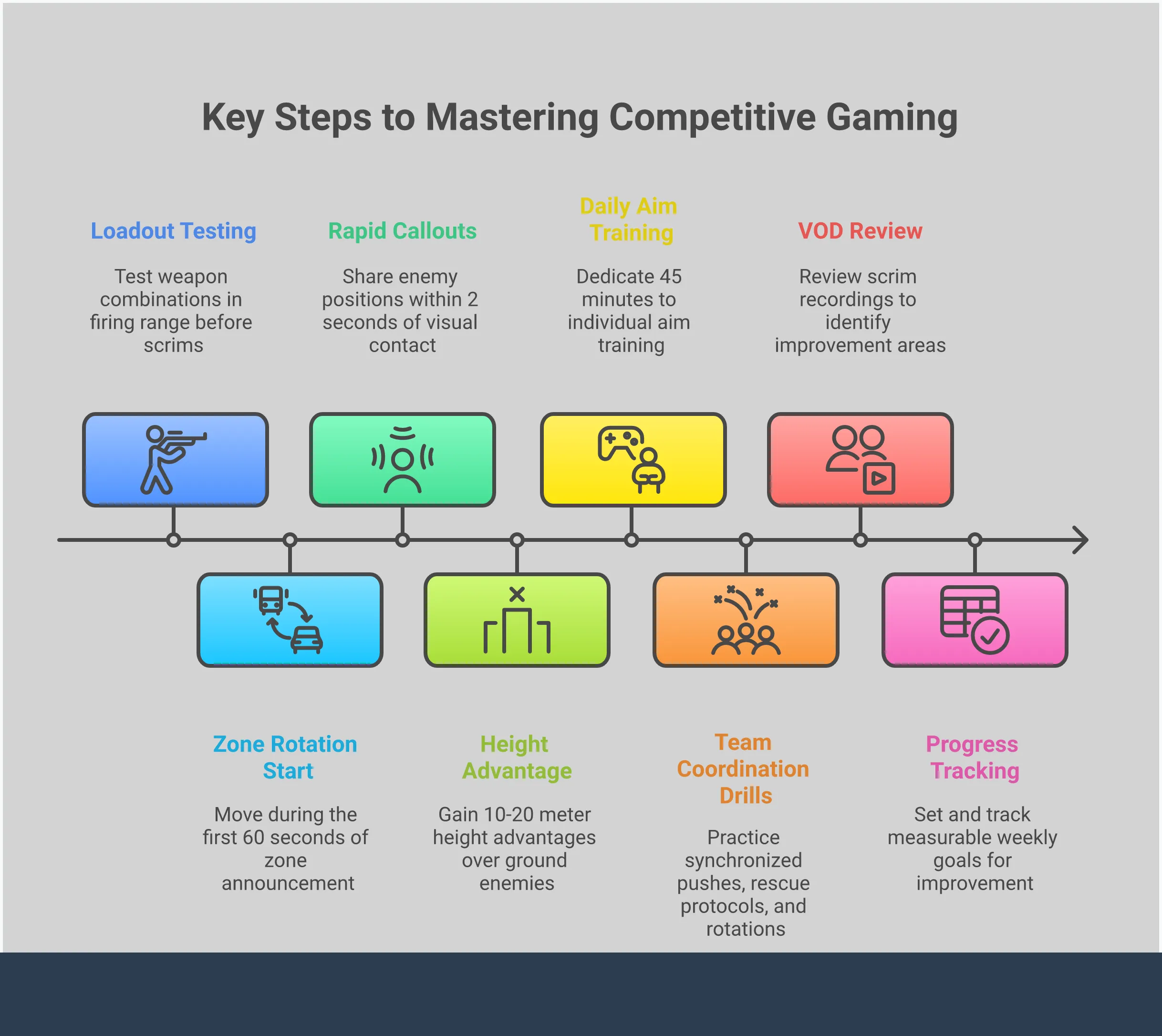
In competitive games, knowing when and where to move on the map – often called ‘rotations’ – is crucial for success. It’s about more than just aiming well; it’s about being smarter than your opponents. A good rotation puts your team in a strong position, allowing you to control the game and choose when and where to fight. But a badly timed or messy move can quickly lead to defeat. To master rotations, you need to know the map well, anticipate what the enemy will do, and work together smoothly. It’s the key to shifting from simply reacting to the game to actively controlling it. When you’re good at rotations, you’ll consistently find yourself in winning situations, getting better gear, and avoiding surprise attacks that can ruin a good run.
Read the Zone and Position Early
Top teams don’t just respond to where the safe zone is going—they predict it. Knowing where the next zone will be is a huge advantage. By getting to good locations before other teams, you control more of the map. This lets you take the best positions, like high ground or buildings with clear views, and force opponents into unfavorable spots. This proactive strategy helps you dominate the late game and easily eliminate enemies as they move. Instead of being caught off guard, you’ll be prepared, set up, and ready to defend your territory.
Time Your Rotations to Avoid Third Parties
It’s frustrating when you win a battle, then another team comes in and finishes you off before you can reposition. This is a common problem in practice matches, and it often ruins a good run. The solution is all about timing your movements carefully. If you move too soon, you become the target. If you wait too long, you’re forced to rush into the next safe zone under pressure. By watching the kill feed and listening for nearby fights, you can figure out the best time to move and avoid getting caught in the middle. Sometimes, the best strategy is to let other teams fight each other first, then move into the circle when it’s safer.
Coordinate Movement for a Tactical Edge
Success in team-based games relies on working together, not individual effort. Great teams move as a single unit, allowing them to support each other, share the burden of attacks, and create powerful crossfires. This coordinated movement enables effective flanking strategies and helps to dislodge opponents from their positions. It requires clear communication, staying together while moving between safe spots, and making sure no one is left vulnerable. When a team moves in sync, they become a difficult target to hit and a much more dangerous force.
How to Improve Your Team’s Communication
In a high-pressure situation, like a battle, staying silent can be fatal. But good communication isn’t just about talking a lot – it’s about sharing useful information when it’s needed most. When a team communicates well, they act as one, make better choices, and respond quicker than the competition. It’s what links everyone’s abilities together to achieve success. Consider it the team’s central nervous system – without it, you’re just individuals relying on luck.
Honestly, the biggest thing I’ve learned is that just yelling a bunch of stuff in voice chat doesn’t work. You need a system. We worked on making our callouts super clear, short, and everyone using the same terms for the same spots. It’s about knowing exactly what everyone else is saying and what you’re supposed to do. We even assigned roles so there’s no confusion. Getting our comms right is just as important as having good aim or a solid loadout, seriously. It takes practice, but once we started doing it, our scrim results improved so fast. It’s all about quick, useful info – no more guessing or hesitation that gets us wiped!
Develop a Clear Callout System
Clear communication is essential for any successful team, and that starts with a consistent callout system. It’s more than just pointing someone out – it’s about using a shared language everyone understands immediately. Begin by agreeing on standard names for important spots on the map, using directions like north and south, markers, and simple descriptions like “top of the red building” or “behind the blue truck.” Keep your callouts short and informative, including who you see, their location, and what they’re doing – for example, “One damaged, going up the stairs.” The best teams practice this until it’s automatic, allowing them to coordinate actions quickly and accurately.
Assign Roles for Better Coordination
To prevent confusion and conflicting decisions, clearly define roles within your team. Designate one person as the In-Game Leader (IGL) to make key strategic calls, especially during stressful situations. You can also assign roles like a primary ‘fragger’ focused on getting the first kill in an engagement, and a support player who watches for enemy flanks and manages important equipment. When everyone knows their specific job, they can play to their strengths. This clear structure improves communication and makes teamwork smoother, reducing confusion during intense moments.
Share Information for Faster Decisions
When playing a quick game, sharing information quickly is crucial. Your team needs constant, useful updates to make fast decisions. Immediately tell your teammates about important things like when an enemy’s defenses are down, when you’re reloading, or when you’re using a special ability. This helps them know when to attack or retreat. Keep your messages short and to the point – avoid unnecessary talking. Focus on sharing only the information that will directly affect your team’s next actions and allow you to change your plans quickly.
Why Positioning Is Your Key to Victory
Okay, so a lot of people think winning practice matches is just about who can click the fastest, but honestly, that’s only half the battle. Aim is definitely important, but what really makes the difference between good players and pros is positioning. It’s all about controlling where the fight happens, making sure you’re in a spot where you have the advantage. When you’ve got good positioning, even a tough fight feels easy. It’s not just about hiding in a corner, though – it’s more like a chess game where the map is the board, and you’re constantly trying to outmaneuver your opponents.
Good positioning isn’t just about luck – it’s a skill you develop. It means knowing the map well, anticipating what your opponents will do, and always being aware of where you can see and hide. It’s about planning ahead, not just responding to what’s happening right now. When you focus on your location and future movements, you can control the flow of the game and help your team win. The key elements include taking and holding high ground, moving between positions safely, and setting up easy chances to eliminate enemies.
Secure High Ground and Cover
There’s a good reason why gaining the high ground is a well-known strategy – it gives you a significant edge. Being higher up lets you see more of the battlefield, spot enemies earlier, and makes you harder to hit. However, simply finding the tallest structure isn’t enough. Truly skilled players use height and cover to create surprising attack angles. As pro player Aydan suggests, sometimes getting below an enemy to attack from behind is the smartest play. This uses the surroundings for protection while setting up a powerful ambush. Always look for ways to use objects, ledges, and the terrain to stay safe and create new opportunities to target your opponents.
Avoid Vulnerable Rotations
Starting a rotation without a solid plan can quickly lose you the game. Moving into open areas or predictable bottlenecks without thinking it through is risky. A weak rotation leaves your team exposed and unable to react effectively. Professional teams carefully consider their movements at all times. Aydan pointed out a situation where his team was trapped across a street, realizing they weren’t positioned to easily escape by boat. This shows how one poor positioning choice can make every following move dangerous. Before you rotate, always think about potential enemy firing lines. Use cover like smoke, vehicles, or hidden paths to safely reach the next zone.
Create Opportunities for Easy Kills
Good positioning isn’t just about protecting yourself—it’s about creating opportunities to attack. The key is to get into a spot where you can take advantage of the other team’s errors. By controlling a strong position, you can catch opponents as they move between locations, recover from battles, or focus on other teams. This is where your skills, equipment, and planning all come together. Having the right weapons is essential, which is why experienced players carefully choose their loadouts to thrive in these moments. They select weapons that let them quickly turn a difficult fight into an easy win for their squad.
How to Build a Winning Practice Routine
Success in competitive gaming isn’t just luck. While playing regular matches can help you learn, truly great teams practice with a plan. It’s similar to traditional sports – they don’t just jump into games. They practice specific skills, run drills, and review strategies. A winning practice routine means using your time wisely, focusing on what you need to improve, building on your strengths, and learning to work together seamlessly as a team.
Having a consistent practice routine helps your team steadily improve. It’s about more than just hoping to get better – it’s about creating a clear plan to follow. This plan should include working on individual skills, practicing teamwork, and carefully reviewing your performance. Successful players, like Aydan, spend a lot of time on this kind of focused practice because they know even small improvements make a big difference. Sticking to a routine builds the necessary skills, communication, and understanding to perform well, even when the stakes are high.
Focus on Individual Skill Drills
To succeed as a team, every player first needs to be strong individually. Your basic skills are the most important part of your game. Even the smartest strategies won’t work if you can’t win individual battles. That’s why it’s crucial to practice fundamentals outside of team practice. Spend time in private matches or practice ranges to improve your weapon control. Use aim training tools to get better at tracking targets and quickly aiming. Master advanced movement techniques until they become automatic. This dedicated practice will give you the confidence and consistency to become a dependable teammate.
Run Team Coordination Drills
Once you’ve honed your individual skills, the next step is learning to play well as a team. Team drills focus on practicing common game situations. Instead of immediately jumping into a match, define specific goals. For example, practice a coordinated attack on a defended building, or work on quickly moving between different areas of the map. Also, practice rescuing teammates while under attack. This is a great time to test different weapon setups and see how they work together. Regularly practicing these drills helps your team work seamlessly and allows you to perform complex actions automatically, even when the pressure is on.
Analyze Your Performance After Every Scrim
The game doesn’t truly end when the score is final. A crucial part of improving happens after you play. Record your practice matches (called scrims) and review them together as a team – this is often called VOD review. Look for repeated patterns in how you play. When you lose an important fight, figure out why. Was it because of bad positioning, a lack of teamwork, or a missed chance? Examining what happened helps you find and fix mistakes. Remember, this isn’t about finding someone to blame – it’s about everyone improving together. By understanding exactly what went wrong, you can learn from every loss and get better for the next game.
What to Focus On in Your First Scrims
Okay, so jumping into your first scrims is INTENSE. It’s like, one minute I’m practicing against bots, the next I’m facing really good players who are coordinated and thinking several steps ahead. It’s super easy to get down on myself if I’m only focused on winning, but I’m trying to shift my mindset. I’m treating these early scrims as practice – a training montage, basically. It’s all about getting my team to work together, learning how to move as a unit, and building a solid base for winning later on. Winning isn’t the main goal right now, it’s about improving!
Don’t worry about being perfect right away. Pro player Aydan says it’s more important to spend time improving with your team and building strong teamwork. Concentrate on consistent progress, learning from what goes wrong, and understanding how your team works best. Wins will follow, but right now, it’s about consistent effort and dedication.
Set Realistic Team Goals
When you practice against other players (scrims), don’t focus on winning every match right away. Trying to do that will likely lead to frustration and quickly make you lose motivation. Instead, set smaller, realistic goals to help you improve. For example, aim to consistently finish in the top 10, win your first fight when you land, or successfully use a new strategy you’ve been working on. Achieving these smaller wins will boost your confidence and keep you feeling good about your progress.
Follow Aydan’s example: be honest about your current situation, but never give up. Understand where you are now, but keep your focus on the future. Recognize and appreciate every success, no matter how small, and view each game as a chance to learn and grow. This will help your team stay motivated and committed to constantly getting better.
Build Chemistry Through Practice
In any competition, a team that works well together will almost always beat a group of players who are just individually talented. Practice matches, or “scrims,” are the ideal time to build that team connection. This is when you get to know how your teammates play – their habits, what they tend to do in different situations, and their overall style. As Aydan put it, it’s about simply “learning each other’s pace.” Knowing whether a teammate is aggressive or cautious, and who takes the lead in making calls, is what transforms a collection of individuals into a cohesive team.
Now’s the time to learn how well you and your teammates play together. Try out different tactics and weapon setups to find what works best for the group. Good teamwork doesn’t just happen automatically – it takes talking, playing together, and a lot of practice. Each game, whether you win or lose, is a chance to get even better as a team.
Identify Your Strengths and Weaknesses
To improve, it’s essential to be honest with yourself about what you’re good at and where you need work. You can’t get better at something if you don’t recognize it as a problem. After each practice session, discuss with your team what worked well and what didn’t. Identify your strengths—like strong early battles or clear communication—and focus on using them to your advantage.
It’s especially important to be honest with yourself about what you’re not good at. If you have trouble with things like positioning yourself well in the late game, or keeping track of enemies during busy fights, don’t get discouraged. Think of these as areas where you can improve! A great way to identify these issues is to record your gameplay and watch it later – you’ll often notice mistakes you didn’t realize you were making while playing. Recognizing your weaknesses is the first step to becoming better.
Common Mistakes That Will Cost You the Game
Even highly skilled players can lose in practice matches if they don’t work well as a team. Often, it’s the little things – habits many teams overlook – that make the difference between winning and losing. Let’s look at some common mistakes and how to fix them, so you can help your team improve and start winning more games.
Losing Comms Under Pressure
The biggest mistake teams make is losing communication under pressure. When the action heats up, it’s common for talk to turn into panicked yelling or stop altogether. Every team struggles sometimes, but professional player Aydan emphasizes treating those moments like practice. Just like in professional sports, you can’t give up if you aren’t instantly the best. The key is to keep communicating clearly, share information, and push through the stress. Your callouts should be just as precise and helpful in the final moments as they are at the start of the game.
Inconsistent Strategy
As a fan, it’s frustrating to watch my team flip-flop between aggressive and passive playstyles without a clear reason. While being adaptable is good, it feels like they’re missing a solid foundation. What they really need is a go-to strategy that everyone knows and understands. That’s what builds consistency and lets them work together effectively. I was listening to Aydan talk about his team, and he hit the nail on the head. He said they aren’t a top team yet, but they’re willing to put in the work to improve their teamwork and build that chemistry. And that chemistry doesn’t just happen – it comes from practicing together, knowing what everyone’s going to do, and having a shared plan, from what guns we use to how we move around the map.
Failing to Adapt on the Fly
It’s equally bad to have no plan at all or to be too stuck on one. Remember, a plan is just where you start. In unpredictable situations like practice matches, you need to be able to adapt quickly. Aydan pointed this out when his team’s planned move failed – they arrived too late and were unprepared. This shows that blindly following a plan, even when it’s clearly not working, can be disastrous. Top teams are constantly assessing the situation and aren’t afraid to change their approach, whether that means adjusting their route or backing out of a fight that isn’t going well.
How to Build a Winning Mindset
While being skilled at the mechanics of a game is important, what truly separates good competitive gaming teams from great ones is their mental strength. This means staying calm under pressure, learning from errors, and supporting each other during tough moments. Even professional players like Aydan emphasize that mental fortitude is key. As Aydan points out, success isn’t immediate; it requires dedication, practice, and a commitment to improvement, even when facing challenges.
Developing a strong, winning attitude isn’t something that happens overnight; it’s something you build with your team gradually. It means everyone agrees that each game, whether you win or lose, is an opportunity to get better. By prioritizing improvement over just the score, you create a team that can handle setbacks, learn from them, and come back stronger and more prepared. This mental toughness is your greatest strength as you strive for success. It allows for clear communication, smart choices, and those critical plays that decide the outcome. Without it, even highly skilled players will struggle under pressure.
Stay Focused Under Pressure
Practice matches, or ‘scrims,’ can be really challenging, and it’s normal to feel frustrated when things don’t go as planned. But the most important thing is to remember you’re there to improve. Think of it like a professional sports team – they don’t give up if they aren’t winning consistently. They keep practicing, adjusting their game plan, and working together. If you adopt this mindset, you’ll see setbacks as opportunities to learn, not as reasons to get discouraged. Getting upset or panicking will only make it harder to think clearly and will negatively impact your team. Stay calm, communicate clearly, focus on what’s next, and have confidence in the effort you’ve already put in.
Learn from Every Loss
Everyone experiences losses, and they can actually be incredibly helpful for growth. Instead of feeling down after a defeat, view it as a chance to learn and improve. Aydan, a prominent player, has openly acknowledged his team isn’t currently among the best, but emphasizes he won’t give up – a true winning attitude. When you lose, don’t immediately jump back into another game. Take a moment to think about what went wrong. Were you caught in unfavorable situations? Was your team’s communication lacking? Perhaps your equipment needs adjusting to work better together. Each mistake offers valuable insights that can help you refine your strategy and perform better next time.
Keep Team Morale High
A team that’s feeling down is already at a disadvantage. Negativity and blaming others can quickly ruin a competitive atmosphere. As a teammate, your role is to encourage everyone, particularly after a difficult match. Concentrate on what you’re all learning as a group. As Aydan put it, it’s about getting to know each other and how everyone plays. Acknowledge and celebrate even small achievements, like a good team maneuver or a successful play under pressure. Instead of criticizing, offer helpful advice. When teammates support and trust each other, you create the strong connection needed to perform well under pressure and increase your chances of winning.
Related Articles
- Deus Ex LFG: Connect with Other Augs in LFG Feature on Z League App
Frequently Asked Questions
Okay, so you want to find some scrims? It’s actually pretty easy. The best place to start is looking for communities built around the game you play. Discord is amazing for this – there are tons of servers set up by region and skill level, and a lot of them are specifically for organizing scrims. Twitter’s good too – just search for your game’s name along with “scrims”. The most important thing is finding a group that’s a good fit for your team’s skill and how seriously you’re trying to improve, that way you’ll get some really useful practice.
If a new team wants to improve quickly, the most important thing to work on is communication. Even the best strategies for teamwork won’t work if team members can’t talk to each other well. Prioritize creating a clear and simple way to share information, and make sure everyone feels comfortable speaking up, even when things get stressful. Strong communication is the base upon which all other skills are built, helping individuals become a truly coordinated team.
It’s common for teams to feel down after losing, but it’s important to stay positive and keep practicing. Instead of focusing solely on winning, redefine what success means. Early on, a good result isn’t necessarily finishing first – it’s about successfully trying out a new strategy or improving how you communicate during a tough situation. After a difficult game, take a quick break and discuss one thing your team did well and one area for improvement. This helps you learn from losses instead of getting discouraged.
It’s important to balance having a main plan with being able to adapt. Every team needs a core strategy that everyone understands – this creates consistency and teamwork, and it’s where you begin. But you also need to be ready to change course when things don’t go as planned. Real success comes from a strong base plan combined with the ability to recognize changing circumstances and communicate effectively to adjust. Your core strategy will get you going, but your flexibility will help you win tough challenges.
Okay, so a big question for me and my team is always how much time we should spend actually practicing versus just jumping into scrims. Honestly, I’ve learned it’s way better to focus on quality practice, not just how much we do. We used to grind scrims for hours, but we’d get burnt out and end up repeating the same mistakes. Now, we try to balance things out. For every two hours we spend in scrims, we spend about 30 minutes reviewing the footage together. That way, we can pinpoint exactly what we’re messing up and turn those things into specific goals for our next practice session. It makes our practice way more effective, you know?
Read More
- United Airlines can now kick passengers off flights and ban them for not using headphones
- All Itzaland Animal Locations in Infinity Nikki
- Katanire’s Yae Miko Cosplay: Genshin Impact Masterpiece
- Crimson Desert: Disconnected Truth Puzzle Guide
- How to Get to the Undercoast in Esoteric Ebb
- All Golden Ball Locations in Yakuza Kiwami 3 & Dark Ties
- BloxStrike codes (March 2026)
- How to Complete Bloom of Tranquility Challenge in Infinity Nikki
- 6 Ways Invincible Season 4’s Hell Episode Rewrites The Comics
- I Was Horrified By Primate, But I Also Really Liked How Troy Kotsur’s Role As A Deaf Parent Factored In
2026-01-29 16:07