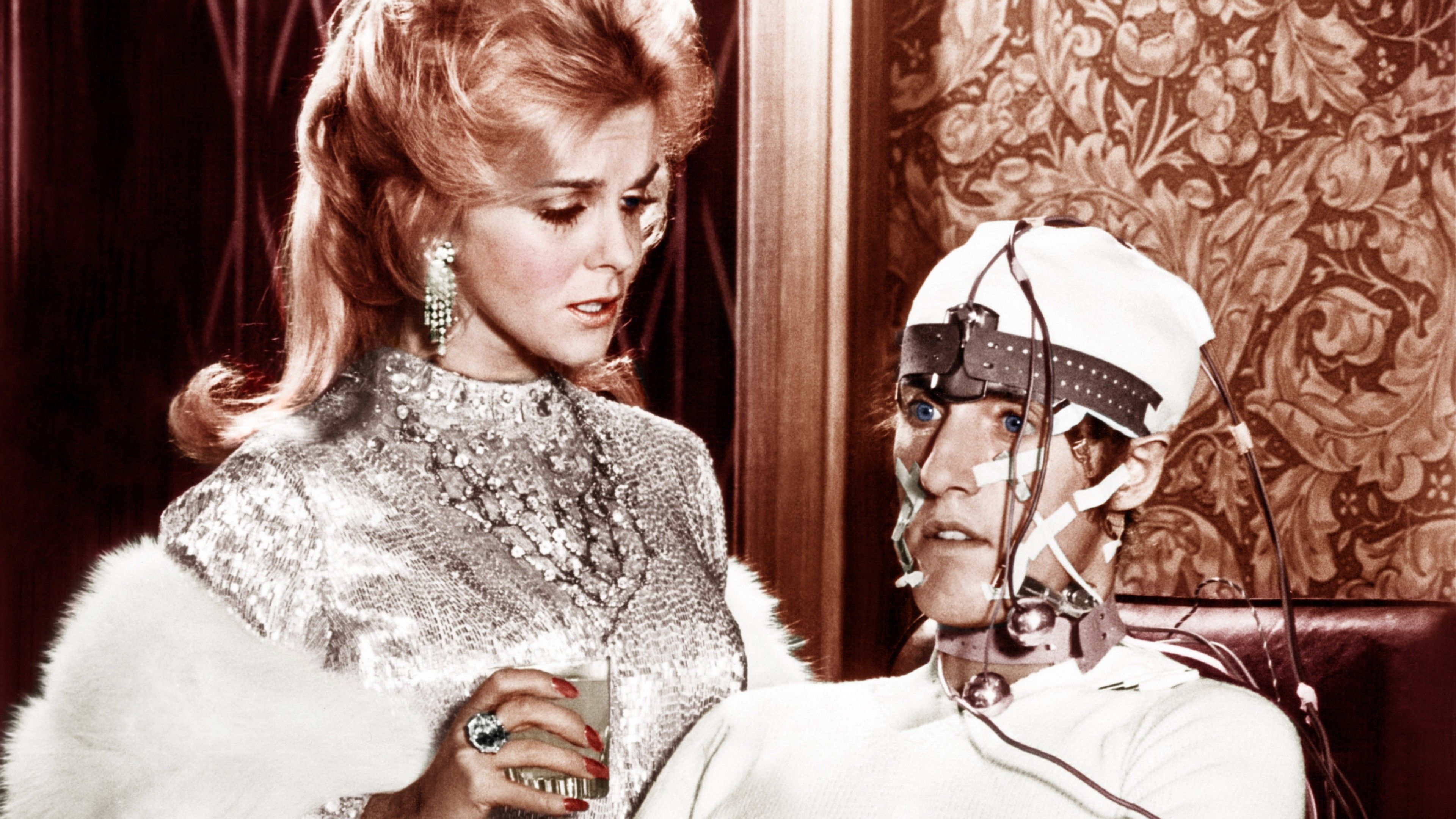
Long before Marvel and DC explored alternate universes with characters like variants and multiple Batmen, the 1969 rock opera The Who’s Tommy was doing something similar. It constantly evolved, changing its style and retelling its story in new ways – essentially creating its own multiverse well before it became standard practice for big Hollywood franchises.
As the film Tommy celebrates its fiftieth anniversary, it’s starting to seem less like a quirky classic and more like an early example of how popular franchises develop today.
Tommy’s First Leap Was The Kind Of Reinvention Superheroes Depend On

The Who’s 1969 album Tommy told a complete story—a myth about overcoming trauma, changing for the better, and being reborn. But the story really grew when Ken Russell made it into a film in 1975. He didn’t just create visuals for the music; he expanded the entire world of Tommy. With appearances by Elton John, Tina Turner, and Ann-Margret, the film became a daring and dreamlike show that took the story to a whole new level. It transformed rock opera into a full-blown cinematic experience.
This change is similar to how classic superheroes endure updates and new interpretations. Batman has successfully transitioned through drastically different styles – from Tim Burton’s dark, gothic approach to Joel Schumacher’s bright, over-the-top films, Christopher Nolan’s realistic take, and now Matt Reeves’s gritty detective stories – because the core story is adaptable. Just like Batman, Tommy showed it could handle a significant change in format. Adapting from an album to a film felt like a natural evolution.
Tommy Walker, like Daredevil, embodies a classic superhero arc. Before Daredevil’s blindness was portrayed as a way to see more deeply, Tommy’s inability to see, hear, or speak served as a powerful symbol of change. While Daredevil compensates by honing his physical senses, Tommy develops a heightened understanding of meaning, which allows him to become the incredible “pinball wizard.” One hero succeeds by relying on instinct, the other on insight. Both characters came about during a time of bold storytelling in the late 1960s, and both demonstrate that limitations can actually unlock extraordinary potential.
Tommy Reboots & Revivals Mirrors Decades Of Comic Book Evolution
I was so excited when Tommy came to Broadway in ’93, and it wasn’t just a simple revival! They really dug into the story and made it even stronger. The emotional moments hit harder, the big ideas came across more clearly, and the characters felt more developed. It felt like a complete refresh – honestly, it reminded me of how comic books will sometimes completely reimagine their whole worlds, and it worked brilliantly.
As a huge comic book and movie fan, I’ve always been fascinated by how universes evolve. Back in ’85, Crisis on Infinite Earths totally shook up DC’s history, and then Marvel did something similar with Ultimate Marvel, giving us fresh takes on classic characters. What’s cool is seeing Green Lantern pop up everywhere – comics, cartoons, movies, and now the new DCU – each version different, but still part of the same big story. That’s exactly what Tommy does too! It doesn’t try to retell the same story over and over; it builds alongside it, creating these parallel worlds that add to the experience. It feels like a truly living universe, not just a single, contained story. And honestly, Tommy was doing this kind of world-building way back when, long before all the superhero movies made it a common thing.
When Tommy returned to Chicago in 2023 and then reopened on Broadway in 2024, audiences were ready for it. We’re now used to the idea of multiple versions of the same story – like having three different Spider-Men or multiple Batmen existing at once, thanks to shows like Loki which explore branching timelines. This new revival of Tommy feels like a natural extension of the story, not a replacement for the original album, film, or 1993 musical. It simply adds another layer to a mythology that’s been growing for over 50 years. What once felt groundbreaking in 1969, new in 1975, and daring in 1993, now feels perfectly relevant.
Tommy vs. Marvel & DC: Eight Decades Of Shared Evolution
| Tommy Timeline | What It Represents | Marvel / DC Parallel | Why It Matches |
|---|---|---|---|
| 1969 – Tommy Album | A brand-new myth built around a central hero. | 1939 – Batman’s Debut | A clean origin myth ready for decades of reinvention. |
| 1975 – Tommy Film | A bold, surreal tonal expansion of the narrative world. | 1960s Marvel Revolution | Bigger visuals, stranger storytelling, emotionally charged mythmaking. |
| Early 1970s Tommy Tours | Performance-based reinterpretations reshape meaning. | DC’s Bronze Age (1970–1985) | Heroes explore darker themes and experimental stories. |
| 1993 – Tommy Musical | A structural reboot with new emotional logic. | 1985 – Crisis on Infinite Earths | A reconstructed continuity clarifying character arcs. |
| 1990s–2000s Revivals | Directors reinterpret the myth across productions. | Ultimate Marvel / Elseworlds | Parallel versions modernizing iconic characters. |
| 2023–2024 – Tommy Revival | A modern variant for multiverse-literate audiences. | MCU & DC Multiverse Era | Multiple timelines coexisting as equal canon. |
Fifty years after it first appeared on screen, Tommy doesn’t seem like an oddity in the history of rock music anymore. It feels like a crucial piece of the puzzle. Long before Marvel’s interconnected movie universe or DC’s many versions of Batman, The Who created a story that could be reimagined and adapted over and over again. Looking back, it’s not whether Tommy was ahead of its time, but why it took so long for popular culture to realize its potential.
Read More
- United Airlines can now kick passengers off flights and ban them for not using headphones
- Gold Rate Forecast
- How to Solve the Glenbright Manor Puzzle in Crimson Desert
- All Golden Ball Locations in Yakuza Kiwami 3 & Dark Ties
- How to Complete Bloom of Tranquility Challenge in Infinity Nikki
- 8 Actors Who Could Play Blackbeard In One Piece Live-Action Season 3
- How to Get to the Undercoast in Esoteric Ebb
- Katanire’s Yae Miko Cosplay: Genshin Impact Masterpiece
- Netflix’s 4-Part Crime Thriller Is One Of Its Very Best
- Is Wuthering Heights a romance? Update on Margot Robbie movie controversy
2025-12-12 17:02