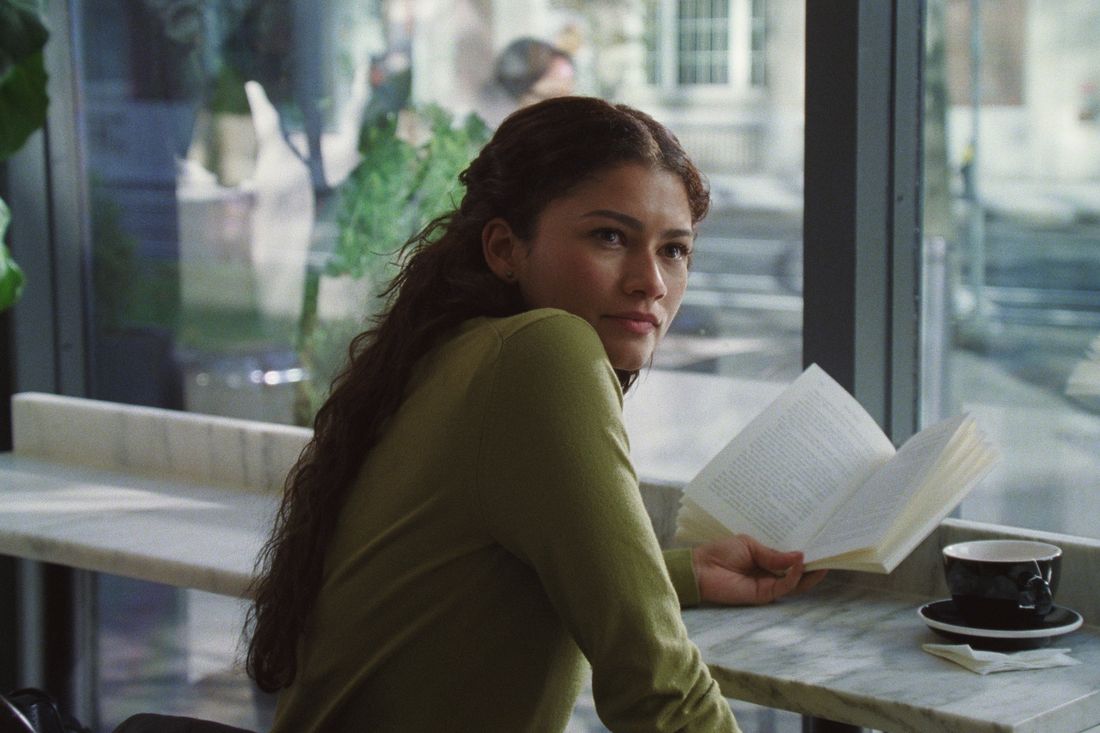
Even before its release, the new film The Drama, starring Robert Pattinson and Zendaya, sparked online discussion due to a surprising plot twist. Fans on social media began speculating about a secret revealed in the trailer – Zendaya’s character, Emma, confesses to something shocking to her fiancé, Charlie (Pattinson), and their friends. People pieced together clues from casting calls, leaked script details, and photos from the set. These rumors proved true: Emma had once planned a school shooting, but ultimately didn’t go through with it. This premise drew immediate criticism, including from gun-control advocate Tom Mauser, whose son was a victim of the Columbine shooting. The film’s distributor, A24, found itself facing a potential scandal – a risk often taken when working with directors who aim to provoke strong reactions, like Emerald Fennell or Lars von Trier. The writer and director of The Drama, Kristoffer Borgli, is known for intentionally creating films that generate conversation.
I’ve been following Norwegian filmmaker Borgli for a while now, and he’s really something else. He first caught my attention with his 2017 debut, Drib, which was this fascinating blend of fact and fiction. It starred comedian Amir Asgharnejad playing himself, and it basically retold the story of how his street fight videos went viral and landed him a weird sponsorship deal. Then came Sick of Myself in 2022 – another darkly funny look at someone going to extreme lengths for attention. This time it was about a woman in Oslo who deliberately makes herself sick to get a unique skin condition. That film got him noticed at Cannes, and even Ari Aster became a fan! That led to Dream Scenario, Borgli’s first American film, produced by Aster and released by A24. It’s a surreal comedy starring Nicolas Cage as a pretty ordinary professor who suddenly starts appearing in everyone’s dreams. It’s a wild ride watching him deal with the sudden fame and then the panic when things start to unravel. Honestly, Borgli’s films are consistently strange, thought-provoking, and totally unforgettable.
Kristoffer Borgli is great at coming up with interesting and unsettling ideas, but his latest film, Dream Scenario, loses its way after a strong and bizarre opening. The film starts with a funny premise – Paul, the main character, unexpectedly appears in people’s dreams – but quickly becomes confusing. While Borgli took risks with his previous film, The Drama, the problem here isn’t the shocking twist he introduces early on, but his inability to build anything meaningful after it. The story reveals a dark secret through a late-night catering session: Emma confesses to her friends that as a troubled teenager, she was fascinated with the imagery of school shooters. She even brought a rifle to school, but didn’t use it, partly because another shooting occurred at a nearby mall that same day, claiming the life of someone she knew.
Borgli previously explored a similar joke in his film Sick of Myself, where a character manufactured a health crisis for attention. In that film, Signe manipulated a friend into writing an article about her fabricated illness, complete with dramatic photos. However, her attempt to gain notoriety was overshadowed by a tragic news story. She dismisses the event, complaining that the timing is bad for her own publicity. The issue with The Drama isn’t that it features a character who’s considered a terrible act, but that the film doesn’t fully explore the character’s past or the emotional weight of those memories. Instead, this dark secret feels like a plot device used to create conflict. The film aims to be about accepting someone with a hidden past, but Borgli seems hesitant to fully commit, resulting in a story that feels underdeveloped. He appears to want to show more empathy for his characters, but ultimately lacks the boldness he demonstrated in his previous work.
Borgli is fascinated by attention – how people seek it, how institutions exploit it, and the extreme lengths people will go to for it. This theme is central to all his films and drives the stories he tells. His latest film, The Drama, is similar to Sick of Myself in that it explores how characters manipulate situations to gain attention. However, Sick of Myself focused on truly awful people willing to do anything, even face serious consequences, to be noticed. The Drama, on the other hand, tries to make its characters sympathetic, even though they have dark pasts. The film primarily follows Charlie’s perspective as he struggles to understand his fiancée Emma’s confession of past violent acts. Emma is anxious about whether Charlie can accept her, while the film directs its anger through Rachel, a character who immediately condemns Emma’s actions. Charlie, a museum curator new to Boston, finds Emma’s confession so shocking that he’s unable to process it and spends the movie conflicted about whether to stay with her or leave.
What’s truly troubling about The Drama isn’t that it addresses mass shootings, but that it simplifies such a horrific event into just another story element. Borgli often satirizes the superficiality of upper-class life and corporate attempts at inclusivity—as seen in Sick of Myself, where a character with a visible injury is used in an ad for an inclusive brand. The film excels in its detailed portrayal of its characters’ privileged, intellectual lifestyles, from their stylish homes to charming, yet dishonest, first encounters. However, the biggest issue isn’t that Borgli flirts with provocative themes, but that the film pretends not to understand what might drive a troubled teenager to radicalization online. It’s more damaging to feign incomprehension of such impulses than to simply acknowledge them.
Read More
- United Airlines can now kick passengers off flights and ban them for not using headphones
- Crimson Desert: Disconnected Truth Puzzle Guide
- How to Get to the Undercoast in Esoteric Ebb
- All 9 Coalition Heroes In Invincible Season 4 & Their Powers
- All Golden Ball Locations in Yakuza Kiwami 3 & Dark Ties
- All Itzaland Animal Locations in Infinity Nikki
- Katanire’s Yae Miko Cosplay: Genshin Impact Masterpiece
- Warframe Voruna Prime access begins on April 8 for all platforms, new deluxe cosmetic Warframe skins revealed
- HBO’s Harry Potter Is Already Breaking My Heart
- Zendaya’s 4 Big 2026 Movies Could Beat Brie Larson’s Box 2019 Office Record
2026-04-03 21:56