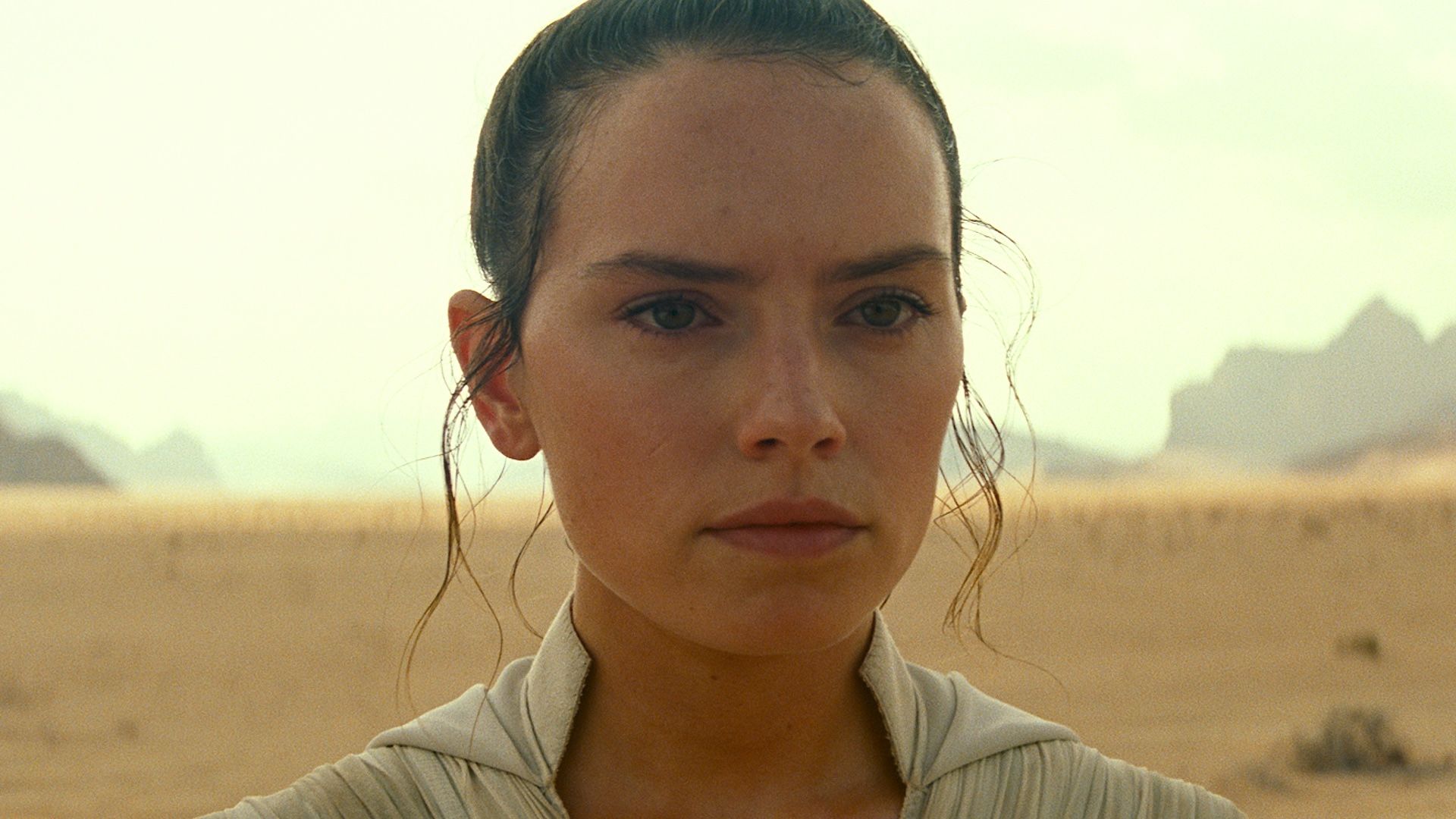
Looking at Disney’s recent Star Wars projects, a clear trend appears. The franchise has been heavily focused on the 32-year period between Return of the Jedi and The Force Awakens, especially the decade immediately following the destruction of the Second Death Star. This focus seems intentional. That 32-year gap offers a lot of room for new stories within the Star Wars universe, exploring a previously unseen time. Interestingly, this gap is only four years longer than the entire length of the original Star Wars saga, from The Phantom Menace to Return of the Jedi.
Shows like The Mandalorian, The Book of Boba Fett, and Ahsoka, along with the new movie The Mandalorian & Grogu, are all part of a larger, connected story. This story is expected to lead to a team-up movie directed by Dave Filoni, which will largely adapt the popular Thrawn trilogy from the old Star Wars Expanded Universe – stories that originally followed Return of the Jedi before Disney bought Lucasfilm. Now, some fans are wondering if Disney is using this adaptation to address or revise aspects of the more recent sequel trilogy. But is focusing on this specific, older part of Star Wars lore a smart move, or is it too narrow a focus?
Lucasfilm is Recontextualizing the Sequel Trilogy
Disney
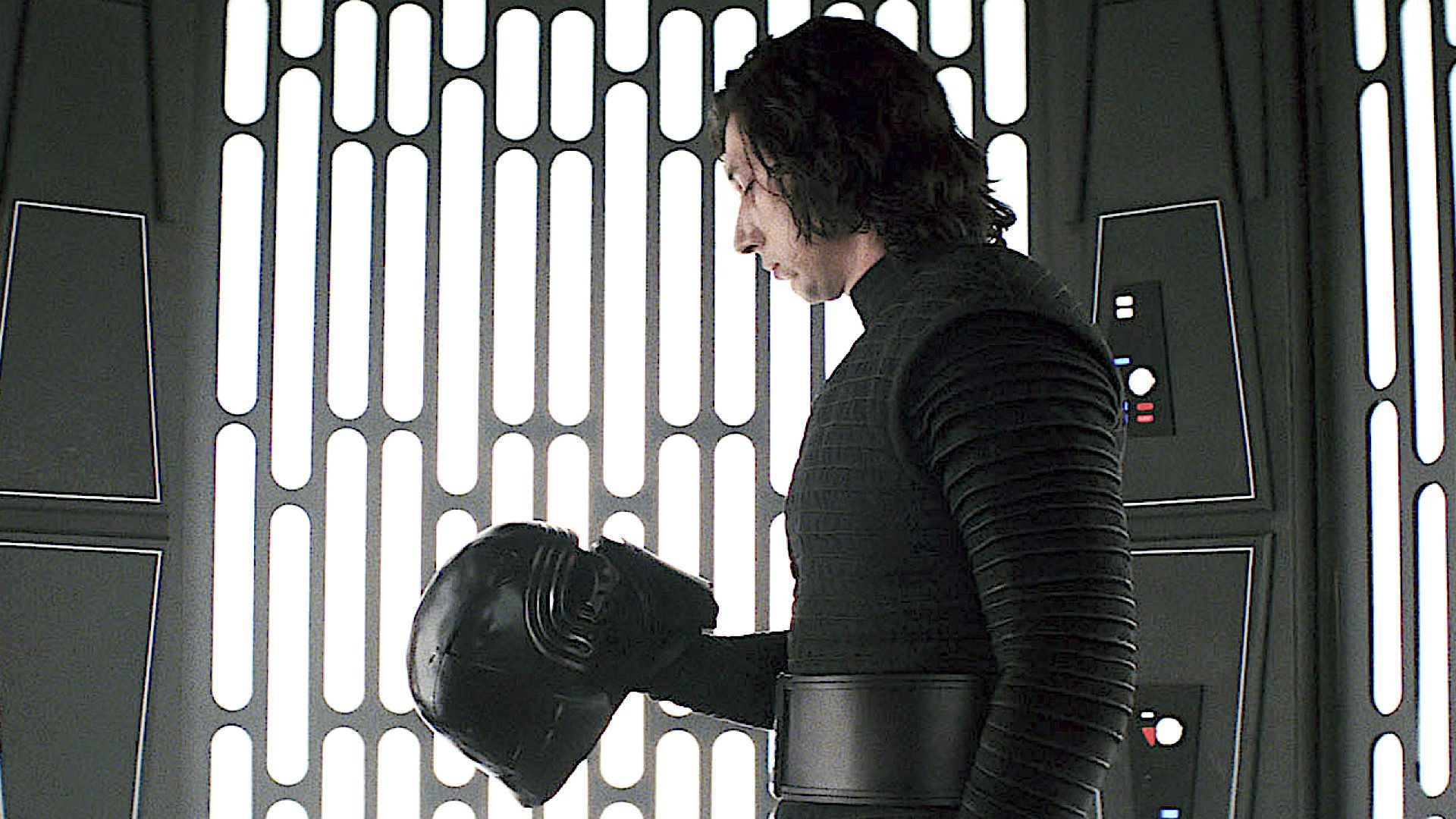
The world of Star Wars has increasingly focused on retroactively explaining choices made in the sequel trilogy, particularly the surprising plot twists in The Rise of Skywalker, and presenting them as intentional parts of a bigger story. This isn’t a new tactic – The Clone Wars series helped improve the reputation of the prequel trilogy and added depth to Revenge of the Sith and Anakin Skywalker’s turn to the dark side. But the recent Disney+ shows – like The Mandalorian, The Bad Batch, and Ahsoka – have taken this much further. These series essentially function as extended explanations, detailing the origins of the First Order and the return of Palpatine, similar to how video games receive updates and patches to fix problems and add content.
Star Wars has always been willing to revise its own history, starting with the famous reveal in The Empire Strikes Back that Darth Vader was Luke Skywalker’s father – a twist that changed everything we thought we knew about those characters. The prequel films did this a lot, altering established storylines. However, Lucasfilm has never completely removed any film from official continuity. When they incorporate elements from the old Expanded Universe stories, they aren’t erasing the sequel trilogy. Instead, they’re adding context and explanations to some of the choices made in those films, offering a new understanding of the overall story.
Disney is effectively creating a new set of stories that act as a sequel to the ending of Return of the Jedi, heavily inspired by the Thrawn trilogy. Both the Thrawn books and The Mandalorian start five years after Return of the Jedi, and this approach lets Disney fill the gap between that film and The Force Awakens. This allows them to revisit elements of the original postReturn of the Jedi stories that some fans enjoy, while still connecting everything to the larger Star Wars saga and the subsequent sequel trilogy, which has its own dedicated audience. In theory, this could satisfy fans of both eras, though given the history of Star Wars*, that’s probably wishful thinking.
Focusing on a Niche Corner of the Fandom is a Bad Idea
Disney+
Many Star Wars fans are pleased that Lucasfilm is drawing inspiration from the Thrawn trilogy, essentially reimagining the sequel trilogy. For almost two decades, these books were considered the official continuation of the story after Return of the Jedi and were a key part of fans’ connection to the franchise. When Disney bought Lucasfilm for $4 billion, many were surprised they chose to create entirely new stories instead of adapting the novels, especially since George Lucas hadn’t officially considered them part of the core Star Wars story.
Disney’s choice to create new Star Wars stories instead of relying on existing Expanded Universe material proved successful. The Force Awakens earned $2 billion globally, boosted by the intrigue surrounding the new direction. The Last Jedi followed with $1.33 billion worldwide, becoming the top-grossing film of 2017 both in the US and internationally. Both films were well-received by both critics and audiences. Even though The Rise of Skywalker didn’t perform as well, it still brought in $1.07 billion worldwide – a strong financial result. Now, Lucasfilm is trying to win back fans who may have felt alienated by some of the creative decisions made in the sequel trilogy.
Lucasfilm has a history of trying to fix perceived problems with its Star Wars films, but these efforts often fail. The sequel trilogy, for example, prioritized fans of the original films while disappointing those who enjoyed the prequels. The Rise of Skywalker then tried to address criticism of The Last Jedi, but ended up satisfying no one. Now, Lucasfilm is trying to undo previous fixes, which will likely only worsen the situation and create even more problems.
Lucasfilm is planning to spend a lot of money developing a new part of the Star Wars universe based on lesser-known characters and storylines. They’re hoping that combining these obscure elements will lead to another popular hit. The success of The Mandalorian has allowed them to introduce characters from animated series like The Clone Wars and Rebels to a broader audience. This strategy is why the first Star Wars movie in seven years will focus on The Mandalorian and Grogu, as they’re both well-liked and appeal to a wide range of viewers.
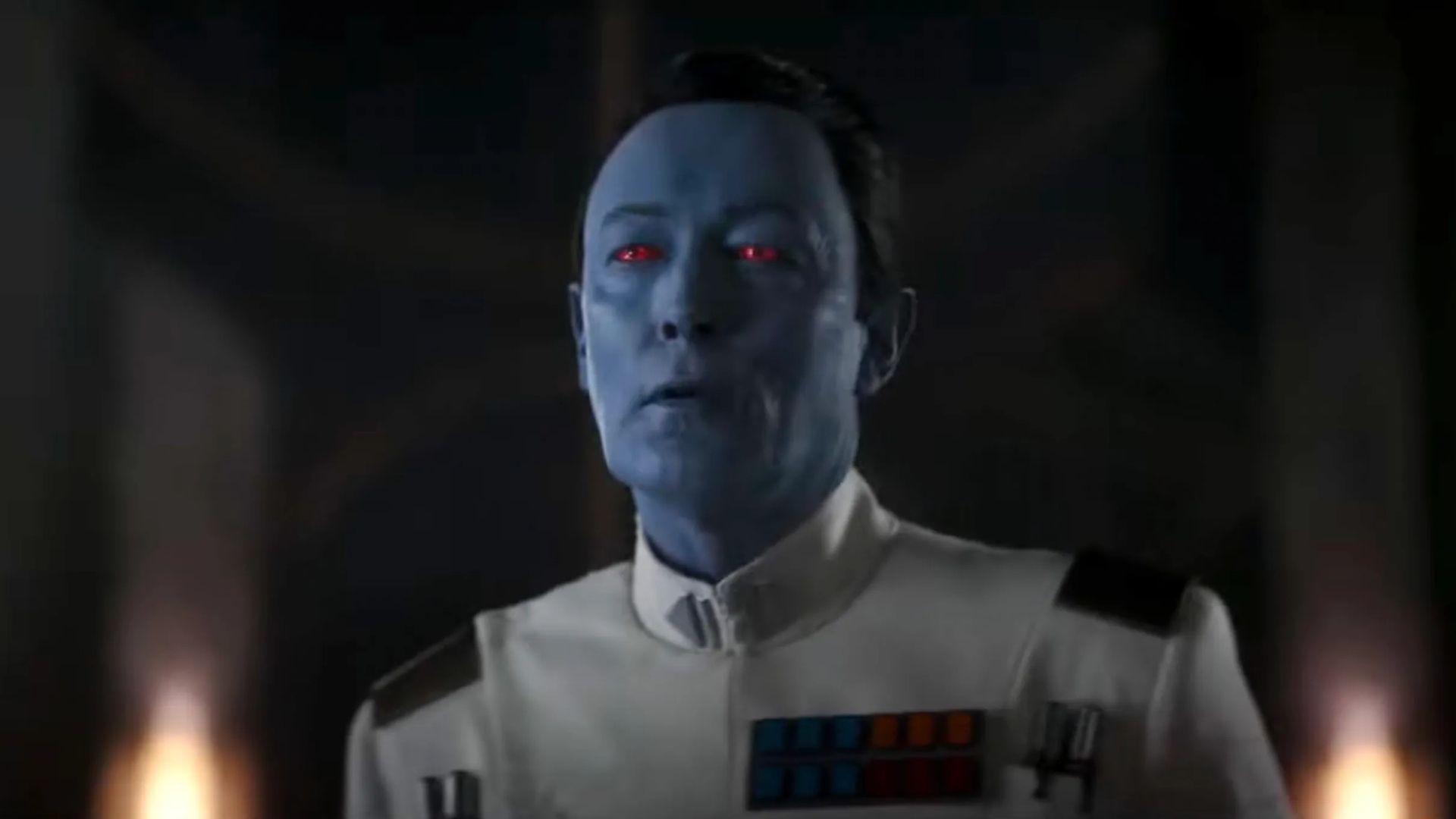
With each new installment, Ahsoka feels less accessible to general audiences and more focused on dedicated fans. The show builds heavily on characters and storylines from the animated series The Clone Wars and Rebels, and introduces a villain with origins in lesser-known novels. This villain is now being set up as a major threat, despite not appearing in the sequel trilogy films. Star Wars seems to be prioritizing a small, devoted fanbase over the broader audience that has made the franchise so incredibly successful.
A (New) Hope for the Future
Walt Disney Studios Motion Pictures
As a huge Star Wars fan, I was really disappointed to hear Disney is essentially hitting the reset button on the sequel trilogy with these new stories. It feels like they’re passing up some genuinely exciting ideas! I was especially bummed to learn they shelved the pitch for Hunt for Ben Solo, a project Steven Soderbergh – yes, the Academy Award winner! – was going to direct. It could have been a fantastic way to address issues people had with the sequels and really propel the saga forward. Honestly, it sounded like one of the most compelling Star Wars ideas since Andor, and it’s a shame we won’t get to see it.
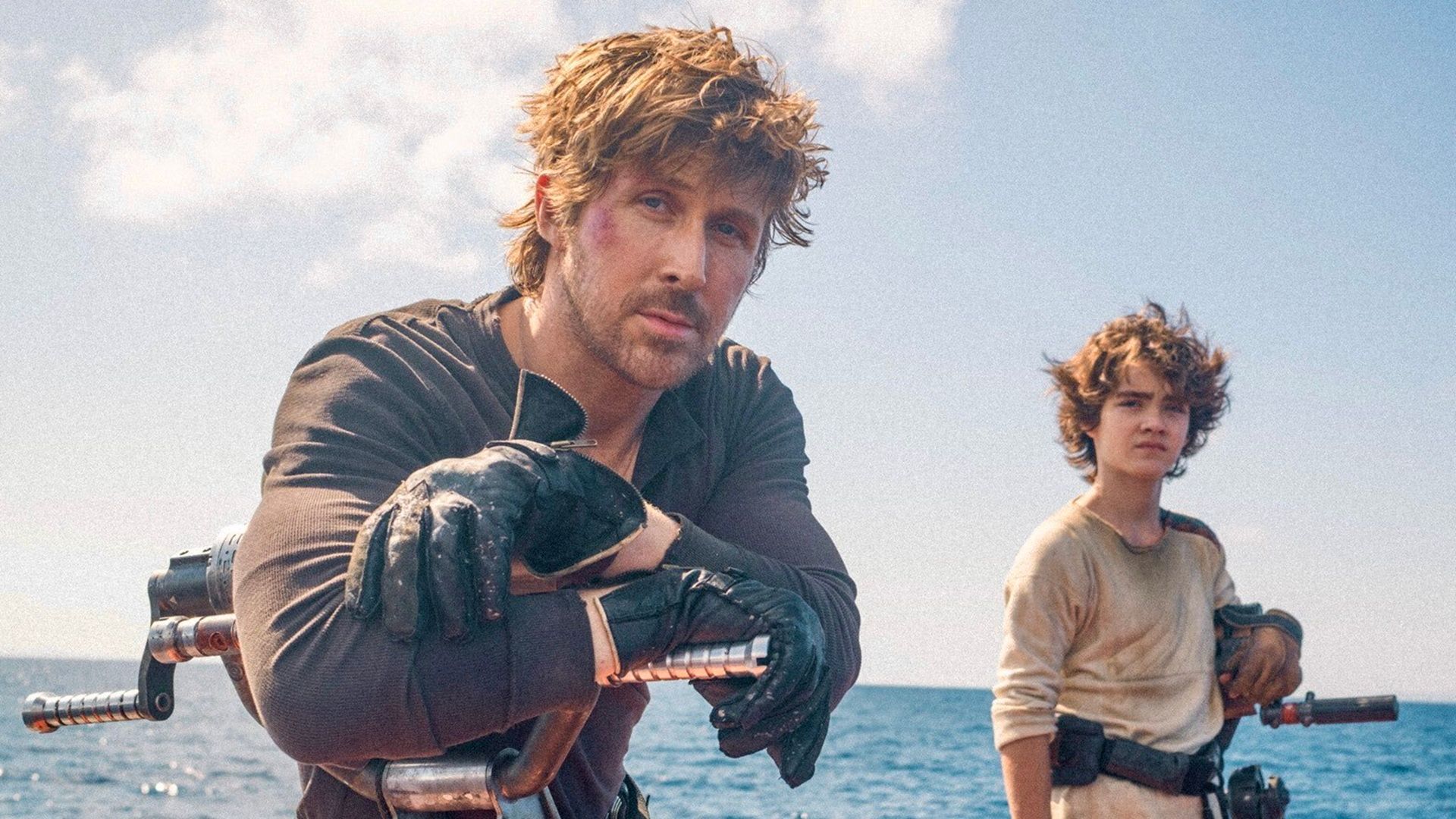
The creators of Star Wars deserve praise for starting to explore new time periods within the franchise. The ‘High Republic’ books and comics, set centuries before The Phantom Menace, were very successful, introducing fresh ideas that we’re now seeing in shows like The Acolyte and the game Jedi: Survivor. Looking ahead, in 2027, Starfighter will be the first live-action Star Wars story set after The Rise of Skywalker, featuring a completely new cast and an uncharted era – which is really promising. They also have a film planned with Rey (Daisy Ridley) that could show the beginnings of a new Jedi Order. This is a story the Star Wars TV shows can’t easily tell, as Lucasfilm would likely rely on a digital recreation of Mark Hamill as Luke Skywalker, which most fans wouldn’t want.
I was so hyped when Disney first announced they were going to do a big team-up movie, kind of like the Avengers, but with characters from their Disney+ shows like The Mandalorian, The Book of Boba Fett, and Ahsoka! Back in 2020, it felt like a really cool way to bring a favorite story into the current Star Wars timeline, using these newer characters to fill the roles Luke, Han, and Leia played before. Honestly, it felt like it would be a self-contained event – a huge, satisfying conclusion that would still fit into the ongoing battle between the good guys and the bad guys.
After five years, the underwhelming performances of The Book of Boba Fett and Ahsoka, the quickly made The Mandalorian & Grogu movie which pushed back the team-up film, and the lack of a clear release date have turned initial excitement into frustration. For almost five years, Star Wars storytelling has felt stagnant, attempting to resolve problems that aren’t really there and that would be better left behind. Rather than moving Star Wars forward, it feels like the franchise is dwelling on the past.
Read More
- United Airlines can now kick passengers off flights and ban them for not using headphones
- The Boys Season 5 Spoilers: Every Major Character Death If the Show Follows the Comics
- Solo Leveling’s New Manhwa Chapter Revives a Forgotten LGBTQ Story After 2 Years
- Grok’s ‘Ask’ feature no longer free as X moves it behind paywall
- Mewgenics vinyl limited editions now available to pre-order
- How to Get to the Undercoast in Esoteric Ebb
- Assassin’s Creed Shadows will get upgraded PSSR support on PS5 Pro with Title Update 1.1.9 launching April 7
- ‘Timur’ Trailer Sees Martial Arts Action Collide With a Real-Life War Rescue
- Gold Rate Forecast
- All Itzaland Animal Locations in Infinity Nikki
2025-12-09 04:19