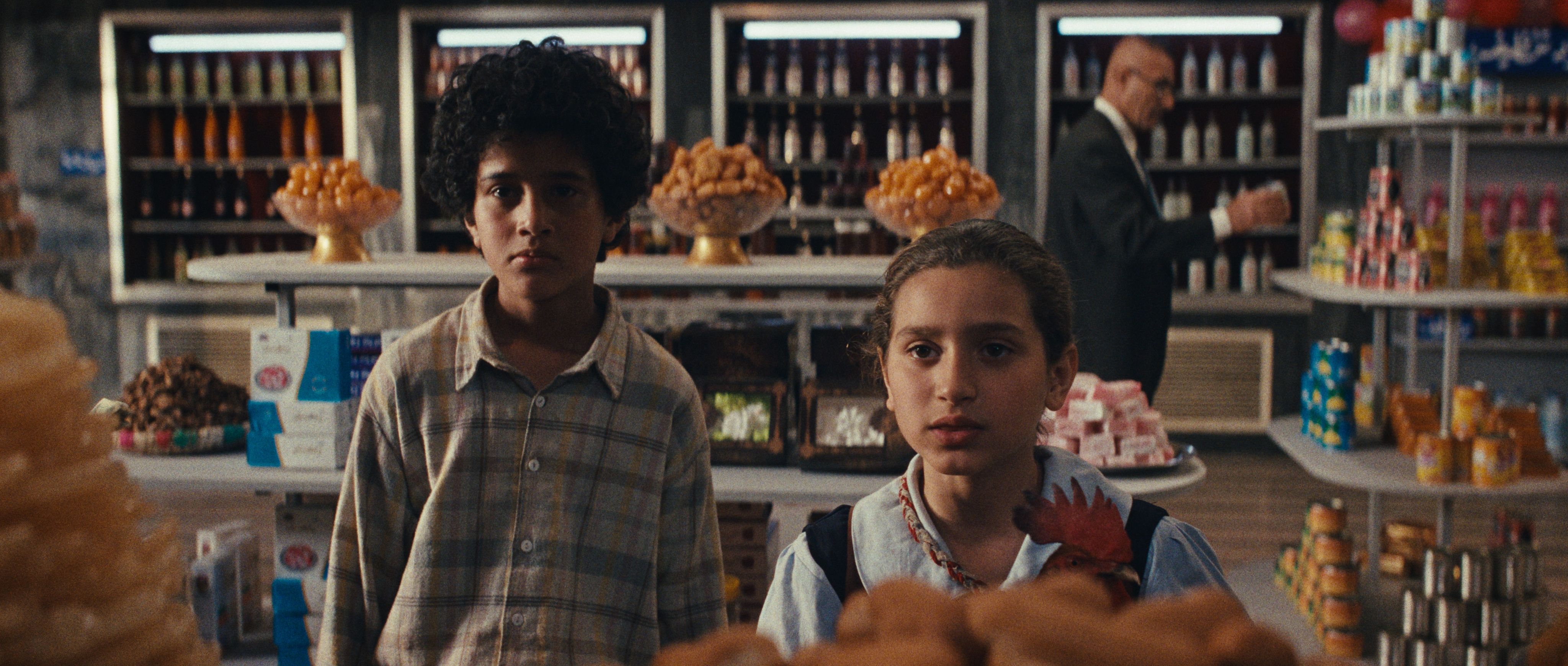
You might already be familiar with the style of Hasan Hadi’s debut film, which won a prize at Cannes and is being considered for an Academy Award. It’s a drama seen through the eyes of children, reminiscent of classic Italian neorealist films, and set in a country struggling with economic hardship and the effects of war. However, the film feels predictable and designed to appeal to film festivals. It seems geared towards Western audiences, portraying Iraq in a way that feels more like the post-2003 era than the early 1990s, when the story is actually set.
While the film excels in its visuals and acting, and accurately portrays the time period, its impact is lessened by a lack of focus. The story could be set in almost any struggling country, rather than specifically Iraq. Everything, from the detailed city settings to the characters themselves, reflects the crumbling society around them, but this broad approach diminishes the film’s unique power.
Despite its flaws, the film offers genuine enjoyment. Banin Ahmad Nayef delivers a captivating performance as Lamia, a bright, quick-witted, and determined young woman who carries the story with her spirited portrayal. The film subtly highlights the dark humor of life under a repressive government, though it would be stronger with more accurate historical details. Hadi masterfully balances the film’s shifting moods. Lamia’s frantic journey through the city – tasked with baking a cake for Saddam Hussein’s birthday – is both amusing and heartbreakingly realistic.
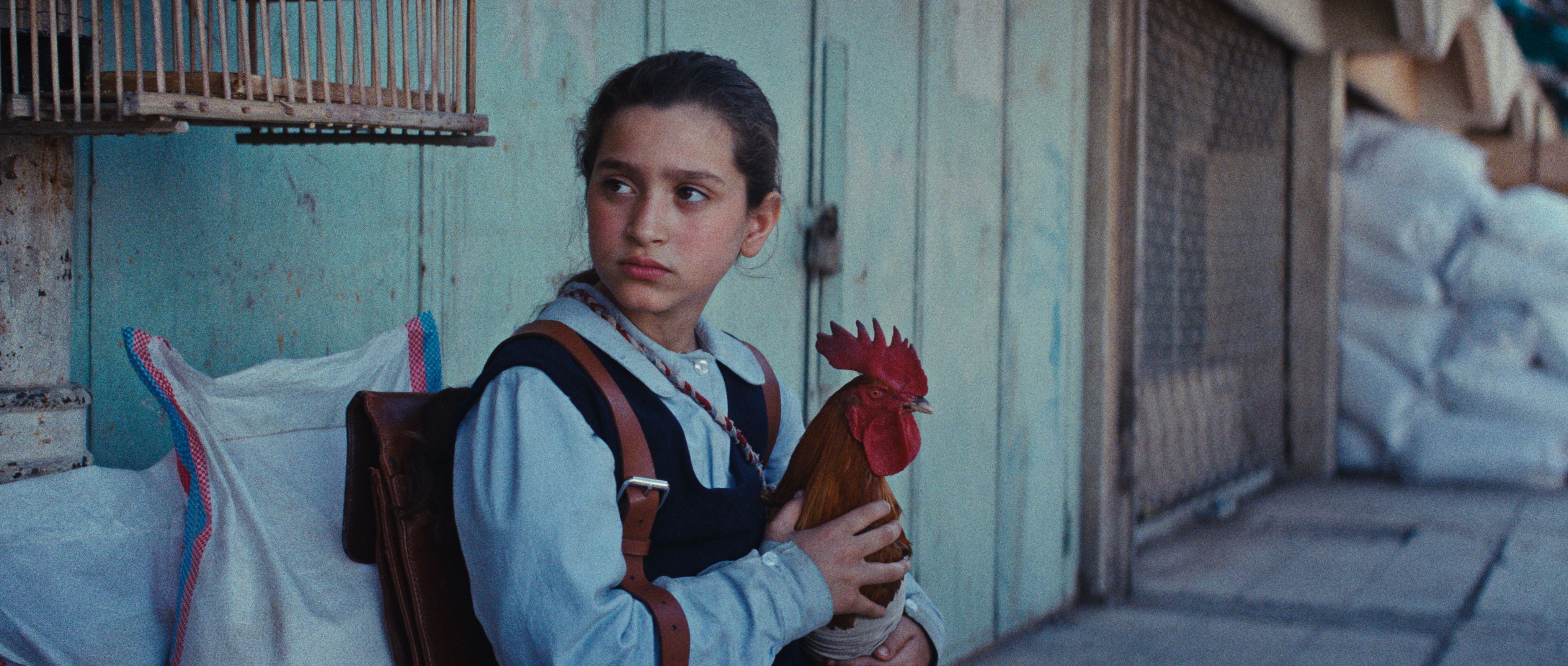
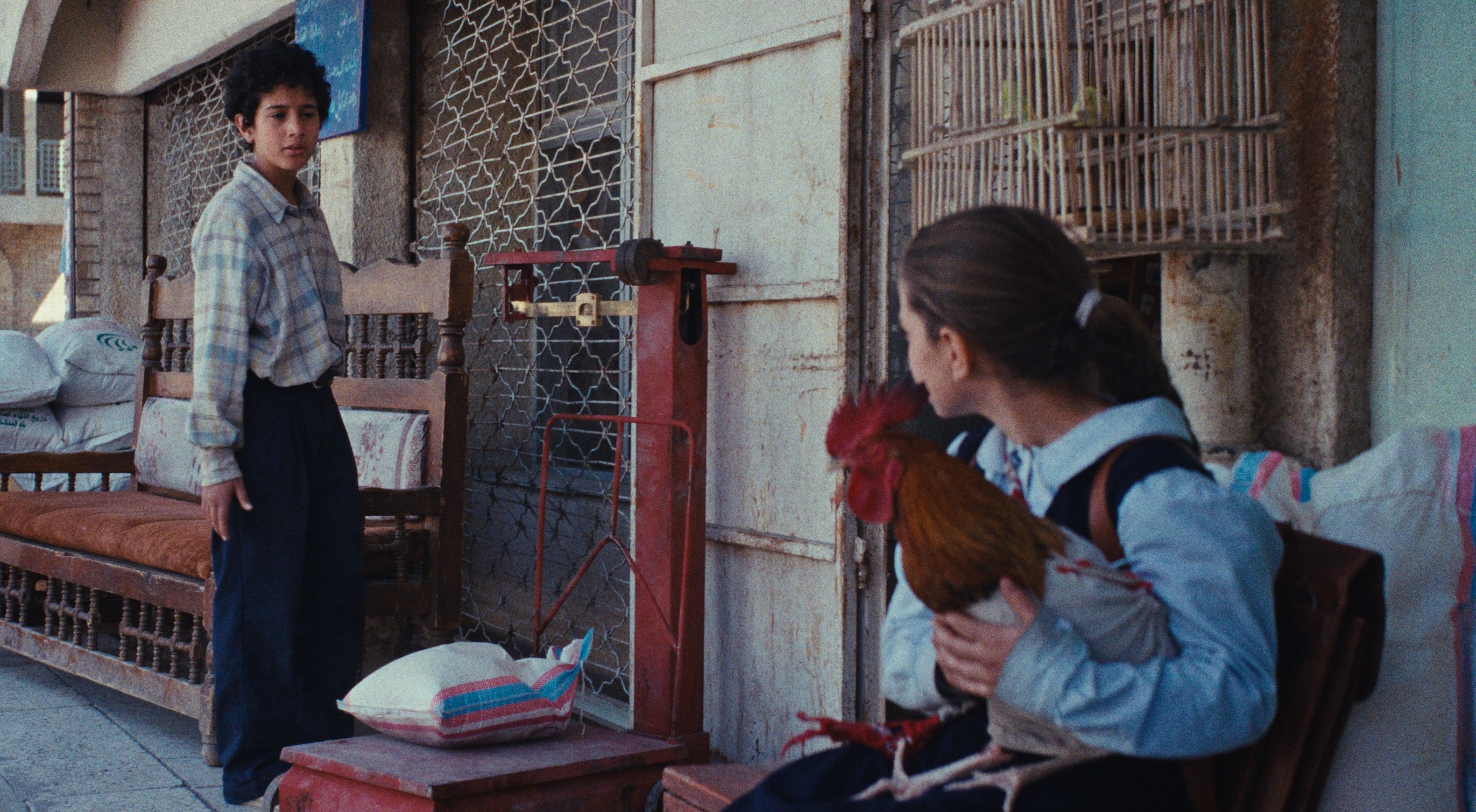
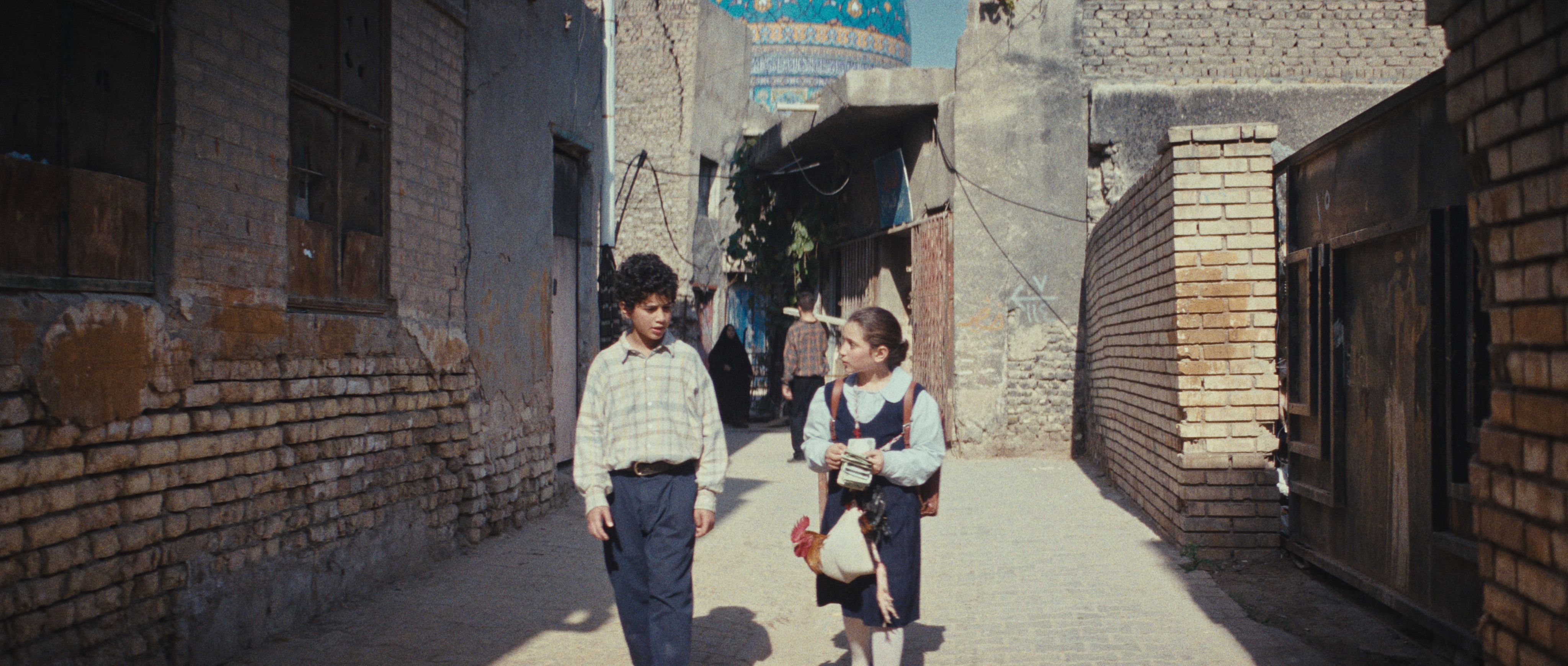
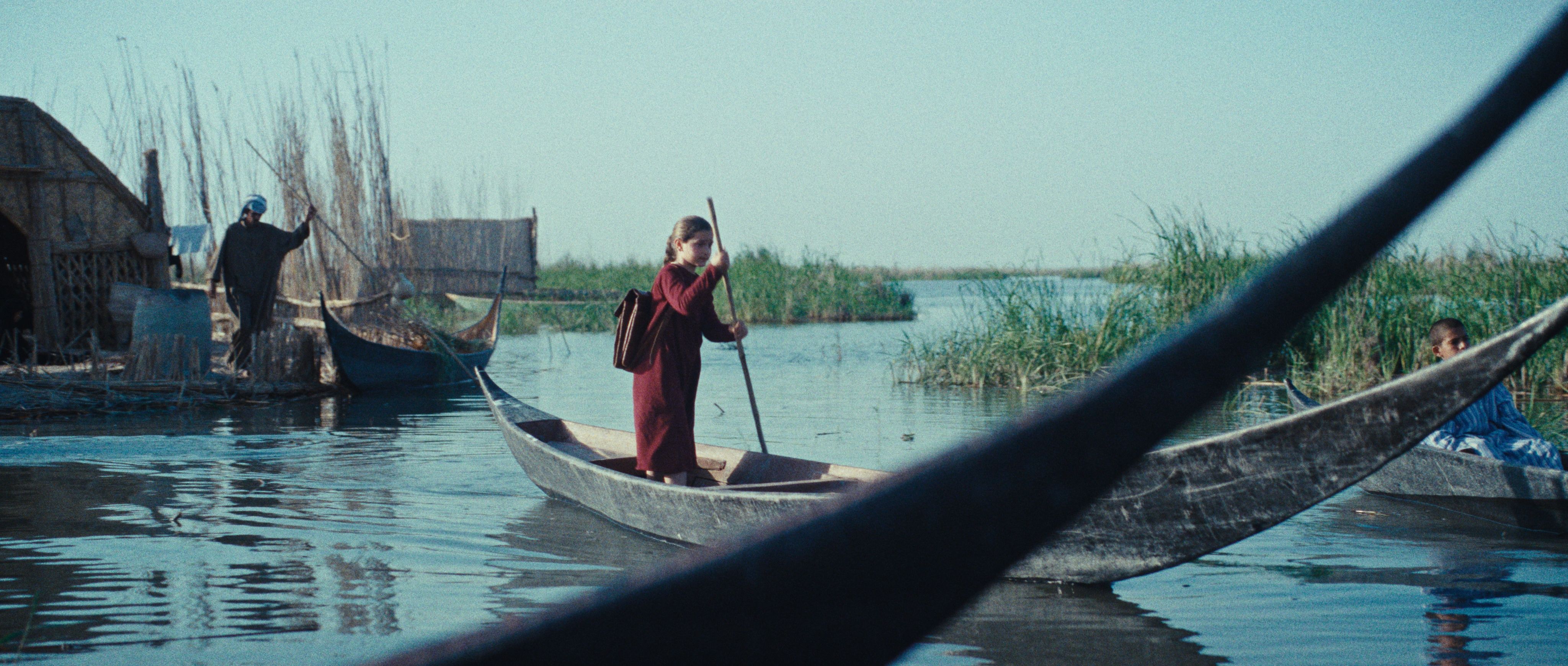
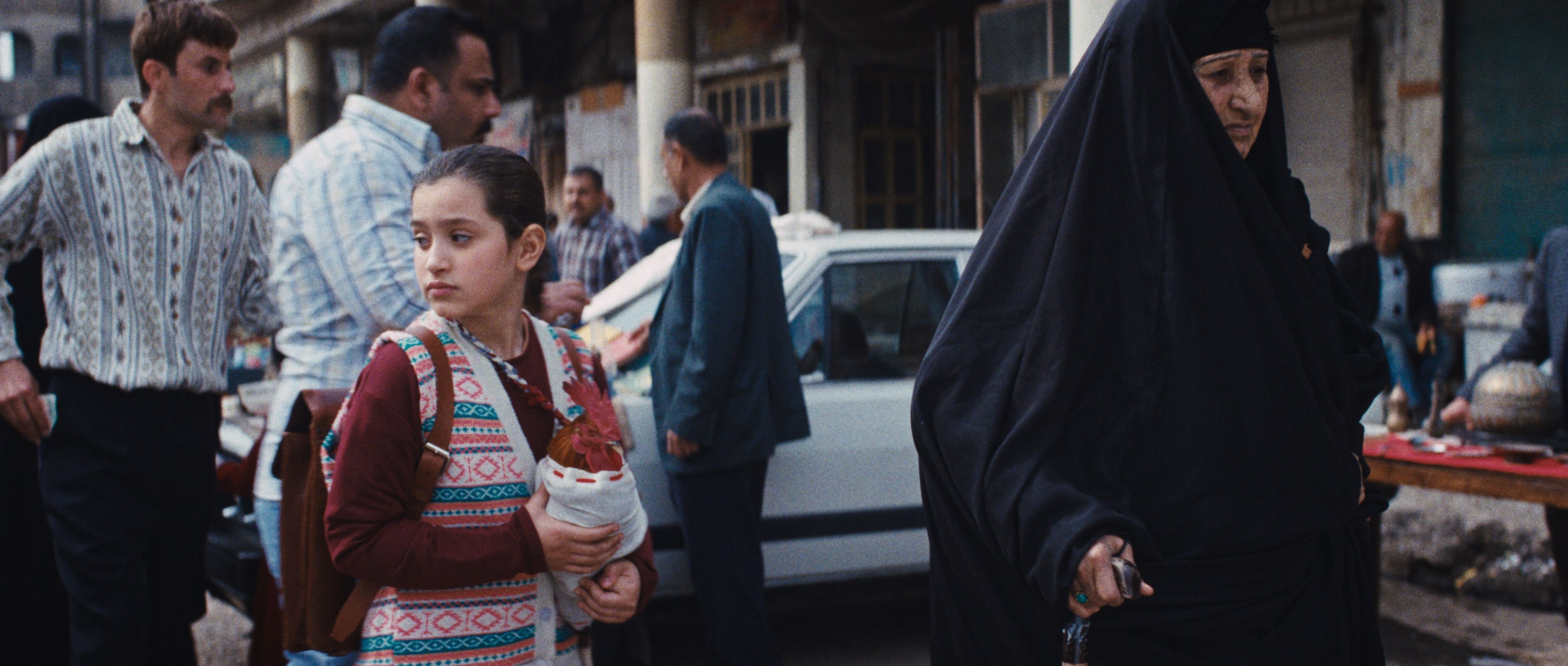
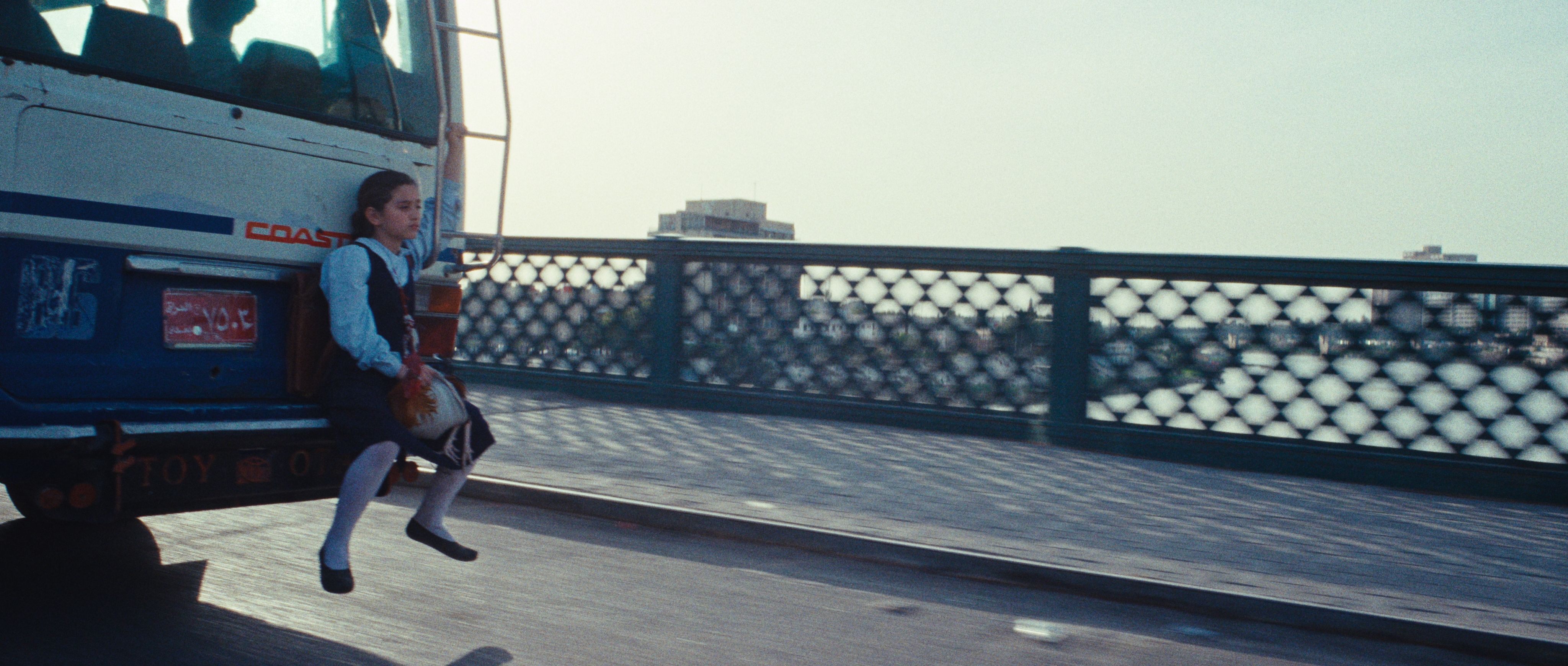
The film, The President’s Cake, starts as the immediate dangers of the Gulf War subside. Following Operation Desert Storm, Iraq descends into conflict again, this time with an Iranian-backed revolt, placing American soldiers in a new struggle. The cinematography beautifully captures the Iraqi marshlands, even as the film depicts the hardship of daily life and widespread food shortages. We meet Lamia, a young girl who has lost her parents and is being raised by her grandmother, whom she affectionately calls Bibi. Set in a world where children travel to school by canoe and teachers are fiercely loyal to the government, The President’s Cake unfolds like a modern retelling of One Hundred and One Nights, told without relying on symbolism or hidden meanings.
With eggs being so expensive and many families struggling financially, being asked to bake a cream-filled cake feels like a terrible burden – the last family who couldn’t manage it was publicly humiliated. Desperate, Bibi takes her granddaughter Lamia to the city, intending to essentially give her away to a wealthier family. But Lamia escapes and finds Saeed, who is pickpocketing at an amusement park with his father. Meanwhile, Bibi frantically searches the city – a place she strangely knows well – pleading with the police to help find her missing granddaughter.
Despite including some disturbing scenes – like a seemingly kind butcher who is revealed to be a predator – The President’s Cake maintains a surprisingly lighthearted tone. This is commendable, especially considering the film could easily have fallen into the trap of overly sentimental, self-congratulatory storytelling. However, it’s difficult to understand the film’s purpose beyond appealing to Western audiences who prefer to blame problems in the Middle East on individual leaders rather than acknowledging the role their own countries play.
While Hadi acknowledges the long-standing American involvement in the region, particularly in the film’s impactful ending, much of the movie feels overly critical. The main issue with Hadi’s depiction of recent events is that it lets viewers avoid facing the difficult truth: Iraq hasn’t truly recovered since 2003. Without understanding that history, The President’s Cake is a heartwarming story about young courage and strength. But with that knowledge, the film unfortunately falls flat and feels unsatisfying.
Read More
- United Airlines can now kick passengers off flights and ban them for not using headphones
- Crimson Desert: Disconnected Truth Puzzle Guide
- All 9 Coalition Heroes In Invincible Season 4 & Their Powers
- How to Get to the Undercoast in Esoteric Ebb
- Mewgenics vinyl limited editions now available to pre-order
- All Golden Ball Locations in Yakuza Kiwami 3 & Dark Ties
- Warframe Voruna Prime access begins on April 8 for all platforms, new deluxe cosmetic Warframe skins revealed
- Grey’s Anatomy Season 23 Confirmed for 2026-2027 Broadcast Season
- All Itzaland Animal Locations in Infinity Nikki
- Zendaya’s 4 Big 2026 Movies Could Beat Brie Larson’s Box 2019 Office Record
2025-12-17 15:58