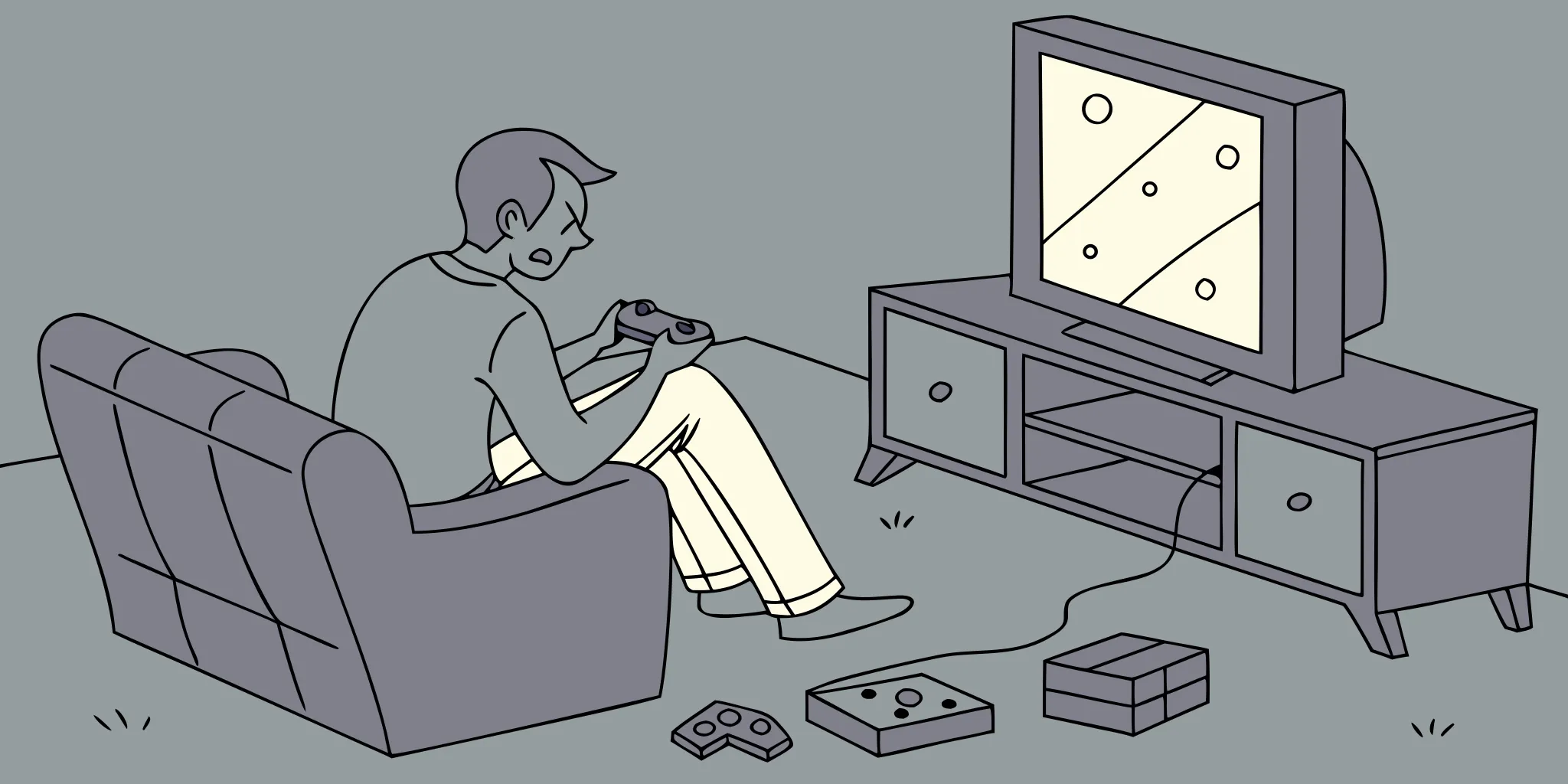
Everyone in gaming knows about a “Kenny,” even though it’s not a person. It’s a term for games that launch with major problems, controllers that quickly break, or developers who overpromise and underdeliver. Basically, a “Kenny” is a product that fails so badly it becomes a warning to others. Recognizing the “Kenny” effect isn’t just about venting frustration with bad games; it’s about learning to spot potential issues and knowing what to expect from the games and products we buy.
Key Takeaways
- Trust is Earned Through Action: For developers and manufacturers, community loyalty isn’t a given. It’s built by listening to player feedback, being transparent about the development process, and consistently delivering high-quality, reliable products.
- Cutting Corners Costs More in the Long Run: Rushing a product to market or ignoring quality control might seem like a shortcut, but it ultimately leads to a damaged reputation, lost sales, and broken player trust—a price far higher than the initial savings.
- Be an Informed Gamer, Not Just a Customer: You can avoid buyer’s remorse by doing your homework. Look past the marketing hype by reading real player reviews, watching gameplay streams, and learning to spot the red flags of a product that’s destined to disappoint.
The Cautionary Tale of Kenny: What Gamers Can Learn
As a gamer, when I hear the name “Kenny,” it’s not about a specific person – it’s a feeling. It represents every game that came out riddled with problems, every controller that broke way too quickly, and every developer who overpromised and underdelivered. Basically, “Kenny” is what we call a total disaster of a product – the kind that serves as a warning to everyone else. For me, understanding the “Kenny” effect isn’t just about venting when a game is bad. It’s about learning to spot the warning signs and knowing what we, as gamers, deserve from the developers we support.
Kenny’s biggest lesson is simple: quality matters above all else. Games aren’t just things you purchase; they’re experiences you dedicate your time and effort to. When a game is full of bugs, feels poorly made, or doesn’t deliver on its promises, it feels like a personal letdown. Ultimately, players judge companies on their performance, and consistently releasing flawed games quickly destroys trust. A developer’s good name is their most important possession, and it’s very hard to rebuild once it’s lost.
Kenny’s biggest mistake is that he doesn’t listen to his players. He disregards feedback from online forums, beta testers, and the community as a whole. Successful developers, on the other hand, view players as collaborators. They recognize how valuable direct feedback is for improving their games and create ways for the community to share their thoughts. When developers actively listen and respond, they build strong trust with their players, which can help overcome any challenges. Ignoring player feedback, however, is a sure path to failure, just like Kenny’s.
Ultimately, a game needs to be genuinely fun and keep players hooked. It seems obvious, but this often gets overlooked when developers are pressured by deadlines and sales goals. Unlike work software people have to use, games are a choice – no one will play something they don’t enjoy. The most popular games prioritize being enjoyable experiences, rather than just focusing on profits. If the gameplay isn’t compelling, players will quickly find something else to play. A failed game launch can significantly damage a company’s reputation and haunt a studio for years. The story of ‘Kenny’ serves as a reminder for developers to value their players and a call for gamers to expect higher quality.
Why Quality in Gaming Isn’t Just a Buzzword
It’s easy to become numb to the word “quality” because marketers use it constantly. But as gamers, we know it truly matters – it’s what separates an amazing experience from a disappointing purchase. For us, quality isn’t just hype; it’s the foundation of a game or accessory that’s worth our time and money. It means the game runs smoothly, is free of frustrating glitches, and feels like the developers put real effort into making something great.
In the video game industry, a company’s reputation is its most valuable asset. One poorly executed game launch – filled with bugs, bad design, or unmet expectations – can severely damage a brand’s image. Gamers readily share their experiences, and as we’ve seen with major game releases, everything is closely examined. Repeatedly releasing low-quality games will ultimately ruin a company’s reputation, because players ultimately judge them on the quality of the final product. A damaged reputation spreads quickly and is very hard to fix.
Quality in games isn’t just about how well the technology works or if there are any glitches. It’s about the overall experience. A game can run flawlessly but still be uninteresting. True quality means building a captivating world that values the player, with controls that feel natural, a story that draws you in, and gameplay that’s fun to repeat. Great developers focus on the entire experience and use player feedback to continually make their game better. You can tell a game is truly special when it feels made with passion, not just as a business venture.
The True Price of Cutting Corners
It’s a familiar story: a much-anticipated game releases with frustrating glitches, or a new accessory quickly malfunctions. Companies sometimes rush products to save time or money, but this often backfires spectacularly. While they might save a little upfront, the long-term consequences are far more damaging. It’s not just about negative feedback; it’s about losing the trust of the players who support their business.
A Bad Rep Is Hard to Shake
A game studio’s reputation is similar to a player’s kill/death ratio – it’s built up slowly through consistent effort, but can quickly be ruined by a single mistake. Repeatedly releasing flawed products defines a company, with each buggy game or cheaply made accessory contributing to a lasting negative impression. Players begin to view the company as untrustworthy, and this perception is hard to change. Ultimately, a studio’s success depends on the quality of its products, and consistently poor performance will cause gamers to lose faith.
Losing Player Trust for Good
A poor reputation can be damaging, but losing the trust of players is often a fatal mistake. Trust is essential in gaming – players rely on developers to keep their promises and manufacturers to create durable products. When a flawed product is released, it’s not just a disappointment; it’s a breach of that trust. Restoring trust is incredibly difficult. Even collaborations with well-regarded partners or assurances of improvement won’t easily convince players who’ve had negative experiences. That damaged reputation will linger, making it an ongoing challenge to gain acceptance for any new releases or announcements from that company.
How It Hits the Wallet
In the long run, sacrificing quality always hurts profits. Faulty products lead to refunds and negative reviews, while cheap products result in returns. This forces companies to constantly fix problems instead of expanding. They end up competing solely on price because their poor quality doesn’t allow them to charge more, and this often means selling a lot of products without building customer loyalty. On the other hand, companies that prioritize quality create a loyal following who consistently buy their products and enthusiastically recommend the brand. That’s where lasting success and substantial profits come from.
How the Gaming Community Responds to Bad Gear
Gamers are quick to share their opinions, and a poorly made controller or bad-sounding headset won’t go unnoticed. The reaction isn’t just a few complaints – it’s a powerful force. When a gaming product disappoints, players don’t simply return it; they discuss it widely. This collective feedback has become incredibly important in the gaming industry, often determining whether a product succeeds or fails. It’s essentially instant, honest quality control.
When Social Media Turns on You
If a product doesn’t work as expected, social media quickly becomes the place where people voice their complaints. The reaction is usually fast and strong. A single post highlighting a flawed product can go viral, reaching millions of potential buyers within hours. Companies can suddenly face a flood of negative feedback, memes, and critical video reviews. This public response isn’t just random chatter – it shapes how people see a brand and can significantly harm its reputation and sales, often before the company even realizes there’s a problem.
The Power of Player Word-of-Mouth
What really makes or breaks a game isn’t the advertising or even when it’s first released – it’s what players say to each other. Gamers rely on recommendations from fellow players far more than commercials. We openly share our honest opinions – both positive and negative – through online communities, with friends, and in detailed reviews. A friend’s enthusiastic suggestion can quickly boost sales, while a warning can instantly kill a purchase. This collective knowledge is incredibly influential, allowing fantastic independent games to gain huge popularity and forcing major brands to address flaws in their products. The gaming community effectively rewards quality and holds poorly made products accountable.
Gamers Never Forget
Gamers don’t forget easily. A poorly made game or unreliable product can seriously damage a company’s reputation, and it takes a long time – and consistently good releases – to win back trust. Players remember negative experiences and will be hesitant to buy from a brand that has disappointed them before. Each new product is a chance to prove reliability, and a failure makes the community even more critical. Everything, from how well a game runs to the quality of its music, is closely examined and remembered. For game developers, learning from mistakes isn’t just a good idea—it’s crucial for staying in business.
What Makes a Gaming Product Great?
What makes truly exceptional gaming gear stand out from everything else? It’s not just about fancy lights or big advertising campaigns. The best games, headsets, and mice are built on three key things: reliable performance when you need it most, an engaging experience that keeps you playing, and lasting durability that can handle hours and hours of use.
A truly great gaming product goes beyond just being useful – it becomes a core part of your experience. Think of the game you can’t stop thinking about, a controller that feels completely natural, or a community where you feel like you belong. These are the products that earn your lasting loyalty, not through marketing, but by consistently being excellent. They value your time, your money, and your love of gaming. Let’s look at what that actually means in real-world terms.
Performance That Delivers
Above all, a good product needs to function correctly. It seems obvious, but it’s the most important thing. Innovative ideas don’t matter if a game is full of bugs and unplayable. A mouse with tons of features is pointless if it doesn’t respond quickly. When a developer or manufacturer creates something, they’re promising it will work smoothly and not hinder you. Consider top-performing setups in games like Warzone – they prioritize efficiency to help you win. A product being simply “fun” isn’t enough if it fails when you need it most. Reliable performance is essential.
An Experience That Hooks You
While strong performance initially attracts players, a truly exceptional gaming experience is what keeps them engaged. Great games create immersive worlds with compelling stories and foster a sense of community. It’s more than just how the game plays; it’s about the entire experience and the connections players make. When players build a community, gaming transforms from a solitary activity into a shared journey, creating inside jokes and unique cultural moments – like the funny F.A.R.M. team memes in Honkai: Star Rail. This shared culture builds lasting memories and keeps players invested long after they’ve finished the game.
Built to Last Through the Grind
A truly excellent product needs to be durable. For physical products, this means using high-quality materials and building it to withstand heavy use. For games, it means continued support and a developer who pays attention to player feedback. Top developers see their games as ongoing services, constantly improving them based on what players say. They fix problems, refine gameplay, and add new features to keep things interesting. This dedication shows players they’re valued and fosters a dedicated fanbase. A product designed to last grows alongside its community, staying popular for years to come.
Spotting the Red Flags of a Bad Product
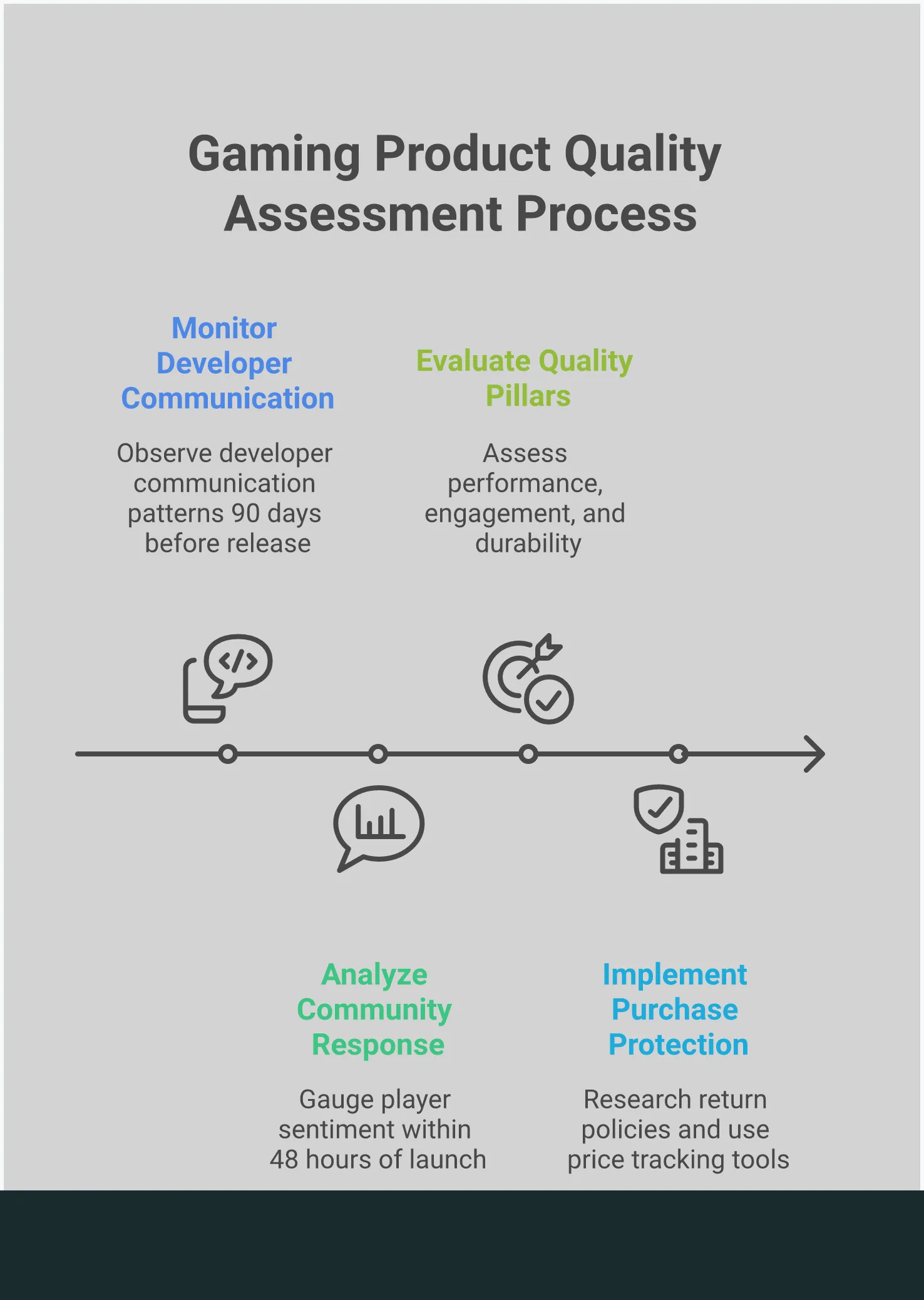
It’s frustrating when something you’ve been really looking forward to doesn’t live up to expectations. But often, you can spot potential problems before you buy. Knowing what to watch out for can save you money and disappointment. Here are some key warning signs that a product might not be worth it.
Rushed to Market
It’s easy to tell when a game or product has been rushed to market. You see it in incomplete stories, missing features that are promised for later, or massive day-one updates. Companies that focus on release dates instead of quality are taking a risk with your money. The best developers know that creating a truly good experience takes time and effort. They’re willing to make something challenging and engaging because they’ve put that same level of dedication into its creation. A rushed product simply doesn’t value your time or money.
Skipping the Test Phase
Beta tests and early access aren’t just promotional tools; they’re a valuable opportunity for developers to get direct input from players. When a game launches with major bugs, unbalanced gameplay, or mechanics that don’t feel right, it usually means this important testing phase was rushed or skipped. Players are generally very good at identifying problems. Ignoring player feedback before release can lead to a frustrating experience for everyone involved, and demonstrates a lack of both confidence in the game and respect for the player community.
Ghosting from Customer Support
A truly bad company isn’t just defined by faulty products, but by how they treat customers after the sale. Imagine buying a new headset only to have it stop working after a week, or reporting a game-breaking bug and receiving no response. When a company ignores you after you’ve spent money with them, it’s a huge warning sign. It demonstrates a lack of commitment to their products and customers. Ultimately, consistently poor quality combined with unresponsive support will ruin a company’s reputation – and for good reason. Why would anyone buy from a company that won’t help when something goes wrong?
How to Avoid a “Kenny” Moment with Your Gear
It’s frustrating when you buy gaming gear – like a new mouse, headset, or controller – and it doesn’t live up to the hype. It’s a waste of money, but you can avoid those disappointing purchases. With a little planning before you buy, you can make sure your gaming setup actually improves your experience instead of hindering it. Let’s look at some simple steps to protect your money and avoid the next big flop in gaming gear.
Do Your Homework
Don’t be fooled by clever advertising. Before you buy something, take the time to do some real research. Look beyond the official product description and find information from actual users. Compare the technical details, but also check forums like Reddit to see what people are saying about how well a product holds up over time. A company’s track record is important, so watch out for lots of returns or complaints about poor quality. If many users report the same problem – like a product breaking quickly – it’s best to avoid it. For example, detailed guides, such as those explaining the best setups for games like Warzone, demonstrate the kind of thorough information you should seek out when making any purchase.
Trust a Fellow Gamer’s Review
While expert opinions are useful, the best feedback often comes from other gamers – people who are actually using the gear in the same way you will. Check out reviews on platforms like YouTube, Twitch, and online forums, focusing on players who enjoy similar games. Their opinions will be more helpful than general reviews. Plus, seeing what other fans think creates a sense of community around your purchase. Genuine reactions from excited or disappointed players give you a realistic idea of what to expect. Before buying, find a few reviewers you trust and see what they have to say.
Try Before You Buy
Whenever you can, try out a device before you buy it. If there’s a local electronics store, see if you can test out display models – feel how a mouse or controller fits in your hands, and check how comfortable a headset is. Buying online is a little harder, so look for videos of people unboxing the product. Even better, watch longer streams of gameplay where someone is actually using it. This gives you a realistic idea of what it’s like and can help you find problems with comfort or how well it works – things you wouldn’t notice just by looking at the technical details.
Know the Return Policy
Sometimes, even after careful research, a product doesn’t meet your needs. That’s why a clear return policy is so important. Before you buy anything online, always check the return policy. Pay attention to how long you have to return an item, if there are any fees for restocking, and who pays for shipping the item back. A company that makes returns easy usually believes in the quality of its products. If the return policy is confusing or seems designed to discourage returns, that’s a red flag. An easy return process shows the company cares about its customers and stands by what it sells.
A Message to Devs: What the Community Is Telling You
Gamers are incredibly passionate about the games they love. We really get invested in the worlds you build, and that means we have plenty of opinions. While feedback can sometimes be direct – even a bit harsh – on platforms like Reddit and Discord, it almost always comes from a genuine desire to see the game improve. The most successful developers are able to look past any negativity and understand the underlying message: players want the game to reach its full potential.
It’s not about giving players everything they want or letting them control the game’s development. It’s about connecting with the people who invest so much time perfecting their Warzone setups or enjoy sharing funny content about your game. When you see your community as collaborators, not just customers, you build a strong loyalty that can survive any challenges – like a rocky start or unpopular updates. Your community is your biggest strength, and by listening to them, you gain more than just feedback – you get a dedicated group of players who will support your game for a long time. This is our message to all game developers.
Listen to Your Players
The best ideas for improvement don’t come from meetings – they come from the people working directly with your players every day. When your support team gets a lot of reports about the same issue, that’s valuable feedback, not just a problem to fix. Successful game developers make sure their support teams and developers work closely together, so player feedback isn’t just recorded, but actually used to improve the game. Addressing player concerns makes them feel appreciated, which builds a loyal and engaged community.
Focus on Quality, Not Just Quantity
With so many games coming out all the time, it’s tempting to rush development and focus on getting things done quickly. But players can always tell when a game hasn’t been given the attention it deserves. We’d prefer to wait for a game that’s well-made, fun, and truly captivating, rather than receive a flawed product on schedule. The focus should always be on creating an enjoyable experience that keeps players engaged over the long term. A game with strong foundations and satisfying gameplay will always be more successful than one that has a lot of content but lacks depth.
Keep the Community in the Loop
Being open with your players is really important. You don’t need to share everything, but keeping them updated on your progress, future plans, and even any difficulties you’re facing can build strong trust. When players feel included in the game’s development, they feel a sense of ownership and are more likely to become passionate fans – sharing the game with others and defending it, much like how fans react to a new trailer. Regular communication through things like developer blogs, early access versions, or social media updates is essential.
Fix Problems Before They Explode
Look, I get it – every game is going to have some issues, that’s just how it is when you’re making something complex. But what really gets to me is when developers seem to ignore big problems or let game-ruining glitches just hang around. That’s a quick way to lose me as a player, honestly. It’s not just about bad reviews, it’s that it makes you lose faith in the developers over time, and that’s tough to get back. What I really appreciate is when a developer is upfront about problems, tells us how they’re going to fix them, and then actually does it. Seriously, most of us are pretty understanding if you’re clearly trying to make things better. It shows you care, and that means a lot.
How to Earn a Place in the Gaming Community
Winning over gamers isn’t about big advertising campaigns or a flawless release. It’s about creating a strong connection built on trust and mutual respect. Developers need to view their players not just as customers, but as collaborators in the game’s development. When a company succeeds in this, players become dedicated fans. But when they fail, the game often becomes the subject of negative online jokes. Real loyalty comes from consistent, genuine effort, and it begins with approaching the process as something we all enjoy—not just a product to sell.
Be Open About Development
Gamers enjoy seeing how games are made. It’s not just about playing the finished game; we care about the world and the story behind its creation. When developers openly share their process – like plans, development updates, and even challenges they face – it creates a strong bond with players. It shows they value our involvement in the entire journey, not just the final result. This transparency makes players feel like they’re part of the team, genuinely wanting the game to succeed. Learning about the game’s development builds a deeper appreciation than simply seeing a description on a store page. It’s about making the community feel like they’re included and turning players into enthusiastic supporters.
Actually Respond to Your Players
It’s incredibly frustrating when player feedback seems to disappear without a response. Players share bugs, ideas, and thoughts because they’re invested in the game, and it’s great when developers create a system where that input actually makes a difference. Ideally, developers and support teams work closely together so feedback can lead to quick improvements. Seeing suggestions implemented shows players their time and effort are valued, and that the developers are listening and respect their experience. This connection is what passionate players want – a way to actively contribute to the games they love.
Learn from Your Mistakes (and Don’t Repeat Them)
It’s normal for new games to have issues at launch, and that’s not the end of the world. What players really care about is how those issues are handled. Being consistent and truthful is much more important than avoiding mistakes altogether. If you admit when something goes wrong, clearly explain how you’ll fix it, and then actually follow through, you can turn a negative situation into a positive one. A personal, honest message means more than a formal press release. But keep making the same errors, and you’ll quickly lose the trust of your players – they remember these things! Learning from these setbacks is essential for improving the game and showing your community that you’re dedicated to making it the best it can be over time.
Related Articles
- Deus Ex LFG: Connect with Other Augs in LFG Feature on Z League App
Frequently Asked Questions
Before you buy a new game or piece of equipment, the most important thing to watch for is what regular players are saying. Companies can create a lot of hype, but they can’t hide widespread problems. If you see many reports on forums like Reddit about serious bugs, poor performance, or key features that don’t work, it’s best to hold off. Excitement fades, but a flawed product is just a waste of money.
Launching a game with bugs is a tricky issue. It’s usually okay if there are just a few small glitches – complex games almost always have them at first. What really matters is how the developers handle it. If they’re open about problems, explain how they’ll fix them, and actually work to do so, that shows they value their players. The biggest problem is when a company doesn’t acknowledge or address serious issues.
You might wonder if your feedback matters to a large company, but it definitely does! Even though one bug report or post seems small, developers pay attention to feedback as a whole. They look for common issues to prioritize fixes. When many players report the same problem, it gets noticed. Joining beta tests and writing thoughtful, detailed reviews truly helps improve the game for everyone.
It’s common to wonder if a game you dislike is just not your style, or if it’s actually poorly made. A game that’s “not for you” simply means you don’t enjoy its art, story, or how it plays – that’s just a matter of personal preference. However, a truly bad game has noticeable problems that stop you from being able to play it properly. These issues could include frequent crashes, lost progress, frustrating delays in controls, or quests you can’t finish. If the game’s technical problems are preventing you from enjoying it, then it’s likely a quality issue.
Want to help the developers and companies making great products? The best thing you can do is spread the word! If you enjoy a game or piece of equipment, tell people about it. Write a positive review online, share it with your friends, and generally let others know what you love about it. Recommendations are especially valuable for smaller companies that don’t have a lot of money for advertising. While buying their products is important, becoming a fan and sharing your enthusiasm helps ensure they get the recognition they deserve.
Read More
- United Airlines can now kick passengers off flights and ban them for not using headphones
- How to Complete Bloom of Tranquility Challenge in Infinity Nikki
- Gold Rate Forecast
- How to Solve the Glenbright Manor Puzzle in Crimson Desert
- All Golden Ball Locations in Yakuza Kiwami 3 & Dark Ties
- All Itzaland Animal Locations in Infinity Nikki
- A Dark Scream Theory Rewrites the Only Movie to Break the 2-Killer Rule
- 8 Actors Who Could Play Blackbeard In One Piece Live-Action Season 3
- All 10 Potential New Avengers Leaders in Doomsday, Ranked by Their Power
- Katanire’s Yae Miko Cosplay: Genshin Impact Masterpiece
2026-01-23 16:28