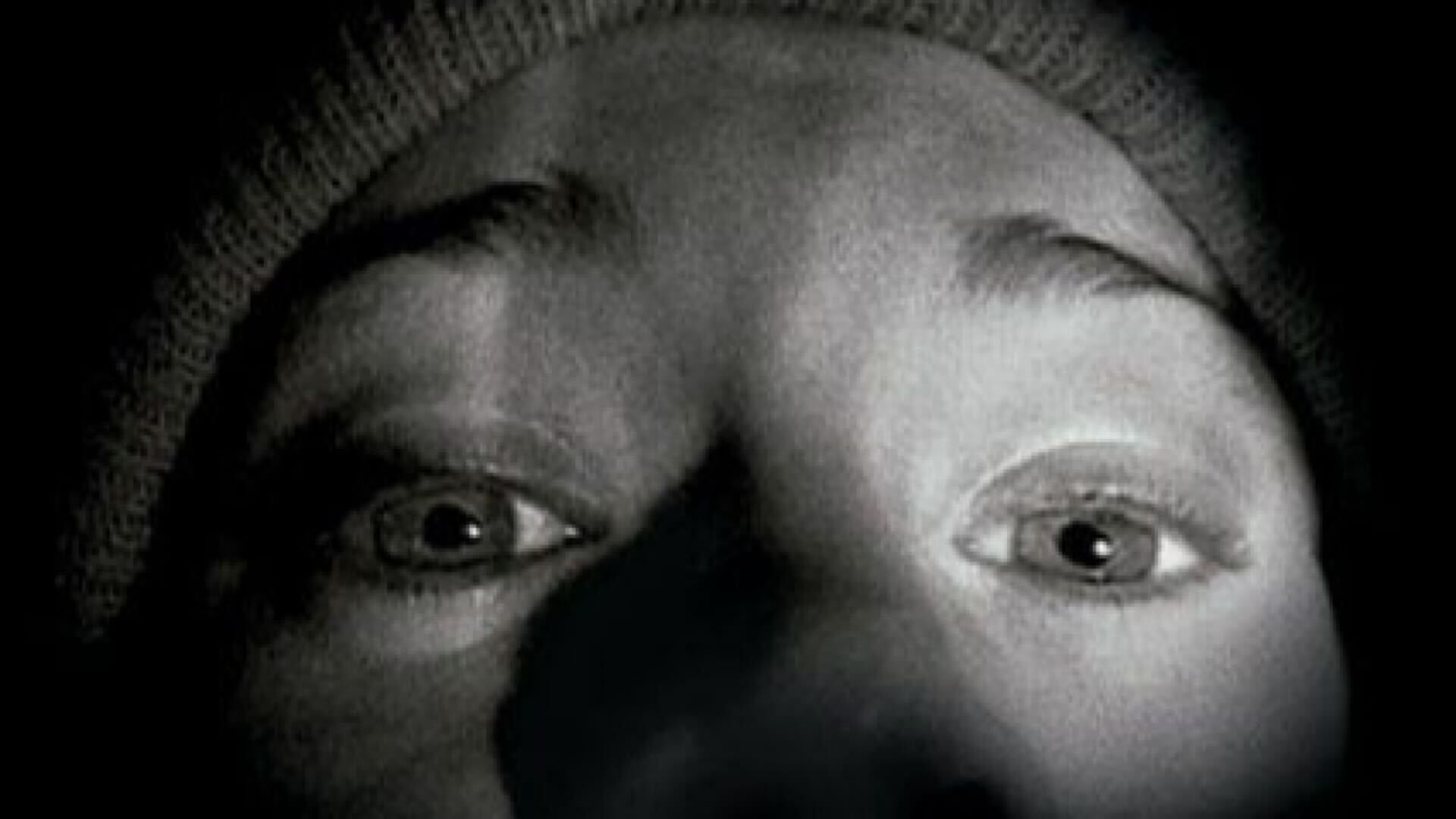
Though not the first to use realistic visuals and a “found footage” style, the 1999 film The Blair Witch Project revolutionized the horror genre. It demonstrated that a low-budget horror movie relying on suspense and a sense of realism could be incredibly successful, capturing the public’s imagination and inspiring many subsequent films like REC, Cloverfield, and Paranormal Activity.
It’s curious that The Last Broadcast, released only a year earlier, used similar filmmaking styles and explored comparable themes, but didn’t achieve nearly the same level of popularity. Poor timing, limited distribution, and a quickly evolving media environment meant it was largely forgotten when people began discussing the emergence of found footage horror films.
Found Footage as an Idea Rather Than a Movement

Wavelength Releasing
Before The Last Broadcast, filmmakers had used the “found footage” style, but it hadn’t become a common type of movie. One early example is Ruggero Deodato’s 1980 film Cannibal Holocaust. Like The Last Broadcast and The Blair Witch Project, it centers on a documentary crew lost in the wilderness and the footage they left behind. Though made on a small budget of around $100,000, it relied on shocking and exploitative content. While this gained it a dedicated cult following, it was too extreme to become widely popular.
Several lesser-known films explored similar concepts, but The Last Broadcast was the first to use found footage as if it were real investigative proof, not just entertainment. Presented as a fake documentary with old interviews and shaky camera recordings, the movie follows a film crew researching the legendary Jersey Devil in the Pine Barrens of New Jersey, and details their terrifying experience.
Compared to the intensely shocking films Cannibal Holocaust and Man Bites Dog, The Last Broadcast offered a more subtle, realistic style that made it accessible to a wider audience. Remarkably, the film was made for only $900 and edited on a home computer with early video editing software. Critics and audiences praised its creative, low-budget approach and genuinely frightening moments, and it ultimately earned about $4 million worldwide – a huge return on such a small investment.
‘The Blair Witch Project’ Marketing Campaign Remains One of the Greatest
Artisan Entertainment
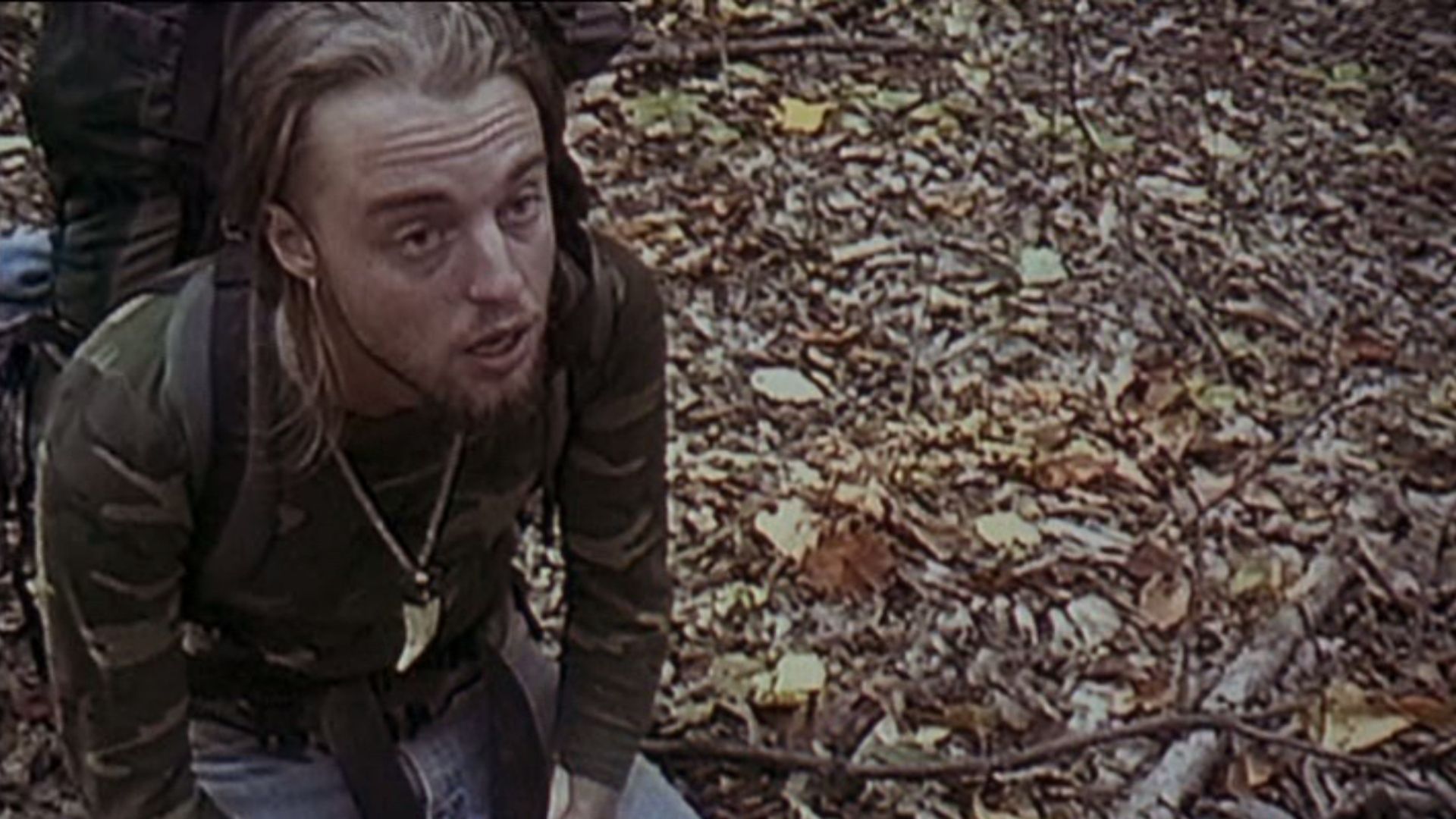
Just months after the release of The Last Broadcast, a similar found footage horror film about a team investigating a local legend exploded onto the scene and became a massive success, quickly becoming one of the most talked-about and profitable horror movies ever made. This film was The Blair Witch Project – celebrated as a landmark in independent filmmaking and the ultimate found footage horror experience. It earned an incredible $248 million despite being made on a tiny budget of only a few hundred thousand dollars. While it clearly surpassed The Last Broadcast in popularity and financial gain, it’s not certain if this was simply due to being a better film. The stories, acting, and style weren’t the main difference – the biggest factor was how effectively it was marketed.
Both films had tight budgets for releasing and promoting their work. The Last Broadcast used a simple, traditional marketing approach with limited film festival showings and a quiet release. The Blair Witch Project, however, cleverly used the early days of the internet to its advantage. The filmmakers made promotion an integral part of the movie itself, creating a mysterious experience for audiences and blurring the line between reality and fiction. This generated an unprecedented level of viral buzz and excitement around the film.
As a total film buff, I remember when The Blair Witch Project came out and completely blew everyone’s minds. The filmmakers were geniuses – they started dropping these little breadcrumbs online, like fake missing person reports and ‘real’ footage from the movie, and it all spread like wildfire. It wasn’t just the film itself, but the whole online mystery they created on early forums that got everyone hooked. People were obsessively rewatching it, desperately trying to find clues and prove whether it was real or not. The buzz was insane, and it got everyone to rush to the theaters – and keep going back for more!
Two Found Footage Innovators, One Legacy

Wavelength Releasing
Both The Last Broadcast and The Blair Witch Project successfully popularized a filmmaking idea that had been around for years, presenting it in a way that was easy for audiences to enjoy. Despite having small budgets, these movies feel incredibly real, immediate, and pull you right into the story. Instead of relying on big special effects or complicated plots, they built tension through psychological suspense and unanswered questions, proving that a simple approach can be powerfully frightening.
Subscribe for Deeper Finds on Found-Footage Films
For deeper context on cinematic shifts and marketing tactics, subscribe to our newsletter for in-depth analysis of found-footage films, overlooked indie releases, and how storytelling and promotion shape movie legacies.
Though released around the same time, one of these films became a huge success, revolutionizing the industry and influencing countless movies, even changing how films are marketed online. The other, while interesting, was quickly forgotten, lost in the shadow of its competitor, and remains a curious example of a film that could have been great with a bit more luck.
Read More
- United Airlines can now kick passengers off flights and ban them for not using headphones
- Gold Rate Forecast
- How to Solve the Glenbright Manor Puzzle in Crimson Desert
- All Golden Ball Locations in Yakuza Kiwami 3 & Dark Ties
- How to Get to the Undercoast in Esoteric Ebb
- 8 Actors Who Could Play Blackbeard In One Piece Live-Action Season 3
- How to Complete Bloom of Tranquility Challenge in Infinity Nikki
- Tell Me Lies Recap: Mind Games
- $2B AI cow collars use “cowgorithm” to herd cattle with no fences
- ‘Send Help’ Sets Digital Streaming Release Date With Gory Deleted Scene From Horror Hit [Exclusive]
2026-01-01 16:18