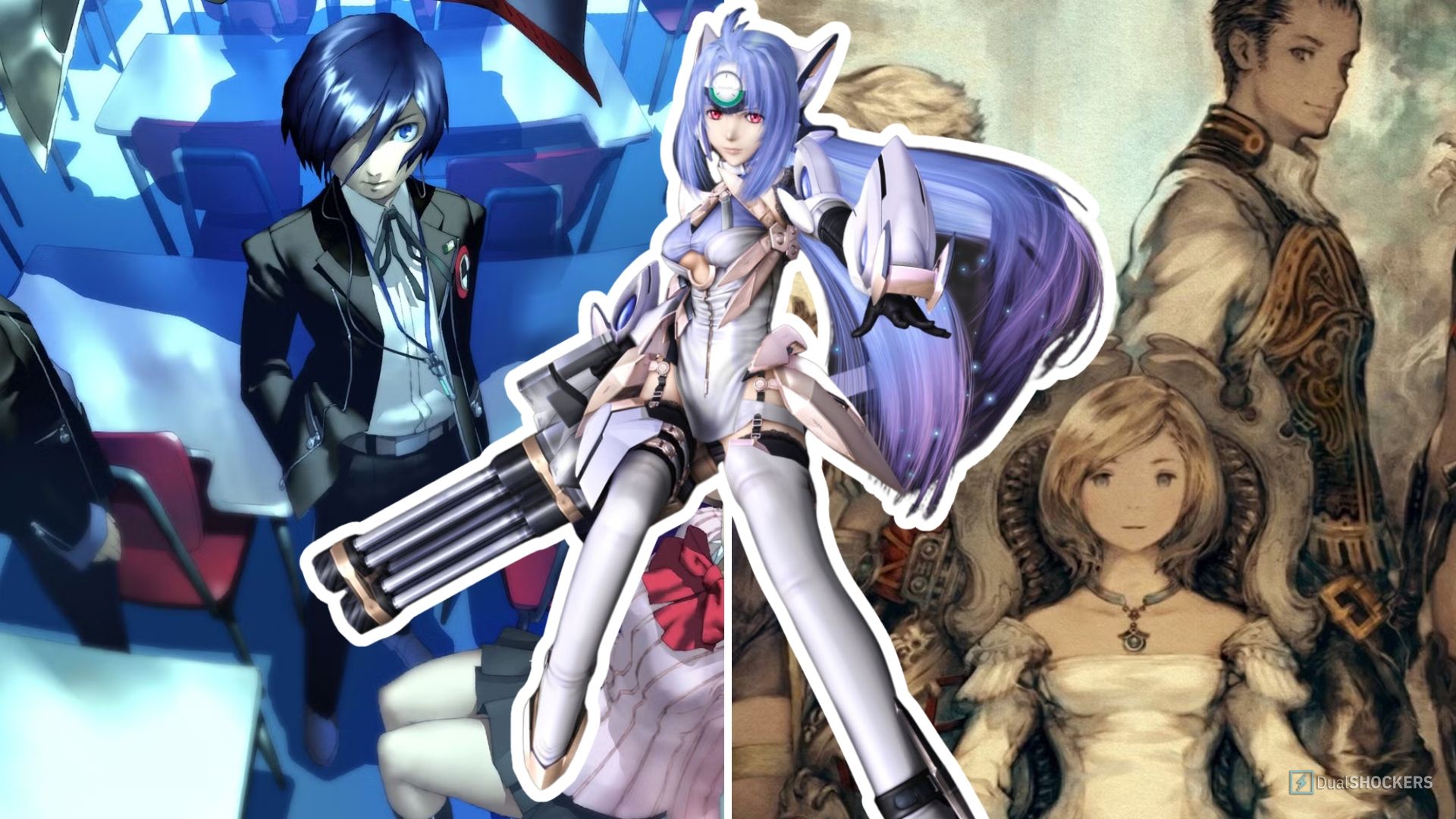
Everyone often talks about how the Super Nintendo and PlayStation 1 years were the best for Japanese role-playing games, and I think that’s true. However, it’s easy to forget that other eras had great games too. I decided to look back at 2006—twenty years ago—and was really impressed by how many excellent JRPGs were released then.
These Japanese role-playing games came out on a variety of consoles, including the PS2, Xbox 360, and Nintendo DS. What’s remarkable is that each game offered something new or unique, and those ideas continue to influence modern RPGs today.
Even though some of these classic Japanese role-playing games aren’t available on current consoles or haven’t been updated, they’re all still worth playing. Despite being over 20 years old, each one remains enjoyable and holds up even in 2026.
10. .hack//G.U. vol.1//Rebirth
A Game World Within a Game
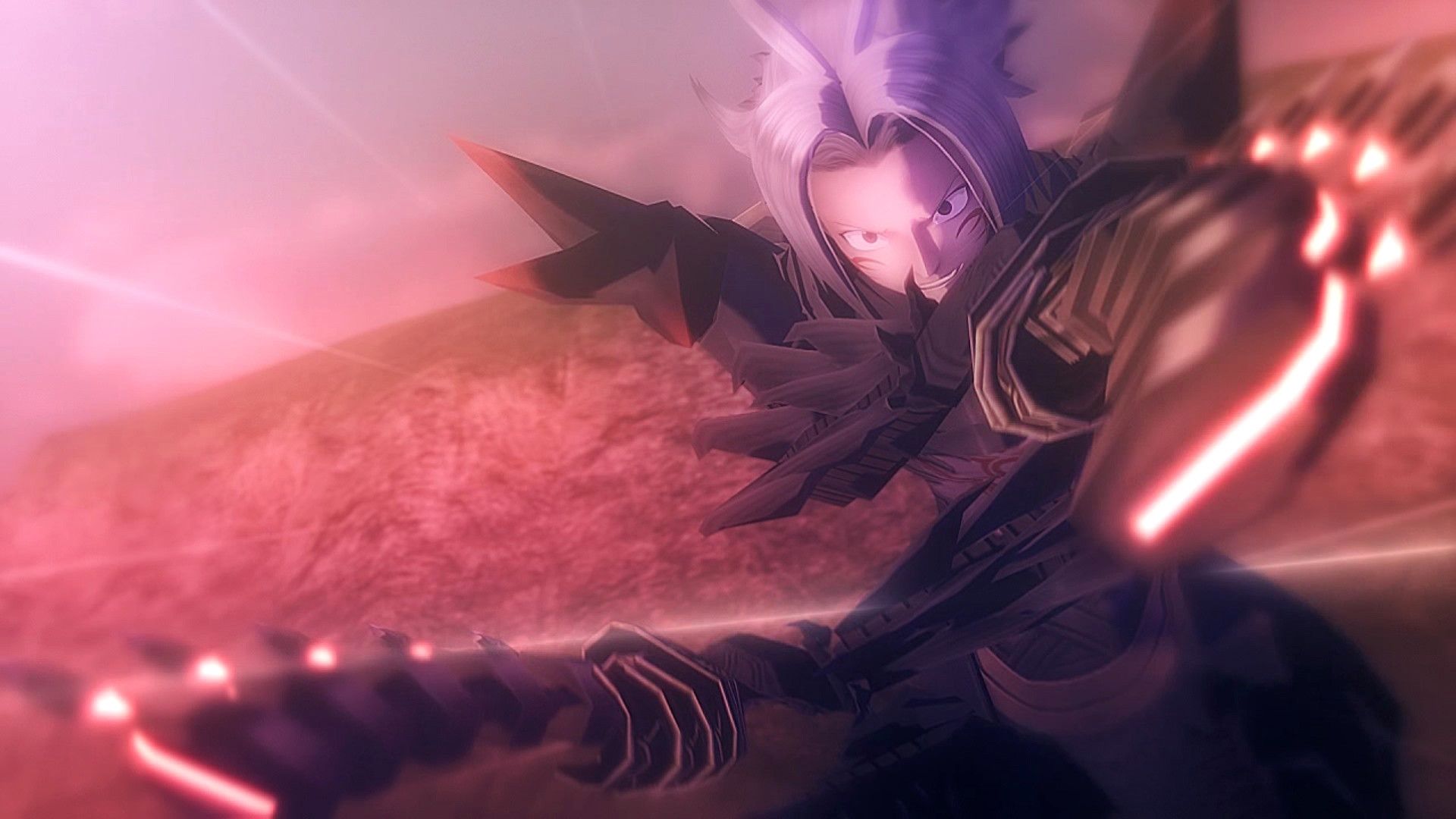
The action role-playing game .hack came out in 2002. It featured a character who entered a massive online world and had to finish quests to solve the mystery of players falling into comas. Seven years later, a follow-up series called .hack//G.U. was released.
Both the original .hack series and .hack//G.U. start with interesting ideas, but the actual gameplay is fairly simple. You can explore a central online world and even create new places to visit by entering a short phrase. However, these created areas tend to end up feeling very similar, lacking much variety.
The MMORPG The World offers a unique experience where you connect almost like you’re physically there, even emailing characters who are actually NPCs. While the game’s world and story are engaging, it doesn’t quite reach its full potential. Still, it’s a fun game! If you’re interested, a remastered version called hack//G.U. Last Recode includes all three games in the series.
9. Enchanted Arms
Before Soulsborne
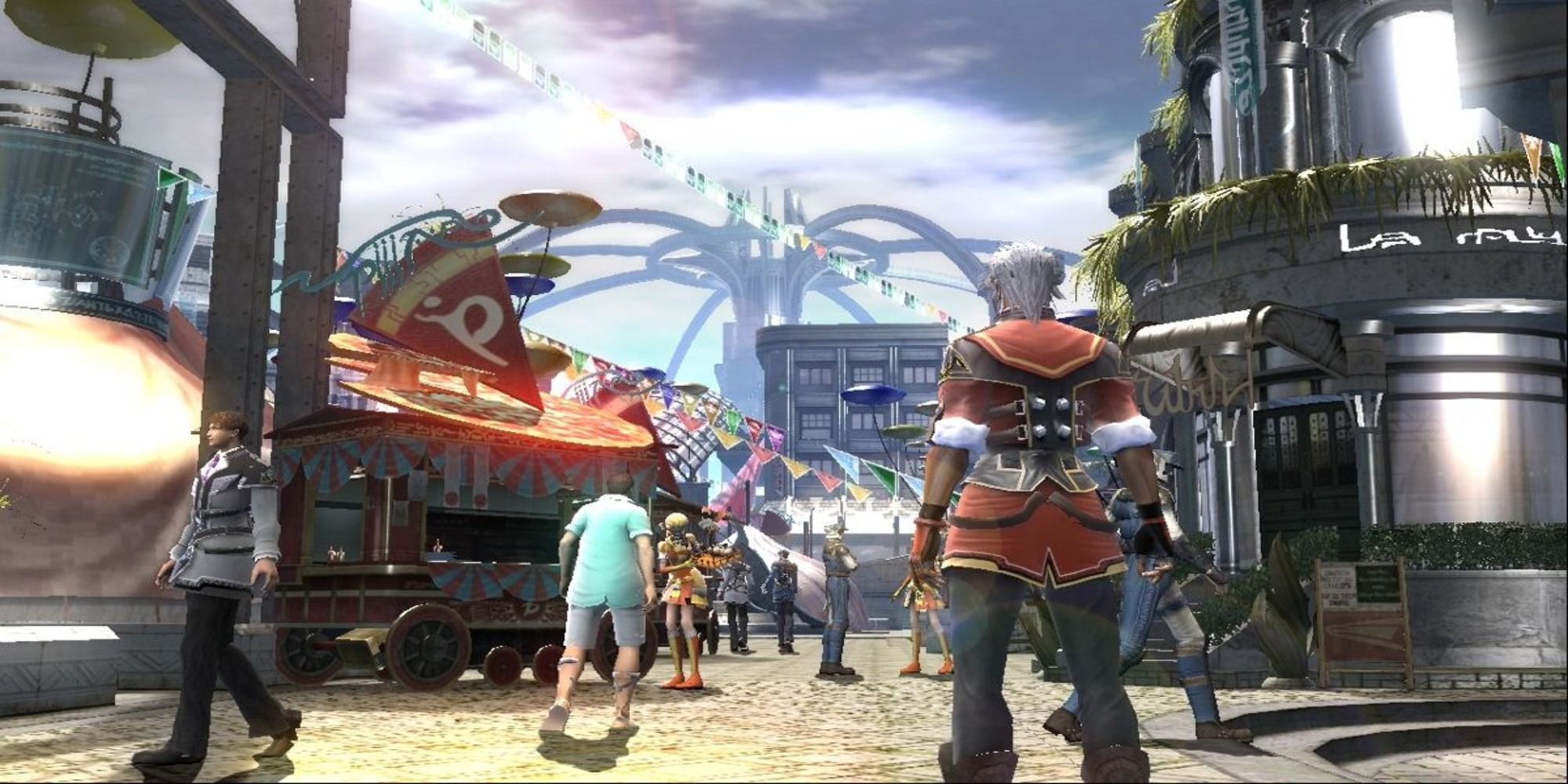
Let me be honest: Enchanted Arms isn’t a standout title. It’s perfectly playable, but there are definitely stronger games on this list. I’m including it because it was made by FromSoftware, the team behind Demon’s Souls, just before they became widely known.
So, does this game have the qualities that make FromSoftware so popular now? Not at all! Enchanted Arms is a classic turn-based Japanese RPG, unlike their famously challenging but rewarding games. Battles take place on a grid, and how effective your characters are – whether they’re using ranged attacks or fighting up close – depends on where they stand.
This story revolves around golems – powerful, artificial beings. Years ago, a massive conflict called the Golem War ended when the golems mysteriously stopped working. Now, some scientists are trying to reactivate them, which could start another war. You play as Atsuma, a student of enchantment, who must use his magic to fight these revived golems. And just so you know, the golems are back!
8. Digimon World DS (Digimon Story)
The Start of the Story
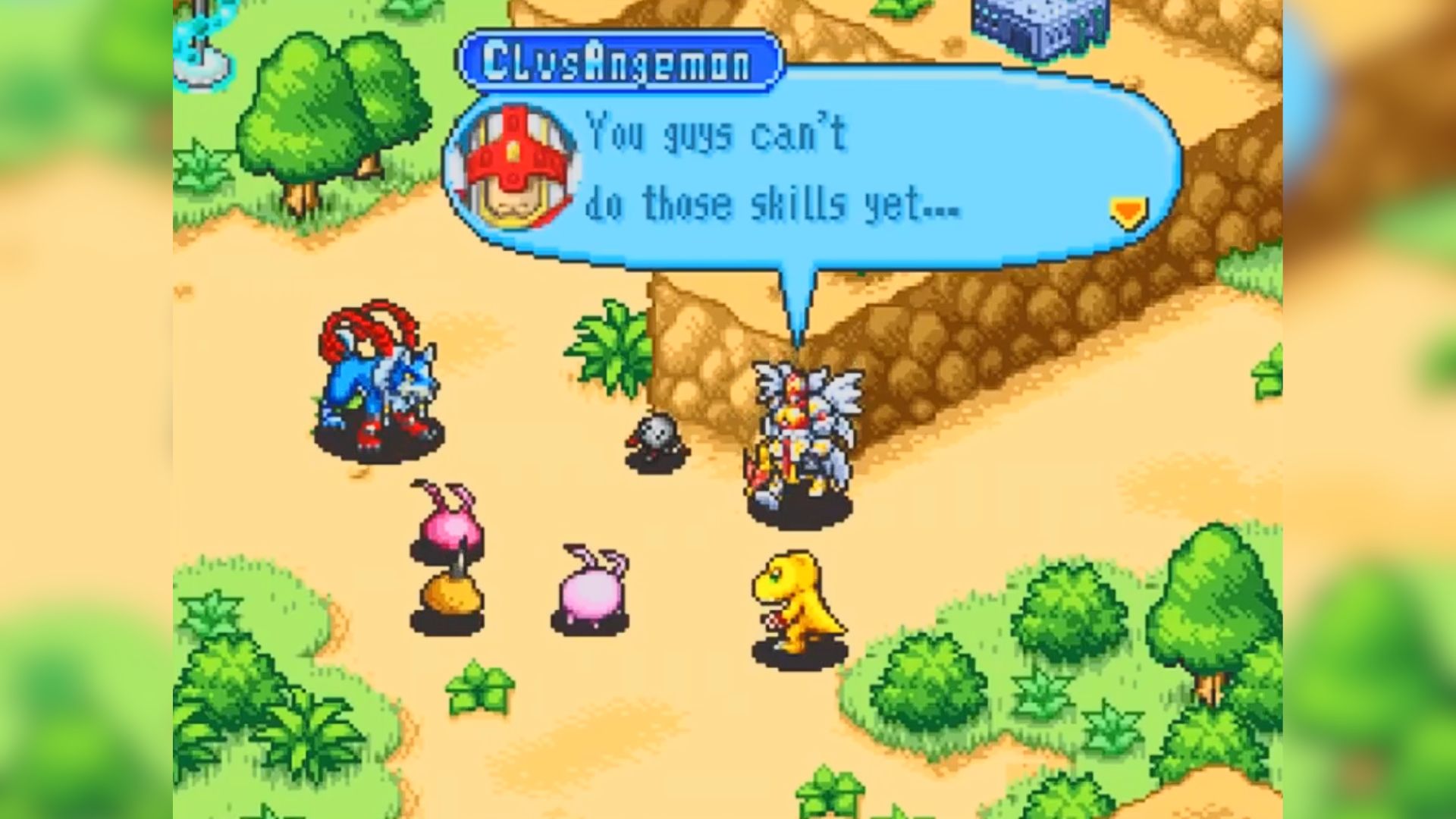
Digimon World DS, originally released as Digimon Story in Japan, is the game that started the Digimon Story series. If you’re a fan of Digimon Story: Cyber Sleuth, this Nintendo DS RPG from 2006 is where it all began.
This game started a new chapter for Digimon, moving towards a classic Japanese RPG style with random battles and turn-based combat. Digimon World DS introduced many features that would appear in later games, including scanning Digimon during battles to add them to your team and the concept of Digi-Farms.
We’re tasked with going into the Digital World to defeat a being called Unknown-D. Along the way, we’ll complete optional missions, evolve our Digimon repeatedly, and even trade them with friends who have the game and a Nintendo DS.
7. Valkyrie Profile 2: Silmeria
Legacy of the Valkyrie
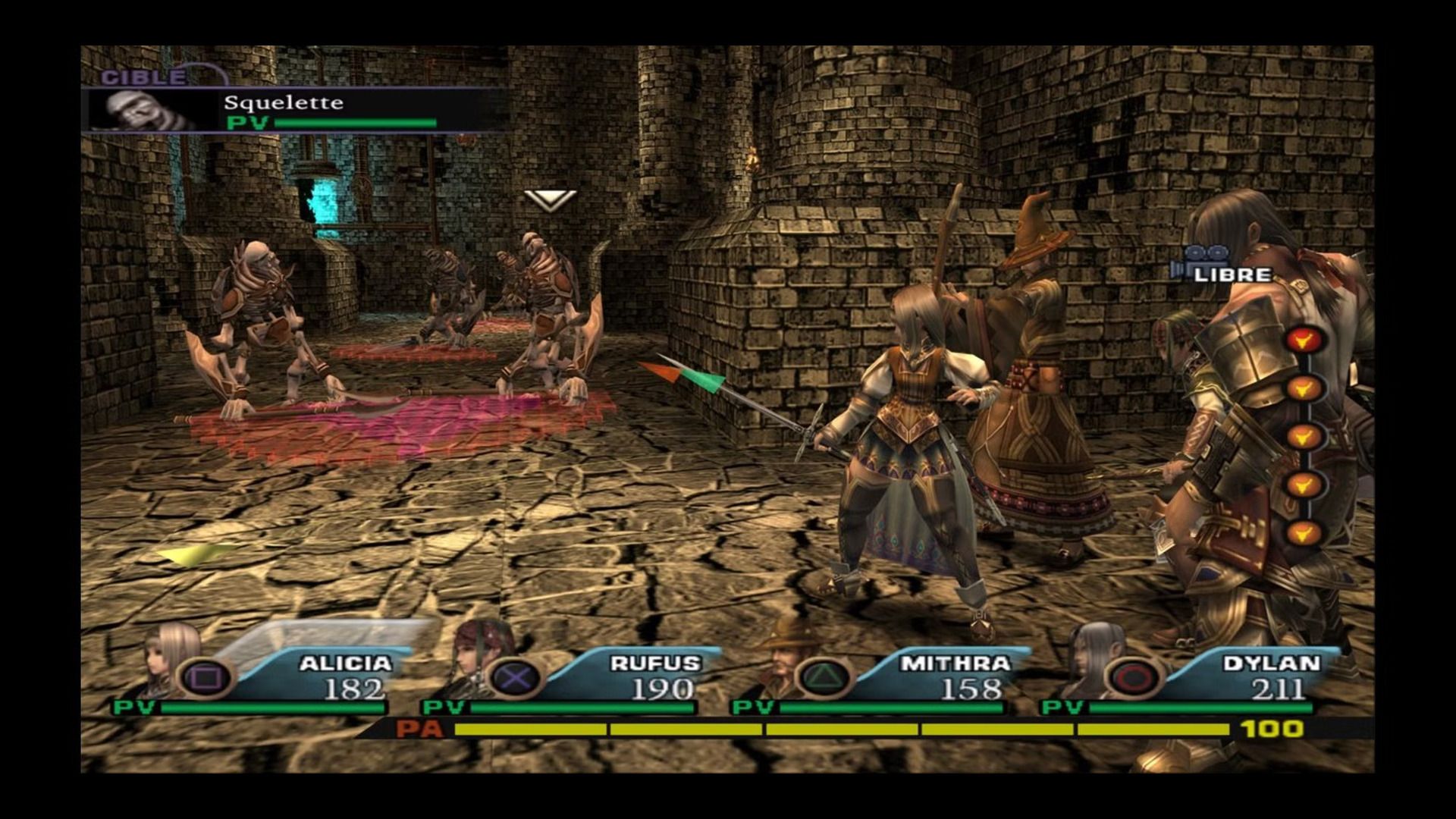
Valkyrie Profile is a highly regarded Japanese role-playing game (JRPG) originally released on the PlayStation 1, created through a partnership between Square and tri-Ace. Due to the first game’s popularity, a sequel, Valkyrie Profile 2: Silmeria, was developed. This new installment is set centuries before the original and puts you in the role of Silmeria, a valkyrie who was punished by Odin and trapped within the body of a woman named Alicia.
Battles in Valkyrie Profile 2: Silmeria build on the original game but add new features. Unlike the first game, you can now move around the battlefield to approach or even escape enemies. Every move costs Action Points (AP), so you’ll need to carefully consider your strategy in each fight.
In Silmeria, you can find and rescue fallen warriors while exploring dungeons, adding them to your team and learning more about the game’s rich story. It’s a fantastic game that didn’t get the recognition it deserved, and hopefully, it will receive a re-release similar to the original.
6. Suikoden V
Prequel to the First
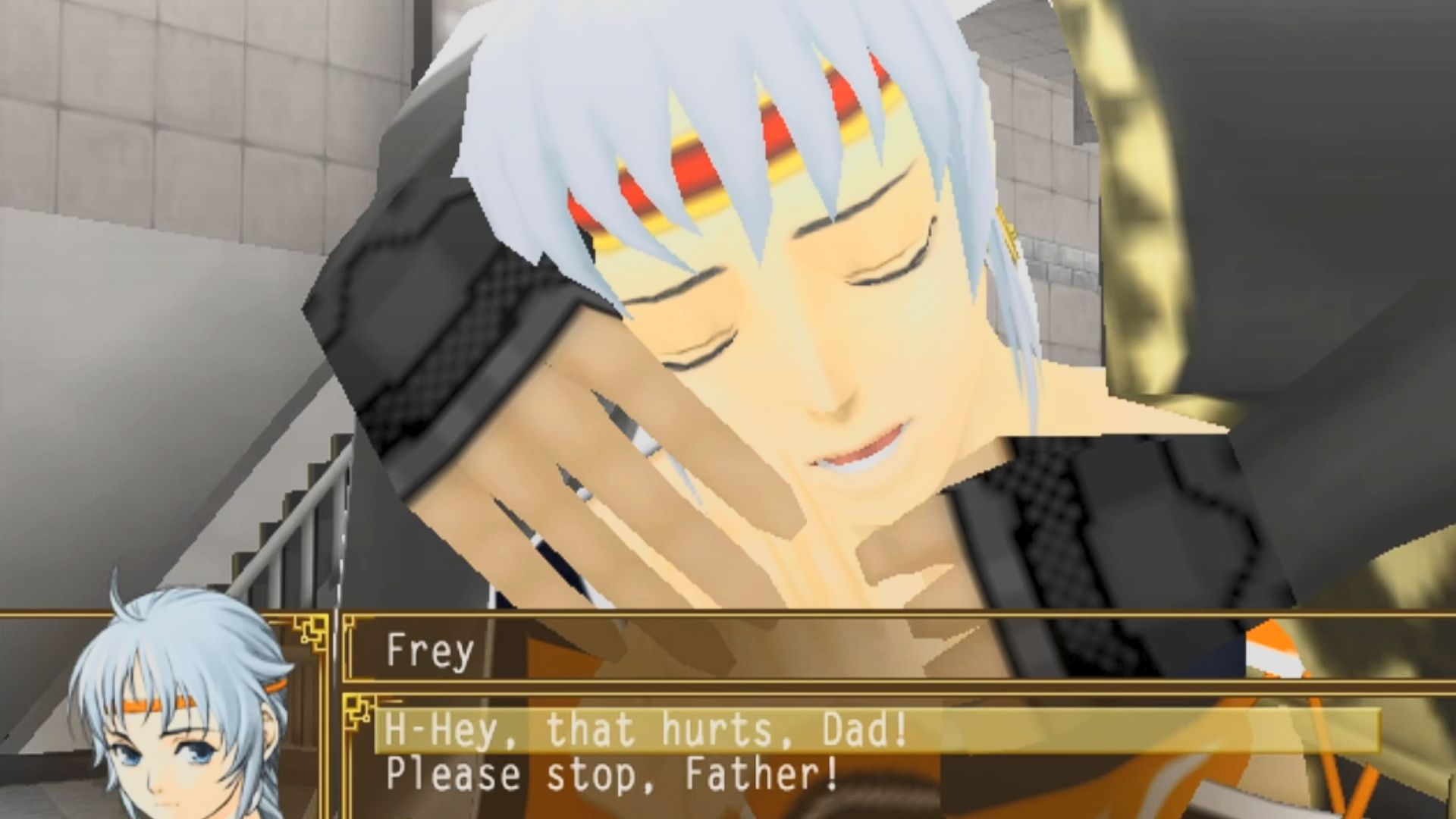
A lot of people who played Suikoden II on the original PlayStation consider it their all-time favorite Japanese role-playing game, and it’s easy to see why! It was a remarkably bold, thought-provoking, and captivating game when it first came out. The sheer number of characters – 108 of them! – each with their own unique motivations for joining your cause (sometimes as simple as a good meal!), was truly special.
Later games in the series didn’t quite recapture the magic of the second title, but they’re still enjoyable, particularly Suikoden V (which is a significant improvement over Suikoden IV). Suikoden V starts with a story centered around runes: Arshtat, the queen of Falena, uses the Sun Rune to fight a rebellion, but tragically loses her sanity in the process.
The main character, Freyjadour Falenas, is the son of the queen and journeys across the land trying to fix the issues facing his kingdom. Suikoden V delivers everything fans love about the series, including the ability to recruit 108 unique characters, classic turn-based battles with a party of six (and four reserves), special combo attacks based on your team, and a rune-based magic system. Plus, it features what many consider the best feature in any JRPG: building and managing your own headquarters.
5. Blue Dragon
Mistwalker’s Debut Game
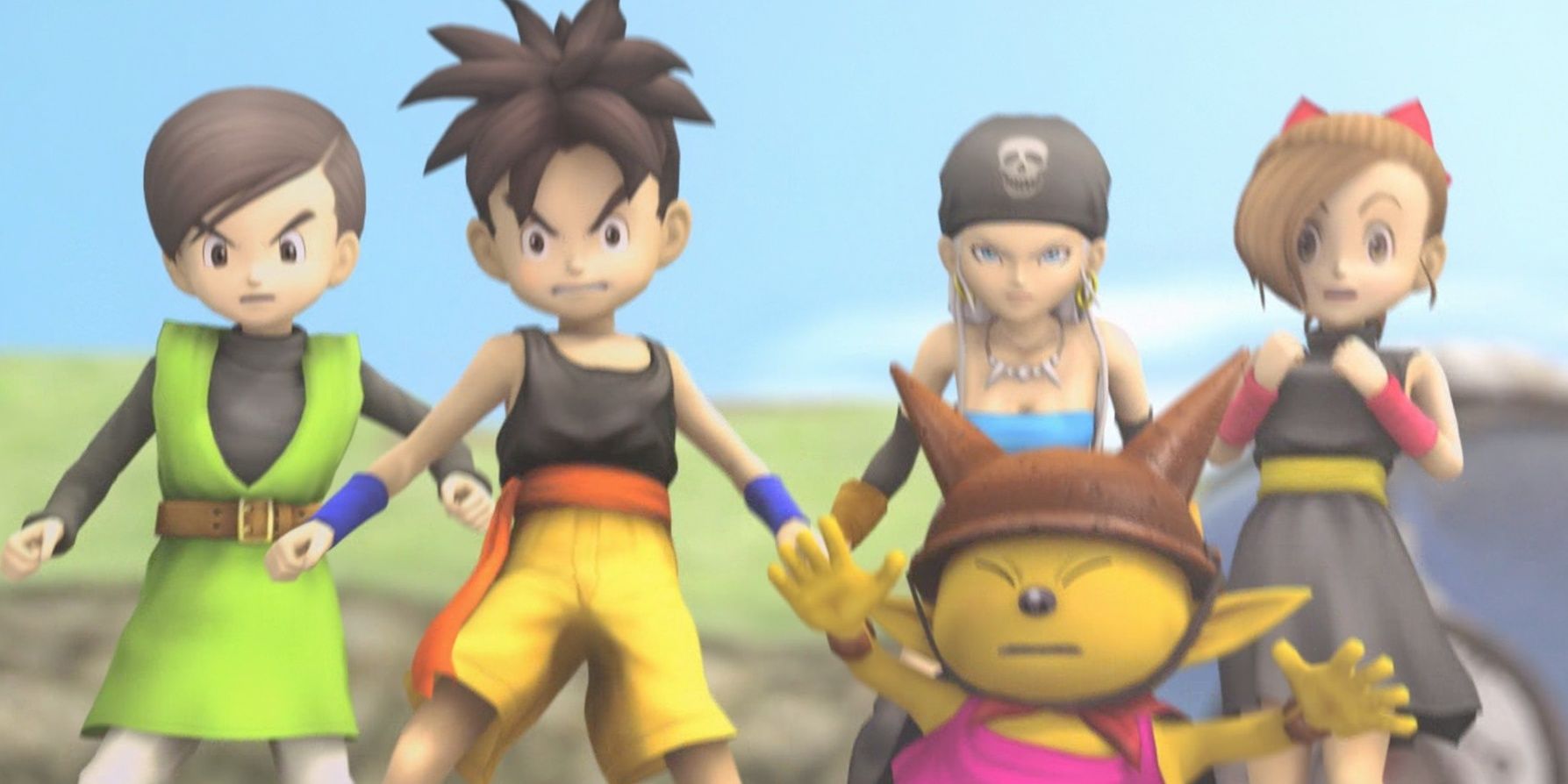
I’m briefly stepping away from the main topic to clarify that while Blue Dragon was first released in Japan in 2006, it didn’t come to other countries until August 2007. Still, because it was originally created to attract Japanese players to the Xbox 360, I think it fits the discussion.
After leaving Square, Hironobu Sakaguchi—the creator of Final Fantasy—started a new company called Mistwalker. Their first game was Blue Dragon, a classic Japanese role-playing game with turn-based combat. It boasted a fantastic soundtrack by Nobuo Uematsu and artwork by Akira Toriyama. The only thing missing to recreate the legendary team from Chrono Trigger was Yuji Horii.
In Blue Dragon, you follow Shu and his companions on their journey to defeat Nene, the tyrannical ruler of the Grand Kingdom. During combat, characters harness the abilities of Shadows, which can change roles and learn unique skills. The game was a critical success when it launched, nearly earning a perfect score from Famitsu. However, Blue Dragon remains exclusive to the Xbox 360, although it is thankfully playable on newer consoles through backward compatibility.
4. Xenosaga Episode III
End of a Dream
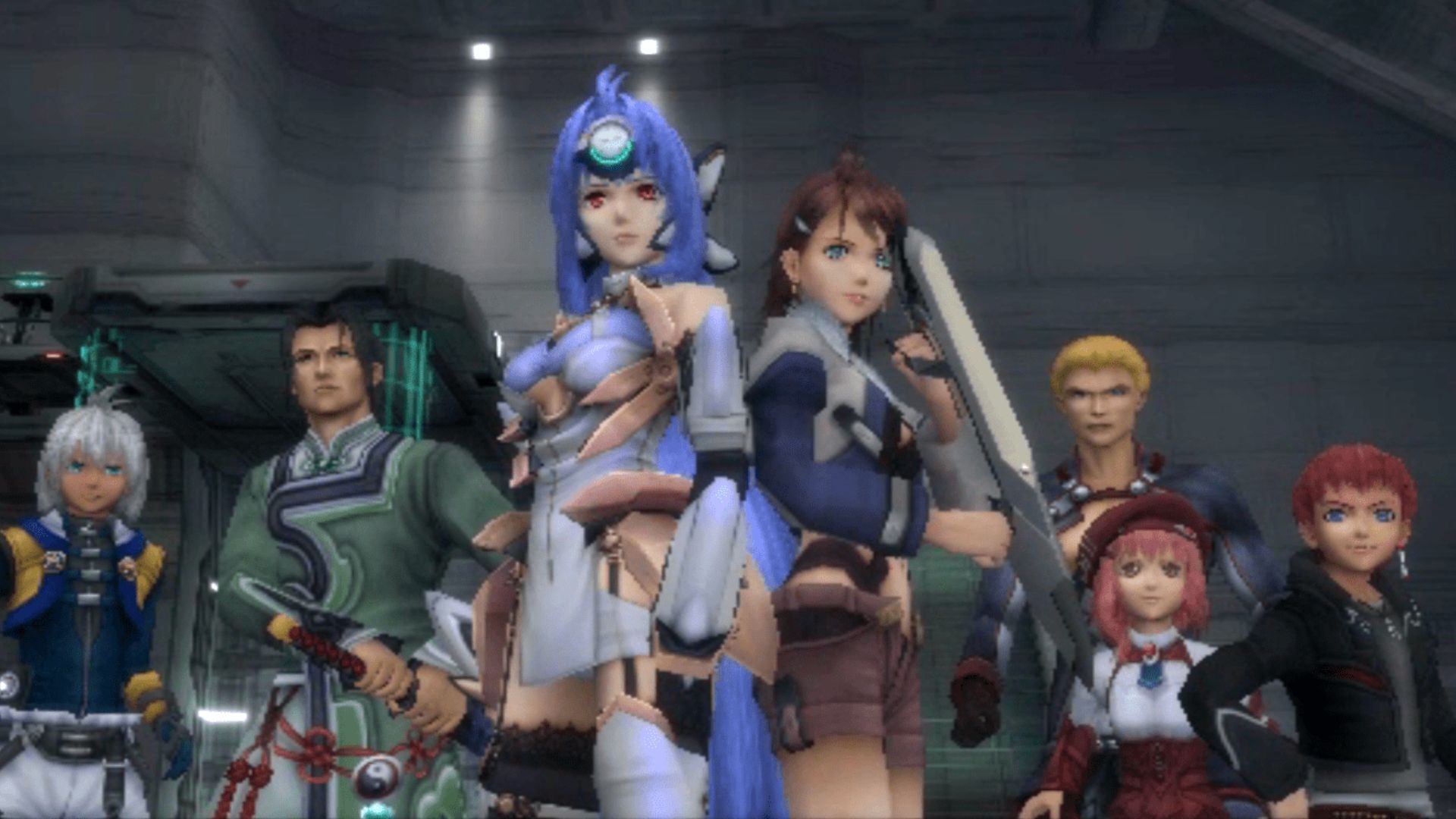
I wouldn’t recommend starting with Xenosaga III, as all the games continue the story from previous titles. However, Xenosaga Episode III: Also sprach Zarathustra came out in 2006, and it’s important to mention it, even though it ends rather suddenly and concludes the creative vision of Tetsuya Takahashi and Soraya Saga.
The story of Xenosaga III picks up a year after the events of Xenosaga II. You once again play as Shion, who uncovers a link between two important characters – but I won’t reveal who they are to avoid spoiling a game that came out 20 years ago and encourage you to experience the surprise yourself! KOS-MOS is also back, though she isn’t available to play as from the very beginning.
Battles in Xenosaga III combine the best elements from the first two games, improving on everything that worked well. It uses a turn-based system with two key features: the Break system, which stuns enemies when a meter fills, and Boost, letting characters take two turns or perform powerful special attacks.
The game also features battles with giant robots, and they work in a similar way to other fights. If you’ve been avoiding Xenosaga because it’s only available on the PlayStation 2, I highly recommend trying Xenoblade Chronicles – you’ll probably love it.
3. The Legend of Heroes: Trails in the Sky SC
The Best Direct Sequel
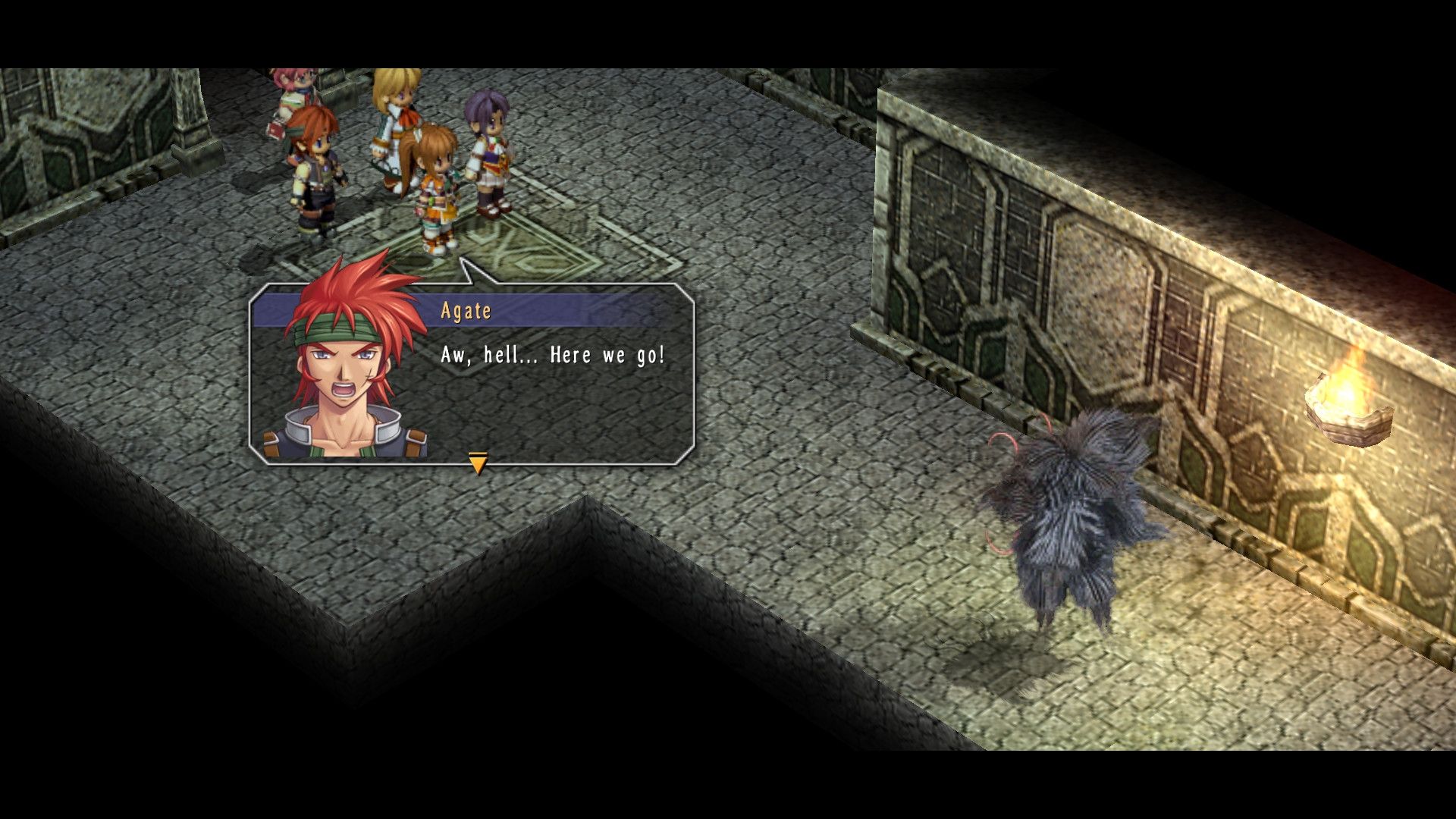
It’s telling that, two decades after it first came out, The Legend of Heroes: Trails in the Sky SC is getting a complete remake. I think it’s a strong sign of the game’s lasting impact. And, like I said with Xenosaga III, I wouldn’t suggest starting the Trails series with the second game – it’s a direct continuation of the story and picks up right after the first one ends.
In Trails in the Sky, players are introduced to Estelle and Joshua, who have become Bracers and are traveling across the kingdom of Liberl. Trails in the Sky SC reveals that a secret organization was responsible for many of the issues they faced, and Estelle must uncover the truth to safeguard Liberl.
Subscribe to the newsletter for JRPG deep dives
The classic turn-based battles and character movement are back, along with all the beloved characters from the original Trails game. You’ll find new additions like Chain Craft, more customization options with Quartz, and more freedom to explore the world. Trails in the Sky SC wraps up the story of Estelle and Joshua, but also introduces a larger, ongoing narrative that continues in the newest Trails games.
2. Final Fantasy XII
Prime Ivalice
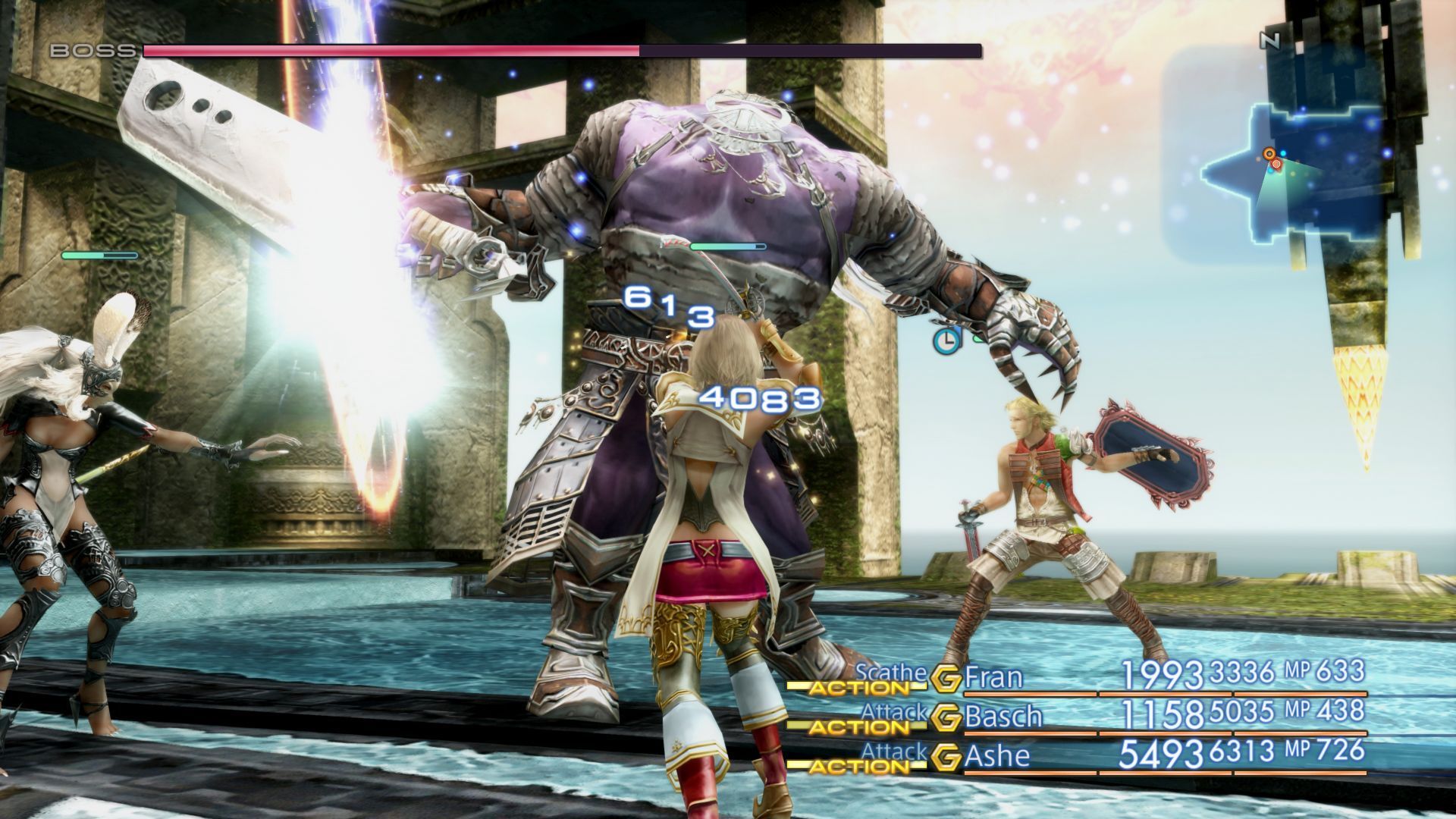
Final Fantasy XII returns to the world of Ivalice, which fans will recognize from games like Final Fantasy Tactics and Vagrant Story. To make battles more engaging, the game introduces the Active Dimension Battle (ADB) system. While it still uses the familiar ATB gauge, ADB emphasizes moving characters in real-time, creating a sense of freedom while exploring. Some players might find the combat a little too simplified, though.
In Final Fantasy XII, the game let you program your party members’ actions using a system called Gambits. I wasn’t very skilled at setting up complex Gambits, so I mostly just automated simple things like healing and controlled the attacks myself. This actually made the game more fun for me, as I felt more involved in the battles.
Beyond the exciting gameplay, Final Fantasy XII really shines with its complex political story. The powerful Archadian Empire has taken over the Kingdom of Dalmasca, and Princess Ashe is leading a fight to reclaim her home. She gathers a diverse group of allies who share her hope for peace. And then there’s Vaan, a young man who wants to become a sky pirate – many players consider him the main character.
1. Persona 3
The Creator of Social Links
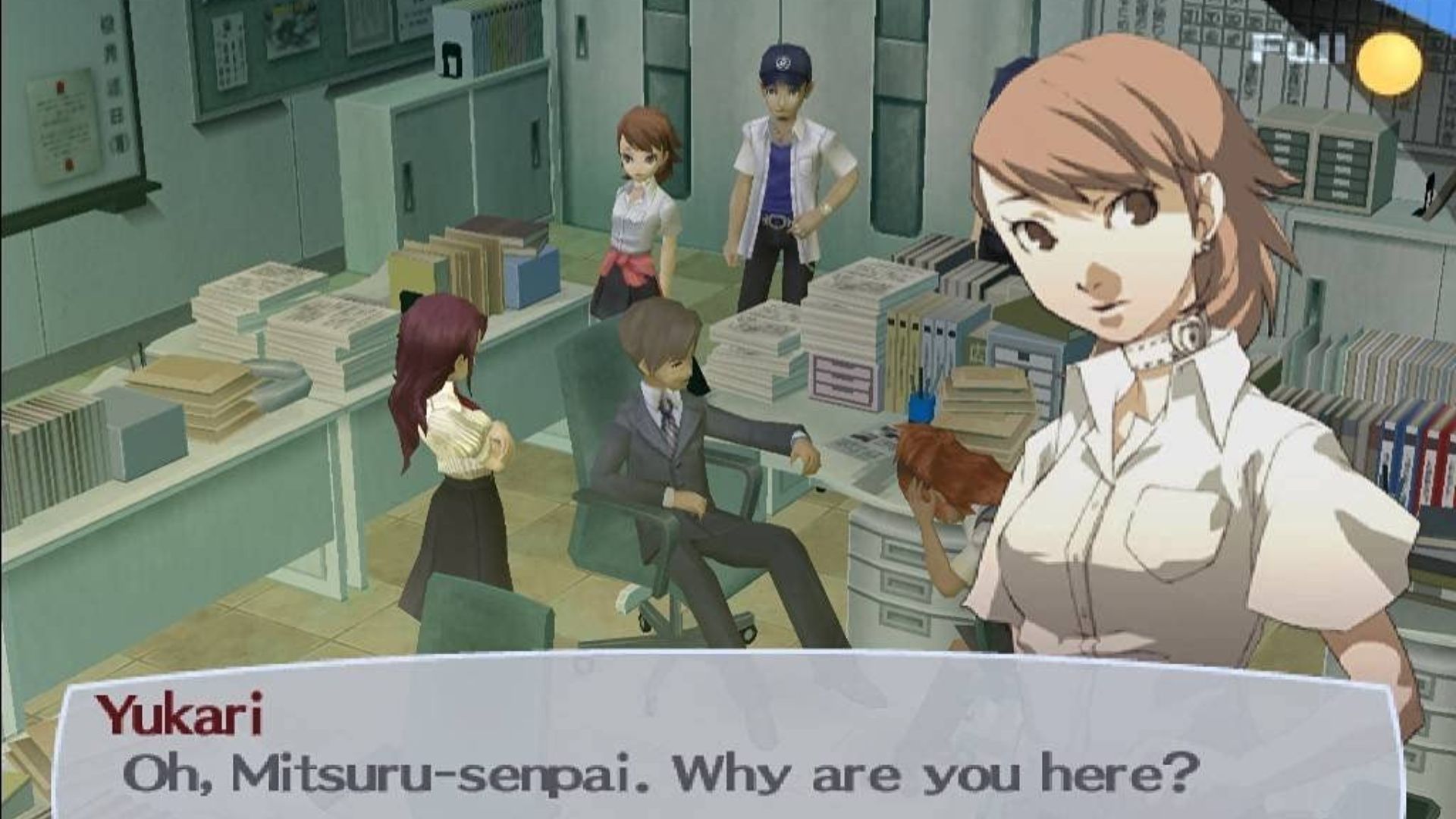
Most RPG fans know Persona 3, but let me give a quick introduction anyway! The Shin Megami Tensei series was already popular in Japan, with many related games, but Persona 3 was the one that truly broke out. It became incredibly successful and established the high school setting as a key part of the series. Right from the beginning, you can tell Atlus put a lot more effort and resources into making Persona 3 special.
When we arrived in Iwatodai, we witnessed a strange event called the Dark Hour. It happens every midnight, trapping people inside coffins—but not everyone is affected. Those who can experience it find themselves in a world filled with dangerous creatures called Shadows. Luckily, some students, including us, have developed a special power called Persona to fight back.
Our team, SEES, must battle these Shadows when the full moon rises. If we don’t, a sickness called Apathy Syndrome will spread throughout the city. The battles are turn-based, and it’s best to exploit enemy weaknesses – thankfully, our hero’s unique Personas make that easy.
What truly sets Persona 3 apart is its unique system of managing time and relationships. Beyond battling enemies, you also balance a part-time job, improve skills like charisma, and forge connections with different characters. These relationships, called Social Links, make your abilities in combat even stronger. This innovative approach has become a hallmark of Atlus games and has influenced many other RPGs.
Read More
- United Airlines can now kick passengers off flights and ban them for not using headphones
- Crimson Desert: Disconnected Truth Puzzle Guide
- How to Get to the Undercoast in Esoteric Ebb
- All 9 Coalition Heroes In Invincible Season 4 & Their Powers
- All Golden Ball Locations in Yakuza Kiwami 3 & Dark Ties
- Warframe Voruna Prime access begins on April 8 for all platforms, new deluxe cosmetic Warframe skins revealed
- Zendaya’s 4 Big 2026 Movies Could Beat Brie Larson’s Box 2019 Office Record
- Dakota County’s plan to end hunger involves locking mayors in escape rooms
- Katanire’s Yae Miko Cosplay: Genshin Impact Masterpiece
- Fire Emblem: Path of Radiance Trial Maps Unlock Guide
2026-01-31 18:42