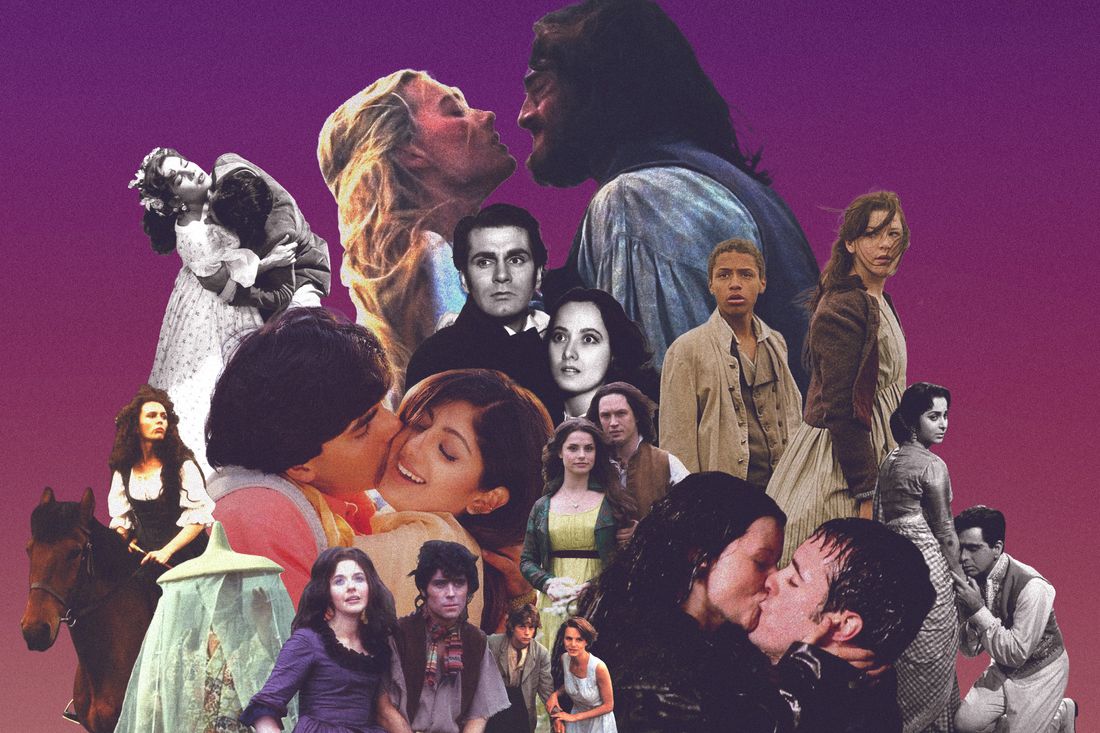
Few novels travel across cultures and time periods as effortlessly as Emily Brontë’s Wuthering Heights. The recent film adaptation by Emerald Fennell has sparked discussions about how closely adaptations should stick to the original, but the story’s enduring appeal proves it resonates universally. It’s a classic melodrama, and its many international film and television adaptations demonstrate the raw emotional power of its characters and themes. I initially set out to find every film and TV version ever made – from faithful recreations to loose interpretations – but quickly realized it was a massive undertaking. The story has been reimagined in various settings – sometimes modern, sometimes staying true to the original, and even in completely different historical periods (like Medieval Japan or 1930s France – I’m still hoping for a science fiction version!). I limited my search to feature films and mini-series, as tracking down a 48-episode Venezuelan soap opera from 1976 or the numerous Mexican telenovelas (starting in 1964) felt impossible. Sadly, some adaptations are lost forever – a 1920 silent film is gone, and at least two early BBC versions weren’t saved. But here’s a ranked list of all the Wuthering Heights film and TV adaptations I was able to find.
32. Wuthering High (2015; directed by Anthony DiBlasi)
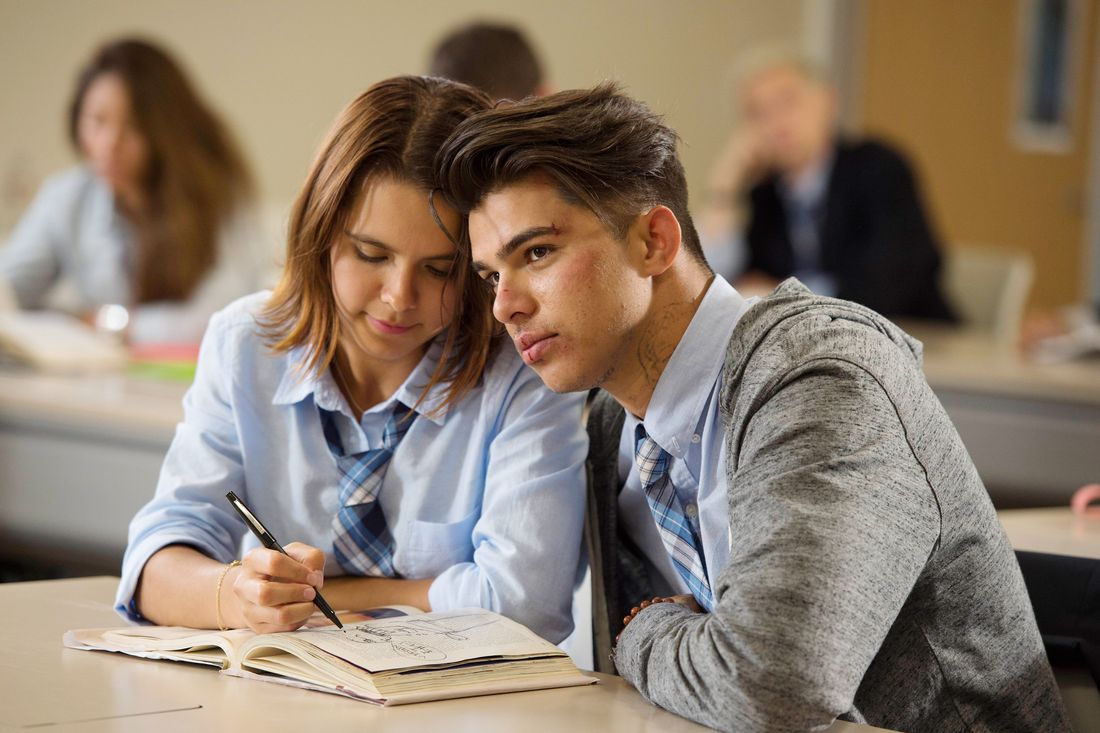
Five years after Titanic 2 and two years after Sharknado, the Asylum – a company known for low-budget, quickly-made movies – released a teen adaptation of Wuthering Heights, and it’s likely even less successful than those films. The story has an interesting premise: Heath, a rebellious skater, is the son of a Mexican immigrant who has been detained and disappeared into the immigration system. Feeling responsible, the owner of the factory where Heath’s mother worked, Mr. Earnshaw (played by James Caan!), takes Heath in. There, he reconnects with Catherine, who is also an outcast after being ostracized by popular girls for a past relationship. While the film had potential – and Wuthering Heights has been successfully modernized before – it’s ultimately brought down by flat acting and overly sentimental writing. The inclusion of serious issues like deportation and teen suicide also prevents it from being dismissed as simple parody, even though it sometimes feels that way.
31. Wuthering Heights (2022; directed by Bryan Ferriter)
Bryan Ferriter’s 2022 adaptation of Wuthering Heights feels like a personal project taken to extremes. He wrote, produced, directed, and starred in it, but unfortunately, the film doesn’t offer a fresh take on the classic story – instead, it leans heavily into camp. The acting is noticeably amateurish, turning dramatic scenes into unintentionally funny moments, and the overly dramatic camerawork (filmed in Montana, surprisingly) doesn’t help. It’s hard to tell if this film even had a wide release. While it’s a low-budget production, you have to admire Ferriter’s ambition – undertaking a full period adaptation of Wuthering Heights on a shoestring budget is certainly a bold move.
30. The Promise (2007; directed by Mike Tuviera)
This Filipino take on Wuthering Heights doesn’t quite capture the power of the original. It feels flat and simplifies the story’s complicated emotions. Andrea (Angel Locsin) consistently harbors feelings for Daniel (Richard Gutierrez), who embodies the Heathcliff role, yet she’s surprisingly open about wanting a more comfortable life. The film deserves credit for not criticizing her ambition; she even asks Daniel if it’s wrong to have dreams. Daniel, fueled by the cruelty of Jason (Ryan Eigenmann) and witnessing Andrea’s affection for the wealthy Anton De Vera (T.J. Trinidad), transforms from a mistreated worker into a fighter and then a criminal. Returning with a thirst for revenge, he finds Andrea still cares for him. The story leans heavily into melodrama, told through the recollections of an older Daniel sharing the tragic tale with his grandchildren. Unfortunately, director Mike Tuviera’s uninspired approach fails to fully realize the film’s potential for visual and emotional impact.
29. Studio One: Wuthering Heights (1950; directed by Paul Nickell)
https://youtube.com/watch?v=watch?v=Yzuz_Xoc-gE&feature=youtu.be
Charlton Heston’s performance as Heathcliff is…distinctive. Known for his dramatic delivery and emphasis on every word, it’s surprising how quickly he gets through his lines. He had a knack for delivering the latter part of a speech in one long, emotional breath. Take his famous line, “Catherine Earnshaw! May you not rest as long as I am living! Haunt me! Let your ghost be with me, always, driving me mad, just please don’t leave me alone in this darkness where I can’t find you!” It’s genuinely entertaining to watch Heston in this hour-long TV version of Wuthering Heights, originally aired on CBS’s Studio One. This adaptation is a very romantic take on the story, focusing heavily on Heathcliff as a tragic lover and simplifying the plot by cutting out much of the later events. The villains are portrayed less as complex characters and more as simply unpleasant people—even when Hindley and Isabella plot against him, it doesn’t feel like a culmination of years of suffering. The music consists almost entirely of a repeating loop of Ralph Vaughan Williams’s “Fantasia on Greensleeves.” While not a bad adaptation, it rushes through a lot of important details, clearly assuming the audience already knows the story. It prioritizes speed over emotional depth.
28. Heathcliff (1996; directed by Frank Dunlop)
The novel Wuthering Heights has clearly inspired many musicians. Kate Bush’s iconic song is the most famous example, but Jim Steinman, a songwriter known for his work with Meat Loaf, was also deeply fascinated by the book. This led him to compose music for a 2003 MTV adaptation and the song “It’s All Coming Back to Me Now,” which was famously at the center of a legal dispute with Meat Loaf. However, Cliff Richard arguably embraced the Wuthering Heights aesthetic most fully in his 1996 musical. Featuring songs by John Farrar and Tim Rice, the production retells the novel’s story with Richard playing Heathcliff as a sort of narrator-protagonist. Though critics didn’t love it, audiences flocked to see it. It’s a delightfully over-the-top production, made surprisingly enjoyable by Richard’s sincere performance. The musical, which was released on video, expands on Heathcliff’s backstory, showing his travels and how he amassed his fortune. These journeys also influence the music’s style and reveal changes in his character. We see him captured by an African tribe (where he trades buttons for gold), then robbing a king in India and ordinary people in China. While undeniably cheesy and dated, the songs are surprisingly good, particularly the single “Misunderstood Man,” which asks listeners to consider whether Heathcliff is a villain or simply a misunderstood soul – and Sir Cliff clearly sides with the latter.
27. Cumbres Borrascosas (2019; directed by Tony Rodríguez)
This Venezuelan miniseries, released in 2019, is a prime example of how Emily Brontë’s Wuthering Heights translates into the world of telenovelas. It begins with a shocking scene: Alejandro exhumes Catalina’s grave, takes her body with him on his motorcycle, and plays her a song. After his arrest, a police inspector investigates the bizarre act, while Catalina’s family – including her brother, husband, and the head of their wealthy family – all try to keep Alejandro in jail. The resulting drama is a fast-paced take on Brontë’s classic, unfolding against the beautiful backdrop of beaches and desert landscapes, and filled with family rivalries and scheming. The series focuses equally on the legal battles surrounding the wealthy Salgado family and the passionate love story between Catalina and Alejandro – a love presented here as purely innocent and virtuous. Unlike the original story, Catalina is the one who apologizes for her actions on her deathbed, with no trace of sarcasm. Despite its over-the-top nature, this is a well-made and entertaining series, boosted by its attractive cast.
26. Cime Tempestose (2004; directed by Fabrizio Costa)
This beautifully produced Italian miniseries seems inspired by a popular 1956 RAI TV adaptation. It features dramatic camera work and stunning locations, and is particularly interesting for its take on why Mr. Earnshaw took Heathcliff (played as an adult by Alessio Boni) into his home. The series opens with scenes in Liverpool, showing Earnshaw rescuing the young, orphaned Heathcliff from being sold into slavery. Later, Heathcliff saves Earnshaw’s life, creating a debt between them. While the series adds some interesting details – like the circumstances surrounding Mr. Earnshaw’s death and Hindley’s involvement – it unfortunately falls short in key areas. Unlike most adaptations of Wuthering Heights, which aim to tell the complete story, this version cuts out the second half entirely, despite running for over three hours. It doesn’t show the full extent of Heathcliff’s later cruelty.
25. Dhadkan (2000; directed by Dharmesh Darshan)
https://youtube.com/watch?v=watch?v=p5AV3w7t2Dc&feature=youtu.be
Okay, let me tell you about this Bollywood take on Wuthering Heights. It was a huge hit in India, and honestly, the music is infectious. But be warned, it’s very loosely based on the Bronte novel – even more so than other Indian adaptations I’ve seen. The story centers on Anjali and Dev, a passionate couple torn apart when her family forces her to marry the wealthy Ram. Here’s where it gets interesting: Anjali actually falls for Ram, who turns out to be a genuinely good guy struggling with his own family issues. When Dev returns years later, now rich, he’s not a heartbroken hero – he’s out for revenge, teaming up with Ram’s awful step-siblings to ruin his business. Most Indian versions paint the Heathcliff-type character as the victim, but this one leans into his villainy, which is a refreshing change, even if the whole thing is a bit over-the-top at times. Seriously, don’t miss the scene where Dev’s mother immediately keels over when she finds out Anjali dumped him. It’s… a moment.
24. Ölmeyen Aşk (1966; directed by Metin Erksan and Feyzi Tuna)
Following his Golden Bear win for Dry Summer, Turkish director Metin Erksan reimagined Wuthering Heights as a streamlined, intense melodrama. The film skips the characters’ childhoods and dives straight into the deteriorating relationship between Ali (played by Kartal Tibet, who later became a famous comedy director) and Yıldız (played by Nilüfer Koçyiğit), as she becomes attracted to a wealthy family. Erksan utilized striking landscapes, featuring the ruins of a fortress, but traded the complex emotions of Brontë’s novel for a more overtly poisonous dynamic. After Ali returns from exile wealthy and sporting a ridiculous mustache, his cruelty spirals out of control, and Yıldız’s animosity towards him deepens. There’s no hint of lingering affection between them. In a dramatic climax, Ali attempts to revive Yıldız from her deathbed, leading her in a daze to the beach where they once shared their love. There, she desperately asks him if he still loves her. He shockingly replies that he hates her, causing her to die in his arms. He then cries out in anguish – the film ends abruptly there.
23. MTV’s Wuthering Heights (2003; directed by Suri Krishnamma)
Over the years, there have been several tries to modernize Wuthering Heights for a younger audience. This MTV adaptation is fast-paced, overly produced, and rather ridiculous. It stars Erika Christensen as Cate and Mike Vogel as Heath, whose romance is complicated by the scheming, wealthy siblings Edward and Isabel Linton (played by Christopher Masterson and Katherine Heigl). Heath is a musician who rises to fame thanks to Isabel letting him record in her school’s studio – complete with early 2000s montages of his songs going viral online (“This RULES…This is whack!”). The film culminates in Cate’s death during childbirth in a secluded spot, where she reveals the baby is Heath’s, not Edward’s. Despite its flaws, the movie has some enjoyable supporting performances. Katherine Heigl shines as the malicious Isabel, Christopher Masterson perfectly embodies a snobbish character, and it’s a treat to see punk icon John Doe as Mr. Earnshaw.
22. Sparkhouse (2002; directed by Robin Sheppard)
https://youtube.com/watch?v=watch?v=dHrv09TcPe8&feature=youtu.be
This BBC miniseries takes the story of Wuthering Heights and flips the genders, but it’s far more than just a simple retelling. Set in present-day Yorkshire, it’s a dramatically intense, almost over-the-top, version of the classic tale. The story centers on Carol Bolton, a strong-willed woman from a working-class background, and Andrew Lawton, a privileged young man, whose love is destroyed by Andrew’s unfaithful father. The situation is complicated by a shocking secret: Andrew learns that Carol’s sister is actually her daughter, the result of a childhood rape by their abusive father. This revelation devastates Andrew, especially as he and Carol were about to become intimate, and leads to a series of increasingly destructive acts by Carol, including vandalism and violence. The show is visually striking, though sometimes the style feels at odds with the serious themes. It’s a bit uneven, swinging between genuinely moving drama and melodramatic moments, but it’s powerfully acted, particularly by Sarah Smart as Carol, who portrays a complex, troubled young woman with unflinching honesty. Smart’s Carol is a modern take on Heathcliff – a passionate, flawed character who is both loving and monstrous. Interestingly, Smart previously played Catherine’s daughter in a 1998 film adaptation of Wuthering Heights. Ultimately, the series is a bold and compelling reimagining of the classic novel, culminating in Andrew’s tragic suicide after a desperate search led by Carol and his father.
21. Oonche Log (1985; directed by Brij Sadanah)
The film immediately grabs your attention with an over-the-top opening car crash – a chaotic scene involving wrecked fruit stands, damaged shops, and a ridiculously large explosion. This crash is how the main character becomes an orphan. The director, Brij Sadanah, uses a unique, somewhat disjointed style that perfectly suits the film’s wildly colorful and dramatic story, which is a bold retelling of Wuthering Heights as a revenge thriller. Rajesh Khanna plays Raju, who suffers terribly at the hands of his cruel adoptive brother, Thakur Vikram Singh (Pradeep Kumar). By the time Raju returns as a wealthy and powerful man, the audience is eager to see justice served. (The film establishes that Raju is believed to be dead, killed by Thakur’s men, so he returns in disguise.) Raju’s relationship with Poonam (Salma Agha, playing a character similar to Catherine) is more problematic. She rejects him because he’s poor, and he makes her suffer as part of his revenge, which makes their eventual reconciliation feel forced. Despite its many flaws, the film is consistently engaging, and it’s a very close adaptation of the 1983 Pakistani film Dehleez, which we’ll discuss next.
20. Dehleez (1983; directed by Mohammed Javed Fazil)
Both Oonche Log and Dehleez share striking similarities – even down to dramatic opening car crashes – and are clearly inspired by the 1966 film Dil Diya Dard Liya. Dehleez stars Nadeem, a major figure in Pakistani cinema, alongside the popular Shabnam, with whom he frequently appeared in romantic roles. Like its predecessor, this film portrays the central character as more of a straightforwardly vengeful hero than a complex one – don’t expect subtlety here. However, the chemistry between Nadeem and Shabnam is strong, and the film features energetic and well-executed musical numbers.
19. Cime Tempestose (1956; directed by Mario Landi)
https://youtube.com/watch?v=watch?v=LSRD_UyzjWg
Massimo Girotti, a celebrated Italian actor known internationally for films like Ossessione, Senso, and Teorema, is perfectly cast as Heathcliff. He possessed both classic good looks and a compelling darkness, making him an ideal anti-hero. Girotti is the main draw of this four-part Italian miniseries adaptation of Wuthering Heights, which remains fairly true to the novel, although it relies a bit too heavily on narration. Despite the limitations of television production at the time, director Mario Landi adds interesting visual details, notably using windows to symbolize the theme of isolation. While the series softens Heathcliff’s more brutal side, it’s still a touching adaptation. The final scene, where he tenderly touches the face of young Cathy, mistaking her for the deceased Catherine (both played by Anna Maria Ferrero), is particularly powerful. This miniseries was the third original production for Italian broadcaster RAI and was a huge success when it aired.
18. Wuthering Heights (1998; directed by David Skynner)
This adaptation of Wuthering Heights, shown on Masterpiece Theater in the U.S., is a perfectly acceptable, though not particularly outstanding, version of the classic story. While it doesn’t quite reach the heights of other film adaptations from 1939, 1970, 1992, or 2011, or the depth of the longer miniseries, it’s still a worthwhile watch. Robert Cavanah portrays Heathcliff as more intense and somber than traditionally handsome, which suits the character’s dark side. Orla Brady plays a strong-willed and elegant Catherine. Though their chemistry isn’t entirely convincing, both actors deliver compelling performances individually. In fact, a young Matthew Macfadyen, years before becoming famous as Mr. Darcy in Pride and Prejudice, stands out as Hareton Earnshaw and may be the most memorable performer in the film.
17. Wuthering Heights (2009; directed by Coky Giedroyc)
Tom Hardy seemed like a perfect fit for the role of Heathcliff – he’s intense, unpredictable, and strikingly handsome. While he performs well, his chemistry with Charlotte Riley, who plays Catherine, feels a bit lacking at first. This makes it hard to believe in their all-consuming obsession, and the romance feels distant. However, this 2009 TV adaptation takes a unique approach. The story isn’t told chronologically; instead, it focuses on Heathcliff as a cruel and frightening figure in the present, then reveals his past through flashbacks. The writers and director also make a key change to the plot: Catherine doesn’t accidentally let slip that marrying Heathcliff would be a social downfall – she tells him directly that she’s marrying Edgar to protect him. This makes Heathcliff’s departure a result of his own pride, rather than a misunderstanding. Although Hardy isn’t convincing as a traditional romantic hero, he excels as a villain – a strange, unsettling character who can’t grasp basic human emotions.
16. Arzoo (1950; directed by Shaheed Latif)
https://youtube.com/watch?v=watch?v=n1rdcntbNGg
Dilip Kumar, a legendary Indian actor, was a devoted fan of English literature and particularly fascinated by the character of Heathcliff, even portraying him on screen three times. Arzoo is his first attempt at adapting the story, a loose interpretation directed by Shaheed Latif and co-written by his wife, the celebrated novelist Ismat Chughtai. This version reimagines Heathcliff as Badal, a charming but aimless romantic considered a good-for-nothing by many. Badal is deeply in love with Kamini (played by Kamini Kaushal), who wants him to achieve something with his life. Kamini’s beauty attracts a lot of attention, much to the dismay of her parents, who disapprove of her relationship with Badal. When Badal is mistakenly believed to have died in a fire, Kamini marries a wealthy landowner and becomes cold and distant. Upon his return, Badal seeks revenge not through physical force, but by staging a play about betrayal—similar to Hamlet—which deeply affects Kamini. While the film doesn’t capture the same dark intensity as Heathcliff, Arzoo compensates with its stylish presentation. The film’s gentle musical numbers add depth to all the characters, even those providing comic relief, and the director’s playful approach highlights the story’s ironic moments. A clever example of this is when Badal, while courting Kamala (Shashikala), calls her “Kamo” – a nickname meant for Kamini – and subtly caresses Kamini’s hand while whispering sweet nothings to Kamala, creating a delightfully cruel cinematic moment.
15. I Will Wait For You in Heaven (1991; directed by Carlitos Siguion-Reyna)
This popular Filipino movie reimagines Emily Brontë’s classic story in the beautiful landscapes of Batanes, a small province in the northern Philippines. Unlike the original Wuthering Heights, which takes place on dark, gloomy moors, this version sets its drama against bright sunshine and stunning scenery. The film is particularly sensual, largely thanks to the casting of real-life couple Richard Gomez and Dawn Zulueta as the passionate lovers, Gabriel and Carmina. It feels like a summer romance that tragically goes wrong. Director Carlos Siguion-Reyna and writer Raquel Villavicencio also highlight the differences between social classes. The wealthy Illustre family, representing the Lintons, spend their time in luxurious, artificial settings, contrasting sharply with the natural world where Gabriel and Carmina live. This emphasizes their isolation, arrogance, and sometimes unkind behavior. While the movie has some melodramatic moments and an occasionally overbearing soundtrack, it’s an enjoyable and fresh take on the Wuthering Heights story.
14. El Gharib (1956; directed by Fatin Abdel Wahab and Kamal El Sheikh)
Kamal al Sheikh, often called the Egyptian Hitchcock, was a director who realistically and darkly portrayed class differences. His 1956 film, an adaptation of Wuthering Heights, cleverly moves the story to modern Egypt. A famous line from the book – “It would degrade me to marry Heathcliff” – is even recreated, with the characters renamed Yasmine (played by Egyptian film icon Magda) and Gharib (played by Yehia Chahine). The film successfully translates the social pressures of Victorian England to 20th-century Egypt, creating a suspenseful and atmospheric experience with powerful, believable performances. While not one of al Sheikh’s most famous works, it’s a well-made, impactful, and stylish film, and notable as one of the first international adaptations of Wuthering Heights.
13. Hulchul (1951; directed by S.K. Ojha)
A year after starring in Arzoo, Dilip Kumar revisited the themes of Wuthering Heights in S.K. Ojha’s romantic drama. Like its source material, this film takes liberties with the original story. It begins with Kishore (Kumar) as a prisoner who saves a jailer’s (Balraj Sahni) life during an escape attempt, then tells him how he ended up there. Unlike the classic tale, Kishore doesn’t leave because Asha (Nargis), the woman he loves, is pursued by another man. Instead, he’s beaten by her brother, Chandan (K.N. Singh), and doesn’t want to disgrace her family by running away with him. He ends up as a performer in a traveling carnival, doing dangerous fire stunts and high dives. His troubled journey, reminiscent of Nightmare Alley rather than Wuthering Heights, leads to a false murder accusation and his imprisonment. Once Kishore finishes his story, the jailer is impressed and takes him home to meet his wife – who turns out to be Asha! This is where the film connects back to the original story, but with a twist: Asha hides her face from Kishore, not wanting him to know who she is. The plot is certainly over-the-top, but the film’s lavish production values, creative musical numbers, and strong performances from legendary Indian actors make the melodrama surprisingly compelling.
12. Abismos de Pasión (1954; directed by Luis Buñuel)
Luis Buñuel, a celebrated Spanish filmmaker, considered this film a long-held ambition. He first envisioned it in 1931, early in his career when he was known for provocative Surrealist works like Un Chien Andalou and L’Age d’Or. By the time he actually made it, his style had evolved towards more traditional storytelling, though it still retained a distinctly unsettling quality. This adaptation of Wuthering Heights starts with the return of Heathcliff, here called Alejandro, and skips over his childhood. His intense love for Catherine (now Catalina) is presented as a powerful, almost primal force. Throughout the film, scenes of cruelty towards animals seem to mirror humanity’s struggle to control its basic instincts. The film culminates in a haunting sequence in the crypt where Catalina is buried. Alejandro descends to lie with her decaying body, and in a hallucination, sees her reaching for him at the top of the stairs—but it’s actually Catalina’s brother, Ricardo, who shoots and kills him.
11. Wuthering Heights (1970; directed by Robert Fuest)
https://youtube.com/watch?v=watch?v=Jl-PjHZ6ITY
When young Timothy Dalton starred in this movie version of Wuthering Heights, critics weren’t initially impressed. They praised the dramatic scenery – a welcome change after many smaller-scale TV adaptations – but found the acting less remarkable. However, the film and Dalton’s performance have gained appreciation over time. Dalton’s intense and thoughtful portrayal of Heathcliff now seems ideal for the role, qualities that perhaps didn’t translate as well when he later played James Bond. Anna Calder-Marshall is fantastic as Catherine, bringing a raw and vibrant energy to the character – it’s easy to see why she’s both captivating and heartbreaking. The film as a whole possesses a natural, grounded beauty that still resonates today, even with numerous other adaptations available.
10. DuPont Show of the Month: Wuthering Heights (1958; directed by Daniel Petrie)
This recently rediscovered 1958 CBS production of Wuthering Heights is a powerful, direct performance from Richard Burton. Long thought lost, it showcases a time when talented filmmakers honed their skills by directing classic stories for television. Burton is captivating and convincingly portrays Heathcliff’s intense, troubled nature, matched perfectly by Rosemary Harris as Catherine. Their chemistry is legendary and otherworldly. The supporting cast is also strong, with a young Denholm Elliott playing a charmingly arrogant Edgar Linton and Angela Thornton bringing a vibrant sensuality to Isabella Linton. A young Patty Duke appears as the childhood Catherine. While the studio-bound direction, by future film director Daniel Petrie, feels a bit dated – you can even hear the fans used to simulate wind – it actually enhances the production. The format encouraged longer takes, and Petrie’s camera work is surprisingly smooth, moving between carefully composed scenes and intimate close-ups, creating a performance style that feels both personal and dramatic.
9. Hurlevent (1985, France; directed by Jacques Rivette)
Jacques Rivette’s take on Wuthering Heights features a strikingly beautiful cast who appear detached and even cruel, resembling supermodels more than realistic characters. Setting the story in 1930s France, Rivette deliberately moved away from the overly romantic portrayals common in other adaptations, instead emphasizing the characters’ cold and harsh natures. He achieves a contrast through the film’s beautiful scenery and evocative music from the Bulgarian choir Le Mystere des Voix Bulgares. The film skips the characters’ childhoods, beginning after Mr. Earnshaw’s death, as Guillaume (Hindley) establishes his dominance. The relationship between Roch (Heathcliff) and Catherine feels less like innocent love and more like a secretive, almost manipulative connection. When Roch returns from exile, he appears too young for his expensive clothes, contributing to a sense that everyone is simply performing a role dictated by class. Rivette intentionally cast younger actors to avoid the common practice of having older performers play these characters. This adaptation doesn’t shy away from the darker aspects of the story; Roch is genuinely unpleasant, and his interactions with Isabelle are disturbing. Notably, the character of Hélène (Nelly) is significantly altered, becoming a key player who drives the plot and suffers abuse from Guillaume, making her arguably the most grounded character in the film.
8. Wuthering Heights (1978; directed by Peter Hammond)
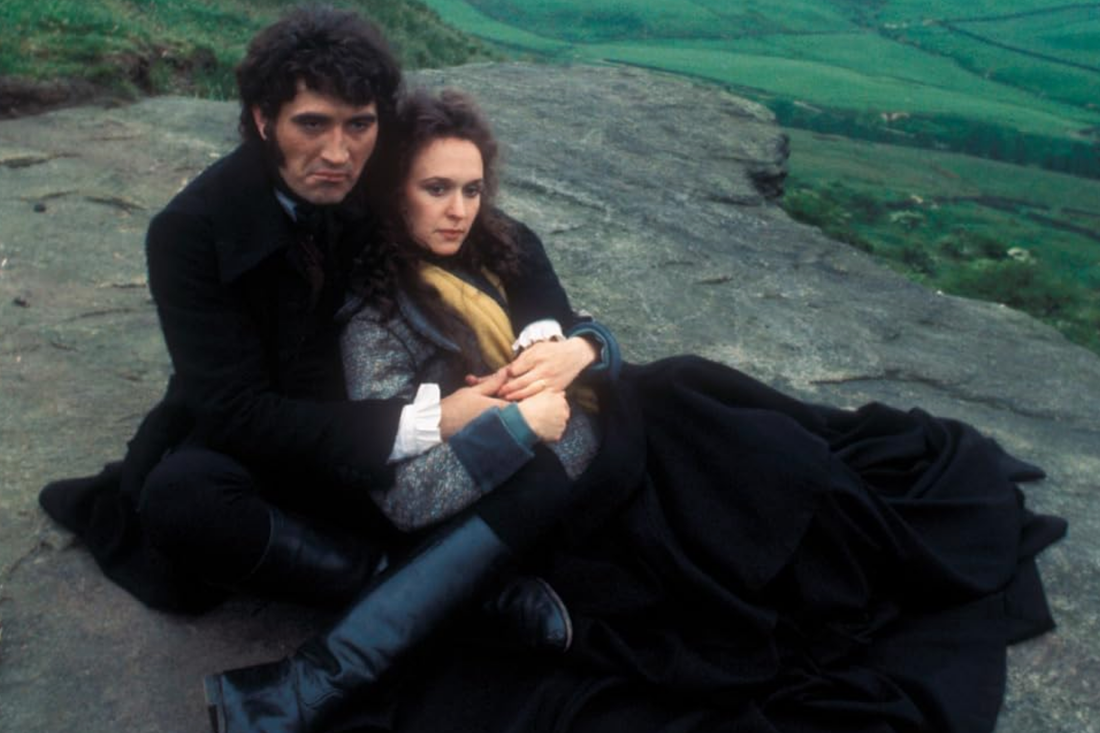
As a long-time fan of the novel, I have to say this BBC miniseries is probably the most true to the book I’ve ever seen. Spread across five hours, it really takes the time to bring the story to life, mixing studio sets with actual outdoor locations. And Kay Adshead as Catherine is just phenomenal! She portrays such intelligence and strength – it’s a far cry from the weak, helpless Catherine you often see. Her delivery of the famous ‘I am Heathcliff’ speech, with the firelight highlighting her face, is honestly the most powerful version I’ve ever witnessed. Considering the technology they had back then, director Peter Hammond did an amazing job. He used long shots cleverly, always finding new ways to frame the characters and add layers to the story. Ken Hutchison as Heathcliff is suitably brooding and intense, though maybe not the most unforgettable performance, it still fits the character well.
7. Wuthering Heights (2026; directed by Emerald Fennell)
Emerald Fennell’s visually stunning direction perfectly complements the passionate and dramatic story of Wuthering Heights. While others have focused on individual characters or intense performances, Fennell leans into the story’s inherent strangeness with bold and beautiful imagery. She’s also cast Jacob Elordi as an ideal Heathcliff – tall and striking, capable of being both seductive and threatening. The film offers a fresh take on Catherine, starting with a shocking scene of her enjoying a public execution, hinting at a hidden darkness present in the novel. Margot Robbie portrays Catherine with a strength and independence often missing from previous adaptations, making her tragic end even more impactful. This version of Wuthering Heights is the most explicitly sensual yet, and the director doesn’t shy away from the intense connection between the two leads. However, the film’s decision to remove the character of Hindley weakens the story’s exploration of injustice and Heathcliff’s motivations. This choice suggests that Heathcliff’s darkness stems from within himself, rather than from external circumstances.
6. Wuthering Heights (1967; directed by Peter Sasdy)
Ian McShane, a celebrated actor who experienced a career resurgence with roles in shows like Deadwood and John Wick, could have been the definitive Heathcliff. He perfectly embodies the character’s blend of mystery and empathy, capturing his pain, romantic side, and capacity for cruelty. McShane’s striking features also enhance the ambiguity surrounding Heathcliff’s background, making him convincingly different from the other characters. This BBC miniseries was the first full-length adaptation of Emily Brontë’s novel, and it’s a strong one. By unfolding the story linearly, it wisely delays Heathcliff’s descent into darkness, maximizing the emotional impact. What sets this adaptation apart is its recognition that tragedy affects all the characters – not just Heathcliff and Catherine, but Hindley, Edgar, Isabella, and everyone else. The series restores the humanity of each person involved. While generally well-acted, not everyone reaches McShane’s level; Angela Scoular as Catherine doesn’t quite match his intensity. Interestingly, though filmed and originally broadcast in color, only black-and-white copies of the series remain.
5. Emily Brontë’s Wuthering Heights (1992; directed by Peter Kosminsky)
It’s surprising to learn that Ralph Fiennes began his film career playing Heathcliff! He was already a respected stage actor, but this was a challenging role to start with. Fortunately, he’s fantastic, capturing the darkness and depth of the original novel. This adaptation is unique because it covers the entire story, showing us Heathcliff as the powerful, intimidating figure he becomes. Fiennes’ intense gaze and serious expression are perfectly suited to the character – qualities he’s become known for. Even when portraying a younger, more loving side of Heathcliff, a hint of that strength remains, layered with vulnerability. A particularly moving scene is when he confronts Catherine as she’s ill, telling her she’s destroyed her own heart – and his in the process. Though it’s an accusation, you can feel his own pain. This Heathcliff isn’t a helpless victim; we truly understand his motivations and feel sympathy for him. The chemistry between Fiennes and Juliette Binoche, who plays both Catherine characters, is also wonderful – this was their first time working together, and they later starred in the acclaimed films The English Patient and The Return. While Peter Kosminsky’s film wasn’t a hit when it came out, it’s surprisingly strong today, thanks to its beautiful settings and a stunning score by Ryuichi Sakamoto, who really makes the film special.
4. Dil Diya Dard Liya (1966; dir. Abdur Rashid Kardar and Dilip Kumar)
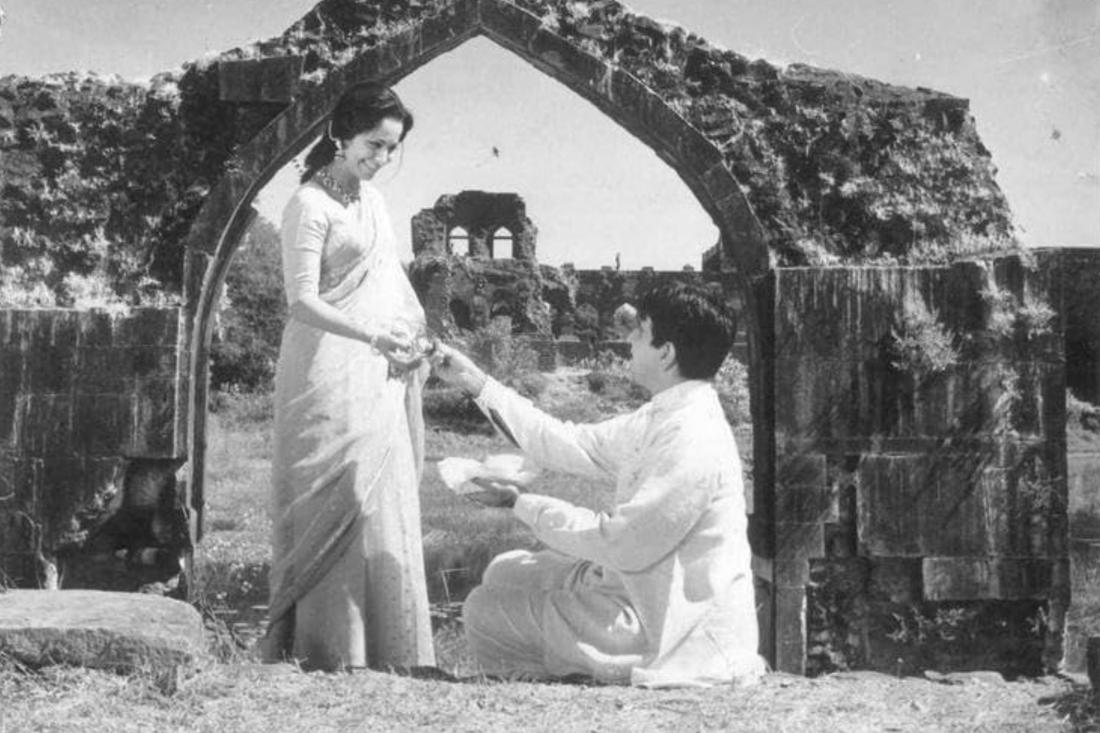
Dilip Kumar’s second attempt at playing Heathcliff came later in his career, and the resulting film, though initially seen as a letdown, is actually a vibrant and compelling adaptation. From its dramatic opening scene of a shipwreck to its rich, colorful sets and varied musical numbers, the film powerfully conveys the intense emotions of the story. The beautiful title song – essentially a promise of shared suffering – is particularly memorable. Like other Indian versions of Wuthering Heights, the plot takes inspiration from the novel rather than being a strict adaptation, focusing on themes of love, betrayal, and revenge. However, this version delves deeper into the characters’ motivations, explaining that Shankar’s (Heathcliff) intense love for Rupa stems from his loneliness. This feels like a natural explanation, yet it’s often missing in other adaptations. The story adds a twist: Shankar is revealed to be a prince, and uses his newfound status to orchestrate a complex revenge against Thakur Ramesh (the Hindley character) while rescuing Rupa from a loveless marriage arranged to save her family’s reputation. This is arguably the most visually stunning Hindi take on Wuthering Heights, and it also boasts the most captivating songs.
3. Wuthering Heights (2011; directed by Andrea Arnold)
Andrea Arnold’s adaptation of Wuthering Heights does something unique: it truly puts us inside Heathcliff’s head. While the casting of a non-white actor as Heathcliff is noteworthy – and supported by hints in Brontë’s novel about his origins – the film’s real achievement is its immersive perspective. Unlike other adaptations, Arnold uses a raw, handheld camera style to let us feel what it’s like to be Heathcliff and experience the world through his eyes. This creates an incredibly intimate and textured atmosphere, where characters live in a harsh, natural environment filled with animals and the elements. Both young Heathcliff (Solomon Glave) and adult Heathcliff (James Howson) are largely silent, and even Catherine (Shannon Beer and Kaya Scodelario) speaks with a detached quality – her famous rejection isn’t a misunderstanding, but a clear statement of her feelings. While this approach sacrifices some of the novel’s poetic language, it replaces it with a stark, visceral reality. Arnold’s film demonstrates how to breathe new life into a classic story while remaining true to its spirit.
2. Wuthering Heights (1939; directed by William Wyler)
William Wyler’s famous film version of Wuthering Heights isn’t the first. A British silent film from 1920, sadly now lost, was originally advertised as a dramatic tale of hatred. This is a stark contrast to the 1939 film’s marketing, which called it “the greatest love story ever told.” It’s interesting to imagine how different things would be if that earlier, darker version had become the classic. Many Wuthering Heights adaptations since then have largely followed Wyler’s hugely popular interpretation. Its success is understandable – the film emphasizes the romantic side of Heathcliff’s story, minimizing his harsher traits. While the script softens Heathcliff’s character, Laurence Olivier’s performance hints at the character’s complexity. Olivier may not perfectly capture Heathcliff’s wild youth, but he truly shines when Heathcliff returns as a sophisticated and ruthless man. Olivier conveys much of Heathcliff’s inner turmoil through his powerful and expressive eyes.
As a classic film lover, I have to say this version of Wuthering Heights is truly wonderful, even if it’s largely responsible for the novel being seen as just a passionate love story. William Wyler was a genius, and along with cinematographer Gregg Toland (who deservedly won an Oscar for his work here), they created a visually stunning film. They used depth of focus and shadows so effectively to really capture the emotional weight of the story. The bleakness of Wuthering Heights itself is a stark contrast to the cozy, inviting feel of Thrushcross Grange – it’s easy to see why Catherine, played brilliantly by Merle Oberon, would be drawn to that life. And the moors? They feel like something straight out of a suspenseful thriller – both beautiful and a little frightening. For me, this Wuthering Heights is a real treasure from Hollywood’s Golden Age, overflowing with elegance, atmosphere, and a captivating spirit.
1. Arashi ga Oka (1988; directed by Yoshishige Yoshida)
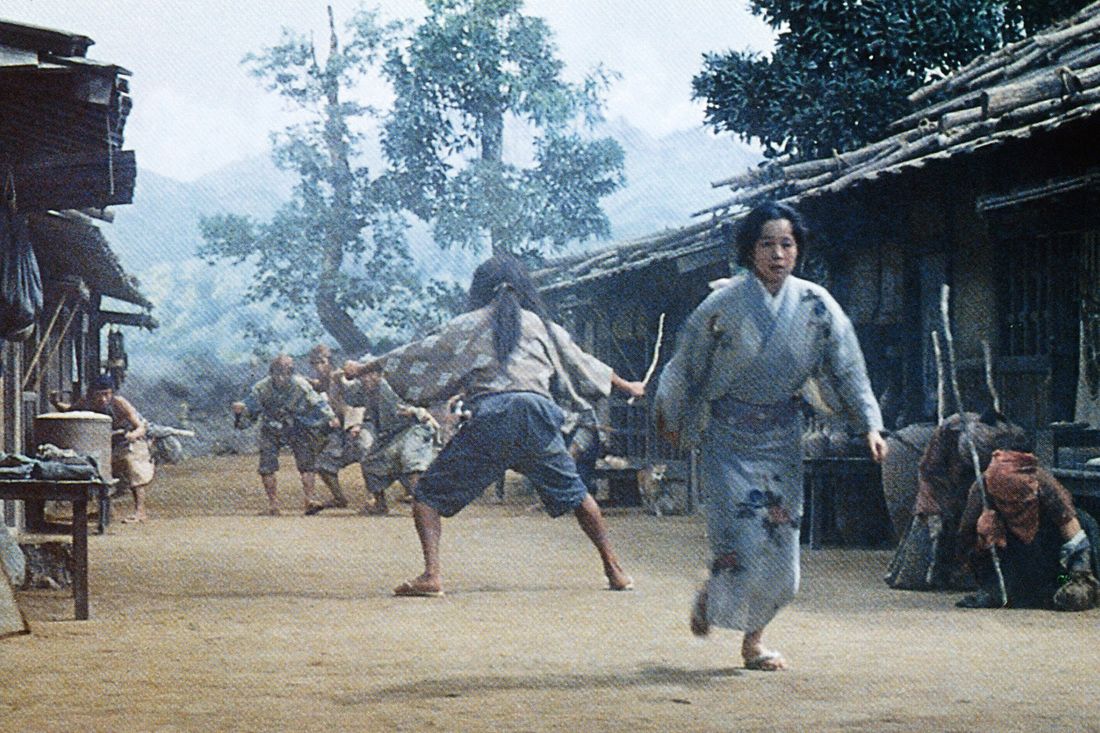
If you’ve always felt Heathcliff got away with too much in Wuthering Heights, this film is for you. Director Yoshishige Yoshida takes Brontë’s story and sets it in medieval Japan, turning it into a dark, almost supernatural horror. Instead of families fighting over social status, they’re battling for control of a sacred volcanic mountain, and their shifting alliances are less about preserving their place in society and more about gaining power through ritual. Yoshida, inspired by the philosopher Georges Bataille, fully embraces the disturbing themes of Brontë’s work – the connection between love, destruction, and the meaninglessness of life. The result is a visually stunning and intensely symbolic reimagining of the story. The film’s bleak, otherworldly landscape, beautifully designed by Yoshirô Muraki (known for Ran, Kagemusha, and Throne of Blood), feels completely unreal. And this version of Heathcliff, renamed Onimaru (“demoniac”), is a true monster. While the film follows the basic plot of the original, it pushes the boundaries to shocking levels. Onimaru doesn’t just exhume the body of his beloved Kinu; he brings her skeleton home and keeps it locked away. When Kinu claims to be Heathcliff, it’s not a romantic declaration, but a sign of demonic possession. He doesn’t just torment Kinu’s daughter (who may be his child); he attempts to assault her. And the ending isn’t a peaceful reunion in the afterlife; instead, we see Onimaru as a lone figure dragging a coffin across a desolate, ash-covered mountain.
Read More
- United Airlines can now kick passengers off flights and ban them for not using headphones
- Katanire’s Yae Miko Cosplay: Genshin Impact Masterpiece
- How to Complete Bloom of Tranquility Challenge in Infinity Nikki
- All Itzaland Animal Locations in Infinity Nikki
- How to Get to the Undercoast in Esoteric Ebb
- Gold Rate Forecast
- A Dark Scream Theory Rewrites the Only Movie to Break the 2-Killer Rule
- All Golden Ball Locations in Yakuza Kiwami 3 & Dark Ties
- Fire Force Season 3 Part 2 Episode 24 Release Date, Time, Where to Watch
- Australia’s New Crypto Law: Can They Really Catch the Bad Guys? 😂
2026-02-16 19:04