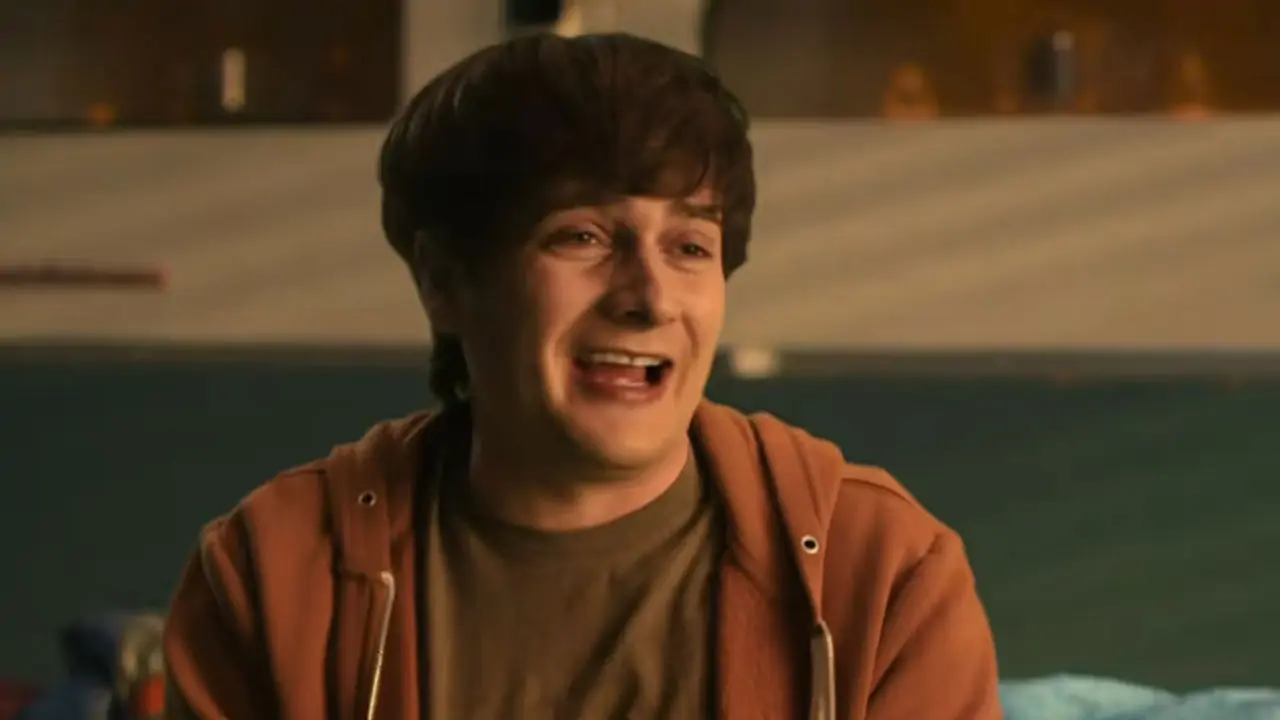
Saturday Night Live recently created a sketch that resonated with viewers – something they haven’t done consistently in a long time. However, as often happens online, the sketch also sparked a lot of controversy and negative reactions.
On the January 17th episode of Saturday Night Live, a sketch poked fun at the popular Netflix series Stranger Things, particularly its controversial ending. Hosted by Finn Wolfhard, the sketch imagined Netflix making countless sequels, spin-offs, and prequels simply because the show was so popular.
In other words, it was parodying something painfully familiar to modern audiences.
A Sketch That Understood the Assignment
The idea was straightforward but clever: Netflix was maximizing profits from Stranger Things by creating new projects that put familiar characters in wildly different and often silly situations. For example, Steve becomes a teacher in the city, Nancy investigates real crime, and Mike moves to New York for a pretentious, talkative lifestyle. They even made a spin-off focusing on Ted Wheeler, telling the whole story again from the perspective of the dad who was there but didn’t really matter.
It’s sharp, self-aware humor — the kind that used to be SNL’s bread and butter.
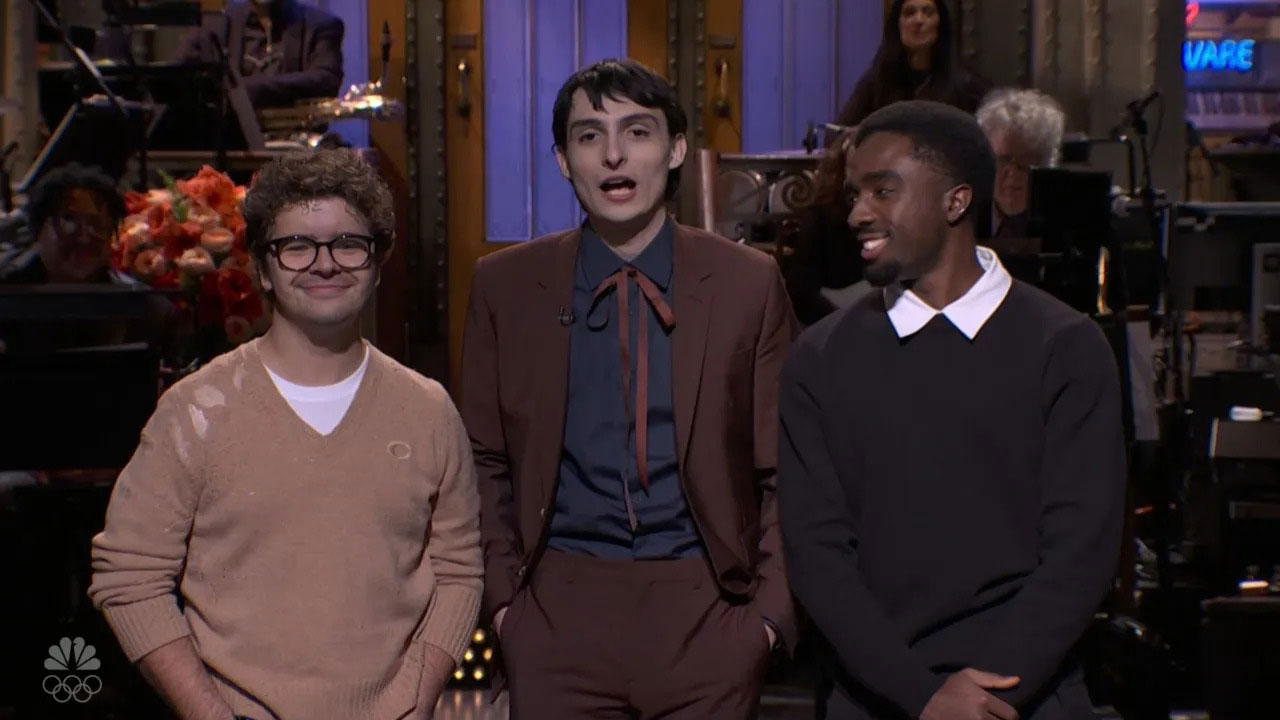
The sketch cleverly joked about how Netflix operates today, specifically its tendency to create endless content and rely on data to decide what stories to tell. This resonated with many viewers who are tired of having so much to sift through on the streaming service and found the humor relatable.
The Will Byers Segment That Lit the Fuse
The show moved from being amusing to sparking debate with a lengthy parody of Will Byers’ coming-out scene in the Stranger Things finale. Instead of using the original actor, Jeremy Culhane played Will on SNL, repeating the scene in an over-the-top, self-aware way that made it feel like it would never conclude.
I just watched the latest Saturday Night Live episode, and I was really disappointed by their sketch about Will coming out. It wasn’t funny or respectful at all. It was especially upsetting that the other three actors who play his friends were there, but Noah Schnapp wasn’t included. I think SNL should apologize to both Noah and to the character of Will Byers.
— LilySnape💙💛❤️🩹 (@lilysnape2000) January 18, 2026
The reason Will isn’t in any of the new shows is because his heartfelt speech is still going on!
This directly addresses a frequent complaint about the ending: the scene went on for too long, didn’t fit the overall mood, and was defended by some even though many viewers disliked it.
It’s incredibly inappropriate that Saturday Night Live made jokes about the personal lives of the Stranger Things cast – how could Netflix allow that to happen?
Max and I had a very intense relationship at first, but after a couple of years, she became unresponsive and withdrawn, almost as if she’d fallen back into a coma.
— Stranger News (@StrangerNews11) January 18, 2026
Saturday Night Live didn’t make fun of Will himself, but rather how the scene was carried out. It’s not a detail that most online critics seemed to notice, though.
Backlash Was Always Inevitable
Almost immediately, social media users began accusing SNL of attacking or making fun of gay people. This happened even though the sketch criticized a specific plot point, not someone’s identity. People quickly demanded an apology, and screenshots of upset reactions spread online. Soon after, articles analyzing the situation started appearing.
And yet, scrolling further down revealed something else: plenty of viewers pushing back.
You want an apology issued to a fictional character, huh?
— Kent P. Brocklin (@kentbrocklin) January 18, 2026
A lot of people commented that parody naturally involves exaggeration, especially when it comes to flaws. Others pointed out that Stranger Things is incredibly popular, making it a natural choice for satire. Some even felt the SNL sketch was funnier and more truthful than the actual show finale it was making fun of.
That may sting, but it’s not an unreasonable take.
When Parody Hits Too Close to Home
This situation points to a larger problem in entertainment today: some creative choices are defended as untouchable, not because they’re good storytelling, but because people feel they should be off-limits. When comedy challenges these choices, the negative reaction isn’t usually about the joke being funny or not – it’s about people being uncomfortable with the idea of those choices being questioned.
During his recent appearance on Saturday Night Live, Finn Wolfhard made a playful joke about first learning about female anatomy while filming Stranger Things. The show then cleverly cut to a shot of the Demogorgon, creating a funny and unexpected moment.
WHO thought this was okay??
— Stranger News (@StrangerNews11) January 18, 2026
Saturday Night Live didn’t start the criticism of Stranger Things. They just highlighted what people were already saying, but in a very over-the-top and public way.
That’s what parody is supposed to do.
The Bigger Picture
The Stranger Things sketch on SNL worked so well because it really understood its audience. It cleverly poked fun at how much Netflix spends on things, pointed out what fans were annoyed about, and told jokes that everyone enjoyed, even those watching at home. The controversy that followed wasn’t a bad thing – it actually proved the sketch hit the mark.

No matter how people reacted – whether they enjoyed it, disliked it, or ignored it – Saturday Night Live showed a spark of its former humor and ability to connect with what’s happening in the culture.
And judging by the reaction, that might be what really upset people.
Read More
- United Airlines can now kick passengers off flights and ban them for not using headphones
- The Boys Season 5 Spoilers: Every Major Character Death If the Show Follows the Comics
- Solo Leveling’s New Manhwa Chapter Revives a Forgotten LGBTQ Story After 2 Years
- Grok’s ‘Ask’ feature no longer free as X moves it behind paywall
- How to Get to the Undercoast in Esoteric Ebb
- Mewgenics vinyl limited editions now available to pre-order
- Assassin’s Creed Shadows will get upgraded PSSR support on PS5 Pro with Title Update 1.1.9 launching April 7
- Invincible Season 4 Episode 6 Release Date, Time, Where to Watch
- Nintendo Officially Rewrites Princess Peach After 41 Years
- All Itzaland Animal Locations in Infinity Nikki
2026-01-19 18:59