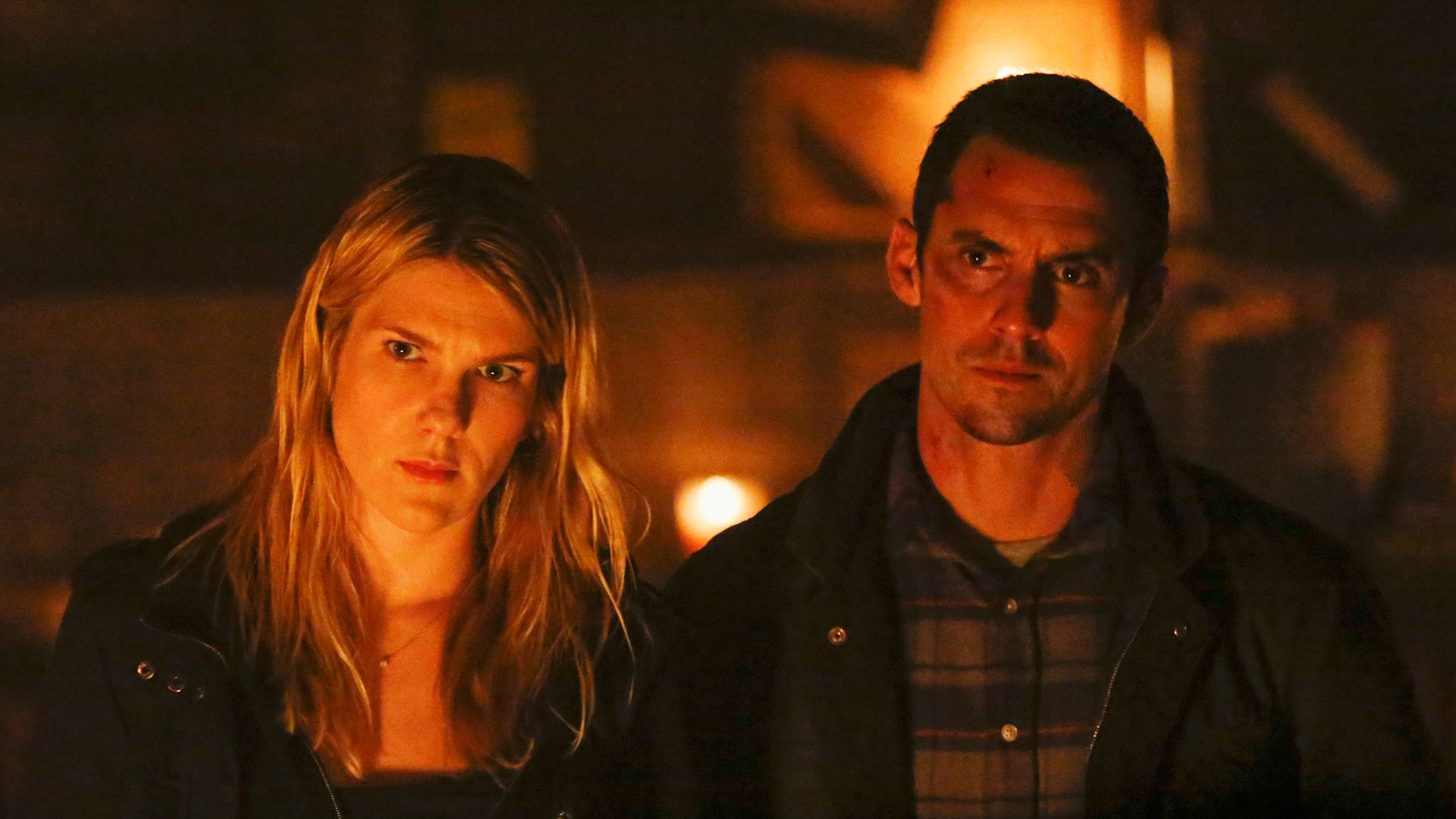
It’s hard to overstate the influence of Spielberg on modern science fiction. However, one of his more recent projects, The Whispers, hasn’t received much attention. This 2015 ABC show, which he produced, tapped into the paranoid style of sci-fi he helped make popular in the 80s. While presented as a ghost story, the series was actually based on Ray Bradbury’s Zero Hour.
The show had a promising idea and was created by well-known talent – a combination that typically attracts viewers on traditional TV. However, The Whispers launched at a difficult time, as more people were switching to streaming services. This shift in how people watched TV ultimately hurt the show, and looking back, it seems to have been one of the last of its kind – a traditional network show struggling to survive in a changing landscape.
Spielberg’s TV Sci-Fi Gamble That Didn’t Pay Off
He’s been a key creative force in film and television for decades, shaping how we see aliens and the future on screen. His involvement with the 2015 series The Whispers brought a distinctive style, reminiscent of his most famous projects, and captured a sense of childlike wonder that his fans will instantly recognize.
The show followed a familiar pattern: it launched with a season-long mystery and a well-known element to grab viewers’ attention and keep them coming back each week. This approach used to be a cost-effective way for networks to compete for ratings. The Whispers represented a point where procedural storytelling met a desire for higher-quality television, but this weekly episode format was gradually becoming outdated.
By 2015, more and more people were switching to streaming TV, and The Whispers debuted just as binge-watching became popular. However, unlike services like Netflix, watching this show required tuning in at a specific time each week – a commitment that proved difficult. Even with a strong idea, good source material, and an experienced producer, the show struggled because it didn’t fit the on-demand nature of streaming.
Back when streaming services were becoming popular, viewers got used to watching entire shows quickly. But The Whispers unfolded slowly, demanding patience from its audience – a contrast to the instant entertainment available elsewhere. This contributed to the decline of shows with moderate budgets. As viewers shifted to streaming, where they could watch at their own speed, ABC needed strong weekly ratings to continue the series. Ultimately, The Whispers suffered because of changing viewing habits and a fragmented audience.
The show’s brief run on television reveals more about how people are watching content now than about the show itself being good or bad. Even though it had potential, it faced a difficult situation. Unlike shows with established franchises, it didn’t have built-in popularity to rely on. It was up against the challenges of streaming services, high-quality TV becoming more common, and the need to build recognition from scratch. Had The Whispers aired in the late 1990s, it likely would have been successful.
The Whispers is a Relic of a Bygone Era
Steven Spielberg’s show, The Whispers, marked a turning point for television. It debuted during an unusual period for network TV, and though most people have forgotten it, it was a successful format for its time.
Today’s science fiction shows generally fall into two categories: massive, sprawling series designed for streaming platforms, or adaptations of well-known franchises. This change has limited creative risk-taking, and it’s become much more difficult to get truly original and ambitious ideas greenlit.
The Whispers is a show that represents a bygone era of television. Back then, networks were more willing to take risks on mid-budget series with creative ideas. It’s a significant show because it signals a turning point when networks began prioritizing safe, predictable programming.
Found an error? Send it so it can be corrected.
Read More
- United Airlines can now kick passengers off flights and ban them for not using headphones
- Crimson Desert: Disconnected Truth Puzzle Guide
- All 9 Coalition Heroes In Invincible Season 4 & Their Powers
- The Boys Season 5 Spoilers: Every Major Character Death If the Show Follows the Comics
- Mewgenics vinyl limited editions now available to pre-order
- Invincible Season 4 Episode 6 Release Date, Time, Where to Watch
- Assassin’s Creed Shadows will get upgraded PSSR support on PS5 Pro with Title Update 1.1.9 launching April 7
- Grok’s ‘Ask’ feature no longer free as X moves it behind paywall
- Grey’s Anatomy Season 23 Confirmed for 2026-2027 Broadcast Season
- Nintendo Officially Rewrites Princess Peach After 41 Years
2026-04-10 00:38