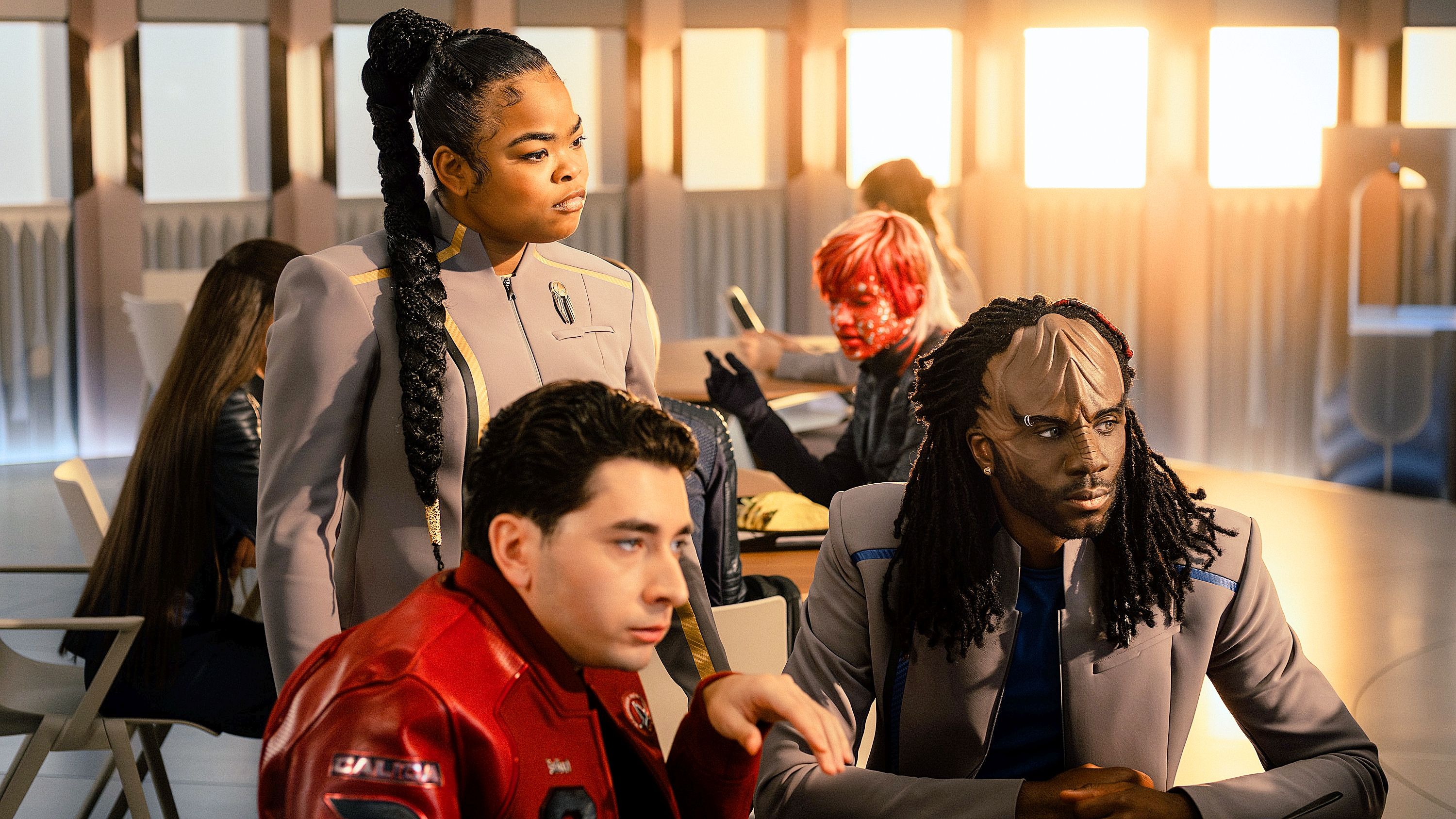
Since it first aired, the show has received some criticism from a small number of longtime fans who feel it’s geared too much towards younger audiences. Some negative comments about the cast’s diversity – including their backgrounds and appearances – are misguided, considering Star Trek‘s long-standing commitment to representing all kinds of people. However, there’s some validity to the criticism of the dialogue, especially among the students at Starfleet Academy. It sounds more contemporary than what’s usually heard in Star Trek.
The new series offers a fresh take on Star Trek, particularly through its young characters. These students are the first to attend Starfleet Academy in over a century, growing up in a galaxy where the Federation is strong and living up to its values. This means they’re not just learning to be starship officers – they’re discovering the true meaning of Starfleet itself, making them different from characters we’ve seen before. The show is designed to appeal to a new, younger audience, and it uses modern language to do so.
Star Trek Dialogue Was Treated Like Shakespeare to Create a Timeless Quality
He envisioned his science fiction show as a way to explore important social and political themes using symbolic stories. He believed networks would suppress direct commentary on sensitive topics, but by disguising his messages within stories about aliens, technology, and other genre elements, he could get his ideas across. He pictured a hopeful future free from prejudice, where people valued learning and weren’t fighting over religion or national borders. He also decided the highly skilled crew of the starship would communicate formally, steering clear of slang or casual language.
Patrick Stewart, in the book The Fifty-Year Mission by Mark A. Altman and Edward Gross, noted that people have often drawn parallels between Shakespeare and Star Trek, and with good reason. Both are grand in scale, feature heroic characters, and even employ a somewhat heightened, non-everyday style of language. This connection wasn’t just a general observation; it was also reflected within the content of a particular episode.
The show even includes a humorous moment where a Klingon commander boasts that a dramatic speech sounds better in the Klingon language. This attention to detail in dialogue is likely a key reason why, even after 60 years, new viewers can still enjoy Star Trek as a believable vision of the future. Beyond the writing, Star Trek was also groundbreaking in its commitment to diversity, featuring characters from a wide range of backgrounds and social groups in a way that hadn’t been done before.
Star Trek’s Main Mission to Bring in Audiences Was to Show People as They’ve Never Been Seen Before
What set Star Trek apart from other shows of its time was its commitment to diversity. The crew of the USS Enterprise included people from many different racial and ethnic backgrounds, and women were portrayed as professionals on equal footing with men. This representation was especially meaningful, as it allowed African Americans, like Dr. Martin Luther King Jr., to envision themselves in roles they hadn’t previously seen on television.
Nichelle Nichols, who played Uhura, was a role model for many performers, including those in later Star Trek shows. She also encouraged women and people of color to pursue careers in science, technology, engineering, and math – Mae Jemison, the first African American woman in space, was among those inspired. Whoopi Goldberg was a strong advocate for landing the role of Guinan in Star Trek: The Next Generation, which helped establish the show’s importance. More recently, Sonequa Martin-Green, the star of Star Trek: Discovery, credited Whoopi with inspiring her career. This legacy of inspiration continues to this day.
It’s natural that Star Trek episodes reflect the perspectives of the time they were written, meaning they aren’t always perfect. However, even in the 1960s, the show highlighted the value of diversity – embracing all kinds of differences. While the episode that first explored this idea had some issues, its core message was remarkably insightful and forward-thinking. Now that the world is beginning to understand what Star Trek envisioned, Starfleet Academy needs to update how it approaches inclusivity and representation.
Starfleet Academy Continues This Trend by Making Its Representation Feel More Current for Young Audiences
As a long-time Trek fan, I’ve been thinking about the show’s approach to storytelling, even way up in the 32nd Century! It’s great how it’s forging its own path, but I also think these nods to the original series can really spark interest in older fans and draw in new ones. Some people complain that the way the cadets talk feels like a forced attempt to appeal to younger audiences, like it’s abandoning Gene Roddenberry’s vision. But I see it differently. I think using more modern language is a deliberate choice to make the characters feel relatable and accessible, not a cheap trick.
As a longtime movie and TV critic, I’ve always appreciated Star Trek‘s pioneering efforts, but let’s be honest, it held the flag for on-screen diversity for a surprisingly long time. Thankfully, things have changed. Today’s audiences, especially younger viewers, expect to see themselves reflected in the stories they watch – something Star Trek helped pave the way for. And now, Starfleet Academy is really leaning into that, showcasing a diverse group of cadets. What’s interesting is the show isn’t just focusing on gender or race; it’s about a broader, more nuanced kind of representation.
It’s true that using current language and slang might eventually make Starfleet Academy feel outdated, as language always evolves. However, the goal right now is to create characters that resonate with today’s diverse young audience. These cadets talk and behave like people kids recognize, and as the show progresses, they’ll naturally mature into the more thoughtful and determined characters seen in other Star Trek series.
New episodes of Star Trek: Starfleet Academy are released on Thursdays on Paramount+, where you can also find all the other Star Trek shows and films.
Found an error? Send it so it can be corrected.
Read More
- United Airlines can now kick passengers off flights and ban them for not using headphones
- Crimson Desert: Disconnected Truth Puzzle Guide
- How to Get to the Undercoast in Esoteric Ebb
- All Golden Ball Locations in Yakuza Kiwami 3 & Dark Ties
- All 9 Coalition Heroes In Invincible Season 4 & Their Powers
- Katanire’s Yae Miko Cosplay: Genshin Impact Masterpiece
- All Itzaland Animal Locations in Infinity Nikki
- Warframe Voruna Prime access begins on April 8 for all platforms, new deluxe cosmetic Warframe skins revealed
- HBO’s Harry Potter Is Already Breaking My Heart
- Zendaya’s 4 Big 2026 Movies Could Beat Brie Larson’s Box 2019 Office Record
2026-02-20 14:07