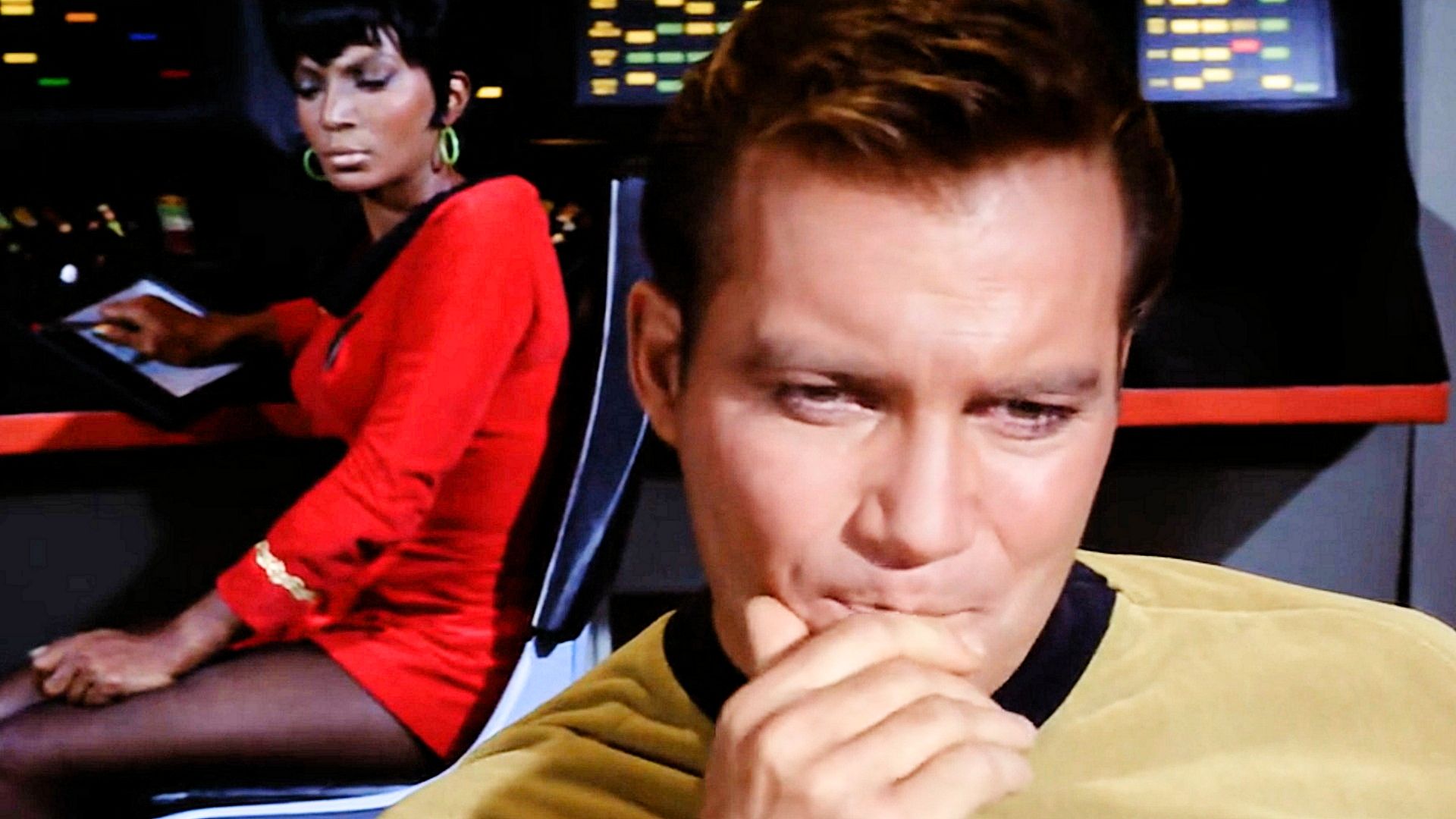
Even though it originally aired in 1966, Star Trek: The Original Series still resonates today, with numerous spin-offs and films continuing its legacy. What began as a modest, fan-favorite show quickly proved its brilliance, particularly with the Season 1 episode, “Balance of Terror.” This first encounter with the Romulans demonstrated how the show could achieve greatness despite limitations in special effects and budget, thanks to its compelling stories and ideas.
After facing censorship for a racially-charged episode of his earlier show, The Lieutenant, Gene Roddenberry conceived of Star Trek. He discovered that science fiction allowed him to explore difficult topics—like prejudice and war—without immediately raising objections from network executives. While Star Trek is full of examples of this approach, the Season 1 episode “Balance of Terror” is particularly noteworthy. It powerfully addresses war, empathy, and directly confronts racial prejudice—a first for the series. Beyond its important themes, it’s also a gripping story that feels both epic and intensely personal.
Making ‘Balance of Terror’ Was Supposed to Save Money, It Didn’t, But Became a Hit
The inspiration for the “Balance of Terror” episode came from writer Paul Schneider, who was a fan of submarine war films like The Enemy Below and Run Silent, Run Deep (the latter directed by Robert Wise). The episode mirrored the tense combat of those movies, featuring the USS Enterprise pursuing a Romulan ship that had attacked Federation stations. To create a similar sense of hidden threat, the writers introduced the concept of a cloaking device – an idea that also helped reduce production costs.
According to Marc Cushman and Susan Osborn’s book, These Are the Voyages – TOS Season 1, writer Paul Schneider loved the concept for a new enemy so much he revised the “Balance of Terror” script twice without pay. The idea stemmed from imagining a Roman Empire-like civilization in space, focused on military dominance. The story also established that Earth had been at war, but its opponents remained unseen. A clever dramatic touch was that these enemies resembled Vulcans, and their helmets were partially a cost-saving measure, minimizing the need for prosthetic ears like Spock’s.
You know, the people making the show quickly figured out this episode was going to be something really special. They decided to go all out, adding amazing visual effects, brand new costumes, and even building new sets for both the Enterprise and the Romulan ship! It took four months of work after filming, and according to the book These Are the Voyages, it ended up costing $263,150 – way more than they usually spent on an episode. But honestly, it was worth every penny! It became one of the most popular Star Trek episodes ever, both when it first aired and when they showed it again during the first season. Even people like Robert Justman, Dorothy Fontana, and Gene Roddenberry loved it! Plus, it kicked off a really cool, long-lasting storyline that continued as the Star Trek universe grew.
Why Star Trek: The Original Series’ First Romulan Episode Was So Important
The episode “Balance of Terror” marks the first introduction of the Romulans to Star Trek viewers. During a pursuit of a Romulan ship, the USS Enterprise intercepts their communications, revealing that the Romulans physically resemble Vulcans. (The Romulan commander was portrayed by Mark Lenard, who later became famous for playing Spock’s father, Sarek, in Star Trek: The Original Series, Star Trek: The Next Generation, and the Star Trek films.) Spock explains to Captain Kirk that Vulcans were once a violent people, even compared to the standards of Earth.
This episode briefly mentions a historical conflict. During a crew briefing, Spock explains that a war between Earth and the Romulans happened a hundred years prior, fought with early atomic weapons and spaceships. This war led to the creation of the Romulan Neutral Zone and ushered in a long period of peace between the Federation and the Romulan Star Empire.
It’s important to remember that at this stage in Star Trek‘s creation, the show initially presented a conflict only between humans and the Romulans. However, this didn’t stop writers like Fontana and Gene L. Coon from later developing the idea of a more diverse, multi-species Federation. Even then, Starfleet was always intended to be an organization focused on peaceful exploration.
Also, ‘Balance of Terror’ Introduced Key Progressive Elements Into Star Trek: TOS
Beyond building the foundation for this sci-fi world, the episode “Balance of Terror” quietly tackled issues of racism and sexism common in the 1960s through its diverse crew aboard the USS Enterprise – featuring both men and women in charge. It did this without directly mentioning those problems. The episode used the Romulans – who physically resembled Vulcans – as a metaphor for prejudice, as the crew’s lingering resentment from a past war led to distrust of Spock. An officer who voiced these feelings was reprimanded by Captain Kirk, and later rescued by Spock in a memorable scene – the only time that particular set was ever used.
While allegorical storytelling wasn’t new, this episode marked a notable instance of it on television, building on themes found in contemporary short stories and novels. The main emotional struggle centers on Captain Kirk, who worries his pursuit of the Romulans is actually fueling conflict rather than preventing it. When his crew disables the Romulan ship, Kirk demonstrates the core Star Trek principles of empathy and mercy. Instead of destroying the remaining crew, he offers help and rescue, but the Romulans decline, choosing to self-destruct their vessel.
The Episode Proved Star Trek Was Something Special, and Its Legacy Lives on Today
Although the Romulans became major players in the later seasons of Star Trek after the original series, the episode “Balance of Terror” remains significant. The first season finale of Strange New Worlds largely retold the story with Captain Pike in charge, highlighting his efforts to avoid a disastrous war with the Romulans. His actions, and his hesitation about using force, established Starfleet’s role as a defensive force for the Federation—one that doesn’t pursue conflict, but will fight to protect the galaxy from widespread destruction.
During the years of The Next Generation, these enemies kept causing trouble for the Federation. Notably, the last part of Spock’s story focused on him trying to share Vulcan logic and beliefs with their more aggressive relatives. In a two-part TNG episode, Spock secretly visited their home planet, and he, Picard, and Data worked together to stop a Romulan attack that could have started a war.
The 2009 Star Trek film brought back Spock, but it also unintentionally led to the destruction of Romulus, the Romulan home planet. This event created a new, alternate timeline. While it was enjoyable to see Spock again, it meant his attempt to prevent the planet’s destruction ultimately failed. Fortunately, the show later moved to the 32nd century, where Vulcans and Romulans were living peacefully together and had even joined the Federation. This completed the transition of all the original Star Trek enemies into allies.
I’ve always loved how Gene Roddenberry envisioned the future with Star Trek. To him, boldly going where no one had gone before – discovering new worlds and protecting life – was the most important thing humanity could do. And it wasn’t just about adventure; it was about peace. He really believed the ultimate victory wasn’t defeating your enemies, but turning them into allies. That’s why he did things like putting a Klingon – the classic Star Trek bad guy – right on the bridge of the Enterprise. It built on what we saw Captain Kirk attempt in ‘Balance of Terror’ and Captain Pike try in ‘A Quality of Mercy’ – showing that Starfleet would fight if it had to, but true success came from understanding and, eventually, friendship.
You can watch all episodes of the original Star Trek series on DVD, Blu-ray, and digitally. It’s also available for streaming on Paramount+ and PlutoTV.
Read More
- United Airlines can now kick passengers off flights and ban them for not using headphones
- Crimson Desert: Disconnected Truth Puzzle Guide
- All 9 Coalition Heroes In Invincible Season 4 & Their Powers
- Mewgenics vinyl limited editions now available to pre-order
- Grey’s Anatomy Season 23 Confirmed for 2026-2027 Broadcast Season
- Assassin’s Creed Shadows will get upgraded PSSR support on PS5 Pro with Title Update 1.1.9 launching April 7
- Viral Letterboxd keychain lets cinephiles show off their favorite movies on the go
- Does Mark survive Invincible vs Conquest 2? Comics reveal fate after S4E5
- How to Get to the Undercoast in Esoteric Ebb
- The Original Resident Evil is Finally Available on Steam
2026-01-14 07:39