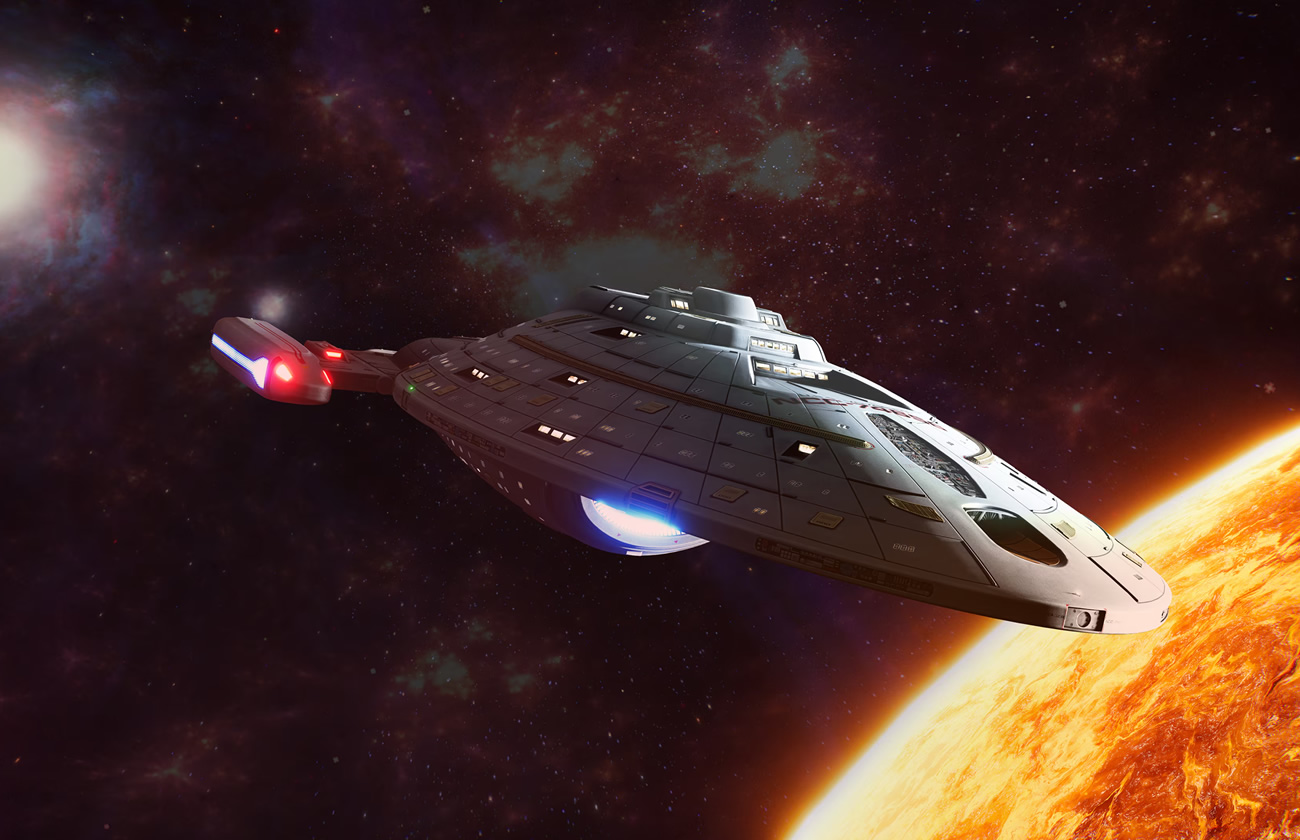
The Steam page lists Star Trek: Voyager – Across the Unknown as a strategy game, which fits how the game is played. However, after spending around thirty hours with it, I’ve found it also has strong role-playing elements that fans of our site will probably enjoy.
Across the Unknown is a smart video game adaptation of the classic TV show Star Trek: Voyager. It understands what made the show special – a spaceship lost far from home on a decades-long trek – and uses that premise to create an exciting and imaginative gaming experience.
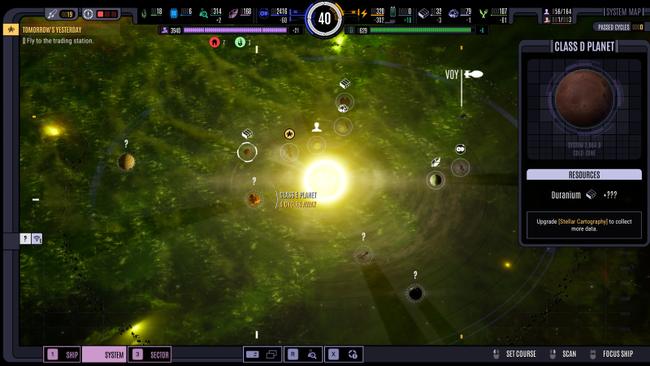
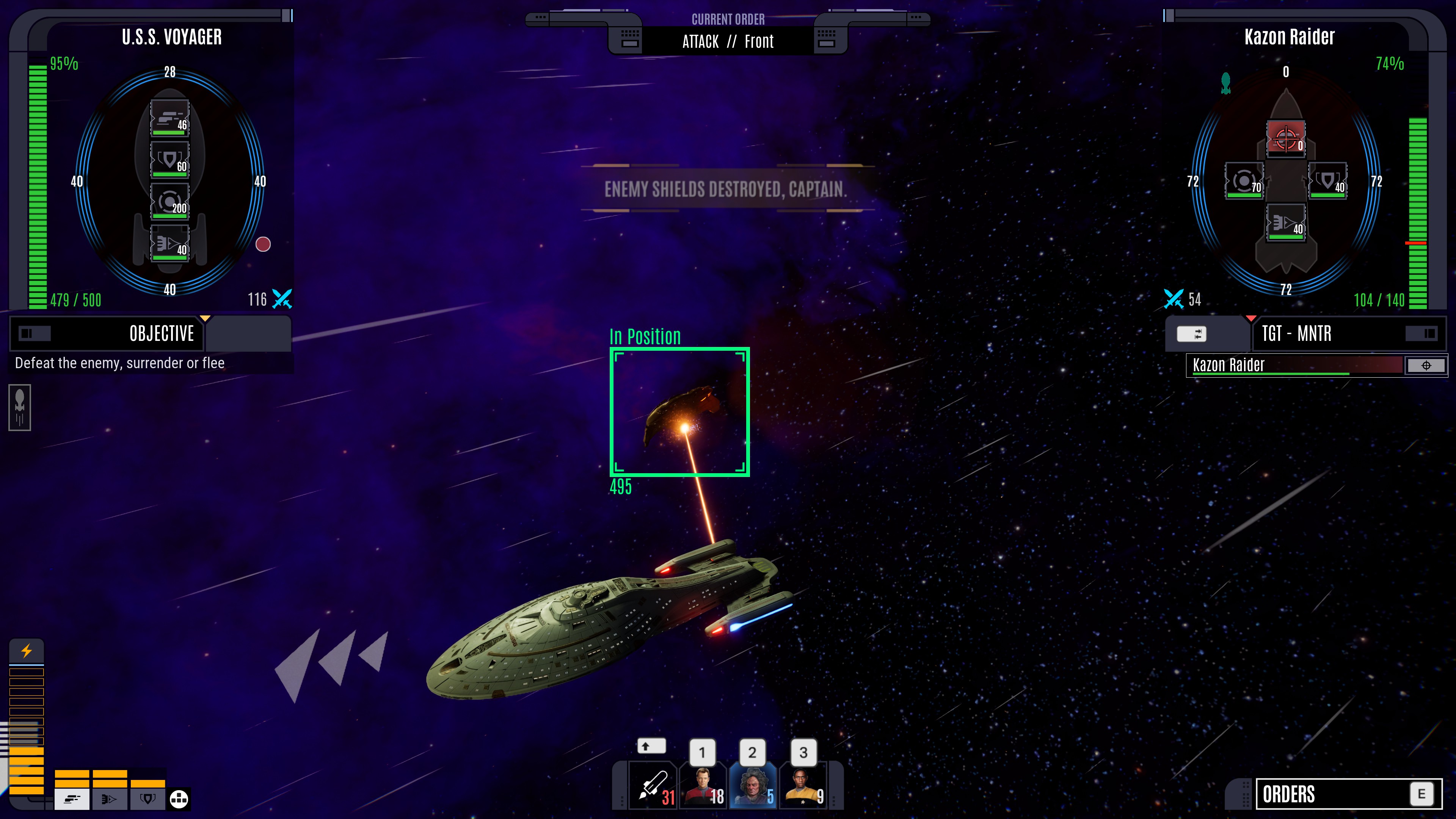
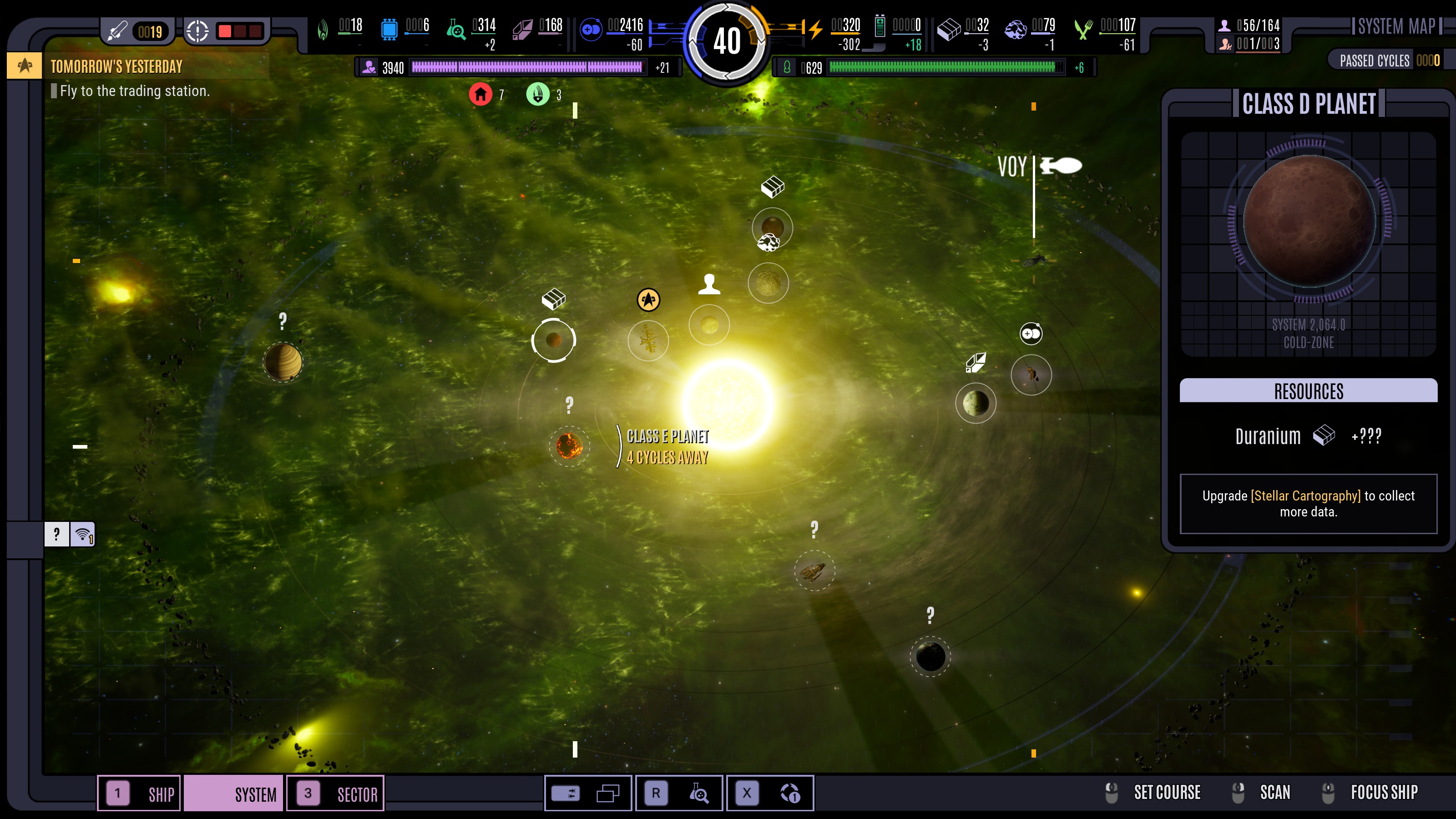
The game is a unique blend of different elements. It features spaceship management and combat similar to the excellent indie game FTL, which feels perfectly suited to the Star Trek universe. Beyond that, it adds base building inspired by XCOM, a galaxy map for finding resources like in Mass Effect 2 and 3, and text-based adventure missions with skill checks similar to Dungeons & Dragons. It also includes a story told like a visual novel, with choices that really matter – something we particularly enjoy. Overall, it combines everything we’re looking for in a game.
Across the Unknown doesn’t offer anything particularly new, but it’s a well-made game that successfully combines familiar elements with a charming and well-known franchise. And that’s perfectly okay! We don’t always need groundbreaking innovation – sometimes a solid, high-quality game with a lot of heart is exactly what we want. I was instantly captivated by it.
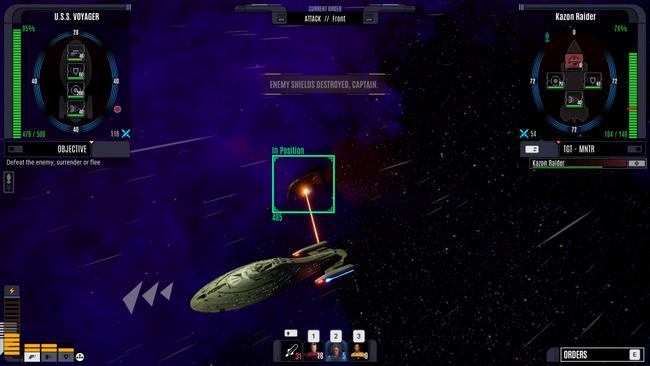
What’s really smart about this is the way the TV show provides the basic structure. You’ll encounter the same characters and general storyline throughout the experience, but the details and how things unfold can change each time.
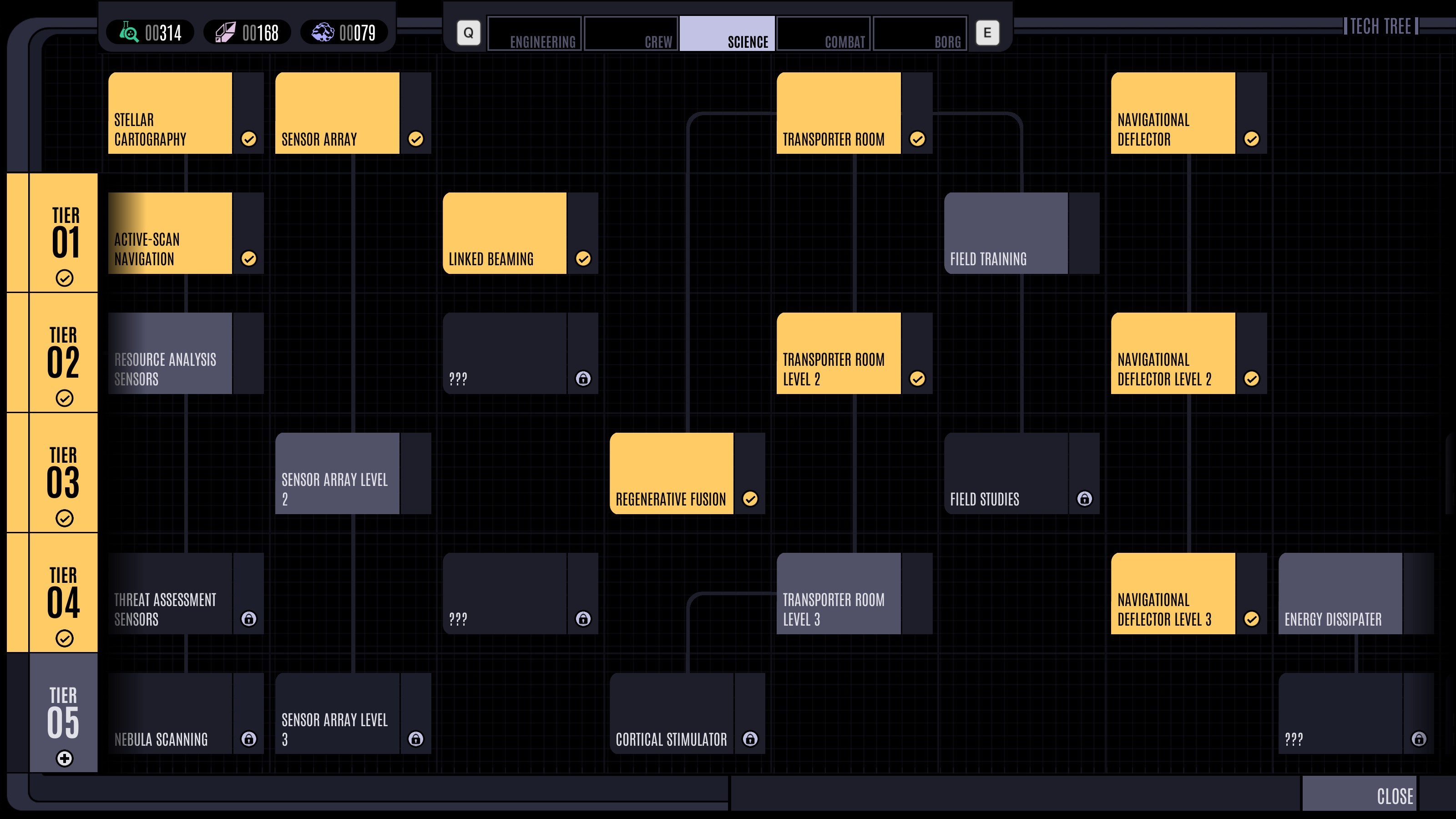
If you didn’t agree with a choice Captain Janeway made, you now have the power to make a different one. You can also change how you tackle missions, what strategies you use, how your ship is designed, and what you choose to research. These choices can give you access to tools and resources the crew didn’t have on the show. Maybe you can even save someone who couldn’t be saved in the original storyline, or build up your ship’s weapons so much that you can overcome challenges that seemed impossible before, forging a new path through the Delta Quadrant.
As you play, the consequences of your choices really start to add up. By the middle of the game, my ship and crew were completely different from what you see in the show. Characters who were supposed to be gone had been brought back and become strong members of my team. The more I changed things, the further I strayed from the show’s storyline. Interestingly, there’s an achievement for following the show’s path exactly and ending with the same crew, but I was heading in a totally different direction.
Whether you’re a longtime fan of the original series or completely new to Star Trek, this is incredibly engaging. At its core, Star Trek has always used its futuristic setting to explore real-world issues and offer thought-provoking commentary on society, making each episode a kind of moral lesson.
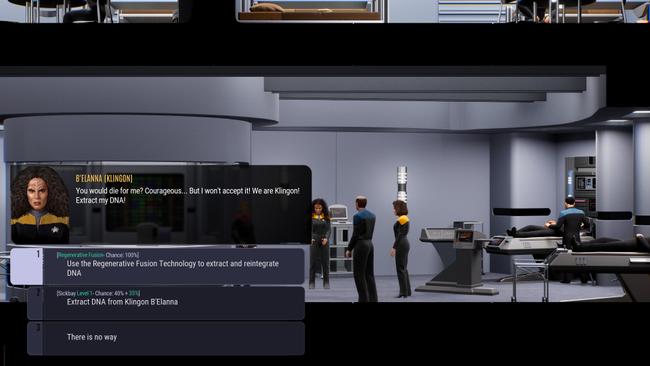
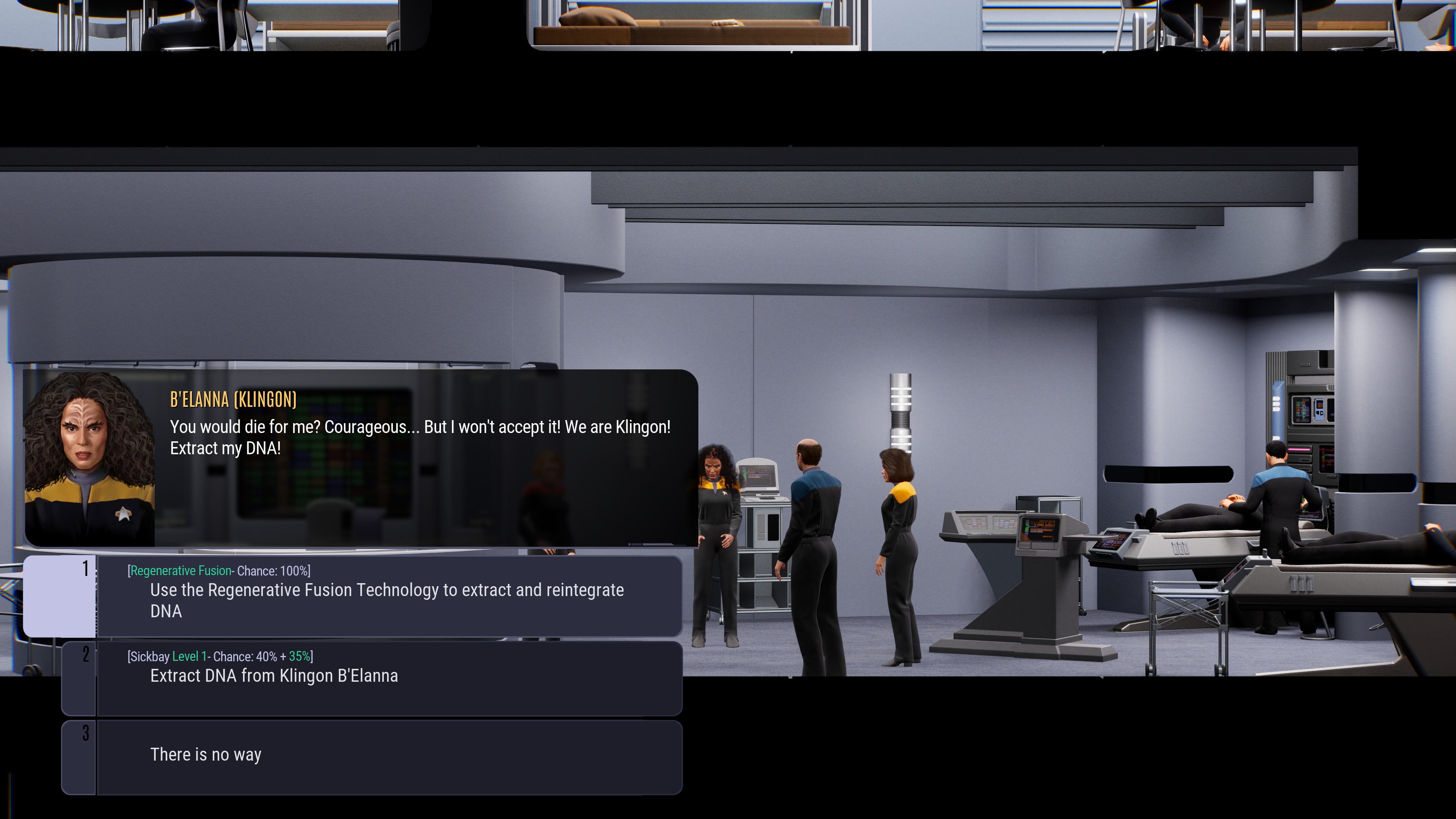
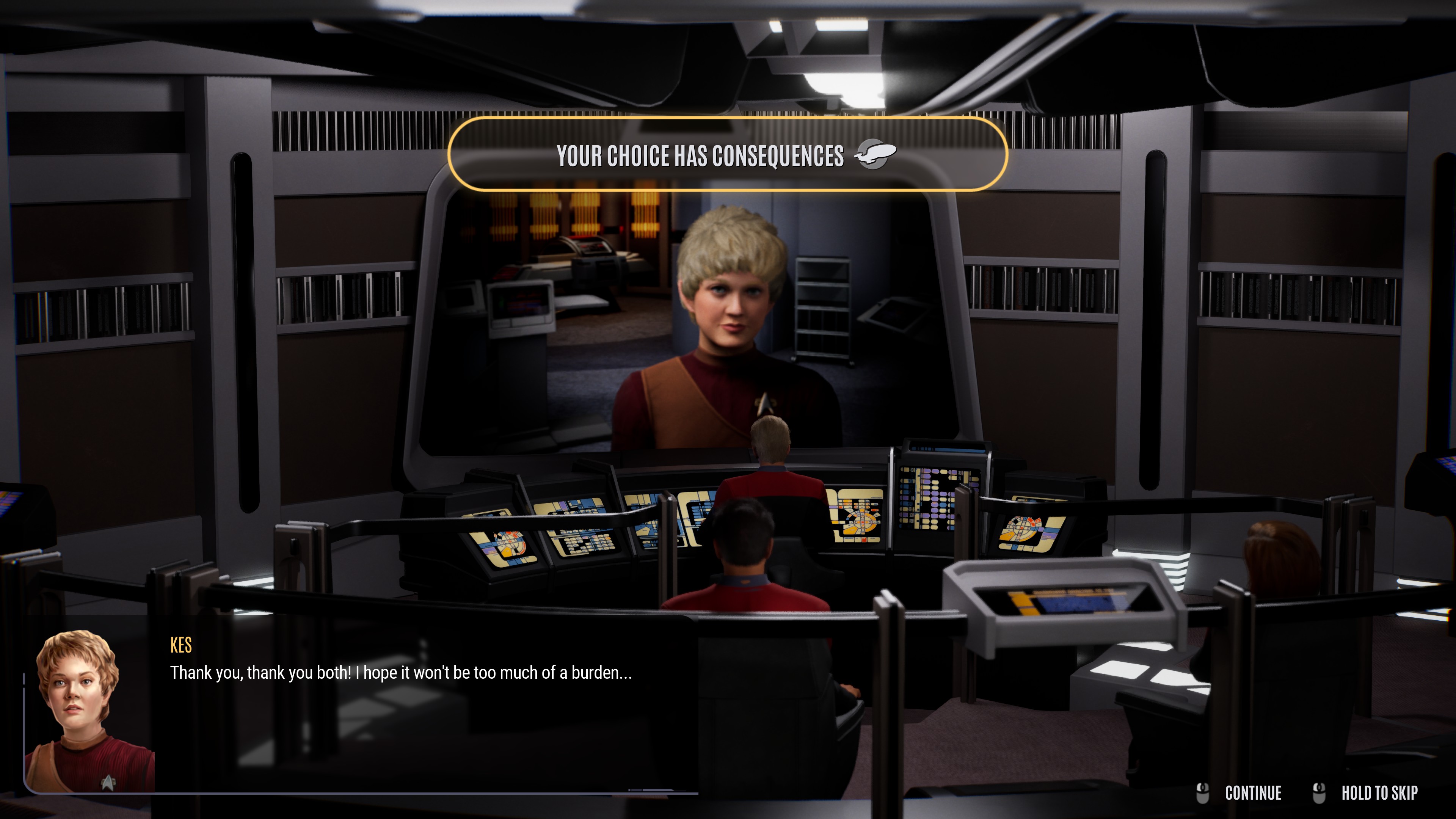
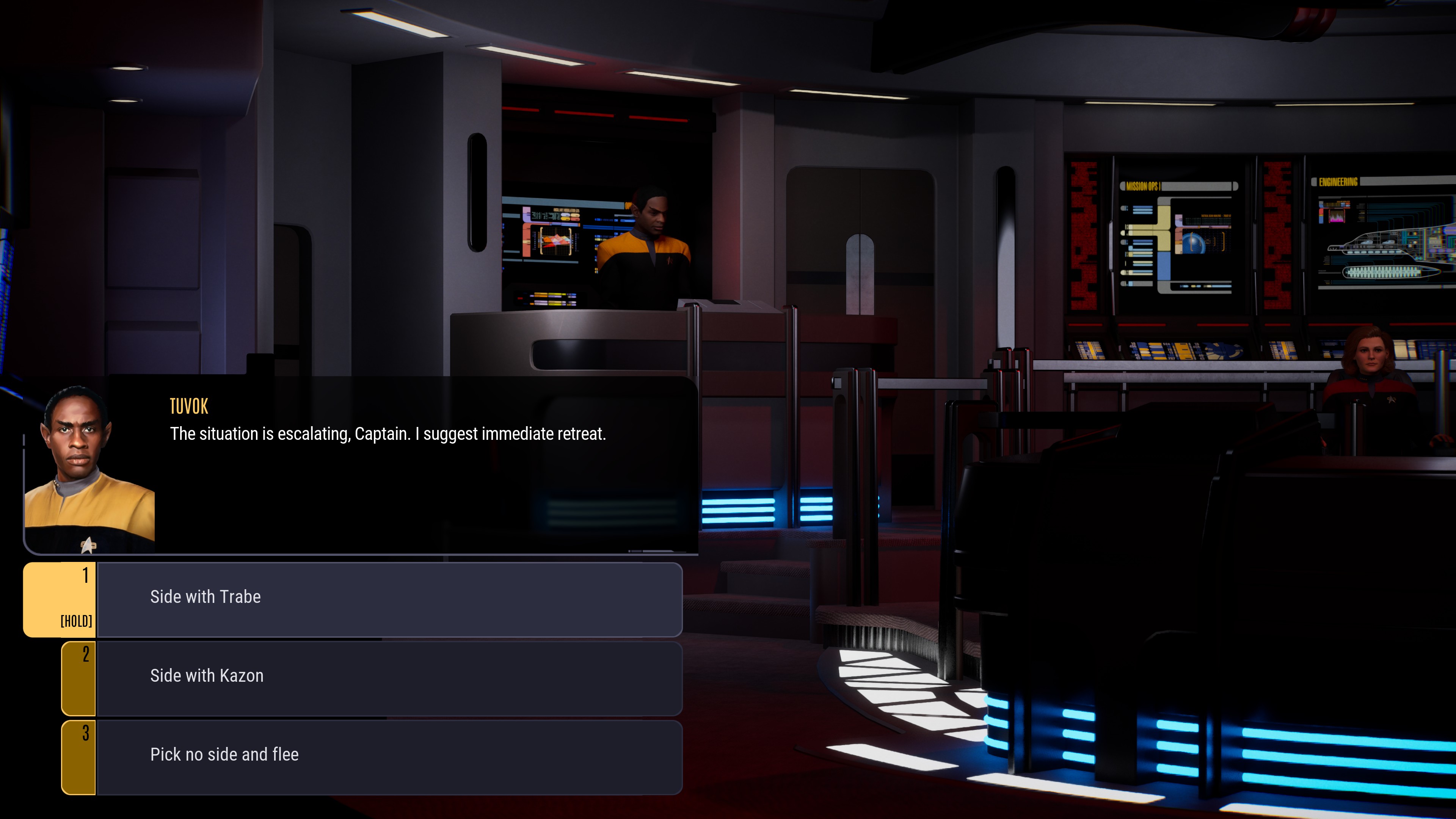
The game presents players with difficult moral choices, and that’s exactly what makes it compelling. You’ll often find yourself carefully considering options, feeling a little uneasy about the potential outcomes. And that’s a good thing! When you finally make a decision, the game emphasizes that your choices matter with a dramatic sound and a clear message: ‘YOUR CHOICE HAS CONSEQUENCES.’ You might be tempted to reload an earlier save, but the game doesn’t allow it – there’s no manual saving, and autosaves are permanent. And that makes the experience even more impactful.
You’ll need to handle both major crises and small details. Problems like a crew revolt are just as dangerous as a ship exploding, and running out of essential supplies like fuel or food can be just as devastating. It’s important to keep your crew happy by fulfilling their requests, and to carefully manage your ship’s power. Keeping everything running constantly will drain your resources quickly. Instead, smartly turning systems on and off when you need them will make things much easier, though it will require more of your attention.
A good example of this complexity is the game’s food system. Star Trek-style replicators can create food, but they use a lot of fuel. Players need to decide when to turn them off and rely on gathering food from planets instead. However, even ‘real’ food is limited, so skilled players will constantly switch between the two methods while exploring to make the most of their resources. It can feel like a lot of micromanagement, but it’s rewarding to get the hang of it.
When you send heroes on away missions, the characters you choose impact what you can do during the mission and how successful those actions will be. You’ll carefully select a team of three to explore ships or planets, and then cautiously decide what they attempt, hoping for a smooth encounter with lots of successes – or at least, no one getting hurt. Despite being presented with simple text and images, these missions are still exciting.
In many ways, Across the Unknown embodies a simple, budget-friendly approach to licensed games. It’s clear the game was made with limited resources and a small development team. For example, while a couple of the show’s actors provide voiceovers, it’s only for one scene per chapter – the rest of the story is delivered through text.
Compared to how the actors actually look, some of the character models are a little off – almost like something went wrong during teleportation, even though the developers had over 125 hours of the original TV show to work from. Honestly, though, it doesn’t bother me much. The game’s overall design is so strong that these minor details are easily overlooked. It’s a game filled with genuine care, emotion, and a clear love for the show and the games that influenced it. I really enjoy it.
Like XCOM, this game really satisfies my desire for role-playing. Your decisions here have a real impact, determining the fate of the ship, not just what characters say. It’s so good, we could easily review it, but for now, we’re just giving it a strong recommendation.
Read More
- United Airlines can now kick passengers off flights and ban them for not using headphones
- Crimson Desert: Disconnected Truth Puzzle Guide
- All 9 Coalition Heroes In Invincible Season 4 & Their Powers
- How to Get to the Undercoast in Esoteric Ebb
- Mewgenics vinyl limited editions now available to pre-order
- Warframe Voruna Prime access begins on April 8 for all platforms, new deluxe cosmetic Warframe skins revealed
- All Itzaland Animal Locations in Infinity Nikki
- All Golden Ball Locations in Yakuza Kiwami 3 & Dark Ties
- Dakota County’s plan to end hunger involves locking mayors in escape rooms
- Katanire’s Yae Miko Cosplay: Genshin Impact Masterpiece
2026-02-22 14:27