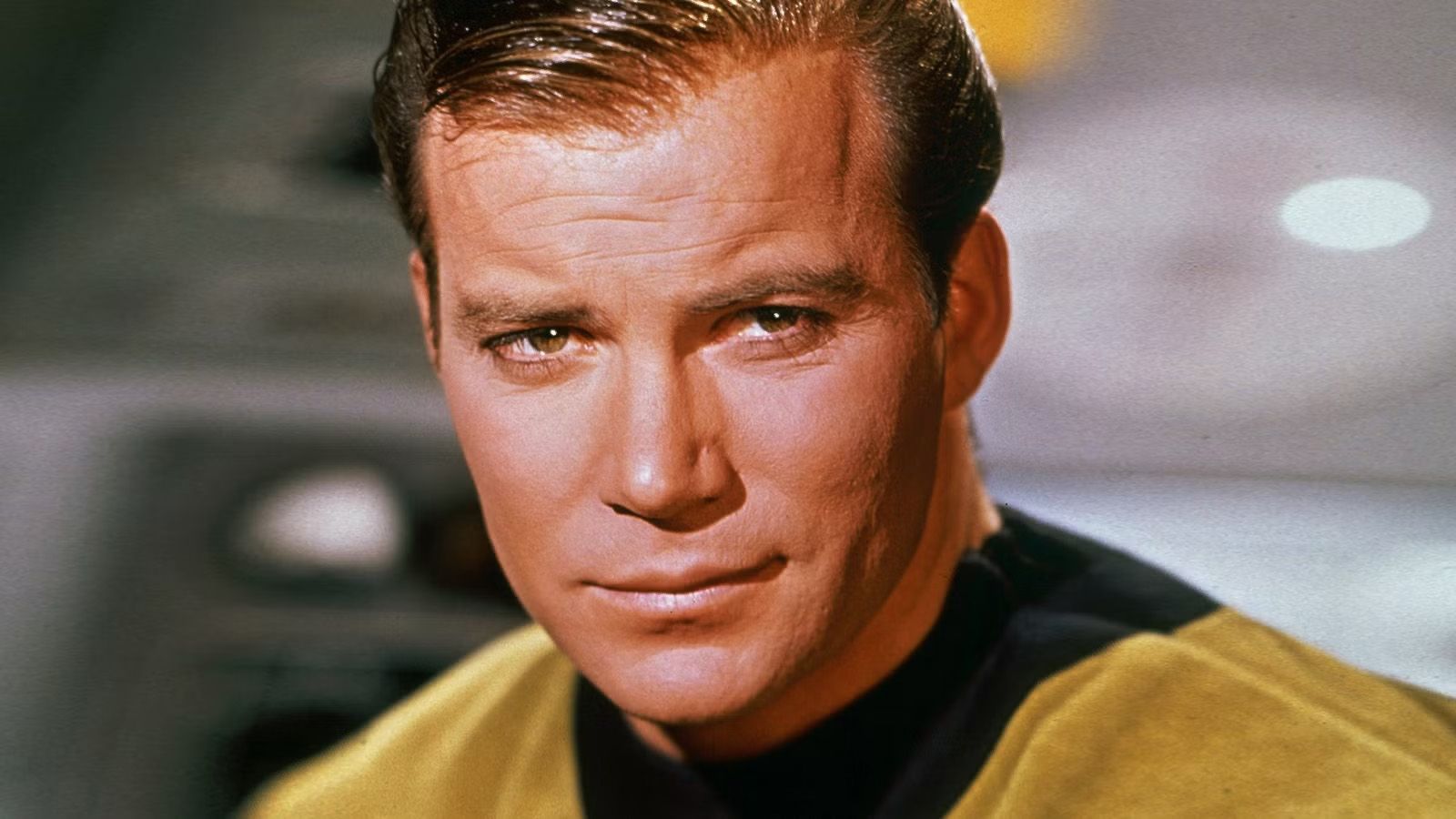
This show revolutionized science fiction on TV, boldly sending humanity into the depths of space. It introduced a universe where humans weren’t the dominant species, and established the Prime Directive: a strict rule forbidding Starfleet explorers from interfering with the natural progress of alien civilizations. Starfleet captains pledged to always follow this rule, even if it meant risking the lives of their crew and themselves.
The idea of letting species evolve naturally, which seemed like a good ethical principle, was central to the ambitious goal of space exploration in science fiction. The ‘Prime Directive,’ while intended to be ethical, allowed for the possibility of letting entire species disappear, and the burden of making such a difficult choice for a starship captain and crew revolutionized science fiction television, paving the way for some of the most compelling and thought-provoking series the genre has ever seen.
Star Trek‘s Prime Directive Pushed Sci-Fi Into the Shadows
Fans of science fiction, particularly series like Star Trek, don’t usually think of the main characters as ‘heroes.’ While characters often do good, they also make questionable choices, especially when dealing with alien cultures. This doesn’t necessarily make them heroes, but rather leaders and explorers. However, the way these characters often decide the fate of other species leaves both the audience and those fictional civilizations wondering about the consequences.
Star Trek redefined science fiction, and its rules offered Starfleet commanders a convenient way to avoid difficult choices when exploring the galaxy. Each captain could decide how to apply those rules. For example, discovering a planet about to be destroyed, inhabited by people with limited technology, raised the question of whether intervention was justified.
It feels right to save these people – every life deserves a chance. But could introducing them to our advanced technology actually cause problems down the line? Perhaps their planet was destroyed by war, or maybe they accidentally destroyed it themselves by experimenting with things they didn’t fully understand. It’s a risk we need to consider.
Giving them access to technology they aren’t prepared for could have devastating consequences for the entire galaxy. However, it’s about allowing life to flourish, something humans deeply value. Letting another species make the choice to leave and forge its own path, without interference, feels almost impossible – and yet, time and again, this is the position leaders find themselves in.
Modern Sci-Fi TV Thrives on Dark Scenarios in Which There Are No Right Decisions
After Star Trek challenged traditional storytelling with its complex morality, science fiction became more realistic and nuanced. It’s often difficult to clearly define who the ‘good guys’ are in these stories, especially when dealing with difficult themes. What constitutes heroism becomes subjective, as characters often believe their own actions, even if questionable, were justified.
A great example of this skillful storytelling is Battlestar Galactica. The show immediately creates a clear conflict between humans and the Cylons, making it natural for viewers to root for the human survivors of the Twelve Colonies. The initial mini-series portrays the Cylons’ attack and infiltration in a way that makes them seem entirely villainous. However, as the story unfolds and the differences between humans and Cylons become less distinct, it becomes increasingly difficult for the audience to pick a side.
As technology blurs the line between living beings and artificial creations, we’re forced to confront ethical questions we’ve long ignored. With increasingly common interactions with Artificial Intelligence, we can no longer avoid considering the moral status of non-biological life. What defines life? Can AI experience suffering? And could they develop negative feelings based on how humans treat both them and each other? The show Westworld tackles these difficult questions in a way that’s unsettling but impossible to ignore.
The TV show Black Mirror premiered in 2011 and took a disturbing idea even further by challenging the idea of right and wrong itself. The very first episode presented a shocking dilemma: to save an abducted princess, a politician was ordered to perform a humiliating act on live television. He was horrified by the demand, but also desperate to avoid the princess’s death.
Science Fiction Has Always Been One Step Away from Science Fact
As technology advances, things that once seemed like fantasy are becoming reality. And as we achieve the impossible, our minds naturally turn to what’s next, often focusing on the potentially frightening consequences and challenges.
People aren’t drawn to fear itself, but to the desire to connect with anything, even things that are completely different from us. Star Trek explored this idea by sending it out into the vastness of space.
Even without the famous rule from science fiction establishing a standard, creative works today would probably still explore difficult and ethically complex themes. Examining challenging ideas – whether through stories or in real life – is essential for humanity to grow and understand itself.
Read More
- United Airlines can now kick passengers off flights and ban them for not using headphones
- Crimson Desert: Disconnected Truth Puzzle Guide
- Katanire’s Yae Miko Cosplay: Genshin Impact Masterpiece
- How to Get to the Undercoast in Esoteric Ebb
- All Golden Ball Locations in Yakuza Kiwami 3 & Dark Ties
- All 9 Coalition Heroes In Invincible Season 4 & Their Powers
- All Itzaland Animal Locations in Infinity Nikki
- HBO’s Harry Potter Is Already Breaking My Heart
- Gold Rate Forecast
- Zendaya’s 4 Big 2026 Movies Could Beat Brie Larson’s Box 2019 Office Record
2026-01-05 02:08