Netflix surprised everyone on Friday by announcing a potential $83 billion deal to acquire Warner Bros. Discovery. This news has been met with concern from Hollywood creatives, who are worried about even fewer options for getting their work seen. The Writers Guild of America, along with Jane Fonda and the Teamsters, have expressed concerns that the deal could violate antitrust laws.
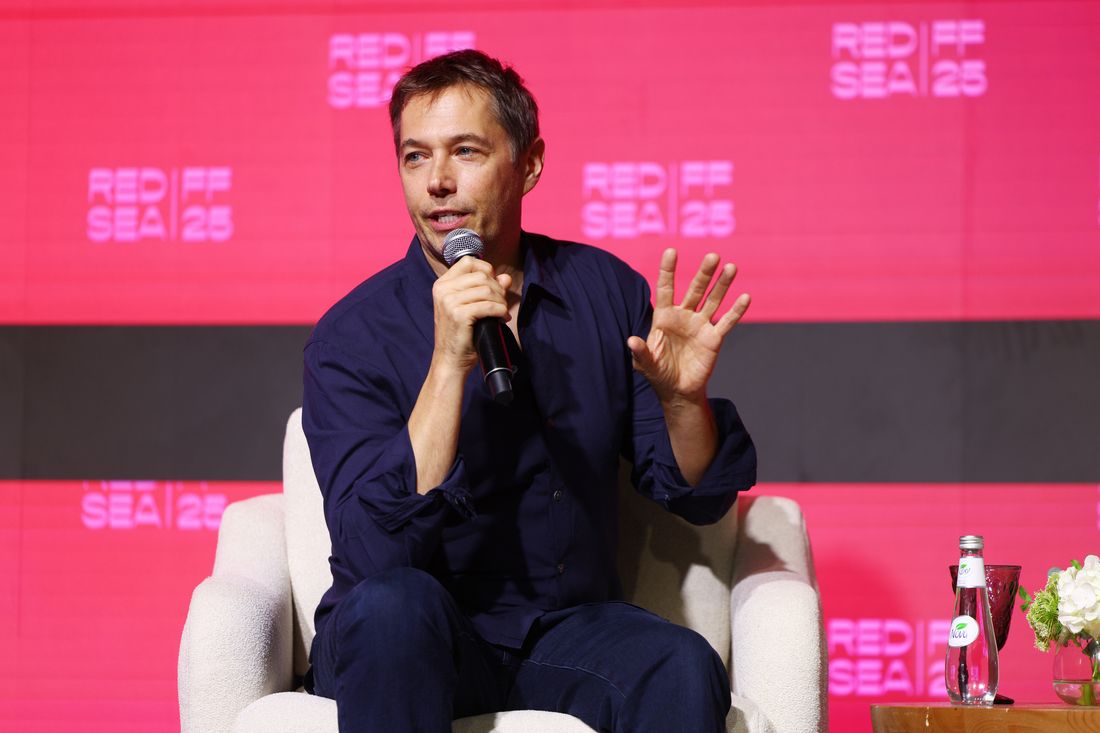
Sean Baker, the director of the Oscar-winning film Anora, expressed mixed feelings about the potential buyout. At the Red Sea Film Festival, he stated that everyone should wait to see how the deal unfolds before commenting. However, he also emphasized that filmmakers need to protect the traditional three-month period when movies are shown exclusively in theaters (according to Variety). Here’s how other celebrities are responding to the changing landscape of the film industry.
Sean Baker
At the Red Sea Film Festival, filmmaker Baker argued against shortening the time movies are exclusively shown in theaters, stating he believes they should be longer. He emphasized that filmmakers intend for audiences to first experience their work on the big screen, and other viewing options can come later. Baker plans to require a full 100-day theatrical release for his next film, regardless of industry trends. He believes releasing films directly to streaming devalues them, while a theatrical release enhances their significance and how the film is presented to the world.
Jane Fonda
Jane Fonda, known for her role in Grace & Frankie, has publicly criticized what she believes is a violation of antitrust laws. Here’s her complete statement:
The announcement today that Warner Bros. Discovery has agreed to be bought is a worrying sign of increasing consolidation in the entertainment industry, which could harm both the public and freedom of speech.
This deal isn’t just a disaster for creative businesses; it’s a serious legal issue stemming from the administration’s clear unwillingness to follow the law.
To the Department of Justice and state attorneys general: We understand this agreement—or any agreement of this size—will require an antitrust review. We urge you not to use that review process to force us to make content choices based on political pressure or to limit free expression.
As a film lover, it really pains me to see companies like Netflix potentially giving in to demands that could hurt the creative process and our basic rights. It feels like we’ve already seen too many industry leaders prioritize profits over the well-being of artists and the freedom to tell stories. I believe these companies have a real responsibility to protect free expression, not sacrifice it for financial gain. It’s about more than just business; it’s about defending the heart of what makes filmmaking special.
We are watching closely, organizing, and ready to mobilize.
James Cameron
James Cameron opposed the potential merger between Netflix and Warner Bros. Discovery even before it was publicly announced. Speaking on the December 1st episode of The Town podcast, Cameron called the idea a “disaster,” sharing concerns similar to those of Baker regarding Netflix’s reluctance to embrace traditional movie theaters. He directly addressed Netflix’s Ted Sarandos, saying, “Sorry, Ted, but geez.” Cameron also criticized Netflix’s practice of giving films limited theatrical releases solely to qualify them for Academy Award consideration. He believes this approach is fundamentally flawed, arguing that movies should be created for the big screen experience. To Cameron, the Academy Awards lose their significance if they don’t prioritize theatrical releases, and he feels the awards have been compromised by this trend, calling it “horrific.”
Demi Adeyjuigbe
Comedian Demi Adejuyigbe, known for his viral “September” videos, expressed his disapproval in a very playful and humorous way.
Read More
- United Airlines can now kick passengers off flights and ban them for not using headphones
- The Boys Season 5 Spoilers: Every Major Character Death If the Show Follows the Comics
- Solo Leveling’s New Manhwa Chapter Revives a Forgotten LGBTQ Story After 2 Years
- Assassin’s Creed Shadows will get upgraded PSSR support on PS5 Pro with Title Update 1.1.9 launching April 7
- Grok’s ‘Ask’ feature no longer free as X moves it behind paywall
- Invincible Season 4 Episode 6 Release Date, Time, Where to Watch
- All 9 Coalition Heroes In Invincible Season 4 & Their Powers
- Mewgenics vinyl limited editions now available to pre-order
- TikToker’s viral search for soulmate “Mike” takes brutal turn after his wife responds
- All Itzaland Animal Locations in Infinity Nikki
2025-12-08 01:54