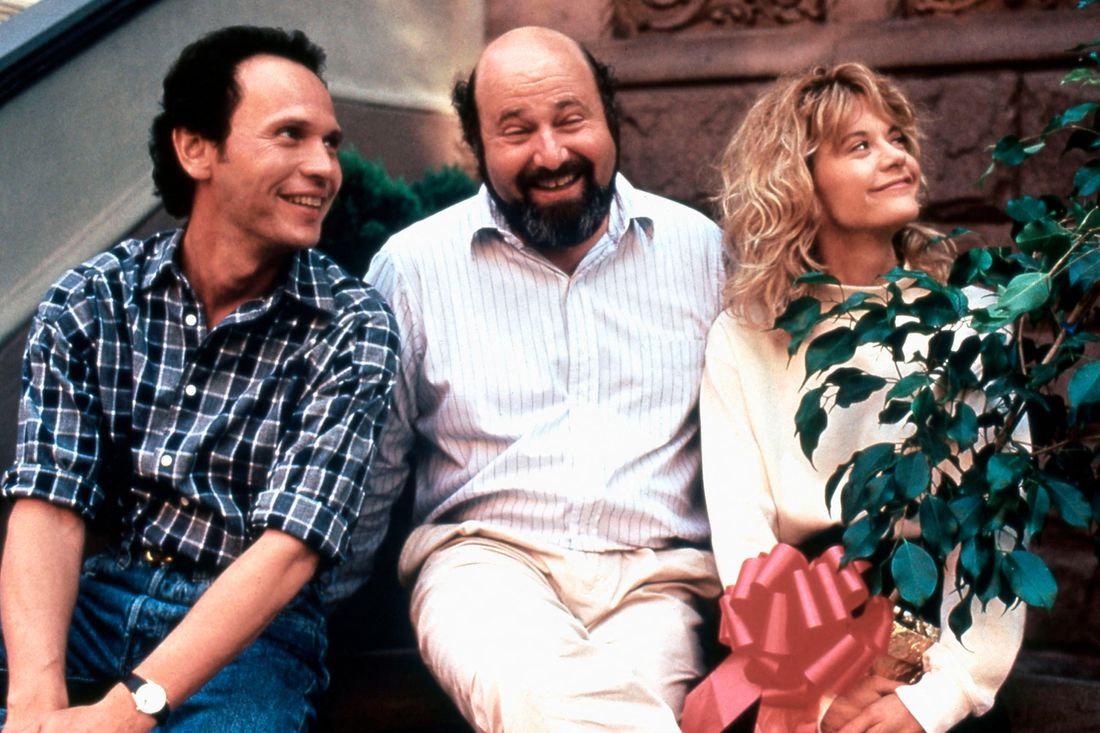
You might not recognize the name Rob Reiner, but his work has likely influenced your life. He became famous in the 1970s playing Mike “Meathead” Stivic on the TV show All in the Family, and then became a successful filmmaker. He directed some of the most popular and well-loved American movies from the 1980s and 90s, including Stand by Me, The Princess Bride, When Harry Met Sally, Misery, and A Few Good Men. Reiner is one of the few directors to have five movies in a row become classics, which is especially remarkable because he worked across so many different genres – from stories about growing up to comedies, romances, thrillers, and courtroom dramas.
Film experts would include Rob Reiner’s 1984 film, This Is Spinal Tap, in his impressive body of work. Largely created through improvisation with stars Michael McKean, Christopher Guest, and Harry Shearer, it helped launch Guest’s career in mockumentaries and indirectly inspired sitcoms like The Office, Parks and Recreation, Modern Family, and Abbott Elementary. Reiner didn’t just direct; he helped build careers. As a co-founder of Castle Rock Pictures—named after the town in Stand by Me, famous from Stephen King stories—he co-produced films like Whit Stillman’s Barcelona and The Last Days of Disco; Richard Linklater’s Before trilogy; Christopher Guest’s Waiting for Guffman, Best in Show, and A Mighty Wind; and Kenneth Branagh’s four-hour version of Hamlet. He also co-produced further Stephen King adaptations, including The Shawshank Redemption and The Green Mile. Reiner’s own films, written by renowned screenwriters like Nora Ephron, William Goldman, and Aaron Sorkin, are filled with memorable lines that have become part of popular culture: “I’ll have what she’s having,” “I’m your No. 1 fan,” “You can’t handle the truth!” “As you wish,” and the iconic “These go to 11.”
Okay, so Rob Reiner had a pretty amazing run, but 1994’s North… wow, that one was a disaster. Seriously, Roger Ebert loathed it – he said so repeatedly, and those words actually became the title of one of his books! Let’s just move on from that, shall we? Thankfully, he bounced back with The American President in 1996, a really smart political rom-com. Aaron Sorkin wrote it, and this was a big moment for him too, since Reiner had previously directed his adaptation of A Few Good Men. Apparently, Sorkin’s first draft of The American President was ridiculously long – over 380 pages! Reiner wisely told him to streamline it, focusing on the relationship between the President (Michael Douglas) and this lobbyist, Annette Bening. It’s funny, because all that extra stuff Sorkin had written – the subplots and even some actors like Martin Sheen – eventually found a home in The West Wing. I guess that show really resonated with a lot of people in politics, because so many staffers who worked for Barack Obama were huge fans!
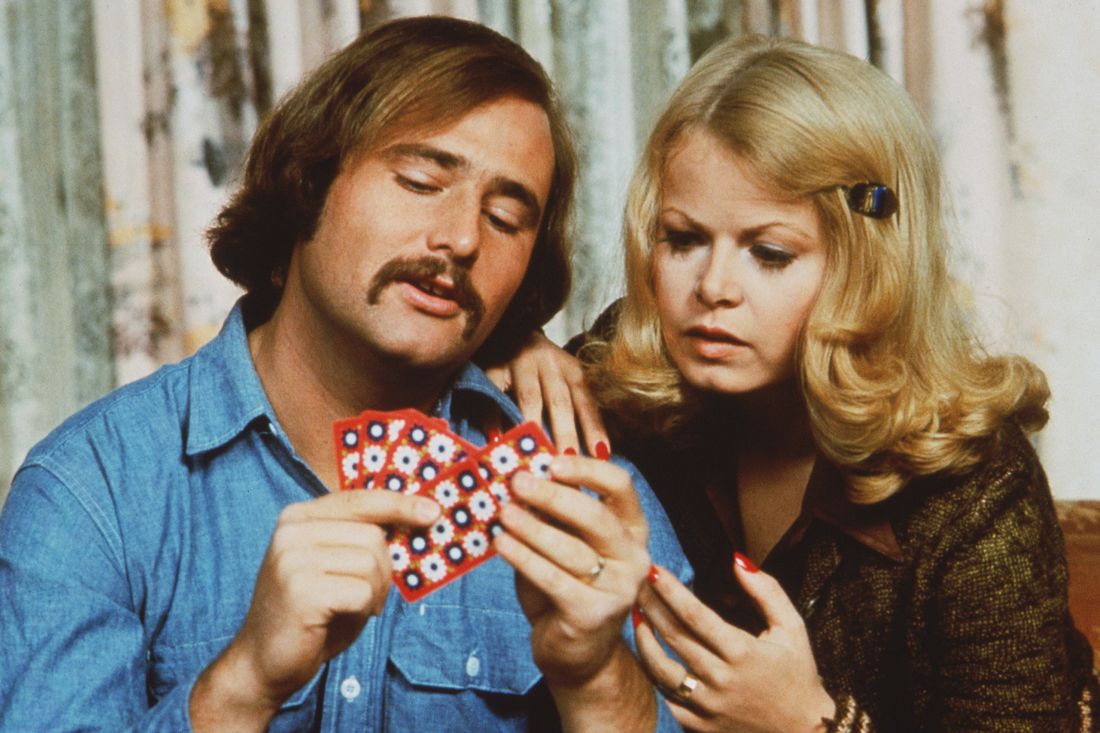
Rob Reiner is a well-known progressive activist who championed important causes in California, including the legalization of same-sex marriage, efforts to reduce the stigma around drug addiction, and taxes on tobacco. His work on tobacco taxes is often credited with starting the movement that eventually led to nationwide bans on indoor smoking, while also providing funding for early childhood education in California. Reiner became a key figure in the fight for marriage equality after California voters banned same-sex marriage in 2008. He founded the American Foundation for Equal Rights, providing crucial financial and legal support to couples challenging the ban. These lawsuits ultimately led to a 2010 district court ruling that declared the ban unconstitutional, paving the way for the landmark 2015 Supreme Court case Obergefell v. Hodges. That ruling affirmed the constitutional right to same-sex marriage under the 14th Amendment. According to one colleague, while many in Hollywood join existing political movements, Reiner consistently initiated his own, skillfully building support and driving change through traditional political methods.
Rob Reiner’s outspoken support for liberal ideas made him a target for conservatives, earning him a place on lists of political opponents – the kind of lists someone like Archie Bunker, if he were a devoted Fox News viewer, might have created. In 2002, he was urged to run for governor of California as a Democrat against Arnold Schwarzenegger, but he refused. Reiner also got involved in key political moments, like traveling to Florida to help recount ballots after the 2000 presidential election and explaining the situation to children. He was a vocal opponent of the Iraq War, later making the film Shock and Awe, which portrayed the war as based on government deception and media complicity. He actively campaigned for Howard Dean in 2004 and hosted fundraising events for Hillary Clinton in 2008.
The shocking deaths of actor and filmmaker Rob Reiner and his wife, Michele Singer Reiner, have prompted an outpouring of grief. They were found stabbed to death in their Los Angeles home. Police have arrested their son, Nick Reiner, who had a long struggle with drug addiction and wrote the film Being Charlie (directed by his father) about his experiences. This tragedy happened just days after the Reiners hosted a Democratic fundraiser with J.B. Pritzker and Conan O’Brien, and a day after a holiday party at O’Brien’s home, where Nick Reiner was present. Witnesses reported a heated argument between Rob and Nick at the party, with Rob expressing concern about his son’s behavior. The senseless violence is particularly disturbing given Rob Reiner’s reputation as a kind and impactful person, both professionally and personally.
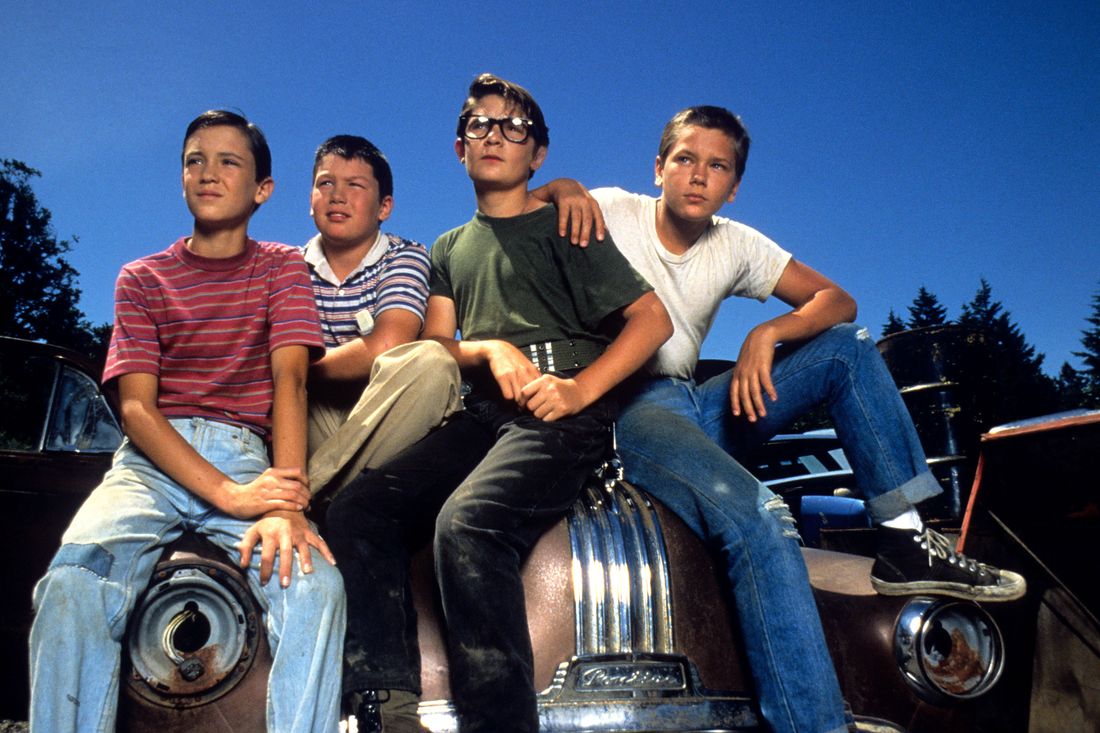
The more you learn about Rob Reiner’s life and career, the clearer it becomes how much impact he’s had on others. While some of this influence happened by chance, much of it stems from deliberate decisions he made. Without his involvement, filmmakers like Reiner, Stillman, and Linklater might not be as celebrated today. Kenneth Branagh wouldn’t have directed the longest Shakespeare film ever released in theaters, John Sayles wouldn’t have created his acclaimed film Lone Star, and the young stars of Stand by Me—Corey Feldman, Jerry O’Connell, River Phoenix, and Wil Wheaton—would likely have had very different careers. As Jerry O’Connell put it, “Everything I have is because of Rob Reiner.”
Wil Wheaton didn’t play Harrison Ford’s son in The Mosquito Coast, and Ford didn’t suggest him for the young Indiana Jones role in The Last Crusade. He also wasn’t cast as Wesley Crusher in the Star Trek: The Next Generation pilot. As a result of these missed opportunities, Princess Bride stars Robin Wright and Cary Elwes didn’t achieve early fame, and Kathy Bates didn’t win an Oscar for Misery. Finally, actors Mandy Patinkin and Wallace Shawn didn’t become recognizable enough to be constantly approached by fans.
Rob Reiner was a well-known and successful director, recognized by the industry and rewarded with numerous nominations and awards. He was aware his privileged background – being the son of entertainers Estelle and Carl Reiner, creator of The Dick Van Dyke Show – played a role in his achievements, and he wasn’t afraid to speak his mind. Reiner was a vocal critic of President Donald Trump, starting in 2016 and continuing until a recent television appearance where he warned about threats to American democracy. Following Reiner’s death, Trump posted on social media calling him a “tortured” and “once very talented” director, and blamed Reiner’s “Trump Derangement Syndrome” for inciting the violence. This response has been widely condemned, even by members of Trump’s own party.
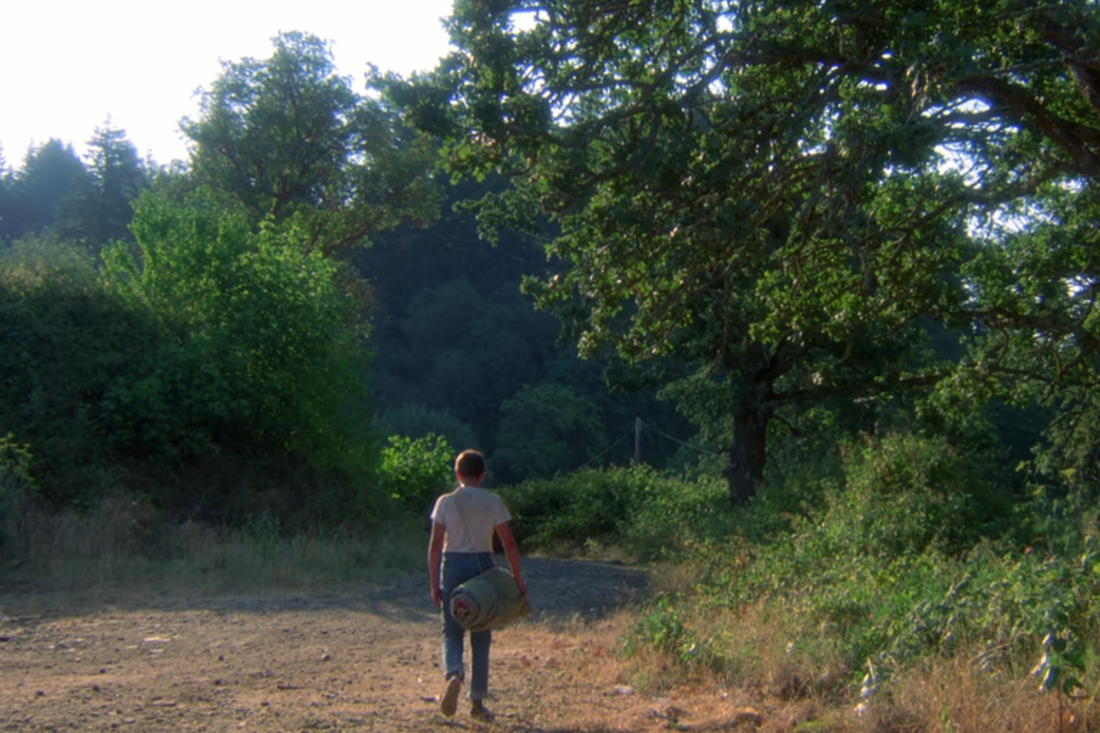
When an artist dies suddenly and tragically, it’s impossible not to see their work differently. While revisiting the director’s films this week, the ongoing investigation into his and his wife’s deaths kept entering my thoughts. At the end of Stand by Me, the director films Chris (Phoenix) walking away from Gordie (Wheaton) in a distant shot, accompanied by a voiceover from the adult Gordie (Richard Dreyfuss). The narration explains that Chris escaped his difficult home life, left their hometown, and even went to college. However, the film then reveals that Chris died trying to break up a fight at a gas station – he was stabbed and killed instantly while intervening between two men, one of whom had a knife.
Reiner doesn’t show the murder or the funeral directly. Instead, the scene lingers on Chris walking away, then cuts to the same empty shot. This moment became even more poignant seven years after the film Stand by Me came out, when actor River Phoenix tragically died. It’s a remarkably effective way to depict a sudden death, so much so that director John Singleton used a similar approach for a character’s death in Boyz n the Hood. Sadly, Singleton himself passed away in 2019 at the young age of 51. The scene now feels incredibly layered with meaning, and I worried it would be overshadowed by these real-life tragedies. While watching it again, I found myself thinking of Chris, Gordie, Doughboy, Phoenix, Singleton, and now, Rob and Michele. Despite all these unavoidable associations, the scene remains as powerful as ever – a truly great moment in American film where the past and present, youth and age, life and death, all come together within the frame. As Gordie says, “Love has teeth. They bite. The wounds never close.”
Read More
- United Airlines can now kick passengers off flights and ban them for not using headphones
- Crimson Desert: Disconnected Truth Puzzle Guide
- How to Get to the Undercoast in Esoteric Ebb
- Katanire’s Yae Miko Cosplay: Genshin Impact Masterpiece
- All Golden Ball Locations in Yakuza Kiwami 3 & Dark Ties
- All Itzaland Animal Locations in Infinity Nikki
- HBO’s Harry Potter Is Already Breaking My Heart
- Zendaya’s 4 Big 2026 Movies Could Beat Brie Larson’s Box 2019 Office Record
- Gold Rate Forecast
- All 9 Coalition Heroes In Invincible Season 4 & Their Powers
2025-12-16 21:56