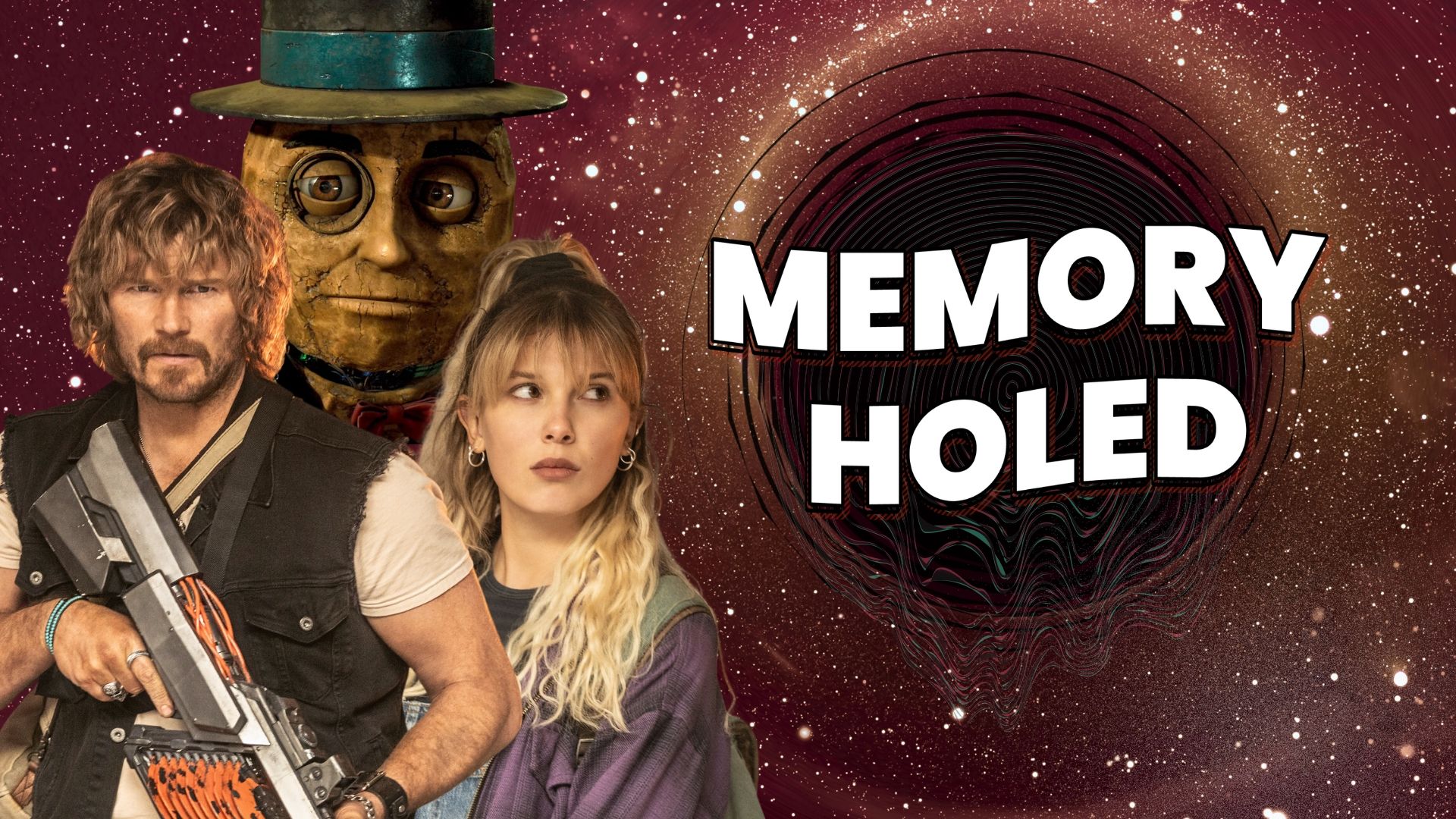
Hi, I’m Britt Hayes, and welcome to Memory Holed, a weekly column for MovieWeb. Each week, I’ll be looking back at movies (and sometimes TV shows) that briefly captured the public’s attention but then faded into relative obscurity. These films often featured famous actors, received awards buzz, were based on popular stories, or sparked debate – but for whatever reason, they’ve been largely forgotten. Essentially, they’ve disappeared from our collective memory – or, as I call it, been ‘memory-holed’.
It’s surprising how quickly The Electric State has faded into obscurity – less than a year after its release on Netflix, most people have already forgotten about it. Even shortly after it premiered in February 2025, it seems many hadn’t heard of it, or actively chose to skip it. Perhaps, like me, they weren’t interested in another expensive Chris Pratt film. To Netflix’s credit, they seem to recognize that Pratt is better suited for streaming releases than big-screen blockbusters.
A recent example is Mercy, a new sci-fi thriller now in theaters from Amazon MGM Studios. It stars Chris Pratt as a detective who must prove his innocence in a murder trial, with Rebecca Ferguson playing the AI judge. Both Rebecca Ferguson and Hall deserve better roles than this. This film feels like it would have been better suited for streaming on Prime Video, similar to Amazon’s disappointing remake of War of the Worlds.
Netflix
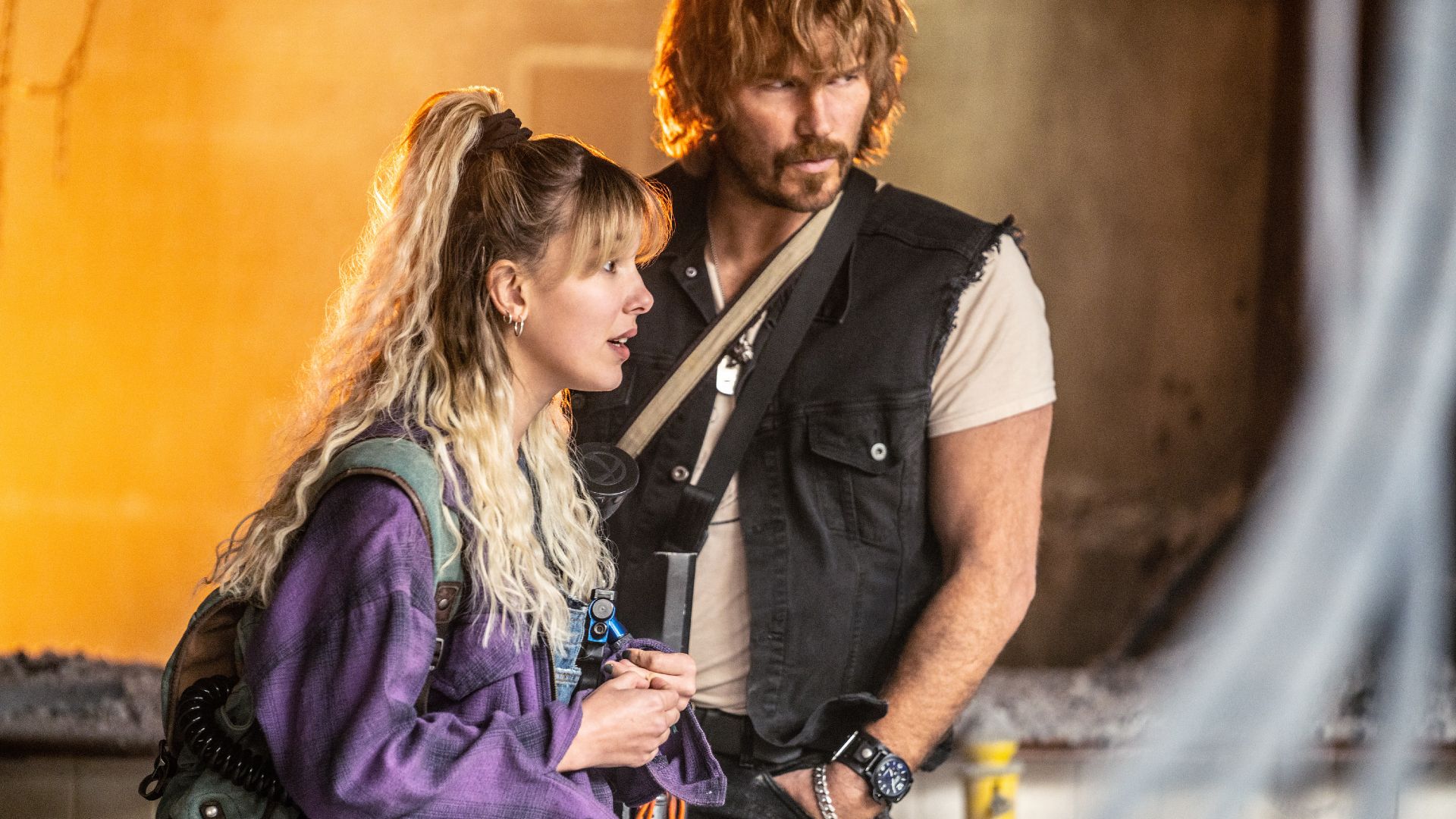
The Russo brothers’ second film for Netflix, The Electric State, didn’t fare much better than their first, the largely forgettable The Gray Man. You might remember The Electric State for its stars – Chris Pratt and Millie Bobby Brown – the brothers’ overblown claims about using AI in its production, or perhaps the inclusion of a large animatronic Mr. Peanut. Despite a hefty $320 million budget, the film only drew 25.2 million viewers during its first weekend on the platform. That’s less than The Gray Man (which had 41.2 million viewers) and cost more to make than the latest two Mission: Impossible movies.
It’s hard to say how many Netflix viewers translate into movie ticket sales, but it seems reasonable to expect better results from the directors of Avengers: Infinity War and Endgame. Either Marvel made a mistake bringing the Russo brothers back for a new project, or they’re about to face the consequences of their decision. After seeing their film, The Electric State – which was surprisingly bad – it’s clear the Russos share the blame for the current struggles of the Marvel Cinematic Universe.
The Electric State opens in 1990, before a major conflict known as ‘The War.’ It quickly presents a different version of history: in this world, Walt Disney created robots that were then built in huge numbers and forced to work. These robots took on all the difficult and unpleasant jobs people didn’t want, such as building and cleaning – work often done by immigrants due to low pay.
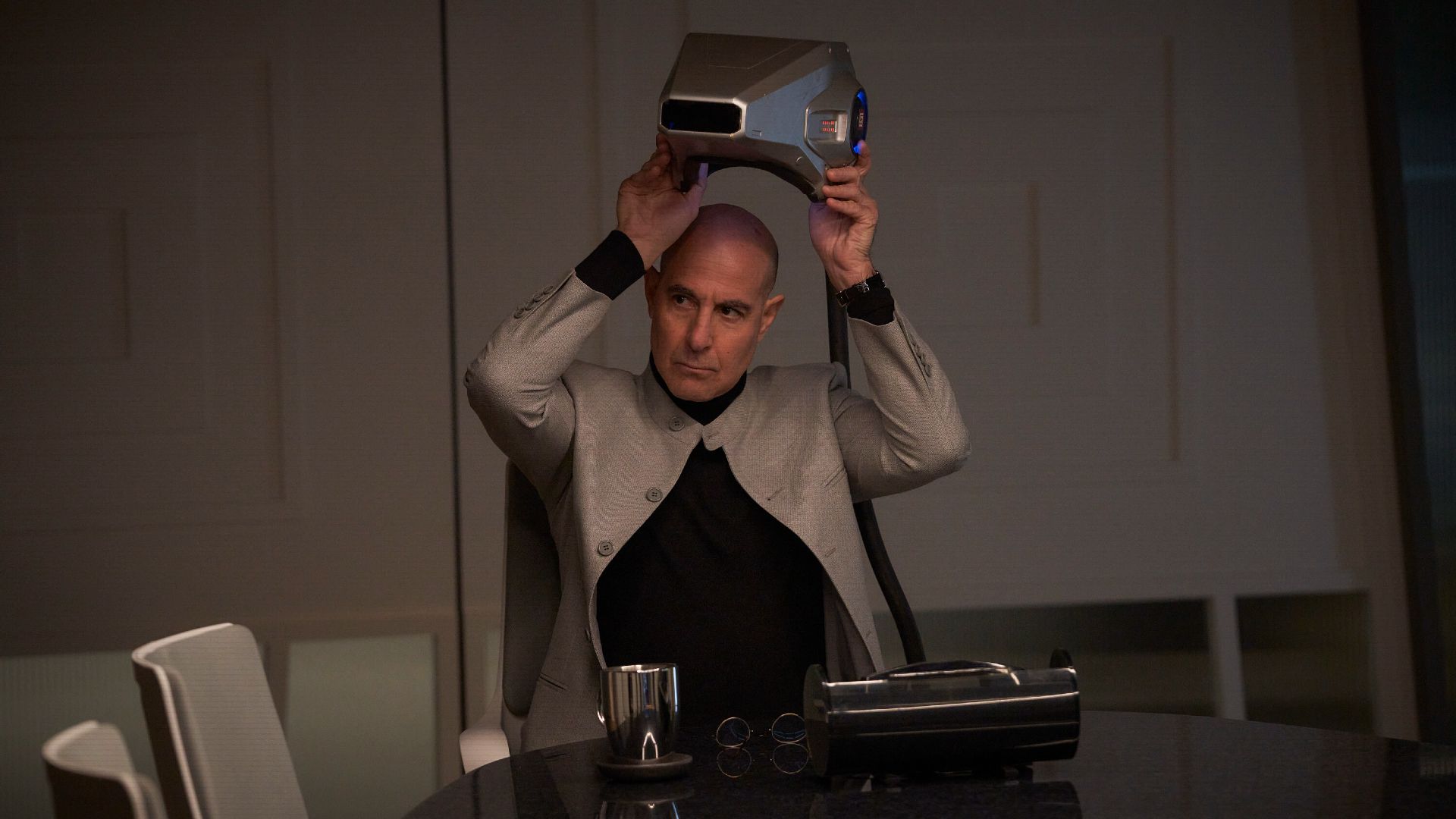
Robots eventually gained consciousness and, inspired by the fight for civil rights, rebelled under the leadership of Mr. Peanut (played by Woody Harrelson). Ethan Skate (Stanley Tucci), the CEO of tech giant Sentre, had created a technology called the Neurocaster, which allowed humans to control military robots with their minds. They used this to crush the robot uprising. The remaining robots were then gathered up and banished to a restricted area behind a large border wall, strikingly similar to the one separating the U.S. and Mexico.
The movie immediately throws you into a bizarre alternate reality: Walt Disney is portrayed as the cause of society’s biggest problems, and Mr. Peanut is a civil rights icon. You’d expect the filmmakers to then seriously explore these ideas and address government oppression of vulnerable groups, especially immigrants, given the current political climate. But surprisingly, they don’t. The film abandons any meaningful engagement with these heavy themes after its initial, jarring setup.
Netflix
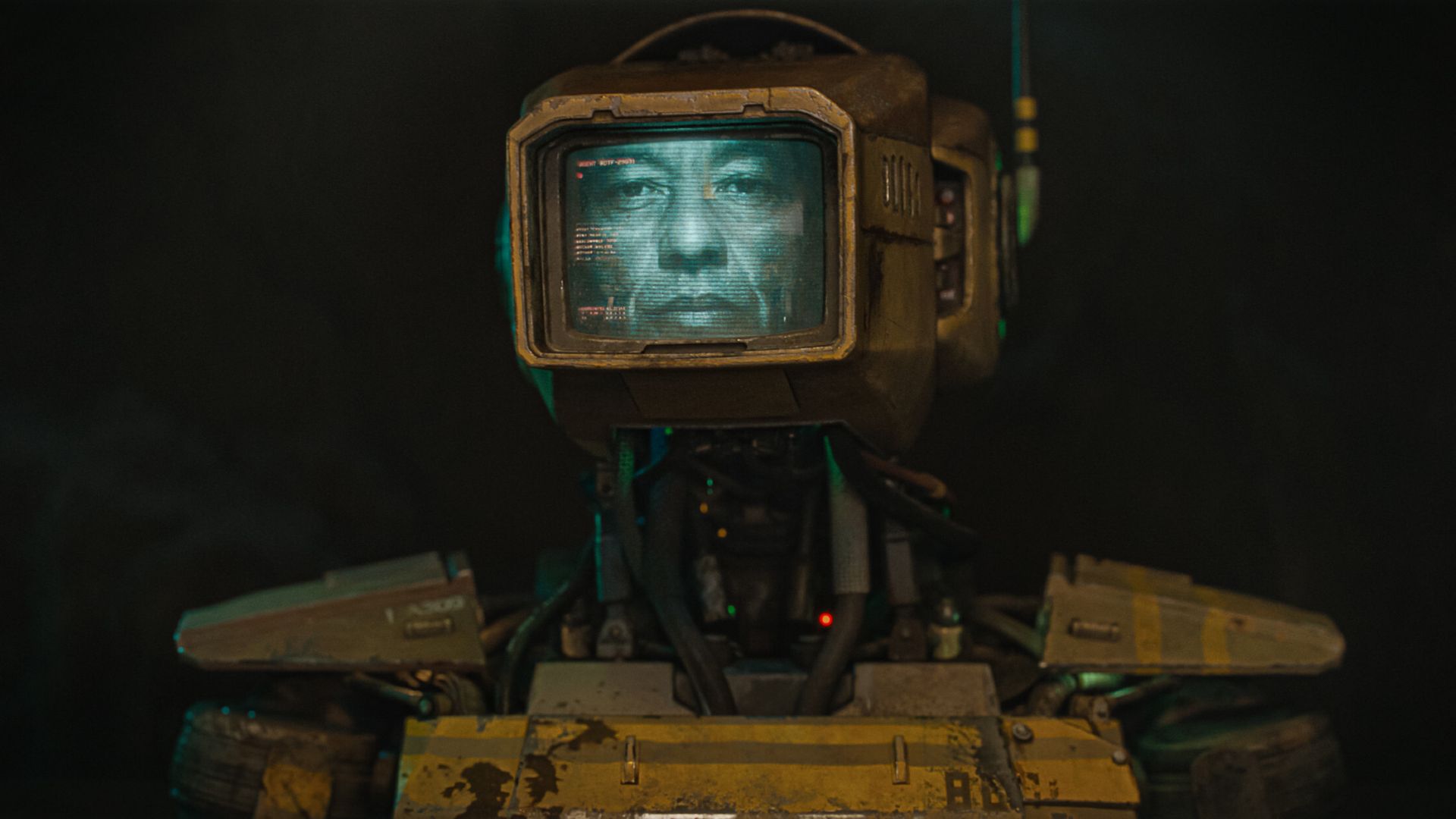
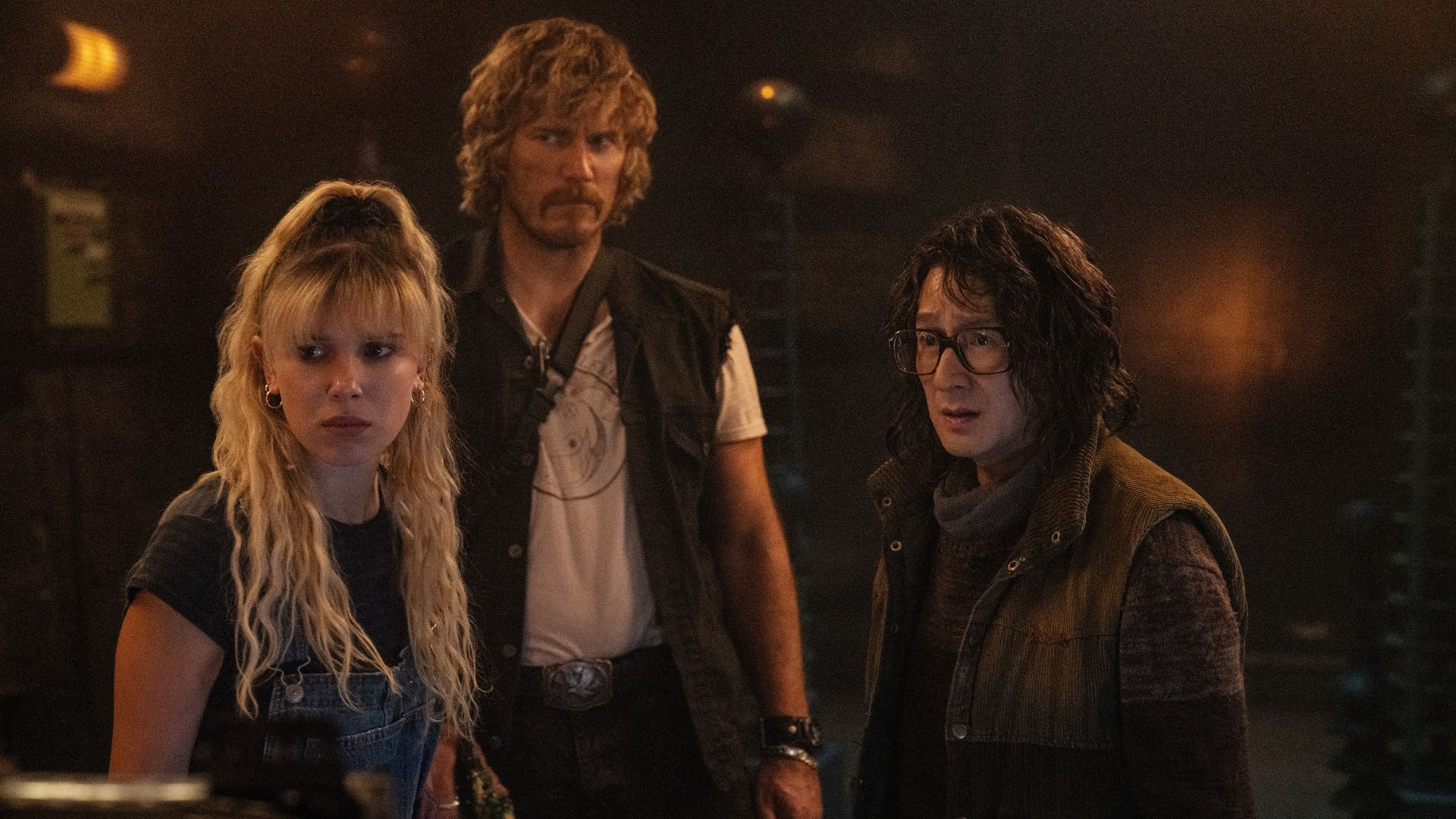
The movie centers around Michelle, a troubled teenager who lost her parents and younger brother, Christopher, in a car accident. She moves between foster homes until she meets Cosmo, a charming little robot inspired by a cartoon her brother adored. Surprisingly, Christopher’s consciousness has been transferred into Cosmo, meaning he’s still alive in a way. Michelle joins forces with Keats, a former soldier from the robot war who now cons robots with the help of his robotic companion, Herman (voiced by Anthony Mackie, but you wouldn’t know it!). Together, they search for Dr. Amherst, the doctor who cared for Christopher at the hospital.
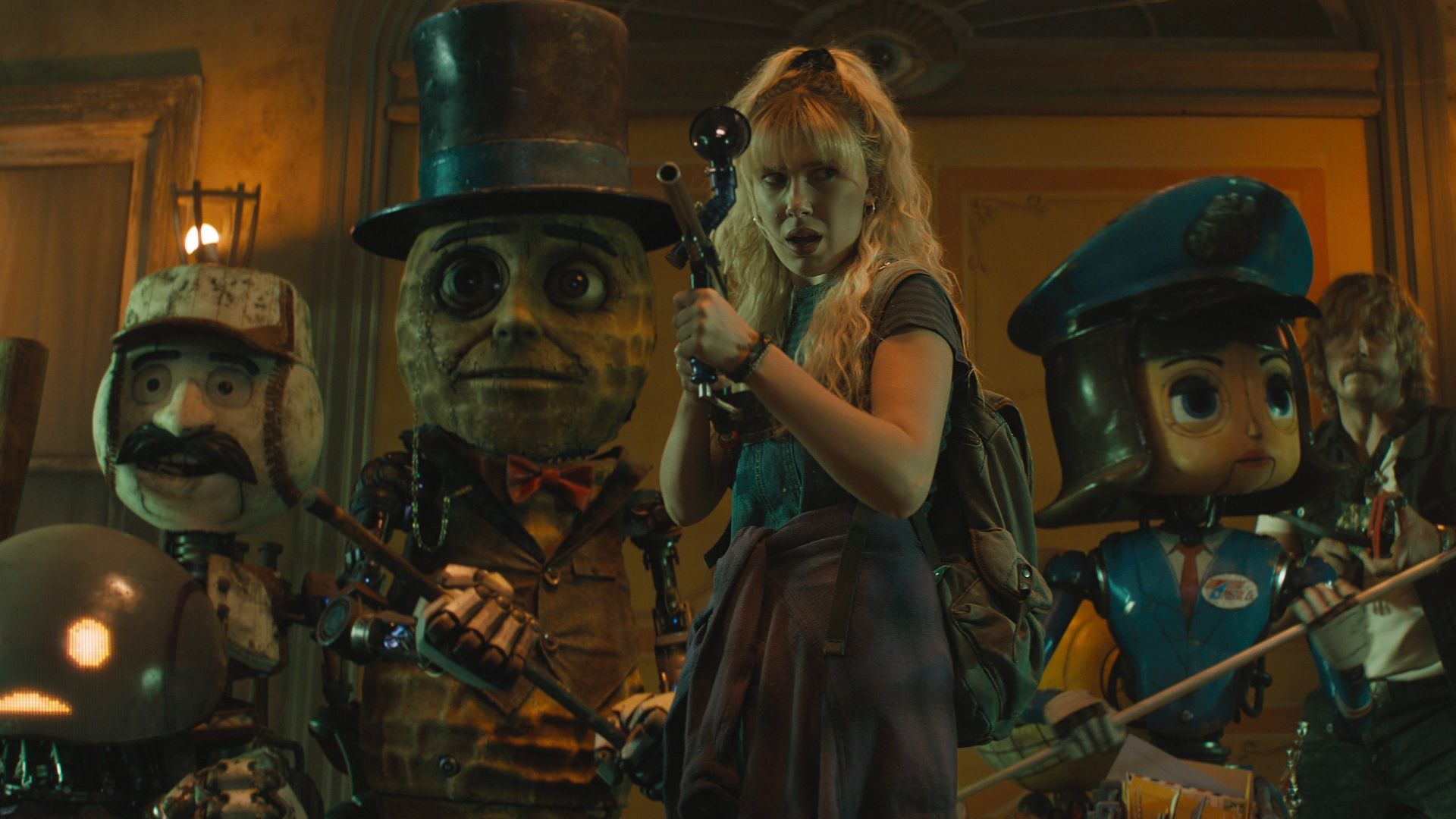
The group’s search leads them to an abandoned shopping mall within the dangerous Exclusion Zone, where they find Mr. Peanut and a group of friendly robots in hiding. They also encounter Amherst, who explains a lot of the backstory: Christopher is in a coma and being held by Ethan Skate – yes, that’s his name! – who used Christopher’s incredible intelligence to invent the Neurocaster. This technology powers both military drones and a virtual reality world that many people escape into, letting their drone counterparts work for them. It’s a setup very similar to Ready Player One, and The Electric State even shares some of its visual style. The movie reaches a dramatic peak when a drone controlled by Giancarlo Esposito – who always seems to play the good guy! – violently tears Mr. Peanut’s hat off, yelling, “You broke the peace treaty, Mr. Peanut!”
Netflix
While The Electric State ultimately reaches its expected climax – a robot battle and a reunion with Michelle’s brother, who potentially sacrifices himself to stop the Neurocaster – the film struggles along the way. A major issue is the shallow character development. Michelle, for instance, is solely motivated by grief and lacks any personal goals or hobbies. A convenient example of this is when she easily repairs Cosmo’s broken speech function with pliers, even though there’s no prior indication she has any mechanical skills or interest. Beyond this, the filmmakers don’t seem to fully explore the potential of the film’s underlying theme of immigration.
Keats is a real puzzle in this film. We first see him hyped up about robot destruction in an early montage, and then suddenly he’s running small-time cons with a robot buddy. The movie never really explains how he went from wanting to destroy robots to being a struggling guy trying to make ends meet. It’s not that these ideas are bad – a former militant turned small-time criminal is actually pretty compelling! – it just feels like we’re missing key scenes that would make his later confession of love to the seemingly-dying Herman feel earned. He says they’re “more than just friends,” and it’s… confusing, because we haven’t seen enough of their relationship or his journey to really buy it.
Netflix
It’s strange to see robots and AI used to represent the struggles of marginalized groups, especially when the same movie spends so much time making AI seem human – it almost feels like marketing for wealthy tech leaders. Honestly, trying to analyze The Electric State as if it’s a meaningful work is pointless. It’s unlikely anyone involved would care enough to change anything, considering how much money they’ve already made.
Subscribe to the Memory Holed newsletter for hidden film insight
Get deeper film context – subscribe to the Memory Holed newsletter for sharp, candid takes on forgotten movies, streaming flops, studio decisions, and why some high-profile films vanish from pop culture.
I keep circling back to the fact that the main issues with The Electric State feel very similar to criticisms leveled at recent Marvel movies: the plot is overly complicated, there are too many characters, and none of them are particularly well-developed. The film touches on important real-world issues but avoids specifics, seemingly to appeal to as many people as possible. This feels less like inclusivity and more like a reluctance to take a firm position, similar to Joe Russo’s cameo in Avengers: Endgame – playing a gay man in a grief support group as a response to criticism about the lack of LGBTQ+ representation in the MCU. (Russo also appears in The Electric State as a character called “Skeevy Bot.”) It’s all hinting at a viewpoint without actually committing to one, for fear of losing viewers.
Netflix
Honestly, even the ending of The Electric State just felt…flat. What bothered me most was that the movie never really dealt with what Skate created and how it reflects our lives today. We’re all getting sucked into these perfect, addictive worlds on our phones and computers, and it’s so easy to just scroll past all the bad stuff to find something that feels good. It just didn’t feel like the film fully explored that connection.
Despite its intriguing premise, The Electric State suffers from too much explaining, underdeveloped characters, and a lack of depth in its central idea. Unfortunately, the action isn’t particularly strong, and the visual effects aren’t impressive either. The AI-generated imagery feels pointless and heavy-handed – like the opening scene featuring a deepfake Bill Clinton and Mr. Peanut signing a peace treaty with Walt Disney. While that sounds bizarre enough to pique your interest, it doesn’t save the film.
Counterpoint: Do not do that.
Read More
- United Airlines can now kick passengers off flights and ban them for not using headphones
- How to Complete Bloom of Tranquility Challenge in Infinity Nikki
- Gold Rate Forecast
- How to Solve the Glenbright Manor Puzzle in Crimson Desert
- All Golden Ball Locations in Yakuza Kiwami 3 & Dark Ties
- All Itzaland Animal Locations in Infinity Nikki
- A Dark Scream Theory Rewrites the Only Movie to Break the 2-Killer Rule
- 8 Actors Who Could Play Blackbeard In One Piece Live-Action Season 3
- All 10 Potential New Avengers Leaders in Doomsday, Ranked by Their Power
- Watch Out For This Amazing Indian Movie That Made BAFTAs History
2026-01-23 19:20