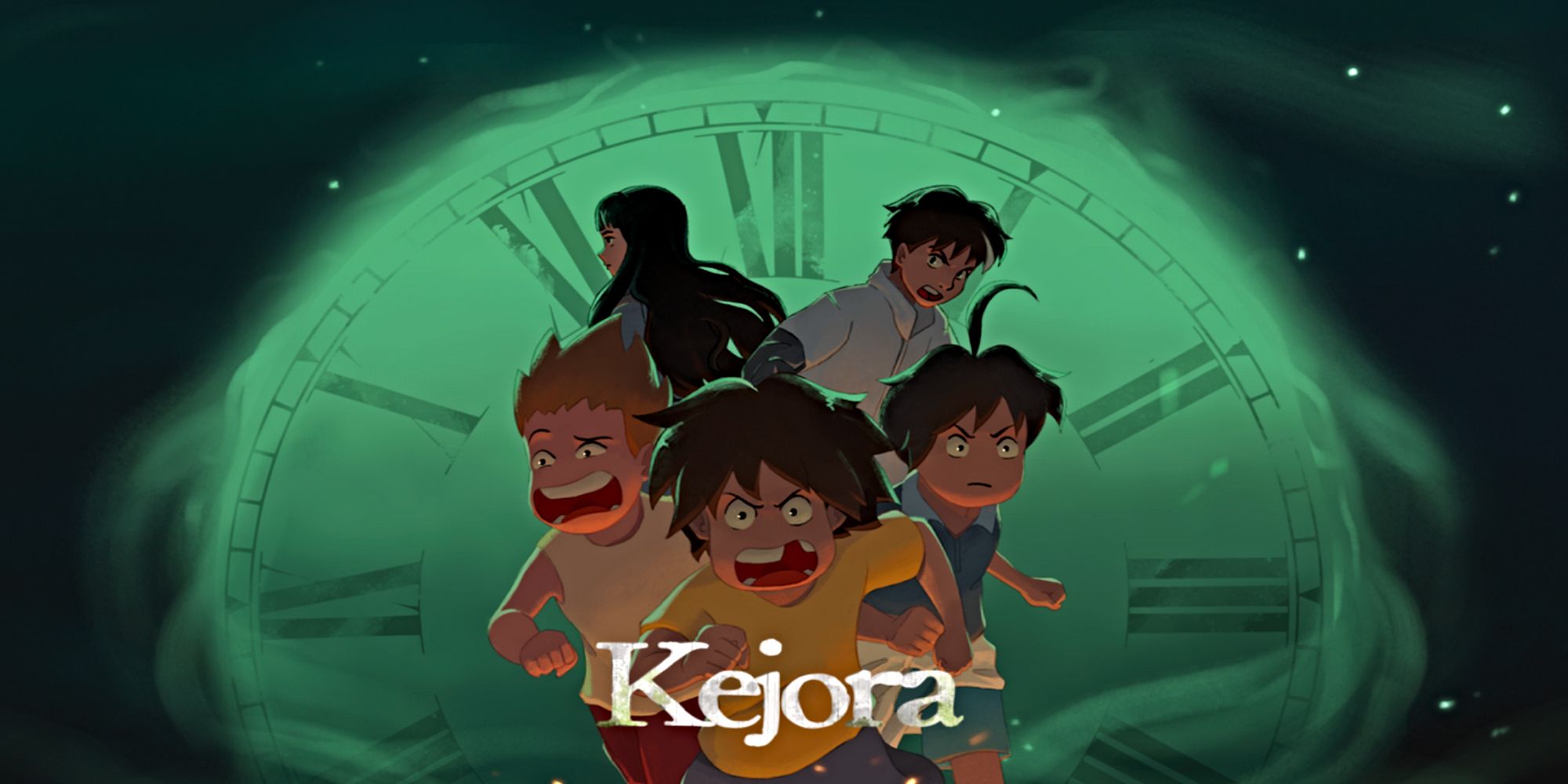
It feels like smaller game development teams are making a huge impact right now. Indie games are incredibly popular, with many fantastic titles released recently. Players, myself included, are constantly hungry for more creative and exciting adventures from these talented, independent developers.
I was immediately drawn to Kejora, the first game from Indonesian studio Berangin Creative. This lovely project took years to develop and was finally released in early 2026, though not without a few setbacks—one probably caused by the long-awaited release of Hollow Knight: Silksong. Kejora is a beautifully illustrated, side-scrolling puzzle platformer that captivated me with its art style, reminiscent of Studio Ghibli films, and a story hinting at hidden secrets within its quiet village setting.
I really enjoyed experiencing the adventure through the eyes of Kejora and her friends, and I’m impressed with what the team at Berangin Creative has created. However, while the game is great, I think the world and its magical elements could be explored in more detail to create an even richer experience.
Kejora is a charming little adventure game. While it might not grab everyone, particularly players looking for groundbreaking gameplay, it’s clear the developers have a lot of talent and potential, and it shows in the game’s ambition and promise.
Charming Hand-drawn Animation Left Me Wanting More
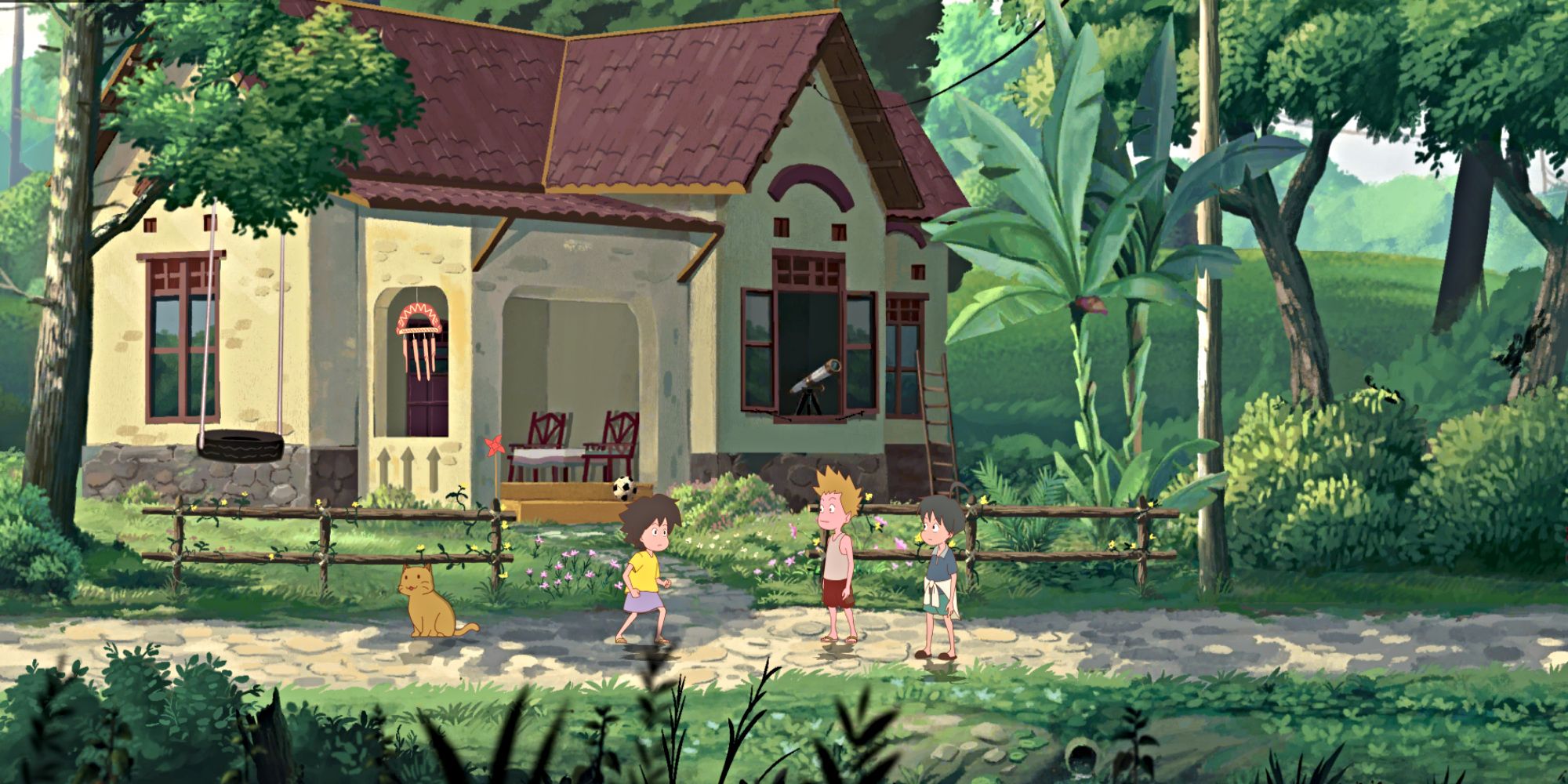
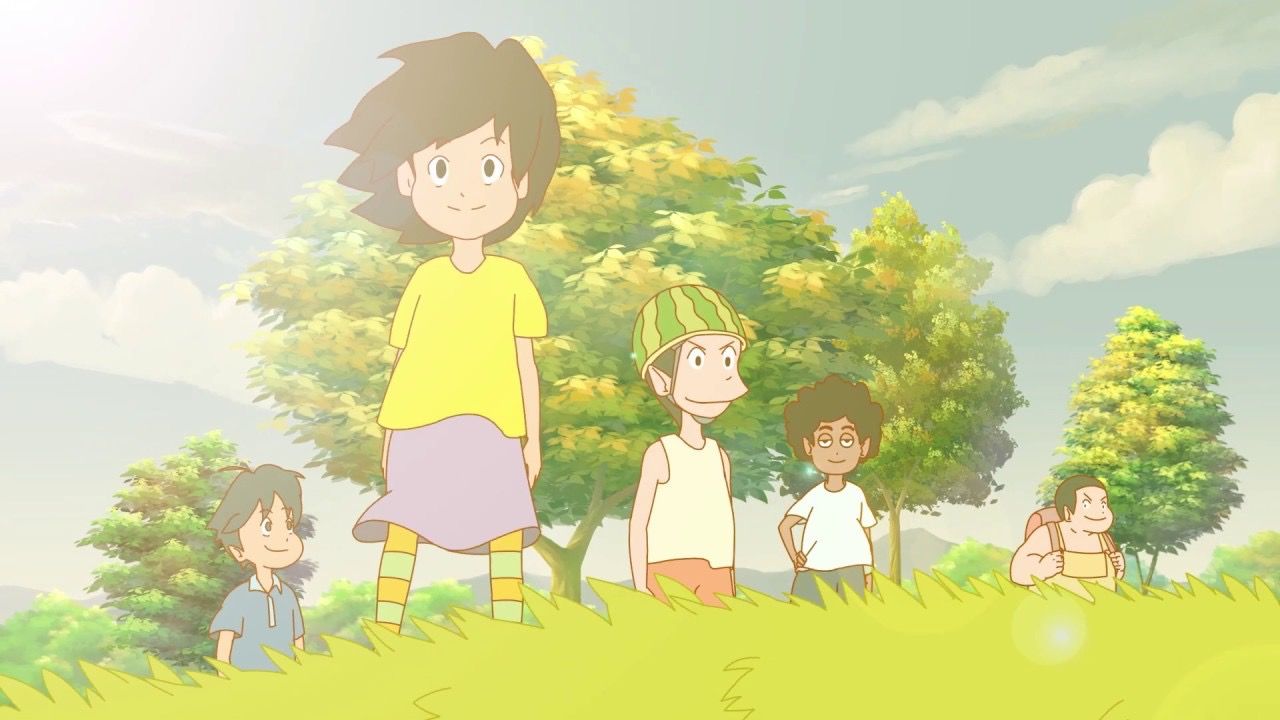
What really captivated me about Kejora was its beautiful hand-drawn animation and detailed painted backgrounds. It’s incredibly impressive that the entire game was made this way – it clearly took a huge amount of skill, time, and dedication, and that level of craftsmanship is truly exceptional.
It’s tough for me to criticize that part of the game because that’s actually where it’s strongest. Still, I couldn’t help but hope there was even more depth to it.
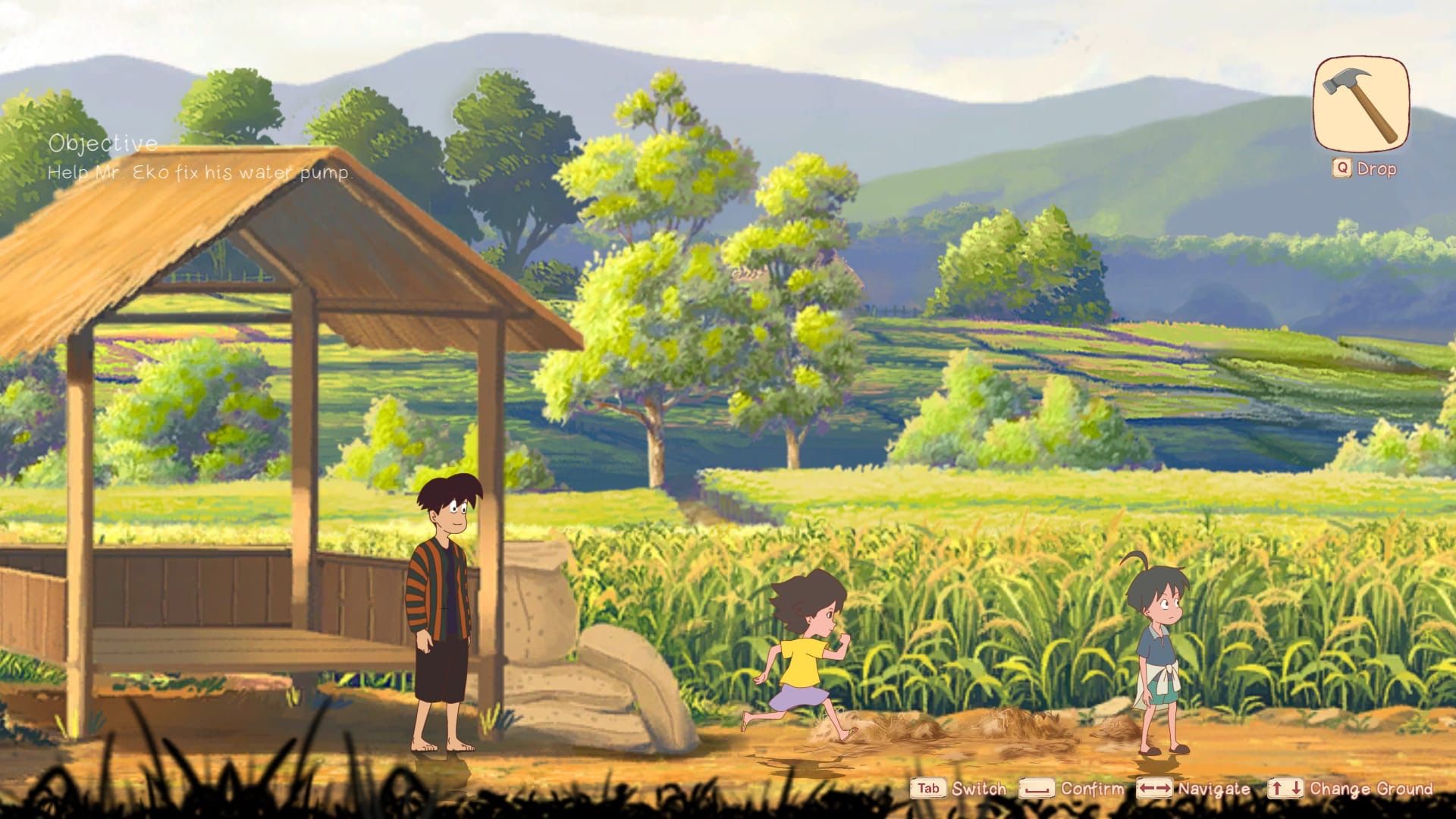
The animations of young Kejora and the other characters are really effective at showing us what’s happening and how everyone is feeling, especially when the characters aren’t speaking. However, these animations sometimes feel rushed or a little stiff, which doesn’t quite match the seriousness of some of the game’s most important scenes. I often wished key moments were longer or that the characters showed a wider range of emotions through their animations, considering how much personality they have.
Kejora is a brief but charming adventure. While it might not grab everyone, particularly players looking for truly groundbreaking gameplay, it’s clearly made with a lot of heart and shows real potential.
Overall, it creates a feeling similar to a moving picture book, and while that approach has its strengths, it doesn’t always quite succeed.
Sound Can Tell as Much Story (Where Is It?)
Despite the game’s beautiful visuals, the sound design felt surprisingly weak. Many environments looked amazing, but lacked immersive sound effects. While you can hear things like footsteps, monster movements, and objects being pushed or punched, these sounds are minimal and don’t fully bring the world to life.
The sound design feels too sparse for a game with such visually detailed and colorful environments. Considering the simple animation style and lack of voice acting, more sound effects would greatly enhance the experience.
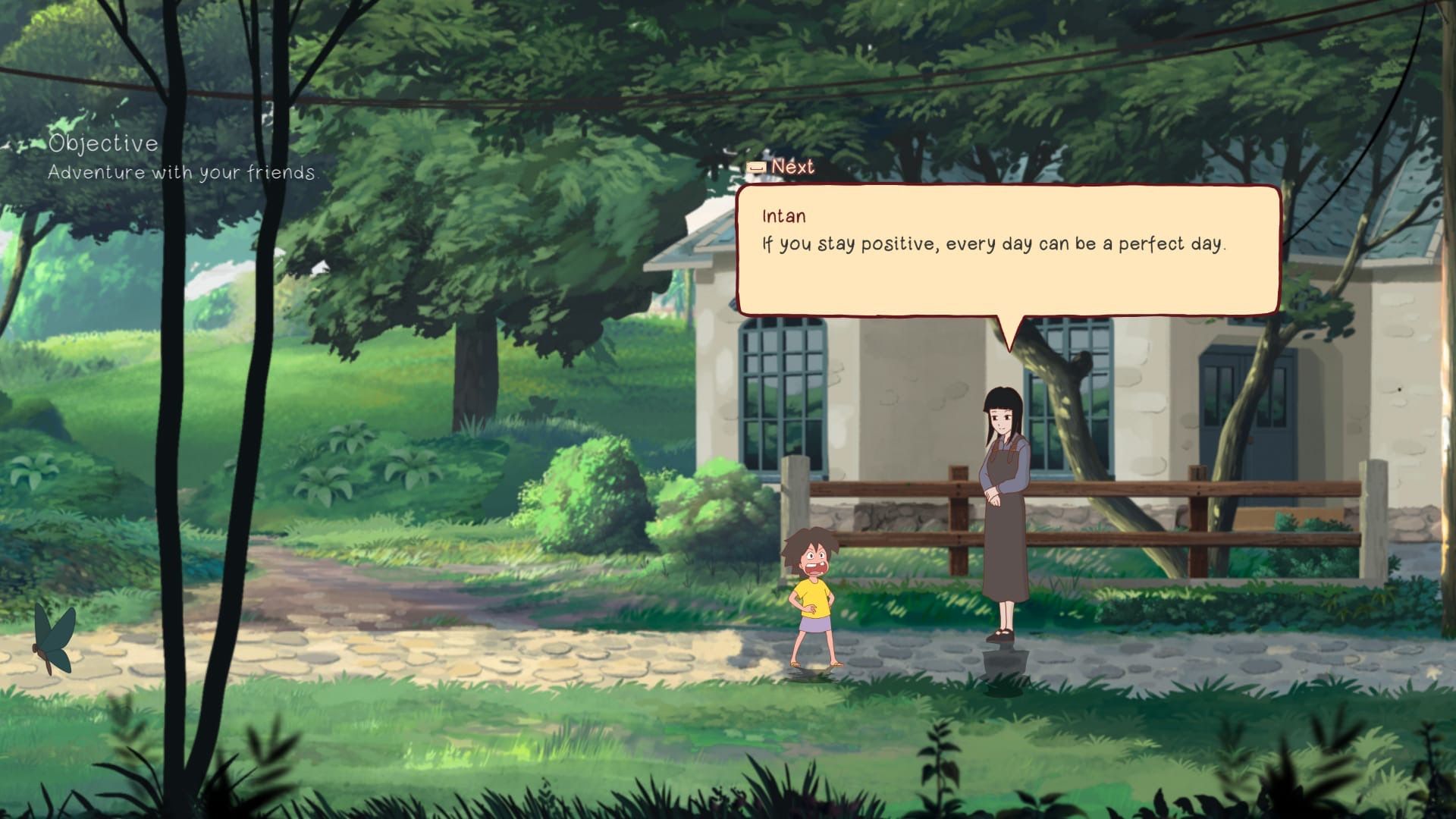
As a gamer, I really believe sound can make or break an experience. Sometimes, things like hiring professional voice actors just aren’t possible, either because of budget or because the game’s style doesn’t call for it. But honestly, well-done sound design can fill that gap and really complete the game, even without those extra bells and whistles!
The village of Kejora and the nearby forests are strangely quiet—there are no sounds of birds, water, wind, or even neighbors talking. This quiet carries over into the game’s more fantastical locations, which unfortunately lessens the impact of key scenes. The game relies heavily on short music cues to create atmosphere, but they often aren’t enough to fill the void left by the missing soundscape.
Character Mechanics Still Need Polish
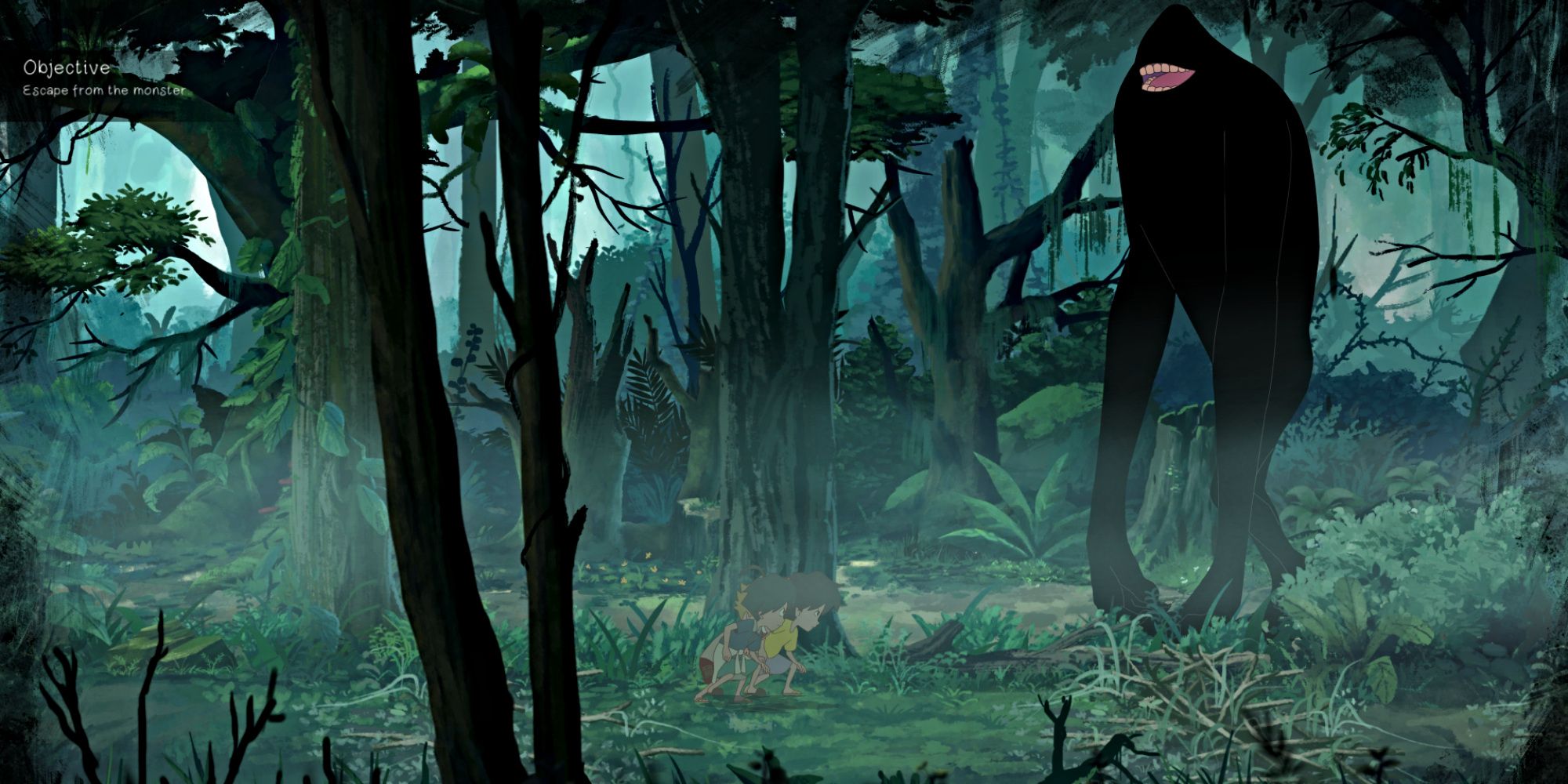
Kejora sets out to save her village with her two best friends, Jaka and Guntur. They work together to overcome challenges and create traps, but Kejora is the one who initiates and drives every action and solution.
To help Kejora reach higher areas with Jaka’s boost, you first need to place Kejora in the right position. Then, a quick menu appears, letting you temporarily control Jaka and move him to where Kejora needs help.
Instead of directly controlling characters and moving them around, the game uses a clunky teleport system that relies on a lot of guessing and retrying. It can take multiple attempts to get a character to do what you need, which sometimes makes exploring areas feel frustrating and slow.
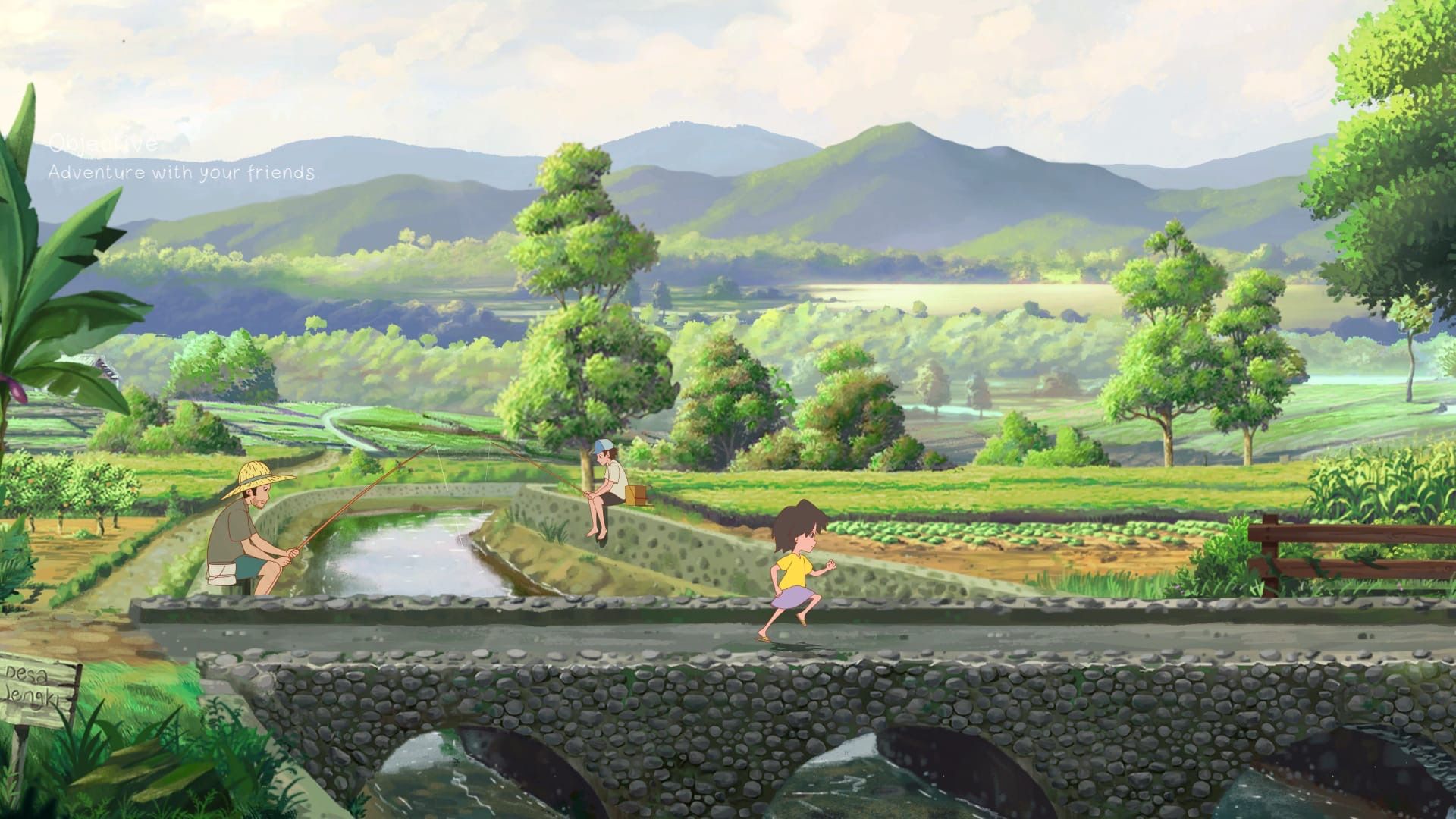
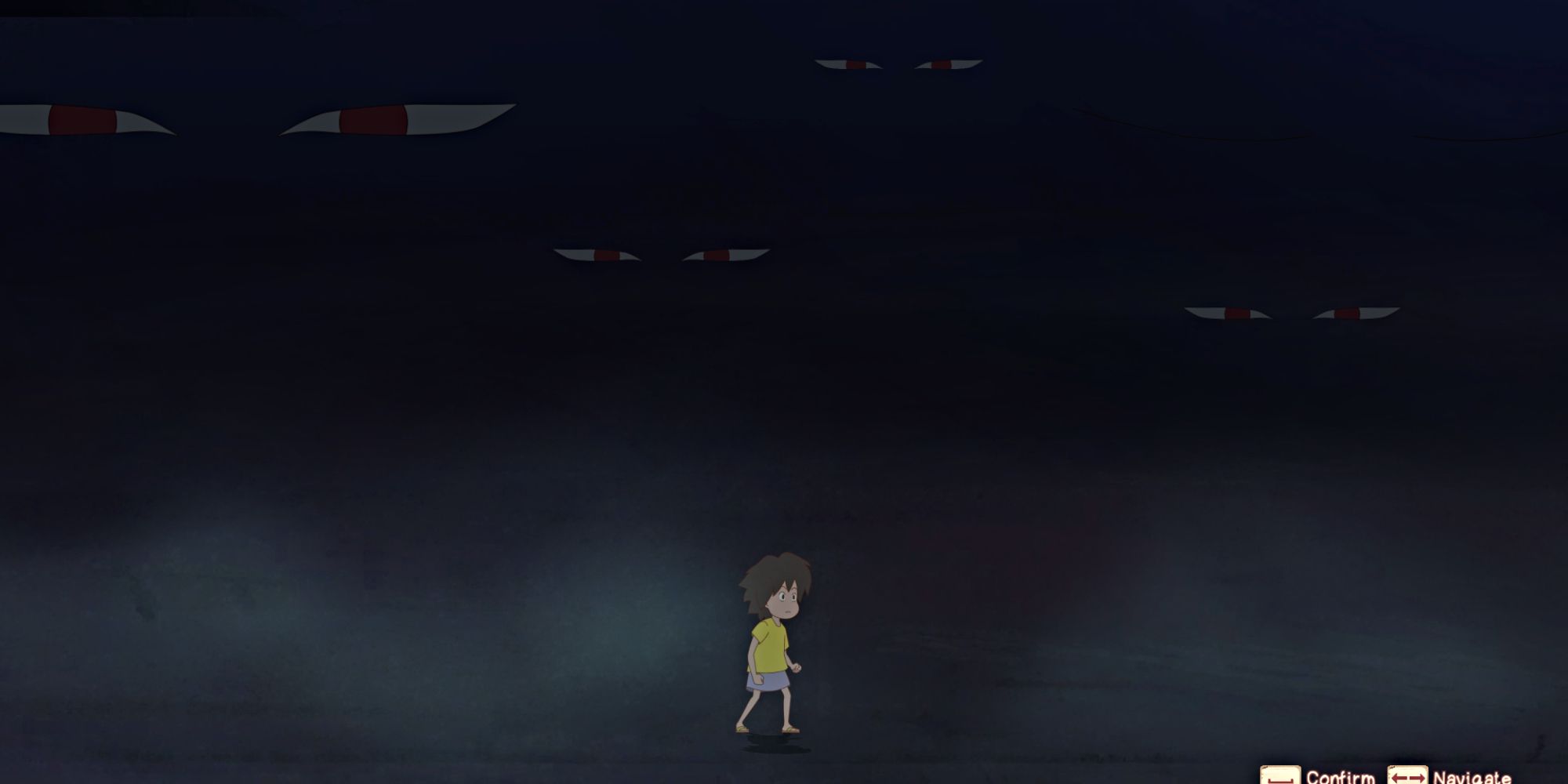
The game includes sections where you need to sneak past shadowy monsters. While it generally works well, successfully using stealth in a 2D side-scrolling game depends on clearly showing players where it’s safe to move and giving them a good sense of how close they are to being detected by enemies.
Fortunately, these parts were straightforward, so it doesn’t really require detailed explanations – it’s just a minor personal preference.
Where the Game Saves is Anyone’s Guess
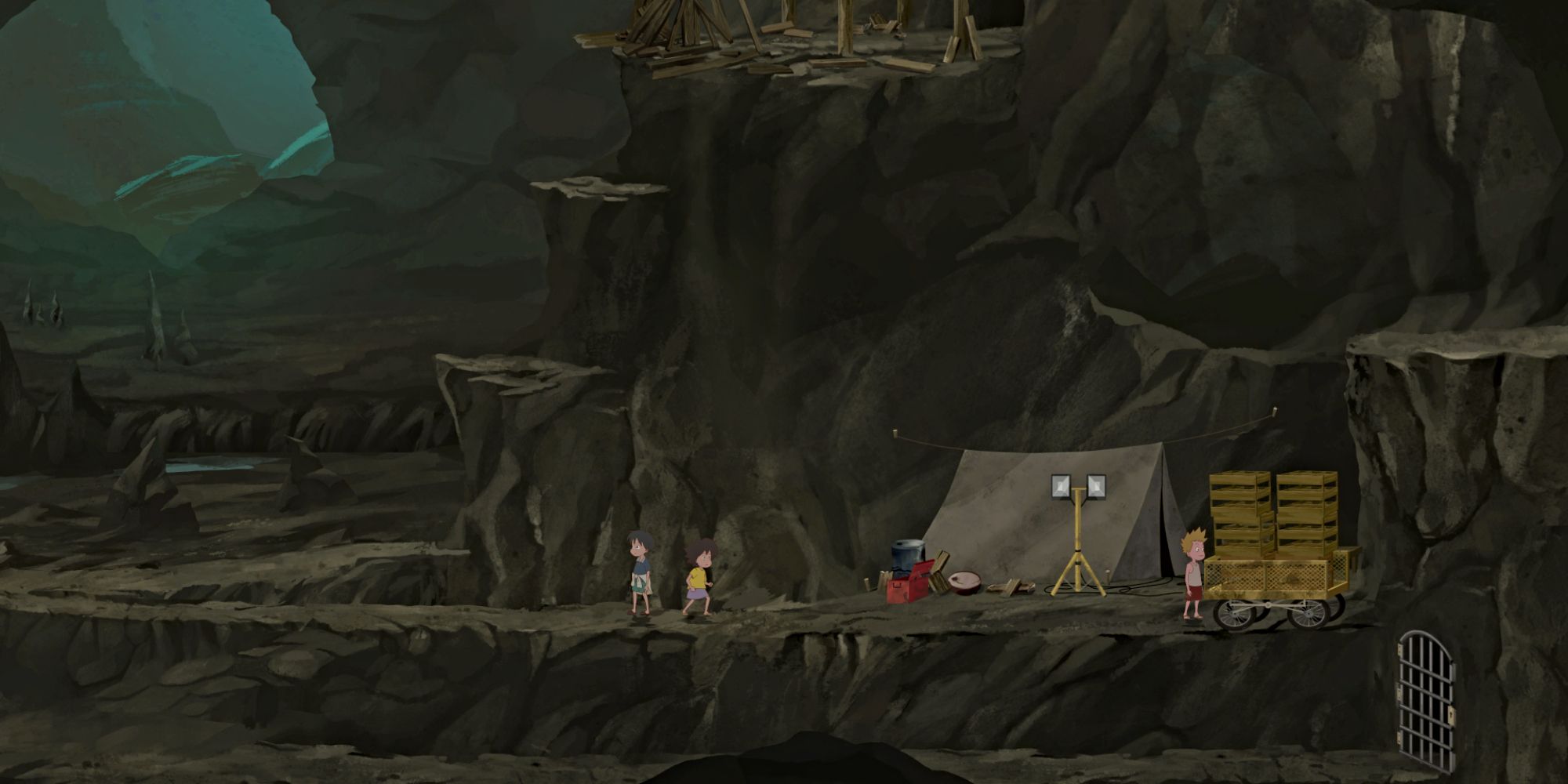
I also noticed a frustrating issue with the game’s interface: it’s unclear when and where the game saves your progress. Currently, there’s no way to save manually, and no designated save points within the game. It relies entirely on automatic saving, which works, but isn’t always the best solution for players.
What’s really frustrating is the complete lack of any indication that the game is saving. Players aren’t told when progress is saved – it seems to happen at the start or end of story sections, and sometimes at checkpoints. Most games explain how auto-saving works when you start, and show you an icon whenever it happens, but this game doesn’t do that.
This game doesn’t automatically save your progress, and it never shows you when it has. There are no save icons at all, not even between story sections. This made me constantly worried about when it was safe to pause, because life happens and you always need to stop playing eventually. I was hesitant to experiment to find out where the game actually saved my progress.
Subscribe for More Indie Game Coverage and Insight
Honestly, it’s a little frustrating to see something so small overlooked, especially when it feels like an easy fix. I’m hoping they address it in a future update, but it’s the kind of thing that should have been caught earlier, you know?
A Darkness Both Supernatural and Unbearably Human
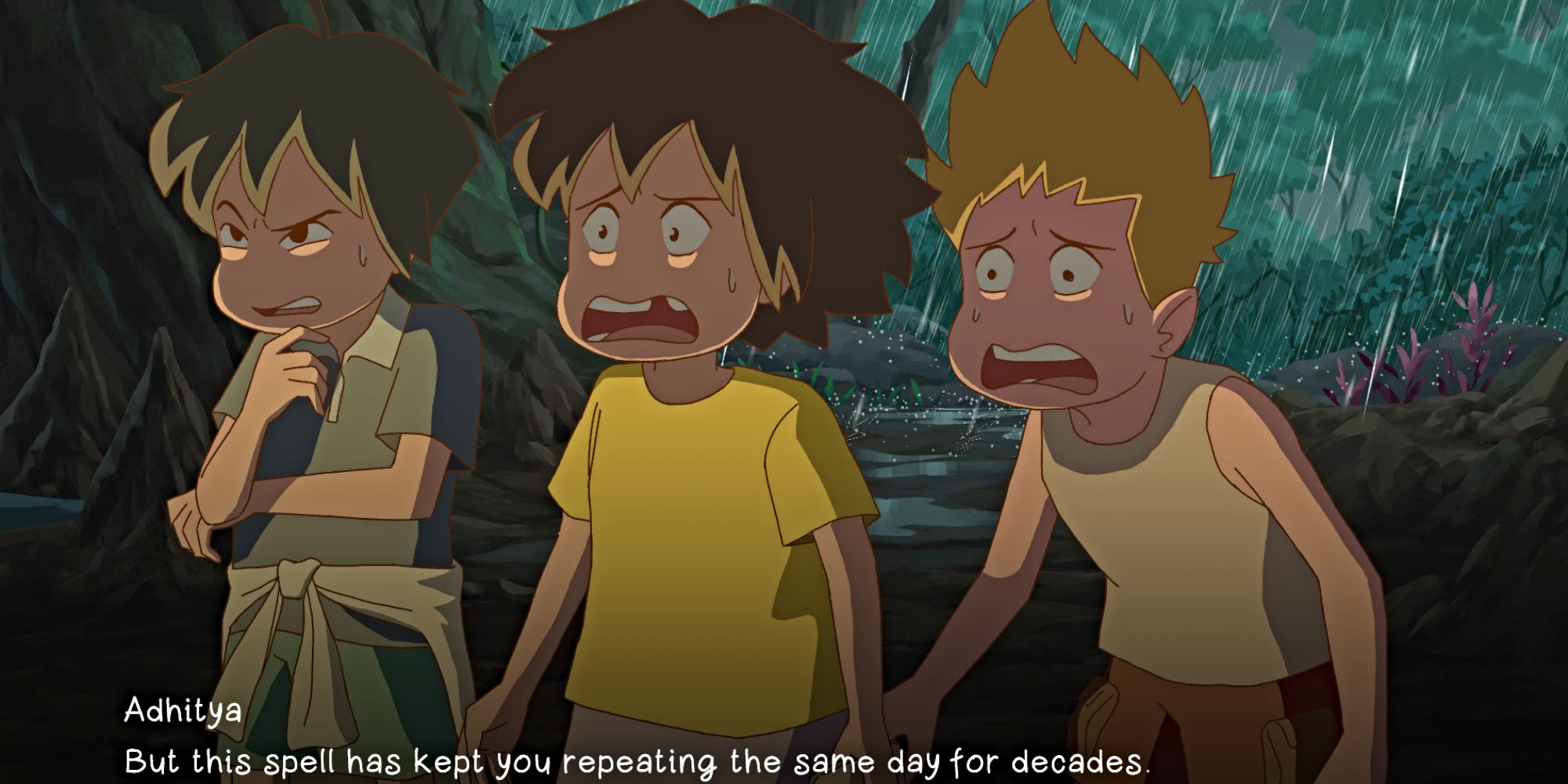
While the gameplay isn’t perfect, Kejora truly shines with its story. It begins with a lighthearted feel, showing Kejora enjoying a peaceful life in her village with her mother, friends, and neighbors. But things quickly take a turn when Kejora’s mother falls ill and needs to go to the city for medical care the very next day.
Each night, as midnight arrives, a strange clock resets the village to the beginning of the day. While everyone else lives the day as normal, the player feels something isn’t right. This is because a powerful, ancient curse has trapped the village in a repeating time loop, forcing them to relive the same day over and over again.
Despite shortcomings with its gameplay, Kejora’s other strong point comes in its story.
Kejora and her friends’ quest to break the curse leads them to strange and beautiful worlds, and explores surprisingly mature and unsettling themes. The darkness in the story comes not only from the curse itself, but also from the flaws within humanity. The game’s storytelling and art style clearly draw inspiration from Studio Ghibli, creating a rich and immersive experience.
Closing Comments
Kejora is a lovely and promising indie platformer with a story that generally works well. Unfortunately, clunky controls, weak sound, and some user interface issues hold it back from being truly great. It could have benefited from more polish in these areas. Still, if you enjoy games with beautiful, hand-drawn animation – particularly if you’re a fan of Studio Ghibli’s style – it’s definitely worth checking out.
Read More
- United Airlines can now kick passengers off flights and ban them for not using headphones
- Crimson Desert: Disconnected Truth Puzzle Guide
- All 9 Coalition Heroes In Invincible Season 4 & Their Powers
- Mewgenics vinyl limited editions now available to pre-order
- Grey’s Anatomy Season 23 Confirmed for 2026-2027 Broadcast Season
- Grok’s ‘Ask’ feature no longer free as X moves it behind paywall
- Viral Letterboxd keychain lets cinephiles show off their favorite movies on the go
- Assassin’s Creed Shadows will get upgraded PSSR support on PS5 Pro with Title Update 1.1.9 launching April 7
- All Golden Ball Locations in Yakuza Kiwami 3 & Dark Ties
- What happened to Tech Jacket in Invincible? Showrunner explains Season 4 change
2026-01-15 08:11